Climate change is the priority, global concern that has received substantial funding for reduction efforts and makes demands on governments for change. The first climate treaty, the Kyoto Protocol (2008), was founded on the aim of reducing greenhouse emissions to at least 5% below 1990 levels, however the last decade saw a 15% increase in CO2 emissions. Achieving 1990 levels should be the first target in Net Zero Emissions, equating to a reduction in annual CO2 emissions by 12.8 Gt, which this paper accepts as a definition of the “Global Target”. In this paper we assert that three key actions are necessary if this target is to be achieved: First, the use of Absolute Emissions, not Emission Intensity, as the key metric. Absolute Emissions provide transparency and facilitate responsible investment, whereas Emission Intensity is misleading because it creates an illusion of lower emissions whilst allowing increases in actual Greenhouse Gas (GHG) emissions. Second, measurement and reporting of Absolute Emissions should be compared with the Global Target for any GHG-producing process, and against the respective country, sector, and industry targets. Thirdly, data-based solutions should be implemented by identifying significant emission contributors and designing reduction or elimination protocols based on this identification. An example is given of removing inefficient motor vehicles to achieve 14% of the Global Target, together with examples of targetting other key emissions sources.
Metabolic dysfunction-associated steatohepatitis (MASH) is the most prevalent cause of liver disease worldwide, with a single approved therapeutic. Previous research has shown that interleukin-22 (IL-22) can suppress β-cell stress, reduce local islet inflammation, restore appropriate insulin production, reverse hyperglycemia, and ameliorate insulin resistance in preclinical models of diabetes. In clinical trials long-acting forms of IL-22 have led to increased proliferation in the skin and intestine, where the IL-22RA1 receptor is highly expressed. To maximise beneficial effects whilst reducing the risk of epithelial proliferation and cancer, we designed short-acting IL-22-bispecific biologic drugs that successfully targeted the liver and pancreas. Here we show 10-fold lower doses of these bispecific biologics exceed the beneficial effects of native IL-22 in multiple preclinical models of MASH, without off-target effects. Treatment restores glycemic control, markedly reduces hepatic steatosis, inflammation, and fibrogenesis. These short-acting IL-22-bispecific targeted biologics are a promising new therapeutic approach for MASH.
The present study provides a brief survey, based on a search of the US National Institutes of Health dataset Clinicaltrials.gov, of clinical trials for interventions that could prevent, mitigate or cure Long COVID, a syndrome of increasing concern to patients and their physicians, as the acute phase years of the main pandemic recede and some patients remain afflicted by the failure of the disease signs to completely abate. The disease is pleomorphic in its presentations and severity, with the consequence that there is no one generally accepted approach to treatment, and clinical trial design can be a challenge. At time of writing, there is no approved therapeutic intervention or combination of interventions for Long COVID. Over the last 3 years, there have been several reviews of the state-of-play in relation to therapies for long COVID; however, this is a rapidly moving field and the intention of this brief article is to provide a succinct update on a subset of potential interventional therapies that are currently undergoing clinical trial. There are at least 82 unique active agents in development, and they are characterised by diverse mechanisms of action; however, the emergency approach that was employed during the COVID-19 pandemic is not being replicated for development of treatments for Long COVID.
OBJECTIVES:The co-occurrence of melanoma and Parkinson's disease (PD) is higher than expected. We review the relationship between melanoma and PD, then proffer a hypothesis of how dysregulated human tyrosinase could be involved in both diseases via the loss of dopamine and neuromelanin-positive neurons in PD and the genesis alterations in melanin content during melanoma.KEY FINDINGS:There are a surprising number of links between skin disorders and neurodegenerative diseases. Some risk factors related to the co-occurrence of PD and melanoma have been extensively investigated over the past 15 years. It has been proposed that human tyrosinase, an enzyme participating in the biosynthesis of neuromelanin in the brain and of melanin in the skin, plays a role. Abnormally dysregulated human tyrosinase impacts the genesis and progression of melanoma and PD.SUMMARY:The dual role of human tyrosinase places it as the potential critical link between these seemingly distinct conditions. Detecting and monitoring human tyrosinase activity in the progression of melanoma and PD opens new opportunities for early diagnosis and treatment of both diseases.
In general, naturalistic philosophy deals with concepts that relate to the world as expressed in natural language, as it has evolved from a finite stock of root words substantially derived (in European languages) from Latin and Greek. In that sense naturalistic philosophy occupies an intermediate position between natural language and the appropriation of that language for uses in science. Our aim is to show that naturalistic philosophy is neither dead, nor is it to be found residing exclusively in a separate discipline named “philosophy of science”. We maintain that although science and naturalistic philosophy have some methodologically distinct aspects, when properly described, science _includes_ naturalistic philosophy. Naturalistic philosophy is entailed in activities from conceptualisation and theorisation, to interpretation of the products of science. We provide examples of the process of argumentation said to characterise naturalistic philosophy, as an integral part of the work of eminent scientists. This more complete view of what constitutes the doing of science has implications for the teaching of science, suggesting that at least some emphasis is required on the conjectural and creative aspects of science, as well as the purely methodological.
We investigate, semantically and philosophically, the English language edition of Hannah Arendt’s ‘The human condition’. Our approach connects Arendt’s focus on activity and action with occupational science. We suggest that an engagement with the human condition from a perspective of occupation may be of great value in facilitating an understanding of the place of human occupation in the rapidly changing modern world. Before such a project can be undertaken it is crucial that this work of Arendt be understood. Barriers to understanding this work have been glossed over by many of her interpreters. Our starting point is to clarify Arendt’s use of the word ‘condition’ in various contexts in the English language edition of ‘The human condition’. This can have a critical influence on meaning. By semantic analysis we show how Arendt has conflated the different types of conditions associated with doing and being, respectively (that is, conditions “of” and conditions “for”). We offer a solution to Arendt’s aporetic formulations that occur in the opening pages of her text. The way we make sense of Arendt’s thought is to distinguish between D-conditions relating to forms of activity and B-conditions that pertain to the being of human beings. Our semantic suggestions clear the way to conduct an interdisciplinary inquiry into the human condition which draws on Arendt, but is broader in scope than Arendt’s project, which was primarily an historical inquiry into the vita activa in the predominantly Western world.
We examine the case of a relatively new discipline, occupational science (founded in 1989). The aim is to come to a very general understanding of what occupational science is doing. This preliminary investigation paves the way for more specific inquiries into directions in occupational science research. The present aim requires us to focus on two sorts of experiential knowledge - phenomenological and empirical - the conceptual overlap of which occurs _in occupational science itself_. It is claimed that there is a need for conceptual clarification, particularly given that occupational science claims to be holistic. We turn to examine the various _meanings of occupation_, as they occur in this discipline. We then examine the particular legacy of Ann Wilcock, paying particular attention to her claim that occupation, conceived as a synthesis of doing, being, becoming and belonging, is essential to survival and health.
We build on Bohr's (1948) conjecture that complementarity has applications in domains of knowledge beyond the discipline of physics. Specifically, we examine the relevance and usefulness of Bohr’s notion of complementarity along with his revised definition of the term ‘phenomenon’ to the field of occupational science. We discuss how Bohr's (1948) redefinition of the term ‘phenomena’ is congruent with Husserl’s (1931) introduction of the term ‘intersubjectivity’ into phenomenology. We propose a reconceptualisation of occupation that, we suggest, aligns with Bohr’s suggestions, as well as with Husserl’s concept of intersubjectivity. We consider conditions concerning the concept of ‘phenomena’, before proceeding to state logical requirements for complementarity in relation to occupation. We argue that occupation is not a phenomenon; it involves a multiplicity of phenomena (some of which might be complementary). This leads to the development of a number of suggestions concerning complementarity between aspects of occupation. We take into account two discrete approaches to occupational science: the transactional perspective of occupation (TPO) and the occupational perspective of health (OPH). We propose that each of these perspectives is amenable to consideration from the perspective of complementarity.
‘Occupation’ is the focal point of inquiry in occupational science. In agreement with a recent article by Mary Lawlor, we consider that a complementary perspective is required in that discipline, to assist in its development. The current article provides background that is vital if occupation is to be understood from a perspective of complementarity. We turn in particular to Neils Bohr's (1948) account of complementarity in the context of physics, which he suggested has applications in disciplines beyond physics. At the core of the matter is the question: what is the phenomenon? Complementarity is understood as a relation between different phenomena, rather than between alternative representations of the same phenomenon. We discuss parallels in ancient Chinese philosophy in order to illustrate that complementarity goes beyond Western science and its typical worldviews. We also introduce Hussel’s concept of intersubjectivity as a condition for the possibility that complementarity between phenomena can be discussed both in physics and in occupational science. In other words, the very notion of complementarity between phenomena relies on intersubjectivity. This article - Part 1 - paves the way for developing a more complete account in relation to occupational science in Part 2.
It is well established that basic research underpins long-term innovation outputs such as transformative drugs and medical devices. However, Australia may be hobbling its long-term innovation capabilities by decreasing investment in basic research. Although there has been recent growth in our local venture capital and biopharmaceutical business sectors (that typically fund applied research and experimental development), both are comparatively undersized. Initiatives are needed to ensure long-term commitment to basic research at globally competitive levels and to ensure that long-term innovation capabilities are supported.
We examine the case of a relatively new discipline, occupational science (founded in 1989). The aim is to show that there is an ongoing need for naturalistic philosophy for interpreting what occupational science is doing. This aim requires us to focus on two sorts of experiential knowledge - phenomenological and empirical - the conceptual overlap of which occurs _in occupational science itself_. The knowledge based on lived experience, gained from self reflectivity, or from interaction with the perspectives of others, is subjective and _phenomenological_; whilst _empirical _knowledge comes, either from clues embedded in the historical, geological, or archeological record, or from making observations in the public realm (or even doing experiments in simulated conditions) that focus on language use and social behaviour. The overlap of both sorts of knowledge requires interpretation from a different perspective to either the purely phenomenological or the purely empirical. There is a basic aporia in the overlap of these two sorts of knowledge in occupational science, raising the questions of _which knowledge counts _and _for what end_. This is a matter for naturalistic philosophical interpretation. The article is divided into two sections. Section I examines the various _meanings of occupation_, as they occur in occupational science. Section II examines the particular legacy of Ann Wilcock. We pay particular attention to her claim that occupation, conceived as a synthesis of doing, being, becoming and belonging, is essential to survival and health.
Heart diseases are the most common non-communicable diseases worldwide. We examined the prevalence of risk factors for heart disease among a sub-population of working men. In total, 11,059 railway crew workers of the Russian Railways Company were included in the study. We also asked participants to answer several questions based on the WHO STEPwise approach to surveillance (STEPS) translated into Russian. Only 30% of drivers had normal body mass index (BMI), whereas 70% were overweight or obese. In 12% of subjects, total cholesterol was higher than 5 mmol/L. In 15% of participants, glucose level was higher than 5.5 mmol/L. 38% of drivers reported smoking. Physical inactivity was registered in 54% of persons. Only 29% ate according to the key principles of good diet quality. 24% of respondents had a family history of heart disease. MANOVA demonstrated that BMI was determined by age, profession, smoking, physical inactivity, and diet quality. As age increased, the number of people with normal cholesterol levels decreased. It was demonstrated that a correlation existed between glucose levels and BMI. In the total group, the correlation was 0.46 (p < .05). The correlation between those parameters increased due to age, from 0.33 in the <30 years of age group up to 0.52 in the >50 years of age group. This study demonstrated that there is a high prevalence of risk factors for heart disease in train drivers in the Russian Federation.
Journal Article A Left-Handed Pillar Box Get access Ross T Barnard, Ross T Barnard School of Chemistry and Molecular Biosciences, The University of Queensland, Brisbane, Queensland, Australia Address correspondence to this author at: School of Chemistry and Molecular Biosciences, Bldg 68 Cooper Rd., The University of Queensland, Brisbane, Queensland, 4072 Australia. Fax +61(0)733654299; email rossbarnard@uq.edu.au. https://orcid.org/0000-0002-5685-4828 Search for other works by this author on: Oxford Academic Google Scholar David J Turnbull David J Turnbull School of Chemistry and Molecular Biosciences, The University of Queensland, Brisbane, Queensland, Australia Search for other works by this author on: Oxford Academic Google Scholar Clinical Chemistry, Volume 68, Issue 10, October 2022, Pages 1350–1351, https://doi.org/10.1093/clinchem/hvac066 Published: 01 April 2022 Article history Received: 24 February 2022 Accepted: 04 March 2022 Published: 01 April 2022
Syzygium cumini, locally known as Jamun in Asia, is a fruit-bearing crop belonging to the Myrtaceae family. This study aims to summarize the most recent literature related to botany, traditional applications, phytochemical ingredients, pharmacological activities, nutrition, and potential food applications of S. cumini. Traditionally, S. cumini has been utilized to combat diabetes and dysentery, and it is given to females with a history of abortions. Anatomical parts of S. cumini exhibit therapeutic potentials including antioxidant, anti-inflammatory, analgesic, antipyretic, antimalarial, anticancer, and antidiabetic activities attributed to the presence of various primary and secondary metabolites such as carbohydrates, proteins, amino acids, alkaloids, flavonoids (i.e., quercetin, myricetin, kaempferol), phenolic acids (gallic acid, caffeic acid, ellagic acid) and anthocyanins (delphinidin-3,5-O-diglucoside, petunidin-3,5-O-diglucoside, malvidin-3,5-O-diglucoside). Different fruit parts of S. cumini have been employed to enhance the nutritional and overall quality of jams, jellies, wines, and fermented products. Today, S. cumini is also used in edible films. So, we believe that S. cumini's anatomical parts, extracts, and isolated compounds can be used in the food industry with applications in food packaging and as food additives. Future research should focus on the isolation and purification of compounds from S. cumini to treat various disorders. More importantly, clinical trials are required to develop low-cost medications with a low therapeutic index.
Ancestral sequence reconstruction is a technique that is gaining widespread use in molecular evolution studies and protein engineering. Accurate reconstruction requires the ability to handle appropriately large numbers of sequences, as well as insertion and deletion (indel) events, but available approaches exhibit limitations. To address these limitations, we developed Graphical Representation of Ancestral Sequence Predictions (GRASP), which efficiently implements maximum likelihood methods to enable the inference of ancestors of families with more than 10,000 members. GRASP implements partial order graphs (POGs) to represent and infer insertion and deletion events across ancestors, enabling the identification of building blocks for protein engineering. To validate the capacity to engineer novel proteins from realistic data, we predicted ancestor sequences across three distinct enzyme families: glucose-methanol-choline (GMC) oxidoreductases, cytochromes P450, and dihydroxy/sugar acid dehydratases (DHAD). All tested ancestors demonstrated enzymatic activity. Our study demonstrates the ability of GRASP (1) to support large data sets over 10,000 sequences and (2) to employ insertions and deletions to identify building blocks for engineering biologically active ancestors, by exploring variation over evolutionary time.
Journal Article Cat in Trinity Lane, Cambridge, 2010 Get access Ross T Barnard Ross T Barnard School of Chemistry and Molecular Biosciences, The University of Queensland, Brisbane, Queensland, Australia Address correspondence to this author at: School of Chemistry and Molecular Biosciences, The University of Queensland, Brisbane, Queensland 4072, Australia. E-mail rossbarnard@uq.edu.au. https://orcid.org/0000-0002-5685-4828 Search for other works by this author on: Oxford Academic Google Scholar Clinical Chemistry, Volume 68, Issue 9, September 2022, Pages 1226–1227, https://doi.org/10.1093/clinchem/hvab152 Published: 11 April 2022 Article history Received: 10 June 2021 Accepted: 17 June 2021 Published: 11 April 2022
In May 2021, a lunar eclipse took place that was clearly visible from my hometown, Brisbane, Australia. This painting (Fig. 1) is a semifigurative depiction of the lunar eclipse. The painting owes something to the nonfigurative style of Wassily Kandinsky (b. 1866–d. 1944), who was a giant in abstract art in the first half of the 20th century (1), notable for both his color theory and his synesthesia (he could experience color as sound, and vice versa). This instance of total eclipse was short in duration (19 min) because the moon passed close to the edge of the earth’s umbra (2), with a sliver of reflected white light remaining visible along the left edge of the moon. This is represented in the painting, along with the track of the moon through the umbra. If the orbits of earth and moon were in the same plane, one would expect to see total lunar eclipses every month; however, they are observable only once every 5 or so years (by an observer at the same location on the earth’s surface), as a consequence of the 5-degree inclination of the moon’s orbit from the plane of earth’s orbit around the sun (the ecliptic) (3). In this painting, the artist has drifted somewhat from a strictly nonfigurative style. It also contains a hidden message in Morse code. That, I will leave the observer to decode.
The study was an extension of our earlier work on antiinflammatory and anticancer properties of G. asiatica fruit. We aimed to develop a bioassay guided multistep purification technique for producing bioactive fractions of G. asiatica crude extracts. Dried fruit powder was sequentially fractionated with 100% dichloromethane, 100% methanol (MeOH), and 50% MeOH. Active extracts were subjected to liquid-liquid partitioning followed by subfractionation using RP-HPLC. Antioxidant, antiinflammatory, and anticancer activities of the fruit extracts, and their potent fractions were evaluated in vitro, while identification of compounds from the bioactive fractions was performed by ESI-MS/MS analysis. The amount of the identified compounds present was confirmed using external standards adopting a simple, accurate, and rapid analytical HPLC method. The results showed that 100% and 50% MeOH extracts possessed bioactivity; one of which (the 50% MeOH extract) displayed potent activity in all in vitro bioassays. MeOH extract (50%) derived fraction C and hydroalcoholic fraction 5 (GAHAF5) were observed to possess higher antioxidant, antiinflammatory, and in vitro anticancer activity. IC50 of GAHAF5 against MCF-7, HEp-2, and NCI-H522 cancer cells was recorded as 26.2, 51.4, and 63 μg/mL, respectively. ESI-MS/MS and HPLC analysis identified catechin, chlorogenic acid, caffeic acid, and morin as potential bioactive compounds in the GAHAF5 fraction with concentrations of 1230, 491, 957, and 130 μg/g, respectively. The findings indicated that G. asiatica bioactive fractions possessed antiinflammatory activity in vitro and were cytotoxic against breast cancer, lung cancer, and laryngeal cancer cell lines.
 Michael Waters合作论文数Institute for Molecular Bioscience, University of Queensland28
 Damian Hine合作论文数Centre for Policy Futures, Faculty of Humanities and Social Sciences, The University of Queensland16
 Martina L. Jones合作论文数11Scott W. Rowlinson合作论文数11
 Stephen Mahler合作论文数Australian Institute for Bioengineering and Nanotechnology, The University of Queensland9
 Zyta Maria Ziora合作论文数Department of Medicinal Chemistry, Center for Frontier Research in Medicinal Science and 21st Century COE Program, Kyoto Pharmaceutical University, Yamashina-ku, Kyoto 607-8412, Japan8
 Georgina Clark合作论文数School of Health Sciences, Faculty of Medicine and Health, The University of Sydney;Anzac Research Institute8
 Roy Hall合作论文数University of Queensland;Murdoch University8Fromm Phillip D合作论文数8
 Derek Hart合作论文数ANZAC Research Institute8Therese Seldon合作论文数8Kenneth F. Bradstock合作论文数Westmead Hospital8
 Trent P. Munro合作论文数Department of Cell Biology, Harvard Medical School8
 Pablo A. Silveira合作论文数immunity Research Group, Auto;Centenary Institute of Cancer Medicine and Cell Biology;Autoimmunity Research Group, Centenary Institute of Cancer Medicine and Cell Biology8Fang Liang合作论文数7
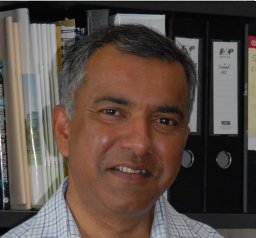 Christopher M M Franco合作论文数Flinders University7
 Nirupama Verma合作论文数School of Clinical Medicine, University of New South Wales Sydney;Ingham Institute7
 Frank Talamantes合作论文数7S Bastiras合作论文数6phillip mackinnon合作论文数6Will Rifkin合作论文数6Richard Lai合作论文数6Arungundrum S. Prakash合作论文数6
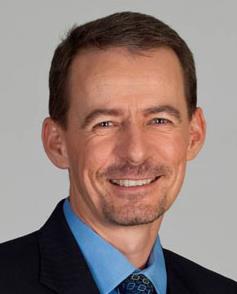 Peter E. Lobie合作论文数Tsinghua Shenzhen International Graduate School6Shahin Kifah合作论文数6
 Simon Corrie合作论文数Department of Chemical and Biological Engineering, Faculty of Engineering, Monash University6
 Xinsheng ju合作论文数6David J. Munster合作论文数6h tran合作论文数5
 Hobson-Peters Jody合作论文数School of Chemistry and Molecular Biosciences, University of Queensland5
 Christian Fercher合作论文数5Z. Elgundi合作论文数4J García-Aragón合作论文数4Evan Siegel合作论文数4William I. Wood合作论文数4Y. Sheng合作论文数4
 Muhammad Qamar合作论文数4S A Spencer合作论文数4
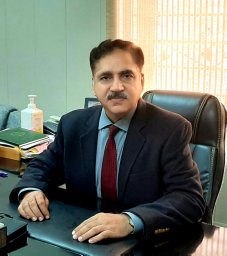 Saeed Akhtar合作论文数Institute of Food Science and Nutrition, Bahauddin Zakariya University4Ye Yuan合作论文数4Tsun-Ho Lo合作论文数4Daniel Watterson合作论文数School of Chemistry and Molecular Biosciences, Faculty of Science, The University of Queensland4Hall-Mendelin Sonja合作论文数4
 Ismail Tariq合作论文数Faculty of Agricultural Sciences and Technology, Bahauddin Zakariya University4McLean Breeanna J合作论文数4Colmant Agathe M G合作论文数4Yonghua Sheng合作论文数4
 Wallace Bridge合作论文数University of New South Wales4
 Roy Hammonds合作论文数4




