Oxidative stress (OS) and endothelial dysfunction are major drivers of cardiovascular disease (CVD) in peritoneal dialysis (PD). MOTS-c, a mitochondria-derived peptide, is emerging as a key regulator of skeletal muscle health, metabolic homeostasis, and vascular function, yet its role in the uremic environment remains unexplored. We investigated the relationship between MOTS-c levels, OS markers, and vascular stiffness in PD patients. This pilot, clinical study included 32 stable PD patients (mean age 60.7 ± 1.2 years, 62.5
Background/Objectives: Cardiovascular disease (CVD) in chronic kidney disease (CKD) arises from a multifaceted interplay of pathophysiological processes, including chronic inflammation, oxidative stress (OS), and accelerated vascular calcification (VC). Red blood cell distribution width (RDW) and the neutrophil-to-lymphocyte ratio (NLR) have emerged as simple, inexpensive, and readily available hematological indices that may capture these underlying disturbances. As such, they hold promise as accessible biomarkers for stratifying cardiovascular risk in patients with CKD. Methods: This cross-sectional study enrolled 497 patients, comprising 477 with CKD across all stages and 20 controls. We evaluated the associations of RDW and NLR with both traditional and non-traditional cardiovascular risk factors, as well as with serum calcification propensity (T50). Spearman’s correlation and multivariable regression analysis were used to assess these relationships. Results: Both RDW and NLR were significantly elevated in patients with established CVD (p < 0.001 for both) and demonstrated a progressive increase across advancing CKD stages (p < 0.001). RDW and NLR showed positive correlations with age, CVD duration, urea, phosphorus, parathormone, CRP, FG23, and mean carotid intima–media thickness (cIMT), while exhibiting inverse correlations with eGFR, serum albumin, hemoglobin, lipids, antioxidants such as superoxide dismutase, fetuin-A, and T50. Additionally, NLR correlated positively with the duration of hypertension and diabetes, as well as with albuminuria. Quartile analysis revealed a stepwise decline in T50 across increasing categories of RDW and NLR, supporting the link with impaired calcification defense. In multivariable analysis, T50 independently predicted NLR (β = −0.013; p = 0.018), whereas total cholesterol (β = −0.011; p = 0.019) and cIMT (β = 0.38; p = 0.018) emerged as independent determinants of RDW. Conclusions: RDW and NLR strongly reflect the burden of inflammation, metabolic disturbance, and vascular dysfunction in patients across the CKD spectrum. The consistent associations with impaired calcification defense and with established cardiovascular risk markers underscore the potential value as accessible indicators of cardiovascular vulnerability in CKD. These findings support incorporating RDW and NLR into routine risk assessment and highlight T50 as a mechanistically relevant determinant of hematologic inflammation profiles.
Although mineralocorticoid receptor (MR) antagonism is a mechanistically plausible target of therapy in patients with kidney failure, prior small trials failed to elucidate the safety and efficacy of spironolactone and eplerenone in this population. More conclusive evidence was provided by the ALCHEMIST and ACHIEVE trials, in which spironolactone was not superior to placebo in improving cardiovascular outcomes in patients with kidney failure. The incidence of moderate hyperkalemia in these trials was higher with spironolactone than with placebo. Accordingly, the use of spironolactone or eplerenone for cardiovascular protection in this population is not justified by the currently available clinical-trial data.
In clinical states of relative aldosterone excess, such as in patients with chronic kidney disease (CKD), blockade of the overactivated mineralocorticoid receptor (MR) is a mechanistically plausible target of therapy in order to improve long-term cardiovascular and kidney outcomes. However, in the recently completed Benefits of Aldosterone Receptor Antagonism in Chronic Kidney Disease (BARACK-D) trial, the addition of spironolactone to standard care was not superior to standard care alone in improving cardiovascular outcomes in high-risk patients with moderate CKD. The use of spironolactone over the course of the BARACK-D trial was commonly restricted by hyperkalemia and other side effects. In sharp contrast, finerenone is a novel, selective, non-steroidal MR antagonist with proven cardiorenal protective effects and a more favorable side-effect profile. In a prespecified, individual patient-level data synthesis of 3 large clinical trials, as compared with placebo, finerenone significantly reduced the risks of all-cause death, hospitalization for heart failure and progression of CKD in a broad spectrum of patients with cardio-kidney-metabolic diseases. Although the risk of hyperkalemia with finerenone is real, the permanent discontinuation of treatment due to hyperkalemia occurs rarely. Accordingly, finerenone appears to be a safer therapeutic option with well-documented benefits on cardiovascular and kidney outcomes. In this article, we provide a comparative evaluation of safety and efficacy of spironolactone with that of finerenone. We discuss differences in pharmacodynamic and pharmacokinetic properties as well as data for the safety and efficacy of these 2 MR antagonists. We conclude with a call for a trial aiming to provide a direct and head-to-head comparison between spironolactone and finerenone in high-risk patients with cardio-kidney-metabolic diseases in the future.
Hypervolemia in hemodialysis patients is often covert and physical examination is frequently inaccurate in diagnosing the presence of subclinical volume expansion. Newer technologies, such as relative blood volume monitoring during dialysis, bioimpedance spectroscopy and lung ultrasound, offer promise for a more accurate assessment of volume status in these patients. Prospective observational studies support the notion that hypervolemia, as assessed with these assistive methods, is a strong and independent predictor of adverse cardiovascular outcomes and mortality in hemodialysis patients. However, randomized controlled trials and meta-analyses have failed to demonstrate that as compared with usual care, a volume management strategy based on the use of these assistive techniques is more effective in mitigating the risk of adverse intradialytic events and in improving long-term cardiovascular outcomes. In this article, we explore the question: whether assistive technologies are ready for implementation in daily clinical practice for the long-term management of volume overload in hemodialysis patients. We critically evaluate evidence from recently completed randomized trials and provide directions for future research in this important scientific area.
Abstract: Hemodialysis (HD) remains the cornerstone of renal replacement therapy for patients with End-Stage Kidney Disease (ESKD). Over the past two decades, conventional HD has been followed by more advanced dialysis modalities, including online hemodiafiltration (HDF) and expanded hemodialysis (HDx). These have been introduced to improve solute clearance and clinical outcomes. Yet cardiovascular events, mortality, and symptom burden remain unacceptably high, and it remains unclear which modality is optimal. Studies so far have shown that HDF, which combines diffusive and convective transport, is associated with lower all-cause and cardiovascular mortality than conventional HD. This is particularly the case when HDF achieves adequate convection volume and in patients with certain characteristics. HDx, which employs medium cut-off membranes, enables the clearance of larger middle molecules and may reduce inflammation, hospitalization, and symptom burden, data on hard cardiovascular and survival endpoints remain limited. Across modalities, studies assessing quality of life, symptom relief, and treatment tolerability are few and often underpowered, leaving important patient priorities underexplored. In parallel, the implementation of resourceintensive modalities such as HDF raises concerns about water, energy, and plastic use. This underscores the need for overall environmental sustainability in a growing dialysis population. Current evidence supports an individualized, outcome-driven approach to prescribing HD, HDF, and HDx, balancing potential cardiovascular and survival advantages of high-volume HDF and HDx against feasibility, cost, and environmental impact. This narrative review synthesizes evidence from randomized controlled trials and large observational cohorts comparing conventional low- and high-flux HD with post-dilution HDF and HDx, highlighting key clinical and methodological controversies.
Matrix Gla Protein (MGP), a vitamin K dependent protein needs vitamin K to undergo carboxylation and phosphorylation in order to be active and act as an inhibitor of vascular calcification. Dephosphorylated, uncarboxylated Matrix Gla Protein (dp-ucMGP), the fully inactive form of MGP reflects vitamin K deficiency and has been identified as a marker of vascular calcification and stiffness and an independent cardiovascular disease (CVD) risk factor in chronic kidney disease (CKD) patients. In this study we aimed to investigate the association of vitamin K deficiency with traditional and non-traditional cardiovascular risk factors in a large cohort of CKD patients. We recruited 482 CKD patients of all stages (35 stage I, 29 stage II, 79 stage III, 55 stage 4 and 289 end-stage kidney disease, 126 Peritoneal Dialysis-PD and 163 Hemodialysis-HD) and measured plasma levels of dp-ucMGP (CARIM Institute, Maastricht, Netherlands). In these patients we determined arterial stiffness parameters (pulse wave velocity-PWV) by the Mobil-O-Graph device (IEM, Stolberg, Germany), carotid intima- media thickness (cIMT) as a marker of arterial calcification with a B-mode ultrasound and the presence of plaque in the carotid arteries. We also measured serum malondialdehyde (MDA) a marker of lipid peroxidation in the Department of Biochemistry, Medical School of Nis, Serbia, by ELISA. The mean age of all patients was 65.9 ± 15.4 years and 34% were female. Dp-ucMGP was correlated with central systolic and diastolic blood pressure (r = 0.006, P = 0.023 and r = 0.17, P = 0.014), gfr (r = −0.69, P < 0.0001), age (r = 0.18, P < 0.0001), duration of hypertension, diabetes mellitus and CVD (r = 0.18, P < 0.0001, r = 0.11, P = 0.024 and r = 0.19 P < 0.0001 respectively), hemoglobin (r = −0.51, P = 0.001), sodium (r = −0.023, P < 0.0001), phosphate (r = 0.44, P = 0.005), parathormone (r = 0.43 P < 0.0001), albuminuria (r = −0.5 P = 0.05), serum albumin (r = −0.28, P = 0.044), total cholesterol (r = −0.12, P = 0.02), triglycerides (r = 0.18, P < 0.001), high (r = −0.26, P < 0.0001) and low density lipoprotein cholesterol (r = −0.13, P = 0.011), cIMT (r = −0.14, P = 0.04) and serum MDA (r = −0.16, P = 0.001), Spearman's rho test. Kruskal-Wallis analysis showed that dpuc-MGP was significantly increased in patients with previous history of CVD (P < 0.0001) and those having a plaque in the carotid artery (P < 0.0001). Moreover, plasma dp-ucMGP levels increased progressively with CKD stages (P < 0.0001) Stage Ι 488.14 ± 171.8 Stage II 729.3 ± 397.3 Stage III 852.3 ± 453.6 Stage IV 1276 ± 814.9 ESKD 1756.9 ± 983.4 (HD 1781.9 ± 1029, PD 1806.5 ± 979.1), Multivariate analysis showed that MDA and HDL were independent predictors of dp-ucMGP levels. Vitamin K deficiency (assessed by elevated plasma dp-ucMGP levels) was present even at very early stages of CKD (stage I and II), progressed along with deterioration of kidney function and was further exacerbated in ESKD, where nearly all HD and PD patients were vitamin K deficient. Dp-ucMGP was associated with various traditional and non-traditional CVD risk factors and cIMT, a surrogate marker of vascular calcification. We showed for the first time a strong association between dp-ucMGP and MDA, a marker of oxidative stress.
During recent years, it became evident that cognitive impairment is highly prevalent in End-Stage Kidney Disease (ESKD), which was mainly attributed to advanced age and vascular calcification (VC). However, the actual prevalence and incidence of cognitive impairment in Chronic Kidney Disease (CKD) are probably underreported. In this study we aimed to investigate the prevalence of cognitive impairment and the possible associations of cognitive function with various traditional and novel VC risk factors in a large cohort of CKD patients. We recruited 482 CKD patients of all stages (35 stage I, 29 stage II, 79 stage III, 55 stage 4 and 289 end-stage kidney disease-126 Peritoneal Dialysis-PD and 163 Hemodialysis-HD) and measured plasma levels of the inactive vitamin-K dependent Matrix Gla Protein (dp-ucMGP) (CARIM Institute, Maastricht, Netherlands). In these patients we determined arterial stiffness parameters (pulse wave velocity-PWV) by the Mobil-O-Graph device (IEM, Stolberg, Germany), carotid intime media thickness (cIMT) as a marker of arterial calcification with a B-mode ultrasonography and the presence of plaque in the carotid arteries. We also measured serum malondialdehyde (MDA) a marker of lipid peroxidation in the Department of Biochemistry, Medical School of Nis, Serbia, by ELISA. In our population, we used the MoCA (Montreal Cognitive Assessment) test, a 30-point screening test to detect cognitive impairment in 8 different areas (memory, language, attention and concentration, conceptual thinking, orientation, calculations, executive functions and visuoconstructional skills). The mean age of all patients was 65.9 ± 15.4 years and 34% were female. Moca score was correlated with central systolic and diastolic blood pressure (r = 0.15, P = 0.02 and r = 0.28, P < 0.0001), cardiac rhythm (r = 0.12 P = 0.04) creatinine (r = 0.35, P = 0.03), age (r = −0.53, P < 0.0001), duration of hypertension, diabetes mellitus and CVD (r = −0.18, P = 0.001, r = −0.32, P < 0.0001 and r = −0.28 P < 0.0001 respectively), glycated hemoglobin (r = −0.35, P = 0.03), high density lipoprotein cholesterol (r = 0.12, P = 0.003), serum MDA (r = 0.12, P = 0.023) and plasma dp-ucMGP (r = −0.22, P < 0.0001), Spearman's rho test. Kruskal-Wallis analysis showed that Moca score was significantly increased in patients with previous history of CVD (P < 0.0001) and those having a plaque in the carotid artery (P < 0.0001). Moreover, MoCA score decreased progressively with CKD stages (P < 0.0001) Stage Ι 29.2 ± 1.2 Stage II 28.2 ± 2.6 Stage III 26.6 ± 4.3 Stage IV 26.5 ± 3.9 ESKD 26.5 ± 4.3 (HD 26.2 ± 5.3, PD 26.8 ± 3.1). Cognitive dysfunction starts early in CKD, is progressively increased with deterioration of kidney function and might be associated with vascular calcification, vitamin K deficiency and increased oxidative stress that are common in this population.
We aimed to investigate the association between oxidative stress (OS), inflammation, and kidney function and the predictive ability of OS for mortality and cardiovascular disease in 143 patients with type 2 diabetes (T2DM) and various degrees of kidney function. At baseline, we assessed catalase, nitrogen oxides (NOx), malondialdehyde (MDA), advanced oxidation products (AOPPs), myeloperoxidase (MPO)], kidney function, and C-reactive protein (CRP). All patients were followed for 57 months, with the combined primary outcome of death/cardiovascular (CV) event, whichever occurred first. NOx was an independent predictor of estimated glomerular filtration rate (B = -0.097, p = 0.006), and MPO was correlated with glycated hemoglobin (r = 0.17, p = 0.046), CRP (r = -0.18, p = 0.032), and serum albumin (r = 0.2, p = 0.011, Spearman's rho). During the follow-up, 24 composite events were documented. Kaplan-Meier curves showed that smoking (p = 0.029), serum albumin (p = 0.014), and MPO (p = 0.024, log-rank test) were associated with the outcome. In multivariate Cox regression models, smoking and MPO were independent predictors of the composite outcome (hazard ratio-HR = 2.8, p = 0.004, 955 confidence interval-CI 1.05-7.5 and HR = 0.99, p = 0.015, 95% CI: 0.98-1.00, respectively), after adjustment for several cofactors. OS might be associated with CV disease in T2DM.
Oxidative stress (OS), defined as the imbalance between pro-oxidants and antioxidants is highly prevalent in end-stage kidney disease (ESKD) and might contribute to the increased cardiovascular (CV) risk that these patients have. In this study we aimed to investigate the associations of markers of OS with various traditional and novel CV risk factors in a large cohort of CKD patients. We recruited 482 CKD patients of all stages (35 stage I, 29 stage II, 79 stage III, 55 stage 4 and 289 end-stage kidney disease-126 Peritoneal Dialysis-PD and 163 Hemodialysis-HD) and measured plasma levels of the inactive vitamin-K dependent Matrix Gla Protein (dp-ucMGP) (CARIM Institute, Maastricht, Netherlands). In these patients we determined arterial stiffness parameters (pulse wave velocity-PWV) by the Mobil-O-Graph device (IEM, Stolberg, Germany), carotid intime media thickness (cIMT) as a marker of arterial calcification with a B-mode ultrasonography and the presence of plaque in the carotid arteries. We also measured serum malondialdehyde (MDA) a marker of lipid peroxidation, and the antioxidants superoxidase dismutase (SOD) and catalase (CAT) in the Department of Biochemistry, Medical School of Nis, Serbia, by ELISA. The mean age of all patients was 65.9 ± 15.4 years and 34% were female. CAT was associated with central systolic and diastolic blood pressure (r = 0.37, P < 0.0001 and r = 0.34, P = 0.001), gfr (r = 0.27, P = 0.008), peripheral pulse pressure (r = 0.25, P < 0.0001) and SOD with dp-ucMGP (r = −0.16, P = 0.001), PWV (r = 0.35, P = 0.044), gfr (r = 0.33, P < 0.0001), parathormone (r = −0.23, P < 0.0001) and circulating MDA was correlated with dpucMGP (r = −0.16, P = 0.001), gfr (r = 0.18, P = 0.001), age (r = −0.16, P = 0.001), duration of CVD (r = −0.1 P = 0.05), total and low density lipoprotein cholesterol (r = 0.17, P = 0.001 and r = 0.15, P = 0.003 respectively), Spearman's rho test. Kruskal-Wallis analysis showed that both SOD and CAT decreased, whereas MDA increased progressively with CKD stages (P < 0.0001, P = 0.05, P < 0.0001). MDA was increased in patients with previous history of CVD (P = 0.013) and the presence of plaque in the carotid arteries (P < 0.0001). Multivariate regression analysis showed that gfr was a strong independent predictor of MDA levels (P = 0.001, B = 0.021 95% CI 0.009–0.034). OS starts at early stages of CKD and increases along with deterioration of kidney function. Both antioxidants (SOD, CAT) and pro-oxidants (MDA) were tightly associated with gfr, dp-ucMGP (possibly reflecting vitamin K deficiency) and CV risk factors.
Vitamin D exists in various forms and plays a central role in the absorption and regulation of calcium and phosphate. In chronic kidney disease, vitamin D concentrations become progressively reduced with the deterioration of kidney function, which becomes even more pronounced in end-stage kidney disease. Herein, we aim to summarize existing data regarding the pathogenetic role of vitamin D in dialysis and the potential effect of supplementation of various forms of vitamin D on hard and surrogate clinical endpoints. We performed a narrative review, gathering existing observational and clinical studies from 2001 to 2025 in English in the Medline/PubMed database, along with current guidelines and consensus statements regarding the use of vitamin D and D analogues in end-stage kidney disease patients. Vitamin D should be monitored and corrected, but supraphysiologic doses should be avoided, as well as very high levels of vitamin D to avoid toxicity. In dialysis, native D is used only to correct vitamin D deficiency; the real target here is secondary hyperparathyroidism, where vitamin D analogues and calcimimetics should be administered.
Introduction & Objective: Epidemiological and experimental evidence suggests that hyperuricemia is involved in the pathophysiology of type 2 diabetes (T2D), inducing insulin resistance or beta cell failure. Therefore, our objective was to investigate a possible association between variants in genes related to uric acid metabolism and T2D in a case-control study design. Methods: Our sample consisted of 624 T2D patients from Greece and 356 normoglycemic, ancestry-matched controls. In the control group, individuals over 65 years of age were included to minimize the probability that T2D will present at a later stage in their life. The samples were genotyped on Illumina Human PsychArray 24 v1.1. We focused our investigation on 30 genes involved in the metabolism of uric acid. We conducted allelic and genotypic tests using PLINK v1.9. The significance of the association was determined using permutation for each type of test. Furthermore, we performed haplotypic tests using BEAGLE v3.2.3. SNPs with association P-values <0.05 were selected for permutation analysis. Results: In the allelic tests our top hit was a rare variant, rs35008345 residing on the SLC22A1 gene, which was detected only in the control group, suggesting a potential protective role against the development of T2D (p<0.001). Genotypic tests revealed significant associations in the REN and ABCG4 genes, with ABCG4 harboring four markers (rs4301800: OR 1.269; 95% CI 1.053-1.530, p=0.012, rs643423: OR 1.210; 95% CI 1.001-1.463, p=0.048, rs4245191: OR 1.213; 95% CI 1.004-1.467, p=0.045, rs7234: OR 0.801; 95% CI 0.666-0.963, p=0.018) and REN harboring one marker (rs6693954: OR 0.748; 95% CI 0.613-0.914, p<0.01). Conclusion: Our results suggest a potential role for variants in uric acid genes in the pathogenesis of T2D. Further studies are needed to validate these findings and clarify whether the detected associations are causal. Disclosure X. Tsekmekidou: None. T. Koufakis: Speaker's Bureau; Novo Nordisk, Lilly Diabetes, AstraZeneca, Boehringer-Ingelheim. M. Papavasileiou: None. F. Tsetsos: None. M. Grammatiki: None. A. Roumeliotis: None. N. Papanas: None. D. Papazoglou: None. P. Paschou: None. K. Kotsa: None. Funding This research was supported by the European Social Fund and Greek funds through the Operational Programme 'Education and Lifelong Learning' of the National Strategic Reference Framework-Research Funding Programme: THALES. Investing in knowledge society through the European Social Fund (MIS 380273).
Background: This study aimed to investigate the effects of a home-based exercise training program on Cardiac Autonomic Neuropathy (CAN) and metabolic profile in Diabetic Kidney Disease (DKD) patients undergoing maintenance hemodialysis (HD). Method: Twenty-eight DKD patients undergoing hemodialysis were randomly assigned into two groups. The exercise (EX) group followed a 6-month combined exercise training program at home, while the control (CO) group remained untrained. All participants at baseline and the end of the study underwent cardiopulmonary exercise testing (CPET), biochemical tests for glucose and lipid profile, and 24-h electrocardiographic monitoring for heart rate variability (HRV) analysis and heart rate turbulence (HRT). Results: At the end of the study, compared to the CO, the EX group showed a significant increase in serum high-density lipoprotein (HDL) by 27.7% (p = 0.01), peak oxygen uptake (VO2peak) by 9.3% (p < 0.05), the standard deviation of R-R intervals (SDNN) by 34.3% (p = 0.03), percentage of successive RR intervals higher than 50ms (pNN50) by 51.1% (p = 0.02), turbulence slope (TS) index by 18.4% (p = 0.01), and decrease in (glycated hemoglobin) HbA1c by 12.5% (p = 0.04) and low-frequency power LF (ms2) by 29.7% (p = 0.01). Linear regression analysis after training showed that VO2peak was correlated with SDNN (r = 0.55, p = 0.03) and HF (r = 0.72, p = 0.02). Multiple regression analysis indicated that the improvement of sympathovagal balance and aerobic capacity depended on patients’ participation in exercise training. Conclusion: In conclusion, a 6-month home-based mixed-type exercise program can improve cardiac autonomic function and metabolic profile in DKD patients on HD.
Oxidative stress (OS) has been recognized as a pathophysiologic mechanism underlying the development and progression of chronic kidney disease (CKD). OS, which results from the disturbance of balance among pro-oxidants and antioxidants favoring the pro-oxidants, is present even in early CKD and increases progressively along with deterioration of kidney function to end-stage kidney disease (ESKD). In ESKD, OS is further exacerbated mainly due to dialysis procedures per se and predisposes to increased cardiovascular morbidity and mortality. Therefore, since OS plays a pivotal role in the pathogenesis and progression of atherosclerosis in uremic patients, several strategies aiming to ameliorate OS in these patients have been proposed. Among those, N -acetylcysteine (NAC), a thiol-containing antioxidant agent, has attracted special attention due to its pleiotropic functions and beneficial effect in various OS-related entities including paracetamol overdose and prevention of contrast-induced nephropathy. In this review, we present the currently available literature on the antioxidant and anti-inflammatory properties of NAC in CKD, including hemodialysis and peritoneal dialysis.
Vascular calcification (VC) is an active process, resulting from the disturbance of balance between inhibitors and promoters of calcification, in favor of the latter. Matrix Gla Protein, a powerful inhibitor of VC, needs vitamin K to become active. In vitamin K depletion, plasma levels of the inactive form of MGP, dephosphorylated, uncarboxylated MGP (dp-ucMGP) are increased and associated with VC and cardiovascular (CV) outcomes. End Stage Renal Disease (ESRD) patients have increased circulating dp-ucMGP levels and accelerated VC. VItamin K In PEritoneal DIAlysis (VIKIPEDIA) is a prospective, randomized, open label, placebo-controlled trial, evaluating the effect of vitamin K2 supplementation on arterial stiffness and CV events in ESRD patients undergoing peritoneal dialysis (PD). Forty-four PD patients will be included in the study. At baseline, dp-ucMGP and pulse-wave velocity (PWV) will be assessed and then patients will be randomized (1:1 ratio) to vitamin K (1000 μg MK-7/day) or placebo for 1.5 years. The primary endpoint of this trial is the change in PWV in the placebo group as compared to the treatment group. Secondary endpoints are the occurrence of CV events, mortality, changes in PD adequacy, change in 24-hour ambulatory blood pressure indexes and aortic systolic blood pressure and changes in calcium/phosphorus/parathormone metabolism. VIKIPEDIA is a new superiority randomized, open label, placebo-controlled trial aiming to determine the effect of vitamin K2 supplementation on VC, CV disease and calcium/phosphorus metabolism, in PD patients. Trial registration: The protocol of this study is registered at ClinicalTrials.gov with identification number NCT04900610 (25 May 2021).
 Stefanos Roumeliotis合作论文数Aristotle Univ Thessaloniki, Sch Med, AHEPA Hosp, Div Nephrol & Hypertens,Dept Internal Med 1, Thessaloniki, Greece51
 Vassilios Liakopoulos合作论文数Department of Nephrology and Hypertension, School of Medicine, Aristotle University of Thessaloniki33
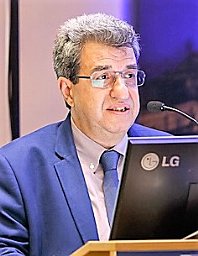 Stylianos Panagoutsos合作论文数Medical School, Democritus University of Thrace32
 Ploumis S. Passadakis合作论文数Medical School, Democritus University of Thrace25
 Marios Theodoridis合作论文数24
 Aikaterini Stamou合作论文数17Elias Thodis合作论文数14
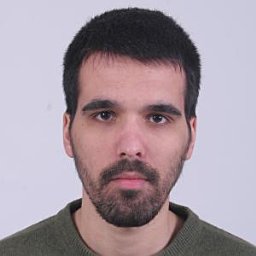 Tsetsos Fotis合作论文数13Nikolaos Papanas合作论文数13
 Paschou Peristera合作论文数Dept Mol Biol & Genet, Democritus Univ Thrace12Konstantinos Leivaditis合作论文数12
 Georgitsi Marianthi合作论文数School of Health Sciences, University of Patras11Kantartzi Konstantia合作论文数11
 Anna Tavridou合作论文数University of Newcastle11
 Kalliopi Kotsa合作论文数Division of Endocrinology and Metabolism, Aristotle University of Thessaloniki11
 Vangelis G. Manolopoulos合作论文数Laboratories of Clinical Anatomy, Biochemistry & Clinical Pharmacology, Demokritus University of Thrace10
 Dimitrios Papazoglou合作论文数University General Hospital Alexandroupolis, University of Thrace9
 Panagiotis Georgianos合作论文数9
 Xanthippi Tsekmekidou合作论文数9
 Efstratios Maltezos合作论文数Democritus Univ Thrace, Alexandroupolis Univ Gen Hosp7
 Theodoros Eleftheriadis合作论文数School of Medicine, University of Thessaly7Ploumis Pasadakis合作论文数6Vassilis Vargemezis合作论文数6
 Stelios Panagoutsos合作论文数5
 John G. Yovos合作论文数AHEPA University Hospital, AHEPA University Hospital5
 Evangelia Dounousi合作论文数Department of Nephrology, General Hospital of Veria;Laboratory of Biochemistry, University of Ioannina;Lipids Laboratory, AHEPA Hospital of Thessaloniki;and Department of Nehprology, University of Ioannina;University of Ioannina, University of Ioannina5Triantafillia Bounta合作论文数4
 Johny Nicolas合作论文数Zena and Michael A. Wiener Cardiovascular Institute Icahn School of Medicine, Mount Sinai, New York, New York4
 Rishi Chandiramani合作论文数The Zena and Michael A. Wiener Cardiovascular Institute, Icahn School of Medicine at Mount Sinai4
 Ridhima Goel合作论文数Icahn Sch Med Mt Sinai, Zena & Michael A Wiener Cardiovasc Inst4
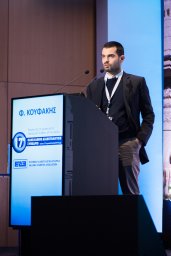 Theocharis Koufakis合作论文数Aristotle University of Thessaloniki, AHEPA University Hospital4
 George Dangas合作论文数Zena and Michael A. Wiener Cardiovascular Institute, Icahn School of Medicine at Mount Sinai4
 Leon Schurgers合作论文数Department of Biochemistry, School for Cardiovascular Disease, Maastricht University4B Claessen合作论文数3Anastasia Georgoulidou合作论文数3Ioannis Kontogiorgos合作论文数3Maria Grammatiki合作论文数3Ioannis Neofytou合作论文数3Usman Baber合作论文数3Vasilios Vaios合作论文数3Kriki Pelagia合作论文数3
 Cao Davide合作论文数Department of Cardiology, Bern University Hospital3
 Efstathia Giannakopoulou合作论文数3Graziella D'Arrigo合作论文数CNR-IFC, Institute of Clinical Physiology, Clinical Epidemiology and Physiopathology of Renal Diseases and Hypertension, Reggio Calabria, Italy.3
 Giovanni Tripepi合作论文数Istituto di Fisiologia Clinica, Consiglio Nazionale delle Ricerche3
 Samin K. Sharma合作论文数Cardiovascular Clinical Institute, Mount Sinai Hospital;Mount Sinai Heart Network, Mount Sinai Hospital;Eternal Heart Care Center, Eternal Hospital;Department of Cardiology, Eternal Hospital3Andrej Veljkovic合作论文数Institute of Biochemicstry, Department of Biochemistry, Faculty of Medicine, University of Nis3
 Gordana Kocic合作论文数Faculty of Medicine, University of Nis3
 Samantha Sartori合作论文数Icahn School of Medicine at Mount Sinai;Hunter College3




