Background:Alopecia areata (AA) is an autoimmune, hair loss-inducing disease affecting individuals of all genders and ethnic backgrounds worldwide. As social media platforms and artificial intelligence chatbots increasingly influence patient behavior, individuals with AA may turn to these sources for treatment guidance. Objective:This study evaluated the accuracy of AA-related information on social media and assessed whether patients were exposed to misinformation that could hinder appropriate care. Influencers may recommend treatments applicable to alopecia broadly or promote therapies lacking medical benefit. Methods:YouTube and TikTok were searched using the hashtags #alopecia and #alopeciatreatment. Posts were selected based on hashtag relevance. Videos were categorized using standard AA treatment guidelines into (1) accurate and medical data-backed (aligned with guideline-supported treatments), (2) limited or anecdotal evidence (unverified treatments without clear misinformation), (3) misinformed and/or false (inaccurate or misleading claims), or (4) other (unrelated to alopecia management). Results:A total of 98 YouTube and 222 TikTok videos related to #alopecia and #alopeciatreatment were analyzed. Of the YouTube videos analyzed, 76% (n=75) were categorized as "other," 13% (n=13) as "accurate and medical data-backed," and 10% (n=10) as "limited or anecdotal evidence"; no videos were classified as "misinformed and/or false." Of the TikTok videos analyzed, 76% (n=170) were categorized as "other," 17% (n=38) as "accurate and medical data-backed," 5% (n=12) as "limited or anecdotal evidence," and 1% (n=2) as "misinformed and/or false." Among videos specifically discussing AA treatment, 56% of YouTube videos and 73%of TikTok videos were categorized as "accurate and medical data-backed." The difference in accurate vs limited or nonmedical YouTube content was statistically significant (P=.002), while misinformation prevalence between platforms was not significantly different (P=.15). Conclusions:Patients with AA are frequently exposed to generalized alopecia content on social media, which may not consistently offer disease-specific guidance. Health care professionals should help ensure that social media platforms and artificial intelligence tools are leveraged to promote accurate education and proactively combat misinformation surrounding AA treatment.
Large language models (LLMs) can potentially mitigate pain points in healthcare tasks such as decision support, text summarization, and question-answering. However, LLMs exhibit bias related to race, gender identity, sexual orientation, and other demographics, posing a major concern. Although human review helps reduce bias, the sheer data volume renders thorough evaluation impractical and onerous at scale. This motivates the use of LLMs in auditing models for bias. This study uses the Stanford Healthcare red-teaming dataset, which contains prompts, outputs, and expert-level bias labels, to examine how model size and prompting techniques affect bias detection with GPT-3.5-turbo, GPT-4o, llama3.3, and o1-mini. Our results show that the best model for bias detection depends on the chosen metric. Smaller, cost-effective models like o1-mini outperformed GPT-4o in precision and F1 scores, with up to 53.11% higher precision and 10.32% higher F1. This suggests that smaller models may be preferable when precision or F1 is a priority. Additionally, self-critiquing capabilities in larger models do not significantly improve bias detection over smaller models (χ2, p = 0.597). Moreover, the use of prompting techniques, particularly Thread of Thought, significantly enhanced bias detection across all models, (χ2, p < 0.001). Our findings suggest that depending on the metric of concern for the auditor, smaller models can offer a costeffective alternative to larger models.
Artificial Intelligence (AI) technologies continue to expand their role in clinical medicine, with large language models (LLMs) and multimodal systems now applied to communication, imaging, and predictive analytics. Advances in generative and retrieval-augmented methods have improved the accuracy and contextual grounding of clinical summaries, patient messaging, and decision support. At the same time, new benchmarks in imaging, vision, and spontaneous speech have underscored both progress and the persistence of unsolved challenges. Predictive modeling efforts highlight causality, longitudinal trajectories, and informative clinical events, while methodological contributions emphasize uncertainty management, abstention, and interpretable causal structures. Finally, frameworks for evaluation and governance address the crucial gap between laboratory performance and real-world deployment.
Artificial intelligence (AI) is increasingly permeating healthcare, from serving as a physician assistant to powering consumer applications. The opacity of AI algorithms makes the ability of humans to interact with AI algorithms challenging. To overcome this limitation, explainable AI (XAI) provides insight into AI decision-making, but evidence suggests that XAI can paradoxically induce bias in the human decision-making process. Here we present results from two large-scale experiments, involving 623 lay people and 153 primary care physicians (PCPs), respectively, in which a fairness-based AI model for dermatological diagnoses and different XAI-based explanations were combined to examine how XAI assistance, particularly multimodal large language models (LLMs), influences diagnostic performance. With fairness-constrained model training, assistance from an AI model that achieved balanced performance across skin tones improved final diagnostic accuracy and reduced skin-tone-related performance disparities among both lay people and PCPs. In this setting, LLM explanations yielded divergent effects: lay users showed higher automation bias-accuracy was boosted when the diagnoses provided by the AI model were correct but was reduced when the model erred-whereas experienced PCPs remained resilient, benefiting irrespective of the AI model's accuracy. In addition, presenting the AI model's diagnosis before human decision-making may lead to stronger anchoring bias. These findings highlight XAI's varying impacts based on human expertise and the timing of when the AI-based prediction is provided, underscoring the concept that LLMs can act as a 'double-edged sword' in medical AI and informing future human-AI collaborative system design.
Artificial intelligence (AI) is reshaping dermatology through diagnostic image analysis, clinical documentation, and patient communication tools. However, AI's environmental costs remain largely invisible to clinicians. Because training large AI models requires substantial energy, data center electricity use has risen alongside AI adoption, and cooling AI infrastructure centers increases water demand. These environmental burdens disproportionately affect resource-constrained communities. This creates an urgent priority for dermatology. Climate change directly threatens dermatologic health through global warming, increased UV exposure, air pollution, microplastics, expanded ranges of infectious dermatoses, exacerbation of inflammatory dermatoses, and more. The American Dermatological Association's 2025 Policy Statement on Climate Change commits the specialty to environmental stewardship. Accordingly, AI implementation must align with this commitment, not undermine it. Dermatology can minimize AI's environmental footprint through the following strategic choices: selecting computationally efficient models, sharing datasets to eliminate redundant training, implementing AI selectively where clinical benefit justifies environmental cost, and partnering with vendors committed to transparent reporting. Professional organizations can establish sustainability standards, require environmental impact reporting in research, and advocate for regulatory frameworks mandating vendor accountability. By demonstrating that technological innovation and climate responsibility are compatible goals, dermatology can serve as a model for sustainable AI integration across medical specialties.
With the growing use of language models (LMs) in clinical environments, there is an immediate need to evaluate the accuracy of LMs. Detecting errors in LM-generated text is challenging because (1) manual review is costly and (2) expert-composed reference outputs are often unavailable in real-world settings. While the “LLM-as-a-judge” paradigm (a LM evaluating another LM) offers scalable evaluation, even frontier LMs can miss subtle but clinically significant errors. To address these challenges, we propose MedVAL, a novel, self-supervised, data-efficient distillation method that leverages synthetic data to train evaluator LMs to assess whether LM-generated medical outputs are factually consistent with inputs, without requiring physician labels or reference outputs. To evaluate LM performance, we introduce MedVAL-Bench, a dataset of 840 physician-annotated outputs across 6 diverse clinical use cases capturing real-world challenges. Each output is reviewed following a physician-defined taxonomy of risk levels and error categories, enabling evaluation of LMs in making deployment safety decisions. Across 10 state-of-the-art LMs spanning open-source, proprietary, and medically adapted models, MedVAL distillation significantly improves (p < 0.001) alignment with physicians across seen and unseen tasks, increasing average F1 scores from 66% to 83%. Despite strong baseline performance, MedVAL improves the best-performing proprietary LM (GPT-4o) by 8% without training on physician-labeled data, demonstrating a performance statistically non-inferior to a single human expert on a subset annotated by multiple physicians (p < 0.001). To support a scalable pathway towards clinical integration, we open-source: (1) Codebase, (2) MedVAL-Bench, (3) MedVAL-4B. Across evaluated tasks, our study provides evidence of LMs approaching expert-level ability in risk-aware validation of LM-generated medical text.
Ensuring the reliability of machine learning models in safety-critical domains such as healthcare requires auditing methods that can uncover model shortcomings. We introduce a method for identifying important visual concepts within large multimodal models (LMMs) and use it to investigate the behaviors these models exhibit when prompted with medical tasks. We primarily focus on the task of classifying malignant skin lesions from clinical dermatology images, with supplemental experiments including both chest radiographs and natural images. After showing how LMMs display unexpected gaps in performance between different demographic subgroups when prompted with demonstrating examples, we apply our method, Visual Concept Ranking (VCR), to these models and prompts. VCR generates hypotheses related to different visual feature dependencies, which we are then able to validate with manual interventions.
While large language models (LLMs) achieve near-perfect scores on medical licensing exams, these evaluations inadequately reflect the complexity and diversity of real-world clinical practice. Here we introduce MedHELM, an extensible evaluation framework with three contributions. First, a clinician-validated taxonomy organizing medical AI applications into five categories that mirror real clinical tasks-clinical decision support (diagnostic decisions, treatment planning), clinical note generation (visit documentation, procedure reports), patient communication (education materials, care instructions), medical research (literature analysis, clinical data analysis) and administration (scheduling, workflow coordination). These encompass 22 subcategories and 121 specific tasks reflecting daily medical practice. Second, a comprehensive benchmark suite of 37 evaluations covering all subcategories. Third, systematic comparison of nine frontier LLMs-Claude 3.5 Sonnet, Claude 3.7 Sonnet, DeepSeek R1, Gemini 1.5 Pro, Gemini 2.0 Flash, GPT-4o, GPT-4o mini, Llama 3.3 and o3-mini-using an automated LLM-jury evaluation method. Our LLM-jury uses multiple AI evaluators to assess model outputs against expert-defined criteria. Advanced reasoning models (DeepSeek R1, o3-mini) demonstrated superior performance with win rates of 66%, although Claude 3.5 Sonnet achieved comparable results at 15% lower computational cost. These results not only highlight current model capabilities but also demonstrate how MedHELM could enable evidence-based selection of medical AI systems for healthcare applications.
Reflectance confocal microscopy offers a noninvasive approach for diagnosing skin lesions at the point of care, but it remains underutilized owing to the specialized skill required for interpretation. Artificial intelligence provides an opportunity to automate this process. We developed deep learning models to automate the analysis of reflectance confocal microscopy block images. Reflectance confocal microscopy images acquired from 3rd and 4th generation VivaScope 1500 devices were preprocessed and split for training and testing. Two models were developed: a modified convolutional neural network ResNet-18, for skin layer detection, and a ResNet-34 integrated with a gated recurrent unit for lesion classification. The models were pretrained on 3rd generation images and fine tuned on 4th generation data, utilizing 5-fold cross-validation. Our cohort included 845 patients, 1147 lesions, and 4391 VivaBlock images. The layer detection model identified the dermis, epidermis, and dermoepidermal junction, achieving an area under the curve of 0.70, 0.71, and 0.57, respectively. The lesion classification model distinguished malignant from benign lesions with an area under the curve of 0.80 and specificity of 0.91. Our convolutional neural network gated recurrent unit approach effectively distinguished benign from malignant lesions, showing impressive diagnostic accuracy mimicking expert dermatological assessments. This highlights artificial intelligence's potential in improving reflectance confocal microscopy image interpretation, reducing unnecessary biopsies, and paves the way for future research.
The intersection of dermatology and drug discovery represents a dynamic field of research aimed at addressing the growing burden of skin-related diseases. Recent advances in molecular biology, genomics, and pharmacology offer improved outcomes for patients. This review highlights the current state of drug discovery in dermatology, focusing on identification of new therapeutic targets, role of personalized medicine, and application of artificial intelligence in drug development. By providing an overview of the latest innovations, challenges, and future directions, this review aims to inform and inspire researchers and physicians in the quest for more effective therapies utilizing emerging technologies for dermatologic diseases.
Radiologists must integrate complex imaging data with clinical information to produce actionable insights. This task requires a nuanced application of language across many activities, including managing clinical requests, analyzing imaging findings in the context of clinical data, interpreting these through the radiologist's lens, and effectively documenting and communicating the outcomes. Radiology practices must ensure reliable communication among numerous systems and stakeholders critical for medical decision-making. Large language models (LLMs) offer an opportunity to improve the management and interpretation of the vast amounts of text data in radiology. Despite being developed as general-purpose tools, these advanced computational models demonstrate impressive capabilities in specialized tasks, even without specific training. Unlocking the potential of LLMs for radiology requires an understanding of their foundations and a strategic approach to navigate their idiosyncrasies. This review, drawing from practical radiology and machine learning expertise, provides general and technically adept radiologists insight into the potential of LLMs in radiology. It also equips those interested in implementing applicable best practices that have so far stood the test of time in the rapidly evolving landscape of LLMs. The review provides practical advice for optimizing LLM characteristics for radiology practices, including advice on limitations, effective prompting, and fine-tuning strategies.
Biased and poorly documented dermatology datasets pose risks to the development of safe and generalizable artificial intelligence (AI) tools. We created a Dataset Nutrition Label (DNL) for multiple dermatology datasets to support transparent and responsible data use. The DNL offers a structured, digestible summary of key attributes, including metadata, limitations, and risks, enabling data users to better assess suitability and proactively address potential sources of bias in datasets.
Artificial intelligence (AI) techniques can allow for early diagnosis and treatment of acne. Bias in AI model training remains, leading to various challenges in achieving health equity in clinical practice. We aim to assess and provide an updated overview of (1) the types of AI-based tools developed for acne, (2) the various applications of AI in acne diagnosis and management, (3) the performance of these tools, and (4) the current data reported on skin diversity in AI model training. [Correction added on 27 December 2025, after first online publication: The preceding sentence has been corrected.] We queried PubMed, Cochrane and Scopus databases using the terms: "acne", "artificial intelligence", "machine learning", "deep learning", "large language model", and "ChatGPT". 105 articles were included for analysis. Of the 105 research articles, 96.2% (N = 101) were focused on acne diagnosis only, 9.5% (N = 10) on acne management only, and 5.7% (N = 6) on both. Most manuscripts used image-based models, including deep learning (76.2%, N = 80), classical machine learning (9.5%, N = 10), and ensemble models (11.4%, N = 12). The ensemble models hold the highest mean accuracy (89.7%), followed by deep learning (88.5%), large language models (87.5%), and machine learning models (86.9%). Only 13% (N = 14) of studies reported data on patient skin color, while 4 of the 14 studies included a full spectrum of diverse skin tones. [Correction added on 27 December 2025, after first online publication: The preceding sentence has been corrected.] The application of AI algorithms in healthcare is rapidly emerging, providing significant support to providers. With ensemble models demonstrating superior performance, AI algorithm use in acne may offer a convenient method to consistently diagnose and manage patients remotely. Designing systematic guidelines that require a diverse representation of all skin colors may improve social justice in healthcare.
The Global Initiative on Artificial Intelligence for Health (GI-AI4H), established by the World Health Organization, serves to harmonize governance standards for artificial intelligence (AI). The GI-AI4H spearheads novel on-the-ground efforts, especially in low- and middle-income countries, to advance ethical, regulatory, implementation, and operational dimensions of global governance for health AI. The GI-AI4H’s efforts across the United Nations drives safe, ethical, equitable, and sustainable health AI use for the global community.
Medical licensing examinations, such as the United States Medical Licensing Examination, have become the default benchmarks for evaluating large language models (LLMs) in health care. Performance on these benchmarks is frequently cited as evidence of progress and used to justify the deployment of LLMs into clinical settings. However, we argue that these benchmarks are fundamentally limited as signals for assessing true clinical utility.
Artificial intelligence (AI) is increasingly permeating healthcare, from physician assistants to consumer applications. Since AI algorithm's opacity challenges human interaction, explainable AI (XAI) addresses this by providing AI decision-making insight, but evidence suggests XAI can paradoxically induce over-reliance or bias. We present results from two large-scale experiments (623 lay people; 153 primary care physicians, PCPs) combining a fairness-based diagnosis AI model and different XAI explanations to examine how XAI assistance, particularly multimodal large language models (LLMs), influences diagnostic performance. AI assistance balanced across skin tones improved accuracy and reduced diagnostic disparities. However, LLM explanations yielded divergent effects: lay users showed higher automation bias - accuracy boosted when AI was correct, reduced when AI erred - while experienced PCPs remained resilient, benefiting irrespective of AI accuracy. Presenting AI suggestions first also led to worse outcomes when the AI was incorrect for both groups. These findings highlight XAI's varying impact based on expertise and timing, underscoring LLMs as a "double-edged sword" in medical AI and informing future human-AI collaborative system design.
Large language models (LLMs) are rapidly being adopted in healthcare, necessitating standardized reporting guidelines. We present transparent reporting of a multivariable model for individual prognosis or diagnosis (TRIPOD)-LLM, an extension of the TRIPOD + artificial intelligence statement, addressing the unique challenges of LLMs in biomedical applications. TRIPOD-LLM provides a comprehensive checklist of 19 main items and 50 subitems, covering key aspects from title to discussion. The guidelines introduce a modular format accommodating various LLM research designs and tasks, with 14 main items and 32 subitems applicable across all categories. Developed through an expedited Delphi process and expert consensus, TRIPOD-LLM emphasizes transparency, human oversight and task-specific performance reporting. We also introduce an interactive website ( https://tripod-llm.vercel.app/ ) facilitating easy guideline completion and PDF generation for submission. As a living document, TRIPOD-LLM will evolve with the field, aiming to enhance the quality, reproducibility and clinical applicability of LLM research in healthcare through comprehensive reporting. TRIPOD-LLM (transparent reporting of a multivariable model for individual prognosis or diagnosis–large language model) is a checklist of items considered essential for good reporting of studies that are developing or evaluating an LLM for use in healthcare settings. It is a ‘living guideline’ that emphasizes transparency, human oversight and task-specific performance reporting.
Large language models (LLMs) are increasingly applied in educational, clinical, and professional settings, but their tendency for sycophancy – prioritizing user agreement over independent reasoning – poses risks to reliability. This study introduces a framework to evaluate sycophantic behavior in ChatGPT-4o, Claude-Sonnet, and Gemini-1.5-Pro across AMPS (mathematics) and MedQuad (medical advice) datasets. Sycophantic behavior was observed in 58.19
Recent advances in Artificial Intelligence (AI) have started disrupting the healthcare industry, especially medical imaging, and AI devices are increasingly being deployed into clinical practice. Such classifiers have previously demonstrated the ability to discern a range of protected demographic attributes (like race, age, sex) from medical images with unexpectedly high performance, a sensitive task which is difficult even for trained physicians. In this study, we motivate and introduce a general explainable AI (XAI) framework called DREAM (DiscoveRing and Explaining AI Mechanisms) for interpreting how AI models trained on medical images predict protected attributes. Focusing on two modalities, radiology and dermatology, we are successfully able to train high-performing classifiers for predicting race from chest x-rays (ROC-AUC score of ~0.96) and sex from dermoscopic lesions (ROC-AUC score of ~0.78). We highlight how incorrect use of these demographic shortcuts can have a detrimental effect on the performance of a clinically relevant downstream task like disease diagnosis under a domain shift. Further, we employ various XAI techniques to identify specific signals which can be leveraged to predict sex. Finally, we propose a technique, which we call 'removal via balancing', to quantify how much a signal contributes to the classification performance. Using this technique and the signals identified, we are able to explain ~15% of the total performance for radiology and ~42% of the total performance for dermatology. We envision DREAM to be broadly applicable to other modalities and demographic attributes. This analysis not only underscores the importance of cautious AI application in healthcare but also opens avenues for improving the transparency and reliability of AI-driven diagnostic tools.
 Veronica Rotemberg合作论文数Dermatology Service, Memorial Sloan Kettering Cancer Center22
 Russ B. Altman合作论文数Department of Bioengineering, Schools of Engineering & Medicine, Stanford University18
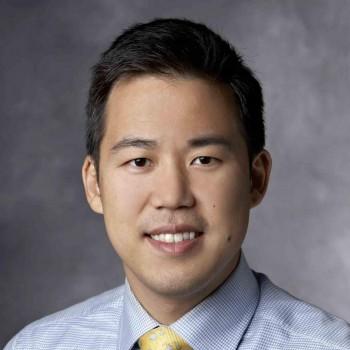 Justin M Ko合作论文数Dermatology Department, Stanford University Clinical
Stanford Dermatology
450 Broadway St
Pavilion B 4th Fl MC 5338
Redwood City, CA 9406316Jenna C Lester合作论文数15
Justin M Ko合作论文数Dermatology Department, Stanford University Clinical
Stanford Dermatology
450 Broadway St
Pavilion B 4th Fl MC 5338
Redwood City, CA 9406316Jenna C Lester合作论文数15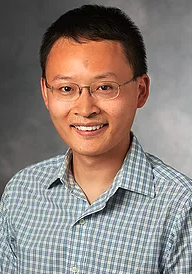 James Zou合作论文数Department of Biomedical Data Science, Stanford University;InterVenn Biosciences;Chan Zuckerberg Biohub15Jesutofunmi A Omiye合作论文数14
 Jonathan H. Chen合作论文数Department of Medicine, Division of Hospital Medicine, Stanford University;Clinical Excellence Research Center, Stanford University;Stanford Center for Biomedical Informatics Research, Stanford University;Reaction Explorer LLC12
 Teri Klein合作论文数Department of Biomedical Data Science, Stanford University;Department of Genetics, Stanford University;PharmGKB, Stanford University12
 Roberto Novoa合作论文数Department of Pathology, Stanford University;Department of Dermatology, Stanford University11Haiwen Gui合作论文数10
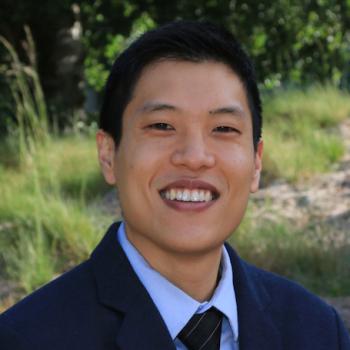 Albert Sean Chiou合作论文数Dermatology Department, Stanford University10Zhuo Ran Cai合作论文数8
 Vijaytha Muralidharan合作论文数8
 Shannon Wongvibulsin合作论文数Department of Dermatology, Johns Hopkins University School of Medicine7
 Karczewski Konrad J合作论文数Faculty of Applied Physics and Mathematics, Gdańsk University of Technology7
 Kailas Vodrahalli合作论文数Stanford University6Kiana Yekrang合作论文数6
 Lukasz Kidzinski合作论文数Clario, San Mateo, CA, USA.6
 matthew groh合作论文数Media Lab, MIT6
 Sanmi Koyejo合作论文数Department of Computer Science, School of Engineering, Stanford University;Stanford Artificial Intelligence Laboratory, Stanford University6Michelle Phung合作论文数5
 Fateme Nateghi Haredasht合作论文数Department of Public Health and Primary Care, KU Leuven Campus KULAK5
 Daniel I Schlessinger合作论文数Div Dermatol, Washington Univ5Alex J DeGrave合作论文数Univ Washington, Paul G Allen Sch Comp Sci & Engn, Seattle, WA 98195 USA5
 Jules B. Lipoff合作论文数Dermatology, Perelman School of Medicine, University of Pennsylvania5
 Larisa H Cavallari合作论文数Department of Pharmacotherapy and Translational Research, College of Pharmacy, University of Florida5
 Minoli A Perera合作论文数Dept Med, Univ Chicago5
 Su-In Lee合作论文数AIMS Lab, Paul G. Allen School of Computer Science & Engineering, University of Washington5
 Julie Johnson合作论文数Division of Pharmaceutics & Pharmacology, College of Pharmacy, The Ohio State University5
 Elizabeth Bailey合作论文数Department of Dermatology, Stanford University 5
 Steven E. Brenner合作论文数Department of Plant & Microbial Biology, Rausser College of Natural Resources, University of California, Berkeley;Department of Bioengineering, University of California, Berkeley;Department of Molecular & Cell Biology, University of California, Berkeley5
 Olivier Gevaert合作论文数Department of Biomedical Data Science, School of Medicine, Stanford University5
 Dana Crawford合作论文数Department of Population and Quantitative Health Sciences, School of Medicine, Case Western Reserve University;Department of Genetics and Genome Sciences, School of Medicine, Case Western Reserve University;Cleveland Institute for Computational Biology, Case Western Reserve University4Sonia Onyeka合作论文数4Betty Xiong合作论文数4Ivy Lee合作论文数4P Pathmarajah合作论文数4
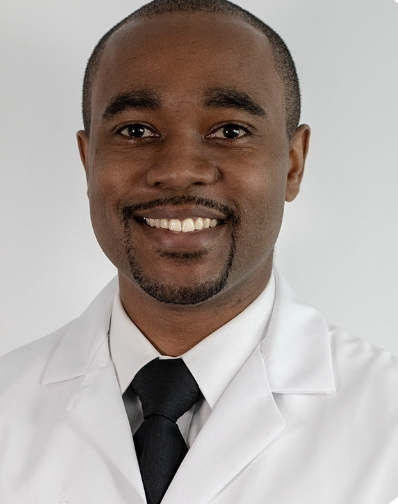 Adewole Adamson合作论文数Department of Internal Medicine, Dell Medical School, University of Texas at Austin;College of Liberal Arts, University of Texas at Austin4
 Girmaw Abebe Tadesse合作论文数IBM Research Africa4Akshay Swaminathan合作论文数School of Medicine, Stanford University4
 Sergios Gatidis合作论文数Department of Radiology, Stanford University4
 Pranav Rajpurkar合作论文数Department of Biomedical Informatics, Harvard Medical School, Harvard University4
 David Ouyang合作论文数Department of Neurological Surgery, University of California, San Francisco4
 Emily Alsentzer合作论文数Department of Biomedical Data Science, Stanford University School of Medicine4
 Joseph Janizek合作论文数Stanford University4
 Susan M. Swetter合作论文数Dermatology Department, Stanford University4
 Akshay Chaudhari合作论文数Department of Biomedical Data Science, School of Medicine, Stanford University4Philipp Tschandl合作论文数Department of Dermatology, Medical University of Vienna4
 Emidio Capriotti合作论文数4




