The limited mutual solubility between Au and Fe in the bulk scale has inhibited the formation of their alloys. Here we report the lowest energy structures of AuFe alloys in subnanometre scale, employing the Mexican Enhanced Genetic Algorithm coupled with density functional theory. The energetics, structural transitions, and tendency of segregation have been analysed by different stability criteria. Physico-chemical properties for all compositions have been studied using Koopman’s approximation. The topological parameters for the metal-metal interactions have been calculated using QTAIM theory. Exploring such valuable theoretical insights is of great importance in investigating new AuFe nanoalloy-based materials for technological applications.
The structural and magnetic properties of ComPtn clusters (m + n = 2-10) are investigated using the plane wave pseudopotential method within the spin-polarized density functional theory. Four different methods are adopted to initialize the structures of Co-N clusters before relaxation. The lowest-energy Co-N clusters, the majority of which are more stable than those previously reported, are identified. Co atoms are generally located in the interior of the clusters while N atoms tend to be distributed near the surface. Furthermore, CoPt2, Co2Pt2, Co4Pt4, and Co6Pt4 are found to be most energetically favorable compositions. The total magnetic moment of CoN clusters with ferromagnetic coupling rises almost monotonically with Co content. The magnetic moments on Co and N atoms in N-rich clusters are generally larger than those in Co-rich clusters, and both the maximum magnetic moments (2.42 mu(B) on Co atom and 0.95 mu(B) on N atom) simultaneously occur in the CoPt(5 )cluster. Moreover, the variation of magnetic moments, due to the introduction of single Co (N) atom into N (Co) clusters, has been examined in detail. This study is helpful to further understand the structures and magnetic properties of Co-N clusters, and provides a theoretical basis for designing targeted nanoalloys.
The hydration behavior of alkyl-diammonium dications and alkyl-dicarboxylate di-anions, of varying alkyl chain length, was examined using basin-hopping (BH) global optimization techniques. For every di-ion investigated, a conformational transition from linear to folded is observed at a critical hydration number, n*, specific to each di-ion. A stepwise hydration study has been undertaken for alkyl-dicarboxylate di-anions in finite water clusters containing 1-12 water molecules, and low-energy structures have been examined for larger water clusters. An even number of carbons in the alkyl chain gives rise to more stable conformations in unhydrated, implicitly solvated, and explicitly solvated conditions. This work provides valuable information on how the hydration of ammonium and carboxylate ions influence larger biomolecules' conformations.
Colloidal open crystals are attractive materials, especially for their photonic applications. Self-assembly appeals as a bottom-up route for structure fabrication, but self-assembly of colloidal open crystals has proven to be elusive for their mechanical instability due to being low-coordinated. For such a bottom-up route to yield a desired colloidal open crystal, the target structure is required to be thermodynamically favored for designer building blocks and also kinetically accessible via self-assembly pathways in preference to metastable structures. Additionally, the selection of a particular polymorph poses a challenge for certain much sought-after colloidal open crystals for their applications as photonic crystals. Here, we devise hierarchical self-assembly pathways, which, starting from designer triblock patchy particles, yield in a cascade of well-separated associations first tetrahedral clusters and then tetrastack crystals. The designed pathways avoid trapping into an amorphous phase. Our analysis reveals how such a two-stage self-assembly pathway via tetrahedral clusters promotes crystallization by suppressing five- and seven-membered rings that hinder the emergence of the ordered structure. We also find that slow annealing promotes a bias toward the cubic polymorph relative to the hexagonal counterpart. Finally, we calculate the photonic band structures, showing that the cubic polymorph exhibits a complete photonic band gap for the dielectric filling fraction directly realizable from the designer triblock patchy particles. Unexpectedly, we find that the hexagonal polymorph also supports a complete photonic band gap, albeit only for an increased filling fraction, which can be realized via postassembly processing.
We present a versatile parallelised genetic algorithm, which is able to perform global optimisation from first principles for pure and mixed free clusters in the gas phase, supported on surfaces or in the presence of one or several atomic or molecular species (ligands or adsorbates). The genetic algorithm is coupled to different quantum chemical software packages in order to permit a large variety of methods for the global optimisation. The genetic algorithm is also capable of optimising different electronic spin multiplicities explicitly, which allows global optimisation on several potential energy hypersurfaces in parallel. We employ the genetic algorithm to study ligand-passivated clusters [Cd3Se3(H2S)3]+ and to investigate adsorption of [Pt6(H2O)2]+ supported on graphene. The explicit consideration of the electronic spin multiplicity during global optimisation is investigated for nanoalloy clusters Pt4V2.
Platinum nanoparticles were synthesized using the gamma radiolytic technique in an aqueous solution containing Platinum tetraammine chloride in presence of poly vinyl pyrrolidone, isopropanol, tetrahydrofuran and deionized water. The gamma irradiation was carried out in a(60)Co gamma source chamber and the particle size was found to decrease from 4.88 to 3.14 nm on increasing the gamma radiation dose from 80 to 120 kGy. UV-visible absorption spectra were measured and revealed two steady absorption maxima at 216 and 264 nm in the UV region, which was blue shifted (i.e. toward lower wavelength) with decreasing particle size. By taking the conduction electrons of an isolated particle that are not entirely free, but instead bound to their respective quantum levels, the optical absorption of platinum nanoparticles can be calculated via intra-band quantum excitation for particle sizes similar to those measured experimentally. We found that the calculated absorption maxima of electronic excitations matched the measured absorption maxima well. This finding suggests that the optical absorption of metal nanoparticles commonly applied in nanoscience and nanotechnology can be described accurately by the quantum excitation of conduction electrons.
Abstract Catalysis by AuCu nanoclusters is a promising scientific field. However, our fundamental understanding of the underlying mechanisms of mixing in AuCu clusters at the sub-nanometre scale and their physico-chemical properties in both the gas-phase and on oxide supports is limited. We have identified the global minima of gas-phase and MgO(100)-supported AuCu clusters with 3–10 atoms using the Mexican Enhanced Genetic Algorithm coupled with density functional theory. Au and Cu adatoms and supported dimers have been also simulated at the same level of theory. The most stable composition, as calculated from mixing and binding energies, is obtained when the Cu proportion is close to 50%. The structures of the most stable free AuCu clusters exhibit Cu-core/Au-shell segregation. On the MgO surface however, there is a preference for Cu atoms to lie at the cluster-substrate interface. Due to the interplay between the number of interfacial Cu atoms and surface-induced cluster rearrangement, on the MgO surface 3D structures become more stable than 2D structures. The O-site of MgO surface is found to be the most favourable adsorption site for both metals. All dimers favour vertical (V) configurations on the surface and their adsorption energies are in the order: AuCu < CuCu < AuAu < AuCu (where the underlined atom is bound to the O-site). For both adatoms and AuCu dimers, adsorption via Cu is more favourable than Au-adsorbed configurations, but, this disagrees with the ordering for the pure dimers due to a combination of electron transfer and the metal-on-top effect. Binding energy (and second difference) and HOMO-LUMO gap calculations show that even-atom (even-electron) clusters are more stable than the neighbouring odd-atom (odd- electron) clusters, which is expected for closed- and open-shell systems. Supporting AuCu clusters on the MgO(100) surface decreases the charge transfer between Au and Cu atoms calculated in free clusters. The results of this study may serve as a foundation for designing better AuCu catalysts.
Rechargeable Li-CO 2 batteries are attracting increasing attention due to their high energy density and ability to capture greenhouse gas CO 2 . However, the difficulty in decomposing electronically insulating and electrochemically sluggish Li 2 CO 3 discharge products under low charge voltages is still a major challenge. Herein, for the first time, a composite of intermixed ruthenium-copper alloy nanoparticles uniformly anchored on carbon nanofibers ( i -RuCu/CNFs) as efficient cathode electrocatalysts for Li-CO 2 batteries is well designed. Remarkably, the Li-CO 2 batteries with i -Ru 4 Cu 1 /CNFs cathodes can be steadily cycled for over 110 cycles without capacity decay. And they show record-high rate capability along with much decreased overpotentials of 1.45 and 1.56 V even at current densities of 1000 and 2000 mA g -1 , respectively. Moreover, a high discharge capacity of 15753 mAh g -1 is obtained for Li-CO 2 batteries based on i -Ru 4 Cu 1 /CNFs, and 99.3% of discharged capacity could be reversibly charged, giving the significant Coulombic efficiency. This work demonstrates the powerfully catalytic activity of intermixed RuCu nanoalloys for easily decomposing discharge products in Li-CO 2 batteries and provides more insights to design more highly efficient cathode electrocatalysts for Li-CO 2 batteries and beyond.
The Mexican enhanced genetic algorithm has been used to study the structural and energetic properties of Pd, Ni, and Ni-Pd nanocluster structures with 3-10 atoms. Density functional theory (DFT) calculations have been performed to investigate the structural behavior, spin magnetic moment, and stability as a function of cluster size and composition. Various stability criteria (for example, binding energies, second differences in energy, and mixing/excess energies) have been used to evaluate the energetics, structure, and tendency to segregation in subnanometer Ni-Pd clusters. The ability of the approach in searching for global minima (i.e., the lowest-energy isomers) has been assessed using a systematic homotop search of monosubstituted clusters and the preferred doping sites.
The introduction of dopant atoms into metal nanoparticles is an effective way to control the interaction with adsorbate molecules and is important in many catalytic processes. In this work, experimental and theoretical evidence of the influence of Pd doping on the bonding between small cationic AuN+ clusters and CO is presented. The CO adsorption is studied by combining low-pressure collision cell reactivity and infrared multiple photon dissociation spectroscopy experiments with density functional theory calculations. Measured dissociation rates of cluster-CO complexes (N ≤ 21) allow the estimation of cluster-CO binding energies, showing that Pd doping increases the CO adsorption energy to an extent that is size-dependent. These trends are reproduced by theoretical calculations up to N = 13. In agreement with theory, measurements of the C-O vibrational frequency suggest that for the doped PdAuN-1+ (N = 3-5, 11) clusters, CO adsorbs on an Au atom, while for N = 6-10 and N = 12-14, CO interacts directly with the Pd dopant. A pronounced red-shifting of the C-O vibrational frequency is observed when CO interacts directly with the Pd dopant, indicating a significant back-donation of electron charge from Pd to CO. In contrast, the blue-shifted frequencies, observed when CO interacts with an Au atom, indicate that σ-donation dominates the Au-CO interaction. Studying such systems at the sub-nanometre scale enables a fundamental comprehension of the interactions between adsorbates, dopants and the host (Au) species at the atomic level.
We present molecular beam electric deflection experiments on neutral gold-doped tin clusters. The experimental SnNAu (N = 6-16) cluster beam profiles are interpreted by means of classical trajectory simulations supplied, with cluster structures generated by a genetic algorithm based on density functional theory. The combined experimental and theoretical analysis confirms that at least nine tin atoms are necessary to form a cage that is capable of encapsulating a gold atom, with high symmetry only marginally distorted by the gold atom. Two-component DFT calculations reveal that for some clusters spin-orbit effects are necessary to properly describe these species. Partial charge analysis methods predict the presence of charge transfer effects from the tin host to the dopant, resulting in a negatively charged gold atom.
Engineering nanoparticle surfaces driven by various gas atmospheres has attracted intensive attention in the design of efficient electrocatalysts for sustainable energy applications. However, the development of a more facile and efficient in situ engineering strategy under electrochemical testing conditions to achieve surface-reconstruction-induced high performance is significantly lacking. Herein, for the first time, we report in situ high-potential-driven restructuring in ternary AgPdPt aerogels with dilute Pt (AgPd-Ptdilute) during the electrochemical cyclic voltammetry testing for the alkaline formate oxidation reaction (FOR), in which the upper potential limit is ingeniously extended to the Ag redox region. Impressively, the resulting AgPd-Ptdilute aerogel displayed remarkable structural and compositional reconstruction in an alkaline environment. Our comprehensive results revealed that the high-potential cycling induces unique Ag outward diffusion to form an enriched PdPt metallic surface atomically coupled with amorphous Ag2O, which provides more opportunities to expose abundant active sites and induce robust electronic structure modulation. Notably, the surface-restructured AgPd-Ptdilute aerogel achieved record-high activity for FOR when the upper potential limit was extended to 1.3 V, exhibiting an unprecedented 5-fold improvement in activity compared to that of the commercial Pd/C. Moreover, it also offered greatly enhanced electrochemical stability with negligible activity decay after 500 cycles. This work gives a good understanding of surface reconstruction during such a novel high-potential-driven cycling process and opens a new door to designing more efficient electrocatalysts for FOR and beyond.
Electrocatalytic reduction of CO2 (CO2RR) is an excellent strategy for addressing the issue of both ever-increasing anthropogenic CO2 emissions as well as the rapid diminishing of nonrenewable fossil reserves. Recently, significant attention has focused on the development of size-selected subnanometer nanocatalysts because of the unique electronic, geometric, and catalytic properties of these clusters, which often exhibit enhanced catalytic activities and selectivities compared to bulk metal catalysts and larger nanoparticles. In this paper, we investigate in detail the electrocatalytic activity of size-selected Cu-n clusters (n = 3-6) employing the computational hydrogen electrode model. We have found a striking similarity between the CO2RR activity of Cu-3 and Cu-5 and between Cu-4, and Cu-6 nanoclusters. The reaction proceeds through * + CO2 -> COOH* -> CO* + H2O -> CHO* -> CH2O* -> CH3O* -> O* + CH4 -> OH* -> * + H2O as in the case of copper surface on all Cu clusters. The rate-limiting potential on Cu-4 and Cu-6 clusters is the proton-electron (H+ + e(-)) transfer to CO* to form the CHO* adsorbed species, which is also the rate-limiting step on Cu surfaces, whereas on Cu-3 and Cu-5 clusters, it is the removal of the adsorbed OH* from the cluster surface (OH* -> * + H2O). Most importantly, we have identified a general trend in the exergonicity and endergonicity of each step with the spin-state of the nanocluster. In general, electrochemical steps corresponding to an odd total number of (H+ + e(-)) pair transfers, leading to the formation of the doublet adsorbed species on Cu-4 and Cu-6 clusters, are highly endergonic uphill processes relative to the same steps on Cu-3 and Cu-5 clusters. However, the steps corresponding to an even total number of proton-electron pair transfers, leading to the formation of singlet adsorbed species on Cu-4 and Cu-6 clusters, are highly exergonic downhill processes relative to the same steps on Cu-3 and Cu-5. We have also found that the competing hydrogen evolution reaction is more hindered on Cu-3 and Cu-5 compared to Cu-4 and Cu-6 clusters. There is also a general qualitative relationship between the exer/endergonicity of an electrochemical step and the HOMO-LUMO gap of the various cluster-adsorbate complexes. We have found that an increase or decrease of a single valence electron can significantly alter the electrocatalytic activity and reactivity on the subnanometer level, and this has great implications in the design and development of size-selected nanoclusters for CO2RR and similar reactions.
• Users may freely distribute the URL that is used to identify this publication. • Users may download and/or print one copy of the publication from the University of Birmingham research portal for the purpose of private study or non-commercial research. • User may use extracts from the document in line with the concept of ‘fair dealing’ under the Copyright, Designs and Patents Act 1988 (?) • Users may not further distribute the material nor use it for the purposes of commercial gain.
The relative stabilities of different chemical arrangements of Pd-Ir and Au-Rh nanoalloys (and their pure metal equivalents) are studied, for a range of compositions, for fcc truncated octahedral 38- and 79-atom nanoparticles (NPs). For the 38-atom NPs, comparisons are made of pure and alloy NPs supported on a TiO2(110) slab. The relative energies of different chemical arrangements are found to be similar for Pd-Ir and Au-Rh nanoalloys, and depend on the cohesive and surface energies of the component metals. For supported nanoalloys on TiO2, the interaction with the surface is greater for Ir (Rh) than Pd (Au): most of the pure NPs and nanoalloys preferentially bind to the TiO2 surface in an edge-on configuration. When Au-Rh nanoalloys are bound to the surface through Au, the surface binding strength is lower than for the pure Au NP, while the Pd-surface interaction is found to be greater for Pd-Ir nanoalloys than for the pure Pd NP. However, alloying leads to very little difference in Ir-surface and Rh-surface binding strength. Comparing the relative stabilities of the TiO2-supported NPs, the results for Pd-Ir and Au-Rh nanoalloys are the same: supported Janus NPs, whose Ir (Rh) atoms bind to the TiO2 surface, bind most strongly to the surface, becoming closer in energy to the core-shell configurations (Ir@Pd and Rh@Au) which are favoured for the free particles.
A genetic algorithm has been used to perform a global sampling of the potential energy surface in the search for the lowest-energy structures of unsupported 38-atom Cu–Pt clusters. Structural details of bimetallic Cu–Pt nanoparticles are analyzed as a function of their chemical composition and the parameters of the Gupta potential, which is used to mimic the interatomic interactions. The symmetrical weighting of all parameters used in this work strongly influences the chemical ordering patterns and, consequently, cluster morphologies. The most stable structures are those corresponding to potentials weighted toward Pt characteristics, leading to Cu–Pt mixing for a weighting factor of 0.7. This reproduces density functional theory (DFT) results for Cu–Pt clusters of this size. For several weighting factor values, the Cu30Pt8 cluster exhibits slightly higher relative stability. The copper-rich Cu32Pt6 cluster was reoptimized at the DFT level to validate the reliability of the empirical approach, which predicts a Pt@Cu core-shell segregated cluster. A general increase of interatomic distances is observed in the DFT calculations, which is greater in the Pt core. After cluster relaxation, structural changes are identified through the pair distribution function. For the majority of weighting factors and compositions, the truncated octahedron geometry is energetically preferred at the Gupta potential level of theory.
Carlo Lamberti opened discussion of the introductory lecture by Bruce Gates: As you have shown, EXAFS plays a crucial role in determining the structure and the nuclearity of nanoparticles (NPs). For each shell, the accuracy of this determination depends on the error bar associated to the coordi
We present putative global minima for the micro-hydrated sulfite SO32-(H2O) N and chlorate ClO3-(H2O) N systems in the range 3≤N≤15 found using basin-hopping global structure optimization with an empirical potential. We present a structural analysis of the hydration of a large number of minimized structures for hydrated sulfite and chlorate clusters in the range 3≤N≤50. We show that sulfite is a significantly stronger net acceptor of hydrogen bonding within water clusters than chlorate, completely suppressing the appearance of hydroxyl groups pointing out from the cluster surface (dangling OH bonds), in low-energy clusters. We also present a qualitative analysis of a highly explored energy landscape in the region of the global minimum of the eight water hydrated sulfite and chlorate systems.This article is part of the theme issue 'Modern theoretical chemistry'.
The Ag4Sn and Ag3Sn intermetallics are successfully synthesized by combining electrochemical deposition and dealloying methods. The Ag4Sn and Ag3Sn possess a half-wave potential of 0.810 mV and 0.790 mV respectively for the oxygen reduction reaction in alkaline media, which are comparable to the commercial Pt/C (0.837 mV). In term of the durability, the Ag4Sn retains a half-wave potential of 0.775 mV after 5000 potential cycles, which is superior to Pt/C of 0.784 mV. The better catalytic activity and durability are mainly attributed to the ensemble effect and strong chemical bond in the AgSn ordered intermetallic structure. The catalytic activity is hardly influenced by methanol or ethanol in alkaline media with alcohol concentrations up to 1.0 M. Therefore, a membraneless alkaline zinc-air battery and direct alcohol fuel cell can operate with Ag4Sn and Ag3Sn intermetallics as the cathode catalysts, which allow the anode fuel to freely enter the cathode. A high power density is delivered by the membraneless alkaline fuel cells with zinc, methanol or ethanol as anode fuels. The excellent alcohol-tolerance is beneficial to the oxygen reduction reaction of alkaline fuel cells and makes the AgSn intermetallics a promising candidate to replace Pt-based electrocatalysts for oxygen reduction reaction.
 Kdm Harris合作论文数26
 Fuyi Chen (陈福义)合作论文数School of Materials Science and Engineering, Northwestern Polytechnical University25
 Benson M. Kariuki合作论文数School of Chemistry, University of Birmingham21
 Armin Shayeghi合作论文数Eduard-Zintl-Institut, Technische Universität Darmstadt16
 Christopher Heard合作论文数School of Chemistry, University of Birmingham14
 Alessandro Fortunelli合作论文数California Institute of Technology14
 Riccardo Ferrando合作论文数Dipartimento di fisica, University degli Studi di Genova13
 Mark T. Oakley合作论文数School of Chemistry;University of Nottingham;School of Chemistry, University of Nottingham13Emilio Tedesco合作论文数13
 Scott Habershon合作论文数Department of Chemistry, Faculty of Science, Engineering and Medicine, The University of Warwick12
 Kenneth Harris合作论文数School of Chemistry, Cardiff University12
 Alvaro Posada-Amarillas合作论文数Departamento de Investigación en Física, Universidad de Sonora12Eugene Y. Cheung合作论文数12GW Turner合作论文数11Schäfer Rolf合作论文数11
 Michael Mingos合作论文数Department of Chemistry, University of Oxford;Keble College, University of Oxford11
 Andrew J. Logsdail合作论文数UCL, Kathleen Lonsdale Mat Chem11
 Jack Davis合作论文数10
 Ilker Demiroglu合作论文数Departament de Química Física and Institut de Química Teòrica i Computacional, Universitat de Barcelona10Ziyou Li合作论文数School of Physics and Astronomy, University of Birmingham10Lesley D. Lloyd合作论文数10Sarah L. Horswell合作论文数10
 Giovanni Barcaro合作论文数Istituto per i Processi Chimico Fisici Consiglio Nazionale delle Ricerche10
 Paz-Borbón Lauro Oliver合作论文数School of Chemistry, University of Birmingham9
 John Murrell合作论文数University of Sussex9
 Yachao Jin (靳亚超)合作论文数School of Environmental Science and Engiennring, Nanjing University of Information Science & Technology8Xiaoqiang Wu (吴小强)合作论文数College of Electronics and Information Engineering, Sichuan University8
 Laurent Piccolo合作论文数Institut de recherches sur la catalyse et l’environnement de Lyon (IRCELYON, CNRS – Université Claude Bernard Lyon I8R. Schaefer合作论文数7Heider A. Hussein合作论文数7
 Adnan Qaseem合作论文数7
 David Wales合作论文数Yusuf Hamied Department of Chemistry, University of Cambridge;Downing College, University of Cambridge7
 Nick Wilson合作论文数7
 Zhenyu Li (李震宇)合作论文数Department of Chemical Physics, School of Chemistry and Materials Science, University of Science and Technology of China7
 Jennings Paul C合作论文数Centre for Hydrogen and Fuel Cell Research, University of Birmingham6
 Heiles Sven合作论文数Eduard-Zintl-Institut für Anorganische und Physikalische Chemie, Technische Universität Darmstadt6
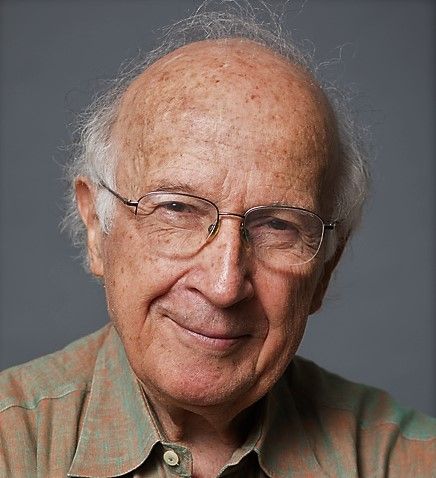 Roald Hoffmann合作论文数Department of Chemistry & Chemical Biology, The College of Arts & Sciences, Cornell University6
 J. Christian Schön合作论文数Fakultat fur Mathematik und Naturwissenschaften, Rheinischen Friedrich-Wilhelms-Universitat Bonn;Max Planck Institute for Solid State Research;Institut fur Anorganische Chemie, Fachbereich Chemie, Rheinischen Friedrich-Wilhelms-University Bonn6Thomas V. Mortimer-Jones合作论文数5
 Dung T. Tran合作论文数Dept Chem, Purdue Univ5Zhang Nan合作论文数5
 JiaLi Wang合作论文数Northeast Agricultural University, Northeast Agricultural University5Rafael Pacheco-Contreras合作论文数5Lauro Oliver Paz Borbón合作论文数5Dora J. BorbóN-GonzáLez合作论文数5
 Francesca Baletto合作论文数Dipartimento di Fisica dell', Università di Genova5
 Ewald Janssens合作论文数4John C Hey合作论文数Sch Chem, Univ Birmingham4
 Andre Fielicke合作论文数Fritz-Haber-Institut der Max-Planck-Gesellschaft4




