The apical surface of the terminally differentiated mouse bladder urothelium is largely covered by urothelial plaques, consisting of hexagonally packed 16-nm uroplakin particles. These plaques are delivered to the cell surface by fusiform vesicles (FVs) that are the most abundant cytoplasmic organelles. We have analyzed the functional involvement of several proteins in the apical delivery and endocytic degradation of uroplakin proteins. Although FVs have an acidified lumen and Rab27b, which localizes to these organelles, is known to be involved in the targeting of lysosome-related organelles (LROs), FVs are CD63 negative and are therefore not typical LROs. Vps33a is a Sec1-related protein that plays a role in vesicular transport to the lysosomal compartment. A point mutation in mouse Vps33a (Buff mouse) causes albinism and bleeding (Hermansky-Pudlak syndrome) because of abnormalities in the trafficking of melanosomes and platelets. These Buff mice showed a novel phenotype observed in urothelial umbrella cells, where the uroplakin-delivering FVs were almost completely replaced by Rab27b-negative multivesicular bodies (MVBs) involved in uroplakin degradation. MVB accumulation leads to an increase in the amounts of uroplakins, Lysosomal-associated membrane protein (LAMP)-1/2, and the activities of beta-hexosaminidase and beta-glucocerebrosidase. These results suggest that FVs can be regarded as specialized secretory granules that deliver crystalline arrays of uroplakins to the cell surface, and that the Vps33a mutation interferes with the fusion of MVBs with mature lysosomes thus blocking uroplakin degradation.
A mutation in the Vps33a gene causes Hermansky-Pudlak Syndrome (HPS)-like-symptoms in the buff (bf) mouse mutant. The encoded product, Vps33a, is a member of the Sec1 and Class C multi-protein complex that regulates vesicle trafficking to specialized lysosome-related organelles. As Sec1 signaling pathways have been implicated in pre-synaptic function, we examined brain size, cerebellar cell number and the behavioral phenotype of bf mutants. Standardized behavioral tests (SHIRPA protocols) demonstrated significant motor deficits (e.g., grip strength, righting reflex and touch escape) in bf mutants, worsening with age. Histological examination of brain revealed significant Purkinje cell loss that was confirmed with staining for calbindin, a calcium binding protein enriched in Purkinje cells. This pathologic finding was progressive, as older bf mutants (13-14 months) showed a greater attrition of neurons, with their cerebella appearing to be particularly reduced (approximately 30%) in size relative to those of age-matched-control cohorts. These studies suggest that loss of Purkinje neurons is the most obvious neurological atrophy in the bf mutant, a structural change that generates motor coordination deficits and impaired postural phenotypes. It is conceivable therefore that death of cerebellar cells may also be a clinical feature of HPS patients, a pathological event which has not been reported in the literature. In general, the bf mutant may be a potentially new and useful model for understanding Purkinje cell development and function.
Background: Retroviruses have been observed to bud intracellularly into multivesicular bodies (MVB), in addition to the plasma membrane. Release from MVB is thought to occur by Ca2+-regulated fusion with the plasma membrane.Principal Findings: To address the role of the MVB pathway in replication of the murine leukemia virus (MLV) we took advantage of mouse models for the Hermansky-Pudlak syndrome (HPS) and Griscelli syndrome. In humans, these disorders are characterized by hypopigmentation and immunological alterations that are caused by defects in the biogenesis and trafficking of MVBs and other lysosome related organelles. Neonatal mice for these disease models lacking functional AP-3, Rab27A and BLOC factors were infected with Moloney MLV and the spread of virus into bone marrow, spleen and thymus was monitored. We found a moderate reduction in MLV infection levels in most mutant mice, which differed by less than two-fold compared to wild-type mice. In vitro, MLV release form bone-marrow derived macrophages was slightly enhanced. Finally, we found no evidence for a Ca2+-regulated release pathway in vitro. Furthermore, MLV replication was only moderately affected in mice lacking Synaptotagmin VII, a Ca2+-sensor regulating lysosome fusion with the plasma membrane.Conclusions: Given that MLV spreading in mice depends on multiple rounds of replication even moderate reduction of virus release at the cellular level would accumulate and lead to a significant effect over time. Thus our in vivo and in vitro data collectively argue against an essential role for a MVB- and secretory lysosome-mediated pathway in the egress of MLV.
Platelet dense granules are lysosome-related organelles which contain high concentrations of several biologically important low-molecular-weight molecules. These include calcium, serotonin, adenine nucleotides, pyrophosphate, and polyphosphate, which are necessary for normal blood hemostasis. The synthesis of dense granules and other lysosome-related organelles is defective in inherited diseases such as Hermansky-Pudlak syndrome (HPS) and Chediak-Higashi syndrome (CHS). HPS and CHS mutations in 8 human and at least 16 murine genes have been identified. Previous studies produced contradictory findings for the function of the murine ashen (Rab27a) gene in platelet-dense granules. We have used a positional cloning approach with one line of ashen mutants to establish that a new mutation in a second gene, Slc35d3, on mouse chromosome 10 is the basis of this discrepancy. The platelet-dense granule defect is rescued in BAC transgenic mice containing the normal Slc35d3 gene. Thus, Slc35d3, an orphan member of a nucleotide sugar transporter family, specifically regulates the contents of platelet-dense granules. Unlike HPS or CHS genes, it has no apparent effect on other lysosome-related organelles such as melanosomes or lysosomes. The ash-Roswell mouse mutant is an appropriate model for human congenital-isolated delta-storage pool deficiency.
Hermansky-Pudlak Syndrome (HPS) is a genetically heterogeneous disease caused by abnormalities in the synthesis and/or trafficking of lysosome-related organelles (LROs) including melanosomes, lamellar bodies of lung type II cells and platelet dense granules. At least 15 genes cause HPS in mice, with a significant number specifying novel subunits of protein complexes termed BLOCs (Biogenesis of Lysosome-related Organelles Complexes). To ascertain whether BLOC complexes functionally interact in vivo, mutant mice doubly or triply deficient in protein subunits of the various BLOC complexes and/or the AP-3 adaptor complex were constructed and tested for viability and for abnormalities of melanosomes, lung lamellar bodies and lysosomes. All mutants, including those deficient in all three BLOC complexes, were viable though the breeding efficiencies of multiple mutants involving AP-3 were severely compromised. Interactions of BLOC protein complexes with each other and with AP-3 to affect most LROs were apparent. However, these interactions were tissue and organelle dependent. These studies document novel biological interactions of BLOC and AP-3 complexes in the biosynthesis of LROs and assess the role(s) of HPS protein complexes in general health and physiology in mammals. Double and triple mutant HPS mice provide unique and practical experimental advantages in the study of LROs.
Hermansky-Pudlak Syndrome (HPS) is a genetically heterogeneous disease characterized by defects in trafficking of intracellular vesicles to lysosome-related organelles such as melanosomes, lung lamellar bodies and platelet dense granules. The ashen ( rab27a ) mouse coat color mutant maintained at Roswell Park Cancer Institute (ash-Roswell) has been proposed as an animal model of HPS based upon prolonged bleeding times, decreased platelet aggregation and greatly decreased platelet dense granule components, including serotonin and ADP. However, human patients with Rab27a deficiency (Griscelli Syndrome) and other isolates of mouse ashen mutants do not exhibit prolonged bleeding suggesting an additional mutation in a gene affecting platelets but not melanocytes in the ash-Roswell mouse. In order to identify this mutation, a backcross between ash-Roswell and the PWK control strain was analyzed. In 390 backcross progeny, deficient platelet serotonin and diluted coat color ( Rab27a ) phenotypes segregated independently and in the proportions expected for single gene traits. The gene for serotonin deficiency was narrowed to a 2.1Mb region of mouse chromosome 10 containing 15 genes. None of these genes have been implicated previously in platelet storage pool deficiency. These studies indicate this genomic region contains a gene which uniquely controls platelet dense granules and is a candidate gene for a new form of human HPS.
In mammals, >100 genes regulate pigmentation by means of a wide variety of developmental, cellular, and enzymatic mechanisms. Nevertheless, genes that directly regulate pheomelanin production have not been described. Here, we demonstrate that the subtle gray (sut) mouse pigmentation mutant arose by means of a mutation in the Slc7a11 gene, encoding the plasma membrane cystine/glutamate exchanger xCT [Kanai, Y. & Endou, H. (2001) Curr. Drug Metab. 2, 339-354]. A resulting low rate of extracellular cystine transport into sut melanocytes reduces pheomelanin production. We show that Slc7a11 is a major genetic regulator of pheomelanin pigment in hair and melanocytes, with minimal or no effects on eumelanin. Furthermore, transport of cystine by xCT is critical for normal proliferation, glutathione production, and protection from oxidative stress in cultured cells. Thus, we have found that the Slc7a11 gene controls the production of pheomelanin pigment directly. Cells from sut mice provide a model for oxidative stress-related diseases and their therapies.
Hermansky-Pudlak syndrome (HPS) in humans represents a family of disorders of lysosome-related organelle biogenesis associated with severe, progressive pulmonary disease. Human case reports and a mouse model of HPS, the pale ear/pearl mouse (ep/pe), exhibit giant lamellar bodies (GLB) in type II alveolar epithelial cells. We examined surfactant proteins and phospholipid from ep/pe mice to elucidate the process of GLB formation. The 2.8-fold enrichment of tissue phospholipids in ep/pe mice resulted from accumulation from birth through adulthood. Tissue surfactant protein (SP)-B and -C were increased in adult ep/pe mice compared with wild-type mice (WT), whereas SP-A and -D were not different. Large aggregate surfactant (LA) from adult ep/pe mice had decreased phospholipid, SP-B, and SP-C, with no differences in SP-A and -D compared with WT. Although LA from ep/pe animals exhibited an increased total protein-to-total phospholipid ratio compared with WT, surface tension was not compromised. Phospholipid secretion from isolated type II cells showed that basal and stimulated secretion from ep/pe cells were approximately 50% of WT cells. Together, our data indicate that GLB formation is not associated with abnormal trafficking or recycling of surfactant material. Instead, impaired secretion is an important component of GLB formation in ep/pe mice.
In the mouse, at least 16 genes regulate vesicle trafficking to specialized lysosome-related organelles, including platelet dense granules and melanosomes. Fourteen of these genes have been identified by positional cloning. All 16 mouse mutants are models for the genetically heterogeneous human disease, Hermansky-Pudlak Syndrome (HPS). Five HPS genes encode known vesicle trafficking proteins. Nine genes are novel, are found only in higher eukaryotes and encode members of three protein complexes termed BLOCs (Biogenesis of Lysosome-related Organelles Complexes). Mutations in murine HPS genes, which encode protein co-members of BLOCs, produce essentially identical phenotypes. In addition to their well-known effects on pigmentation, platelet function and lysosome secretion, HPS genes control a wide range of physiological processes including immune recognition, neuronal functions and lung surfactant trafficking. Studies of the molecular functions of HPS proteins will reveal important details of vesicle trafficking and may lead to therapies for HPS.
Hermansky-Pudlak syndrome (HPS) is a genetically heterogeneous inherited disease affecting vesicle trafficking among lysosome-related organelles. The Hps3, Hps5, and Hps6 genes are mutated in the cocoa, ruby-eye-2, and ruby-eye mouse pigment mutants, respectively, and their human orthologs are mutated in HPS3, HPS5, and HPS6 patients. These three genes encode novel proteins of unknown function. The phenotypes of Hps5/Hps5,Hps6/Hps6 and Hps3/Hps3,Hps6/Hps6 double mutant mice mimic, in coat and eye colors, in melanosome ultrastructure, and in levels of platelet dense granule serotonin, the corresponding phenotypes of single mutants. These facts suggest that the proteins encoded by these genes act within the same pathway or protein complex in vivo to regulate vesicle trafficking. Further, the Hps5 protein is destabilized within tissues of Hps3 and Hps6 mutants, as is the Hps6 protein within tissues of Hps3 and Hps5 mutants. Also, proteins encoded by these genes co-immunoprecipitate and occur in a complex of 350 kDa as determined by sucrose gradient and gel filtration analyses. Together, these results indicate that the Hps3, Hps5, and Hps6 proteins regulate vesicle trafficking to lysosome-related organelles at the physiological level as components of the BLOC-2 (biogenesis of lysosome-related organelles complex-2) protein complex and suggest that the pathogenesis and future therapies of HPS3, HPS5, and HPS6 patients are likely to be similar. Interaction of the Hps5 and Hps6 proteins within BLOC-2 is abolished by the three-amino acid deletion in the Hps6ru mutant allele, indicating that these three amino acids are important for normal BLOC-2 complex formation.
An article in this issue of Blood provides genetic and molecular insights into a critical but relatively little understood aspect of platelet physiology, that is, the biosynthesis of platelet dense granules.
Hermansky-Pudlak syndrome (HPS; MIM 203300) is a genetically heterogeneous disorder characterized by oculocutaneous albinism, prolonged bleeding and pulmonary fibrosis due to abnormal vesicle trafficking to lysosomes and related organelles, such as melanosomes and platelet dense granules 1 , 2 , 3 . In mice, at least 16 loci are associated with HPS 4 , 5 , 6 , including sandy ( sdy ; ref. 7 ). Here we show that the sdy mutant mouse expresses no dysbindin protein owing to a deletion in the gene Dtnbp1 (encoding dysbindin) and that mutation of the human ortholog DTNBP1 causes a novel form of HPS called HPS-7. Dysbindin is a ubiquitously expressed protein that binds to α- and β-dystrobrevins, components of the dystrophin-associated protein complex (DPC) in both muscle and nonmuscle cells 8 . We also show that dysbindin is a component of the biogenesis of lysosome-related organelles complex 1 (BLOC-1; refs. 9 – 11 ), which regulates trafficking to lysosome-related organelles and includes the proteins pallidin, muted and cappuccino, which are associated with HPS in mice. These findings show that BLOC-1 is important in producing the HPS phenotype in humans, indicate that dysbindin has a role in the biogenesis of lysosome-related organelles and identify unexpected interactions between components of DPC and BLOC-1.
In the mouse, more than 16 loci are associated with mutant phenotypes that include defective pigmentation, aberrant targeting of lysosomal enzymes, prolonged bleeding, and immunodeficiency, the result of defective biogenesis of cytoplasmic organelles: melanosomes, lysosomes, and various storage granules. Many of these mouse mutants are homologous to the human Hermansky-Pudlak syndrome (HPS), Chediak-Higashi syndrome, and Griscelli syndrome. We have mapped and positionally cloned one of these mouse loci, buff (bf), which has a mutant phenotype similar to that of human HPS. Mouse bf results from a mutation in Vps33a and thus is homologous to the yeast vacuolar protein-sorting mutant vps33 and Drosophila carnation (car). This is the first found defect of the class C vacuole/prevacuole-associated target soluble N-ethylmaleimide-sensitive factor attachment protein receptor (t-SNARE) complex in mammals and the first mammalian mutant found that is directly homologous to a vps mutation of yeast. VPS33A thus is a good candidate gene for a previously uncharacterized form of human HPS.
Hermansky-Pudlak syndrome (HPS) is a genetically heterogeneous disease affecting the biogenesis of lysosomes and lysosome-related organelles, including melanosomes and platelet-dense granules. Clinical features include oculocutaneous hypopigmentation, fibrotic lung disease, and prolonged bleeding
 Edward K. Novak合作论文数85
 Wei Li (李巍)合作论文数Beijing Pediatric Research Institute15Qing Zhang (张庆)合作论文数14
 Matthew Reddington合作论文数11Sreenivasulu Chintala合作论文数11Rashi Gautam合作论文数10Michael P. Mcgarry合作论文数9E J Brandt合作论文数8S Medda合作论文数8
 Michael Gorin合作论文数Department of Human Genetics, David Geffen School Of Medicine, University of California, Los Angeles8
 Lijun Feng (冯力骏)合作论文数School of Life Science, Shandong University8Bennett Dorothy C合作论文数8Elena V. Sviderskaya合作论文数St George's Hospital Medical School8Tamio Suzuki合作论文数8
 Stephen Kingsmore合作论文数Rady Children's Institute for Genomic Medicine7
 Richard A. Spritz合作论文数School of Medicine, University of Colorado7L. Zhen合作论文数7
 Edward Patrick O'Brien合作论文数Department of Chemistry and Biochemistry, University of the Sciences in Philadelphia7Michael E. Rusiniak合作论文数7AB Seymour合作论文数6Jian Tan合作论文数6
 Michael Mcgarry合作论文数Dept. of Electrical and Computer Engineering, University of Texas at El Paso5Lijie Zhen合作论文数5
 Vishnu Mishra合作论文数Departments of Biochemistry and Biophysics;School of Medicine, University of Pennsylvania;Departments of Biochemistry and Biophysics, University of Pennsylvania School of Medicine5KD MUNKRES合作论文数4Bw Rigatti合作论文数4L Feng合作论文数4
 Nancy A. Jenkins合作论文数Department of Genetics, Division of Basic Science Research, The University of Texas MD Anderson Cancer Center4
 William A. Gahl合作论文数Human Biochemical Genetics Section, National Human Genome Research Institute4
 Neal G. Copeland合作论文数Department of Genetics, Division of Basic Science Research, The University of Texas MD Anderson Cancer Center;Houston Methodist Research Institute4Rosemary W. Elliott合作论文数4
 Marjan Huizing合作论文数Human Biochemical Genetics Section, National Human Genome Research Institute, National Institutes of Health4Naoki Oiso合作论文数4Ba Roe合作论文数3Re Ganschow合作论文数3Amna Karim合作论文数3Ta Pearson合作论文数3Ep Obrien合作论文数3Dm Becker合作论文数3
 Miriam Meisler合作论文数Michigan Neuroscience Institute, University of Michigan;Department of Human Genetics, Medical School, University of Michigan3Takeuchi K H合作论文数3John C. Detter合作论文数Joint Genome Institute3
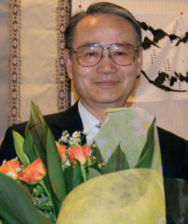 Shosuke Ito合作论文数Faculty of Medical Technology Fujita Health University3
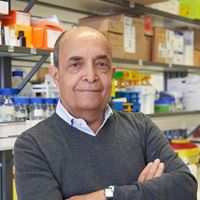 Miguel Seabra合作论文数Institute of Ophthalmology, University College London;Center for Chronic Diseases Research, Nova Medical School, Universidade Nova de Lisboa3Madonna Reddington合作论文数3
 Lucy Collinson合作论文数The Francis Crick Institute3GP JAHREIS合作论文数3EH Mules合作论文数3M Ovnic合作论文数2




