Atypical teratoid rhabdoid tumor (AT/RT) is a rare, highly aggressive embryonal central nervous system malignancy occurring predominately in infants and toddlers. Spinal AT/RT (spAT/RT) cases are even more limited, and as a result, little is known regarding prognostic factors and optimal treatment regimens. Molecularly, AT/RT is divided into three groups: AT/RT-SHH, AT/RT-TYR and AT/RT-MYC. spAT/RT is predominantly of the MYC subtype. Additionally, a third of patients with AT/RT have a germline Rhabdoid Tumor Predisposition Syndrome (RTPS) that increases the likelihood of developing additional rhabdoid tumors, including renal rhabdoid tumors. Due to the rarity of these tumors, there is a lack of consensus on treatment strategies to be employed. This review paper details the published literature on spAT/RT, with particular emphasis on the recent advances in understanding the biology of these aggressive tumors and currently available therapeutic options, and highlights the challenges associated with the management of this extremely rare condition.
Diffuse midline glioma (DMG) is an aggressive pediatric brain tumor driven by the H3K27M histone mutation and represents the leading cause of cancer-related death in children. These tumors are highly infiltrative and can occasionally migrate to distant CNS regions. To uncover migration dependencies, we developed a novel two-step pooled whole-genome CRISPR-migration screen in metastatic H3K27M-DMG stem cells (n=3). Genes involved in focal adhesion (ITGB1 [integrin beta-1], CRKL, PARVA, PTK2, FERMT2) significantly restricted migration across all models; notably, only ITGB1 knockout (ITGB1-KO) completely abrogated migration. In H3K27M-DMG patient samples, unlike other brain tumor types, expression of ITGB1 correlates with higher glioma grade and worse survival. ITGB1-KO models demonstrated a reduction in expression of MYC target genes, including MYC-regulated metabolic genes involved in purine biosynthesis (e.g., IMPDH2). Further integrated RNA/metabolomic analyses revealed that loss of ITGB1 downregulates purine metabolism and the citric acid (TCA) cycle. Importantly, in in vivo models, ITGB1 deficiency significantly prolonged survival (UMPED83: 100 vs. 163.5 days, p=0.0003; pSCG-SVZ: 49 vs. 68 days, p=0.0095). Spatial transcriptomic and proteomic analyses of ITGB1-KO orthotopic H3K27M tumors showed widespread reduction in MYC target genes and depletion of precursor, undifferentiated (OPC-like), and an increase in differentiated (OC-like) K27M cells in the infiltrating edge. Direct pharmacological targeting of ITGB1 (anti-ITGB1 antibody, CNS delivered) significantly extended survival in DMG models (UMPED83: 100 vs. 125.5 days, p=0.0169; pSCG-SVZ: 49 vs. 72 days, p=0.0384). However, ITGB1-deficient pSCG-SVZ tumors exhibited compensatory alternative integrins upregulation (i.e., ITGB3, ITGB5). Promisingly, co-treatment with anti-ITGB1 antibody and cilengitide (ITGB3/5 inhibitor) further improved survival and resulted in 75% long-term survivors, free of disease. Strikingly, this combinatorial strategy failed to confer any survival benefit in adult glioblastoma (H3WT) models. Overall, these findings highlight integrin targeting as a promising therapeutic avenue in H3K27M-DMG, capable of disrupting tumor-specific migration, MYC-driven purine biosynthesis, and stemness programs.
Abstract Diffuse midline gliomas (DMGs) are aggressive tumors characterized by infiltration into normal midline brain tissue, hindering surgical resection and contributing to overall morbidity and mortality. We established a novel two-step pooled whole genome CRISPR-Migration screen by using serum-free conditions and laminin-dependent cell attachment, mimicking cell migration on brain vasculature scaffolds, a common feature in glioblastoma (GBM). Comparing DMG and GBM primary cell lines (n=5), genes involved in focal adhesion (ITGB1, CRKL, PARVA, PTK2, FERMT2) were identified as significantly restricting migration in all cell lines. Multi-institutional transcriptomic data revealed an association of expression of these focal adhesion genes with survival primarily in K27M-DMG and pediatric high-grade glioma compared to lower-grade brain tumors, and ITGB1 expression increased with glioma grade. Single-cell RNA-seq and spatial transcriptomic data demonstrated higher expression of ITGB1 in OPC-like/Mesenchymal cells associated with leading edge and microvasculature in both K27M-DMG and GBM tumors. Unexpectedly, knockout of ITGB1 (ITGB1-KO), primarily responsible for cell adhesion to laminin, led to the decreased expression of multiple mitochondrial NADH dehydrogenase genes, and reduced levels of glycolysis and oxidative phosphorylation (OXPHOS) activity. Preliminary mechanistic data linked this phenotype to impaired mitochondrial fusion. Orthotopic implantation of control and ITGB1-KO models of H3K27M-DMG and adult GBM in mouse brains revealed two distinct phenotypes: (1) ITGB1-KO reducing proliferation and significantly increasing survival; and (2) ITGB1-KO leading to upregulation of ITGB3 and ITGB5 in vivo without impacting survival. Cilengitide (αvβ3 and αvβ5 inhibitor) ablated migration of all ITGB1-KO models on vitronectin (secreted by pericytes surrounding blood vessels) in vitro. Ongoing combinatorial therapy with an experimental anti-Integrin Beta 1 antibody (AIIB2, CNS delivered) and Cilengitide is underway with promising early results. In summary, multi-integrin inhibition provides a feasible avenue to curb glioma spread in the brain through impaired focal adhesion as well as blunting mitochondrial glucose metabolism.
Abstract Infiltration into the brain tissue is one of the main features of diffuse midline gliomas (DMG), also characterized by the histone mutation H3K27M and overall survival of 12-15 months from diagnosis. To study which genes are critical for H3K27M-DMG tumor cell migration in the brain, we established a novel two-step pooled whole genome CRISPR-Migration screen of metastatic H3K27M-DMG (n=3) and glioblastoma (GBM, n=2) stem cells by using serum-free conditions and laminin-dependent cell attachment, mimicking cell migration on brain vasculature scaffolds. Genes involved in focal adhesion (ITGB1, CRKL, PARVA, PTK2, FERMT2) were identified as significantly restricting migration in all H3K27M-DMG lines. From those, only knockout of ITGB1 (ITGB1-KO) fully ablated in vitro migration in all models. In human tumor RNAseq, expression of ITGB1 correlated with higher glioma grade and worse survival specifically in H3K27M-DMG across pediatric brain tumors. In H3K27M-DMG scRNAseq, increased ITGB1 expression was found in cells with OPC-like/Mesenchymal cell signature associated with leading edge and microvasculature. Unexpectedly, ITGB1-KO led to the decreased expression of multiple mitochondrial NADH dehydrogenase genes, and reduced levels of glycolysis and oxidative phosphorylation (OXPHOS) activity. Preliminary mechanistic data linked this phenotype to increased mitochondrial fusion. Genetic (ITGB1-KO) and pharmacologic (anti-ITGB1 antibody AIIB2, CNS delivered) targeting of ITGB1 in a novel orthotopic model of metastatic H3K27M-DMG (UMPED83) led to reduced proliferation and significant extension of survival (p=0.0003 ITGB1-KO, and p=0.0006 AIIB2). Interestingly, ITGB1-KO in another orthotopic H3K27M-DMG model (SVZ) led to upregulation of other integrins (ITGB3 and ITGB5) without change in survival, resulting in susceptibility to treatment with the ITGB3/5 inhibitor Cilengitide (p=0.006). Treatment with AIIB2 and Cilengitide alone or in combination was ineffective in an H3WT adult GBM orthotopic model suggesting unique H3K27M-DMG targetability. In summary, targeting of integrin pathways offers untapped therapeutic opportunities in H3K27M-DMG by impairing tumor cell survival through altered mitochondrial dynamics.
BACKGROUND:Diffuse midline gliomas (DMG) are highly invasive brain tumors with rare survival beyond two years past diagnosis and limited understanding of the mechanism behind tumor invasion. Previous reports demonstrate upregulation of the protein ID1 with H3K27M and ACVR1 mutations in DMG, but this has not been confirmed in human tumors or therapeutically targeted. METHODS:Whole exome, RNA, and ChIP-sequencing was performed on the ID1 locus in DMG tissue. Scratch-assay migration and transwell invasion assays of cultured cells were performed following shRNA-mediated ID1-knockdown. In vitro and in vivo genetic and pharmacologic [cannabidiol (CBD)] inhibition of ID1 on DMG tumor growth was assessed. Patient-reported CBD dosing information was collected. RESULTS:Increased ID1 expression in human DMG and in utero electroporation (IUE) murine tumors is associated with H3K27M mutation and brainstem location. ChIP-sequencing indicates ID1 regulatory regions are epigenetically active in human H3K27M-DMG tumors and prenatal pontine cells. Higher ID1-expressing astrocyte-like DMG cells share a transcriptional program with oligo/astrocyte-precursor cells (OAPCs) from the developing human brain and demonstrate upregulation of the migration regulatory protein SPARCL1. Genetic and pharmacologic (CBD) suppression of ID1 decreases tumor cell invasion/migration and tumor growth in H3.3/H3.1K27M PPK-IUE and human DIPGXIIIP* in vivo models of pHGG. The effect of CBD on cell proliferation appears to be non-ID1 mediated. Finally, we collected patient-reported CBD treatment data, finding that a clinical trial to standardize dosing may be beneficial. CONCLUSIONS:H3K27M-mediated re-activation of ID1 in DMG results in a SPARCL1+ migratory transcriptional program that is therapeutically targetable with CBD.
ATRX, a chromatin remodeler protein, is recurrently mutated in H3F3A-mutant pediatric glioblastoma (GBM) and isocitrate dehydrogenase (IDH)-mutant grade 2/3 adult glioma. Previous work has shown that ATRX-deficient GBM cells show enhanced sensitivity to irradiation, but the etiology remains unclear. We find that ATRX binds the regulatory elements of cell-cycle phase transition genes in GBM cells, and there is a marked reduction in Checkpoint Kinase 1 (CHEK1) expression with ATRX loss, leading to the early release of G2/M entry after irradiation. ATRX-deficient cells exhibit enhanced activation of master cell-cycle regulator ATM with irradiation. Addition of the ATM inhibitor AZD0156 doubles median survival in mice intracranially implanted with ATRX-deficient GBM cells, which is not seen in ATRX-wild-type controls. This study demonstrates that ATRX-deficient high-grade gliomas (HGGs) display Chk1-mediated dysregulation of cell-cycle phase transitions, which opens a window for therapies targeting this phenotype.
Abstract Diffuse midline gliomas (DMG) are highly invasive brain tumors with rare survival beyond two years past diagnosis. The mechanism behind tumor invasion is currently not well understood. Previous reports demonstrate upregulation of the protein ID1 with H3K27M and ACVR1 mutations in DMG, but this has not been confirmed in human tumors or therapeutically targeted. Whole exome, RNA, and ChIP-sequencing were performed on the ID1 locus in DMG tissue. Scratch-assay migration and transwell invasion assays of cultured cells were performed following shRNA-mediated ID1-knockdown. In vitro and in vivo genetic and pharmacologic [cannabidiol (CBD)] inhibition of ID1 on DMG tumor growth was assessed. Additional in vitro experiments were performed to determine a potential mechanism of action for CBD-mediated effects. Self-reported CBD dosing information was collected from DMG patients. We found that increased ID1 expression in human DMG and in utero electroporation (IUE) murine tumors is associated with H3K27M mutation and brainstem location. ChIP-sequencing indicates a similar epigenetically active state at ID1 regulatory regions in human H3K27M-DMG tumors and prenatal pontine cells. Higher ID1-expressing astrocyte-like DMG cells share a transcriptional program with oligo/astrocyte-precursor cells (OAPCs) from the developing human brain and demonstrate upregulation of the migration regulatory protein SPARCL1. Genetic and pharmacologic (CBD) suppression of ID1 decreases tumor cell migration, tumor growth, and to a lesser extent invasion in both murine IUE and multiple patient-derived in vivo DMG models, improving mouse survival. ID1 knockdown significantly decreases the effect of CBD on migration, tumor growth, and invasion. CBD increases reactive oxygen species production, which also affects DMG cell proliferation in a non-ID1 mediated manner. Overall, we find that H3K27M-mediated reactivation of ID1 in DMG results in a SPARCL1+ migratory transcriptional program that is therapeutically targetable with CBD.
Diffuse intrinsic pontine glioma (DIPG) is a highly aggressive pediatric brain tumor with rare survival beyond two years. This poor prognosis is largely due to the tumor's highly infiltrative and invasive nature. Nearly 80% of DMGs harbor K27M mutation in the genes encoding histone H3.1 (H3F3A) or H3.3 (HISTIH3B), often with concurrent ACVR1 mutation. Inhibitor of DNA-binding (ID) proteins are key transcriptional regulators of genes involved in lineage commitment and are associated with invasiveness and poor clinical outcomes in multiple human cancers. Introduction of H3K27M and ACVR1 mutations increase ID1 expression in cultured astrocytes, but this has not been confirmed in human tumors or targeted therapeutically. We developed an in-utero electroporation (IUE) murine H3K27M-driven tumor model, which demonstrates increased ID1 expression in H3K27M- and ACVR1-mutated tumor cells. Exome and transcriptome sequencing analysis of multi-focal DMG tumors (n=52) and normal brain tissue revealed that increased ID1 expression is associated with H3K27M/ACVR1-mutation and brainstem location, and correlates with poor survival in patients. ChIP-sequencing for H3K27ac and H3K27me3 in multiple DMG tumors (n=5) revealed that the ID1 gene is epigenetically active, which matches the epigenetic state of murine prenatal hindbrain cells. Higher ID1-expressing astrocyte-like DIPG cells share a similar transcriptional program with ID1+/SPARCL1+ positive oligo/astrocyte-precursor (OAPC) cells from the developing human brain and demonstrate upregulation of gene sets involved in regulation of cell migration. Both genetic and pharmacologic [cannabidiol (CBD)] suppression of ID1 result in decreased DIPG cell invasion/migration in vitro and invasion/tumor growth in multiple in vivo models. Mechanistically, CBD reduces proliferation through production of reactive oxygen species. Further, DIPG patients treated off-trial with CBD (n=15) displayed reduced ID1 tumor expression and improved overall survival. In summary, ID1 is upregulated in DIPG through K27M-mediated epigenetic reactivation of a developmental OAPC-like transcriptional state, and ID1-driven invasiveness of DIPG is therapeutically targetable with CBD.
Diffuse intrinsic pontine glioma (DIPG) is a highly aggressive brain tumor with rare survival beyond two years. This poor prognosis is largely due to the tumor’s highly infiltrative and invasive nature. Previous reports demonstrate upregulation of the transcription factor ID1 with H3K27M and ACVR1 mutations, but this has not been confirmed in human tumors or therapeutically targeted. We developed an in utero electroporation (IUE) murine H3K27M-driven tumor model, which demonstrates increased ID1 expression in H3K27M- and ACVR1 -mutated tumor cells. In human tumors, elevated ID1 expression is associated with H3K27M/ ACVR1 -mutation, brainstem location, and reduced survival. The ID1 promoter demonstrates a similar active epigenetic state in H3K27M tumor cells and murine prenatal hindbrain cells. In the developing human brain, ID1 is expressed highest in oligo/astrocyte-precursor cells (OAPCs). These ID1 + /SPARCL1 + cells share a transcriptional program with astrocyte-like (AC-like) DIPG cells, and demonstrate upregulation of gene sets involved with regulation of cell migration. Both genetic and pharmacologic [cannabidiol (CBD)] suppression of ID1 results in decreased DIPG cell invasion/migration in vitro and invasion/tumor growth in multiple in vivo models. CBD reduces proliferation through reactive oxygen species (ROS) production at low micromolar concentrations, which we found to be achievable in the murine brainstem. Further, pediatric high-grade glioma patients treated off-trial with CBD (n=15) demonstrate tumor ID1 reduction and improved overall survival compared to historical controls. Our study identifies that ID1 is upregulated in DIPG through reactivation of a developmental OAPC transcriptional state, and ID1-driven invasiveness of DIPG is therapeutically targetable with CBD. One Sentence Summary The transcription factor ID1 is upregulated in a subset of DIPG tumor cells, and ID1-driven invasiveness is therapeutically targetable with CBD.
Abstract Diffuse intrinsic pontine gliomas (DIPGs) are lethal pediatric brain tumors with no effective therapies beyond radiation. The highly invasive nature of DIPG is key to its aggressive phenotype, but the factors and mechanisms contributing to this aggressive invasion are unknown. Inhibitor of DNA binding (ID) proteins, key regulators of lineage commitment during embryogenesis, are implicated in tumorigenesis in multiple human solid tumors. Prior work showed that recurrent H3F3A and ACVR1 mutations increase ID1 expression in cultured astrocytes. However, the impact and targetability of ID1 have not been explored in human DIPG. Exome and transcriptome sequencing analyses of multi-focal DIPG tumors and normal brain tissue from autopsy (n=52) revealed that ID1 expression is significantly elevated in DIPG samples. Higher ID1 expression correlates with reduced survival in DIPG patients and increased regional invasion in multi-focal autopsy samples. Analyses of developing mouse brain RNA/ChIP-Seq data revealed high ID1 expression and H3K27ac promoter binding in prenatal hindbrain compared to all other prenatal and postnatal brain regions. ChIP-qPCR for H3K27ac and H3K27me3 revealed that ID1 gene regulatory regions are epigenetically poised for upregulation in DIPG tissues compared to normal brain, regardless of H3/ACVR1 mutational status. These data support that the developing pons is regionally poised for ID1 activation. Genetic (shRNA) ID1 knockdown of primary human H3.3K27M-DIPG cells (DIPG007) resulted in significantly reduced invasion/migration and significantly improved survival of K27M-DIPG mice. Knockdown of ID1 in DIPG cells also resulted in down-regulation of the WNK1-NKCC1 pathway, which regulates tumor cell electrolyte homeostasis and migration. Finally, treatment of DIPG007 cells with cannabidiol (CBD) reduced ID1 levels, viability of DIPG cells and significantly improved survival of K27M-DIPG mice. In summary, our findings indicate that multifactorial (genetic and regional) epigenetic upregulation of ID1 drives DIPG invasiveness; and that targeting ID1 with CBD could potentially be an effective therapy for DIPG.
Abstract ONC201, a bitopic DRD2 antagonist and allosteric ClpP agonist, has shown encouraging efficacy in H3 K27M-mutant glioma. Given that the thalamus has the highest extra-striatal expression of DRD2, we performed an integrated preclinical and clinical analysis of ONC201 in thalamic H3 K27M-mutant glioma. ONC201 was effective in mouse intra-uterine electroporation (IUE)-generated H3 K27M-mutant gliomas, with an in vitro IC50 of 500 nM and 50% prolongation of median survival in vivo (p=0.02, n=14). We analyzed thalamic H3 K27M-mutant glioma patients treated with ONC201 on active clinical trials as of 5/22/19 enrollment (n=19 recurrent and 10 post-radiation, non-recurrent; 5–70 years old). As of 12/18/2019, PFS6 and OS12 are 26.3% and 36.8%, respectively, in the recurrent group. For non-recurrent patients, with median follow up of 21.9 months (8.6–26.6) from diagnosis, median PFS or OS have not been reached. This surpasses historical OS of 13.5 months. Best response by RANO includes 1 CR, 3 PR, 4 SD, 8 PD for recurrent patients and 2 PR, 4 SD, 1 PD for non-recurrent patients (4 on-trial patients experienced regressions that are yet unconfirmed responses). Median duration of response for recurrent patients is 14.0 months (2.0–33.1). Furthermore, H3 K27M cell-free tumor DNA in plasma and CSF correlated with MRI response. In summary, single agent ONC201 administered at recurrence, or adjuvantly following radiation, demonstrates promising clinical efficacy in thalamic H3 K27M-mutant glioma patients who currently have no effective treatments following radiation. Investigations are ongoing to assess whether micro-environmental DRD2 expression explains the early exceptional responses in thalamic H3 K27M-mutant glioma.
Background Pediatric and adult high-grade glioma (HGG) frequently harbor PDGFRA alterations. We hypothesized that co-treatment with everolimus may improve the efficacy of dasatinib in PDGFRα-driven glioma through combinatorial synergism and increased tumor accumulation of dasatinib. Methods Dose response, synergism studies, P-gp inhibition and pharmacokinetic studies were performed on in vitro and in vivo human and mouse models of HGG. Six patients with recurrent PDGFRα-driven glioma were treated with dasatinib and everolimus. Results Dasatinib effectively inhibited the proliferation of mouse and human primary HGG cells with a variety of PDGFRA alterations. Dasatinib exhibited synergy with everolimus in the treatment of HGG cells at low nanomolar concentrations of both agents, with reduction in mTOR signaling that persists after dasatinib treatment alone. Prolonged exposure to everolimus significantly improved the CNS retention of dasatinib and extended survival of PPK tumor bearing mice. Pediatric patients (n=6) with glioma tolerated this combination without significant adverse events. Recurrent patients (n=4) demonstrated median overall survival of 8.5 months. Conclusion Efficacy of dasatinib treatment of PDGFRα-driven HGG is improved with everolimus and suggests a promising route for improving targeted therapy for this patient population. Trial Registration ClinicalTrials.gov NCT03352427 Funding The authors thank the patients and their families for participation in this study. CK is supported by NIH/NINDS K08-NS099427-01, the University of Michigan Chad Carr Pediatric Brain Tumor Center, the Chad Tough Foundation, Hyundai Hope on Wheels, Catching up With Jack, Prayers from Maria Foundation, U CAN-CER VIVE FOUNDATION, Morgan Behen Golf Classic, and the DIPG Collaborative. The PEDS-MIONCOSEQ study was supported by grant 1UM1HG006508 from the National Institutes of Health Clinical Sequencing Exploratory Research Award (PI: Arul Chinnaiyan).
Background Although recurrent anaplastic ependymoma in pediatric patients is not uncommon, recurrent disease leading to widespread metastases to the peritoneum is extremely rare. Case Report We present a case of an 18-month old male who initially presented with posterior fossa anaplastic ependymoma, who then proceeded to present 1 year later with spinal recurrence, and then 2 years after that with widespread disease involving the intracranial ventricular system and peritoneum. Conclusion We posit that surgical interventions to treat primary and recurrent presentations in combination with a conduit to the peritoneum via a ventriculoperitoneal shunt contributed to the mechanisms of this complex case.
Abstract BACKGROUND Diffuse intrinsic pontine gliomas (DIPGs) are lethal pediatric brain tumors with no curative therapies. Inhibitor of DNA binding (ID) proteins are key regulators of gene differentiation during embryogenesis. Previous work has shown that H3F3A and ACVR1 mutations increase ID1 expression in cultured astrocytes, but this has not been validated in human DIPG, nor has the regulation and targetability of ID1 been explored in DIPG. RESULTS Analysis of post-mortem tissue and multiple human datasets showed ID1 to be elevated in DIPG, and to correlate with reduced survival. In a multi-focal autopsy of a DIPG case, we also found ID1 expression to be heterogeneous and to correlate with tumor invasion. Chromatin immunoprecipitation qPCR (ChIP-qPCR) revealed elevated H3K27ac and low H3K27me3 at ID1 regulatory regions (enhancers/promoters) in DIPG tissue compared to normal brain, regardless of H3 or ACVR1 mutation status. Analysis of publicly-available ISH and ChIP-sequencing data of developing murine brains revealed H3K27ac at ID1 enhancers to be elevated in the prenatal hindbrain compared to prenatal forebrain and midbrain, and all postnatal brain regions. ID1 shRNA-mediated knockdown of primary human H3K27M DIPG cells (DIPG007) significantly reduced invasion and migration. We also treated DIPG007 cells with cannabidiol (CBD) and found reduced viability at clinically relevant dosing (IC50=2.4 uM) with dose-dependent reduction in ID1 protein. CONCLUSIONS These findings indicate that a multifactorial (genetic and regionally-based) epigenetic upregulation of ID1 drives DIPG invasiveness and is targetable with CBD. ID1 knockdown and CBD treatment experiments in murine models of DIPG are ongoing.
Patients with diffuse midline glioma (DMG) harboring H3 K27M mutation rarely survive longer than two years and have no proven therapies following first-line radiation. ONC201, a bitopic DRD2 antagonist and allosteric ClpP agonist, has shown encouraging efficacy in early phase studies in H3 K27M-mutant DMG. In order to define response rates in H3 K27M DMG patients and to clarify the genomic, anatomic and molecular predictors of response, we performed an integrated pre-clinical and clinical analysis of ONC201 treatment. ONC201 was effective in intra-uterine electroporation (IUE)-generated H3 K27M-mutant murine glioma models with excellent CNS penetration and survival benefit. Patients with H3 K27M-mutant DMG treated with ONC201 on active clinical trials (n=50, 27 thalamic, 23 brainstem) showed an overall survival (OS) of 28.1 (range: 5.9–105) months from diagnosis (enrollment by 4/29/19, data cut-off 12/28/19), compared to historical median OS of 12 months. Median OS for non-recurrent patients has not been reached (n=16, median follow-up: 16.8 from diagnosis). For non-recurrent thalamic patients (n=8), median PFS is 20.1 (range: 9.3–27.6) months from diagnosis (median time on drug: 14.5 months). Best response for thalamic patients by RANO: 1 CR, 5 PR, 7 SD, 8 PD, 6 not reported. Decreased H3 K27M cell-free tumor DNA in plasma and CSF at 6 months correlated with long-term response. Baseline tumor gene expression profiling in patients treated with ONC201 (n=14) identified EGFR and the cortical developmental transcription factor FOXG1 as the strongest biomarkers of radiographic response to ONC201. Analysis of 541 ONC201-treated human cancer cell lines from DepMap, provided evidence for an EGFR-dependent ONC201 resistance mechanism. Analysis of 38 glioma cell lines further supports FOXG1 as a glioma-specific predictive biomarker of ONC201 response. The unprecedented survival results and radiographic responses to ONC201 in H3K27M DMG make a compelling case for later phase and combinatorial studies.
OBJECTIVE Glioblastoma (GBM) during infancy is rare, and the clinical outcomes of congenital GBM are not well understood. Correspondingly, the aim of this study was to present a long-term survivor case from the authors' institution, and establish an integrated cohort of cases across the published literature to better understand the clinical course of this disease in this setting. METHODS The authors report the outcomes of an institutional case of congenital GBM diagnosed within the first 3 months of life, and performed a comprehensive literature search for published cases from 2000 onward for an integrated survival analysis. All cases were integrated into 1 cohort, and Kaplan-Meier estimations, Fisher's exact test, and logistic regression were used to interrogate the data. RESULTS The integrated cohort of 40 congenital GBM cases consisted of 23 (58%) females and 17 (42%) males born at a median gestational age of 38 weeks (range 22-40 weeks). Estimates of overall survival (OS) at 1 month was 67%, at 1 year it was 59%, and at 10 years it was 45%, with statistically superior outcomes for subgroups in which patients survived to be treated by resection and chemotherapy. In the overall cohort, multivariable analysis confirmed resection (p < 0.01) and chemotherapy (p < 0.01) as independent predictors of superior OS. Gestational age > 38 weeks (p < 0.01), Apgar scores ≥ 7 at 5 minutes (p < 0.01), absence of prenatal hydrocephalus (p < 0.01), and vaginal delivery (p < 0.01) were associated with greater odds of surgical diagnosis versus autopsy diagnosis. CONCLUSIONS Congenital GBM can deviate from the expected poor prognosis of adult GBM in terms of OS. Both resection and chemotherapy confer statistically superior prognostic advantages in those patients who survive within the immediate postnatal period, and should be first-line considerations in the initial management of this rare disease.
Gliomas are a leading cause of cancer mortality in children and adults, and new targeted therapies are desperately needed. ATRX is a chromatin remodeling protein that is recurrently mutated in H3F3A-mutant pediatric glioblastoma (GBM) and IDH-mutant grade 2/3 adult glioma. We previously showed that loss of ATRX in glioma results in tumor growth and additional tumor mutations. However, the mechanism driving these phenotypes has not been fully established. We found that in ChIP-Seq/ChIP-qPCR of mouse neuronal precursor cells (NPCs) and GBM cells with isogenic ATRX loss, ATRX binds regulatory elements for cell cycle phase transition gene sets, and ATRX loss subsequently results in reduced expression. Furthermore, human GBM cells with ATRX knock-out demonstrate higher rates of cells in S and G2/M phases, with clusters of cells demonstrating reduced expression of cell cycle regulatory gene sets by single-cell sequencing (scSeq) analysis. In human and mouse GBM in vitro models, ATRX-deficient cells exhibit a seven-fold increase in mitotic index at 16 hours after sub-lethal radiation and enhanced activation of the master cell cycle regulator ATM with radiation. Treatment of ATRX-deficient gliomas with ATM inhibitors results in a selective increase in dysfunctional cell cycling and increased radio-sensitization in ATRX-deficient glioma cells. Using an ATM-luciferase reporter in orthotopically-implanted human GBM cells, both AZD0156 and AZD1390 demonstrate in vivo pathway inhibition. Mice intra-cranially implanted with ATRX-deficient GBM cells demonstrate a doubling of median survival compared to radiated controls (p=0.0018) when treated with AZD0156 combined with radiation; this is not seen in ATRX-sufficient models. This study demonstrates that ATRX-deficient high-grade gliomas display epigenetic dysregulation of cell cycle phase transitions, which opens a new window for therapies targeting this unique phenotype.
PURPOSE:Atypical teratoid/rhabdoid tumor (ATRT) is a highly malignant embryonal tumor of the central nervous system (CNS) that occurs predominantly in children. More is being discovered about this disease to improve understanding and outcomes. The aim of this analysis was to evaluate citation and other bibliometric characteristics of the 50 most cited articles in the contemporary literature in order to better model the trajectory of our current efforts.METHODS:Elsevier's Scopus database was searched for the 50 most cited articles about ATRT. To look for trends, earliest 25 articles were separated from the latest 25 articles and then were compared. Various bibliometric parameters were summarized and compared using Pearson's chi-square and Mann-Whitney U tests.RESULTS:The 50 most cited articles were published between 1990 and 2016, from 5 unique countries in 29 unique journals, with genetic and retrospective observational cohort studies the most common design (n = 11 each). Overall median values were as follows: citation count, 145.4 citations (range, 67-626); citation rate per year, 11.7 (range, 3.5-51.4); number of authors 12 (range, 1-95); with 32 (64%) originating from the USA. Compared with older articles, newer articles had statistically lower citation counts (101.8 vs 189.0; P < 0.01), higher number of authors (17.3 vs 6.6; P < 0.01), and were less likely published from the USA (40% vs 88%; P < 0.01) CONCLUSIONS: The 50 most cited articles about ATRT were characterized in this analysis. There was a distinct focus in these studies on the genetic composition and consequences of these tumors. Trends over time suggest greater impact will be had in highly collaborative efforts worldwide. Moving forward, it will be of great interest to see how the findings of these basic science finding will translate into future clinical studies.
 Carl Koschmann合作论文数Department of Pediatrics, Medical School, University of Michigan23
 Sriram Venneti合作论文数Medical School, University of Michigan-Ann Arbor19
 Brendan Mullan合作论文数Univ Michigan18
 Yadav Viveka Nand合作论文数National Centre for Cell Science, Pune University17
 Rajen Mody合作论文数C. S. Mott Children's Hospital, University of Michigan;Division of Pediatric Hematology, Medical School, University of Michigan;Division of Oncology, Medical School, University of Michigan14
 Stefanie Stallard合作论文数12
 Pedro Lowenstein合作论文数Department of Neurosurgery, School of Medicine, University of Michigan;Michigan Neuroscience Institute, University of Michigan;Center for Cell Plasticity and Organ Design, University of Michigan12
 Zachary Miklja合作论文数11Ramya Ravindran合作论文数11
 Micah Harris合作论文数Univ Michigan11
 Tingting Qin合作论文数Department of Computational Medicine and Bioinformatics, Medical School, University of Michigan-Ann Arbor11
 Arul M. Chinnaiyan合作论文数Rogel Cancer Center, Department of Pathology and Clinical Laboratories, University of Michigan;Michigan Center for Translational Pathology, University of Michigan;Howard Hughes Medical Institute11
 Jessica Renee Cummings合作论文数9Michael Niculcea合作论文数8Rinette Woo合作论文数8Mariella G Filbin合作论文数Department of Pediatric Oncology, Dana-Farber Boston Children's Cancer and Blood Disorders Center, Boston, MA 02215, USA; Broad Institute of Harvard and MIT, Cambridge, MA 02142, USA.8Chase Thomas合作论文数8
 Cynthia Hawkins合作论文数Department of Laboratory Medicine & Pathobiology, Temerty Faculty of Medicine, University of Toronto;The Hospital for Sick Children8
 Siddaway Robert合作论文数Hospital for Sick Children, Arthur and Sonia Labatt Brain Tumor Research Centre8Xuhong Cao合作论文数8Sean D. Mcallister合作论文数8Taylor Garcia合作论文数7Rodrigo Cartaxo合作论文数7Pierre Y Desprez合作论文数6Amy K Bruzek合作论文数6
 Patricia Lou Robertson合作论文数Department of Pediatrics, Medical School, University of Michigan;Department of Neurology, Medical School, University of Michigan;Pediatric Neurology Clinic, C. S. Mott Children's Hospital;Pediatric Neurosurgery Clinic, C. S. Mott Children's Hospital6
 Hugh J. L. Garton合作论文数Department of Neurosurgery, Medical School, University of Michigan6
 Waszak Sebastian M合作论文数European Molecular Biology Laboratory (EMBL), Genome Biology Unit, Heidelberg, Germany.6Dana Messinger合作论文数5Kyle Wierzbicki合作论文数5
 Jonathan David Schwartz合作论文数5Jiang Li合作论文数5Paul Alyssa合作论文数5Tao Yang合作论文数5Ashwath Muruganand合作论文数4Kallen Schwark合作论文数4Melissa Gener合作论文数4Jasper Spitzer合作论文数AG Immunogenom, Univ Bonn4Kathleen Dorris合作论文数4Martin Burkert合作论文数4
 Nicholas A Vitanza合作论文数Seattle Childrens, Seattle, WA USA4
 Meredith Morgan合作论文数Department of Radiation Oncology, Medical School, University of Michigan4
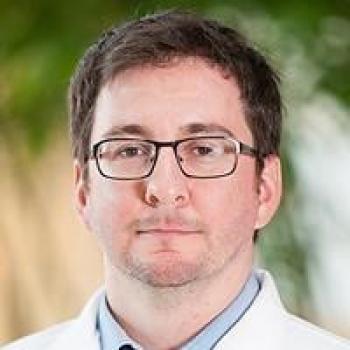 Drew W. Pratt合作论文数National Cancer Institute, National Institutes of Health/University of Michigan4
 Chandan Kumar合作论文数Department of Pathology, Medical School, University of Michigan-Ann Arbor4
 Maria Castro合作论文数Department of Neurosurgery, University of Michigan Medical School4
 Jason T Huse合作论文数Department of Pathology and Translational Molecular Pathology, University of Texas MD Anderson Cancer Center;Brain Tumor Tissue Bank, University of Texas MD Anderson Cancer Center4
 Alnawaz Rehemtulla合作论文数Alnawaz Rehemtulla Laboratory, Department of Radiation Oncology, Medical School, University of Michigan;Department of Radiology, Medical School, University of Michigan4
 Zhao Xinyi合作论文数School of Health Humanities, Peking University4
 Ian D. Wolfe合作论文数From the Regions Hospital Burn Center4




