Glioblastoma is the most common type of malignant primary brain tumor and a major cause of morbidity and mortality. In 2021, the World Health Organization updated the classification of Central Nervous System (CNS) tumors to restrict glioblastomas to isocitrate dehydrogenase-wildtype (IDHwt) tumors, improving understanding of the prognosis and optimal therapy for these tumors. This revision also enables more homogeneous populations of patients to be enrolled in clinical trials, facilitating the evaluation of novel therapies. In this updated consensus review from the Society for Neuro-Oncology (SNO) and the European Association of Neuro-Oncology (EANO), the current management of patients with glioblastoma is discussed. In addition, novel therapies such as immunotherapies, viral therapies, targeted molecular therapies, theranostics, and antibody-drug conjugates will be reviewed, as well as the current challenges and future directions for research.
ABSTRACT:Tumor inflammation-associated neurotoxicity (TIAN) was recently proposed as a unique complication of immunotherapy in patients with brain tumor. Here, we report a first comprehensive characterization of TIAN in patients with central nervous system (CNS) lymphoma (CNSL) treated with CD19-directed chimeric antigen receptor (CD19-CAR) T cells. TIAN occurred in 10 of 56 (17.9%) patients with CNSL, with clinical onset at a median 3.5 days (range, 1-9) after CD19-CAR T-cell infusion. It was less frequently associated with cytokine release syndrome (60% vs 100%; P = .009) than immune effector cell-associated neurotoxicity syndrome (ICANS). Although symptoms were usually transient and fully reversible, TIAN was associated with a fatal outcome in 1 patient. Larger CNS tumor volume at baseline allowed the identification of patients at risk for TIAN (area under the curve, 0.847; P = .002). Maximizing Youden J statistics, a discriminatory tumor volume threshold of >3.4 cm3 was determined, which carried 87.5% sensitivity and 80.5% specificity. TIAN correlated with higher overall response rates to CD19-CAR T cells (90% vs 52%; P = .036) and improved progression-free survival (hazard ratio, 0.22; 95% confidence interval, 0.07-0.61; P = .006) on multivariate Cox proportional hazard regression. Postmortem histopathological evaluation of a TIAN lesion revealed a dense macrophage population with central necrosis and peripheral reactive gliosis, accompanied by loss of white matter and intracytoplasmic myelin in foamy macrophages. Collectively, our work supports TIAN as a localized on-tumor, on-target neurotoxicity syndrome, closely related to preexisting CNSL lesions and distinct from ICANS. CNS tumor volume at baseline may allow to identify patients at risk and may guide management.
Background Patients with glioblastoma experience high physical and psychosocial symptom burden. Poor social relationships have been shown to increase the risk of neurologic illnesses and decline, and conversely, strong personal social networks (PSN) have been shown to reduce the risk of mortality and improve quality of life. The aim of this pilot study is to determine the feasibility of measuring PSN in glioblastoma patients.Methods We recruited 25 adult glioblastoma patients between the initial diagnosis and the first cycle of adjuvant chemotherapy from March to September 2023 in the outpatient neuro-oncology clinic and adapted PERSNET, a quantitative PSN assessment tool, to this population. We collected demographics, tumor measures, treatment courses, and the European Organization for Research and Treatment of Cancer QOL for Patients with Brain Tumors (EORTC QLQ-BN20) and conducted qualitative interviews.Results The average age was 64.5 years old, 56% were female, and 84% had a Karnofsky Performance Status of 70 or higher. Patients had large network sizes (total size of patient's PSN; mean = 8.8). Participants stressed the importance of social support and how different people filled different roles in their oncology care. Behavioral and/or cognitive changes resulted in delayed presentation, and children, especially daughters, were important in advocating for presentation to the hospital.Conclusion This is the first proof-of-concept study showing that PSN can be measured in patients with glioblastoma. Qualitative data showed that patients felt social support was very important, and different people in their networks addressed different domains of care: physical, emotional, and logistical.
Schwannomas are nerve sheath tumors arising at cranial and peripheral nerves, either sporadically or in patients with a schwannomatosis-predisposition syndrome. There is limited understanding of the transcriptional heterogeneity of schwannomas across genetic backgrounds and anatomic locations. Here, we prospectively profile by single-cell full-length transcriptomics tumors from 22 patients with NF2-related schwannomatosis, non-NF2-related schwannomatosis, and sporadic schwannomas, resected from cranial and peripheral nerves. We profiled 11,373 cells (after QC), including neoplastic cells, fibroblasts, T cells, endothelial cells, myeloid cells, and pericytes. We characterize the intra-tumoral genetic and transcriptional heterogeneity of schwannoma, identifying six distinct transcriptional metaprograms, with gene signatures related to stress, myelin production, antigen presentation, interferon signaling, glycolysis, and extracellular matrix. We demonstrate the robustness of our findings with analysis of an independent cohort. Overall, our atlas describes the spectrum of gene expression across schwannoma entities at the single-cell level and will serve as an important resource for the community.
INTRODUCTION:Altered neurometabolism is an important pathological mechanism in many neurological diseases and brain cancer, which can be mapped non-invasively by Magnetic Resonance Spectroscopic Imaging (MRSI). Advanced MRSI using non-cartesian compressed-sense acquisition enables fast high-resolution metabolic imaging but has lengthy reconstruction times that limits throughput and needs expert user interaction. Here, we present a robust and efficient Deep Learning reconstruction embedded in a physical model within an end-to-end automated processing pipeline to obtain high-quality metabolic maps. METHODS:Fast high-resolution whole-brain metabolic imaging was performed at 3.4 mm3 isotropic resolution with acquisition times between 4:11-9:21 min:s using ECCENTRIC pulse sequence on a 7T MRI scanner. Data were acquired in a high-resolution phantom and 27 human participants, including 22 healthy volunteers and 5 glioma patients. A deep neural network using recurring interlaced convolutional layers with joint dual-space feature representation was developed for deep learning ECCENTRIC reconstruction (Deep-ER). 21 subjects were used for training and 6 subjects for testing. Deep-ER performance was compared to iterative compressed sensing Total Generalized Variation reconstruction using image and spectral quality metrics. RESULTS:Deep-ER demonstrated 600-fold faster reconstruction than conventional methods, providing improved spatial-spectral quality and metabolite quantification with 12%-45% (P<0.05) higher signal-to-noise and 8%-50% (P<0.05) smaller Cramer-Rao lower bounds. Metabolic images clearly visualize glioma tumor heterogeneity and boundary. Deep-ER generalizes reliably to unseen data. CONCLUSION:Deep-ER provides efficient and robust reconstruction for sparse-sampled MRSI. The accelerated acquisition-reconstruction MRSI is compatible with high-throughput imaging workflow. It is expected that such improved performance will facilitate basic and clinical MRSI applications for neuroscience and precision medicine.
Primary central nervous system lymphoma (PCNSL) is a rare non-Hodgkin lymphoma localized to the brain, cerebrospinal fluid, or eyes. Treatment options are limited and prognosis is poor, particularly in the relapsed or refractory (r/r) setting. Tirabrutinib, a second-generation Bruton’s tyrosine kinase inhibitor, is approved for PCNSL in Japan, Taiwan, and South Korea. There are no currently approved drug therapies for PCNSL in the US or Europe. Here we report results from the PROSPECT study (NCT04947319) conducted in the US. In this open-label phase II study, patients with r/r PCNSL received oral tirabrutinib 480 mg as monotherapy once daily. Primary endpoint was overall response rate (ORR) assessed by independent review committee. Secondary endpoints included duration of response (DOR), time to response (TTR), best overall response (BOR), and safety. Overall survival (OS) and progression-free survival (PFS) were exploratory endpoints. Forty-eight patients were enrolled. Median age was 65.5 years. With median follow-up of 11.5 months as of November 1, 2024 (data cutoff), ORR was 67%, with a complete response rate (CRR: confirmed [CR] + unconfirmed [CRu]) of 44% and a partial response rate of 23%. Median DOR was 9.3 months; median TTR was 1.0 months. Median OS was not reached; median PFS was 6.0 months. Incidence of any-grade treatment-emergent adverse events (TEAEs) was 98% and of grade ≥3 was 56%. Any-grade treatment-related adverse events (TRAEs) were experienced by 75%; grade ≥3 TRAEs were experienced by 27%, most frequently neutrophil count decreased (8%) and maculo-papular rash (6%). At data cutoff, 27% of patients remain on treatment. Main reasons for discontinuation were disease progression (54%) and death (8%). With ORR of 67%, CR/CRu rate of 44%, median DOR of 9.3 months, and manageable safety, the PROSPECT trial supports tirabrutinib monotherapy as a potentially effective treatment option for patients with r/r PCNSL.
In neuro-oncology, imaging findings and a patient’s clinical status do not always correlate. The Neurologic Assessment in Neuro-Oncology (NANO) scale is a clinician-reported outcome assessment tool consisting of nine domains to measure neurologic function routinely assessed by clinicians. Using GPT4DFCI, Dana-Farber Cancer Institute’s (DFCI) HIPAA-secure endpoint to GPT-4o, we ran free text physical exam documentation through a secure Application Programming Interface to assess whether a large language model (LLM) can accurately generate NANO scores. We used an iterative process for prompt development. Temperature, a parameter that controls the randomness of LLM output, was set to zero. Cox proportional hazards analysis was used to predict whether NANO score at the time of bevacizumab initiation (last line therapy) could predict overall survival (OS). We evaluated 287 patients with progressive grade 4 gliomas seen at least twice at DFCI between 1/1/2018 to 12/31/2023 from the time of bevacizumab initiation. LLM-generated scores were grouped into 0 or 1 (none to mild) versus 2 or 3 (moderate to severe) for each NANO domain. Accuracy between clinician-reported and LLM-extracted NANO scores was high (mean = 92.5%, range 76.6-100%, n=56). Average patient age at bevacizumab initiation was 61 years, 36% were female, 11% were IDH-mutant, and 41% had MGMT-unmethylated tumors. Median total NANO at initiation of bevacizumab was 1 (range 0-11). Cox proportional hazards analysis revealed that deficits in gait at bevacizumab initiation predicting worse OS (hazard ratio 2.86, 95% CI: 1.21, 6.74; p=0.02), independent of age, MGMT-status, sex, and IDH-status. LLMs can generate NANO scores from clinical notes. Moderate to severe gait impairment by NANO was predictive of worse OS at bevacizumab initiation. LLMs offer the ability to scale NANO to understand how NANO may affect OS at different disease points for different disease groups.
2019 Background: Primary central nervous system lymphoma (PCNSL) is a rare, aggressive form of non-Hodgkin lymphoma localized to the brain, cerebrospinal fluid, or eyes. For patients with PCNSL, treatment options are limited, standard of care is not well established, and prognosis is poor, particularly in the relapsed or refractory (r/r) setting. Tirabrutinib, a highly potent selective second-generation Bruton’s tyrosine kinase inhibitor, is approved in Japan, Taiwan, and South Korea based on a phase I/II study that demonstrated clinical activity in Japanese patients with r/r PCNSL. There are no currently approved drug therapies for PCNSL in the US or Europe. Here we report results from the PROSPECT study (NCT04947319) conducted in the US. Methods: In this open-label phase II study, patients with r/r PCNSL received oral tirabrutinib 480 mg as monotherapy once daily until disease progression or unacceptable toxicity. The primary endpoint was overall response rate (ORR) assessed by Independent Review Committee. Secondary endpoints included duration of response (DOR), time to response (TTR), best overall response (BOR), and safety. Overall survival (OS) and progression-free survival (PFS) were exploratory endpoints. Results: Forty-eight patients were enrolled. Median age was 65.5 y (range, 34-87). With a median follow-up of 11.2 mo as of November 1, 2024 (data cut-off), ORR was 66.7% (n = 32), with a complete response rate (CRR), confirmed (CR) + unconfirmed (CRu), of 43.8% (n = 21) and a partial response rate of 22.9% (n = 11). Median DOR was 9.3 mo (range, 0.0-23.5), and median TTR was 0.95 mo (range, 0.9-3.7). Median OS was not reached (range, 1.0-33.0); median PFS was 6.0 mo (range, 0.0-26.0). Overall incidence of any-grade treatment-emergent adverse events (TEAEs) was 97.9% (n = 47) and grade ≥3 was 56.3% (n = 27). Any-grade treatment-related adverse events (TRAEs) were experienced by 75.0% (n = 36), most frequently anemia (18.8%), fatigue (14.6%), neutrophil count decreased (14.6%), pruritus (14.6%), rash (14.6%), and maculo-papular rash (14.6%). Grade ≥3 TRAEs were experienced by 27.1% (n = 13), most frequently neutrophil count decreased (8.3%) and rash maculo-papular (4.2%). Deaths related to TEAEs occurred in 2 (4.2%) patients: 1 patient died from seizure and pneumonia, and the other from a fall; these grade 5 TEAEs were considered unrelated to study treatment. At data cutoff, 27.1% (n = 13) of patients remain on tirabrutinib treatment. Main reasons for discontinuation were disease progression (54.2%, n = 26) and death (8.3%, n = 4), and 1 (2.1%) patient discontinued due to an AE; deaths included the 2 patients with grade 5 TEAEs. Conclusions: With an ORR of 66.7%, CR/CRu rate of 43.8%, median DOR of 9.3 mo, and a manageable safety profile, the PROSPECT trial supports tirabrutinib monotherapy as a potentially effective treatment option for patients with r/r PCNSL. Clinical trial information: NCT04947319 .
GSEA of genes associated with positive or negative correlation with radiographic response to ONC201 treatment.
GSEA analysis of genes with significantly lower chromatin accessibility at promoters and enhancers and reduced gene expression in DIPG007 cells treated with ONC201 versus vehicle.
BACKGROUND:Astrocytoma, isocitrate dehydrogenase-mutant, WHO grade 4 (Astro4), is a new tumor type in the 2021 WHO classification of central nervous system tumors that has been poorly characterized in the literature. This study evaluates predictors of prognosis in a large cohort of newly diagnosed Astro4. METHODS:We retrospectively identified 128 consecutive adult patients who presented with an initial diagnosis of Astro4 at Dana-Farber Cancer Institute and Massachusetts General Hospital between 2010 and 2021. Clinical, molecular, and radiological characteristics were recorded, and their associations with overall survival (OS) and progression-free survival (PFS) were measured by log-rank test and Cox proportional hazards model. RESULTS:The median age at diagnosis was 37.1 years, and 61.7% were men. The median OS was 5.9 years (95% confidence interval, 4.4-7.3), while the median PFS was 2.7 years (1.8 -3.6). Age ≥ 50 and homozygous CDKN2A/B deletion were independent negative prognosticators of OS on univariate and multivariate analyses (hazard ratio [HR], 2.21 [1.16-4.21], P = .019; HR, 2.61 [1.27-5.38], P = .013). Maximal resection of enhancing disease was associated with longer PFS on univariate and multivariate analyses (HR, 0.48 [0.26-0.87], P = .019). There were no significant differences in OS or PFS based on MGMT promoter methylation status, T2/FLAIR extent of resection, T2/FLAIR mismatch, radiological pseudoprogression, or enhancement on the pre-operative scan. CONCLUSIONS:Our study comprehensively characterizes a large cohort of newly diagnosed patients with Astro4, emphasizing the prognostic value of CDKN2A/B deletion, age, and the extent of resection of enhancing disease in these patients.
Background:Mutant isocitrate dehydrogenase (IDHm) inhibitors represent a novel targeted approach for treating IDHm glioma patients, yet their optimal use in clinical practice outside of clinical trials remains undefined. This study describes the real-world utilization of the mutant IDH1 inhibitor (IDHi), ivosidenib, in patients with IDHm glioma. Methods:We retrospectively reviewed clinical and radiographic data from patients with IDHm glioma treated with ivosidenib monotherapy from 2020 to 2024 at the Dana-Farber Cancer Institute and Massachusetts General Hospital. Results:This cohort included 74 patients with a median age of 39. There were 35 astrocytomas and 39 oligodendrogliomas, with 49, 23, and 2, grade 2, 3, and 4 tumors, respectively. Nineteen patients (26%) experienced an adverse event, although only 1 patient discontinued ivosidenib for adverse events. Median progression-free survival was 31 months and median overall survival was not reached. Seven patients (9%) had partial response, 3 (4%) had minor response, 47 (64%) had stable disease, and 17 (23%) had progressive disease. The presence of enhancing disease at ivosidenib initiation was associated with lower disease control rates (DCR) whereas DCR differences were not detected based on grade (grade 2 vs. 3), tumor histology, or age. Subsequent-line ivosidenib use had lower DCR although this may have been explained by enrichment of patients with enhancing disease. Conclusions:In this large cohort of IDHm glioma patients, ivosidenib was well tolerated. Our results support the use of IDHi therapy in patients with grade 2 or 3 astrocytoma or oligodendroglioma and highlight limited effectiveness in patients with enhancing disease.
Tumor inflammation-associated neurotoxicity (TIAN) was recently proposed as a unique complication of immunotherapy in brain tumor patients. Here, we report a first comprehensive characterization of TIAN in CNS lymphoma (CNSL) patients treated with CD19-directed chimeric antigen receptor T-cells (CD19-CAR). TIAN occurred in 10/56 (17.9%) CNSL with clinical onset at a median 3.5 days (range: 1-9) after CD19-CAR infusion. It was less frequently associated with cytokine release syndrome (60% vs 100%, p = 0.009) than immune effector cell-associated neurotoxicity syndrome (ICANS). Although symptoms were usually transient and fully reversible, TIAN was associated with a fatal outcome in one patient. Larger CNS tumor volume at baseline allowed the identification of patients at risk for TIAN (AUC: 0.847, p = 0.002). Maximizing Youden J statistics, a discriminatory tumor volume threshold >3.4cm3 was determined, which carried 87.5% sensitivity and 80.5% specificity. TIAN correlated with higher overall response rates to CD19-CAR (90% vs 52%, p = 0.036) and improved progression-free survival (Hazard ratio: 0.22; 95%-Confidence interval: 0.07-0.61, p = 0.006) on multivariate Cox proportional hazard regression. Post-mortem histopathological evaluation of a TIAN lesion revealed a dense macrophage population with central necrosis and peripheral reactive gliosis, accompanied by loss of white matter and intracytoplasmic myelin in foamy macrophages. Quantitative PCR confirmed the presence of CD19-CAR at the TIAN lesion site. Collectively, our work supports TIAN as a localized on-tumor, on-target neurotoxicity syndrome, closely related to pre-existing CNSL lesions and distinct from ICANS. CNS tumor volume at baseline may allow to identify patients at risk and may guide management.
Abstract BACKGROUND Astrocytoma, IDH-mutant, WHO grade 4, are classified as a separate entity in the 2021 WHO classification of central nervous system tumors and have been poorly characterized in the literature. In this study, we report on the clinical outcomes in a large cohort of newly diagnosed grade 4 IDH-mutant astrocytoma. METHODS We retrospectively identified adult patients with astrocytoma, IDH-mutant, WHO grade 4, treated for their initial diagnosis at Dana-Farber Cancer Institute and Massachusetts General Hospital between 2010 and 2021. Clinical, molecular, and radiological characteristics were recorded, and their association with overall survival (OS) and progression-free survival (PFS) was measured by a log-rank test. If a proportional hazard assumption was violated, we compared the median OS and PFS between groups by the bootstrap method instead. RESULTS We identified 140 patients, with a median age at diagnosis of 37.9 years (range: 19-87) and male predominance (60.7%). MGMT promoter was methylated in 51.4%, and CDKN2A/B homozygous deletion was present in 40 cases (28.6%). Most tumors showed enhancement on the preoperative scan (n=108; 77.1%). Seventy percent of patients had subtotal resection, 25.7% had a gross total resection, and 4.3% had a biopsy. Most patients received standard chemoradiation followed by adjuvant temozolomide (n=103; 73.6%). The median OS was 6.9 years (95% CI: 4.5-9.2), and the median PFS was 3.3 years (95% CI: 2.1-4.4). OS and PFS were not associated with MGMT promoter methylation or the presence of enhancement on the preoperative scan. CDKN2A/B homozygous deletion was associated with worse OS (5.5 vs. 7.8 years, log-rank test-based p-value=0.036) but had no association with PFS (3.4 vs 2.6 years, bootstrap method-based p-value=0.488). CONCLUSIONS In our cohort of astrocytoma, IDH-mutant, WHO Grade 4, CDKN2A/B homozygous deletion had a negative prognostic impact, whereas MGMT promoter methylation status and enhancement on the preoperative scan did not affect survival outcomes.
Leptomeningeal metastatic disease (LMD), encompassing entities of ‘meningeal carcinomatosis’, neoplastic meningitis’ and ‘leukaemic/lymphomatous meningitis’, arises secondary to the metastatic dissemination of cancer cells from extracranial and certain intracranial malignancies into the leptomeninges and cerebrospinal fluid. The clinical burden of LMD has been increasing secondary to more sensitive diagnostics, aggressive local therapies for discrete brain metastases, and improved management of extracranial disease with targeted and immunotherapeutic agents, resulting in improved survival. However, owing to drug delivery challenges and the unique microenvironment of LMD, novel therapies against systemic disease have not yet translated into improved outcomes for these patients. Underdiagnosis and misdiagnosis are common, response assessment remains challenging, and the prognosis associated with this disease of whole neuroaxis remains extremely poor. The dearth of effective therapies is further challenged by the difficulties in studying this dynamic disease state. In this Review, a multidisciplinary group of experts describe the emerging evidence and areas of active investigation in LMD and provide directed recommendations for future research. Drawing upon paradigm-changing advances in mechanistic science, computational approaches, and trial design, the authors discuss domain-specific and cross-disciplinary strategies for optimizing the clinical and translational research landscape for LMD. Advances in diagnostics, multi-agent intrathecal therapies, cell-based therapies, immunotherapies, proton craniospinal irradiation and ongoing clinical trials offer hope for improving outcomes for patients with LMD. Leptomeningeal metastatic disease (LMD) arises secondary to the metastatic dissemination of cancer cells into the leptomeninges and cerebrospinal fluid. Novel therapies against systemic disease have not yet translated into improved outcomes for patients with LMD, in whom median survival after diagnosis remains at 2–6 months. The authors of this Review, a multidisciplinary group of experts, describe the emerging evidence and areas of active investigation in LMD and provide directed recommendations for future research.
Abstract BACKGROUND Immunotherapies are increasingly being explored as potential therapeutic modalities for the treatment of central nervous system (CNS) tumors and have unique toxicity profiles. Toxicity syndromes such as cytokine release syndrome (CRS) and immune effector-cell associated neurotoxicity (ICANS) were identified through experiences with chimeric antigen receptor (CAR) T-cell therapies for B cell malignancies; the creation of grading scales for these toxicities standardized the reporting and enabled management. METHODS From our collective experiences in treating patients with immunotherapies for CNS tumors, we have identified a localized neurotoxicity syndrome, distinct from the systemic toxicities of CRS and ICANS, termed tumor inflammation-associated neurotoxicity (TIAN). RESULTS TIAN develops secondary to localized inflammation at the tumor site. From a mechanistic perspective, we identified two types of TIAN: 1) type 1 TIAN arises in the setting of mechanical space constraints when peritumoral edema results in tissue shifts and increased intracranial pressure, which if untreated, can lead to a life-threatening herniation syndrome and 2) type 2 TIAN occurs when local neuronal dysfunction causes transient worsening/new neurological deficits. Whereas type 1 TIAN encompasses the concept of “pseudoprogression,” type 2 TIAN can occur in the absence of edema when neural-immune interactions disrupt local neural function. Patients can have both type 1 and type 2 TIAN simultaneously; understanding the type of TIAN can inform management. To facilitate the uniform reporting and management of TIAN, we created a TIAN grading scale that applies to both types of TIAN. Although, type 1 TIAN is generally associated with higher-grade toxicity, high-grade type 2 TIAN can occur when local inflammation compromises respiratory or autonomic functions. CONCLUSIONS Recognizing TIAN as a distinct, local neurotoxicity syndrome is critical to guiding clinical management and prognostication when treating patients with CNS tumors with immunotherapies.
 Patrick Y. Wen合作论文数Department of Neurology, Harvard Medical School;Center For Neuro-Oncology, Dana-Farber Cancer Institute191
 Elizabeth Gerstner合作论文数Mass General Research Institute;Harvard Medical School;Massachusetts General Hospital138
 Andrew S. Chi合作论文数Laura and Isaac Perlmutter Cancer Center, NYU Langone Health/Department of Neurosurgery, NYU Langone Health129
 Daniel Cahill合作论文数Stephen E. and Catherine Pappas Center for Neuro-Oncology, Massachusetts General Hospital, Harvard Medical School, Harvard University;Department of Neurosurgery, Massachusetts General Hospital, Harvard Medical School, Harvard University120
 Jorg Dietrich合作论文数88
 Rakesh K. Jain合作论文数Harvard Medical School, Harvard University;Edwin L. Steele Laboratories for Tumor Biology, Department of Radiation Oncology, Massachusetts General Hospital87Arrillaga-Romany Isabel合作论文数76
 A. Gregory Sorensen合作论文数DeepHealth, Inc.;IMRIS - A Deerfield Imaging Brand70
 Anthony Iafrate合作论文数Department of Pathology, Massachusetts General Hospital Cancer Center;Harvard Medical School69
 David N. Louis合作论文数Department of Pathology, Massachusetts General Hospital;Mass General Research Institute, Massachusetts General Hospital;Department of Pathology, Brigham and Women's Hospital;Harvard Medical School68Lakshmi Nayak合作论文数66
 William T Curry合作论文数66
 David Reardon合作论文数Center for Neuro-Oncology, Dana-Farber Cancer Institute;Harvard Medical School63
 Eudocia Q. Lee合作论文数Division of Cancer Neurology, Department of Neurology, Brigham and Women's Hospital, Harvard Medical School;Center for Neuro-Oncology, Dana-Farber Cancer Institute58
 Timothy Cloughesy合作论文数Department of Molecular and Medical Pharmacology, David Geffen School of Medicine, University of California, Los Angeles;Brain Research Institute, University of California, Los Angeles55
 Jan Drappatz合作论文数Center for Neuro-Oncology, Department of Medical Oncology, Dana-Farber/Brigham and Women’s Cancer Center, 44 Binney St, Boston, MA 02115, USA53
 Scott Plotkin合作论文数The Stephen E. and Catherine Pappas Center for Neuro-Oncology, Massachusetts General Hospital, Harvard Medical School;Family Center for Neurofibromatosis, Massachusetts General Hospital, Harvard Medical School52
 Hiroaki Wakimoto合作论文数Mass General Research Institute;Harvard Medical School;Massachusetts General Hospital52
 Schiff, David合作论文数School of Medicine, University of Virginia50Ugonma Chukwueke合作论文数48
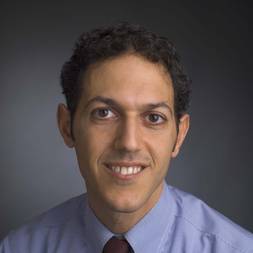 Rameen Beroukhim合作论文数Division of Medical Sciences, Harvard Medical School;Dana-Farber Cancer Institute48
 Dan G. Duda合作论文数Houston Methodist Research Institute47
 Bruce Rosen合作论文数Harvard Medical School;Athinoula A. Martinos Center for Biomedical Imaging, Massachusetts General Hospital;Division of Health Sciences and Technology, Harvard-MIT43
 Keith L. Ligon合作论文数Center for Patient Derived Models, Dana-Farber Cancer Institute;Division of Neuropathology, Brigham and Women's Hospital;Medical School, Harvard University;Travera;Broad Institute, Massachusetts Institute of Technology;Boston Children's Hospital43
 Joshua E Allen合作论文数Chimerix, Inc.43
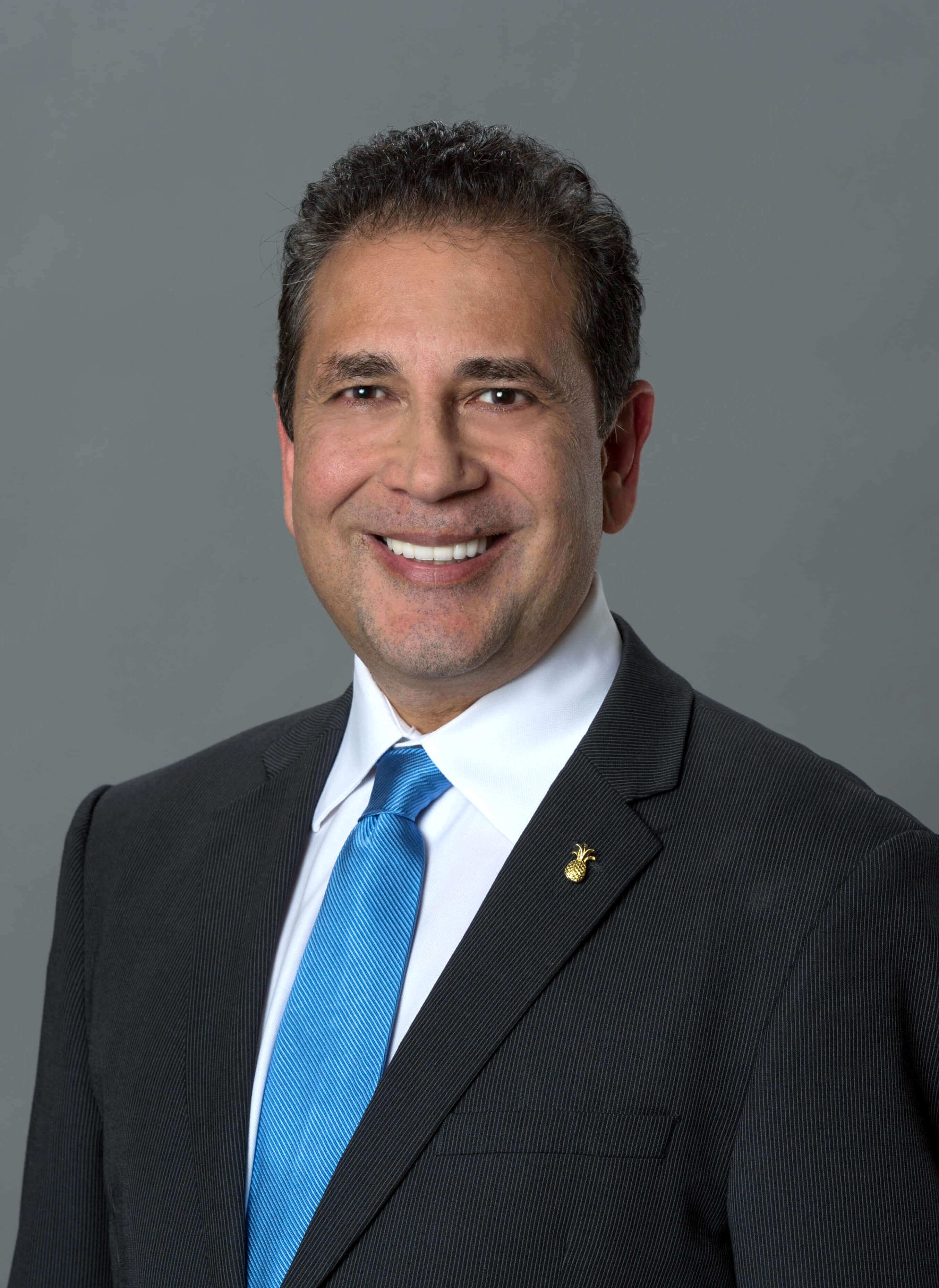 Minesh Mehta合作论文数Department of Radiation Oncology, Herbert Wertheim College of Medicine, Florida International University;Miami Cancer Institute42
 Jay S. Loeffler合作论文数Department of Radiation Oncology, Massachusetts General Hospital;Department of Radiation Oncology, Harvard Medical School40
 Jayashree Kalpathy-Cramer合作论文数Harvard Medical School;Massachusetts General Hospital40John De Groot合作论文数40
 Stuart Grossman合作论文数Johns Hopkins Sidney Kimmel Comprehensive Cancer Center;The Johns Hopkins Hospita40
 Ovidiu Andronesi合作论文数Harvard Medical School, Harvard University;Athinoula A. Martinos Center for Biomedical Imaging, Mass General Research Institute, Massachusetts General Hospital, Mass General Brigham39
 Priscilla Brastianos合作论文数Division of Medical Sciences, Harvard Medical School37Rohinton S Tarapore合作论文数Oncoceutics Inc35
 Kensuke Tateishi (立石健祐)合作论文数Department of Medical Life Science, Graduate School of Medical Life Science, Yokohama City University;Neurosurgical Oncology Laboratory, Yokohama City University35
 Kyrre Eeg Emblem合作论文数Department of Physics and Computational Radiology, Oslo University Hospital35
 Yazmin Odia合作论文数33Lelic Nina合作论文数33Nicholas Butowski合作论文数33Deborah Forst合作论文数32
 Tom Mikkelsen合作论文数Hermelin Brain Center, Henry Ford Hospital;Department of Neurology, Henry Ford Hospital;Ontario Brain Institute32
 Fred H. Hochberg合作论文数Moores Cancer Center, Department of Neurological Surgery, University of California, San Diego31
 Rebecca Betensky合作论文数Department of Biostatistics, School of Global Public Health, New York University30
 Ashley Sumrall合作论文数30
 Andrew D. Norden合作论文数Boston Medical Center;OncoHealth30
 Yoshie Umemura合作论文数Ivy Brain Tumor Center, Barrow Neurological Institute;University of Michigan29
 Benjamin Ellingson合作论文数University of California Los Angeles29Shonka Nicole A合作论文数University of Nebraska Medical Center29
 Corey M Gill合作论文数28
 Alona Muzikansky合作论文数Biostatistics Center, Massachusetts General Hospital28




