Stroke patients are rarely asked about their responses to specific design attributes. Virtual reality (VR) offers a promising tool to explore how hospital environments are experienced after stroke.PurposeTo gather perspectives and emotional responses regarding physical design attributes of hospital patient rooms after stroke.Material and MethodsWe developed a 'VR experience' for adult stroke patients in both single and multi-patient room designs, with four additional physical design attributes: spaciousness, greenery outlook, night-time noise, and design attributes for social connectivity e.g. furnishings. A qualitative study approach involved semi-structured interviewing, that followed immersion in the VR patient room designs. Qualitative descriptive and thematic analysis was done. (Australian New Zealand Clinical Trials Registry, Trial Id: ACTRN12620000375954).ResultsThirty-five stroke patients participated (April 2019-March 2020). Interviews yielded three themes and ten sub-themes. Themes were: (1) action and care supported by design and layout, such as ease of movement; (2) connection to people, nature, and place, emphasising social interaction and greenery; and (3) control of the environment, involving attributes like space.ConclusionsFindings showed how physical design attributes enhance movement accessibility, promote social interaction, or provide sensory comfort. Using VR allowed rich, detailed feedback from patients, offering valuable insights for designing hospital environments.
Objectives: This study explores stroke rehabilitation facility design in Australia, identifying the key design typologies at multiple scales and assessing them against the critical design criteria for stroke rehabilitation. Background: The physical environment plays a crucial role in stroke rehabilitation, affecting patient recovery and well-being. However, limited research examines how design can support therapeutic outcomes in these facilities. Method: From a systematic review of 257 Australian stroke rehabilitation facilities, 30 were selected for detailed design review, with an in-depth room-level analysis conducted for 10. Using the modified PRISMA framework and a typology analysis approach, this study integrates architectural precedent with clinical research methods. Results: Typologies were identified at the site, building, ward, and room levels. Acute hospital wards (53%) and ‘blocks’ (73%) were the most common site and building arrangements, respectively. At the ward level, ‘racetrack with courtyard’ layouts enhanced natural light, views, and access to landscaped areas. A room-level analysis revealed limited innovation, with most rooms adhering to standard designs, though some adaptations improved visual connectivity and personal control. Hybrid nurse stations and courtyards supported efficiency, social interaction, and therapeutic stimulation. Conclusions: This study highlights the user-centred design strategies tailored to stroke patients’ needs and the importance of evidence-based approaches prioritising well-being. Future research should incorporate 3D spatial analysis for actionable design recommendations.
Changing the physical environment of healthcare facilities can positively impact patient outcomes. Virtual reality (VR) offers the potential to understand how healthcare environment design impacts users’ perception, particularly among those with brain injuries like stroke, an area with limited research. In this study, our objective was to forge a new pathway in healthcare environment research by developing a comprehensive, six-module ‘user-centered’ design decision support approach, utilizing VR technology. This innovative method integrated patient engagement, architectural design principles, BIM prototyping, and a sophisticated VR user interface to produce realistic and immersive healthcare scenarios. Forty-four stroke survivors participated, experiencing 32 VR scenarios of in-patient bedrooms, followed by interactive in-VR questions and semi-structured interviews. The results of the approach proved to be comparatively efficient and feasible, provided a high level of immersion and presence for the participants, and effectively elicited extremely rich quantifiable response data, which revealed distinct environmental preferences. Our novel approach to understanding end-user responses to stroke rehabilitation architecture demonstrates potential to inform user-centered evidence-based design decisions in healthcare, to improve user experiences and health outcomes in other healthcare populations and environments.
Objective: This study utilized the evidence-gap map method and critically examined the scope, methodologies, and focus of the studies that investigated the influence of the built environment on inpatient healthcare settings over a decade (2010-2021).Methods: We conducted a systematic review per the preferred reporting items for systematic reviews and meta-analyses guidelines and surveyed 406 articles, primarily from North America and Europe.Results: Our findings revealed a dominant focus on architectural features (73%), such as room design and ward layout. Comparatively, there was less emphasis on interior-, ambient-, social-, and nature-related features. Most previous studies explored multiple environmental features, which indicated the intricacy of this field. Research outcomes were diverse, with person-centered care (PCC) being the most frequently investigated, followed by safe care, emotional well-being, activity, and behavior. Furthermore, research methods varied considerably based on the study's outcomes and features. Clinical outcomes and safe care favored quantitative methods, activity and behavior favored mixed methods, and PCC favored qualitative research.Conclusion: This review provides an in-depth overview of the existing studies on healthcare design research and sheds light on the current trends and methodological choices. The insights garnered can guide future research, policy-making, and the development of healthcare facilities.
BACKGROUND:The hospital's physical environment can impact health and well-being. Patients spend most of their time in their hospital rooms. However, little experimental evidence supports specific physical design variables in these rooms, particularly for people poststroke. The study aimed to explore the influence of patient room design variables modeled in virtual reality using a controlled experimental design. METHODS:Adults within 3 years of stroke who had spent >2 nights in hospital for stroke and were able to consent were included (Melbourne, Australia). Using a factorial design, we immersed participants in 16 different virtual hospital patient rooms in both daytime and nighttime conditions, systematically varying design attributes: patient room occupancy, social connectivity, room size (spaciousness), noise (nighttime), greenery outlook (daytime). While immersed, participants rated their affect (Pick-A-Mood Scale) and preference. Mixed-effect regression analyses were used to explore participant responses to design variables in both daytime and nighttime conditions. Feasibility and safety were monitored throughout. Australian New Zealand Clinical Trials Registry, Trial ID: ACTRN12620000375954. RESULTS:Forty-four adults (median age, 67 [interquartile range, 57.3-73.8] years, 61.4% male, and a third with stroke in the prior 3-6 months) completed the study in 2019-2020. We recorded and analyzed 701 observations of affective responses (Pick-A-Mood Scale) in the daytime (686 at night) and 698 observations of preference responses in the daytime (685 nighttime) while continuously immersed in the virtual reality scenarios. Although single rooms were most preferred overall (daytime and nighttime), the relationship between affective responses differed in response to different combinations of nighttime noise, social connectivity, and greenery outlook (daytime). The virtual reality scenario intervention was feasible and safe for stroke participants. CONCLUSIONS:Immediate affective responses can be influenced by exposure to physical design variables other than room occupancy alone. Virtual reality testing of how the physical environment influences patient responses and, ultimately, outcomes could inform how we design new interventions for people recovering after stroke. REGISTRATION:URL: https://anzctr.org.au; Unique identifier: ACTRN12620000375954.
Hospital design can impact patient outcomes, but there is very little healthcare design evidence specific to stroke rehabilitation facilities. Our aim was to explore, from the patient perspective, the role of the physical environment in factors crucial to stroke recovery, namely, stroke survivor activity (physical, cognitive, social), sleep, emotional well-being, and safety. We conducted a mixed-methods multiple-case study at two inpatient rehabilitation facilities in Victoria, Australia, (n = 20 at Case 1, n = 16 at Case 2) using "walk-through" semi-structured interviews, behavioural mapping, questionnaires, and retrospective audit. Four interrelated themes emerged: 1) entrapment and escape; 2) power, dependency, and identity in an institutional environment; 3) the rehabilitation facility is a shared space; and 4) the environment should be legible and patient-centred. Quantitative data revealed patterns in patient activity; stroke survivors spent over 75% of their time in bedrooms and were often inactive. Convergent mixed methods analysis was used to generate a new conceptual model of the role of the physical environment in stroke survivors' behaviour and well-being, highlighting the importance of variety and interest, privacy without isolation, and patient-centred design. This model can be used by designers, healthcare providers, and policy makers to inform the design of rehabilitation environments.
Abstract Background While the global trend is to shift rehabilitation closer to people's homes, the role of the non-hospital environment in stroke recovery has been understudied. This unique project aims to address this gap, understanding its crucial to successfully transition health services to local settings. We intend to develop models of built environments that enhance stroke rehabilitation and everyday activities, encouraging a 'taking charge' approach for persons with stroke. Methods and analysis This mixed-method project proceeds in three phases. Phase one identifies rehabilitation-supportive environmental factors. Phase two co-designs prototypes based on these findings, with the third phase evaluating the prototypes. Research methods include literature review, concept mapping, stakeholder interviews, prototype development, and testing. Quantitative data will be processed using multidimensional scaling, hierarchical cluster analysis, and descriptive statistics, while qualitative data will be subjected to content analysis. Location analyses will incorporate qualitative GIS data models. Discussion We seek to determine how supportive environments can facilitate patients' control over their rehabilitation process, daily activities, and recovery goals. This 'taking charge' approach is key to bringing care closer to home. By co-designing with multiple stakeholders, we aim for rapid solution implementation. The project's outcomes may extend to other frail or older individuals post-hospital stay in Sweden and elsewhere. Impact This groundbreaking project encourages key stakeholder collaboration to explore how new environments can expedite the transition to local healthcare. It also entails co-designing and testing new conceptual models of environments to promote health and well-being in post-stroke individuals.
BACKGROUND:Stroke inpatient rehabilitation is a complex process involving stroke survivors, staff, and family utilizing a common space for a shared purpose: to optimize recovery. This complex pathway is rarely fully described. Stroke care is ideally guided by Clinical Practice Guidelines, and the rehabilitation built environment should serve to optimize care delivery, patient and staff experience. We aimed to articulate the inpatient stroke rehabilitation process of care in a series of process maps, and to understand the degree to which current stroke clinical and building construction (ie, design) guidelines align to support inpatient stroke rehabilitation.METHODS:We used the Value-Focused Process Engineering methodology to create maps describing the events and activities that typically occur in the current stroke inpatient rehabilitation service model. These maps were completed through individual and group session consultations with stroke survivors, architects, policy makers, and clinical experts. We then determined which sections of the Australian Stroke Rehabilitation Guidelines and the Australasian Health Facility Design Guidelines could be aligned and applied to the process maps.RESULTS:We present a summary process map for stroke inpatient rehabilitation, alongside detailed process maps for 4 different phases of rehabilitation (admission, a normal weekday, a weekend day, and discharge) using Value-Focused Process Engineering notation. The integration of design and clinical guidelines with care pathway maps revealed where guidelines lack detail to be readily linked to current stroke inpatient care practice, providing an opportunity to design stroke inpatient rehabilitation spaces based on the activities occurring within them.CONCLUSIONS:Our findings highlight gaps where clinical and design experts should work together to use guidelines to their full potential; and to improve the process of planning for future stroke rehabilitation units.
BackgroundA global trend is to move rehabilitation closer to people's neighborhoods and homes. Still, little attention has been given to how the built environment outside the hospital setting might impact rehabilitation and recovery for stroke survivors. ObjectiveThe overarching objective of this project is to develop conceptual models of built environments that support stroke rehabilitation and recovery outside the hospital setting. Specifically, the project will explore factors and characteristics of the built environment that support people with stroke and their families and identify innovative built environments that can be designed for local health care. The project will examine facilitators and obstacles for implementing built environmental solutions and evaluate the potential benefits, feasibility, and acceptability. MethodsThe project uses a mixed methods design approach with 3 phases. In phase 1, factors and characteristics of the built environment for rehabilitation will be identified. Based on the results from phase 1, phase 2 will involve co-designing prototypes of environments to support the rehabilitation process for people with stroke. Finally, the prototypes will be evaluated in phase 3. Qualitative and quantitative methods will include a literature review, a concept mapping (CM) study, stakeholder interviews, prototype development, and testing. The project will use multidimensional scaling, hierarchical cluster analysis, descriptive statistics for quantitative data, and content analysis for qualitative data. Location analysis will rely on the location-allocation model for network problems, and the rule-based analysis will be based on geographic information systems data. ResultsAs of the submission of this protocol, ethical approval for the CM study and the interview study has been obtained. Data collection is planned to start in September 2023 and the workshops later in the same year. The scoping review is ongoing from January 2023. The CM study is ongoing and will be finalized in the spring of 2024. We expect to finish the data analysis in the second half of 2024. The project is a 3-year project and will continue until December 2025. ConclusionsWe aim to determine how new environments could better support a person’s control over their day, environment, goals, and ultimately control over their recovery and rehabilitation activities. This “taking charge” approach would have the greatest chance of transferring the care closer to the patient's home. By co-designing with multiple stakeholders, we aim to create solutions with the potential for rapid implementation. The project’s outcomes may target other people with frail health after a hospital stay or older persons in Sweden and anywhere else. The impact and social benefits include collaboration between important stakeholders to explore how new environments can support the transition to local health care, co-design, and test of new conceptual models of environments that can promote health and well-being for people post stroke. International Registered Report Identifier (IRRID)DERR1-10.2196/52489
OBJECTIVE:To contribute staff perspectives on the design of palliative care facilities to better align with the philosophy of palliative care, in support of patient, family, and staff well-being.BACKGROUND:The receipt of palliative care differs from other inpatient experiences owing to its distinct philosophy of care, longer lengths of stay, a greater presence of family members, and more frequent end-of-life events. While research regarding the optimal design of palliative care environments recognizes these differences, this knowledge has been slow to exert change on the guidelines and procurement processes that determine the design solutions possible within these settings. Sustained research attention is required.METHODS:An online survey, comprising a series of open-ended questions, elicited the perceptions of palliative care staff regarding the relationship between the physical environment and the distinct philosophy of palliative care.RESULTS:Responses from 89 Australian-based palliative care professionals confirmed the high value that staff place on environments that offer privacy, homeliness, safety, and access to gardens to assist the delivery of optimum care.CONCLUSIONS:Our findings illustrate that the implications of privacy and homeliness extend far beyond the patient room and that homeliness is about more than an aesthetic of comfort. This highlights a broader capacity for design to better support the philosophy of palliative care. Importantly, the data reveal a key relationship between staff well-being and the environments in which they work; environments that are unable to match the quality of care that staff aspire to deliver can engender frustration and distress.
Objective: To provide a taxonomy of spatial observation methods that are commonly used in healthcare environments research and to describe their relative success. Background: Spatial observation is a valuable but resource intensive research method that is often used in healthcare environments research, but which frequently fails to deliver conclusive results. There is no existing catalog of the different spatial and behavioral observation methods that are used in healthcare design research and their benefits or limitations. Methods: The review adheres to the Preferred Reporting Items for Systematic Reviews and Meta-Analyses statement. Ten key databases were searched, and articles were screened by both authors. Results: Across 67 included studies, 79 observation methods were reported. We categorized those into four, distinct methodological approaches, outlining the benefits, limitations, and suitability of each for obtaining different types of results. Common limitations included difficulty generalizing to other contexts and a lack of detailed description during data collection which led to key environment variables not being recorded. More concrete conclusions were drawn when observation methods were combined with complimentary methods such as interview. Conclusions: The relative success of spatial observation studies is dependent on the fit of the method selected relative to the research question, approach, and healthcare setting; any complimentary methods delivered alongside it; and the analysis model employed. This article provides researchers with practical advice to guide the appropriate selection of spatial observation methods.
Background:Oncology patients who are migrants or refugees face worse outcomes due to language and communication barriers impacting care. Interventions such as consultation audio-recordings and question prompt lists may prove beneficial in mediating communication challenges. However, designing robust research inclusive of patients who do not speak English is challenging. This study therefore aimed to: a) pilot test and assess the appropriateness of the proposed research design and methods for engaging migrant populations, and b) determine whether a multi-site RCT efficacy assessment of the communication intervention utilising these methods is feasible.Methods:This study is a mixed-methods parallel-group, randomised controlled feasibility pilot trial. Feasibility outcomes comprised assessment of: i) screening and recruitment processes, ii) design and procedures, and iii) research time and costing. The communication intervention comprised audio-recordings of a key medical consultation with an interpreter, and question prompt lists and cancer information translated into Arabic, Greek, Traditional, and Simplified Chinese.Results:Assessment of feasibility parameters revealed that despite barriers, methods utilised in this study supported the inclusion of migrant oncology patients in research. A future multi-site RCT efficacy assessment of the INFORM communication intervention using these methods is feasible if recommendations to strengthen screening and recruitment are adopted. Importantly, hiring of bilingual research assistants, and engagement with community and consumer advocates is essential. Early involvement of clinical and interpreting staff as key stakeholders is likewise recommended.Conclusion:Results from this feasibility RCT help us better understand and overcome the challenges and misconceptions about including migrant patients in clinical research.
Healthcare facilities are among the most expensive buildings to construct, maintain, and operate. How building design can best support healthcare services, staff, and patients is important to consider. In this narrative review, we outline why the healthcare environment matters and describe areas of research focus and current built environment evidence that supports healthcare in general and stroke care in particular. Ward configuration, corridor design, and staff station placements can all impact care provision, staff and patient behavior. Contrary to many new ward design approaches, single-bed rooms are neither uniformly favored, nor strongly evidence-based, for people with stroke. Green spaces are important both for staff (helping to reduce stress and errors), patients and relatives, although access to, and awareness of, these and other communal spaces is often poor. Built environment research specific to stroke is limited but increasing, and we highlight emerging collaborative multistakeholder partnerships (Living Labs) contributing to this evidence base. We believe that involving engaged and informed clinicians in design and research will help shape better hospitals of the future.
Background: Patients undergoing (chemo) radiotherapy for oropharyngeal squamous cell carcinoma (OPSCC) are at high risk of malnutrition during and after treatment. Malnutrition can lead to poor tolerance to treatment, treatment interruptions, poor quality of life (QOL) and potentially reduced survival rate. Human papillomavirus (HPV) is now known as the major cause of OPSCC. However, research regarding its effect on nutritional outcomes is limited. The aim of this study was to examine the relationship between HPV status and nutritional outcomes, including malnutrition and weight loss during and after patients’ (chemo) radiotherapy treatment for OPSCC. Methods: This was a longitudinal cohort study comparing the nutritional outcomes of HPV-positive and negative OPSCC patients undergoing (chemo) radiotherapy. The primary outcome was nutritional status as measured using the Patient Generated-Subjective Global Assessment (PG-SGA). Secondary outcomes included loss of weight, depression, QOL and adverse events. Results: Although HPV-positive were less likely to be malnourished according to PG-SGA at the beginning of treatment, we found that the difference between malnutrition rates in response to treatment was not significantly different over the course of radiotherapy and 3 months post treatment. HPV-positive participants had significantly higher odds of experiencing >10% weight loss at three months post-treatment than HPV-negative participants (OR = 49.68, 95% CI (2.7, 912.86) p ≤ 0.01). Conclusions: The nutritional status of HPV positive and negative patients were both negatively affected by treatment and require similarly intense nutritional intervention. In acute recovery, HPV positive patients may require more intense intervention. At 3- months post treatment, both groups still showed nutritional symptoms that require nutritional intervention so ongoing nutritional support is essential.
Objectives To identify, appraise and synthesise existing design evidence for inpatient stroke rehabilitation facilities; to identify impacts of these built environments on the outcomes and experiences of people recovering from stroke, their family/caregivers and staff.Design A convergent segregated review design was used to conduct a systematic review.Data sources Ovid MEDLINE, Scopus, Web of Science and Cumulative Index to Nursing and Allied Health Literature were searched for articles published between January 2000 and November 2020.Eligibility criteria for selecting studies Qualitative, quantitative and mixed-methods studies investigating the impact of the built environment of inpatient rehabilitation facilities on stroke survivors, their family/caregivers and/or staff.Data extraction and synthesis Two authors separately completed the title, abstract, full-text screening, data extraction and quality assessment. Extracted data were categorised according to the aspect of the built environment explored and the outcomes reported. These categories were used to structure a narrative synthesis of the results from all included studies.Results Twenty-four articles were included, most qualitative and exploratory. Half of the included articles investigated a particular aspect of the built environment, including environmental enrichment and communal areas (n=8), bedroom design (n=3) and therapy spaces (n=1), while the other half considered the environment in general. Findings related to one or more of the following outcome categories: (1) clinical outcomes, (2) patient activity, (3) patient well-being, (4) patient and/or staff safety and (5) clinical practice. Heterogeneous designs and variables of interest meant results could not be compared, but some repeated findings suggest that attractive and accessible communal areas are important for patient activity and well-being.Conclusions Stroke rehabilitation is a unique healthcare context where patient activity, practice and motivation are paramount. We found many evidence gaps that with more targeted research could better inform the design of rehabilitation spaces to optimise care.PROSPERO registration number CRD42020158006.
This study examined the feasibility of implementing a multidisciplinary allied health model of care (MOC) for cancer patients with complex needs. The MOC in this retrospective study provided up to eight weeks of nutritional counselling, exercise prescription, fatigue management and psychological support. Implementation outcomes (acceptability, adoption, fidelity and appropriateness) were evaluated using nine patient interviews, and operational data and medical records of 185 patients referred between August 2017 and December 2018. Adoption, including intention to try and uptake, were acceptable: 88% of referred patients agreed to screening and 71% of eligible patients agreed to clinic participation. Fidelity was mixed, secondary to inpatient admissions and disease progression interrupting patient participation. Clinician compliance with outcome assessment was variable at program commencement (dietetic, 95%; physiotherapy, 91%; occupational therapy, 33%; quality of life, 23%) and low at program completion (dietetic, 32%; physiotherapy, 13%; occupational therapy, 10%; quality of life, 11%) mainly due to non-attendance. Patient interviews revealed high satisfaction and perceived appropriateness. Adoption of the optimisation clinic was acceptable. Interview responses suggest patients feel the clinic is both acceptable and appropriate. This indicates a multidisciplinary model is an important aspect of comprehensive, timely and effective care. However, fidelity was low, secondary to the complexities of the patient cohort.
Single-patient rooms are commonly recommended in acute hospital environments. People with neurological disorders, and those who are older, have complex clinical presentations requiring support and recovery for physical, cognitive, and social consequences of their brain injury, and/or chronic health problems. It is currently unknown what type of patient room, or what physical characteristics in such rooms, might be most desirable for the recovery of such people. We explored how hospital single-patient rooms are similar to or different from multi-bed rooms, and how the impact of room type has been measured in this group of people. A systematic mixed studies review was conducted to interrogate these questions. We identified 182 studies (mostly quantitative in design), 19 of which proceeded to formal data extraction. The findings show lack of clarity of salient physical characteristics in either room type for our review population. Importantly, apart from some signal of infection control benefits, our findings do not show evidence to support the use of single-patient rooms with older people and people with neurological disorders for other important outcomes. More investigation of the under-recognized potential of the patient room environment for shaping patient physical, cognitive, and social well-being in specific hospitalized populations is required.
Background Health care systems are increasingly looking to mobile device technologies (mobile health) to improve patient experience and health outcomes. SecondEars is a smartphone app designed to allow patients to audio-record medical consultations to improve recall, understanding, and health care self-management. Novel health interventions such as SecondEars often fail to be implemented post pilot-testing owing to inadequate user experience (UX) assessment, a key component of a comprehensive implementation strategy. Objective This study aimed to pilot the SecondEars app within an active clinical setting to identify factors necessary for optimal implementation. Objectives were to (1) investigate patient UX and acceptability, utility, and satisfaction with the SecondEars app, and (2) understand health professional perspectives on issues, solutions, and strategies for effective implementation of SecondEars. Methods A mixed methods implementation study was employed. Patients were invited to test the app to record consultations with participating oncology health professionals. Follow-up interviews were conducted with all participating patients (or carers) and health professionals, regarding uptake and extent of app use. Responses to the Mobile App Rating Scale (MARS) were also collected. Interviews were analyzed using interpretive descriptive methodology; all quantitative data were analyzed descriptively. Results A total of 24 patients used SecondEars to record consultations with 10 multidisciplinary health professionals. In all, 22 of these patients used SecondEars to listen to all or part of the recording, either alone or with family. All 100% of patient participants reported in the MARS that they would use SecondEars again and recommend it to others. A total of 3 themes were identified from the patient interviews relating to the UX of SecondEars: empowerment, facilitating support in cancer care, and usability. Further, 5 themes were identified from the health professional interviews relating to implementation of SecondEars: changing hospital culture, mitigating medico-legal concerns, improving patient care, communication, and practical implementation solutions. Conclusions Data collected during pilot testing regarding recording use, UX, and health professional and patient perspectives will be important for designing an effective implementation strategy for SecondEars. Those testing the app found it useful and felt that it could facilitate the benefits of consultation recordings, along with providing patient empowerment and support. Potential issues regarding implementation were discussed, and solutions were generated. Trial Registration Australia and New Zealand Clinical Trials Registry ACTRN12618000730202; https://www.anzctr.org.au/Trial/Registration/TrialReview.aspx?id=373915&isClinicalTrial=False
 Bernhardt Julie合作论文数17
 Marie Elf合作论文数Chalmers University of Technology;Centre for Clinical Research Dalarna;Centre for Clinical Research Dalarna, Chalmers University of Technology10
 Hyatt Amelia合作论文数8
 White Marcus合作论文数8Michelle M. Shannon合作论文数7
 Heidi Zeeman合作论文数Menzies Hlth Inst Queensland, Griffith Univ6
 Michael Jefford合作论文数MacCallum Cancer Centre Supportive Care Research Group, Peter6
 Penelope Schofield合作论文数Swinburne University of Technology;Peter MacCallum Cancer Centre6
 Leonid Churilov合作论文数Melbourne Medical School, University of Melbourne6
 Tianyi Yang合作论文数5
 Phyllis Butow合作论文数School of Psychology, Faculty of Science, University of Sydney5
 John Olver合作论文数Department of Medicine, Clinical Sciences at Monash Health, Monash University5Thomas F. Hack合作论文数4
 Sandra Beatriz Hale合作论文数School of Humanities & Languages, Faculty of Arts, Design & Architecture, The University of New South Wales4Karla Gough合作论文数School of Nursing and Health Studies, Central Queensland University4Uldis Ozolins合作论文数4
 Jodi Sturge合作论文数Populat Res Ctr, Univ Groningen3
 Meinir Krishnasamy合作论文数Department of Nursing, Melbourne School of Health Sciences, Faculty of Medicine, Dentistry and Health Sciences, The University of Melbourne3
 David Ball合作论文数Division of Radiation Oncology and Cancer Imaging, Peter MacCallum Cancer Centre;Sir Peter MacCallum Department of Oncology, University of Melbourne3
 Maya Kylen合作论文数Department of Health Sciences, Lund University3
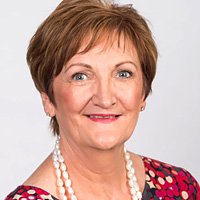 Sanchia Aranda合作论文数Faculty of Medicine, Dentistry and Health Sciences, University of Melbourne;Department of Nursing, University of Melbourne3
 Suzanne Chambers合作论文数Australian Catholic University3
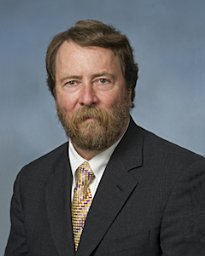 Alan K. White合作论文数Centre for Men's Health, Leeds Metropolitan University3
 Aaron P. Davis合作论文数Herbarium, Library, Art and Archives, Royal Botanic Gardens3
 Anna Ugalde合作论文数Peter MacCallum Cancer Centre3Sharon Kramer合作论文数2patsy kenny合作论文数2
 Emiliano Zucchi合作论文数2Penny Schofield合作论文数2Janine Simondson合作论文数2Leanne Muns合作论文数2Mehrnoush Latifi Khorasgani合作论文数2
 Michael Michael合作论文数2Lesley Serong合作论文数2
 Juan Pablo Saa合作论文数Univ Melbourne2Shane White合作论文数2
 Rebecca McLaughlan合作论文数School of Architecture & the Built Environment, The University of Newcastle2
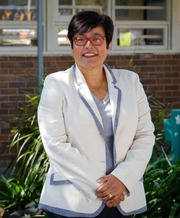 Fiona White合作论文数School of Psychology, Faculty of Science, The University of Sydney2
 Nicole K Kiss合作论文数Nutrition Department, Peter MacCallum Cancer Centre2Hélène Pessah-Rasmussen合作论文数2
 Steven M Schmidt合作论文数Centers for Disease Control and Prevention, Division for Heart Disease and Stroke Prevention2W. Z. Wan Asyraf合作论文数1Nicole Hennessy Anderson合作论文数1Brooke Parsons合作论文数1Hannah Ray合作论文数1Jane Harrowfield合作论文数1Mary Weir Mcdonnell合作论文数1Sarah-May Blaschke合作论文数1Alexandra Murray合作论文数1




