Electrochemical CO2 reduction to highly selective ethylene is particularly desirable yet challenging. The competition between methane and ethylene in the CO2RR process underscores the critical necessity of designing the catalyst for ethylene by suppressing the methane pathway. Herein, we introduced controllable Cu(II)/Cu(I) interfaces by regulating the ratio of ionic liquids (ILs) and H2O. The CuxO-IL4 catalyst with main CuO/Cu2O structure, exhibits a high Faraday efficiency toward C2H4 (similar to 54 %) and less CH4 (similar to 1 %) under 250 mA & centerdot;cm(-2) current density at -1.18 V (vs RHE). Experimental and theoretical analyses demonstrate that Cu(I) sites favor CObridge formation, while Cu(II) sites preferentially generate COatop on CuxO-IL4 catalysts. The Cu(II)/Cu(I) interface in CuxO-IL4 facilitates the generation of CObridge intermediates, thereby lowering the energy barrier for *CO dimerization and also preventing *CO hydrogenation to CH4 formation, thus enhancing the selectivity of CO2-to-ethylene conversion. The study provides a novel approach for precisely controlling CO adsorption configurations to enhance CO2RR selectivity toward high-value multicarbon products formation.
Alkoxycarbonylation of alkanes and alcohols with CO offers a promising avenue for synthesizing carbonyl derivatives. However, strong metal-CO coordination leads to metal poisoning and the high bond dissociation energy of alkyl C-H bonds requires strong oxidants for activation, which can undesirably oxidize alcohols. Therefore, effective regulation of metal charge density while preserving alcohol nucleophilicity is crucial. Herein, we have developed a protic dinuclear copper-based ([Cu2(Eim)2Cl4]2-) ionic liquid, which can efficiently catalyze the alkoxycarbonylation of alkyls and alcohols and the yield can be up to 96%, which is the highest TOF till now. The superior efficiency is due to the lower copper charge density into its [Cu2(Eim)2Cl4]2-, which promotes CO coordination and insertion, and hydrogen bonding interactions facilitate the nucleophilicity of alcohols. Given its generality and efficiency, this catalytic system offers a practical synthetic approach for converting a diverse array of alcohols into versatile ester products.
Photocatalytic hydrogen peroxide (H2O2) production is a sustainable alternative to the energy-intensive and waste-generating industrial anthraquinone process. However, its efficiency is traditionally limited by rapid charge recombination and sluggish reaction kinetics. In this work, we developed metal-free hydrothermal carbon (HTC) via a facile one-step carbonization of dextran. The results demonstrate that D-HTC possesses well-defined microspherical morphology with a mesoporous nanostructure and a unique donor-acceptor electronic architecture. These nanoscale porous features provide abundant accessible active sites and facilitate efficient mass transport, contributing to the enhanced photocatalytic performance. Crucially, the material exhibits a profound in situ photothermal effect, converting broadband solar energy into localized heat (T-surf approximate to 65 degrees C), which accelerates surface reaction kinetics and mass transport according to Arrhenius-type behavior. Furthermore, we identified a seawater cation-promoted '' electron sink '' effect, where ions such as Na+ and Mg2+ suppress charge recombination, enhancing catalytic activity in natural seawater. Under simulated solar irradiation, D-HTC achieves a robust H2O2 evolution rate of 0.283 mmol g(-1) h(-1) without sacrificial agents. By deploying this material in a bifunctional platform, we demonstrate the concurrent production of H2O2 and freshwater via seawater desalination with a salt rejection rate exceeding 99%. This work establishes a paradigm for utilizing biomass-derived hydrothermal carbon spheres in high-efficiency solar-to-chemical energy conversion and water purification.
The oxidation reaction of durene (C10 feedstock) to high-value monomer, pyromellitic dianhydride (PMDA), is challenging due to the difficulties in selective CH bonds activation and controlling over-oxidation to COx. To address this, we successfully synthesized a series of V2O5/TiO2 catalysts co-modified with P and Ce (Cex-Py-V/TiO2), demonstrating that the optimized catalyst significantly improved PMDA selectivity by 14.08%. Mechanistic studies indicate this remarkable enhancement stems from the synergistic effect among V2O5 and the new crystal phases of VOPO4 and CePO4 phases regulates the electronic state of surface V species via interface electron transfer, thereby optimizing the redox capability for CH activation, while the co-modification simultaneously reduces strong acidic sites, as confirmed by NH3-TPD, Py-IR and DFT calculation, effectively suppressing deep oxidation by weakening intermediate adsorption. In situ DRIFTS and DFT calculation confirmed that the selectivity gain is driven by an enhanced dehydration rate of the tetracarboxylic acid intermediate and the weaken ability of electron transfer. This work introduces an effective surface property design strategy based on the simultaneous fine-tuning of the active site electronic structure and the acid microenvironment, offering crucial guidance for highly selective catalytic conversions of C10 aromatics.
Efficient selective absorption of maleic anhydride (MAH) from n-butane oxidation off-gas is beneficial for energy savings in downstream processing. This process demands absorbents with both moderate polarity and hydrophobicity, which are two typically mutually exclusive properties. Herein, we propose a composite absorbent to address this trade-off and employ a multi-scale framework to elucidate the thermodynamic and structural mechanisms governing solute-solvent interactions. The optimal formulations that enhance MAH absorption capacity while maintaining low absorbent loss and minimal water absorption were identified through process simulations coupled with multi-objective optimization. The di-n-butyl phthalate (DBP)-sulfolane (SLF) composite system exhibits outstanding absorption performance, achieving a 38.5% reduction in absorbent consumption and over 20% decreases in both total operating costs and total annualized costs compared with pure DBP. Overall, this study highlights the synergistic potential of composite absorbents in enabling efficient and economical separation processes.
The highly selective and direct oxidation of cyclohexane to adipic acid (AA) using molecular oxygen under solvent-free conditions represents a "dream reaction" in industrial catalysis, yet is severely hampered by the inherent chemical inertness of C-H bond and the challenging activation of O2. Addressing this grand challenge, we report a non-metal heterointerface engineering strategy to construct an advanced B/F-doped h-BN/g-C3N4 heterojunction catalyst (known as BN/CN-BF4) via a facile synergistic ultrasonication and thermal treatment utilizing the ionic liquid. The resulting BN/CN-BF4 exhibits a powerfully ability to regulate interfacial electronic microenvironment, as evidenced by spectroscopic, electrochemical analysis, and DFT calculations, which reveal a type-II staggered band alignment and an internal electric field (IEF) formation across the heterojunction. This precisely engineered heterointerface achieved a remarkable breakthrough in catalytic performance, yielding a high cyclohexane conversion of 18.8% with an unprecedented selectivity for AA reaching 51.3% (a significant advancement over the typical 3%-5% conversion) in solvent-free system. Mechanistic investigations established a multi-step synergistic catalytic mechanism that B-N sites and H-bonding facilitate the initial C-H bond adsorption and activation; simultaneously, the IEF-driven directional electron transfer and C-F bond formation significantly accelerate the activation of O2 to generate highly reactive oxygen species, steering the reaction pathway directly towards the terminal product, adipic acid. This work provides a novel strategy for enhancing industrial selective oxidation by manipulating the interfacial electronic microenvironment with IEF, offering a promising route for advanced solvent-free and metal-free selective oxidation catalysts.
Vanadium-phosphorus oxides (VPO) represent a family of complex mixed-metal oxides with structurally diverse crystalline phases, among which (VO)2P2O7 serves as the predominant active phase in the selective oxidation of n-butane to maleic anhydride (MA) and in ammonia oxidation. The catalytic activity, selectivity, and long-term stability are critically governed by crystal structure features, such as phase composition, lattice defects, and structural dynamics under reaction conditions. Based on this, this review systematically summarizes the crystallographic evolution of VPO catalysts, encompassing their historical development, synthesis methods, and structural characterization. Emphasis is placed on the relationship between the crystal structure and catalytic performance, especially in the context of n-butane oxidation. The mechanisms of phase transformation among different VPO crystalline forms are thoroughly discussed, offering insight into how structural evolution affects the catalytic behavior. Additionally, this review highlights advanced strategies for modulating the phase composition and enhancing the stability of VPO catalysts, including doping, redox treatments, and morphology control, which collectively contribute to the design of "tailored" catalysts that balance high conversion rates with excellent selectivity. Finally, future research directions are proposed, including in situ and operando studies, multiscale modeling, and advanced synthetic techniques, to drive the development of next-generation VPO catalysts for efficient and sustainable selective oxidation applications.
The CO2 electrochemical reduction has attracted significant attention as an approach to combat climate change and generate economically valuable organic compounds. How to suppress the competing hydrogen evolution reaction is a common challenge in CO2 electroreduction. Copper and its alloys have been acknowledged for their effective catalytic properties in converting CO2 into high-value chemicals. An advanced Ag-Cu/CF catalyst, synthesized via in-situ electroreduction of Ag on a copper foam (CF) substrate, has exhibited exceptional performance. In an electrolyte comprising 1-Butyl-3-methylimidazolium tetrafluoroborate ([BMIM]BF4/water/ acetonitrile), the catalyst maintained a current density exceeding 180 mA & sdot;cm- 2 and achieved a faradaic efficiency for syngas (CO/H2) production of up to 96 % at-2 V vs Ag/AgCl. The high performance was attributed to the role of [BMIM]BF4 as both absorbents and proton donors could stabilize CO2 intermediate with imidazolium cations to form [BMIM]-CO2; the interfaces of Ag-Cu biphasic boundaries are believed to reduce H2 evolution and facilitate the transfer and subsequent reaction of [BMIM]-CO2 complex, in which Ag sites could promote the reduction of CO2 to CO. This investigation provides a fresh perspective on the design of catalytic systems for CO2 electroreduction, emphasizing the strategic importance of fine-tuning the composition and structure to enhance the catalyst's selectivity and efficiency in CO/H2 production.
Customizable metal oxides represent a promising class of catalysts for the selective oxidation of alkanes, where the interfacial active oxygen species often play a decisive role in determining catalytic performance. However, precise control over both surface and intrinsic oxygen vacancies (Ov), particularly on specific crystallographic facets, remains a significant challenge. In this study, we report a novel ionic liquid (IL)-assisted etching strategy to fabricate CeO2 nanorods with tailored Ov structures, specifically engineered for efficient cyclohexane oxidation under mild conditions. The IL treatment modulates surface hydroxyl groups and generates abundant Ov, thereby significantly enhancing the activation of cyclohexane. The catalytic activity of IL-etched catalyst is significantly enhanced under 110 degrees C, and the conversion increases by 9.1 time. In situ spectroscopic and DFT analyses revealed that surface hydroxyl groups, particularly those associated with oxygen-deficient sites, are crucial for promoting cyclohexane oxidation. Aberration-corrected scanning transmission electron microscopy (AC-STEM) further visualizes the localization of these active hydroxyls at defect-rich regions. This work provides an interfacial engineering strategy for designing high-efficiency metal oxide catalysts for selective alkane oxidation under energy-efficient, low-temperature conditions.
Nanostructured ceria has attracted much attention in the field of redox catalysts due to the numerous active sites with excellent redox ability. Based on the acidic medium etching strategy, we constructed the strong binding centers (hydroxyl sites and strong acid sites) on the surfaces of nanostructured ceria, which regulate the adsorption process of KA-Oil (the mixture of cyclohexanol and cyclohexanone) and to promote high KA-Oil selectivity in cyclohexane oxidation. The three CeO2 (nanocube, nanorod and nanopolyhedron) with different exposed crystal planes were treated by acid etching to change the surface sites and catalytic properties. The transition behavior of surface sites during etching was revealed, abundant strong binding centers were proved to be constructed successfully. And especially for the nanorod treated by acid (Acid@CeO2-NR) with the strongest response for sulfuric acid etching, the strong adsorption of cyclohexanone by strong binding centers was confirmed based on the in-situ DRIFTs. The sulfuric acid etching strategy to enhance the selective oxidation of cyclohexane based on the construction of strong binding centers was proved to be feasible and effective, Acid@CeO2-NR with strongest etching response achieved the dramatic promotion of KA-Oil selectivity from 64.1% to 92.3%.
The electrooxidation of glycerol (GOR) represents a prospective environmentally friendly approach for the production of value-added biomass-derived chemicals. However, this reaction is hindered by significant barriers arising from the adsorption and coupling of glycerol molecules and active hydroxyl species (OH-) on the catalytic surface, which severely constrains catalytic efficiency. In this study, a copper-based catalytic electrode enriched with oxygen vacancies (VO-CuOx/CF) is developed to optimize adsorption behavior via a synergistic dual mechanism: providing extra adsorption sites and fine-tuning the d-band center of the material from both extrinsic and intrinsic perspectives. Using density functional theory calculations and electrochemical testing, the introduction of oxygen vacancies (VO) optimizes the adsorption process and enhance the adsorption capacity of both OH- and glycerol molecules. As a result, the VO-enriched catalyst exhibits reduced charge transfer resistance and remarkable deep oxidation capability. Exceptional GOR performance is achieved, including an extremely low onset potential of 1.10 VRHE and a high formate selectivity of 95.83%. Besides, continuous generation of formate and H2 is accomplished in a two-electrode flow cell electrolyzer. This study provides essential insights into the optimization of adsorption sites and established a robust framework designing of efficient electrocatalysts for the electrooxidation of biomass-derived platform molecules.
Monomethyl adipate, an elementary building block for many fine chemicals and fuels, predominantly originates from the esterification of fossil-based adipic acid. However, the symmetrical structure of adipic acid presents considerable challenges for its monoesterification. Herein, for the first time, we developed a sustainable and green catalytic pathway for lignin-derived 2-methoxycyclohexanone and O2 to produce monomethyl adipate a utilizing hydrogen-bonding and electrostatic-interaction cooperative catalysis strategy under metal-free and mild conditions. Employing the acidic ionic liquid [HSO3PMim][HSO4] as a catalyst, this innovative method facilitates the highly selective oxidation of 2-methoxycyclohexanone achieving a conversion of 99.4% and yielding monomethyl adipate at a rate of 66.6%, which overcome the hurdles of extensive oxidation and carbon loss. The detailed study revealed that the cation with the acidic proton could form hydrogen bonds with the ketone group and methoxy group of the 2-methoxycyclohexanone, which initiated and accelerated C-H bond and C-C bond cleavage. At the same time, electrostatic interactions between the [HSO4]- anion and the cycloalkyl groups stabilised intermediates in the oxidation process. This strategy proves the feasibility of producing monomethyl adipate in an eco-friendly manner and establishes a framework for the sustainable transformation of lignin into valuable chemicals, advancing the field of green chemistry.
The catalytic performance of non-metallic catalytic systems is fundamentally governed by the surface species composition and atomic structure of the catalyst. By precisely engineering the surface properties of the catalytic material, it is possible to simultaneously achieve high substrate conversion and exceptional selectivity toward the desired product in heterogeneous catalytic reactions. In this work, four structurally distinct precursors were employed to synthesize graphitic carbon nitride (g-C3N4) with tailored crystallinity and tunable C/N stoichiometry for the solvent-free selective oxidation of cyclohexane under mild conditions. Among the synthesized materials, melamine-derived g-C3N4 exhibited superior catalytic performance, achieving 21.0% cyclohexane conversion with 56.0% selectivity toward adipic acid. The enhanced crystallinity, attributed to the development of N-(C)3 moieties, increased the material's hydrophobicity and facilitated cyclohexane adsorption through the formation of C-H center dot center dot center dot N-(C)3 hydrogen bonds, thereby promoting substrate conversion. Furthermore, the decreased surface C/N ratio enhanced the adsorption affinity for cyclohexanone, leading to improved adipic acid selectivity. This study not only establishes a synthetic strategy for tailoring g-C3N4 crystallinity and composition through precursor selection and controlled synthesis conditions, but also offers fundamental insights into C-H bond activation mechanisms in selective oxidation reactions.
Ruixia Liu, Rong Sun, Guoqiang Yang introduce the Industrial Chemistry & Materials themed issue on advanced electronic chemicals.
The adoption of photothermal synergistic catalysis for cyclohexane oxidation can balance the advantages of high conversion of thermal catalysis and high selectivity of photocatalytic technology to achieve better catalytic performance. Here, we prepared functional carbon nitride (BCA-CN) by self-assembly strategy of ionic liquid [Bmim]CA (1-Butyl-3-methylimidazole citrate) with melamine and cyanuric acid utilizing abundant elements and anionic/cationic hydrogen bonding interactions. The introduction of [Bmim]CA embeds CC (carbon and carbon band) and COC (ether bond) structures into graphitic carbon nitride (g-C3N4) framework, significantly improving light absorption capacity and migration of photo generated charge carriers. Compared to g-C3N4, both BCA-CN increases cyclohexane conversion and KA oil (the mixture of cyclohexanol and cyclohexanone) selectivity by 1.3 times under photothermal catalysis. The surface reactions are facilitated by changing adsorption sites of cyclohexane to increase adsorption energy and obtaining more hydroxyl radicals and superoxide radicals. Furthermore, the enhanced selectivity is attributed to the difficulty in generating cyclohexanone radicals. This work offers the reference scheme for the development of efficient photothermal catalysts in the selective oxidation of cyclohexane.
Efficient utilization of carbon resources while simultaneously reducing carbon dioxide emissions is crucial for addressing the energy crisis and achieving environmental sustainability. To enable the valorization of organic pollutants in wastewater, we propose a laser-driven reforming strategy of wastewater, such as papermaking black liquor to H2 (57.1 μmol/h) and CO (30.5 μmol/h) with only negligible amounts of CO2 generated. In this system, laser serves as the sole energy input, while iron fiber felt functions as both the laser absorber and catalyst. This approach demonstrates broad applicability to the reforming of diverse organic substances, including dyes, antibiotics, microplastics, biomass, and microorganism s to adjustable syngas. Notably, the laser-induced localized high temperature facilitates rapid carbonization of organic matter, while the laser-triggered water plasma activation promotes further reforming of organic carbon, then adjustable syngas was produced with high energy efficiency and low cost (H2/CO ≈ 2:0.7 US$/m3). This laser-driven catalytic process provides an environmentally friendly and energy-efficient route for the resource recovery of highly concentrated organic pollutants, highlighting its potential in environmental remediation and sustainable energy applications.
Electrocatalytic glycerol oxidation reaction to produce high-value organic chemicals has research significance for managing the overproduction of glycerol and handling the energy crisis. Herein, a copper-based self-supporting catalytic electrode with a dynamic Fe-O-Cu optimized coordination (Fe-CuOx/CF) was prepared. The oxygen-bridged asymmetric coordination structure (Fe-O-Cu) optimized the electronic configuration and promoted the formation of the crucial intermediate species. After Fe was embedded in the lattice of copper oxides, a remarkable enhancement in the adsorption capacity of OH- and glycerol was confirmed. As a result, Fe-CuOx/CF exhibited an excellent production capacity of formate, with high faradaic efficiency and selectivity values of 93.65 % and 95.10 %. Concurrent production of formate and high purity hydrogen was achieved in the double-electrode flow electrolyzer. This work provides guiding significance for the optimization of the catalytic coordination and the design of high-efficiency transition metal-based catalysts for electrooxidation of biomass platform molecules.
 Ruirui Zhang (张瑞锐)合作论文数University of Chinese Academy of Sciences;Institute of Process Engineering, Chinese Academy of Sciences50
 Yonghui Song (宋永会)合作论文数Chinese Research Academy of Environmental Sciences35
 Suojiang Zhang (张锁江)合作论文数Institute of Process Engineering, Chinese Academy of Sciences;Henan University27
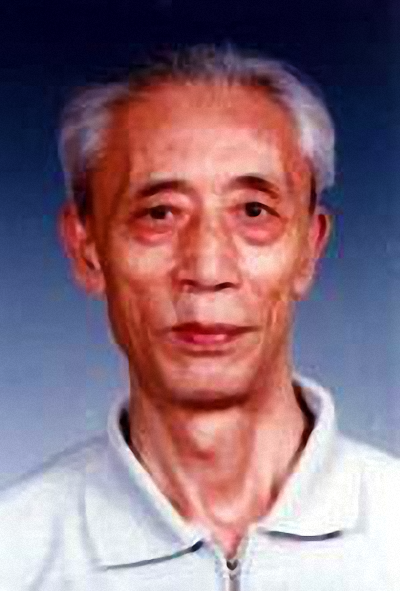 Hongxiao Tang (汤鸿霄)合作论文数Research Center for Eco-Environmental Sciences, Chinese Academy of Sciences27
 Kexin Li合作论文数24
 Fengyu Zhao (赵凤玉)合作论文数Changchun Institute of Applied Chemistry, Chinese Academy of Sciences21Shuang Wei合作论文数20
 Yingwei Li (李映伟)合作论文数School of Chemistry and Chemical Engineering, South China University of Technology19Shengxin Chen合作论文数16HuiBin Yu (于会彬)合作论文数14Masahiko Arai合作论文数Division of Chemical Process Engineering Faculty of Engineering13Yancun Yu (于彦存)合作论文数Changchun Institute of Applied Chemistry Chinese Academy of Sciences11
 Fei Dai (代飞)合作论文数Institute of Engineering Thermophysics, Chinese Academy of Sciences;University of Chinese Academy of Sciences10Haiyang Cheng (程海洋)合作论文数Changchun Institute of Applied Chemistry Chinese Academy of Sciences10
 Jianfeng Peng (彭剑峰)合作论文数School of Environment, Tsinghua University10Yumei Liu合作论文数9Hongjie Gao合作论文数9
 Zhi-Qiang Yang合作论文数9
 Shinichiro Fujita合作论文数9Ruiyi Yan (闫瑞一)合作论文数Institute of process Engineering, Chinese Academy of Sciences;University of Chinese Academy of Sciences9Faizan Muhammad合作论文数8
 Ping Zeng (曾萍)合作论文数Chinese Research Academy of Environmental Sciences8Ruirui Wang合作论文数7Hongguo Tang合作论文数7Zihang Li合作论文数7Qiang Wang合作论文数7
 Hao Li (李昊)合作论文数School of Materials Science and Engineering, Northwestern Polytechnical University7
 Ran An (安然)合作论文数College Of Food Science And Engineering, Ocean University of China6
 Hiroshi Yoshida合作论文数Graduate School of Science, Hiroshima University6Peng Yuan合作论文数6Shuxia Cai合作论文数6
 Hongwei Pan合作论文数5Honghua Zhang合作论文数5JinLong Guo (郭瑾珑)合作论文数5
 Jianmin Hao (郝剑敏)合作论文数College of Chemistry and Chemical Engineering, Inner Mongolia University5Piao Song合作论文数4yufen hao合作论文数4Kang Li合作论文数4Zhiqi Xie合作论文数School of Medicine, Zhejiang University City College4Xiaoling Liu合作论文数4Yaxiong WANG (王亚雄)合作论文数4
 Guixiang Zeng (曾桂香)合作论文数Kuang Yaming Honors School, Nanjing University4
 Min Ji (纪敏)合作论文数School of Chemical Engineering, Dalian University of Technology4
 Xingang Li (李新刚)合作论文数School of Chemical Engineering and Technology, Tianjin University4
 Anlian Zhu (朱安莲)合作论文数School of Chemical and Environmental Sciences, Henan Key Laboratory of Environmental Pollution Control, Henan Normal University4
 Erdeng du (杜尔登)合作论文数4Chaoyong Wu合作论文数4Sheng Zhong合作论文数3




