Within the farmed landscape, trees outside woods (TOWs), such as hedgerows, copses and scattered trees, provide a variety of benefits for wildlife and people, but these are not well understood or recognised. Many TOWs continue to be lost from the landscape. We used butterflies as a model group and explored patterns in their abundance and species richness in relation to the extent and type of TOWs, using data from the UK's Wider Countryside Butterfly Survey. We explored farmers' views of TOWs using an online survey. In general, the predictive power of the statistical models was not high, but some clear patterns emerged. Small woodlands were positively associated with overall butterfly abundance and species richness, especially in more arable landscapes. Higher numbers of ancient trees were associated with higher butterfly species richness. Hedgerows and woody strips had a positive effect on five of seven common species studied. As woodland increased in the landscape, up to a certain level, so did the abundance of meadow brown Maniola jurtina, speckled wood Parare aegeria, ringlet Aphantopus hyperantus and comma Polygonia c-album. More ancient woodland in the landscape was associated with more P. aegeria and A. hyperantus butterflies. Farmers viewed TOWs as having a range of benefits, including value for wildlife and the landscape, helping combat climate change, improving soil health and reducing flooding. Time, expense and long-term commitment dominated farmer concerns around TOWs. Management knowledge and practice tended to be more consistent for hedgerows than for other types of TOWs. Most respondents indicated they would like more information on managing TOWs. Practical implication. Heterogeneous farmed landscapes rich in hedgerows, small woodlands and ancient trees were associated with more abundant and species-rich butterfly communities than landscapes with few of these features. There was clear recognition by farmers of the benefits of TOWs for farming and the environment. Farmers should be better supported to help deliver these benefits, financially and through knowledge exchange. The protection and restoration of TOWs on farmland should be an essential part of efforts to address the biodiversity and climate crises and at the forefront of farm-scale and landscape-scale initiatives.
Abstract People hunt and kill animals for sport in many parts of the world. This raises many issues, some of which were brought to the fore when a lion Panthera leo, nicknamed Cecil, was killed by a trophy hunter in Zimbabwe in 2015. Cecil's death led to an unprecedented public reaction in Europe and the USA, and a debate in which opponents and supporters of sport hunting advanced different types of argument based on, inter alia, conservation, animal welfare and economics. The reaction to the Cecil event provides a perspective for scrutinizing sport hunting more widely. In this article we explore parallels between lion trophy hunting in Africa (which can involve either wild or captive‐bred lions) and shooting of common pheasant Phasianus colchicus, a sport which is largely sustained in the UK by the annual release of over 40 million captive‐bred birds. These two forms of sport hunting share common themes that are likely to be influential for the future of sport hunting more widely. These include the extent to which sport hunting maintains land for wildlife, and the impacts of intensification (e.g. the extent to which quarry are reared and released). Concern for the welfare of quarry animals is a dominant theme in debates about hunting. These themes are likely to be relevant for the conservation of many species hunted for sport. Increasing distaste for the killing of animals for sport in many countries may lead to the end of some types of sport hunting, with implications for both habitat and wildlife conservation. It would be both prudent and appropriate for conservationists to increase the urgency with which they seek alternative methods for preventing loss of biodiverse land to other uses. A free Plain Language Summary can be found within the Supporting Information of this article.
We agree with Batavia et al. (2018) that conservationists should think more critically about trophy hunting. On pragmatic and ethical grounds, they argue that tolerance of hunting in the interests of conservation is misguided. They find the collection of trophies especially disquieting. We suggest insight can be gained from considering the wider context to aspects of their exploration. Firstly, the authors begin by limiting (although this is broadened later) their perspective to “Western” hunters (North Americans and Europeans) paying to hunt. This leads to a preoccupation with trophy hunting as a ritual of white male supremacy within “a western cultural narrative of chauvinism, colonialism and anthropocentrism.” But none of these is unique to Western culture, and nor is the taking of trophies. They disregard local hunting by, for example, the Barabaig, Maasai, and Sukuma hunters who kill lions (for cultural reasons as well as for defense of livestock) and, much like “Western” hunters, take body parts as trophies. Their definition also excludes widespread sport hunting for trophies in the West; focusing on the taking of the trophy also downplays the complexity of hunter motivation. Secondly, the authors query the basis for a consequentialist perspective: that any conservation benefit is delivered. There are, however, worrying indications that some lion populations would lose habitat if all legal hunting there were stopped (Macdonald, 2016). Recourse to consequentialism does not imply that wildlife is valued only as a commodity. The “we as humans” to which the authors refer includes many stakeholders: we suspect that few conservationists tolerate trophy hunting because they value lions merely as a resource for hunters (many may feel pressured to do so, if only in the short-term, where the alternative is erosion of lion habitat). Thirdly, the authors’ fundamental issue (regardless of any conservation benefit) is commodification of the animals: their reduction to “mere means.” They approach this by extending the well-known Kantian imperative to nonhuman animals, but it is worth considering that this extension leads to censure not just of trophy hunting, but of all uses of animals, including providing meat. We are sympathetic to the view that inflicting harm on sentient individuals with intrinsic value is morally hazardous. However, that hazard presumably remains regardless of whether killing animals provides sport (or other perceived benefits) to the hunter, or whether that killing also provides a trophy. We wonder whether sport hunters, regardless of race or gender, who left their quarry in the field would be thought of as showing more respect to animals than those who took a trophy. We agree that trophy hunting is widely condemned, at least in the West, and personally we favor the substitution, wherever possible without further diminishing lion habitat, of ethically less troubling alternatives. But mindful of the deteriorating state of lion conservation, we advocate a “journey” rather than a “jump” to end hunting, in the interests of limiting unintended consequences (Macdonald, Jacobsen, Burnham, Johnson, & Loveridge, 2016). It may be an inconvenient truth, but the conservation of African wildlife currently depends on the Western patrons and markets that Batavia et al. appear to deprecate. This is equally true of nonconsumptive wildlife use, conspicuously photo-tourism. African people bear the cost of living with wildlife. Their voices should be more prominent in the debate on its ethical management.
Human activity affecting the welfare of wild vertebrates, widely accepted to be sentient, and therefore deserving of moral concern, is widespread. A variety of motives lead to the killing of individual wild animals. These include to provide food, to protect stock and other human interests, and also for sport. The acceptability of such killing is widely believed to vary with the motive and method. Individual vertebrates are also killed by conservationists. Whether securing conservation goals is an adequate reason for such killing has recently been challenged. Conventional conservation practice has tended to prioritise ecological collectives, such as populations and species, when their interests conflict with those of individuals. Supporters of the 'Compassionate Conservation' movement argue both that conservationists have neglected animal welfare when such conflicts arise and that no killing for conservation is justified. We counter that conservationists increasingly seek to adhere to high standards of welfare, and that the extreme position advocated by some supporters of 'Compassionate Conservation', rooted in virtue ethics, would, if widely accepted, lead to considerable negative effects for conservation. Conservation practice cannot afford to neglect consequences. Moreover, the do-no-harm maxim does not always lead to better outcomes for animal welfare.
The impacts of small woodlands on farmland biodiversity are less well studied than those of other habitats, such as hedgerows and field margins. Butterfly abundance and species richness were recorded along transects on two farms in southern England, one organic and one conventional, which had small woodlands. Woodland edges were particularly important for two species: comma Polygonia c-album and speckled wood Parare aegeria. Both were more abundant on woodland edges compared to hedgerows or field margins. A range of declining wider countryside species, including gatekeeper Pyronia tithonus and meadow brown Maniola jurtina, also frequented woodland edges. The quality of woodland edges was influential. Butterfly abundance was higher on woodland edges with a shrub layer. There was some evidence that bramble presence had a greater effect on butterfly abundance on the conventional compared to the organic farm. Small woodlands can make an important contribution to biodiversity conservation on farmland.
The media can reflect social opinion and influence debate and policy. Wild vertebrate welfare issues are regularly reported in the media, but there has been no study of the type and frequency of their coverage. We compiled a list of potential wild vertebrate welfare issues in the United Kingdom, recording how often each issue was mentioned in the media during 2014. Lethal wildlife management issues were most frequently reported, whereas issues that received little coverage included marine debris, commercial fishing, and pollution. Overall, the media tended more frequently to report welfare issues that involved intent to harm an animal, were illegal, or occurred in the terrestrial environment. Insofar as media reporting may lead to improvements in the welfare of wild animals, greater effort may be required to provoke media interest in welfare issues that do not involve intent to harm, are legal, or occur in marine environments.
Several species of small seed-eating farmland birds resident in Britain have shown marked population declines over the last 50 years. In most cases, shortage of food during winter and early spring has been implicated. However, some large seed-eating species have increased over the same period. This chapter explores the possible influence of two phenomena that have changed markedly over that period, which may have received insufficient research attention. The first is the increase in the release of captive-reared gamebirds by the commercial shooting industry, and the second is the loss of sources of small seeds at low spatial density, provided historically by weedy overwinter stubbles, and the increase in sources of larger seeds at high density, provided primarily by gamebird feed hoppers and game cover plots. The analyses suggests that the scale of gamebird release is such that the biomass of released gamebirds now greatly exceeds the combined autumn biomass of native seed-eating species, and changes in the density of pheasants Phasianus colchicus released annually show close temporal correspondence with the declines in small seed-eating birds. The chapter also suggests that weedy overwinter stubbles historically provided seeds at a density where small bird species could meet their daily food needs, but large species could not. The shift from low-density to high-density seed sources may have benefited large species to the detriment of small species. Conservation initiatives designed to provide small seeds at low spatial density might be effective in restoring the previous balance between small and large species.
Farmland biodiversity in Europe has been declining for some time, particularly steeply in the second half of the twentieth century. The consensus is that agricultural intensification is largely responsible. Organic farming is a low intensity system, offering benefits to biodiversity. Using two paired-farm studies, we explored the responses of different taxonomic groups to organic farming. In the first, smaller-scale, study, positive impacts of organic farming on butterflies and spiders were found. In the second, large-scale, study of eighty-nine farm pairs across England, organic farming was mainly associated with positive effects on biodiversity, although there was substantial variation in the size of effects among taxonomic groups surveyed. The largest and most consistent (positive) effects were for plants and the smallest effects were for carabid beetles. Spiders were influenced by farming system, surrounding landscape, and their dispersal ability. Hunting spiders, which tend to have lower dispersal ability, were more abundant and species-rich on organic compared to conventional farms (this effect was more pronounced in landscapes with less arable). There were no farming system or landscape effects found on web-building spiders, which have generally higher dispersal abilities. There was little evidence that non-cropped habitat effects explained the observed differences for either group. The chapter suggests that the farming system differences for spiders in the crop were largely attributable to differences in crop management (such as reduced inputs of pesticides and fertilizers). The results highlight the importance of developing strategies for managing farmland at the landscape scale for most effective conservation of biodiversity.
1. Farming and wildlife: a perspective on a shared future 2. From weed reservoir to wildlife resource-redefining arable field margins 3. How can field margin management contribute to invertebrate biodiversity? 4. Small mammals on lowland farmland 5. Agri-environment schemes and the future of farmland bird conservation 6. Does organic farming affect biodiversity? 7. Farming for the future: optimizing farming systems for society and the environment 8. Landscape-scale conservation of farmland moths 9. Habitat use by vesper bats: disentangling local and landscape-scale effects within lowland farmland 10. Local and landscape scale management of Odonata 11. Freshwaters and farming: impacts of land use and management on the biodiversity of rivers and ditches 12. Local and landscape-scale impacts of woodland management on wildlife 13. Improving reintroduction success of the Grey Partridge using behavioural studies 14. Water vole restoration in the Upper Thames 15. What does conservation research do, when should it stop, and what do we do then? Questions answered with water voles. 16. What next? Rewilding as a radical future for the British countryside
Farmland invertebrates are vital for healthy ecosystem functioning. Many groups have declined due to agricultural intensification. Arable field margins potentially can increase food resources and provide winter refuges for invertebrates. They might also buffer them from agrochemical applications and farm operations. This chapter describes a series of field and farm-scale experiments which show that ways in which arable field margins are established and managed can have profound effects on their invertebrate assemblages. Field margin swards established by sowing with a grass and wildflower seed mixture attracted more butterflies than naturally regenerated swards. In the short term, larger and more species-rich invertebrate assemblages were fostered on unmanaged margins than on those managed by cutting. The timing of cutting was critical, with mid-summer cutting having the most persistent, negative effects on invertebrates, while cutting in spring and autumn was generally less damaging and may help maintain sward species richness. Fallowed land (set-aside) configured as blocks rather than margins constituted qualitatively different habitats for invertebrates. Margin width had complex effects on invertebrate abundance and species richness. Boundary hedgerows increased numbers of most invertebrate groups in the adjacent margin. The chapter suggests that blanket management approaches for invertebrates at the farm scale are not optimal. A diverse farmed landscape, with margins of different sizes and different sward structures, will provide for the different ecological requirements of invertebrate populations, and promote their diversity in the characteristically unstable environment of arable systems.
Organic farming, a low intensity system, may offer benefits for a range of taxa, but what affects the extent of those benefits is imperfectly understood. We explored the effects of organic farming and landscape on the activity density and species density of spiders and carabid beetles, using a large sample of paired organic and conventional farms in the UK. Spider activity density and species density were influenced by both farming system and surrounding landscape. Hunting spiders, which tend to have lower dispersal capabilities, had higher activity density, and more species were captured, on organic compared to conventional farms. There was also evidence for an interaction, as the farming system effect was particularly marked in the cropped area before harvest and was more pronounced in complex landscapes (those with little arable land). There was no evidence for any effect of farming system or landscape on web-building spiders (which include the linyphiids, many of which have high dispersal capabilities). For carabid beetles, the farming system effects were inconsistent. Before harvest, higher activity densities were observed in the crops on organic farms compared with conventional farms. After harvest, no difference was detected in the cropped area, but more carabids were captured on conventional compared to organic boundaries. Carabids were more species-dense in complex landscapes, and farming system did not affect this. There was little evidence that non-cropped habitat differences explained the farming system effects for either spiders or carabid beetles. For spiders, the farming system effects in the cropped area were probably largely attributable to differences in crop management; reduced inputs of pesticides (herbicides and insecticides) and fertilisers are possible influences, and there was some evidence for an effect of non-crop plant species richness on hunting spider activity density. The benefits of organic farming may be greatest for taxa with lower dispersal abilities generally. The evidence for interactions among landscape and farming system in their effects on spiders highlights the importance of developing strategies for managing farmland at the landscape-scale for most effective conservation of biodiversity.
Drainage ditches, either seasonally flooded or permanent, are commonly found on intensively managed lowland farmland in the UK. They are potentially important for wetland biodiversity but, despite their ubiquity, information on their biodiversity and management in the wider countryside is scarce. We surveyed 175 ditches for their physical and chemical characteristics, spatial connectivity, plant communities and aquatic invertebrates in an area of intensively managed farmland in Oxfordshire, UK and collected information on ditch management from farmer interviews. Water depth and shade had a small impact on the diversity of plant and invertebrate communities in ditches. Increased shade over the ditch channel resulted in reduced taxonomic richness of both channel vegetation and aquatic invertebrates and channel vegetation cover was lower at shaded sites. Invertebrate taxonomic richness was higher when water was deeper. Spatial connectivity had no detectable impact on the aquatic invertebrate or plant communities found in ditches. The number of families within the orders Ephemeroptera, Plecoptera and Trichoptera (EPT), which contain many pollution-sensitive species, declined with decreasing pH of ditch water. As time since dredging increased, the number of EPT families increased in permanent ditches but decreased in temporary ditches. Whether or not a ditch was in an agri-environment scheme had little impact on the reported management regime or biodiversity value of the ditch. Measures for increasing the amount of water in ditches, by increasing the water depth or promoting retention of water in ditches, could increase the biodiversity value of ditches in agricultural land. Some temporary ditches for specialised species should be retained. Reducing the amount of shade over narrow ditches by managing adjacent hedgerows is also likely to increase the species diversity of plant and invertebrate communities within the ditch. We recommend that to preserve or enhance the biodiversity value of ditches, and improve their ecosystem service delivery, management prescriptions for hedgerows adjacent to ditches should differ from those aimed at hedgerows only.
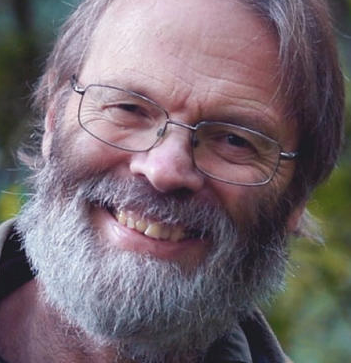 David Macdonald合作论文数Department of Biology, University of Oxford39
 Paul Johnson合作论文数Department of Zoology, University of Oxford;Wildlife Conservation Research Unit, Department of Zoology, University of Oxford16
 Eva M. Raebel合作论文数9
 Will Manley合作论文数The Royal Agricultural College8
 Thomas Merckx合作论文数Department of Zoology, University of Oxford Wildlife Conservation Research Unit8
 Les Firbank合作论文数School of Biology, Faculty of Biological Sciences, University of Leeds7
 Philip Riordan合作论文数Department of Zoology, University of Oxford7Martin C. Townsend合作论文数7
 Nigel A.D. Bourn合作论文数Butterfly Conservation, Manor Yard6
 Robert J. Fuller (Rob Fuller)合作论文数British Trust for Ornithology5Lisa Norton合作论文数Holland & Hart;Department of Environmental Quality;Department of Environmental Quality, Holland & Hart5Daniel Edward Chamberlain合作论文数Department of Life Sciences and Systems Biology, University of Turin5Mark S. Parsons合作论文数5Fiona Mathews合作论文数Zoology Department, Oxford University4
 Helen Smith合作论文数3
 Andrew Whitmore合作论文数Rothamsted Research3
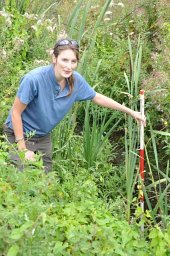 Rosalind F. Shaw合作论文数Ecological Sciences, Macaulay Institute3
 Fran H. Tattersall合作论文数3rick stuart合作论文数2
 Lovemore Sibanda合作论文数2Barbara Hart合作论文数2a hopkins合作论文数2Poole Alison E合作论文数2
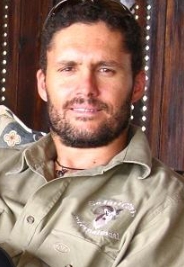 Andy Loveridge合作论文数Department of Zoology, University of Oxford;Wildlife Conservation Research Unit, Lady Margaret Hall, University of Oxford;Panthera2
 Sandra Baker合作论文数Widife Conservation Research Unit, Department of Zoology, University of Oxford;Department of Biology, University of Oxford2
 Amy Dickman合作论文数Department of Biology, Pembroke College, University of Oxford2
 Lauren Harrington合作论文数Wildlife Conservation Research Unit, Department of Biology, University of Oxford2BJ Hart合作论文数2
 Chris Newman合作论文数Multiphysics Methods Group, Idaho National Laboratory2Alayne Cotterill合作论文数Mpala Research Center2T O'Riordan合作论文数1h smith合作论文数1michele e taylor合作论文数1Mark Stanley-Price合作论文数1Emma Dale合作论文数1Martin S. Wolfe合作论文数1
 Holly O'Donnell合作论文数Wildlife Conservat Res Unit, Univ Oxford1
 Meshach Andres Pierre合作论文数1
 Lydia Katsis合作论文数Wildlife Conservat Res Unit, Univ Oxford1Caroline Good合作论文数1m s wolfe合作论文数1
 Peter Tyrrell合作论文数Wildlife Conservat Res Unit, Univ Oxford1Rj Fuller合作论文数1
 Moreangels Mbizah合作论文数Wildlife Conservat Act1
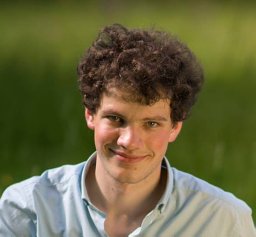 Adam D Cobb合作论文数University of Oxford1
 Keith Goulding合作论文数Rothamsted Research1
 Duan Biggs合作论文数Environmental Futures Research Institute, Griffith University1Brooks David R合作论文数1




