Abstract Introduction Children with chronic conditions have greater health care needs than the general paediatric population but may not receive care that centres their needs and preferences as identified by their families. Clinicians and researchers are interested in developing interventions to improve family‐centred care need information about the characteristics of existing interventions, their development and the domains of family‐centred care that they address. We conducted a scoping review that aimed to identify and characterize recent family‐centred interventions designed to improve experiences with care for children with chronic conditions. Methods We searched Medline, Embase, PsycInfo and Cochrane databases, and grey literature sources for relevant articles or documents published between 1 January 2019 and 11 August 2020 (databases) or 7–20 October 2020 (grey literature). Primary studies with ≥10 participants, clinical practice guidelines and theoretical articles describing family‐centred interventions that aimed to improve experiences with care for children with chronic conditions were eligible. Following citation and full‐text screening by two reviewers working independently, we charted data covering study characteristics and interventions from eligible reports and synthesized interventions by domains of family‐centred care. Results Our search identified 2882 citations, from which 63 articles describing 61 unique interventions met the eligibility criteria and were included in this review. The most common study designs were quasiexperimental studies (n = 18), randomized controlled trials (n = 11) and qualitative and mixed‐methods studies (n = 9 each). The most frequently addressed domains of family‐centred care were communication and information provision (n = 45), family involvement in care (n = 37) and access to care (n = 30). Conclusion This review, which identified 61 unique interventions aimed at improving family‐centred care for children with chronic conditions across a range of settings, is a concrete resource for researchers, health care providers and administrators interested in improving care for this high‐needs population. Patient or Public Contribution This study was co‐developed with three patient partner co‐investigators, all of whom are individuals with lived experiences of rare chronic diseases as parents and/or patients and have prior experience in patient engagement in research (I. J., N. P., M. S.). These patient partner co‐investigators contributed to this study at all stages, from conceptualization to dissemination.
Background Generating rigorous evidence to inform care for rare diseases requires reliable, sustainable, and longitudinal measurement of priority outcomes. Having developed a core outcome set for pediatric medium-chain acyl-CoA dehydrogenase (MCAD) deficiency, we aimed to assess the feasibility of prospective measurement of these core outcomes during routine metabolic clinic visits. Methods We used existing cohort data abstracted from charts of 124 children diagnosed with MCAD deficiency who participated in a Canadian study which collected data from birth to a maximum of 11 years of age to investigate the frequency of clinic visits and quality of metabolic chart data for selected outcomes. We recorded all opportunities to collect outcomes from the medical chart as a function of visit rate to the metabolic clinic, by treatment centre and by child age. We applied a data quality framework to evaluate data based on completeness, conformance, and plausibility for four core MCAD outcomes: emergency department use, fasting time, metabolic decompensation, and death. Results The frequency of metabolic clinic visits decreased with increasing age, from a rate of 2.8 visits per child per year (95% confidence interval, 2.3–3.3) among infants 2 to 6 months, to 1.0 visit per child per year (95% confidence interval, 0.9–1.2) among those ≥ 5 years of age. Rates of emergency department visits followed anticipated trends by child age. Supplemental findings suggested that some emergency visits occur outside of the metabolic care treatment centre but are not captured. Recommended fasting times were updated relatively infrequently in patients’ metabolic charts. Episodes of metabolic decompensation were identifiable but required an operational definition based on acute manifestations most commonly recorded in the metabolic chart. Deaths occurred rarely in these patients and quality of mortality data was not evaluated. Conclusions Opportunities to record core outcomes at the metabolic clinic occur at least annually for children with MCAD deficiency. Methods to comprehensively capture emergency care received at outside institutions are needed. To reduce substantial heterogeneous recording of core outcome across treatment centres, improved documentation standards are required for recording of recommended fasting times and a consensus definition for metabolic decompensations needs to be developed and implemented.
IntroductionChildren with inherited metabolic diseases (IMDs) often have complex and intensive healthcare needs and their families face challenges in receiving high-quality, family centred health services. Improvement in care requires complex interventions involving multiple components and stakeholders, customised to specific care contexts. This study aims to comprehensively understand the healthcare experiences of children with IMDs and their families across Canada.Methods and analysisA two-stage explanatory sequential mixed methods design will be used. Stage 1: quantitative data on healthcare networks and encounter experiences will be collected from 100 parent/guardians through a care map, 2 baseline questionnaires and 17 weekly diaries over 5–7 months. Care networks will be analysed using social network analysis. Relationships between demographic or clinical variables and ratings of healthcare experiences across a range of family centred care dimensions will be analysed using generalised linear regression. Other quantitative data related to family experiences and healthcare experiences will be summarised descriptively. Ongoing analysis of quantitative data and purposive, maximum variation sampling will inform sample selection for stage 2: a subset of stage 1 participants will participate in one-on-one videoconference interviews to elaborate on the quantitative data regarding care networks and healthcare experiences. Interview data will be analysed thematically. Qualitative and quantitative data will be merged during analysis to arrive at an enhanced understanding of care experiences. Quantitative and qualitative data will be combined and presented narratively using a weaving approach (jointly on a theme-by-theme basis) and visually in a side-by-side joint display.Ethics and disseminationThe study protocol and procedures were approved by the Children’s Hospital of Eastern Ontario’s Research Ethics Board, the University of Ottawa Research Ethics Board and the research ethics boards of each participating study centre. Findings will be published in peer-reviewed journals and presented at scientific conferences.
BACKGROUND Evidence to guide treatment of pediatric medium-chain acyl-coenzyme A dehydrogenase (MCAD) deficiency and phenylketonuria (PKU) is fragmented because of large variability in outcome selection and measurement. Our goal was to develop core outcome sets (COSs) for these diseases to facilitate meaningful future evidence generation and enhance the capacity to compare and synthesize findings across studies. METHODS Parents and/or caregivers, health professionals, and health policy advisors completed a Delphi survey and participated in a consensus workshop to select core outcomes from candidate lists of outcomes for MCAD deficiency and PKU. Delphi participants rated the importance of outcomes on a nine-point scale (1–3: not important, 4–6: important but not critical, 7–9: critical). Candidate outcomes were progressively narrowed down over 3 survey rounds. At the workshop, participants evaluated the remaining candidate outcomes using an adapted nominal technique, open discussion, and voting. After the workshop, we finalized the COSs and recommended measurement instruments for each outcome. RESULTS There were 85, 61, and 53 participants across 3 Delphi rounds, respectively. The candidate core outcome lists were narrowed down to 20 outcomes per disease to be discussed at the consensus workshop. Voting by 18 workshop participants led to COSs composed of 8 and 9 outcomes for MCAD deficiency and PKU, respectively, with measurement recommendations. CONCLUSIONS These are the first known pediatric COSs for MCAD deficiency and PKU. Adoption in future studies will help to ensure best use of limited research resources to ultimately improve care for children with these rare diseases.
 Shailly Jain Ghai合作论文数4Rebecca Sparkes合作论文数4
 Jagdeep Walia合作论文数Ctr Neurosci Studies, Queens Univ4
 Andreas Schulze合作论文数Department of Biochemistry, Temerty Faculty of Medicine, University of Toronto4
 Chitra Prasad合作论文数4
 Jennifer Mackenzie合作论文数4
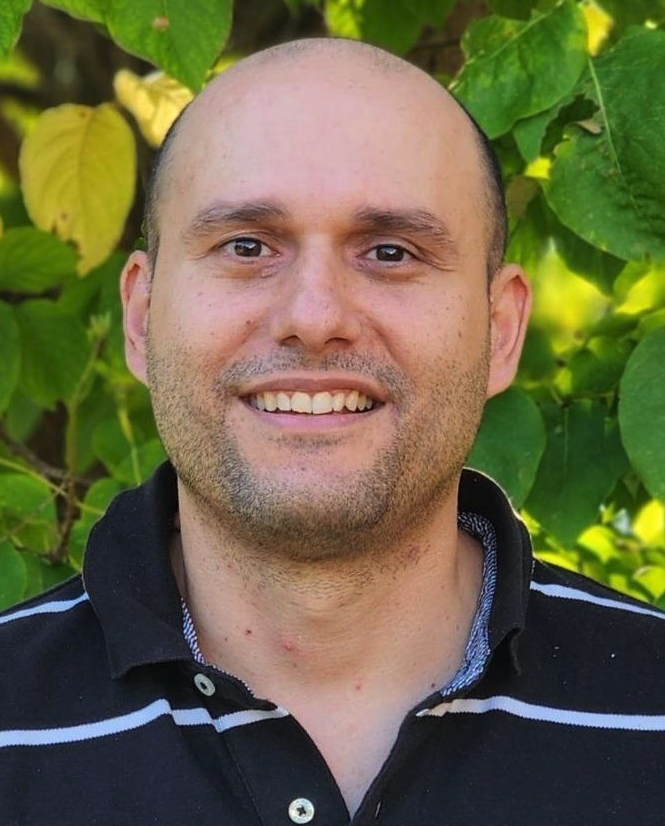 Yannis Trakadis合作论文数Department of Human Genetics, School of Biomedical Sciences, Faculty of Medicine and Health Sciences, McGill University;Department of Specialized Medicine, McGill University Health Centre;M.D.CyberAssistant Inc.4
 Mitchell John J合作论文数McGill University Health Centre4
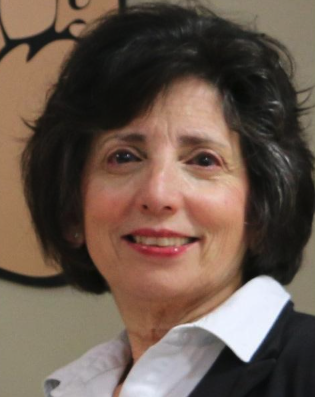 Cheryl Rockman-Greenberg合作论文数Department of Pediatrics and Child Health, Max Rady College of Medicine, Rady Faculty of Health Sciences, University of Manitoba;Winnipeg Regional Health Authority;Children’s Hospital Research Institute of Manitoba4
 Beth K Potter合作论文数Department of Epidemiology and Community Medicine, University of Ottawa;Department of Epidemiology and Biostatistics, University of Western Ontario;University of Ottawa, University of Western Ontario4Monica Taljaard合作论文数Centre for Implementation Research, Ottawa Hospital Research Institute;School of Epidemiology and Public Health, University of Ottawa4
 Pranesh Chakraborty合作论文数Department of Pediatrics, University of Ottawa4
 Sarah Dyack合作论文数IWK Grace Health Centre4Clara van Karnebeek合作论文数3Amy Pender合作论文数3
 Nicole Pallone合作论文数3Andrea J. Chow合作论文数3Sharan Goobie合作论文数3
 Murray Alan Potter合作论文数Dept Pathol & Mol Med, McMaster Univ3
 Maureen E Smith合作论文数Cardiology, Department of Medicine, Feinberg School of Medicine, Northwestern University3
 Kumanan Wilson合作论文数Department of Medicine, Faculty of Medicine, University of Ottawa;School of Public Health & Epidemiology, University of Ottawa;Ottawa Hospital Research Institute;CANImmunize Inc.3
 Kylie Tingley合作论文数3
 Sylvia Stockler合作论文数3
 Stuart G Nicholls合作论文数Nowgen, The North West Genetics Knowledge Park3Komudi Siriwardena合作论文数3Mari Teitelbaum合作论文数2
 Jane Gillis合作论文数2
 Natalya Karp合作论文数2Monica Lamoureux合作论文数2Isabel Jordan合作论文数No affiliation, Squamish, British Columbia, Canada.2
 Zobaida Al-Baldawi合作论文数2Michael Pugliese合作论文数Clinical Epidemiology Program, Ottawa Hospital Research Institute;ICES;ICES, Ottawa Hospital Research Institute2
 Nancy J. Butcher合作论文数Department of Psychiatry, Temerty Faculty of Medicine, University of Toronto2Michal Inbar-Feigenberg合作论文数Department of Paediatrics, Temerty Faculty of Medicine, University of Toronto2
 Eyal Cohen合作论文数Institute of Health Policy, Management and Evaluation, University of Toronto;Institute of Medical Science, Temerty Faculty of Medicine, University of Toronto;The Hospital for Sick Children2
 Bruno Maranda合作论文数2Geraghty Michael T合作论文数Children's Hospital, Eastern Ontario Research Institute2
 Martin Offringa合作论文数Institute of Health Policy, Management and Evaluation, Dalla Lana School of Public Health, University of Toronto;The Hospital for Sick Children2
 Alicia Chan合作论文数2
 Becky Skidmore合作论文数The Society of Obstetricians and Gynaecologists of Canada2Jonathan B. Kronick合作论文数IWK Health Centre, Dalhousie University2
 Sara Khangura合作论文数2
 Brian Hutton合作论文数School of Epidemiology and Public Health, Faculty of Medicine, University of Ottawa;Ottawa Hospital Research Institute;Royal Ottawa Institute of Mental Health Research2
 Brenda Wilson合作论文数2
 Kathy N Speechley合作论文数Department of Epidemiology and Biostatistics, University of Western Ontario;Children's Health Research Institute;Department of Paediatrics, University of Western Ontario;University of Western Ontario, University of Western Ontario2
 Doug Coyle合作论文数School of Epidemiology and Public Health, Faculty of Medicine, University of Ottawa2
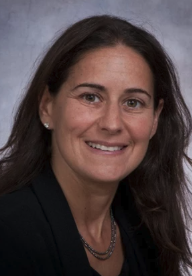 Robin Hayeems合作论文数Institute of Health Policy, Management and Evaluation, Dalla Lana School of Public Health, University of Toronto;The Hospital for Sick Children2
 Jamie Brehaut合作论文数Ottawa Hospital Research Institute;School of Epidemiology and Public Health, Faculty of Medicine, University of Ottawa;Centre for Implementation Research2Valerie Austin合作论文数1




