9022 Background: Successful funding during training has long been recognized as a predictor for a career in academic medicine. 1 Among hematology and medical oncology fellows, the American Society of Clinical Oncology Young Investigator Award (ASCO YIA) often serves as a fellow’s first attempt to obtain extramural research funding. Whether receipt of the ASCO YIA predicts for an academic career in hematology and medical oncology is unknown. Methods: A retrospective, exploratory analysis was conducted using data from 15 consecutive graduating classes from the fellowship program of a large destination cancer center. For each graduate, data regarding submission of an ASCO YIA proposal and the results of each submission were collected. To determine if receipt of the ASCO YIA correlated with an early career and retention in academia, we explored data on each graduate’s initial and current job placement. Correlation of each physician's area of subspecialization compared to the focus of the ASCO YIA proposal was also investigated. Results: From 2011-2025, a total of 214 graduates were identified, and 211 (98.6%) applied for the ASCO YIA. Eighty-three (39%) applicants were awarded the ASCO YIA. Among the entire cohort of applicants for the ASCO YIA, 157 (74%) graduates sought an initial career in academia. Of the fellows who were awarded the ASCO YIA, 74 of 83 (89%) started their careers in academia compared to 83 of 128 (65%) for those who were not awarded the ASCO YIA (odds ratio [OR], 4.46; 95% confidence interval [CI], 2.04 to 9.74; P = 0.0002). Of the fellows awarded the ASCO YIA, 66 of 83 (80%) currently remain in academia compared to 51 of 128 (40%) for those who were not awarded the ASCO YIA (OR, 2.57; 95% CI, 0.29 to 1.60; P = 0.0038). Of the fellows who were awarded the ASCO YIA and sought careers in academia, 69 of 74 (93%) began their academic career in the same subspecialty as the focus of their ASCO YIA proposal, and 59 of 66 (89%) remain in that subspecialty. Conclusions: Among applicants for the ASCO YIA, recipients are more likely than non-recipients to begin careers in academic hematology and medical oncology positions and to remain in academia. In addition, early funding through the ASCO YIA predicts for retention of academic hematologists/oncologists in their subspecialty of early research and funding. These results emphasize the need for enhanced funding to support these awards with a goal of promoting early careers in academic hematology and medical oncology. To further validate these results, a multi-institutional analysis is planned. Reference: 1. Brass LF, Akabas MH, Burnley LD, Engman DM, Wiley CA, Andersen OS. Are MD-PhD programs meeting their goals? An analysis of career choices made by graduates of 24 MD-PhD programs. Acad Med. 2010;85(4):692–701.
3585 Background: Intratumor heterogeneity (ITH) drives CRC resistance, yet tissue-based assessments remain limited. ctDNA captures heterogeneity, though variable tumor fractions confound measurements. We assessed raw vs fraction-adjusted ITH in ctDNA for overall survival (OS) in metastatic CRC (mCRC). Methods: We analyzed two real-world mCRC cohorts from MD Anderson: a 73-gene panel (1,137 patients, 2014-2023; limit of detection (LoD) 0.1%) and a 701-gene panel (150 patients, 2024-2025; LoD 0.5%). Quality filters included ≥ 3 detected variants, MaxVAF > 0.01, and bioinformatic filtering of putative germline variants. ITH was quantified via raw Mutant-Allele Tumor Heterogeneity (rMATH; VAF distribution width) and the Shannon entropy-based, MaxVAF-normalized (VAF/Max_VAF) blood ITH (bITH; multiplies bin entropy by clonality weights). OS was assessed using Cox models by continuous variables and optimal cut-points determined by maximally selected log-rank statistics. A stress test subset (top 50% MaxVAF) was analyzed to decouple findings from analytical noise inherent at low tumor fractions. Results: In the 73-gene cohort (median age 53.2; 91% MSS, 14% BRAF mutated, 64% RAS mutated), MaxVAF was the strongest predictor of worse OS in both univariable (HR 1.32, p < 0.001) and multivariable (MV) models (HR 1.31, p < 0.001). Paradoxically, high rMATH was associated with improved OS (MV HR 0.89, p = 0.014). This protective signal of high heterogeneity was more pronounced in the dichotomized model (MV HR 0.71, p < 0.001) and persisted in the subset of high-burden patients (top 50% MaxVAF) (MV HR 0.69, p < 0.001) and the MSS subset (MV HR 0.68, p = 0.003). In the 701-gene panel cohort, MaxVAF remained the dominant independent predictor (MV HR 2.37, p < 0.001). bITH was not independently prognostic (MV HR 0.98, NS). Conclusions: MaxVAF serves as the primary ctDNA-derived driver of clinical outcomes in mCRC, confirming that ctDNA-inferred ITH metrics are heavily confounded by total tumor shedding. The unexpected association between high rMATH and improved OS suggests that increased clonal diversity, at a fixed tumor burden, may indicate a less evolutionarily pruned or consolidated tumor compared to those that have undergone a selective clonal sweep. These results highlight that while ctDNA can characterize clonal architecture, the clinical interpretation of heterogeneity must be contextualized within the tumor’s total systemic volume and evolutionary state. Cohort Variable (High vs Low) Multivariable HR (95% CI)* p-value 73-gene panel MaxVAF 1.31 (1.20–1.43) <0.001 Raw MATH 0.89 (0.81–0.98) 0.014 bITH 0.98 (0.90–1.08) 0.716 701-gene panel MaxVAF 2.37 (1.52–3.71) <0.001 Raw MATH 0.85 (0.50–1.44) 0.536 bITH 1.23 (0.82–1.87) 0.320 *HR per 1 SD increase. Raw MATH was adjusted for MaxVAF, while bITH was tested without redundant MaxVAF adjustment. All models adjusted for age, sex, MSI, BRAF, and RAS status.
Despite lung cancer affecting all races and ethnicities, disparities are observed in incidence and mortality rates among different ethnic groups in the United States. Non-Hispanic African Americans had a high incidence rate of lung cancer at 55.8 per 100 000 people, as well as the highest death rate at 37.2 per 100 000 people from 2016 to 2020. While previous genome-wide association studies (GWAS) have identified over 45 susceptibility risk loci that influence lung cancer development, few GWAS have investigated the etiology of lung cancer in African Americans. To address this gap in knowledge, we conducted GWAS of lung cancer focused on studying African Americans, comprising 2267 lung cancer cases and 4264 controls. We identified three loci associated with lung cancer, one with lung adenocarcinoma, and four with lung squamous cell carcinoma in this population at the genomic-wide significance level. Among them, three novel loci were identified near VWF at 12p13.31 for overall lung cancer and GACAT3 at 2p24.3 and LMAN1L at 15q24.1 for lung squamous cell carcinoma. In addition, we confirmed previously reported risk loci with known or new lead variants near CHRNA5 at 15q25.1 and CYP2A6 at 19q13.2 associated with lung cancer and TRIP13 at 5p15.33 and ERC1 at 12p13.33 associated with lung squamous cell carcinoma. Further multi-step functional analyses shed light on biological mechanisms underlying these associations of lung cancer in this population. Our study highlights the importance of ancestry-specific studies for the potential alleviation of lung cancer burden in African Americans.
PURPOSE:To determine whether treatment with TAS-102 can induce circulating tumor DNA (ctDNA) clearance at 6 months and delay/prevent disease recurrence in colorectal cancer (CRC) patients with ctDNA-defined minimal residual disease (MRD) after completion of adjuvant therapy. PATIENTS AND METHODS:This was a single-arm, single-institution, phase II study. Fifteen patients with stage II to IV CRC and ctDNA-defined MRD after curative-intent therapy and adjuvant chemotherapy were enrolled prospectively. Participants received 6 months of therapy with TAS-102 35 mg/m2 twice a day on days 1-5 and 8-12 of each 28-day cycle. Disease recurrence was monitored every 3 months with ctDNA and cross-sectional imaging. For comparison, 30 patients matched for key variables who received standard of care were retrospectively identified for a synthetic control (SC) cohort. The primary end point was 6-month ctDNA clearance. Secondary end points included 3-month ctDNA clearance, disease-free survival (DFS), and safety. RESULTS:Among 15 patients enrolled, median age was 60.2 years (range, 37-73) and 80% were stage IV with an average of 2.1 lines of previous therapy (range, 1-3). At 3 and 6 months, respectively, seven (47%) and five (36%) patients had ctDNA clearance. In the SC, two patients (6.7%) had spontaneous ctDNA clearance at 3 months (P = .0034) sustained at 6 months (P = .025). Among patients receiving TAS-102, nine patients had radiographic recurrence with a median DFS of 9.4 months compared with 28 patients in the SC with radiographic recurrence and a median DFS of 5.75 months (P = .03). CONCLUSION:Additional treatment with TAS-102 after adjuvant chemotherapy in CRC patients with ctDNA-defined MRD can induce ctDNA clearance but this may be transient without long-term cures.
Large B cell lymphomas (LBCL) are clinically and biologically heterogeneous lymphoid malignancies with complex microenvironments that are central to disease etiology. Here, we have employed single-nucleus multiome profiling of 232 tumor and control biopsies to characterize diverse cell types and subsets that are present in LBCL tumors, effectively capturing the lymphoid, myeloid, and non-hematopoietic cell compartments. Cell subsets co-occurred in stereotypical lymphoma microenvironment archetype profiles (LymphoMAPs) defined by; (1) a sparsity of T cells and high frequencies of cancer-associated fibroblasts and tumor-associated macrophages (FMAC); (2) lymph node architectural cell types with naive and memory T cells (LN); or (3) activated macrophages and exhausted CD8+ T cells (TEX). Divergent patterns of cell-cell communication underpinned the transcriptional phenotypes of archetype-defining cell subsets resulting in exclusion, support, or suppression of T cells, respectively. Consistent with this, LymphoMAPs were associated with significantly different clinical outcomes following CD19 chimeric antigen receptor (CAR) T cell therapy.
3534 Background: Acquired resistance limits the efficacy of anti-EGFR (EGFRi) therapy in RAS wild-type (WT) mCRC, often through MAPK reactivation driven by secondary RAS mutations or other genomic alterations. Preclinical studies on EGFRi-refractory models led by our group showed that LY3214996, a potent ERK1/2 inhibitor, combined with CET suppresses MAPK signaling and reduces tumor growth, while the addition of Abemaciclib further enhances anti-tumor activity by synergistically inhibiting cell cycle and survival pathways. Methods: In this open-label, phase Ib/II study, RAS/BRAF/EGFR/MEK1 WT mCRC pts who progressed on prior EGFRi-based therapy and ≥1 chemotherapy were treated with CET + LY3214996 (Arm A) or CET + LY3214996 + Abemaciclib (Arm B). Phase Ib employed a 3 + 3 design to determine the maximum tolerated dose (MTD) and recommended phase 2 dose (RP2D). Phase II followed a two-stage design with cohort expansion to assess ORR by RECIST v1.1 as the primary endpoint. Secondary endpoints included PFS and OS. Results: Of 44 pts treated on trial, 2 did not meet inclusion criteria; 39 were evaluable for activity, and 34 for efficacy. The RP2D was 200 mg LY3214996 p.o. daily + 500 mg/m² CET i.v. biweekly in Arm A with the addition of 150 mg Abemaciclib p.o. twice daily in Arm B. Median age was 53.0 years (IQR 47.0 – 63.8), and 59.1% (26/44) were male. Most pts (95.5%, 42/44) had a left-sided or rectal primary, and all were pMMR/MSS. Prior EGFRi-based rechallenge, retreatment/reintroduction, or both were noted in 9.1% (4/44), 25.0% (11/44), and 4.5% (2/44), respectively. ORR, DCR, median PFS and OS were 5.3% (1/19), 36.8% (7/19), 1.8 months (95% CI 1.5 – 4.8) and 7.0 months (95% CI 5.0 – 22.0) for the doublet and 15.0% (3/20), 65.0% (13/20), 3.6 months (95% CI 2.5 – 4.5), and 14.0 months (95% CI 5.9 – 21.0) for the triplet, respectively. Longer time elapsed from last EGFRi was associated with higher predicted probability of response after adjustment for trial regimen (OR 1.35, 95% CI 1.06 – 1.94, p = 0.038). Baseline ctDNA profiling drawn prior to rechallenge revealed acquired RAS mutations in two responders, one per arm. Grade 3 TRAEs occurred in 31.8% (14/44), with acneiform rash (9.1%, 4/44), diarrhea (9.1%, 4/44), thrombocytopenia (6.8%, 3/44), fatigue (4.5%, 2/44), and anemia (4.5%, 2/44) being the most frequent while one Grade 4 TRAE (thrombocytopenia, 2.3%) was reported. Conclusions: CET + LY3214996 ± Abemaciclib had a manageable safety profile with no unexpected adverse events. Although activity was modest, this study is the first to report objective responses to an EGFRi-based regimen in pts harboring acquired RAS mutations in pre-rechallenge ctDNA. Translational efforts are ongoing. Clinical trial information: NCT04616183 .
15 Background: Metastasis-directed therapy (MDT) for omPC has demonstrated progression-free survival (PFS) benefit in multiple phase 2 randomized clinical trials (RCTs) yet has fallen short of demonstrating benefit for later endpoints. The X-MET collaboration amalgamates IPD from RCTs investigating oligometastatic cancers, incorporating new trials when published. Within X-MET, WOLVERINE combined IPD from all published omPC MDT RCTs. Methods: Trial search identified 5 omPC RCTs of MDT and standard of care (SOC) vs. SOC alone: STOMP (NCT01558427), ORIOLE (NCT02680587), ARTO (NCT03449719), SABR-COMET (NCT01446744), and EXTEND (continuous and intermittent androgen deprivation therapy [ADT] baskets; NCT03599765). IPD were retrieved for all trials. PFS was defined as biochemical or radiographic (RECIST 1.1) progression or death. Castration-resistance free survival (CRFS) was analyzed in castration-sensitive prostate cancer (CSPC) patients and was defined as development of castration-resistant prostate cancer (CRPC) or death. Meta-analyses were conducted using fixed- and random-effects models to calculate pooled hazard ratios (HRs). As a complementary approach, HRs were computed utilizing Cox regression stratified by trial. The analysis plan was archived in Prospero: CRD4203479078. Results: This analysis included 472 patients, 224 randomized to SOC and 248 randomized to MDT+SOC, with a median follow-up of 41 mo. The majority were CSPC (58%), treated with ADT (74%) +/- androgen receptor pathway inhibitors (ARPI; 54%), and had a previously treated primary prostate (82%). For both analyses, MDT significantly improved PFS, radiographic PFS (rPFS), and CRFS (Table). Meta-analysis utilizing fixed- and random-effects yielded similar results. Overall survival (OS) was excellent in both arms (3- and 4-year OS: MDT+SOC 92% and 87% vs. SOC 86% and 75%) and exhibited near-significant association with MDT. The benefit of MDT for PFS persisted across most subgroups including castration status, prior primary treatment, staging imaging, and ADT/ARPI use (all HR < 0.52, all P < 0.05, all P[interaction] > 0.05). Conclusions: Leveraging IPD from all published omPC RCTs, WOLVERINE demonstrated for the first time a significant benefit of MDT for longer term endpoints including rPFS and CRFS, in addition to a near-significant association with OS. Furthermore, MDT benefit persisted across the entire omPC disease spectrum ranging from de novo to metachronous and CSPC to CRPC. Association between MDT and outcomes. Cox regression: HR (95% CI) Random-effects model: HR (95% CI) PFS 0.45 (0.35-0.58), P<0.0001 0.44 (0.35-0.57), P<0.0001 rPFS 0.59 (0.46-0.76), P<0.0001 0.60 (0.43-0.85), P=0.0039 CRFS 0.58 (0.37-0.91), P=0.020 0.58 (0.37-0.92), P=0.019 OS 0.64 (0.40-1.01), P=0.057 0.63 (0.39-1.004), P=0.051
Somatic mutations identified by whole exome sequencing. Oncoplot representing the most common somatic mutations assessed by whole exome sequencing (WES) in tumors obtained from patients (n = 23) at the time of diagnosis. Genes with mutations occurring in five or more patients are shown.
Large-scale whole-genome sequencing (WGS) studies have improved our understanding of the contributions of coding and noncoding rare variants to complex human traits. Leveraging association effect sizes across multiple traits in WGS rare variant association analysis can improve statistical power over single-trait analysis, and also detect pleiotropic genes and regions. Existing multi-trait methods have limited ability to perform rare variant analysis of large-scale WGS data. We propose MultiSTAAR, a statistical framework and computationally-scalable analytical pipeline for functionally-informed multi-trait rare variant analysis in large-scale WGS studies. MultiSTAAR accounts for relatedness, population structure and correlation among phenotypes by jointly analyzing multiple traits, and further empowers rare variant association analysis by incorporating multiple functional annotations. We applied MultiSTAAR to jointly analyze three lipid traits (low-density lipoprotein cholesterol, high-density lipoprotein cholesterol and triglycerides) in 61,861 multi-ethnic samples from the Trans-Omics for Precision Medicine (TOPMed) Program. We discovered new associations with lipid traits missed by single-trait analysis, including rare variants within an enhancer of NIPSNAP3A and an intergenic region on chromosome 1.
 Xihong Lin合作论文数Department of Biostatistics, Harvard T.H. Chan School of Public Health, Harvard University;Department of Statistics, Faculty of Arts and Sciences, Harvard University21
 Kanwal Pratap Singh Raghav合作论文数20
 Scott Kopetz合作论文数Department of Gastrointestinal Medical Oncology, Division of Cancer Medicine, The University of Texas MD Anderson Cancer Center19
 Zachary McCaw合作论文数National Institute of Environmental Health Sciences;National Institute of Environmental Health Sciences18
 David C. Christiani合作论文数Department of Epidemiology, Harvard T.H. Chan School of Public Health;Harvard Medical School;Division of Pulmonary and Critical Care Medicine, Department of Medicine, Massachusetts General Hospital18
 Xiangjun Xiao合作论文数Baylor Coll Med, Inst Clin & Translat Res, Houston, TX 77030 USA17
 Younghun Han合作论文数17
 Rayjean J. Hung合作论文数Lunenfeld-Tanenbaum Research Institute, Sinai Health;Division of Epidemiology, Dalla Lana School of Public Health, University of Toronto17
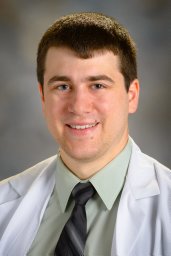 Ludmir Ethan B合作论文数Duke Cancer Institute, Duke University Medical Center17
 Chris Amos合作论文数Baylor College of Medicine17Jinyoung Byun合作论文数16Clinton Yam合作论文数15
 Chu Chen合作论文数Department of Epidemiology, School of Public Health, University of Washington15
 Mikael Johansson合作论文数Dept Radiat Sci, Umea Univ15
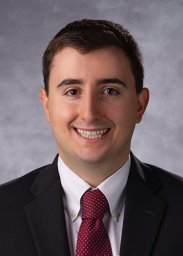 Alexander D Sherry合作论文数Department of Radiation Oncology, Vanderbilt University Medical Center15
 Geoffrey Liu合作论文数Department of Medical Biophysics, Temerty Faculty of Medicine, University of Toronto;Princess Margaret Cancer Centre, University Health Network;Division of Epidemiology, Dalla Lana School of Public Health, University of Toronto;Mount Sinai Hospital;Institute of Medical Science, University of Toronto15Li Yafang合作论文数15Timothy Lin合作论文数14Elizabeth Ravenberg合作论文数14Senthil Damodaran合作论文数14Lei Huo合作论文数14Roshal R Patel合作论文数14
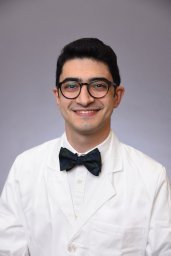 Ramez Kouzy合作论文数Dept Radiat Oncol, Univ Texas MD Anderson Canc Ctr14
 Joseph Abi Jaoude合作论文数Department of Radiation Oncology, The University of Texas MD Anderson Cancer Center14
 Mattias Johansson合作论文数Int Agcy Res Canc, F-69372 Lyon, France14
 Yohan Bossé合作论文数Département de Médecine Moléculaire, Faculté de Médecine, Université Laval;Centre de Recherche de l'Institut Universitaire de Cardiologie et de Pneumologie de Québec;Centre de Recherche de l'IUCPQ14
 Melinda C Aldrich合作论文数Dept Thorac Surg, Vanderbilt Univ14
 Yun Chul Hong合作论文数Department of Preventive Medicine, College of Medicine, Seoul National University14
 John Field合作论文数Institute of Systems, Molecular & Integrative Biology, Faculty of Health and Life Sciences, University of Liverpool14
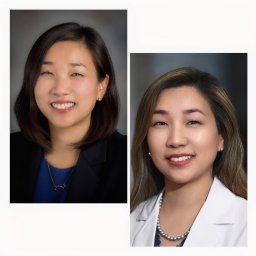 Bora Lim合作论文数Department of Breast Medical Oncology, The University of Texas MD Anderson Cancer Center14
 Neil E. Caporaso合作论文数Division of Cancer Epidemiology & Genetics, National Cancer Institute, National Institutes of Health14
 Wichmann Erich合作论文数LMU Munchen;Helmholtz Zentrum Munchen14
 Hongbing Shen (沈洪兵)合作论文数Department of Epidemiology, School of Public Health, Nanjing Medical University14
 Vicente Valero合作论文数Department of Breast Medical Oncology, Division of Cancer Medicine, The University of Texas MD Anderson Cancer Center14Angela Risch合作论文数Division of Epigenomics and Cancer Risk Factors, German Cancer Research Center14Maria Teresa Landi合作论文数14Angeline S. Andrew合作论文数14
 Susanne Arnold合作论文数Children's Hospital, Harvard Medical School14Philip Lazarus合作论文数Department of Interdisciplinary Oncology, H. Lee Moffitt Cancer Center and Research Institute14
 Stacy L. Moulder合作论文数University of Texas M. D. Anderson Cancer Center Breast Medical Oncology Unit 1354, 1155 Pressler Street P.O. Box 301438 Houston TX 77030 USA14
 Heike Bickeböller合作论文数Department of Genetic Epidemiology, Medical School, University of Göttingen;Göttingen Graduate Center for Neurosciences, Biophysics, and Molecular Biosciences, University of Göttingen14Alex Koong合作论文数13Christine Lin合作论文数13Molly B El Alam合作论文数13
 John Paul Shen合作论文数Univ Texas MD Anderson Canc Ctr, Dept Gastrointestinal Med Oncol, Houston, TX 77030 USA13
 Le Marchand Loïc合作论文数University of Hawaiʻi Cancer Center;John A. Burns School of Medicine, University of Hawaiʻi at Mānoa13
 Stig Egil Bojesen合作论文数Department of Clinical Biochemistry, Herlev Gentofte Hospital;Copenhagen University Hospital;Department of Clinical Medicine, University of Copenhagen13Jun Xia合作论文数Zhejiang University, Zhejiang University13Meirson T合作论文数Department of Medical Engineering, Afeka Academic College of Engineering13




