Smoking is the leading cause of preventable illness and death, yet cessation remains challenging due to limited access to clinical support and underutilization of evidence-based interventions. Primary care offers a strategic setting to deliver smoking cessation counseling, given ongoing patient-provider relationships. Mobile health (mHealth) treatments delivered via smartphones offer a promising approach to increase reach and accessibility, particularly for populations facing geographic, socioeconomic, or other barriers. Evidence regarding the feasibility, implementation, and acceptability of smartphone-based applications in primary care remains limited. Understanding care team perspectives on implementing mHealth interventions is critical to inform strategies that integrate these tools into routine clinical practice. This study aimed to identify barriers and facilitators to implementing two mHealth smoking cessation interventions in primary care clinics, from the perspective of care team members. Insights are intended to guide strategies for enhancing uptake and integration of mHealth interventions and improving equitable access to smoking cessation support. This qualitative, multi-site study was embedded within a pragmatic clinical trial comparing the state quitline with two mHealth interventions that employ acceptance and commitment therapy (ACT) (iCanQuit) and ACT + contingency management (CM) (iCanQuit + Motiv8). Semi-structured interviews were conducted with care team members from 14 primary care clinics, including physicians, nurse practitioners, nurses, and staff. Interviews were conducted in person or via videoconference and were audio-recorded and transcribed verbatim. The interview guide was structured using the Consolidated Framework for Implementation Research (CFIR) and refined through feedback from a 23-member stakeholder advisory committee. Transcripts were analyzed using template and matrix analysis methods, with iterative inductive coding to identify themes across patient, provider, intervention, and clinic levels. Of 41 invited care team members, 37 interviews were completed and analyzed. Participants represented a variety of clinical and administrative roles. Care team members identified multiple barriers and facilitators to implementing the mHealth interventions. Barriers included intervention complexity, patient-level factors such as digital literacy and social determinants of health, clinic workflow constraints, competing clinical priorities, and limited staff familiarity with the interventions. Facilitators included the perceived relative advantage of mHealth interventions regarding convenience, accessibility, and reach, particularly for rural and younger patients. Participants made suggestions for improvement to address barriers, including EHR-based reminders for providers, workflow restructuring, and refresher training. In primary care settings that serve vulnerable populations, mHealth interventions may be a feasible alternative or complement to traditional quitlines. While they can improve reach, careful consideration must be made for patients with low access to technology and low digital literacy. Tangible adaptations to better integrate mHealth approaches into clinics can potentially improve adoption and fidelity to intervention and study procedures. ClinicalTrials.gov ID NCT05415761 https://clinicaltrials.gov/study/NCT05415761?term=Comparative%20Effectiveness%20of%20Mobile%20Health%20Smoking%20Cessation%20Approaches%20among%20Underserved%20Patients%20in%20Primary%20Care.&rank=1
INTRODUCTION:Sexual and gender minority (SGM) youth have higher rates of nicotine vaping than other youth in the United States. While social media can be effective in reaching youth and discouraging vaping, informed cultural tailoring is necessary to ensure effective messaging to SGM youth. This study aimed to understand SGM youth perspectives on anti-vaping social media messages and tailoring approaches. AIMS AND METHODS:In-depth, qualitative videoconference interviews were conducted from February to July 2022 with 34 SGM youth recruited in the United States via social media ads. The interview guide addressed participants' beliefs about vaping, the context of vaping, perspectives on tailoring messages, and responses to examples of social media anti-vaping messages. Coding and thematic analysis followed a team-based approach. RESULTS:SGM youth perspectives fell into four categories-representation and diversity, facts and evidence, empowering messages, and source credibility. Participants stressed the importance of accurate, genuine representation of SGM youth in messages, but also noted that more overt representation may be seen as tokenizing. Participants recommended partnering with known LGBTQ + influencers who can promote or share anti-vaping messages on social media platforms. They also recommended using culturally tailored language, including statistics specific to SGM youth, and invoking themes of empowerment to improve the relevance, reach, and effectiveness of anti-vaping campaigns. CONCLUSIONS:Findings can inform future efforts to develop anti-vaping messages for SGM youth with effective reach through social media. Nuanced perspectives on SGM representation in messages suggest a careful approach to tailoring. Concerns around inauthenticity may be minimized by ensuring SGM youth are included in message development and dissemination. IMPLICATIONS:This study describes the importance of being attentive to the tailoring preferences among the current generation of SGM youth. Findings will inform social media-based messaging strategies that discourage nicotine vaping tailored for SGM youth in health campaign material design and evaluation, ensuring that tailored messages are designed in ways that avoid unintended consequences. The study also describes methods for effectively engaging SGM youth in research to improve the relevance of health education materials for this population and increase reach, which in turn can lead to a reduction in vaping practices among SGM youth.
Background Sexual and gender minority youth (SGMY) vape at higher rates than their heterosexual and/or cisgender peers. SGMY prefer SGM-specific anti-tobacco messaging; however, there have been no vaping prevention campaigns designed for SGMY. Purpose Using the Exploration, Preparation, Implementation, Sustainment (EPIS) framework, we sought to explore specific barriers, facilitators, and best practices for health promotion for SGMY that will inform future vaping prevention campaigns. Methods We conducted 11 qualitative interviews with key stakeholders from government and non-profit organizations who work in public health campaigns or with SGMY at national, state, and local levels. Data were coded and analyzed using thematic analysis. Results We identified 4 main themes from our analysis: (1) youth engagement, (2) sociopolitical context, (3) dissemination and measurement, and (4) inter-organizational collaboration. Participants described barriers and facilitators in the 4 themes. Conclusions Based on these findings, we developed 3 recommendations to guide and improve the success of future vaping prevention campaigns for SGMY. First, youth engagement should be at the forefront of campaign development and dissemination. Second, SGMY of color should be centered and represented in campaigns due to racial inequity in tobacco-related illness and death. Third, inter-organizational collaboration is strongly encouraged to minimize the resource burden on each organization and maximize potential collective output.
Sexual and gender minority (SGM) youth are at high risk for vaping, yet few interventions are tailored toward this population. To address this gap, we explored SGM youth's preferences for anti-vaping messages to inform the development of tailored anti-vaping campaigns. Participants were 245 SGM-identifying US youth, ages 13-18 years. Participants completed a discrete choice experiment that assessed which types of images were preferred by SGM youth for a social media anti-vaping campaign. Images varied on two attributes: SGM tailoring (none, low, high), and number of people in the image (1, 2, 3 + people). Choice-based conjoint analysis (hierarchical Bayesian estimation) was conducted utilizing Sawtooth Software. Tailoring had higher importance for image selection than number of people. Images with high SGM tailoring were most preferred, and images with no tailoring were least preferred. Most preferred images contained two people with high tailoring and 3 + people with no or low tailoring. The least preferred images included 3 + people and high tailoring. Tailoring anti-vaping messaging for SGM youth may increase the likelihood that youth will notice, engage with, and share the content with peers. These findings provide insight into components that may increase the efficacy of preventative anti-vaping social media campaigns for SGM youth.
Objectives:Improving access to and quality of maternal and infant healthcare are important leverage points to address worsening maternal and infant health disparities in the USA. This study evaluates the comprehensiveness of existing maternal and infant quality-of-care measures to identify aspects of quality that need greater attention in quality measurement. Study design:We conducted a structured, team-based qualitative review of 88 maternal and infant health measures indexed by the National Quality Forum (NQF), the Agency for Healthcare Research and Quality (AHRQ), the Centers for Medicare and Medicaid Services (CMS), and the National Committee for Quality Assurance (NCQA). We assessed discrete elements relevant to meaningfulness, feasibility, and usability following AHRQ National Quality Strategy (NQS) criteria, with input from researcher, clinician, and citizen scientist investigators. Descriptive statistics on coded measures were calculated using SPSS. Results:The most common AHRQ NQS priorities addressed were mortality (60%) and safety (48%). Average scores across elements were 59% for feasibility, 61% for practice usability, and 31% for policy usability. Fewer measures addressed coordination, affordability, or patient engagement in the postpartum period. Only 23% of measures were endorsed by NQF, only 17% of measures had publicly available benchmarks, and only 14% had specifications updated in the year prior to review. Conclusions:Findings from this study can inform the specification of a comprehensive, updated system for maternal and infant quality-of-care evaluation and can facilitate the development of new quality-of-care measures that address underrepresented maternal and infant health issues.
Introduction: The COVID-19 pandemic forced health systems worldwide to make rapid adjustments to patient care. Nationwide stay-at-home mandates and public health concerns increased demand for telehealth to maintain patients' continuity of care. These circumstances permitted observation of telehealth implementation in real-world settings at a large scale. This study aimed to understand clinician and health system leader (HSL) experiences in expanding, implementing, and sustaining telehealth during COVID-19 in the OneFlorida+ clinical research network.Methods: We conducted semistructured videoconference interviews with 5 primary care providers, 7 specialist providers, and 12 HSLs across 7 OneFlorida+ health systems and settings. Interviews were audiorecorded, transcribed, and summarized using deductive team-based template coding. We then used matrix analysis to organize the qualitative data and identify inductive themes.Results: Rapid telehealth implementation occurred even among sites with low readiness, facilitated by responsive planning, shifts in resource allocation, and training. Common hurdles in routine telehealth use, including technical and reimbursement issues, were also barriers to telehealth implementation. Acceptability of telehealth was influenced by benefits such as the providers' ability to view a patient's home environment and the availability of tools to enhance patient education. Lower acceptability stemmed from the inability to conduct physical examinations during the shutdown.Conclusions: This study identified a broad range of barriers, facilitators, and strategies for implementing telehealth within large clinical research networks. The findings can contribute to optimizing the effectiveness of telehealth implementation in similar settings, and point toward promising directions for telehealth provider training to improve acceptability and promote sustainability.
Introduction:Interventions to address social needs in clinical settings can improve child and family health outcomes. Electronic health record (EHR) tools are available to support these interventions but are infrequently used. This mixed-methods study sought to identify approaches for implementing social needs interventions using an existing EHR module in pediatric primary care. Methods:We conducted focus groups and interviews with providers and staff (n = 30) and workflow assessments (n = 48) at four pediatric clinics. Providers and staff completed measures assessing the acceptability, appropriateness, and feasibility of social needs interventions. The Consolidated Framework for Implementation Research guided the study. A hybrid deductive-inductive approach was used to analyze qualitative data. Results:Median scores (range 1-5) for acceptability (4.9) and appropriateness (5.0) were higher than feasibility (3.9). Perceived barriers to implementation related to duplicative processes, parent disclosure, and staffing limitations. Facilitators included the relative advantage of the EHR module compared to existing documentation practices, importance of addressing social needs, and compatibility with clinic culture and workflow. Self-administered screening was seen as inappropriate for sensitive topics. Strategies identified included providing resource lists, integrating social needs assessments with existing screening questionnaires, and reducing duplicative documentation. Conclusions:This study offers insight into the implementation of EHR-based social needs interventions and identifies strategies to promote intervention uptake. Findings highlight the need to design interventions that are feasible to implement in real-world settings. Future work should focus on integrating multiple stakeholder perspectives to inform the development of EHR tools and clinical workflows to support social needs interventions.
Background Tobacco use remains the leading cause of preventable disease, disability, and death in the world. Lebanon has an exceptionally high tobacco use burden. The World Health Organization endorses smoking cessation advice integrated into primary care settings as well as easily accessible and free phone-based counseling and low-cost pharmacotherapy as standard of practice for population-level tobacco dependence treatment. Although these interventions can increase access to tobacco treatment and are highly cost-effective compared with other interventions, their evidence base comes primarily from high-income countries, and they have rarely been evaluated in low- and middle-income countries. Recommended interventions are not integrated as a routine part of primary care in Lebanon, as in other low-resource settings. Addressing this evidence-to-practice gap requires research on multi-level interventions and contextual factors for implementing integrated, scalable, and sustainable cessation treatment within low-resource settings. Methods The objective of this study is to evaluate the comparative effectiveness of promising multi-component interventions for implementing evidence-based tobacco treatment in primary healthcare centers within the Lebanese National Primary Healthcare Network. We will adapt and tailor an existing in-person smoking cessation program to deliver phone-based counseling to smokers in Lebanon. We will then conduct a three-arm group-randomized trial of 1500 patients across 24 clinics comparing (1) ask about tobacco use; advise to quit; assist with brief counseling (AAA) as standard care; (2) ask; advise; connect to phone-based counseling (AAC); and (3) AAC + nicotine replacement therapy (NRT). We will also evaluate the implementation process to measure factors that influence implementation. Our central hypothesis is that connecting patients to phone-based counseling with NRT is the most effective alternative. This study will be guided by the Exploration, Preparation, Implementation, Sustainment (EPIS) framework, supported by Proctor’s framework for implementation outcomes. Discussion The project addresses the evidence-to-practice gap in the provision of tobacco dependence treatment within low-resource settings by developing and testing contextually tailored multi-level interventions while optimizing implementation success and sustainability. This research is significant for its potential to guide the large-scale adoption of cost-effective strategies for implementing tobacco dependence treatment in low-resource settings, thereby reducing tobacco-related morbidity and mortality. Trial registration ClinicalTrials.gov, NCT05628389, Registered 16 November 2022.
Introduction: Tobacco smoking is the leading cause of preventable disease, disability, and premature death in the United States. Recent advances have led to two efficacious mobile health (mHealth) treatments for smoking cessation: iCanQuit, an Acceptance and Commitment Therapy-based behavioral treatment promoting cessation through accepting triggers and committing to values; and Motiv8, a contingency management intervention promoting smoking cessation with financial incentives via biochemically verified abstinence. This study will evaluate the comparative effectiveness of the Florida Quitline, iCanQuit alone, and iCanQuit+Motiv8 in a pragmatic trial among patients who smoke in underserved primary care settings. Methods: The study will be an individually-randomized controlled trial with three arms (Florida Quitline, iCanQuit alone, iCanQuit+Motiv8 combined) conducted in multiple primary care practices affiliated with the OneFlorida+ Clinical Research Consortium. Adult patients who smoke will be randomized to one of the 3 study arms (n = 444/arm), stratified by healthcare setting (academic vs. community). The primary outcome will be 7day point prevalence smoking abstinence at 6 months post-randomization. Secondary outcomes will be 12-month smoking abstinence, patient satisfaction with the interventions, and changes in patient quality of life and selfefficacy. The study will also assess how and for whom the interventions help sub-group patients in achieving smoking abstinence by measuring theory-derived factors that mediate smoking outcome-specific baseline moderators. Conclusions: Results from this study will provide evidence for the comparative effectiveness of mHealth smoking cessation interventions in healthcare settings. Use of mHealth interventions can make smoking cessation resources more equitably accessible and have far-reaching impact on community and population health. Trial registration: ClinicalTrials.gov, NCT05415761, Registered 13 June 2022.
OBJECTIVE: Social needs interventions in clinical settings can improve child health outcomes; however, they are not routinely delivered in routine pediatric care. The electronic health record (EHR) can support these interventions, but parent engagement in the development of EHR-based social needs interventions is lacking. The aim of this study was to assess parent perspectives on EHR-based social needs screening and documentation and identify family-centered approaches for screening design and implementation. METHODS: We enrolled 20 parents from four pediatric primary care clinics. Parents completed a social risk questionnaire from an existing EHR module and participated in qualitative interviews. Parents were asked about the acceptability of EHRbased social needs screening and documentation and preferences for screening administration. A hybrid deductive-inductive approach was used to analyze qualitative data.RESULTS: Parents identified the benefits of social needs screening and documentation but expressed concerns related to privacy, fear of negative outcomes, and use of outdated documentation. Some felt self-administered electronic questionnaires would mitigate parent discomfort and encourage disclosure of social needs, while others felt face-to-face screening would be more effective. Parents stressed the importance of transparency on the purpose of social needs screening and the use of data.CONCLUSIONS: This work can inform the design and implementation of EHR-based social needs interventions that are acceptable and feasible for parents. Findings suggest strategies such as clear communication and multi-modal delivery methods may enhance intervention uptake. Future work should integrate feedback from multiple stakeholders to design and evaluate interventions that are family-centered and feasible to implement in clinical settings.
Introduction: Novel prevention programs are developed to address the increase in e-cigarette use (vaping) among children. However, it remains paramount to test their feasibility in rural settings. This pilot study implemented and evaluated the feasibility and outcomes of two innovative programs, CATCH My Breath and smokeSCREEN, among youth in rural settings in Florida.Methods: We conducted four focus groups with youth aged 11-17 recruited from 4-H rural clubs in Florida. In a subsequent randomized trial, we recruited 82 youth participants and assigned them to one of three arms: CATCH My Breath, smokeSCREEN, or control. CATCH My Breath and smokeSCREEN participants attended online group intervention sessions while the control group received educational material. Pre- and post-surveys were administered to all participants to assess knowledge, susceptibility, perceived positive outcomes and risk perceptions related to tobacco and e-cigarette use. Other feasibility parameters were also assessed.Results: Focus group discussions provided insights about feasibility and informed the implementation of both interventions in terms of delivery format, scheduling of sessions and incentives. After the intervention, CATCH My Breath participants significantly improved their general tobacco-related knowledge (post-pre = 16.21-12.92 = 3.3, p <.01) and risk perceptions towards other flavored tobacco products (post-pre = 19.29-17.71 = 1.6, p <.05). smokeSCREEN participants significantly improved their general tobacco knowledge (post-pre = 18.77-13.77 = 5.0, p <.01), knowledge about e-cigarettes (post-pre = 9.08-6.31 = 2.8, p <.01) and risk perception towards e-cigarettes (post-pre = 24.69-21.92 = 2.8, p <.05).Conclusions: This study demonstrated feasibility of delivering the interventions via participant engagement, participants' willingness to be randomized, assessment of outcome measures, and exploration of different recruitment methods. Despite the potential positive influence of CATCH My Breath and smokeSCREEN on youth participants, further evaluation with larger samples is needed.
OBJECTIVE:Individuals enrolled in Medicaid have disproportionately worse health outcomes due to challenges related to Social Determinants of Health. We aim to examine the prevalence of 3 childhood conditions (asthma, type 2 diabetes, and attention deficit hyperactivity disorder [ADHD]) in children within the Texas Medicaid system. In order to recognize the layers of vulnerability, we examine prevalence at the intersection of socioeconomic status with race and ethnicity within this economically challenged population.METHODS:Children ages 0 to 17 were identified from claims and encounter data for all children enrolled in Texas Medicaid in 2017 for at least 6 months. All children were placed into one of 5 quintiles based on their census tract socioeconomic vulnerability. The Rate Ratio statistical test was employed to identify the statistical significance of the disparity in health outcomes related to higher neighborhood vulnerability within each racial or ethnic group.RESULTS:Asthma for each race and ethnicity group was significantly more prevalent in the higher vulnerability census tracts. Increased vulnerability related to significant increase in type 2 diabetes for Hispanic children, but not for other groups. Diagnosed ADHD prevalence was significantly higher in less vulnerable non-Hispanic white children compared to more vulnerable.CONCLUSIONS:This study found that even among children who receive Medicaid and are thus economically disadvantaged, socioeconomic vulnerability applies an additional burden within racial and ethnic groups to produce disparities in health-related burden. However, the trend of the relationship varied by race and ethnicity group and health condition.
ObjectiveThe American Board of Pediatrics’ (ABP) maintenance of certification (MOC) programme seeks to continue educating paediatricians throughout their careers by encouraging lifelong learning and continued improvement. The programme includes four parts, each centring on a different aspect of medical practice. Part 4 MOC centres on quality improvement (QI). Surveys by the ABP suggest that paediatricians are dissatisfied with aspects of part 4, but their reasons are unclear. This study sought to explore factors contributing to dissatisfaction with part 4 by focusing on performance improvement modules (PIMs), a popular means of achieving part 4 credit.MethodsThe study used cross-sectional purposive sampling drawing from US physicians working in a range of practice settings: private outpatient, hospital, academic and low-income clinics. The sampling frame was divided by practice characteristics and satisfaction level, derived from a five-point Likert item asking about physician satisfaction regarding a recent PIM. In-depth interviews were conducted with 21 physicians, and the interview data were coded, categorised into themes and analysed using a framework analysis approach.ResultsPaediatricians expressed nuanced views of PIMs and remain globally dissatisfied with part 4, although reasons for dissatisfaction varied. Concerns with PIMs included: (1) excessive time and effort; (2) limited improvement and (3) lack of clinically relevant topics. While most agreed that QI is important, participants felt persistently dissatisfied with the mechanics of doing PIMs, especially when QI tasks fell outside of their typical work regimen.ConclusionsPaediatricians agreed that part 4, PIMs, and QI efforts in general still lack clinical relevance and need to be more easily incorporated into practice workflow. Clinicians specifically felt that PIMs must be directly integrated with physicians’ practice settings in terms of topic, data quality and metrics, and must address practice differences in time and monetary resources for completing large or complex projects.
Purpose The objective of this study was to determine how to optimize implementation of tobacco cessation treatment interventions in cancer care by (1) investigating the feasibility and acceptability of a multi-level approach to tobacco cessation treatment intervention, (2) identifying barriers and facilitators to implementation, and (3) eliciting additional strategies to improve implementation of the intervention. Methods We conducted qualitative interviews with oncologists ( n = 15) from one large academic health center in the Southeastern United States. We asked about their knowledge, attitudes, and current practices regarding tobacco use screening and treatment. We also asked about two proposed strategies to support implementation of tobacco cessation treatment: (1) developing a registry of tobacco users in collaboration with the state-run tobacco cessation program, and (2) providing on-site tobacco cessation counseling from trained professionals. Results Oncologists saw addressing tobacco use as valuable; however, they felt restricted from consistently addressing tobacco use by multi-level barriers such as workload, electronic health record (EHR) design, patient anxiety, and low self-efficacy for treating tobacco dependence. Oncologists responded positively to on-site treatment and felt this strategy would increase treatment accessibility and enhance engagement. Reaction to developing a registry of tobacco users was mixed, with concerns regarding lack of oncologist involvement and patient privacy expressed. Other suggested strategies for supporting implementation of tobacco cessation treatment included reducing referral complexity, establishing financial or quality incentives for oncologists, and leveraging existing EHR tools to facilitate integration of cessation interventions into clinic workflows. Conclusions We identified several challenges to implementing tobacco use treatment in cancer care; however, we considered strategies to overcome these barriers that were viewed as feasible and acceptable. Our work highlights the importance of engaging stakeholders in implementation efforts. Future work should explore the impact of the implementation strategies identified in this study. Plain Language Summary Tobacco cessation significantly improves cancer patients’ treatment outcomes, quality of life, and chances of survival; however, tobacco cessation interventions are not routinely delivered in oncology care. Interviews with oncologists identified barriers to delivering tobacco cessation interventions at multiple levels. Suggested strategies for overcoming these barriers included simplifying cessation intervention processes, establishing incentives for oncologists to address tobacco use, and using the electronic health record to support intervention activities. Oncologists generally supported implementing on-site tobacco cessation counseling for cancer patients. Although there was support for developing a registry of tobacco users with an external tobacco cessation program, more reservations were expressed. Our work identifies several stakeholder-endorsed strategies for implementing tobacco cessation interventions in cancer care. Future research should test the effectiveness of these strategies.
OBJECTIVES:To describe the clinical impact and lessons learned through implementation of a high sensitivity troponin (hsTn) assay. BACKGROUND:hsTn assays have received regulatory approval for use in the United States, and healthcare facilities are beginning to adopt these new assays. Questions remain about how to implement them and what effect they may have on demand for cardiovascular services. METHODS:We conducted a mixed-methods implementation science-based investigation of hsTn adoption at a single academic medical center. We designed the investigation based on the Consolidated Framework for Implementation Research, exploring clinicians' perspectives on intervention characteristics, inner setting, individual characteristics, and process of implementation domains. Focus groups were conducted with clinicians from multiple service lines. RESULTS:Participants reported that the new hsTn assay did not fundamentally change processes of care such as cardiology consultations or inpatient admissions. Implementation was facilitated by leveraging the electronic medical record to provide useful suggestions for hsTn management at the point-of-care. The use of case-based teaching was considered most effective. Areas of ongoing concern included management of high-risk patients, outpatient follow-up, and feasibility of accelerated diagnostic protocols for early discharge from the emergency department. A decrease in the number of hsTn assays ordered was observed; no change was noted for admissions, cardiology consultations, or noninvasive cardiac imaging. CONCLUSIONS:A comprehensive educational campaign, based on multidisciplinary collaboration can effectively prepare clinicians for implementation of hsTn. New hsTn assays may not have any substantial effect on acute management of patients with cardiac complaints.
Abstract Introduction. Unmet social needs contribute to growing health disparities and rising health care costs. Strategies to collect and integrate information on social needs into patients’ electronic health records (EHRs) show promise for connecting patients with community resources. However, gaps remain in understanding the contextual factors that impact implementing these interventions in clinical settings. Methods. We conducted qualitative interviews with patients and focus groups with providers (January−September 2020) in two primary care clinics to inform the implementation of a module that collects and integrates patient-reported social needs information into the EHR. Questions addressed constructs within the Theoretical Framework for Acceptability and the Consolidated Framework for Implementation Research. Data were coded deductively using team-based framework analysis, followed by inductive coding and matrix analyses. Results. Forty patients participated in interviews, with 20 recruited at the clinics and 20 from home. Two focus groups were conducted with a total of 12 providers. Factors salient to acceptability and feasibility included patients’ discomfort answering sensitive questions, concerns about privacy, difficulty reading/understanding module content, and technological literacy. Rapport with providers was a facilitator for patients to discuss social needs. Providers stressed that limited time with patients would be a barrier, and expressed concerns about the lack of available community resources. Conclusion. Findings highlight the need for flexible approaches to assessing and discussing social needs with patients. Feasibility of the intervention is contingent upon support from the health system to facilitate social needs assessment and discussion. Further study of availability of community resources is needed to ensure intervention effectiveness.
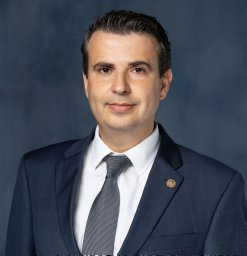 Salloum Ramzi G合作论文数Dept Hlth Outcomes & Policy, Univ Florida21
 Elizabeth A. Shenkman合作论文数College of Medicine, University of Florida17Jennifer H LeLaurin合作论文数Dept Hlth Outcomes & Biomed Informat, Univ Florida16
 Lindsay A. Thompson合作论文数College of Medicine, University of Florida15
 Andy Tan合作论文数Annenberg School for Communication, University of Pennsylvania;Health Communication & Equity Lab, University of Pennsylvania7Elaine Hanby合作论文数5Darci Miller合作论文数5
 Michelle Cardel合作论文数University of Alabama at Birmingham, University of Colorado Denver5
 Sarah M. Szurek合作论文数5
 David M Janicke合作论文数5
 Abhaya Dilip合作论文数4Kathryn Pluta合作论文数4Jackson R. Dillard合作论文数4
 Sixiao Liu合作论文数Annenberg School for Communication, University of Pennsylvania4
 Wasim Maziak合作论文数Department of Epidemiology, Robert Stempel College of Public Health & Social Work, Florida International University4
 Sabra L. Katz-Wise合作论文数Div Adolescent Young Adult Med, Boston Childrens Hosp4
 Jennifer Potter合作论文数Myriad Genetics, Inc.4
 Jesse Dallery合作论文数UNIVERSITY OF FLORIDA4Matthew J. Gurka合作论文数4Angelina V Bernier合作论文数4Jacqueline De La Cruz合作论文数3Jenine Pilla合作论文数3Alexandra K Lee合作论文数3
 Natalie Silver合作论文数3
 Brittany M Charlton合作论文数Department of Epidemiology, Harvard School of Public Health3Siddiqui Tariq S合作论文数3
 Graham Warren合作论文数Department of Radiation Medicine, College of Medicine, Medical University of South Carolina;Ralph H. Johnson Veterans Affairs Medical Center3Nabih R. Asal合作论文数3Suzanne M. Dolwick Grieb合作论文数3
 Robyn Goodman合作论文数3Deborah Burr合作论文数3Stephanie A. Staras合作论文数2Diana Lee合作论文数2Rahma Mkuu合作论文数Dept Hlth Outcomes & Biomed Informat, Univ Florida Gainesville2
 David Lydon-Staley合作论文数Annenberg School for Communication, University of Pennsylvania2
 Merry Jennifer Markham合作论文数University of Florida/Shands Cancer Center2
 Rima Nakkash合作论文数Department of Global and Community Health, College of Public Health, George Mason University2Hall Jaclyn M合作论文数Department of Geography, University of Florida2Bteddini Dima合作论文数2
 Lori Pbert合作论文数2
 Dan Benardot合作论文数Laboratory for Elite Athlete Performance, Georgia State University2Olveen Carrasquillo合作论文数Department of Medicine, Cambridge Hospital2Alexandra M. Lee合作论文数1Stephanie Staras合作论文数1N. F. N. Scout合作论文数1Kathryn Taylor合作论文数1
 David E Winchester合作论文数1Katie Lenhoff合作论文数1Choeeta Chakrabarti合作论文数1




