OBJECTIVE:In infants with ventricular septal defect (VSD) who undergo surgical intervention, body weight, along with age, is frequently thought to be the decisive predictor of morbidity and mortality after surgery; however, its information on quantitative risk assessment is limited. METHODS:All infants (<1 year old) with a fundamental diagnosis of VSD who underwent surgical VSD closure or pulmonary artery banding between 2012 and 2016 were identified from the Japan Cardiovascular Surgery Database Congenital Section. The outcome of interest was a composite end point of all-cause death and major complications within 30 days after surgery. We evaluated the association between body weight at surgery and composite end point using logistic regression models. RESULTS:A total of 4947 cases were analyzed (median age, 125; interquartile range [IQR], 79-193 days; median body weight, 4.94 [IQR, 4.00-6.00] kg), including 4310 cases (87.1%) treated with surgical VSD closure and 637 (12.9%) treated with pulmonary artery banding. The surgical course was uncomplicated in 94.2% of cases, 23 (0.5%) died, and 283 (5.7%) experienced major complications. The risk of the composite end point was higher along with lower body weight (adjusted odds ratio, 1.56 for every -1 kg; 95% confidence interval, 1.30-1.88; P < .001) and plateaued at body weight of approximately >4.5 kg via smoothing spline curve. Importantly, cases with approximately <4.5 kg of body weight had higher predicted risk regardless of age. CONCLUSIONS:Surgical intervention for infants with VSD was safely performed in contemporary practice; however, caution is warranted in lower body weight infants, particularly for infants with approximately <4.5 kg.
Children with single ventricle physiology have complete mixing of the pulmonary and systemic circulations, requiring staged procedures to achieve a separation of these circulations, or Fontan circulation. The single ventricle physiology significantly increases the risk of mortality in children undergoing non‐cardiac surgery. As liver transplantation for patients with single ventricle physiology is particularly challenging, only a few reports have been published. We herein report a case of successful LDLTx for an 8‐month‐old pediatric patient with biliary atresia, heterotaxy, and complex heart disease of single ventricle physiology. The cardiac anomalies included total anomalous pulmonary venous return type IIb, intermediate atrioventricular septal defect, tricuspid regurgitation grade III, coarctation of aorta, interrupted inferior vena cava, bilateral superior vena cava, and polysplenia syndrome. Following LDLTx, the patient sequentially underwent total cavopulmonary shunt + Damus‐Kaye‐Stansel at 3 years of age and extracardiac total cavopulmonary connection (EC‐TCPC) completion at 5 years of age; 7 years have now passed since LDLTx (2 years post–EC‐TCPC). We describe the details of the management of LTx in the presence of cardiac anomalies and report the long‐term cardiac and liver function, from peri‐LDLTx through EC‐TCPC completion.
Patients with Mulibrey nanism (MUL) present with growth failure and multiple organ manifestations, and MUL is caused by mutations in TRIM37. In this article, we report on the first case series of Japanese patients with MUL who developed congestive heart failure due to constrictive pericarditis. Our case series suggests that early diagnosis and total pericardiectomy before adherence of the pericardium might provide clinical benefit and better prognosis for MUL.
Jan Aagaard Mathias H. Aazami Cipriano C. Abad Tomonobu Abe Amir M. Abolhoda Haitham Abunasra Christophe Acar Paul Achouh Niv Ad Iki Adachi Rajeshwara Krishna Prasad Adluri Ryo Aeba Alessandro Affronti Marco Agrifoglio Seyedhossein Aharinejad Clemens Aigner Koray Ak Ahmet Ruchan Akar Cary W. Akins Enoch F. Akowuah Zohair Al Halees Nawwar Al-Attar Alexander Artur Albert Johannes M. Albes Christos Alexiou Cem H. Alhan Amira A.A. Al-Hay Imtiaz S. Ali Idris Ali Jorge Almeida Nelson Alphonso Ahmed A. Alsaddique Nael Al-Sarraf Bahaaldin Alsoufi Nasser Altorki Antonio Alvarez Muhammad Muneer Amanullah Joseph J. Amato Shirish G. Ambekar Vincenzo Ambrogi Marcello Carlo Ambrogi Khalid M. Amer Gabriel Amir Anat Amital Luca Ampollini Robert H. Anderson Makoto Ando Udo Christian Anegg Emanuela Angeli Gianni D. Angelini Dimitrios C. Angouras Juan L. Anton-Pacheco Manuel J. Antunes Pedro E. Antunes Anelechi Anyanwu Efstratios E. Apostolakis Jose I. Aramendi Jose Luis Aranda Francesco Ardissone Olgun Kadir Aribas Raimondo Ascione George Asimakopoulos Jalal Assouad Thanos Athanasiou Christine Attenhofer Tim Attmann John Augoustides Rudiger Autschbach Jean-Philippe Avaro Anton A. Avramenko Adel Khader Ayed Thierry Aymard Anthony Azakie Omer Aziz Jacques F. Azorin
Direct cardiac reprogramming holds great promise for regenerative medicine. We previously generated directly reprogrammed induced cardiomyocyte-like cells (iCMs) by overexpression of Gata4, Mef2c, and Tbx5 (GMT) using retrovirus vectors. However, integrating vectors pose risks associated with insertional mutagenesis and disruption of gene expression and are inefficient. Here, we show that Sendai virus (SeV) vectors expressing cardiac reprogramming factors efficiently and rapidly reprogram both mouse and human fibroblasts into integration-free iCMs via robust transgene expression. SeV-GMT generated 100-fold more beating iCMs than retroviral-GMT and shortened the duration to induce beating cells from 30 to 10 days in mouse fibroblasts. In vivo lineage tracing revealed that the gene transfer of SeV-GMT was more efficient than retroviral-GMT in reprogramming resident cardiac fibroblasts into iCMs in mouse infarct hearts. Moreover, SeV-GMT improved cardiac function and reduced fibrosis after myocardial infarction. Thus, efficient, non-integrating SeV vectors may serve as a powerful system for cardiac regeneration.
A subgroup of patients with Marfan syndrome (MFS) who have mutations in exons 24–32 of the FBN1 gene manifests severe atrioventricular valve insufficiency and skeletal problems as early as the neonatal period. These patients usually die in the first 2 years of life, thus a region between exons 24 and 32 of FBN1 is recognized as a critical region for this neonatal form of MFS (nMFS). Here, we report five consecutive patients who manifested a cardiovascular phenotype until infancy with mutations in the critical region for nMFS. Although three of these patients showed severe mitral regurgitation and died before reaching 1 year of age, the remaining two patients survived for over 5 years under medical and/or surgical interventions. Two splicing mutations and one missense mutation were identified in the three deceased patients, whereas two missense mutations were found in the two survivors. Currently, the clinical severity of patients with early-onset MFS harboring mutations in the critical region for nMFS seem to be more variable than ever thought, and intensive treatments are recommended even in this subgroup of patients with MFS.
Ryo Aeba Hidetoshi Akashi Tadashi Akiba Toshiaki Akita Jun Amano Motomi Ando Keiju Aokage Shigeyuki Aomi Akihiro Aoyama Hirokuni Arai Tohru Asai Toshihide Asou Ko Bando Toru Bando Ryuzo Bessho Yih-Sharng Chen Masayuki Chida Koji Chihara Hiroyuki Daiko Hiroshi Date Kiyoshi Doi Yoshinori Doki Yuichiro Doki Kiyoyuki Eishi Shunsuke Endo Yoshifumi Fujimoto Shozo Fujino Hiromasa Fujita Keiichi Fujiwara Hirotsugu Fukuda Ikuo Fukuda Toshihiro Fukui Kazuhito Funai Michiya Hanyu Hiroaki Harada Yorikazu Harada Seiki Hasegawa Makio Hayama Takeshi Hiramatsu Yuji Hiramatsu Masafumi Hiratsuka Taiko Horii Hirotoshi Horio Yasushi Hoshikawa Hajime Ichikawa Toshihiko Iizasa Akio Ikai Katsuhiko Imai Yutaka Imoto Hajime Imura Masayoshi Inoue Shuhei Inoue Yosuke Inoue Yosuke Ishii Shigemi Ishikawa Hiroyuki Ito Toshiaki Ito Hisashi Iwata Takekazu Iwata Akira Iyoda Hironori Izutani Mitsutaka Kadokura Kichizo Kaga Naohiro Kajiwara Yuji Kanaoka Hirofumi Kasahara Hiroyuki Kato Masaaki Kato Kenro Kawada Nobuyoshi Kawaharada Koji Kawahito Masashi Kawamoto Shunsuke Kawamoto Masafumi Kawamura Yoichi Kikuchi Tetsuya Kitagawa Junjiro Kobayashi Tadasu Kohno Masahiko Koike Masashi Komeda Tatsuhiko Komiya Kazuya Kondo Shunichi Kondo Hiroshi Kubota Takashi Kunihara Masatoshi Kurihara Hiroyuki Kuwano Ken-ichi Mafune Yoshimasa Maniwa Munetaka Masuda Hitoshi Matsuda Yoshiro Matsui Goro Matsumiya Isao Matsumoto Kozo Matsuo Katsuhiko Matsuyama Hirofumi Midorikawa Takahiro Mimae Kenji Minakata Masato Minami Yoshihiro Minamiya Naoki Minato Kenji Minatoya Shinji Mine Masataka Mitsuno
An infant with neonatal Marfan syndrome (nMFS), a condition that is nearly always lethal during infancy, was referred to our hospital with symptoms of congestive heart failure resulting from severe mitral valve insufficiency. During mitral valve repair, the use of an annuloplasty ring was waived until annular dilatation was achieved after 2 palliative mitral valvuloplasty procedures. After the definitive operation, the patient's mitral valve function remained within normal limits until the last follow-up when the patient was 11 years old. To the best of our knowledge, this patient has the longest (C) 2016 by The Society of Thoracic Surgeons
OBJECTIVES One of the final treatments for end-stage heart failure is heart transplantation. However, a shortage of donor hearts has created a long waiting list and limited benefits. Our ultimate goal is to create a whole beating heart fabricated on an organ scaffold for human heart transplantation. Here, we successfully performed the first transplantation using a decellularized whole porcine heart with mesenchymal stem cells. METHODS A porcine heart was harvested following cardiac arrest induced by a high-potassium solution and stored at -80°C for 24 h. The porcine heart was completely decellularized with 1% sodium dodecyl sulphate and 1% Triton X-100 under the control of perfusion pressure (100 mmHg) and maintained at 37°C. A decellularized whole-heart scaffold was sterilized with gamma irradiation. Cultured mesenchymal stem cells were collected and either infused into the ascending aorta or injected directly into the left ventricular wall. Finally, recellularized whole-heart scaffolds were transplanted into pigs under systemic anticoagulation treatment with heparin. Coronary artery angiography of the transplanted heart graft was performed. RESULTS In our decellularization method, all cellular components were removed, preserving the heart extracellular matrix. Heterotopic transplantations were successfully performed using a decellularized heart and a recellularized heart. The scaffolds were well perfused, without bleeding from the surface or anastomosis site. Coronary angiography revealed a patent coronary artery in both scaffolds. The transplanted decellularized heart was harvested on Day 3. Haematoxylin and eosin staining showed thrombosis in the coronary arteries and migrated inflammatory cells. Haematoxylin and eosin staining of the transplanted recellularized heart showed similar findings, with the exception of injected mesenchymal stem cells. CONCLUSIONS To the best of our knowledge, this is the first report of heterotopic transplantation of a decellularized whole porcine heart with mesenchymal stem cells. The scaffolds endured surgical procedures. We detected short-term coronary artery perfusion in the transplanted scaffolds by angiography. Future studies should analyse the histological features of transplanted decellularized scaffolds and optimize the system for recellularization to apply this unique technology clinically.
Persistent left superior vena cava (PLSVC) is a rare congenital anomaly whose prevalence is 0.3 % of general population. The majority of PLSVC drain into right atrium (RA) through the coronary sinus without clinical harm. However, in about 10 % of patients with PLSVC, it drains into left atrium (LA) causing right-to-left shunt. Here, we present a 60-year-old male patient with a PLSVC draining into LA, who developed dyspnea and desaturation depending on the body position after trans-catheter coil embolization of coronary to pulmonary artery fistulas. PLSVC draining into LA should be included in the differential diagnosis of positional desaturation.
ここでは,GA溶液固定心膜の材料としての論点が幾つかあるので,先天性/小児における使用する場合のポイ ントも中心に議論していくことにする. 自己心膜は小児心臓外科領域において再建パッチまたはバッフルを中心として幅広く使用されてきたが,近年弁 膜症手術においてもその適応が拡大されてきている.手術中のいつでも使用可能であり,滅菌状態であり,免疫反 応がなく,無料であるなどの多くの利点を持っている.フリーグラフトとして新鮮状態またはグルタールアルデヒ ド溶液固定で,また有茎新鮮の状態でも使用可能である.いずれの様式で用いても心膜組織自体は時間とともに肥 厚や繊維化が生じるがダクロンなどの異物のように材質周囲の繊維化はみられない. 心膜のグルタールアルデヒド溶液固定は皮革のなめし工程を応用したもので,一般的には 0.6%溶液で行われて いる.コラーゲン分子の cross-linkageを起こし,心膜の強度を上げるが,一方で弾性を減らして形状を固定する 傾向がある.したがって,固定に際しては萎縮防止のために伸展させたままで行うことが重要である.筆者は縫合 糸のパッケージ内にある厚紙に心膜を進展させてクリップでコーナーを止めている(Fig. 1).固定時間は報告によ り 3~30分と大きなばらつきがあるが,後述する固定過程の得失を考慮に入れて決定するのがよい. GA溶液固定する利点としては,心膜組織を圧がかかった状態を想定した形状とサイズに裁断できる.また心膜 の rough surface側に付着した結合組織を切除してその厚みを均一化することは弁組織の代用としては重要と思わ れるが GA溶液固定によってより容易になる.上記の固定時間の範囲では弾性が大きく失われることはなく,立体 的な形状においても皺がよったり折れたりすることはまずない.新鮮心膜と異なりその切断端が捲れ上がって縫合
Fibroblasts can be directly reprogrammed into cardiomyocyte-like cells (iCMs) by overexpression of cardiac transcription factors or microRNAs. However, induction of functional cardiomyocytes is inefficient, and molecular mechanisms of direct reprogramming remain undefined. Here, we demonstrate that addition of miR-133a (miR-133) to Gata4, Mef2c, and Tbx5 (GMT) or GMT plus Mesp1 and Myocd improved cardiac reprogramming from mouse or human fibroblasts by directly repressing Snai1, a master regulator of epithelial-to-mesenchymal transition. MiR-133 overexpression with GMT generated sevenfold more beating iCMs from mouse embryonic fibroblasts and shortened the duration to induce beating cells from 30 to 10 days, compared to GMT alone. Snai1 knockdown suppressed fibroblast genes, upregulated cardiac gene expression, and induced more contracting iCMs with GMT transduction, recapitulating the effects of miR-133 overexpression. In contrast, overexpression of Snai1 in GMT/miR-133-transduced cells maintained fibroblast signatures and inhibited generation of beating iCMs. MiR-133-mediated Snai1 repression was also critical for cardiac reprogramming in adult mouse and human cardiac fibroblasts. Thus, silencing fibroblast signatures, mediated by miR-133/Snai1, is a key molecular roadblock during cardiac reprogramming.
OBJECTIVES Post-sternotomy wound infection remains a significant morbidity in congenital and paediatric cardiac surgery. However, the techniques used for this complication in children are not optimal in terms of mortality, morbidity and the use of medical resources. Negative pressure therapy is an effective modality in the treatment in adults, but reports of its use in children are limited. This study evaluated the use of negative pressure therapy in young children for post-sternotomy wound infections. METHODS From October 2004 to June 2012, 15 consecutive cases of post-sternotomy wound infections in patients ≤6 years of age were managed with negative pressure therapy, and these patients were followed up for ≥12 months after wound closure. The median Aristotle comprehensive complexity score was 9.9 ± 4.0. The infection was identified at a median of 16 days after surgery, and the procedure was performed within 24 h of diagnosis. No additional surgical procedures were applied. RESULTS No cases of hospital mortality or second surgery for infection control occurred. The median duration until wound closure was 25 days (range: 5-92 days). Further, no patient showed sternal instability at treatment termination. During the mean follow-up period of 45.8 ± 31.3 months after wound closure, no admission occurred for infection recurrence. According to a multivariable analysis, the infection depth and patient weight significantly lengthened treatment duration (P = 0.008 and 0.046, respectively). CONCLUSIONS Negative pressure therapy is an effective treatment modality for wound infections in paediatric cardiac surgery and results in low morbidity, mortality and medical resource use.
We present the first case of a successful Fontan completion in a patient with previous liver transplantation. An infant with polysplenia syndrome with a functional single ventricle and biliary atresia had been surgically managed by pulmonary artery banding, Kasai operation and living donor liver transplantation. Subsequently, the patient successfully underwent bidirectional cavopulmonary shunt and total cavopulmonary connection with extracardiac conduit at 3 and 5 years of age, respectively.
Heart disease remains a leading cause of death worldwide. Owing to the limited regenerative capacity of heart tissue, cardiac regenerative therapy has emerged as an attractive approach. Direct reprogramming of human cardiac fibroblasts (HCFs) into cardiomyocytes may hold great potential for this purpose. We reported previously that induced cardiomyocyte-like cells (iCMs) can be directly generated from mouse cardiac fibroblasts in vitro and vivo by transduction of three transcription factors: Gata4, Mef2c, and Tbx5, collectively termed GMT. In the present study, we sought to determine whether human fibroblasts also could be converted to iCMs by defined factors. Our initial finding that GMT was not sufficient for cardiac induction in HCFs prompted us to screen for additional factors to promote cardiac reprogramming by analyzing multiple cardiac-specific gene induction with quantitative RT-PCR. The addition of Mesp1 and Myocd to GMT up-regulated a broader spectrum of cardiac genes in HCFs more efficiently compared with GMT alone. The HCFs and human dermal fibroblasts transduced with GMT, Mesp1, and Myocd (GMTMM) changed the cell morphology from a spindle shape to a rod-like or polygonal shape, expressed multiple cardiac-specific proteins, increased a broad range of cardiac genes and concomitantly suppressed fibroblast genes, and exhibited spontaneous Ca 2+ oscillations. Moreover, the cells matured to exhibit action potentials and contract synchronously in coculture with murine cardiomyocytes. A 5-ethynyl-2′-deoxyuridine assay revealed that the iCMs thus generated do not pass through a mitotic cell state. These findings demonstrate that human fibroblasts can be directly converted to iCMs by defined factors, which may facilitate future applications in regenerative medicine.
The surgical management of hypoplastic left heart syndrome has been evolving rapidly over recent years. Norwood stage I palliation using a right ventricle–pulmonary artery (RV-PA) conduit instead of the modified Blalock–Taussig shunt has a theoretic advantage: The higher diastolic pressure and coronary perfusion pressure in the right ventricle compared with the systemic artery may result in more stable early postoperative hemodynamics.1 However, several ventriculotomy-related complications may occur with this technique, including impaired ventricular function, reobstruction, pseudoaneurysm formation, and arrhythmia.
Currently, tumor-related pulmonary artery obstruction is most often treated with the percutaneous stenting technique1-3; however, this technique is not indicated for patients with tumors situated in close proximity to the pulmonary valve. We present here such a case, that of a patient who had adenoid cystic carcinoma of trachea that recurred at pulmonary artery near the pulmonary valve and who underwent surgical management with an extra-anatomic pulmonary artery bypass.
 Toshiyuki Katogi合作论文数33S. Kawada合作论文数22Ryohei Yozu合作论文数22
 Bartley P. Griffith合作论文数School of Medicine, University of Maryland;Breethe, Inc.;Edwards Lifesciences LLC;ABIOMED, Inc.13Shiaki Kawada合作论文数11Tadashi Omoto合作论文数9RL HARDESTY合作论文数9
 Okamoto Kazuma合作论文数Department of Surgery, Keio University School of Medicine7Kenichi Hashizume合作论文数7Hideyuki Shimizu合作论文数7Tsutomu Ito合作论文数7Shigeyuki Takeuchi合作论文数7Yoshimi Iino合作论文数7SA YOUSEM合作论文数6Kashima I合作论文数6Hiroyuki Yamagishi合作论文数6R. Yozu合作论文数5
 Joe Armitage合作论文数5Na Francalancia合作论文数5Mitsumaru A合作论文数5T Nakamichi合作论文数4Mikihiko Kudo合作论文数4
 Hirofumi Kasahara合作论文数4Naoto Muraoka合作论文数Department of Clinical and Molecular Cardiovascular Research and;School of Medicine, Keio University4
 Keiichi Fukuda合作论文数Department of Regenerative Medicine and Advanced Cardiac Therapeutics, Graduate School of Medicine, Keio University4
 Robert L. Kormos合作论文数McGowan Institute for Regenerative Medicine, University of Pittsburgh;University of Pittsburgh Medical Center;Abbott4Yasudo M合作论文数4Yoshito Inoue合作论文数4
 Cary W. Akins合作论文数Department of Surgery, Massachusetts General Hospital;Department of Surgery, Harvard Medical School4Ichiro Kashima合作论文数4Christophe Acar合作论文数3
 Jun Maeda合作论文数3Rj Keenan合作论文数3T Goto合作论文数3Y Ishikura合作论文数3S Takeuchi合作论文数3
 Nasser Khaled Altorki合作论文数Division of Thoracic Surgery, NewYork Presbyterian-Weill Cornell Medical Center3Kazutaka Miyamoto合作论文数3
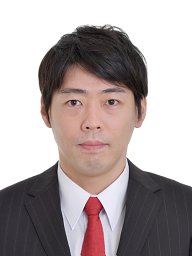 Hiroto Kitahara合作论文数3
 Nobuhiro Nishiyama合作论文数Laboratory for Chemistry and Life Science, Institute of Innovative Research, Tokyo Institute of Technology3
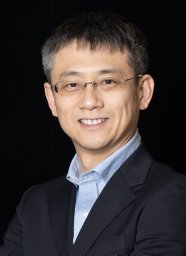 Sadahiro Taketaro合作论文数From the Department of Cardiology, Keio University School of Medicine;Japan Science and Technology CREST, Tokyo, Japan (M.I.);Center for iPS Cell Research and Application (CiRA),, Kyoto University;and Gladstone Institute of Cardiovascular Disease;Kyoto University, Keio University School of Medicine3Yasunori Cho合作论文数3
 Akihiro Yoshitake合作论文数Department of Cardiovascular surgery, International Medical Center, Saitama Medical University3Moro K合作论文数3
 Satoshi Ogawa (Satoshi小川)合作论文数Cardiology Division, Department of Medicine, Keio University School of Medicine, Tokyo, Japan3
 Masaki Ieda合作论文数Department of Cardiology, Faculty of Medicine, University of Tsukuba3Taro Uyama合作论文数3Hironori Asada合作论文数3Yukinori Ikegami合作论文数3




