Spin defects in diamond are promising platforms for quantum sensing. The longest electron spin relaxation times (T_1) at room temperature for solid-state defects are observed in nitrogen vacancy centers in diamond, which can reach 6.67 ms, and substitutional nitrogen ("P1 centers") in diamond, which exhibit a T_1 of 2 ms. No other solid-state defect has exhibited millisecond-scale spin relaxation times at room temperature thus far. Here, we characterize the spin properties of the WAR5 defect in diamond with pulsed electron spin resonance. The observed T_1 is one of the longest for solid-state spin defects: 0.97(27) ms at room temperature and 14.38(19) min at 4 K. The observed coherence time (T_2) is 246(7) μs, which can be extended to 6.49(34) ms at 4 K with dynamical decoupling. Furthermore, we demonstrate optical spin polarization with a range of wavelengths from 405 nm to 500 nm and propose potential zero-phonon line candidates.
Utilizing tantalum (Ta) in superconducting circuits has led to significant improvements, such as high qubit lifetime (T1) and quality factors in both qubits and resonators, suggesting that material optimization plays an important role in the development of superconducting circuits. Thus we here explore superconducting gap engineering in Ta-based devices as a powerful strategy for expanding the range of suitable host materials. By alloying 20 atomic percent (at.%) hafnium into Ta thin films, we achieve a superconducting transition temperature (Tc) of 6.09 K as observed in direct current (DC) transport measurements, reflecting an increase in the superconducting gap. We systematically vary deposition conditions to control film orientation and transport properties of Ta-Hf alloy thin films. We then confirm the enhancement in Tc via microwave measurements at millikelvin temperatures. We verify the [Formula: see text]40[Formula: see text] increase in Tc relative to bare Ta devices, while the loss contributions from two-level systems and quasi-particles remain unchanged in the low temperature regime. These findings emphasize the promise of material engineering in superconducting circuits and point to many potential material candidates for further exploration.
Electrons bound to the surface of superfluid helium have been proposed as a scalable platform for charge- and spin-based quantum computing. Cavity quantum electrodynamics provides a promising method to implement quantum measurement and control of superfluid helium-bound electrons. In this approach, a cavity amplifies the strength of the interaction between the electron and a single photon for coherent exchange of quantum information and qubit readout. This strong coupling regime has been used for quantum measurement in different platforms such as superconducting qubits, atoms and semiconductor quantum dots. Here we demonstrate strong coupling between a microwave photon and the quantized motional state of a single electron on helium using a device comprising a quantum dot and superconducting resonator. Access to this regime provides a basis for developing single-electron spin qubit readout protocols using spin-orbit hybridization techniques that have already been demonstrated in semiconductor quantum dots.
Electrons trapped on the surface of cryogenic substrates (liquid helium, solid neon or hydrogen) are an emerging platform for quantum information processing made attractive by the inherent purity of the electron environment, the scalability of trapping devices and the predicted long lifetime of electron spin states. Here we demonstrate the spatial control and detection of single electrons above the surface of liquid helium at temperatures above 1 K. A superconducting coplanar waveguide resonator is used to read out the charge state of an electron trap defined by gate electrodes beneath the helium surface. Dispersive frequency shifts are observed as the trap is loaded with electrons, from several tens down to single electrons. These frequency shifts are in good agreement with our theoretical model that treats each electron as a classical oscillator coupled to the cavity field. This sensitive charge readout scheme can aid efforts to develop large-scale quantum processors that require the high cooling powers available in cryostats operating above 1 K.
The in-plane motion of an electron on helium can couple to superconducting microwave resonators via electrical dipole coupling, offering a robust and rapid readout scheme. In previous efforts, microwave resonator designs for electrons on helium have lacked the coupling strength to reach the strong coupling regime, where coherent quantum effects outlast both electron and resonator decoherence rates. High-impedance superconducting microwave resonators offer a path to strong coupling, but integrating such resonators with electrons on helium remains an outstanding challenge. Here, we introduce a high-impedance resonator design compatible with strong coupling to electrons on helium. We fabricate and measure titanium nitride resonators with median internal quality factors of 3.9 x 10⁵ and average impedance of 2.5 kQ, promising a sevenfold increase in coupling strength compared with standard 50-Q resonators. In addition, we develop a simplified resonator model from the capacitance matrix and sheet inductance that accurately predicts the mode frequencies, significantly simplifying the design process of future resonators for investigating quantum effects with electrons on helium.
Utilizing tantalum (Ta) in superconducting circuits has led to significant improvements, such as high qubit lifetimes and quality factors in both qubits and resonators, underscoring the importance of material optimization in quantum device performance. In this work, we explore superconducting gap engineering in Ta-based devices as a strategy to expand the range of viable host materials. By alloying 20 atomic percent hafnium (Hf) into Ta thin films, we achieve a superconducting transition temperature (T_c) of 6.09 K, as measured by DC transport, reflecting an increased superconducting gap. We systematically vary deposition conditions to control film orientation and transport properties of the Ta-Hf alloy films. The enhancement in T_c is further confirmed by microwave measurements at millikelvin temperatures. Despite the 40% increase in T_c relative to pure Ta, the loss contributions from two-level systems (TLS) and quasiparticles (QPs) remain unchanged in the low-temperature regime. These findings highlight the potential of material engineering to improve superconducting circuit performance and motivate further exploration of engineered alloys for quantum technologies.
We report on low-frequency measurements of few electrons floating on superfluid helium using a bespoke cryogenic cascode amplifier circuit built with off-the-shelf GaAs high-electron-mobility transistors (HEMTs). We integrate this circuit with a charge-coupled device (CCD) to transport the electrons on helium and characterize its performance. We show that this circuit has a signal-to-noise ratio (SNR) of 2 e/√(Hz) at 102 kHz, an order of magnitude improvement from previous implementations, and provides a compelling alternative to few electron sensing with high-frequency resonators.
While there is much indirect evidence for the existence of dark matter (DM), to date it has evaded detection. Current efforts focus on DM masses over similar to GeV-to push the sensitivity of DM searches to lower masses, new DM targets and detection schemes are needed. In this work, we focus on the latter-a novel detection scheme recently proposed to detect 10-100 meV phonons in polar target materials. Previous work showed that well-motivated models of DM can interact with polar semiconductors to produce an athermal population of phonons. This new sensing scheme proposes that these phonons then facilitate quantum evaporation of 3 He from a van der Waals film deposited on the target material. However, a fundamental understanding of the underlying process is still unclear, with several uncertainties related to the precise rate of evaporation and how it can be controlled. In this work, we use ab initio density functional theory calculations to compare the adsorption energies of helium atoms on a polar target material, sodium iodide, to understand the underlying evaporation physics. We explore the role of surface termination, monolayer coverage, and elemental species on the rate of He evaporation from the target material. Using this, we discuss the optimal target features for He-evaporation experiments and their range of tunability through chemical and physical modifications such as applied field and surface termination.
We describe a helium source cell for use in cryogenic experiments that is hermetically sealed in situ on the cold plate of a cryostat. The source cell is filled with helium gas at room temperature and, subsequently, sealed using a cold weld crimping tool before the cryostat is closed and cooled down. At low temperatures, the helium condenses and collects in a connected experimental volume, as monitored via the frequency response of a planar superconducting resonator device sensitive to small amounts of liquid helium. This on-cryostat helium source negates the use of a filling tube between the cryogenic volumes and room temperature, thereby preventing unwanted effects such as temperature instabilities that arise from the thermomechanical motion of helium within the system. This helium source can be used in experiments investigating the properties of quantum fluids or to better thermalize quantum devices.
Dark matter is five times more abundant than ordinary visible matter in our Universe. While laboratory searches hunting for dark matter have traditionally focused on the electroweak scale, theories of low mass hidden sectors motivate new detection techniques. Extending these searches to lower mass ranges, well below 1 GeV/c$^2$, poses new challenges as rare interactions with standard model matter transfer progressively less energy to electrons and nuclei in detectors. Here, we propose an approach based on phonon-assisted quantum evaporation combined with quantum sensors for detection of desorption events via tracking of spin coherence. The intent of our proposed dark matter sensors is to extend the parameter space to energy transfers in rare interactions to as low as a few meV for detection of dark matter particles in the keV/c$^2$ mass range.
Superconducting qubits are a leading system for realizing large scale quantum processors, but overall gate fidelities suffer from coherence times limited by microwave dielectric loss. Recently discovered tantalum-based qubits exhibit record lifetimes exceeding 0.3 ms. Here we perform systematic, detailed measurements of superconducting tantalum resonators in order to disentangle sources of loss that limit state-of-the-art tantalum devices. By studying the dependence of loss on temperature, microwave photon number, and device geometry, we quantify materials-related losses and observe that the losses are dominated by several types of saturable two level systems (TLSs), with evidence that both surface and bulk related TLSs contribute to loss. Moreover, we show that surface TLSs can be altered with chemical processing. With four different surface conditions, we quantitatively extract the linear absorption associated with different surface TLS sources. Finally, we quantify the impact of the chemical processing at single photon powers, the relevant conditions for qubit device performance. In this regime we measure resonators with internal quality factors ranging from 5 to 15 x 10^6, comparable to the best qubits reported. In these devices the surface and bulk TLS contributions to loss are comparable, showing that systematic improvements in materials on both fronts will be necessary to improve qubit coherence further.
Liquid He-4 is free from magnetic defects, making it an ideal substrate for electrons with long-lived spin states. Such states can serve as qubit states. Here we consider the spin states of electrons electrostatically localized in quantum dots on a helium surface. Efficient gate operations in this system require spin-orbit coupling. It can be created by a nonuniform magnetic field from a current-carrying wire, can be turned on and off, and allows one to obtain large electro-dipole moment and comparatively fast coupling of spins in neighboring dots. Of central importance is to understand the spin decay due to the spin-orbit coupling. We establish the leading mechanism of such decay and show that the decay is sufficiently slow to enable high-fidelity single- and two-qubit gate operations
Over the past decades, superconducting qubits have emerged as one of the leading hardware platforms for realizing a quantum processor. Consequently, researchers have made significant effort to understand the loss channels that limit the coherence times of superconducting qubits. A major source of loss has been attributed to two level systems that are present at the material interfaces. It is recently shown that replacing the metal in the capacitor of a transmon with tantalum yields record relaxation and coherence times for superconducting qubits, motivating a detailed study of the tantalum surface. In this work, the chemical profile of the surface of tantalum films grown on c-plane sapphire using variable energy X-ray photoelectron spectroscopy (VEXPS) is studied. The different oxidation states of tantalum that are present in the native oxide resulting from exposure to air are identified, and their distribution through the depth of the film is measured. Furthermore, it is shown how the volume and depth distribution of these tantalum oxidation states can be altered by various chemical treatments. Correlating these measurements with detailed measurements of quantum devices may elucidate the underlying microscopic sources of loss.
Recent experiments on the coupling of the in-plane motional state of electrons floating on the surface of liquid helium to a microwave resonator have revealed the importance of helium surface fluctuations to the coherence of this motion. Here we investigate these surface fluctuations by studying the resonance properties of a superconducting coplanar waveguide (CPW) resonator filled with superfluid helium, where a significant fraction of the resonator's electromagnetic mode volume is coupled to the surface dynamics of the liquid. We present preliminary results on real-time CPW resonator frequency shifts driven by helium fluctuations, which are quantified via their power spectral density and compared with measurements using a commercial accelerometer. We find that a considerable contribution to the CPW resonator noise originates from the mechanical vibrations of the helium surface generated by the pulse tube (PT) cryocooler on the cryostat on which the experiments were performed.
We have measured two-dimensional electron systems bound to a thin helium film supported by a metallic substrate. We report on our measurement of electron density obtained via a Kelvin probe technique. The underlying metallic substrate is an amorphous metallic alloy (TaWSi), which can support large uniform densities due to its low surface roughness and homogeneous work function. We find that this substrate is able to support high enough densities that the electrons are expected to be Fermi-degenerate.
ABSTRACT Proper embryonic and postnatal skeletal development require coordination of myriad complex molecular mechanisms. Disruption of these processes, through genetic mutation, contributes to variation in skeletal development. We developed a high-throughput N-ethyl-N-nitrosourea (ENU)-induced saturation mutagenesis skeletal screening approach in mice to identify genes required for proper skeletal development. Here, we report initial results from live-animal X-ray and dual-energy X-ray absorptiometry (DXA) imaging of 27,607 G3 mice from 806 pedigrees, testing the effects of 32,198 coding/splicing mutations in 13,020 genes. A total of 39.7% of all autosomal genes were severely damaged or destroyed by mutations tested twice or more in the homozygous state. Results from our study demonstrate the feasibility of in vivo mutagenesis to identify mouse models of skeletal disease. Furthermore, our study demonstrates how ENU mutagenesis provides opportunities to create and characterize putative hypomorphic mutations in developmentally essential genes. Finally, we present a viable mouse model and case report of recessive skeletal disease caused by mutations in FAM20B. Results from this study, including engineered mouse models, are made publicly available via the online Mutagenetix database. © 2021 American Society for Bone and Mineral Research (ASBMR).
Significance The vast majority of autoimmune diseases are polygenic, and causal loci uncovered by genetic-mapping studies explain only a minority of the heritable contribution to trait variation. Multiple explanations for this missing heritability include rare meaningful variants, rare copy number variations or deletions, epistasis, epigenetics, disease heterogeneity, and rare or infrequent variants that segregate within individual families (even within monozygotic twins). Here we demonstrate that experimental models of spontaneous autoimmune diseases may be invaluable tools to map rare germline variants impacting disease susceptibility traits. We identified a variant of the dual-specificity phosphatase 10 encoding gene that accelerates disease in an autoimmune type 1 diabetes model, the nonobese diabetic mouse.
Here we report the isolation by selective breeding of two sublines of Non-Obese Diabetic (NOD) mice exhibiting a significant difference in the incidence of autoimmune type 1 diabetes (T1D). Whole genome sequencing of the NOD/Nck H (high T1D incidence) and NOD/Nck L (low T1D incidence) revealed the presence of a limited number of variants specific to each subline. Treating the age of T1D onset as a quantitative trait and using automated meiotic mapping (AMM), enhanced susceptibility in the NOD/Nck H subline was unambiguously attributed to a recessive allele of Dusp10 which encodes a dual specificity phosphatase. The causative effect of the mutation was verified with a high level of confidence by targeting Dusp10 with CRISPR/Cas9 in NOD/Nck L mice: in these animals a higher incidence of diabetes was observed. Expression of wild-type Dusp10 correlated with higher levels of surface PD-L1 in the islets of NOD/Nck L mice.
Significance We developed software called Candidate Explorer (CE) that uses a machine-learning algorithm to identify chemically induced mutations that are causative of screened phenotypes. CE determines the probability that a mutation will be verified as causative for a phenotype if the gene is independently targeted for knockout or recreation of the mutation. CE uses 67 parameters from the mapping data—including gene, mutation, genotype, allelism, and phenotype information—to determine the CE Score and verification probability. We used CE to evaluate ∼87,000 mutation/phenotype associations identified by flow cytometry screening of circulating immune cells from mutagenized mice: 1,279 genes representing 2,336 mutations were rated good or excellent candidates for causation of phenotypes. Many of these genes were not previously implicated in immunity.
 Alexei M. Tyryshkin合作论文数Department of Electrical Engineering;Princeton University130
 Thomas Schenkel合作论文数Department of Nuclear Engineering, University of California, Berkeley39
 John Morton合作论文数London Centre for Nanotechnology, University College London37
 Mansour Shayegan合作论文数Department of Electrical and Computer Engineering, School of Engineering and Applied Science, Princeton University24
 Jeffrey Bokor合作论文数Department of Electrical Engineering and Computer Sciences, College of Engineering, University of California, Berkeley;Materials Science Division, Lawrence Berkeley National Laboratory24
 Daniel Wasserman合作论文数Department of Electrical and Computer Engineering, Cockrell School of Engineering, University of Texas at Austin23
 Arzhang Ardavan合作论文数Clarendon Laboratory, Department of Physics, University of Oxford;Magdalen College, University of Oxford20
 Shubhendra Parihar合作论文数19
 Shyam Shankar合作论文数Chandra Department of Electrical and Computer Engineering, Cockrell School of Engineering, The University of Texas at Austin18
 Mike L. W. Thewalt合作论文数Department of Physics,Simon Fraser University18
 e a shaner合作论文数17
 C. C. Lo合作论文数17
 Kohei M. Itoh (伊藤公平)合作论文数Department of Applied Physics and Physico-Informatics, Faculty of Science and Technology, Keio University15Helge Riemann合作论文数15A. J. Sigillito合作论文数14
 Kyriakos Porfyrakis合作论文数Department of Materials;Oxford University;Department of Materials, Oxford University14Brendon Rose合作论文数Corresponding author at: Princeton University, B418 Equad Olden St., Princeton, NJ 08540, United States.13
 Joel W. Ager合作论文数Materials Sciences Division, Lawrence Berkeley National Laboratory13
 Forrest Bradbury合作论文数Department of Electrical Engineering, Princeton University13
 Andrew Briggs合作论文数Department of Materials, University of Oxford13
 Hans Malissa合作论文数Department of Physics and Astronomy, University of Utah12
 Peter Becker合作论文数Physikalisch-Technische Bundesanstalt12
 T. Mcgill合作论文数12Hans-Joachim Pohl合作论文数11
 R. George合作论文数CCFE Culham Sci Ctr11
 Nathalie de Leon合作论文数Department of Electrical and Computer Engineering, Princeton University;Department of Physics, Princeton University;Princeton Plasma Physics Laboratory, Princeton University11J. He合作论文数11
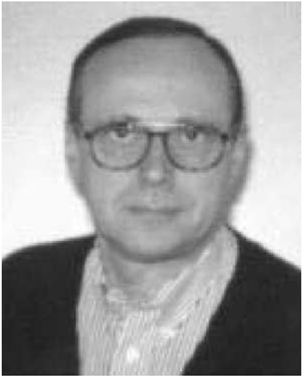 Wolfgang Jantsch合作论文数11
 Friedrich Schäffler合作论文数Semiconductor Physics Division, Institute of Semiconductor and Solid State Physics, Johannes Kepler University Linz11
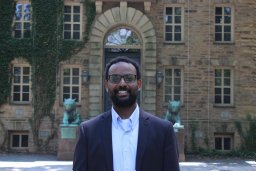 Abraham Asfaw合作论文数T. J. Watson Research Center, IBM10
 Bruce Beutler (布鲁斯·比尤特勒)合作论文数Center for the Genetics of Host Defense, The University of Texas Southwestern Medical Center10
 R. M. Jock合作论文数Sandia Natl Labs9Wolfowicz Gary合作论文数London Centre for Nanotechnology, University College London9Eva Marie Y. Moresco合作论文数9Nikolai V. Abrosimov合作论文数8guillaume sabouret合作论文数8Maika Takita合作论文数8
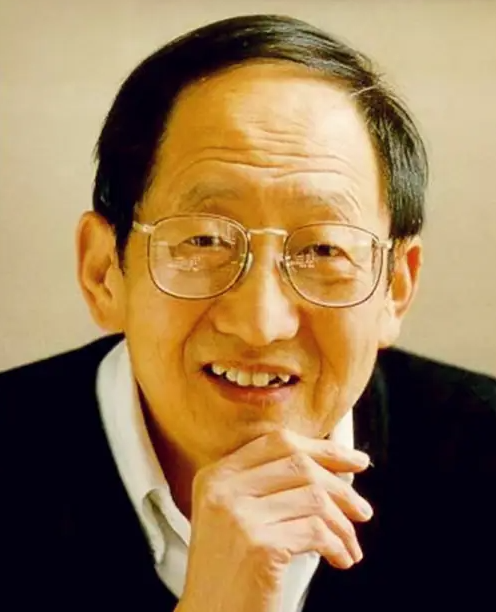 Daniel C. Tsui (崔琦)合作论文数Peking University8shinichi tojo合作论文数7
 Arun Persaud合作论文数E.O. Lawrence Berkeley National Laboratory7
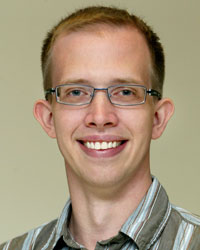 Andrew Houck合作论文数Department of Electrical and Computer Engineering, School of Engineering and Applied Science, Princeton University;Center for Quantum Advantage, Brookhaven National Laboratory7M. Mühlberger合作论文数6e s petersen合作论文数6D. L. Smith合作论文数6Jf Ryan合作论文数6Xiaohong Li合作论文数Univ Texas Southwestern Med Ctr Dallas, Ctr Genet Host Def, Dallas, TX 75390 USA6Miao Tang合作论文数6Kevin Eng合作论文数6Christopher Weis合作论文数6




