BACKGROUND: In medical school and residency, clinical experiences influence trainee's decisions on what medical specialty they choose. Most trainees have limited access to opportunities to engage in the field of reproductive endocrinology and infertility (REI). Due to the COVID-19 pandemic and the shutdown of away electives, exposure to REI was especially limited. This study aims to evaluate the effectiveness of a live Q and A webinar on improving trainees' access to mentorship and knowledge of the path to becoming a reproductive endocrinology and infertility (REI) physician. MATERIALS AND METHODS: This study is a prospective paired cohort study. Medical students and OBGYN residents participated in a global Q and A webinar featuring REI physicians and fellows. 70 pre- and post-webinar surveys were included in the analysis. Paired nonparametric tests (Wilcoxon signed-rank test) were performed to assess whether post-webinar knowledge was significantly different from pre-webinar knowledge. RESULTS: Of the 268 registrants, 162 (60%) attended the live webinar. A majority of the respondents who completed both surveys were female (90%) and allopathic medical students (80%). Seventy-seven percent reported receiving only minimal advice about an REI career from their medical school or residency program, while 22% reported receiving some advice, and 1% extensive advice. Thirty-four percent had previously shadowed an REI physician and 23% had rotated in an REI office. Post-webinar significantly more trainees had a better understanding of the REI field, the path required to become an REI physician, opportunities to find mentors in the field, opportunities that are conducive to learning more about REI, and applying for rotations in the REI field (p = <.00001). Eighty-two percent agreed that their interest in REI increased due to this webinar. CONCLUSIONS: A webinar featuring REI physicians and fellows was effective in providing mentorship and career advisement for prospective REI trainees who otherwise expressed having limited access to the field.
Advanced maternal age (AMA) is associated with a decline in both ovarian reserve and oocyte competence. Yet, the proportion of individuals delaying childbearing until the 3rd-early 4th decade of life has greatly increased. In AMA patients, an infertility work-up is recommended after 6 months of regular unprotected intercourse. We looked to compare quantitative hormone data and cycle trends among AMA and non-AMA patients to inform patient management.
Telehealth maximizes access to care and improves efficiency and satisfaction for both patients and providers. With the emergence and persistence of severe acute respiratory syndrome coronavirus 2, telehealth has been critical to patient safety. Virtual visits do not pose infectious risks for patients or providers. However, beyond the advantages of less crowded waiting rooms, multiple factors make telehealth likely to be the preferred approach for consultations once (if?) the pandemic ends.
Embryo selection after PGT-A is typically limited to morphological grading. This study investigates the rate at which patients elect to obtain additional information from polygenic risk scoring for embryo selection.
We aim to develop a two-step egg freezing counseling tool that provides personalized expected live birth (LB) rates before oocyte retrieval (Pre-OR) and adjusts the expectations after oocyte retrieval (Post-OR), when the oocyte yield is known. We applied machine learning (ML) to a retrospective IVF-LB outcomes data set. Due to limited LB outcomes from egg freezing itself, this large, diverse IVF patient population served as proxy for women considering egg-freezing to preserve fertility potential. We applied the boosted tree method and cross-validation to train and test Pre- and Post-OR models in predicting LB outcomes. The dataset comprises linked IVF-ET data from 1,166 IVF cycles started at our center in 2015 for women under 42. Both Pre- and Post-OR models use clinical predictors such as age, BMI, AMH, day 3 FSH, any clinical infertility diagnosis, reproductive history, and semen analysis, but only the Post-OR model uses the oocyte yield. Models with optimal discrimination (AUC) and prediction accuracy relative to an age-control model were selected. This approach does not rely on assumptions about per-oocyte live birth rates or per-embryo aneuploidy rates. However, it does assume 1) clinical predictors have the same relative impact on LB rates in IVF patients and women without infertility diagnosis and 2) the freeze-thaw survival rates of oocytes and blastocysts are similar. Model Evaluation: The AUC for the Pre-OR, Post-OR and age-control models were 67%, 73%, and 57%, respectively. Compared to age-control, AUC improved by 17% (Pre-OR) and 28% (Post-OR). Prediction accuracy, measured by the posterior log of odds ratio compared to age-control (i.e. "how many times more accurate compared to age-control") is improved by 25-folds (Pre-OR) and 67-folds (Post-OR) using natural log scale. Based on the Pre-OR model, 84% of our IVF patients have a personalized LB rate over 32% from transfer(s) of embryo(s) generated from one IVF-COH cycle. Relevance for Egg Freezing Counseling - Example 1: Based on the Pre-OR model, a 30 year old woman (BMI 26, AMH 3.5 ng/mL, no infertility) has 69-70% (95% CI) LBR per egg-freezing cycle (per cycle here on) which would be adjusted if oocyte yield is less than expected. For example, if her oocyte yield were 5-9 oocytes (less than the expected 10-15), her expected LBR per cycle would decrease to 48-53% (95% CI). Example 2: Based on the Pre-OR model, a 36 year old woman (BMI 28, AMH 2.5 ng/mL, no infertility) has 52-53% (95% CI) LBR per cycle. However, if her oocyte yield were > 15 oocytes (higher than expected), her expected LBR per cycle would increase to 60% (95% CI). We have developed a two-step egg freezing counseling tool that sets expectations about LB outcomes before and after knowing the actual oocyte yield while personalizing LB expectations to each woman's reproductive health profile and maximizing transparency with ML-based models validated against our center's IVF outcomes. User experience testing is required to optimize how to best convey LB expectations provided by the models.
Philosophers, scientists, policymakers, and the public have questioned about who ascends to power and how power affects the person. This chapter reviews and discusses social–cognitive literature from the last decade or so that examines how dispositions and contextual factors affect the emergence of power and how having power affects the links between dispositions and behavior. Following a process-based perspective that contemplates the cognitive strategies of people in power, a model is proposed of power as a magnifier of the active self—that is, the subset of self-knowledge that is active on a moment-to-moment basis. The active self channels attention and action in line with priorities and plays a key role in action facilitation and goal-directed behavior. The active self is responsive to chronic dispositions, emotions, and current states of the person and to inputs from the environment in a flexible manner. Extant research is integrated based on this model.
BACKGROUND:Current professional society guidelines recommend genetic carrier screening be offered on the basis of ethnicity, or when using expanded carrier screening panels, they recommend to compute residual risk based on ethnicity. We investigated the reliability of self-reported ethnicity in 9138 subjects referred to carrier screening. Self-reported ethnicity gathered from test requisition forms and during post-test genetic counseling, and genetic ancestry predicted by a statistical model, were compared for concordance.RESULTS:We identified several discrepancies between the two sources of self-reported ethnicity and genetic ancestry. Only 30.3% of individuals who indicated Mediterranean ancestry during consultation self-reported this on requisition forms. Additionally, the proportion of individuals who reported Southeast Asian but were estimated to have a different genetic ancestry was found to depend on the source of self-report. Finally, individuals who reported Latin American demonstrated a high degree of ancestral admixture. As a result, carrier rates and residual risks provided for patient decision-making are impacted if using self-reported ethnicity.CONCLUSION:Our analysis highlights the unreliability of ethnicity classification based on patient self-reports. We recommend the routine use of pan-ethnic carrier screening panels in reproductive medicine. Furthermore, the use of an ancestry model would allow better estimation of carrier rates and residual risks.
Background: Hysteroscopic morcellation removes uterine pathology under direct visualization with continuous real-time tissue fragment removal. Objective: The aim of this study was to explore the feasibility of hysteroscopic morcellation across a diverse set of facilities, including both surgical and office-based settings. Design: This was a prospective, single-arm, multicenter registry development (Canadian Task Force classification II-3). Materials and Methods: Thirty-four U.S. obstetrics and gynecology facilities enrolled subjects into the registry. Inclusion criteria were women ages 18-65 with indications for hysteroscopic myomectomy and/or polypectomy who were treated with the MyoSure (R) Hysteroscopic Tissue Removal System (Hologic Inc., Marlborough, MA). Intrauterine lesion type/size and removal parameters, adverse events (AEs), and physician satisfaction ratings were recorded. Results: A total of 559 pathologies (187 fibroids; 372 polyps) were removed from 278 registered subjects (mean age: 43.9 +/- 9.0 years), with 250 procedures (89.9%) performed in an ambulatory surgery center or hospital outpatient setting and 28 (10.1%) in a gynecologic office setting. Most patients (n = 206, 74.1%) were treated for abnormal uterine bleeding, and 42 (15.1%) were treated for infertility. Mean fibroid diameter was 2.2 +/- 1.2 cm. Mean polyp diameter was 1.3 +/- 1.0 cm. Overall mean percentage of pathology removed was 95.4% (polyps 99.3%, fibroids 86.8%). Five AEs included four incidents of blunt cervical trauma and a single postoperative case of pedal edema; all were considered mild and resolved spontaneously. Postprocedure surveys indicated that 95% of reporting physicians were "satisfied'' or "highly satisfied'' with device performance. Conclusions: Hysteroscopic morcellation of intrauterine pathology was accomplished safely with a high degree of physician satisfaction in 278 patients treated in diverse healthcare settings that are reflective of general community practice in the United States.
Expanded carrier screening (ECS) is routinely offered to patients seeking fertility treatment. ECS provides an abundance of information for patients, which may inform reproductive decisions. However this volume of information may be perceived as causing anxiety, particularly for individuals identified as carriers. Our aim was to assess the effect of ECS results on patients identified as carriers compared to non-carriers. Patients who underwent ECS were sent a survey 3 weeks after results were reported. Post-test genetic counseling (GC) was offered to all patients. Consenting participants were asked to report 1) with whom they discussed their results and 2) how often they felt a number of emotions post-test. Responses were compared between carriers and non-carriers. 420 patients completed the survey and were eligible for analysis. 178 were identified as carriers (42%). Post-test GC was received by 158 (89%) of carriers. When asked to report with whom they discussed results, carriers were significantly more likely to have discussed results with family members (p = 0.0003). Among both carriers and non-carriers, most participants reported not discussing their results with a primary care provider/other medical professional. When reporting on emotions felt post-test, carriers felt anxious, nervous, and a loss of control significantly more often than non-carriers (p=5.689e-05; Fisher p= 0.0005). While the difference here was significant, the overall frequency of feeling said emotions was low; the large majority of both carriers and non-carriers felt this way rarely/never. It is expected that carriers may feel anxiety regarding their results. However, even among carriers, the majority reported feeling these emotions rarely/never. This may be due to post-test GC. The benefit of ECS paired with GC extended to participants' families, as carriers reported discussing results with their family members. Participants reported not discussing their results with other medical professionals. The clinical impact of this is important; despite discussing their results with a genetics professional, carriers may feel anxiety regarding how their carrier status affects other areas of their health. These emotions could be mitigated by the sharing of results with other healthcare providers. Future studies around facilitation of such discussions and the impact of post-test genetic counseling will be important, as will implementation of pre-test counseling for patients undergoing screening.
Experimental ooplasmic transplantation from donor to recipient oocyte took place between 1996 and 2001 at Saint Barnabas Medical Center, USA. Indication for 33 patients was repeated implantation failure. Thirteen couples had 17 babies. One patient delivered twins from mixed ooplasmic and donor egg embryos. A limited survey-based follow-up study on the children is reported: 12 out of 13 parents completed a questionnaire on pregnancy, birth, health, academic performance and disclosure. Parents of a quadruplet did not participate. Prenatal development and delivery were uneventful. School grades ranged from good to excellent. Children were of good health. Body mass index (BMI) was normal in 12 out of 13 children. One child had chronic migraine headaches, two mild asthma, three minor vision and three minor skin problems. One boy from a boy/girl twin was diagnosed with borderline pervasive developmental disorder – not otherwise specified at age 18 months, but with no later symptoms. One couple disclosed the use of egg donor to their child. One reported intention to disclose; six were undecided and four reported they would not disclose. This limited follow-up strategy presents a high risk of bias. Parents may not assent to standardized clinical analysis owing to lack of disclosure to their children.
Background: Ultrasonography is a preferred tool to measure length or thickness of a muscle or tendon in clinical practice or research. It is difficult, however, to obtain a wide view of a structure because of the limitation of the width of the ultrasound transducer. Currently, the panoramic imaging technique, through blending multiple images together to form a wide image, allows a direct measure along the whole muscle. The reliability of such a panoramic measurement of muscle length must be determined before it is clinically and scientifically useful.
On the basis of Shagang Group's 5000 mm heavy plate mills, conventional rolling processes with different broadside rolling ratios were simulated by the three-dimensional rigid plastic thermomechanical finite element (FE) model developed in the author's previous work. By analysing the simulation results, it was found that the final plate plan view patterns after hot rolling processes were bound closely to the broadside rolling ratio and the finishing rolling ratio. Then, predictive models for plate end edge shapes and side edge shapes were formulated by nonlinear regressive analysis of the simulation results and modified by the lengths of the uneven shapes for higher accuracy. The validity of the prediction models was confirmed by comparing the predicted concavity and convexity lengths with those measured from industrial tests. The predicted plate edge shapes were in good agreement with those of the FE simulation. On the basis of the plate plan view pattern prediction models, methods to improve the plate plan view pattern are discussed.
The rural communities in Sarawak which consist of approximately 22% of the state's population are still relying on expensive and noisy diesel generator sets for a couple of hours every night simply because they are located in remote areas where people have limited access to electrical grid. If electricity is generated by means of potential Renewable Energy (RE) resources which are incorporated with smart microgrid for rural Sarawakians, there are many advantages that could be insightful for the society and the environment. In this paper, the availability of RE resources in Sarawak and their potentials to supply power to rural areas in Sarawak is first discussed. A smart microgrid concept for rural electrification in the state is also discussed to provide an overview on its characteristics and challenges.
PURPOSE Evaluate and compare the cycle-to-cycle consistency of breathing patterns and their reproducibility over the course of treatment, for supine and prone positioning. METHODS Respiratory traces from 25 patients were recorded for sequential supine/prone 4DCT scans acquired prior to treatment, and during the course of the treatment (weekly or bi-weekly). For each breathing cycle, the average(AVE), end-of-exhale(EoE) and end-of-inhale(EoI) locations were identified using in-house developed software. In addition, the mean values and variations for the above quantities were computed for each breathing trace. F-tests were used to compare the cycle-to-cycle consistency of all pairs of sequential supine and prone scans. Analysis of variances was also performed using population means for AVE, EoE and EoI to quantify differences between the reproducibility of prone and supine respiration traces over the treatment course. RESULTS Consistency: Cycle-to-cycle variations are less in prone than supine in the pre-treatment and during-treatment scans for AVE, EoE and EoI points, for the majority of patients (differences significant at p<0.05). The few cases where the respiratory pattern had more variability in prone appeared to be random events. Reproducibility: The reproducibility of breathing patterns (supine and prone) improved as treatment progressed, perhaps due to patients becoming more comfortable with the procedure. However, variability in supine position continued to remain significantly larger than in prone (p<0.05), as indicated by the variance analysis of population means for the pretreatment and subsequent during-treatment scans. CONCLUSIONS Prone positioning stabilizes breathing patterns in most subjects investigated in this study. Importantly, a parallel analysis of the same group of patients revealed a tendency towards increasing motion amplitude of tumor targets in prone position regardless of their size or location; thus, the choice for body positioning during radiation therapy will have to consider the clinical relevance of the two opposing trends - breathing consistency and motion amplitude.
A 23-year-old woman who had experienced repeated stillbirths, was found to carry an additional segment on the long arm of the X chromosome. Array comparative genomic hybridization (aCGH) confirmed the origin of the 2 duplications (about 17.11 Mb). Thus, her karyotype was 46, X, dup (X) (q13.2-q21.1), dup(X) (q21.32-q22.1). We demonstrate that aCGH is a useful complementary tool to cytogenetic analysis for accurately determining banding. To our knowledge, this is the first case with normal apparently phenotype who inherited 2 duplications on Xq. Notably, after 2 stillbirths, she bore a healthy, normal female infant via natural pregnancy. Thus, a carrier of this karyotype can birth a phenotypically normal child.
 y l fan合作论文数8
 Zuimin Jiang (蒋最敏)合作论文数Department of Physics, Fudan University;State Key Laboratory of Surface Physics, Fudan University8
 Santiago Munne合作论文数Progenesis;Overture Life;MedAnswers8
 Run xu合作论文数6David B. Sable合作论文数Saint Barnabas Institute for Reproductive Medicine and Science6
 An-Chung Su合作论文数6
 Chuan Su (苏川)合作论文数School of Basic Medical Sciences, Nanjing Medical University4ZeBo Fang (方泽波)合作论文数4
 Feng Gao (高峰)合作论文数School of Medicine, Jinan University4
 Xinju Yang (杨新菊)合作论文数Department of Physics, Fudan University4Margaret G Garrisi合作论文数4R. Hilker合作论文数4J. Roggendorf合作论文数4Y. Q. Wu合作论文数3h c su合作论文数3H Wu合作论文数3G Wu合作论文数3Jacques Cohen合作论文数3van de Loo S合作论文数3English Tammy合作论文数Department of Psychology, Washington University in St. Louis.3Pavlicek Jeffrey W合作论文数School of Life Sciences, Arizona State University3Pascale Claudia合作论文数3
 Yan Zhu (朱炎)合作论文数School of Life Sciences, Fudan University3E Weiss合作论文数3Rongzu Hu (胡荣祖)合作论文数Xi′an Modern Chemistry Research Institute, Norinco Group3
 Kaiping Peng (彭凯平)合作论文数Department of Psychology, School of Social Sciences, Tsinghua University;Institute for Global Industry, Tsinghua University3
 Yanyan Zhu (朱燕艳)合作论文数College of Mathematics and Physics, Shanghai University of Electric Power3
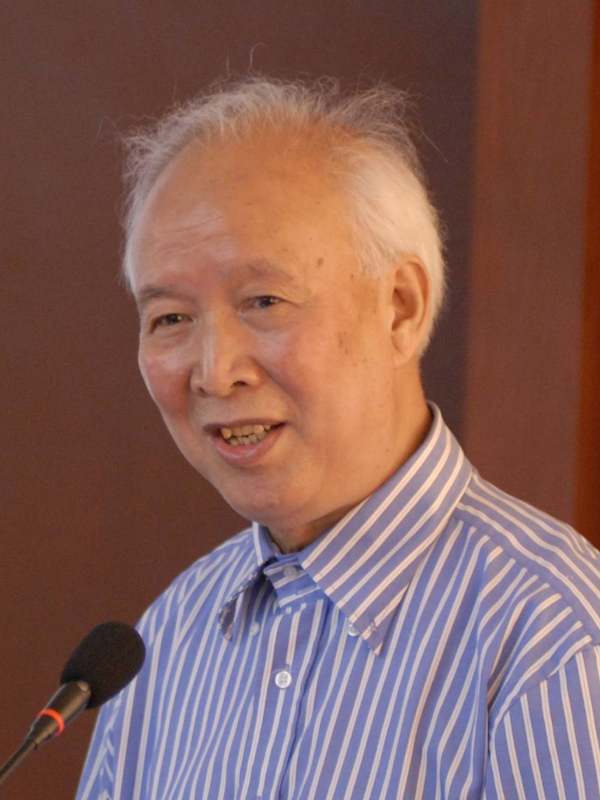 Qizhen Shi (史启祯)合作论文数School of Chemistry & Materials Science, Northwest University3Carola Seifried合作论文数3
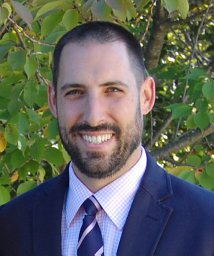 Geoffrey D Hugo合作论文数Department of Radiation Oncology, William Beaumont Hospital3
 U-Ser Jeng合作论文数National Synchrotron Radiation Research Center3
 Werner Brannath合作论文数Core Unit for Medical Statistics and Informatics, Medical University3Tomas Escudero合作论文数3N. Cekleniak合作论文数3
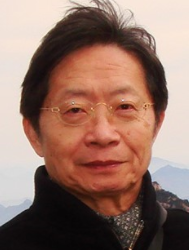 Show-An Chen (陈寿安)合作论文数Department of Chemical Engineering, National Tsing Hua University3B. Haynes合作论文数2M. Rosu合作论文数2J. C. Tsai合作论文数2F. Xue合作论文数2Sh. Gao合作论文数2L. W. Zhang合作论文数2Sarah Yarnall合作论文数2Y.H. Wen合作论文数2j j chen合作论文数2NA Margot合作论文数2Michael Miller合作论文数2R Wang合作论文数2Weihuan Chen合作论文数2Q Hu合作论文数2




