Purpose The proposal to eliminate body weight (BW) subcategories in senior rowing at the 2028 Olympic Games may impact smaller-scale competitions, particularly in the junior category, favouring heavier athletes due to the contribution of BW to rowing biomechanics. Aim: To examine whether BW subcategories can influence performance in junior rowers. Methods In this cross-sectional study, the National Rower Evaluation System data set was assessed and data from 235 rowing athletes (171 males and 64 females) in the under-seventeen and under-nineteen categories were analysed comparing anaerobic and aerobic power, strength and endurance within the BW subcategories (cut-off points for defining the subcategories: lightweight – male ≤ 72.5 kg, female ≤ 59 kg; heavyweight – male > 72.5 kg, female > 59 kg). Sprint speed (100-m/500-m) and endurance performance in competition distances (2000-m/6000-m) were evaluated using rowing ergometry. Muscle strength in bench-row (BR), bench-press (BP), squat, and deadlift was determined by one-repetition maximum (1RM). Results At 100 m, higher BW and BR strength improved performance in both sexes. Lightweight athletes were 30.5% slower than heavyweight counterparts. At 500 m, BW, BR strength, and squat strength significantly influenced time in both sexes; however, female athletes performed 9.2% slower than males. At 2000-m, only the weight subcategory and its interaction with sex were significant, favouring heavyweight male rowers. No relevant associations were found at 6000-m. Conclusions Body weight, upper-body pulling strength (bench row), and lower-body strength (squat) influence performance in short- and middle-distance events, regardless of sex. The advantage of heavier and stronger athletes does not persist over longer distances.
Aberrant anabolic activity is critical to tumor biology; however, much remains to be learned about the regulators of protein anabolism in cancer and how this regulation may affect cancer pathophysiology. MicroRNA (miRNA), a family of small nucleotide regulatory molecules, may serve as a potential source of proteostatic regulation. Here, we examined the ability of two co-transcribed miRNA species, miR15a and miR16 (jointly described as miR15a/16) to regulate protein handling and pathophysiology in non-small cell lung cancer (NSCLC). We found that miR15a/16 regulates genes in numerous metabolic and pathological pathways, including those related to protein metabolism. Transfection of cellular models of NSCLC with miR15a/16 mimetics caused reductions in both cell growth and protein synthesis rates. These findings indicate that miR15a/16 acts as regulators of protein anabolism in NSCLC, serving as novel metabolic regulators and potential clinical therapeutic targets for malignant lung cancer.
Mango, rich in gallotannins with antioxidant and anti-inflammatory properties, may enhance cognitive performance in overweight/obese individuals. However, bioavailability of mango polyphenol metabolites is reduced in this population. Probiotics may improve bioavailability by hydrolyzing parent compounds into smaller molecules. Main objective of this double-blind, randomized, controlled pilot study was to evaluate whether 8 weeks of mango and probiotic intake would enhance microbial gallotannin-metabolite levels, reduce inflammation, and improve cognitive function in overweight/obese individuals. Fifty lean participants (BMI 18-23 kg m-2) and 44 overweight/obese participants (BMI 27-35 kg m-2) aged 18-65 consumed 400 g of fresh mango with one placebo/probiotics capsule for 8 weeks. Cognitive function tests and blood collections occurred on days 1 and 54, with additional visual cognitive tests between days 43-54. Mango plus probiotics significantly reduced plasma Δ TNF-α in overweight/obese participants but had no effect in lean participants. Lean individuals showed improved cognitive performance (Trail Making Test A and Digit Span scores), while overweight/obese participants improved only in Digit Span Backward. Gallotannin-metabolites increased in lean participants regardless of treatment but increased only with probiotic intake in overweight/obese participants. Microbiota analysis identified enrichment of Lactobacillus and Lachnospiraceae in the mango-probiotics group, while Clostridium and Streptococcus decreased. Overweight/obese participants with higher systemic exposure to gallotannin-metabolites showed improved Δ IL-1β, Δ total ghrelin, and Δ PYY. Despite probiotic supplementation, low metabolite producers had increased Firmicutes and Clostridiaceae. Overall, probiotics enhanced cognitive performance in lean participants, while attenuated inflammation and improved cognitive function in overweight/obese participants, likely due to increased systemic exposure to gallotannin-metabolites.
Iron deficiency disproportionately affects young adult females and may impair cognitive performance. While supplementation has been studied, dietary interventions using iron-rich whole foods, particularly beef, remain underexplored. Beef provides highly bioavailable heme iron along with vitamin B12, zinc, choline, and creatine, nutrients implicated in neurotransmission, myelination, and cortical function. This review synthesizes evidence on beef consumption, iron status, and cognition that demonstrate improvements in attention, memory, and visuospatial processing in young adult females. We examine intervention doses, methodological differences, and limitations in current iron deficiency diagnostic thresholds. Despite mixed findings across studies, beef emerges as a feasible dietary strategy to support cognitive function in young adult females. Standardized cognitive assessments, longer interventions, and comparative analyses of alternative protein sources are needed to clarify the long-term cognitive benefits of beef. Considerations regarding red meat intake, sustainability, and evolving dietary patterns remain important. This review provides an evaluation of dietary iron from beef as a modifiable factor in cognitive performance. It also offers guidance for future research and raises concerns for balancing nutritional adequacy, health, and environmental considerations.
Background/Objectives: Obesity is linked to a higher risk of cognitive impairment. The objective of this single blind randomized trial was to evaluate the impact of dark sweet cherry (DSC) intake on cognitive function in obese adults. Methods: Participants (body mass index (BMI): 30-40 kg/m2, >18 years, without chronic diseases and/or antibiotic use) consumed 200 mL of DSC drink with 3 g of cherry powder (n = 19) or an isocaloric placebo drink (n = 21) twice daily for 30 days. Cognitive function was assessed at Day 1 (D1) and Day 30 (D30) using standardized cognitive tests and the NeuroTracker (NT) 3D training program. Blood biomarkers related to cognitive health (neurotensin, substance p, and oxytocin) and circadian rhythm (melatonin and cortisol) were assessed at D1 and D30 using a Luminex multiplex bead-based immunoassay. Results: DSC supplementation significantly improved working memory and concentration, as indicated by higher scores in the digit span forward (DSF, p = 0.006) and backward (DSB, p = 0.01) tests. However, processing speed, sustained attention, and visual spatial skills, assessed through the trail making (TMT) and digit symbol substitution (DSST) tests, as well as visual cognitive performance (VCP) evaluated by the NT program, showed no significant differences between groups. Neurotensin, associated with cognitive deficits, increased in both cherry and placebo groups but was significant only in the placebo group (p = 0.007). Similarly, melatonin increased in both groups, reaching significance only in the placebo group (p = 0.02), and it correlated positively with IFNγ, suggesting a compensatory response to inflammation. Conclusions: These findings suggest DSC supplementation may enhance specific cognitive functions in obese adults. Further clinical trials are needed to confirm these results.
The hyperactivation of mTOR is a significant contributor to the development and progression of a number of human diseases, including a majority of human cancers. Although there have been many scientific and clinical efforts to reduce the impact of mTOR hyperactivation on downstream cellular metabolism, we aimed to mitigate this hyperactivation through a novel targeted gene edit of the intrinsic mTOR inhibitor, DEP domain containing MTOR interacting protein (DEPTOR), in MCF7 human breast cancer cells. Using publicly available bioinformatics tools, we demonstrate that DEPTOR gene expression is low in breast cancers compared with healthy tissues and that DEPTOR expression predicts overall survival, recurrence-free survival, and distant metastasis-free survival in breast cancer patients. We show that a directed overexpression of DEPTOR protein leads to significant alteration of downstream mTORC1 targets and subsequently reduces overall rates of protein synthesis. In addition, treatment of DEPTOR overexpressing cells with small-molecule DEPTOR inhibitor NSC126405 leads to a reversal of this effect, indicating a direct causal mechanism between DEPTOR protein levels and mTORC1 activation.NEW & NOTEWORTHY We identify DEPTOR as a predictor of mortality in breast cancer and show that precision gene editing to restore DEPTOR expression in breast cancer slows cell growth by inhibiting mTOR activity.
The complex interplay of metabolic signaling networks is critical to the pathophysiology of lung cancer. The anabolic mTORC1 kinase and catabolic process of autophagy are key among these regulatory pathways. While their relationship has long been viewed as a matter of simple inhibition, with mTORC1 as a negative regulator of autophagy, new evidence suggests that this relationship may be more nuanced than previously described. Here, we demonstrate that an autophagy-related, ATG4B, is required for mTORC1 activity and is associated with negative clinical outcomes in non-small cell lung cancer (NSCLC). Targeting ATG4B in vitro suppresses cell proliferation, protein synthesis rates, and mTORC1 signaling in a cellular model of NSCLC. In contrast, overexpressing the ATG4B protease in healthy models of lung tissue increased mTORC1 kinase activity in healthy lung cell models, indicating that an increase in ATG4B is sufficient to drive cellular anabolic signaling. Finally, we found that ATG4B expression is high in NSCLC patient tumors, is elevated in early-stage cancer, and predicts survival in lung adenocarcinoma patients. Taken together, our results demonstrate that ATG4B is required for anabolic behavior in NSCLC, indicating that the autophagic cascade may be a required input for mTORC1 activity and cellular anabolism in lung cancer. These results have implications for the field of cancer biology more broadly, as they indicate that the far from being a simple target of mTORC1, the autophagic cascade may serve as a requisite input for anabolic signaling, casting new light on the relationship between these processes in cancer pathophysiology. [Correction added on 25 February 2026, after first online publication: 9th sentence has been revised as "Targeting ATG4B in vitro suppresses cell proliferation, protein synthesis rates, and mTORC1 signaling in a cellular model of NSCLC"].
IntroductionThe purpose of this study was to examine the influence of nutritional intake on visual perceptual-cognitive performance (VCP) in young healthy adults. MethodsNinety-eight healthy men (n = 38) and women (n = 60) aged 18-33 years participated and maintained their usual dietary intake throughout the study. VCP was measured using the NeuroTracker(& TRADE;) CORE (NT) 3-Dimensional (3-D) software program (15 training sessions) over a 15-day period. Food logs and extensive lifestyle measures including body composition, cardiovascular health, sleep and exercise patterns, and general readiness to perform were collected. Mean intake from 10 food logs collected over the 15 days were analyzed using Nutribase software. Statistical analyses were performed in SPSS using repeated measures ANOVA including significant covariates when appropriate. ResultsMales consumed significantly more calories, macronutrients, cholesterol, choline, and zinc and performed significantly better on VCP than the females. Participants who consumed more than 40% of kcals from carbohydrates (p = 0.038), less than 24% of kcals from protein (p = 0.009), more than 2,000 & mu;g/day lutein/zeaxanthin or more than 1.8 mg/ day vitamin B2 performed significantly better on VCP than those who consumed less than those amounts, respectively. DiscussionVCP is an important dimension of cognitive function and in the present study is influenced by higher carbohydrate, lutein/ zeaxanthin, and vitamin B2 dietary intake while high protein consumption and the female sex negatively impacted VCP.
Choline plays many important roles, including the synthesis of acetylcholine, and may affect muscle responses to exercise. We previously observed correlations between low choline intake and reduced gains in strength and lean mass following a 12-week resistance exercise training (RET) program for older adults. To further explore these findings, we conducted a randomized controlled trial. Three groups of 50-to-69-year-old healthy adults underwent a 12-week RET program (3x/week, 3 sets, 8–12 reps, 70% of maximum strength (1RM)) and submitted >48 diet logs (>4x/week for 12 weeks). Participants’ diets were supplemented with 0.7 mg/kg lean/d (low, n = 13), 2.8 mg/kg lean/d (med, n = 11), or 7.5 mg/kg lean/d (high, n = 13) of choline from egg yolk and protein powder. The ANCOVA tests showed that low choline intake, compared with med or high choline intakes, resulted in significantly diminished gains in composite strength (leg press + chest press 1RM; low, 19.4 ± 8.2%; med, 46.8 ± 8.9%; high, 47.4 ± 8.1%; p = 0.034) and thigh-muscle quality (leg press 1RM/thigh lean mass; low, 12.3 ± 9.6%; med/high, 46.4 ± 7.0%; p = 0.010) after controlling for lean mass, protein, betaine, and vitamin B12. These data suggest that low choline intake may negatively affect strength gains with RET in older adults.
Objectives. - While resistance exercise increases plasma free fatty acids and mobilizes kinases activity, the direct effect of resistance exercise on skeletal muscle peroxisome proliferator-activated receptors delta (PPAR delta) remained unclear. The present study investigated the acute and training effects of resistance exercise on PPAR delta protein content and its association with serum lipid profile. Equipment and methods. - Seventeen young males (n = 8) and females (n = 9) performed a 10-week progressive resistance exercise-training regimen. Body composition was measured before, at the midpoint, and after the training. Vastus lateralis biopsies were obtained 24 hours before and after the first exercise and 24 hours after the last exercise to assess PPAR delta content. Blood samples were collected immediately before and after, and 24 hours after the first and the last exercises. Results. - PPAR delta content acutely increased 49.1 +/- 28.7% after exercise when adjusted for body fat percentage, and the increase was inversely proportional to body fat percentage (R = -0.877). The acute change in PPAR delta was associated with the initial lean mass (R = 0.789) before training. After training, PPAR delta content increased 114.7 +/- 31.9% and was inversely associated with resting serum total cholesterol (TC) (R = -0.731) and low-density lipoprotein cholesterol (LDL) (R =-0.746). Ten-week Lean mass gain was associated with greater changes in resting serum TC (R = 0.592), high-density lipoprotein cholesterol (HDL) (R = 0.616), and LDL (R = 0.587). Conclusion. - The associations among altered serum lipid profile, lean mass gain, and the increased PPAR delta protein content induced by resistance exercise suggest that resistance exercise may alter lipid metabolism and play a role in lean mass gain through PPAR delta. (c) 2023 Elsevier Masson SAS. All rights reserved.
Within-field variability of surface characteristics has been found to impact athlete injuries, performance, and perceptions about a surface. Ankle-worn inertial measurement units allow for in-situ research exploring how within-field variability influences athlete biomechanics. This study investigated the effect of force reduction within-field variability on peak tibial accelerations of male collegiate rugby athletes. High and low force reduction areas were delineated within one natural turfgrass and synthetic turf field. Athletes were fitted with wearable inertial measurement units and executed three activities (drop landing, drop jump, and modified acceleration–deceleration) within each area. Peak tibial accelerations (m/s 2 ) were compared between areas within field types for each activity using t tests (α = 0.05). Peak tibial accelerations were significantly higher ( p < 0.05; d = 0.36 and d = 0.61 for natural turfgrass and synthetic turf, respectively) in low force reduction areas on both field types (natural turfgrass = 201.0 ± 7.1 m/s 2 and synthetic turf = 248.0 ± 8.7 m/s 2 , mean ± SE) during the drop landing activity compared to the high force reduction areas (natural turfgrass = 182.3 ± 5.9 m/s 2 and synthetic turf = 220.5 ± 6.4 m/s 2 ). Peak tibial accelerations were significantly higher in low force reduction areas during the initial landing of the drop jump on natural turfgrass (178.9 ± 6.1 and 202.9 ± 6.1 m/s 2 for high and low force reduction area, respectively; p < 0.01; d = 0.61), but not synthetic turf ( p = 0.95; d = 0.01). No differences were detected between areas or field types with the second landing of the drop jump or modified acceleration–deceleration activities. These findings suggest that within-field variability affects biomechanics of athletes when performing certain athletic maneuvers, which has important implications on sports field management.
IntroductionElectronic sports, termed esports, is a growing athletic activity in which high levels of attention and cognitive performance are required. With its increasing popularity and competitiveness, interest in strategies to improve performance have emerged. Improving esports athlete performance, namely cognitive endurance, and resilience, may lie in nutritional or lifestyle factors. The Nutrition, Vision, and Cognition in Sport Studies (IONSport) investigated nutritional and behavioral factors that can influence cognition via 3-dimensional multiple objects tracking test (3DMOT) via Neurotracker X (NTx) software. The purpose of this study was to characterize the lifestyle of high level esports athletes with detailed nutrition, sleep, and physical activity assessments, and their association to gaming related cognitive performance.Methods103 male and 16 elite female esports athletes aged 16 to 35 years old completed surveys, food records, and cognitive testing sessions over 10 days. Participants were instructed to maintain their normal dietary and lifestyle habits.ResultsThere were positive significant associations between average NTx scores and the following nutrients: magnesium, phosphorous, potassium, sodium, zinc, selenium, thiamin, niacin, vitamins B6 and B12, folate, cholesterol, saturated, polyunsaturated, and monounsaturated fats, omega-6 and omega-3 fatty acids, and choline. Majority of participants did not meet recommended dietary allowances (RDAs) for these micronutrients nor the recommended intakes for dairy, fruit, and vegetables. There was a significant (p = 0.003) positive (r = 0.272) association between total vegetable intake and average NTx score. There was a significant negative association (p = 0.015) with our final sustain session, which measured cognitive resilience, and the Stanford Sleepiness Scale score. Repeated measures analysis was done with these groups over the 18 core NTx sessions. There were significant (p = 0.018) differences between the two groups with those who consumed the recommended amount of protein or more performing significantly better on NTx over the 18 sessions than those that did not consume enough protein. Those who consumed the recommended intakes for riboflavin, phosphorous, vitamin B12, and selenium performed significantly better over the 18 core NTx sessions than those that did not meet the recommended amounts.DiscussionThe need for a nutrition intervention that is rich in protein, vitamins, and minerals is warranted in this population.
Summary: There is strong evidence that physical activity has a profound protective effect against multiple types of cancer. Here, we show that this effect may be mediated by factors released from skeletal muscle during simulated exercise, in situ, which suppress canonical anabolic signaling in breast cancer. We report attenuated growth of MCF7 breast cancer cells in the presence of a rodent-derived exercise conditioned perfusate, independent of prior exercise training. This reduction was concomitant with increased levels of DEPTOR protein and reduced mTOR activity.
Abstract Objectives Esports, a competitive athletic activity in which high levels of attention and cognitive performance are required, is growing across the globe. Improving Esport athlete performance, namely cognitive endurance and resilience may lie in nutritional strategies. Dairy products have been hypothesized to improve cognitive performance due to their high-quality proteins and associated bioactive peptides, lipids, electrolyte composition, vitamin D, and gut microbiota modulations with fermented dairy products. Rather than individual nutrients, dairy's balanced food matrix may contribute to improved cognition though investigations of dairy's link to Esports and cognitive performance is lacking. The Nutrition, Vision, and Cognition in Sport Studies investigate nutritional and behavioral factors that can influence cognition in 3-dimensional multiple objects tracking test (3DMOT) via NeuroTracker X software. It was hypothesized that Esport Athletes would not consume recommended dairy servings and dairy consumption would be positively associated with cognitive performance, focus and stamina as well as gaming rank/status. Methods Professional, elite, and experienced male and female gamers (16–36-years old) completed 10 food records and completed 20 NeuroTracker X sessions over a period of 8 days. Participants were instructed to maintain their normal eating patterns throughout the duration of the study. Physical activity and sleep data were recorded via activity trackers. Preliminary surveys were also completed regarding sleep, activity, depression risk/index, and gaming rank and status. Results The average amount of dairy servings consumed per day was 0.41 servings (cup equivalents). This is below the recommended 3 cups per day. Average NeuroTracker Score for participants was 1.62. Of our 57 participants, 51% play video games daily and 33% play these games for 4 hours or less per day. 60% of participants are considered professional gamers as they play for an Esports team. The average age of the participants is 23. The correlation between dairy intake with NeuroTracker performance was not significant (p > 0.05). Conclusions Esport athletes did not consume the recommended number of dairy servings, however this did not appear to impair their NeuroTracker performance. Funding Sources This work is funded by Dairy MAX.
Objectives Choline is an essential micronutrient for many physiological processes related to exercise training including biosynthesis of acetylcholine. Though dietary choline intake has been studied in relation to endurance training and performance, none have studied it during resistance exercise training (RET) in older adults. The objective of the study was to examine the relationship between choline intake and muscle responses to RET in older adults. Methods Forty-six, 60–69-year-old individuals (M=19, F=27) underwent 12 weeks of RET (3x/week, 3 sets, 8–12 reps, 75% of maximum strength [1RM], 8 exercises). Body composition (DEXA) and 1RM tests were performed before and after training. After analyzing 1,656 diet logs (3x/week, 46 participants, 12 weeks), participants’ mean choline intakes were categorized into three groups: Low (2.9–5.5 mg/kg lean/d), Med-Low (5.6–8.0 mg/kg lean/d), or Adequate (8.1–10.6 mg/kg lean/d). These correspond to <50%, ∼63%, and ∼85% of Adequate Intake (AI) for choline, respectively. Results Gains in composite strength (leg press + chest press 1RM) were significantly lower in the Low group compared with the other groups (Low: 30.9 ± 15.1%, Med-Low: 70.3 ± 48.5%, Adequate: 81.9 ± 68.4%; p=0.004). ANCOVA with cholesterol, protein, or other nutrients did not alter this result. Reduced gains in lean mass were also observed in the Low group, compared with higher choline intake of 5.6–10.6 mg/kg lean/d (1.3 ± 0.6% vs. 3.2 ± 0.6%, p<0.05). Conclusion These data suggest that this population of older adults does not consume adequate choline and lower choline intake is negatively and independently associated with muscle responses to RET.
Exercise-Conditioned Perfusate Slows Growth in Cultured Pancreatic Cancer CellsPatrick J. Ryan, Steven Riechman (FACSM), James D. Fluckey Texas A&M UniversityBackground: Maintaining physical fitness or remaining physically active is associated with significant reductions in cancer incidence and mortality but the mechanism remains elusive. PURPOSE: To investigate the effect of contracting muscle perfusate on growth of cultured immortalized pancreatic cancer cells. METHODS: The inferior vasculature of three female Wistar rats was perfused with a physiological solution. Muscular contraction of the hindlimb was then elicited by electrical stimulation of the sciatic nerve, with perfusate from the hindlimb musculature collected before and during the stimulation period. Cultured immortalized pancreatic cancer cells (PANC-1) were then exposed to perfusate from contracting or quiescent (control) muscle from each animal. After 24 hours, cell proliferation was assessed using a water-soluble tetrazolium salt (WST-8) assay. A paired t-test (α < 0.05) was used to determine differences between groups. RESULTS: After 24 hours, cell proliferation in cells exposed to perfusate from contracting skeletal muscle was reduced by `20% (p < 0.05). CONCLUSION: Humoral factors released from contracting skeletal muscle slow the proliferation of cultured immortalized pancreatic cancer cells.
 James Fluckey合作论文数Department of Kinesiology & Sport Management, School of Education and Human Development, Texas A&M University44
 Lee Chang Woock合作论文数29
 Vincent C.W. Chen合作论文数25Lee Teak Veng合作论文数25
 Stephen B. Smith合作论文数Department of Animal Science, Texas A&M University23Stephen F. Crouse合作论文数Texas A&M University19Robert J. Robertson合作论文数17
 Jonathan M Oliver合作论文数Exercise and Sport Nutrition Laboratory, Texas A&M University12
 Elfego Galvan合作论文数10
 Ryan Andrews合作论文数9
 Nicos Georghiades合作论文数9
 Heath Gasier合作论文数Center for Hyperbaric Medicine, & Environmental Physiology, Dumc 3823 Durham, NC 27710/DUMC 3823, 40 Medicine Circle, Durham, NC 277109Richard B. Kreider合作论文数9
 Govindasamy Balasekaran合作论文数Physical Education and Sports Science, National Institute of Education, Nanyang Technological University9
 Karen Beathard合作论文数8
 Brad S. Lambert合作论文数8
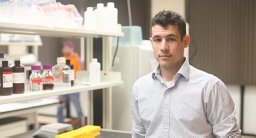 Shimkus Kevin L合作论文数Muscle Biology Laboratory, Department of Health and Kinesiology, Texas A &M University;Muscle Biology Laboratory, Texas A & M University7
 Robert E Ferrell合作论文数Department of Human Genetics, School of Public Health, University of Pittsburgh7
 Mike Greenwood合作论文数7
 Susanne U Mertens-Talcott合作论文数7Gentle Chikani合作论文数7
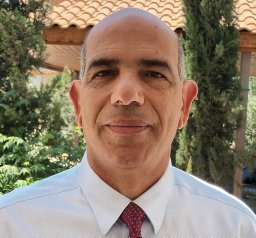 Ibrahim Dabayebeh合作论文数6Chelsea Goodenough合作论文数5
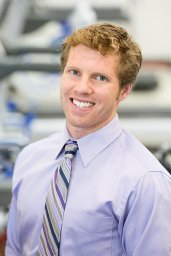 k levers合作论文数Department of Health, Athletic Training, Recreation and Kinesiology, Longwood University5J. William Deaver合作论文数Cachexia Res Lab, Univ Arkansas5Aaron Riviere合作论文数Texas A&M University5Lagally Kristen M合作论文数5
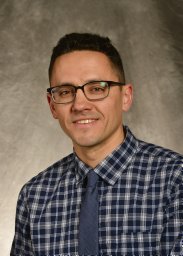 Joubert Dustin P合作论文数Department of Health and Kinesiology, Texas A&M University;Department of Health and Kinesiology, Texas A&M University5
 Jagim Andrew R合作论文数Department of Exercise &Sport Science, University of Wisconsin - La Crosse;Department of Exercise & Sport Science, University of Wisconsin - La Crosse5
 Christopher Rasmussen合作论文数Dynamic Vision Lab, Department of Computer and Information Sciences, University of Delaware5
 Stephen M. Roth合作论文数The Graduate School, University of Maryland5Fredric L Goss合作论文数5
 Nicholas P. Greene合作论文数5
 Sunday Simbo合作论文数Exercise and Sport Nutrition Laboratory, Texas A&M University5Susanne Talcott合作论文数4alex t carradine合作论文数4Caroline Sullivan合作论文数4
 Patrick Ryan合作论文数4Gearhart Randall F合作论文数4Cardin Jessica M合作论文数4
 Arbizu Shirley合作论文数4
 Niall Moyna合作论文数School of Health & Human Performance, Dublin City University4Stephen F. Previs合作论文数Department of Nutrition, Case Western Reserve University School of Medicine4
 Giuliana Noratto合作论文数Department of Horticultural Sciences, Texas A&M University4Robert F Zoeller合作论文数4Ben F Hurley合作论文数4
 Michael P. Wiggs合作论文数4Abigail O’Connor合作论文数3Ryan L Dalton合作论文数3




