Integrated health technologies (IHTs) have emerged as promising tools for improving heart failure (HF) management by facilitating care coordination and enabling timely clinical intervention. This joint scientific statement from the Heart Failure Society of America and the American Association of Heart Failure Nurses summarizes current evidence about the use of IHTs in HF management, including traditional telemonitoring, mobile health-based remote monitoring, and implantable devices. IHT interventions have demonstrated benefits, such as improved quality of life and reduced hospitalization rates, but their effectiveness varies, depending on patients’ adherence, clinical integration, and feedback mechanisms. Challenges to widespread implementation of IHTs include suboptimal patient engagement, disparities in digital literacy and access, lack of interoperability between systems, concerns about data privacy and security, disruptions to clinician workflow, and substantial start-up and maintenance costs. This statement outlines strategies to overcome these challenges, including enhancing patients’ engagement through personalized, actionable feedback; improving digital literacy and access; advancing interoperability; ensuring data security; engaging clinicians during implementation to facilitate seamless integration; and expanding reimbursement. Finally, the statement proposes key priorities for future research, including the use of automation and machine learning to reduce clinician burden, the integration of emerging technologies that reduce patient burden, and the evaluation of cost-effectiveness to support broader implementation.
This Viewpoint argues that individuals with intellectual and developmental disabilities continue to face unjust barriers to solid organ transplant and calls for clearer standards, stronger protections, and more equitable evaluation practices.
With recent advances in xenotransplantation, an increased initiative toward clinical applications in human recipients has evolved. Along with this trend, ethical concerns and considerations have been discussed. Infants and young children have been suggested as a group of patients for consideration of early clinical application given their limited mechanical circulatory support options, high waitlist mortality, and potential benefits of the immature immune system. However, there are also specific biological, infectious, and immunologic considerations and the unique aspects of obtaining consent from the parents that need to go into the ethical assessment and are discussed in this perspective.
SUMMARY:Ethical decision-making is fundamental to surgical education, yet formal ethics training remains underrepresented in medical curricula. To address this gap, we developed the Baylor College of Medicine (BCM) Surgical Ethics and Application for Medical Students (SEAMS) program, an elective hybrid course combining 45-minute didactic lectures with interactive role-playing led by faculty experts in ethics, transplant medicine, and surgical oncology. Thirty-two first-year medical students participated in SEAMS and completed pre- and post-program surveys assessing their understanding, confidence, and preferred learning styles related to surgical ethics. While students' perceptions of the importance of surgical ethics discussions remained unchanged, their knowledge and confidence in discussing surgical futility significantly improved (p<0.01). Confidence in initiating and conducting difficult conversations also increased (p<0.01). Following the program, students exhibited a greater preference for lecture-based education on ethics and surgical indications. SEAMS effectively prepared medical students for ethical challenges in clinical practice by integrating structured lectures and role-playing exercises. To enhance efficiency, the authors recommend a flipped classroom model, allowing students to engage with foundational content before in-person sessions. These findings highlight the need for more structured ethics education in surgical training. Moreover, our techniques may aid the communication and ethical decision-making of experienced physicians caring for challenging patients. Future studies should explore the longitudinal impact of such programs on medical students' ethical preparedness.
BACKGROUND:A healthy 44-year-old woman presented for preoperative evaluation of planned bunionectomy. Electrocardiogram showed T-wave inversions in leads V1 to V5 and epsilon waves in precordium prompting further evaluation. CASE SUMMARY:Imaging studies and genetic testing revealed diagnosis of arrhythmogenic right ventricular cardiomyopathy. Patient met Class IIb indication for primary prevention with implantable cardioverter-defibrillator (ICD). Despite weak guideline indication, shared decision-making with the patient led to ICD implantation. Six months later, she had a ventricular tachycardia arrest resulting in ICD shock and return to sinus rhythm. DISCUSSION:Routine preoperative evaluation led to the diagnosis of a rare pathology. Prompt evaluation and intervention using shared decision-making led to a life-saving intervention. TAKE-HOME MESSAGES:Utilization of guidelines in conjunction with patient-centered therapy is the best approach to provide optimal care and prevent mortality in rare instances like this case for ICD placement after arrhythmogenic right ventricular cardiomyopathy diagnosis.
BACKGROUND:The Kansas City Cardiomyopathy Questionnaire (KCCQ) is an Food and Drug Administration-approved health status measure for patients with heart failure (HF) but has not been directly assessed in adult congenital heart disease (ACHD). OBJECTIVES:This study evaluates construct and predictive validity of the KCCQ in ambulatory ACHD patients. METHODS:We performed cross-sectional and prospective cohort studies of ACHD patients who completed the KCCQ to assess construct and predictive validity, respectively. KCCQ scores were compared across ACHD complexity categories, disease characteristics and physiologic failure, and within 2 primary composite outcomes: death or all-cause hospitalization (DH) and death or interventional cardiac procedures (DP). Survival analysis was performed for each composite outcome. RESULTS:A total of 109 patients completed 129 KCCQs (median age 29.0 years; 41.3% female). Median KCCQ scores were significantly lower for anatomically complex patients (76.6 in great complexity, 89.0 in simple/moderate complexity; P = 0.015), advanced ACHD physiological stage (72.6 in D, 98.0 in A; P < 0.001), patients with physician-reported HF (72.2 vs 87.2 without HF; P < 0.001), and advanced NYHA functional class (NYHA III: 44.4, NYHA I: 96.5; P < 0.001). Median follow-up time was 16.3 months in the predictive validity analysis (N = 92). KCCQ was significantly lower for ACHD patients who experienced DH (66.0 vs 85.0; P = 0.002) or DP (53.5 vs 85.0; P = 0.001). Patients scoring ≤50 had significantly worse event-free survival (P = 0.004 for DH; P = 0.001 for DP). CONCLUSIONS:The KCCQ has construct and predictive utility in ACHD and provides an opportunity to assess health status in ACHD both clinically and in future ACHD research.
Thoracoabdominal normothermic regional perfusion (TA-NRP) would likely expand the quantity and quality of organs procured after controlled circulatory death donation in the United States, yet its ethical permissibility remains contested. We surveyed a representative sample of US adults (n = 975) with the goal of assessing their perspectives on the ethical permissibility of TA-NRP. After reading a neutral description of TA-NRP, participants judged its permissibility, reviewed 5 critic and 5 supporter arguments (in random order), and chose which argument they found most convincing. Multivariable logistic regression examined predictors of agreeing with critics. Before exposure to the arguments, 51.5% stated that TA-NRP should be used, 34.2% were uncertain, and 14.4% stated it should not be used. After reviewing arguments, 60.6% agreed with supporters and 39.4% with critics. Two-thirds of those initially uncertain sided with critics. Agreement with critics was associated with religious service attendance, less trust in doctors, nonregistration as an organ donor, and being Black/African American. Participants who agreed with supporters cited TA-NRP's capacity to benefit more patients, whereas those who agreed with critics doubt that donors are irreversibly dead. Although the majority supports TA-NRP, a substantial minority-concentrated among religious, distrustful, and historically underserved participants-remains unconvinced.
Early identification of kidney dysfunction in patients with advanced heart failure is crucial for timely interventions. In addition to elevations in serum creatinine, kidney dysfunction encompasses inadequate maintenance of sodium and volume homeostasis, retention of uremic solutes, and disrupted endocrine functions. Hemodynamic derangements and maladaptive neurohormonal upregulations contribute to fluctuations in kidney indices and electrolytes that may recover with guideline-directed medical therapy. Quantifying the extent of underlying irreversible intrinsic kidney disease is crucial in predicting whether optimization of congestion and guideline-directed medical therapy can stabilize kidney function. This scientific statement focuses on clinical management of patients experiencing kidney dysfunction through the trajectory of advanced heart failure, with specific focus on (1) the conceptual framework for appropriate evaluation of kidney dysfunction within the context of clinical trajectories in advanced heart failure, including in the consideration of advanced heart failure therapies; (2) preoperative, perioperative, and postoperative approaches to evaluation and management of kidney disease for advanced surgical therapies (durable left ventricular assist device/heart transplantation) and kidney replacement therapies; and (3) the key concepts in palliative care and decision-making processes unique to individuals with concomitant advanced heart failure and kidney disease.
The left ventricular assist device (LVAD) is a fully implantable cardiac replacement device that can complicate the process of dying. We present a case of a patient who attempted to deactivate the LVAD without the support of his medical team. This action was understood as a "suicide attempt" though when the patient was later felt to be dying, LVAD deactivation proceeded without reference to psychiatric illness. To understand this case, we discuss the ethics of LVAD deactivation in the dying process. We then explore the experience of clinicians and the public encountering this unique technology across clinical contexts. We herein present a novel and possibly controversial analysis of the moral complexities of LVAD deactivation and suggest that clinicians be transparent about these complexities with patients and families.
Xenotransplant covers a broad ethical territory and there are several ethical questions that have arisen in parallel with the technological advances that have allowed the first porcine transplants to occur. This brief communication highlights ethical considerations regarding heart and lung xenotransplantation, with an emphasis on unresolved value-based concerns in the field. The aim of this text is therefore to encourage the readers to consider the vast potential of this emerging technique to do good, but also the risk of doing harm, and to participate in a discussion. The list of questions presented here is not exhaustive but hopefully represents some of the questions that appear to be most pressing as the field advances. The focus is on the value-based, or ethical questions, not the questions related to the practical medical procedures.
IntroductionAlthough lower socioeconomic status (SES) has been associated with worse in-hospital outcomes among patients with heart failure, the in-hospital outcomes for patients undergoing durable Left Ventricular Assist Device (LVAD) implantation or Heart Transplantation (HT) based on SES have not been well characterized. MethodsWe analyzed data from the National Inpatient Sample of hospitalizations between January 2016 and December 2020 of patients aged 18 and over who underwent a HT or newly implanted LVAD. Quartile classification of the median household income of the patient's residential zip code was used to estimate SES. Multivariable analyses with logistic and linear regression were used to evaluate the effects of SES on inpatient outcomes including inpatient mortality, length of stay, and key inpatient complications. ResultsA total of 16,265 weighted hospitalizations for new LVAD implantation and 14,320 weighted hospitalizations for HT were identified. In multivariable analysis, among patients undergoing HT or LVAD implantation respectively, there were no significant differences between the lowest and highest SES quartiles among important in-hospital outcomes including length of stay (adj B-coeff .56, (-3.59)-(4.71), p = .79 and adj B-coeff 2.40, (-.21)-(5.02), p = .07) and mortality (aOR 1.02, .61-1.70, p = .94 and aOR 1.08, .72-1.62, p = .73). There were also no differences based on SES quartile in important inpatient complications including stroke and cardiac arrest. ConclusionIn this analysis from the National Inpatient Sample, we demonstrate that SES, evaluated by median zip code income, was not associated with important in-hospital metrics including mortality and length of stay among patients undergoing LVAD or HT.
Left ventricular assist devices (LVADs) have become an increasingly common advanced therapy in patients with severe symptomatic heart failure. Their unique nature in prolonging life through incorporation into the circulatory system raises ethical questions regarding patient identity and values, device ontology, and treatment categorization; approaching requests for LVAD deactivation requires consideration of these factors, among others. To that end, clinicians would benefit from a deeper understanding of: 1) the history and nature of LVADs; 2) the wider context of device deactivation and associated ethical considerations; and 3) an introductory framework incorporating best practices in requests for LVAD deactivation (specifically in controversial situations without obvious medical or device-related complications). In such decisions, heart failure teams can safeguard patient preferences without compromising ethical practice through more explicit advance care planning before LVAD implantation, early integration of hospice and palliative medicine specialists (maintained throughout the disease process), and further research interrogating behaviors and attitudes related to LVAD deactivation.
 Valluvan Jeevanandam合作论文数Department of Surgery, The University of Chicago31
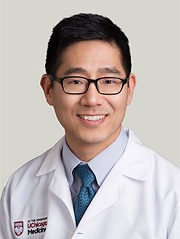 Gene Kim合作论文数Department of Medicine, The University of Chicago31Gabriel Sayer合作论文数Division of Cardiology, Columbia Presbyterian Medical Center27
 Nir Y. Uriel合作论文数Vagelos College of Physicians and Surgeons, Columbia University;Weill Cornell Medicine Center;Columbia University Irving Medical Center;NewYork-Presbyterian25
 Roberto Lang合作论文数Department of Medicine, The University of Chicago;Department of Radiology, The University of Chicago22
 Allen S Anderson合作论文数Janey & Dolph Briscoe Division of Cardiology, Department of Medicine, The University of Texas Health Science Center at San Antonio22
 Takeyoshi Ota合作论文数20Aliya N. Husain合作论文数12Kruse Eric合作论文数11
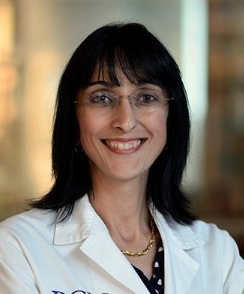 Biykem Bozkurt合作论文数Department of Medicine, Baylor College of Medicine10
 Ajith Nair合作论文数10
 Nitasha Sarswat合作论文数Department of Medicine, The University of Chicago9
 Catherine Murks合作论文数8
 Grinstein Jonathan合作论文数University of Chicago Medical Center8
 James N. Kirkpatrick合作论文数Department of Bioethics & Humanities, School of Medicine, University of Washington;Department of Internal Medicine, School of Medicine, University of Washington8
 Sirtaz Adatya合作论文数8Victor Mor‐Avi合作论文数7C. Juricek合作论文数6Colleen Juricek合作论文数6
 Aliya Husain合作论文数Medical Laboratories, The University of Chicago Medical Center6N. Uriel合作论文数6Vijay Nambi合作论文数6Anita Deswal合作论文数6Jonathan D. Rich合作论文数6Adam B. Cochrane合作论文数5Andrew Childress合作论文数5Arunima Misra合作论文数5
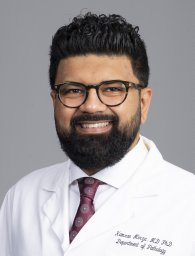 Kamran M. Mirza合作论文数The Department of Pathology and Laboratory Medicine, Loyola University Chicago Stritch School of Medicine5
 D. Rodgers合作论文数Dept Med, Univ Chicago5David Aguilar合作论文数Human Genet Ctr, Univ Texas Hlth Sci Ctr Houston5Corey E. Tabit合作论文数Biological Sciences Division, The University of Chicago5
 C. R. Bruce合作论文数5Bibler Trevor M合作论文数Center for Biomedical Ethics and Society, Vanderbilt University5Kirk T. Spencer合作论文数5Keith A. Collins合作论文数5Karima Addetia合作论文数5
 James Liao (廖俊智)合作论文数Department of Chemical and Biomolecular Engineering, Samueli School of Engineering, University of California, Los Angeles;Institute of Biological Chemistry, Academia Sinica5cory henderson合作论文数4Sarah C. Hull合作论文数4AY Kim合作论文数4
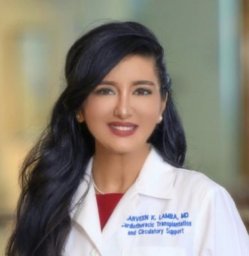 Harveen Lamba合作论文数4
 Lisa Potter合作论文数Transplantation Institute Department of Surgery, University of Chicago4Reynolds Delgado合作论文数4
 Abdul Mannan Khan Minhas合作论文数Department of Internal Medicine, Forrest General Hospital4
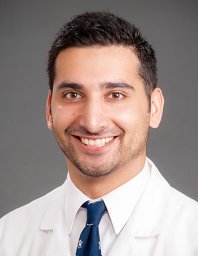 Danish Zaidi合作论文数Dept Internal Med, Yale Univ4
 Amit Patel合作论文数Department of Medicine, The University of Chicago4
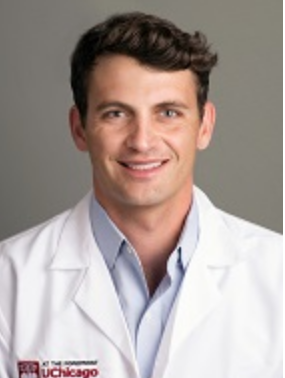 William Parker合作论文数Department of Medicine, The University of Chicago4
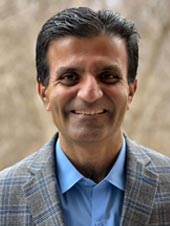 Salim S. Virani合作论文数Aga Khan University4
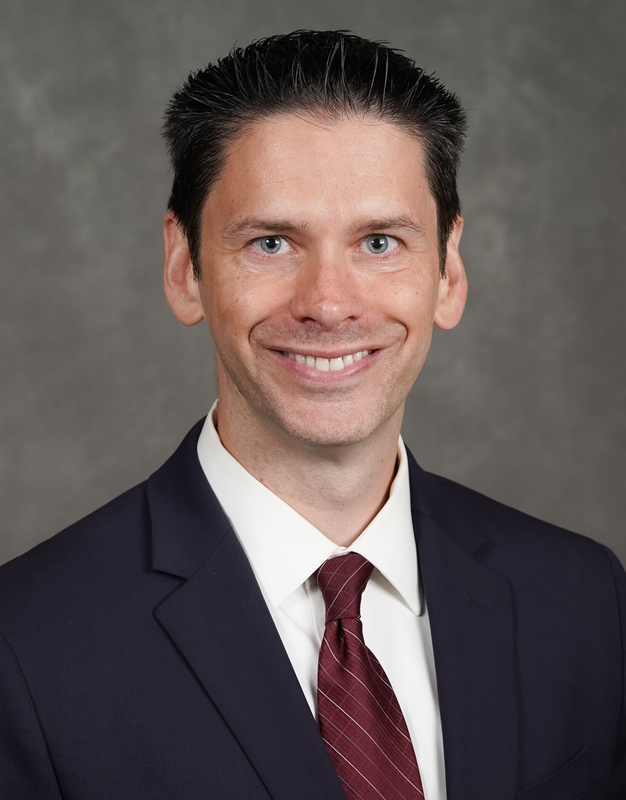 Matthew M. Churpek合作论文数University of Chicago/University of Wisconsin4




