Radiative effects of aerosol-cloud interactions constitute the most uncertain climate forcing of the Earth system. To understand how these interactions may change with climate, we conduct 3-day-long large-eddy simulations of a stratocumulus-to-cumulus transition along an airmass-following trajectory over the Northeast Pacific Ocean. By perturbing boundary-layer aerosol concentrations, aerosol-cloud interactions are simulated in present-day and warmed climate with increased CO2. Aerosol-induced cloud changes, including the Twomey effect and adjustments of cloud fraction and liquid water path, are inhibited in a doubled-CO2 climate. Decomposing the aerosol-induced cloud radiative effect change (ΔCRE) reveals that aerosol-induced cloud fraction changes dominate ΔCRE. Doubling CO2 attenuates the aerosol-induced ΔCRE (i.e., cooling) by >30% in our simulations. Our results also show that low cloud feedbacks are sensitive to the background aerosol concentration, highlighting the interplay between climate forcings and feedbacks. These results may aid in predicting the cooling potential of marine cloud brightening in a changing climate.
Over the past several decades, the proportion of solar radiation reflected back into space has declined, accelerating the accumulation of heat within the Earth system. Satellite observations provide compelling evidence for the loss of reflective marine clouds and rising sea surface temperatures in the Northern Hemisphere. Natural climate variability is unlikely to be the primary cause of this cloud reflectivity decrease, which is poorly understood. Here we show that the marine cloud reflectivity, as measured by the shortwave cloud radiative effect, decreased on average by 2.8 +/- 1.2% per decade in the combined North Atlantic and Northeast Pacific regions between 2003 and 2022. The majority of the Earth System Models we analyzed simulated a cloud reflectivity decrease that is significantly less than observed in these regions. Our simulations using an updated aerosol-climate model show that reductions in sulfur dioxide and other air pollutants accounted for 69% (range 55 to 85%) of the decrease through aerosol-cloud interactions, consistent with the observed aerosol optical depth and cloud droplet number trends. These emission reductions are projected to persist over the next few decades, which raises the prospect of a continuing cloud reflectivity decrease and warming enhancement in these regions and globally.
It is still challenging to reproduce marine boundary layer (MBL) clouds well in large-scale models despite their importance to the Earth's radiation budget and hydrological cycle. This study evaluates representation of the MBL and clouds in the Energy Exascale Earth System Model (E3SM) version 2. This study compares the E3SM simulation results with remote sensing and reanalysis data during the Cloud System Evolution in the Trades (CSET) field campaign to better understand the stratocumulus-to-cumulus cloud transition (SCT) over the northeast Pacific. E3SM results are extracted along the CSET Lagrangian trajectories. The comparison shows that the E3SM simulation applying horizontal wind nudging performs well in reproducing thermodynamic variables of the MBL and evolution trends of cloud variables along the trajectories. However, substantial overestimations of aerosol and cloud drop number are observed, which is explained as an issue with version 2 of the model. Cloud fraction (CF) does decrease from the Californian coast to Hawaii in the E3SM simulation, but most CF values indicate either an overcast or almost clear sky, which differs from satellite and reanalysis data. The effect of overestimation on CF evolution is assessed via prescribed- simulations. Those simulations with modifications show negligible CF changes. A comparison of estimated inversion strength (EIS) also shows that the simulated EIS values are similar to those of reanalysis data. Our study suggests that cloud macrophysics and boundary layer processes are more important in improving the simulation to capture the SCT than refining the model's thermodynamics or cloud microphysics.
Radiative effects of aerosol-cloud interactions constitute the most uncertain climate forcing of the Earth system, making it important to understand how they may change with climate. We conduct 3-day-long large-eddy simulations of a stratocumulus-to-cumulus transition along an airmass-following trajectory over the Northeast Pacific Ocean. By perturbing boundary layer aerosol concentrations, we simulate aerosol-cloud interactions in both present-day and doubled-CO2 conditions. Aerosol-induced cloud changes, including the Twomey effect and adjustments of cloud fraction and liquid water path, are inhibited in a doubled-CO2 climate. Decomposing the aerosol-induced cloud radiative effect change (ΔCRE) reveals that aerosol-induced cloud fraction changes dominate ΔCRE. Overall, doubling CO2 attenuates aerosol-induced ΔCRE (i.e., cooling) by >30
Solar radiation modification (SRM) is increasingly discussed as a potential method to ameliorate some negative effects of climate change. However, unquantified uncertainties in physical and environmental impacts of SRM impede informed debate and decision making. Some uncertainties are due to lack of understanding of processes determining atmospheric effects of SRM and/or a lag in development of their representation in models, meaning even high‐quality model intercomparisons will not necessarily reveal or address them. Although climate models at multiple scales are advancing in complexity, there are specific areas of uncertainty where additional model development (often requiring new observations) could significantly advance understanding of SRM's effects, and improve our ability to assess and weigh potential risks against those of choosing to not use SRM. We convene expert panels in the areas of atmospheric science most critical to understanding the three most widely discussed forms of SRM. Each identifies three key modeling gaps relevant to either stratospheric aerosols, cirrus, or low‐altitude marine clouds. Within each area, key challenges remain in capturing impacts due to complex interactions in aerosol physics, atmospheric chemistry/dynamics, and aerosol‐cloud interactions. Across all three, in addition to arguing for more observations, the panels argue that model development work to either leverage different capabilities of existing models, bridge scales across which relevant processes operate, or address known modeling gaps could advance understanding. By focusing on these knowledge gaps we believe the modeling community could advance understanding of SRM's physical risks and potential benefits, allowing better‐informed decision‐making about whether and how to use SRM.
Atmospheric aerosols are an important component of the Earth’s climate system and contribute substantial uncertainties to predictions of future climate change. In the southeast Atlantic, where expansive light-absorbing smoke aerosol plumes overlie semi-permanent stratocumulus clouds, the direct aerosol radiative effect (DARE) induces warming, but the magnitude of this effect varies widely among climate models. Thus, it is essential to improve estimates based on observations to help constrain model uncertainties. However, the impact of the observed cloud diurnal cycle on DARE remains unclear. Here we quantify DARE using radiative transfer modelling based on hourly satellite observations of clouds focusing on the region 20° S–0° and 10° W–15° E. We find that accounting for the observed cloud diurnal cycle over the southeast Atlantic, rather than assuming a constant early-afternoon cloud field throughout the entire day, results in a more than twofold increase (+1.7 ± 0.4 W m−2) in the regional mean aerosol radiative warming. The increase in DARE results from morning hours when cloud fractions and optical depths are higher. Neglect of the cloud diurnal cycle adds to the underestimated radiative warming in the southeast Atlantic associated with underestimated aerosol absorption among climate models. Future observations-based estimates of aerosol climatic effects need to account for the cloud diurnal cycle. Accounting for the diurnal cycle in low clouds more than doubles estimated aerosol radiative warming in the southeast Atlantic, according to radiative transfer modelling and satellite observations.
This study examines the impact of the interaction of cloud microphysics and macrophysics with the large-scale circulation on the stratocumulus-to-cumulus transition (SCT) using a large-eddy simulation (LES) combined with weak-temperature-gradient (WTG) parameterization. The WTG approximates large-scale circulation by inducing domain-mean subsidence to counter buoyancy perturbations relative to a reference thermodynamic profile. A stationary sea-salt sprayer perturbs transitioning clouds over a Lagrangian domain. Results show that the cloud response to aerosol injection differs significantly depending on whether stratified adjustments in the large-scale circulation in response to buoyancy perturbations are considered. Aerosol injection suppresses precipitation and enhances entrainment in both cases. Additionally, reduced surface sensible heat flux by precipitation suppression weakens boundary layer turbulence. Without the WTG, cloud-top height rises without a compensating adjustment in subsidence, delaying drizzle-induced stratocumulus thinning (“drizzle-depletion” feedback) by several days. With the WTG, intensified subsidence restrains cloud-top growth and accelerates stratocumulus thinning, leading to reduced boundary layer turbulence by weakened longwave cloud-top cooling and increased susceptibility to cloud breakup. For lightly precipitating clouds, aerosol injection accelerates the SCT by enhancing cloud thinning through warming driven by increased entrainment (“deepening–warming” mechanism). For heavily precipitating clouds, where the SCT is dominated by drizzle-depletion feedback, aerosol injection delays the SCT marginally as intensified subsidence amplifies the deepening–warming mechanism. These findings suggest that ignoring large-scale circulation adjustments in limited-domain models may overestimate aerosol cooling effects by ∼15–30 W m−2.
As the evolution of marine low clouds is sensitive to the current state of the atmosphere and varying meteorological forcing, it is crucial to ascertain how cloud responses differ across a spectrum of those conditions. In this study, we introduce an innovative approach to encompass a wide array of conditions prevalent in low marine cloud regions by creating a comprehensive library of observed environmental conditions. Using reanalysis and satellite data, over 2200 Lagrangian trajectories are generated within the stratocumulus deck region of the Northeast Pacific during summer 2018-2021. By using eight important cloud-controlling factors (CCFs), we employ principal component analysis (PCA) to reduce the dimensionality of data. This technique demonstrates that two principal components capture 43 % of the variability among CCFs. Notably, PCA facilitates the selection of a reduced number of trajectories (e.g., 54) that represent a diverse array of the observed CCF, aerosol, and cloud variability and co-variability. These trajectories can then be used for process model studies, e.g., with large-eddy simulations (LES), to evaluate the efficacy of marine cloud brightening. Two distinct cases are selected to initiate 2 d long, high-resolution, large-domain LES experiments. The results highlight the ability of our LES to simulate observed conditions. Although perturbed aerosols delay cloud breakup and enhance the cloud radiative effect, the strength of such effects is sensitive to "precipitation-aerosol feedback". The first case is precipitating and shows the potential for "precipitation-driven" cloud breakup due to positive precipitation-aerosol feedback. The second case is non-precipitating with classic cloud breakup of the "deepening-warming" type, highlighting the impact of entrainment.
A modeling protocol (defined by a series of climate model simulations with specified model output) is introduced. Studies using these simulations are designed to improve the understanding of climate impacts using a strategy for climate intervention (CI) known as marine cloud brightening (MCB) in specific regions; therefore, the protocol is called MCB-REG (where REG stands for region). The model simulations are not intended to assess consequences of a realistic MCB deployment intended to achieve specific climate targets but instead to expose responses to interventions in six regions with pervasive cloud systems that are often considered candidates for such a deployment. A calibration step involving simulations with fixed sea surface temperatures (SSTs) is first used to identify a common forcing, and then coupled simulations with forcing in individual regions and combinations of regions are used to examine climate impacts. Synthetic estimates constructed by superposing responses from simulations with forcing in individual regions are considered a means of approximating the climate impacts produced when MCB interventions are introduced in multiple regions.A few results comparing simulations from three modern climate models (CESM2, E3SMv2, and UKESM1) are used to illustrate the similarities and differences between model behavior and the utility of estimates of MCB climate responses that were synthesized by summing responses introduced in individual regions. Cloud responses to aerosol injections differ substantially between models (CESM2 clouds appear much more susceptible to aerosol emissions than the other models), but patterns in precipitation and surface temperature responses were similar when forcing is imposed with similar amplitudes in the same regions. A previously identified La Ni & ntilde;a-like response to forcing introduced in the Southeast Pacific is evident in this study, but the amplitude of the response was shown to markedly differ across the three models. Other common response patterns were also found and are discussed. Forcing in the Southeast Atlantic consistently (across all three models) produces weaker global cooling than that in other regions, and the Southeast Pacific and South Pacific show the strongest cooling. This indicates that the efficiency of a given intervention depends on not only the susceptibility of the clouds to aerosol perturbations, but also the strength of the underlying radiative feedbacks and ocean responses operating within each region. These responses were generally robust across models, but more studies and an examination of responses with ensembles would be beneficial.
Atmospheric aerosols are an important component of the Earth’s climate system, contributing substantial uncertainties in predicting future climate change. In the southeast Atlantic, where expansive light-absorbing smoke aerosol plumes overlie semi-permanent stratocumulus clouds, the direct aerosol radiative effect (DARE) introduces warming in the region but varies widely among climate models. Black carbon, a major component of light-absorbing aerosol, contributes to the largest climate warming after carbon dioxide. Moreover, the impact of the cloud diurnal cycle on DARE uncertainties remains unclear. Here, we quantify the first direct aerosol radiative effects using hourly satellite observations of clouds focusing on 20°S – 0°N/S and 15°W – 15°E. We find that accounting for the observed cloud diurnal cycle over the southeast Atlantic, rather than assuming a constant early-afternoon cloud field throughout the entire day, results in nearly twofold (about 1.4 Wm-2) increase in the regional mean aerosol radiative warming. This regional DARE increase mainly results from morning hours when cloud fractions and optical depths are higher. The neglect of the cloud diurnal cycle adds to the underestimated radiative warming in the southeast Atlantic associated with underestimated aerosol absorption among climate models. Future observationally-based estimates of aerosol climatic effects need to account for the cloud diurnal cycle.
The Geoengineering Model Intercomparison Project (GeoMIP) has proposed multiple model experiments during phases 5 and 6 of the Climate Model Intercomparison Project (CMIP), with the latest set of model experiments proposed in 2015. With phase 7 of CMIP in preparation and with multiple efforts ongoing to better explore the potential space of outcomes for different solar radiation modifications (SRMs) both in terms of deployment strategies and scenarios and in terms of potential impacts, the GeoMIP community has identified the need to propose and conduct a new experiment that could serve as a bridge between past iterations and future CMIP7 experiments. Here we report the details of such a proposed experiment, named G6-1.5K-SAI, to be conducted with the current generation of scenarios and models from CMIP6 and clarify the reasoning behind many of the new choices introduced. Namely, compared to the CMIP6 GeoMIP scenario G6sulfur, we decided on (1) an intermediate emission scenario as a baseline (the Shared Socioeconomic Pathway 2-4.5), (2) a start date set in the future that includes both considerations for the likelihood of exceeding 1.5 °C above preindustrial levels and some considerations for a likely start date for an SRM implementation, and (3) a deployment strategy for stratospheric aerosol injection that does not inject in the tropical pipe in order to obtain a more latitudinally uniform aerosol distribution. We also offer more details regarding the preferred experiment length and number of ensemble members and include potential options for second-tier experiments that some modeling groups might want to run. The specifics of the proposed experiment will further allow for a more direct comparison between results obtained from CMIP6 models and those obtained from future scenarios for CMIP7.
The southeastern Atlantic is home to an expansive smoke aerosol plume overlying a large cloud deck for approximately a third of the year. The aerosol plume is mainly attributed to the extensive biomass burning activities that occur in southern Africa. Current Earth system models (ESMs) reveal significant differences in their estimates of regional aerosol radiative effects over this region. Such large differences partially stem from uncertainties in the vertical distribution of aerosols in the troposphere. These uncertainties translate into different aerosol optical depths (AODs) in the planetary boundary layer (PBL) and the free troposphere (FT). This study examines differences of AOD fraction in the FT and AOD differences among ESMs (WRF-CAM5, WRF-FINN, GEOS-Chem, EAM-E3SM, ALADIN, GEOS-FP, and MERRA-2) and aircraft-based measurements from the NASA ObseRvations of Aerosols above CLouds and their intEractionS (ORACLES) field campaign. Models frequently define the PBL as the well-mixed surface-based layer, but this definition misses the upper parts of decoupled PBLs, in which most low-level clouds occur. To account for the presence of decoupled boundary layers in the models, the height of maximum vertical gradient of specific humidity profiles from each model is used to define PBL heights. Results indicate that the monthly mean contribution of AOD in the FT to the total-column AOD ranges from 44 % to 74 % in September 2016 and from 54 % to 71 % in August 2017 within the region bounded by 25∘ S–0∘ N–S and 15∘ W–15∘ E (excluding land) among the ESMs. ALADIN and GEOS-Chem show similar aerosol plume patterns to a derived above-cloud aerosol product from the Moderate Resolution Imaging Spectroradiometer (MODIS) during September 2016, but none of the models show a similar above-cloud plume pattern to MODIS in August 2017. Using the second-generation High Spectral Resolution Lidar (HSRL-2) to derive an aircraft-based constraint on the AOD and the fractional AOD, we found that WRF-CAM5 produces 40 % less AOD than those from the HSRL-2 measurements, but it performs well at separating AOD fraction between the FT and the PBL. AOD fractions in the FT for GEOS-Chem and EAM-E3SM are, respectively, 10 % and 15 % lower than the AOD fractions from the HSRL-2. Their similar mean AODs reflect a cancellation of high and low AOD biases. Compared with aircraft-based observations, GEOS-FP, MERRA-2, and ALADIN produce 24 %–36 % less AOD and tend to misplace more aerosols in the PBL. The models generally underestimate AODs for measured AODs that are above 0.8, indicating their limitations at reproducing high AODs. The differences in the absolute AOD, FT AOD, and the vertical apportioning of AOD in different models highlight the need to continue improving the accuracy of modeled AOD distributions. These differences affect the sign and magnitude of the net aerosol radiative forcing, especially when aerosols are in contact with clouds.
Ship tracks in subtropical marine low clouds are simulated and investigated using large-eddy simulations. Five variants of a shallow subtropical stratocumulus-topped marine boundary layer (MBL) are chosen to span a range of background aerosol concentrations and variations in free-tropospheric moisture. Idealized time-invariant meteorological forcings and approximately steady-state aerosol concentrations constitute the background conditions. We investigate processes controlling cloud microphysical, macrophysical, and radiative responses to aerosol injections. For the analysis, we use novel methods to decompose the liquid water path (LWP) adjustment into changes in cloud and boundary-layer properties and to decompose the cloud radiative effect (CRE) into contributions from cloud macro- and microphysics. The key results are that (a) the cloud-top entrainment rate increases in all cases, with stronger increases for thicker than thinner clouds; (b) the drying and warming induced by increased entrainment is offset to differing degrees by corresponding responses in surface fluxes, precipitation, and radiation; (c) MBL turbulence responds to changes caused by the aerosol perturbation, and this significantly affects cloud macrophysics; (d) across 2 d of simulation, clouds were brightened in all cases. In a pristine MBL, significant drizzle suppression by aerosol injections results not only in greater water retention but also in turbulence intensification, leading to a significant increase in cloud amount. In this case, Twomey brightening is strongly augmented by an increase in cloud thickness and cover. In addition, a reduction in the loss of aerosol through coalescence scavenging more than offsets the entrainment dilution. This interplay precludes estimation of the lifetime of the aerosol perturbation. The combined responses of cloud macro- and microphysics lead to 10–100 times more effective cloud brightening in these cases relative to those in the non-precipitating MBL cases. In moderate and polluted MBLs, entrainment enhancement makes the boundary layer drier, warmer, and more stratified, leading to a decrease in cloud thickness. This LWP response offsets the greatest fraction of the Twomey brightening in a moderately moist free troposphere. This finding differs from previous studies that found larger offsets in a drier free troposphere, and it results from a greater entrainment enhancement of initially thicker clouds, so the offsetting effects are weaker. The injected aerosol lifetime in cases with polluted MBLs is estimated to be 2–3 d, which is much longer than estimates of typical ship track lifetimes from satellite images.
Low marine clouds are a major source of uncertainty in cloud feedbacks across climate models and in forcing by aerosol-cloud interactions. The evolution of these clouds and their response to aerosol are sensitive to the ambient environmental conditions, so it is important to be able to determine different responses over a representative set of conditions. Here, we propose a novel approach to encompassing the broad range of conditions present in low marine cloud regions, by building a library of observed environmental conditions. This approach can be used, for example, to more systematically test the fidelity of Large Eddy Simulations (LES) in representing these clouds. ERA5 reanalysis and various satellite observations are used to extract and derive macrophysical and microphysical cloud-controlling variables (CCVs) such as SST, estimated inversion strength (EIS), subsidence, and cloud droplet number concentrations. A few locations in the stratocumulus (Sc) deck region of the Northeast Pacific during summer are selected to fill out a phase space of CCVs. Thereafter, Principal Component Analysis (PCA) is applied to reduce the dimensionality and to select a reduced set of components that explain most of the variability among CCVs in order to efficiently select cases for LES simulations that encompass the observed CCV phase space. From this phase space, 75-100 cases with distinct environmental conditions will be selected and used to initialize 2-day LES modeling to provide a spectrum of aerosol-cloud interactions and Sc-to-Cumulus transition under observed ambient conditions. Such a large number of simulations will help create statistics to assess how well the LES can simulate the cloud lifecycle when constrained by the ‘best estimate’ of the environmental conditions, and how sensitive the modeled clouds are to changes in these driving fields.
Observed stratocumulus to cumulus transitions (SCTs) and their sensitivity to aerosols are studied using a large‐eddy simulation (LES) model that simulates the aerosol lifecycle, including aerosol sources and sinks. To initialize, force, and evaluate the LES, we used a combination of reanalysis, satellite, and aircraft data from the 2015 Cloud System Evolution in the Trades field campaign over the Northeast Pacific. The simulations follow two Lagrangian trajectories from initially overcast stratocumulus (Sc) to the tropical shallow cumulus region near Hawaii. The first trajectory is characterized by an initially clean, well‐mixed Sc‐topped marine boundary layer (MBL), then continuous MBL deepening and precipitation onset followed by a clear SCT and a consistent reduction of aerosols that ultimately leads to an ultra‐clean layer in the upper MBL. The second trajectory is characterized by an initially polluted and decoupled MBL, weak precipitation, and a late SCT. Overall, the LES simulates the observed general MBL features. Sensitivity studies with different aerosol initial and boundary conditions reveal aerosol‐induced changes in the transition, and albedo changes are decomposed into the Twomey effect and adjustments of cloud liquid water path and cloud fraction. Impacts on precipitation play a key role in the sensitivity to aerosols: for the first case, runs with enhanced aerosols exhibit distinct changes in microphysics and macrophysics such as enhanced cloud droplet number concentration, reduced precipitation, and delayed SCT. Cloud adjustments are dominant in this case. For the second case, enhancing aerosols does not affect cloud macrophysical properties significantly, and the Twomey effect dominates.
Current impacts and escalating risks of climate change require strong and decisive action to reduce greenhouse gas (GHG) emissions. They also highlight the urgency of research to enhance safety for human and natural systems, especially for those most vulnerable. This is reflected in two recent US National Academies of Science, Engineering, and Medicine studies that recommended a national focus on advancing our understanding of how to manage urgent current and future climate risks, and the study of approaches for increasing the reflection of sunlight from the atmosphere to reduce global warming, a process referred to as sunlight reflection modification (SRM). Here, we build on these recommendations by proposing a roadmap approach for the planning, coordination, and delivery of research to support a robust scientific assessment of SRM to reduce near-term climate risks in a defined timeframe. This approach is designed to support the evaluation of SRM as a possible rapid, temporary, additive measure to reduce catastrophic impacts from anthropogenic climate change, not as a substitute for aggressive GHG mitigation. Assessing SRM is proposed to be undertaken in the context of climate hazard risks through 2050, weighing the impacts associated with likely climate change trajectories against scenarios of possible SRM implementations. Provided that research is undertaken openly and that scientific resources are made widely available, the transparency of the process and the evidence generated would contribute to the democratization of information, participation by diverse stakeholders, more informed decision-making, and better opportunities for all people to weigh SRM options against climate change risks.
Current impacts and escalating risks of climate change require strong and decisive action to reduce greenhouse gas (GHG) emissions. They also highlight the urgency of research to enhance safety for human and natural systems, especially for those most vulnerable. This is reflected in two recent US National Academies of Science, Engineering, and Medicine studies that recommended a national focus on advancing our understanding of how to manage urgent current and future climate risks, and the study of approaches for increasing the reflection of sunlight from the atmosphere to reduce global warming, a process referred to as sunlight reflection modification (SRM). Here, we build on these recommendations by proposing a roadmap approach for the planning, coordination, and delivery of research to support a robust scientific assessment of SRM to reduce near-term climate risks in a defined timeframe. This approach is designed to support the evaluation of SRM as a possible rapid, temporary, additive measure to reduce catastrophic impacts from anthropogenic climate change, not as a substitute for aggressive GHG mitigation. Assessing SRM is proposed to be undertaken in the context of climate hazard risks through 2050, weighing the impacts associated with likely climate change trajectories against scenarios of possible SRM implementations. Provided that research is undertaken openly and that scientific resources are made widely available, the transparency of the process and the evidence generated would contribute to the democratization of information, participation by diverse stakeholders, more informed decision-making, and better opportunities for all people to weigh SRM options against climate change risks.
 Stephen G. Warren合作论文数Department of Atmospheric Sciences, University of Washington;Department of Earth & Space Sciences, University of Washington25
 Robert Wood合作论文数Department of Atmospheric Sciences, University of Washington23
 Jens Redemann合作论文数CLoud-CLimatE-Aerosol-Radiation Research Group, School of Meteorology, College of Atmospheric and Geographic Sciences, University of Oklahoma21
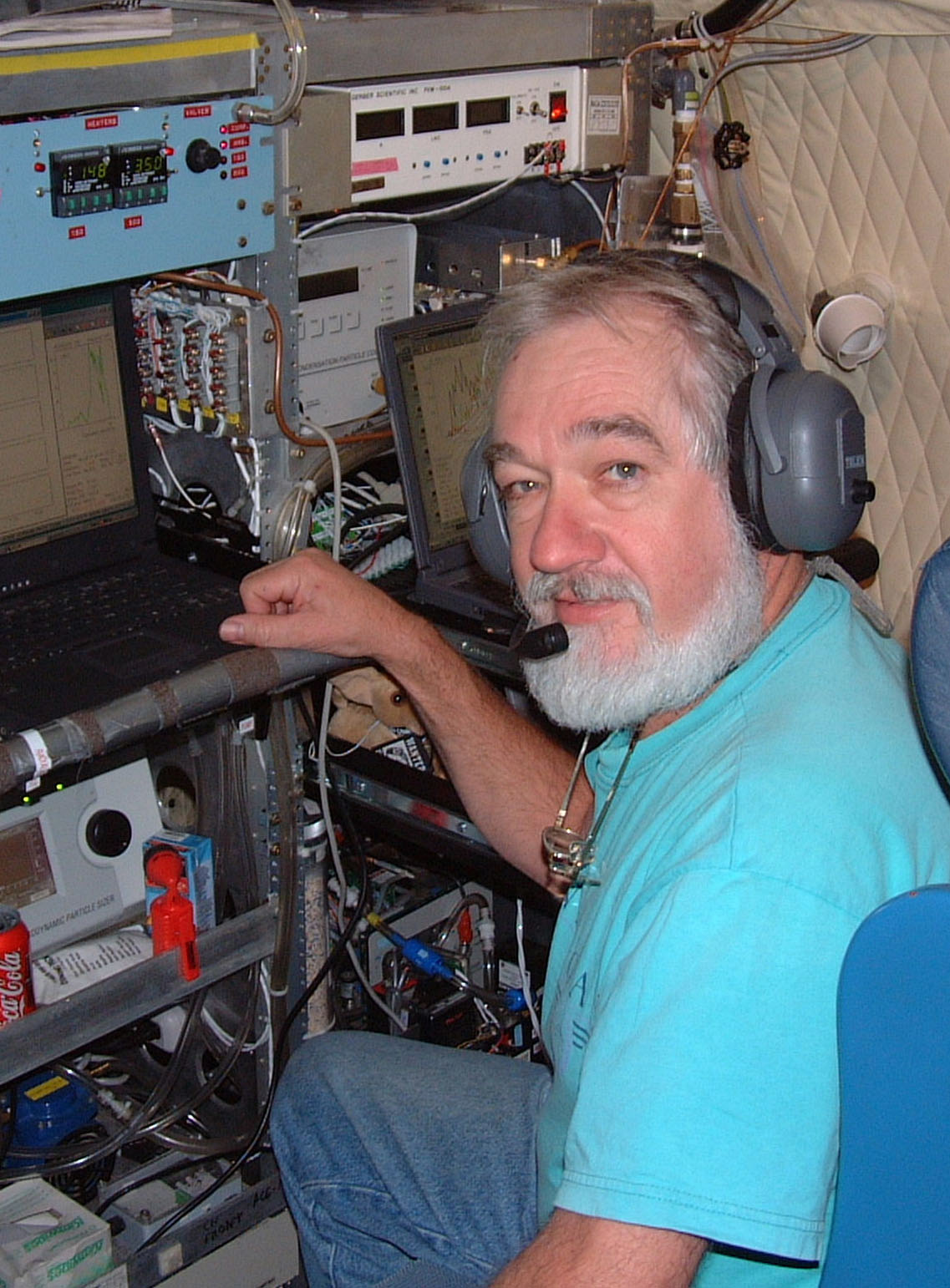 Antony Clarke合作论文数Department of Oceanography, School of Ocean & Earth Science & Technology, University of Hawai`i at Manoa19
 Paquita Zuidema合作论文数Department of Atmospheric Sciences, Rosenstiel School of Marine, Atmospheric, and Earth Science, University of Miami17
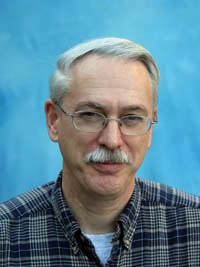 Dean Hegg合作论文数Department of Atmospheric Sciences, University of Washington17
 Y. Shinozuka合作论文数16Steven G. Howell合作论文数School of Ocean, Earth Science and Technology, University of Hawaii15
 Samuel E. LeBlanc合作论文数Ames Res Ctr, NASA14
 Amie Dobracki合作论文数12
 Pablo Saide合作论文数Department of Atmospheric and Oceanic Sciences, College of Physical Sciences, University of California, Los Angeles12
 Thomas C. Grenfell合作论文数Department of Atmospheric Sciences, College of the Environment, University of Washington12
 Barry Huebert合作论文数Department of Oceanography, University of Hawai`i at Manoa12
 Sharon Burton合作论文数Langley Research Center, National Aeronautics and Space Administration12Kristina Pistone合作论文数Scripps Institution of Oceanography, University of California11
 Connor Flynn合作论文数11
 Phil Rasch合作论文数Atmospheric Sciences and Global Change Division, Pacific Northwest National Laboratory10
 Richard Ferrare合作论文数NASA Langley Research Center10Steffen Freitag合作论文数10
 Michal Segal-Rozenhaimer合作论文数10C. S. McNaughton合作论文数10Theodore L. Anderson合作论文数10
 Marc Daniel Mallet合作论文数9
 Gregory Carmichael合作论文数Department of Chemical & Biochemical Engineering, University of Iowa9M. Kacenelenbogen合作论文数Laboratoire de Optique Atmosphérique9
 Ian Chang合作论文数Sch Meteorol, Univ Oklahoma8
 Lan Gao (高澜)合作论文数Sch Meteorol, Univ Oklahoma8Sabrina P. Cochrane合作论文数7
 Peter N. Blossey合作论文数Department of Atmospheric Sciences, College of The Environment, University of Washington7
 Sebastian Schmidt合作论文数Laboratory for Atmospheric and Space Physics, University of Colorado Boulder;Department of Atmospheric and Oceanic Sciences, University of Colorado Boulder7
 Ju-Mee Ryoo合作论文数7Gonzalo A. Ferrada合作论文数6
 Cheng Dang合作论文数Joint Ctr Satellite Data Assimilat, Univ Corp Atmospher Res6
 Adeyemi A. Adebiyi合作论文数Dept Life & Environm Sci, Univ Calif Merced6
 David W. Fahey合作论文数Chemical Sciences Laboratory, National Oceanic and Atmospheric Administration6
 Michael S. Diamond合作论文数Division of Infectious Diseases, John T. Milliken Department of Medicine, School of Medicine, Washington University in St. Louis6
 Patricia K. Quinn合作论文数Pacific Marine Environmental Laboratory, National Oceanic and Atmospheric Administration, United States Department of Commerce6Leonhard Pfister合作论文数6
 Ehsan Erfani合作论文数Department of Atmospheric Sciences, University of Washington5Yang Zhang (张阳)合作论文数5
 Kerry Meyer合作论文数NASA, Goddard Space Flight Ctr5James R. Podolske合作论文数5Vladimir N Kapustin合作论文数5
 Arlindo M da Silva合作论文数Goddard Space Flight Center, National Aeronautics and Space Administration5
 Philip B Russell合作论文数Ames Research Center, National Aeronautics and Space Administration5
 Qiang Fu (付强)合作论文数Department of Atmospheric Sciences, College of the Environment, University of Washington5
 Ralph A Kahn合作论文数NASA Goddard Space Flight Center;The University of Colorado Boulder5
 Cecilia Bitz合作论文数Department of Atmospheric Sciences, University of Washington5Eric Stith合作论文数4




