802 Background: Detalimogene voraplasmid is a novel, investigational, non-integrating, non-viral gene therapy specifically engineered for intravesical administration to elicit local activation of anti-tumor immune responses in the bladder and drive durable efficacy in patients with high-risk NMIBC, including BCG-unresponsive disease, while mitigating the risk of systemic toxicities from immune stimulation. Preclinically, detalimogene voraplasmid remodels the tumor microenvironment, activating both innate and adaptive anti-tumor immune responses. Results from the Phase 1 portion of LEGEND (NCT04752722) demonstrated a promising safety/tolerability profile and an overall CR of 73% in patients with NMIBC with CIS. The pivotal Phase 2 portion is ongoing, and the preliminary outcomes will be reported herein. Methods: Patient eligibility criteria: age ≥18 years; ECOG PS 0−2; BCG-unresponsive NMIBC with CIS ± Ta/T1 disease, ineligible for, or elected not to undergo, cystectomy; satisfactory bladder function with ability to retain study drug for ≥60 minutes. Based on the Phase 1 portion of the study, a dose concentration of 0.8 mg/mL was administered at a four-dose 50 mL instillation schedule at study weeks 1, 2, 5 and 6 of a 12-week cycle. After completing the initial 12-week cycle, patients without progressive disease remained on detalimogene voraplasmid for up to three additional 12-week cycles. Primary endpoint: Week 48 CR rate; secondary endpoint: safety and tolerability. Efficacy data on BCG-unresponsive patients with CIS (n=26; Cohort 1) and safety data on all patients dosed (N=42) are reported. Results: Twenty-six patients (20 males/6 females; median age 74 (range 47–92) years have been enrolled in Cohort 1. Treatment-related adverse events (TRAEs; any grade) were reported in 20 (47.6%) patients and were all Grade 1/2 in severity. The most common TRAEs were dysuria in 9 (21.4%) patients, bladder spasm in 8 (19.0%); pollakiuria in 5 (11.9%), and fatigue in 5 (11.9%) patients. In the efficacy-evaluable population for Cohort 1, the overall CR rate was 71% (15/21), with a CR rate of 67% (14/21) at 3 months, and 47% (8/17) at 6 months. The Kaplan-Meier estimate of the 6-month CR is 51%. Conclusions: Preliminary data from the pivotal Phase 2 portion of the LEGEND study suggest a promising safety/tolerability profile, with TRAEs that were largely consistent with instrumentation/intravesical administration. Overall, 71% of patients dosed with detalimogene voraplasmid achieved a CR, with 67% achieving a CR at 3 months and 47% achieving a CR at 6 months. Cohort 1 (BCG-refractory patients with CIS) continues to enroll, with a target accrual of 100 patients. Clinical trial information: NCT04752722 .
TPS4631 Background: High-risk NMIBC is generally treated with adjuvant intravesical Bacille Calmette-Guérin (BCG). However, ~50% of patients experience recurrence and/or progression afterwards and are considered unresponsive. Detalimogene voraplasmid (EG-70) is an investigational, non-viral, non-integrating, intravesically administered gene therapy designed to elicit local stimulation of anti-tumor immune responses in the bladder and drive durable efficacy in NMIBC, while mitigating the risk of systemic toxicities from immune stimulation. The Phase 1 (dose-escalation) portion of the first-in-human Phase 1/2, open-label, multicenter study (LEGEND; NCT04752722) of detalimogene voraplasmid is complete. The Phase 2 dose was identified, treatment was generally well tolerated, with an overall complete response (CR) rate of 73% [Kalota S, et al. AUA 2024]. Herein, we describe the ongoing Phase 2 portion of the study, which opened to enrollment in May 2023, which recently added a new cohort of BCG-unresponsive HG Ta/T1 papillary only (no carcinoma in situ [CIS]) disease. Methods: Eligibility criteria: age ≥18 years; ECOG PS 0−2; NMIBC, with/without resected coexisting papillary tumors, ineligible for, or elected not to undergo, cystectomy; satisfactory bladder function. Patients receive detalimogene voraplasmid 0.8 mg/mL in 50 mL (intravesical administration, Weeks 1, 2, 5 & 6, 12-week cycle) for 4 cycles, and patients with CR at the end of the 4 th cycle will enter maintenance treatment to receive 2 instillations per cycle (at Weeks 1 and 2) for up to another 8 cycles: BCG-unresponsive with CIS (Cohort 1); BCG-naïve with CIS (Cohort 2A) or BCG-exposed with CIS (Cohort 2B); BCG-unresponsive NMIBC with high-grade papillary disease without CIS (Cohort 3). Phase 2 primary endpoints: efficacy (CR rate at Week 48); safety. Secondary endpoints: progression-free survival; CR rate at Weeks 12, 24, 36, and 48; duration of response. The study is being conducted in accordance with the ethical principles of the Declaration of Helsinki and is consistent with ICH/GCP. All patients provide written informed consent. The Phase 2 portion of the study is enrolling and will recruit approximately 300 patients across all cohorts, from sites in the USA, Canada, Europe, and the Asia-Pacific region. Clinical trial information: NCT04752722 .
800 Background: Atezolizumab (A) has demonstrated single agent activity as neoadjuvant therapy (NAT) for muscle invasive urothelial carcinoma (MIUC) (ABACUS trial). Cabozantinib (C) has a unique immunomodulatory profile that may foster anti-tumor immunity and has demonstrated clinical activity as monotherapy and in combination with A. We hypothesized that the combination of C and A as NAT for MIUC would improve pathologic response rate (pRR) compared to single-agent A. Methods: This open-label, single arm, multi-center study investigated the efficacy and safety of C 40 mg PO daily with A 1200mg every 3 weeks for 9 weeks as NAT for cT2-T4aN0/xM0 MIUC. Eligibility required patients (pts) to be cisplatin-ineligible or decline cisplatin, with UC as the predominant histology (≥ 50%). Primary endpoint was pRR defined as no residual muscle-invasive cancer in the surgical specimen (< ypT2); patients with progression prior to cystectomy were counted as non-responders. pRR was to be compared to the 39% response rate with the single agent A using a Bayesian evaluation with a Beta (0.5, 0.5) prior. Secondary endpoints were safety and toxicity, pathologic complete response rate (pCR, ypT0N0M0) and event-free survival (EFS). Exploratory end points included patient-reported outcomes and outcome associations with biomarkers. Results: From Feb 2021 to July 2024, 46 pts enrolled at 5 sites. 2 pts were deemed ineligible, and 6 pts did not proceed with cystectomy for reasons other than progression (4 pts opted for bladder preservation, 1 pt died from causes unrelated to tx and 1 pt still undergoing tx). Median follow up is 14 mo. At study entry median age was 71 yrs, 21% were female, 98% Caucasian and 71% were cisplatin ineligible, with T2, T3 and T4 disease in 73%, 18% and 9% respectively. Histology included pure urothelial cancer (56%), squamous (18%), glandular (3%), micropapillary (18%) and plasmacytoid (5%) differentiation. Among 35 pts who underwent cystectomy, 32 (91%) / 3 (9%) completed 3 and 2 doses of A and 15 (43%) / 32 (91%) completed 9 and at least 6 weeks of C. Adverse events are being analyzed. The estimated pRR was 29.5% (95% CrI 16.5% - 44.5%) and the pCR was 20.8% (95% CrI 9.4% - 35.3%). The pCR was lower in pts with variant histology compared to pure UC (13 vs 25%; p=0.39). 2-year EFS was 68.4% (95% CI, 47.7-82.3%). Conclusions: C+A has modest activity as NAT in MIUC and did not meet the pre-specified primary endpoint for pRR. Biomarkers studies are planned. Clinical trial information: NCT04289779 .
Androgen receptor (AR) drives prostate cancer (PC) growth and progression, and targeting AR signaling is the mainstay of pharmacological therapies for PC. Resistance develops relatively fast as a result of refueled AR activity. A major gap in the field is the lack of understanding of targetable mechanisms that induce persistent AR expression in castrate-resistant PC (CRPC). This study uncovers an unexpected function of active Stat5 signaling, a known promoter of PC growth and clinical progression, as a potent inducer of AR gene transcription. Stat5 suppression inhibited AR gene transcription in preclinical PC models and reduced the levels of wild-type, mutated, and truncated AR proteins. Pharmacological Stat5 inhibition by a specific small-molecule Stat5 inhibitor down-regulated Stat5-inducible genes as well as AR and AR-regulated genes and suppressed PC growth. This work introduces the concept of Stat5 as an inducer of AR gene transcription in PC. Pharmacological Stat5 inhibitors may represent a new strategy for suppressing AR and CRPC growth.
Table S3: Overall test performance for marker selection study for novel multi-target stool DNA panel.
Abstract The multi-target stool DNA (mt-sDNA) test screens for colorectal cancer by analyzing DNA methylation/mutation and hemoglobin markers to algorithmically derive a qualitative result. A new panel of highly discriminant candidate methylated DNA markers (MDM) was recently developed. Performance of the novel MDM panel, with hemoglobin, was evaluated in a simulated screening population using archived stool samples weighted to early-stage colorectal cancer and prospectively collected advanced precancerous lesions (APL). Marker selection study (MSS) and separate preliminary independent verification studies (VS) were conducted utilizing samples from multi-center, case–control studies. Sample processing included targeted MDM capture, bisulfite conversion, and MDM quantitation. Fecal hemoglobin was quantified using ELISA. Samples were stratified into 75%/25% training-testing sets; model outcomes were cross-validated 1,000 times. All laboratory operators were blinded. The MSS included 232 cases (120 colorectal cancer/112 APLs) and 490 controls. The VS featured 210 cases (112 colorectal cancer/98 APLs) and 567 controls; APLs were 86.7% adenomas and 13.3% sessile serrated lesions (SSL). Average age was 65.5 (cases) and 63.2 (controls) years. Mean sensitivity in the VS from cross-validation was 95.2% for colorectal cancer and 57.2% for APLs, with specificities of 89.8% (no CRC/APLs) and 92.4% (no neoplasia). Subgroup analyses showed colorectal cancer sensitivities of 93.4% (stage I) and 94.2% (stage II). APL sensitivity was 82.9% for high-grade dysplasia, 73.4% for villous lesions, 49.8% for tubular lesions, and 30.2% for SSLs. These data support high sensitivity and specificity for a next-generation mt-sDNA test panel. Further evaluation of assay performance will be characterized in a prospective, multi-center clinical validation study (NCT04144738). Prevention Relevance: This study highlights performance of the next-generation mt-sDNA test, which exhibits high sensitivity and specificity for detecting colorectal cancer and APLs. This noninvasive option has potential to increase screening participation and clinical outcomes. A multi-center, clinical validation trial is underway. See related commentary by Bresalier, p. 93
Figure S3: Performance of novel multi-target stool DNA panel at fixed 90% specificity in the marker selection study; (A) Colorectal cancer (CRC) by stage and (B) advanced precancerous lesion (APL) by type; HGD, high-grade dysplasia; SSL, sessile serrated lesion
Figure S2: Novel multi-target stool DNA Receiver Operator Characteristics curves for the marker selection study; CRC, colorectal cancer; APL, advanced precancerous lesion; AUC, area under the curve
Introduction: Following surgical excision of pT1a renal cell carcinoma (RCC), 2% to 5% will recur, with 50% to 60% being lung metastases. The ideal surveillance strategy to identify recurrences is unclear. Guidelines are mixed, with NCCN and AUA recommending surveillance via chest x-ray (CXR) at least annually for 5 years, while EAU guidelines do not specifically recommend the use of CXR. In an effort to clarify the utility of surveillance CXR, we retrospectively evaluated pT1a patients following surgical treatment at a single institution.Methods: We performed retrospective analysis of unique patients who underwent surgical excision of pT1 RCC between January 2000 and January 2020. In addition to demographic information, we collected RCC pathology, recurrence details, and most recent chest imaging. We excluded non-RCC pathology, and patients with pulmonary nodules on baseline imaging.Results: We identified 463 unique patients (mean age 58.3 years, range 23-87) that underwent surgical excision of pT1a RCC with mean follow-up of 47.6 months (range 1-201). On the most recent pulmonary surveillance imaging, 72.4% (335/463) had CXR while 27.6% (128/463) had chest CT performed. Regardless of modality, pulmonary recurrence was not detected on any surveillance imaging (0/ 463).Conclusion: In patients without baseline preoperative lung pathology, we found that there is questionable clinical value in surveillance for pulmonary recurrence after resection of pT1a RCC. (c) 2023 Elsevier Inc. All rights reserved.
A teratoma is a typically benign tumor derived from more than one embryonic cell line, and it is characterized by presence of tissue foreign to the tumor location site. With the unlikely primary location in the gastrointestinal tract and no history of malignancy, we present a rare case of a primary mature cystic teratoma of the cecum. The patient is a 66-year-old male with imaging demonstrating an extraluminal, seemingly fat-containing mass abutting the cecum. The patient underwent resection, and final pathology revealed a mature cystic teratoma. Primary mature teratoma of the cecum is exceptionally rare; thus, diagnosis can be challenging. As he had no primary testicular or retroperitoneal mass, this cystic lesion likely represents a developmental abnormality and not a true neoplasm. The radiographic features, presentation, differential diagnoses, and treatment recommendations are discussed.
A 53-year-old male presented with bilateral lower extremity (BLE) swelling, abdominal distention, dyspnea, and a newly identified, locally advanced 4.7 cm right renal mass with tumor thrombus (TT) extending into the inferior vena cava (IVC) up to the right atrium (RA) without evidence of distant metastases (Fig. 1A). He was also found to have BLE deep vein thromboses (DVT) and was started on anticoagulation. Plans were made for nephrectomy with tumor thrombectomy; however, he developed transaminitis, worsening ascites, and BLE edema, necessitating transfer to the intensive care unit (ICU). Liver enzymes peaked at an Aspartate Aminotransferase of 1,277 U/L, Alanine Transaminase of 1,515 U/L, Total Bilirubin of 1.8 mg/dL, International Normalized Ratio of 2.26, and Alkaline phosphatase of 221 U/L. Ultrasound showed patent intra-hepatic hepatic veins (HV) with liver congestion. Ascitic fluid analysis pointed to a congestive hepatopathy diagnosis of Budd Chiari Syndrome (BCS) due to HV outflow obstruction from the IVC TT (Fig. 1B).
OBJECTIVE To evaluate the efficacy of peri-operative acetazolamide for pain control in robotic assisted laparo-scopic prostatectomy (RALP). Prior studies have demonstrated that preoperative acetazolamide decreased postoperative referred pain in the postsurgical period for laparoscopic procedures. The proposed mechanism is acetazolamide mediated inhibition of carbonic anhydrase, thereby pre-venting formation of carbonic acid and subsequent peritoneal acidosis with referred pain. This has yet to be demonstrated in the setting of RALP.METHODS AND MATERIALS Patients undergoing RALP were randomized to receive either preoperative saline or acetazolamide prior to the procedure. Overall pain scores were recorded at multiple time points post operatively, as well as total morphine equivalents administered for adjunctive pain control.RESULTS Thirty-one patients were included in the study: 16 patients (51.6%) received perioperative acetazolamide, and 15 patients (48.4%) received perioperative saline as placebo. Overall pain scores were similar for patients receiving acetazolamide compared to placebo at various time points: first responsive (3.5 & PLUSMN; 3.1 vs 4.1 & PLUSMN; 1.7, P = .28), immediately prior to leaving PACU (2.8 & PLUSMN; 2.9 vs 2.9 & PLUSMN; 2.9, P = .48), at 4 hours post-procedure (3.1 & PLUSMN; 3.0 vs 2.9 & PLUSMN; 1.8, P = .362), or at 24 hours post-procedure (2.3 & PLUSMN; 1.7 vs 2.2 & PLUSMN; 1.6, P = .5). Shoulder tip pain was not present in either cohort. No statistically significant difference was observed for total morphine equivalents delivered between acetazolamide and placebo (17.3 vs 20.5, P= .2, respectively).CONCLUSION Acetazolamide does not appear to impact overall pain or shoulder tip pain in the observed cohort of patients undergoing RALP. UROLOGY 172: 126-130, 2023. & COPY; 2022 Elsevier Inc.
Immune checkpoint blockade therapy (ICBT) is a first-line treatment option for patients with pleural mesothelioma with the approval of ipilimumab and nivolumab. It has been challenging to identify predictive biomarkers of benefit with ICBT in mesothelioma given its low tumor mutation burden. Since ICBTs enable adaptive anti-tumor immune responses, we investigated T-cell receptor (TCR) associations with survival outcomes from participants of two ICBT clinical trials.
484 Background: Perioperative SARS-CoV-2 infection has been associated with increased adverse outcomes. Research conducted early in the COVID-19 pandemic suggested an 8 week delay after SARS-CoV-2 infection prior to undergoing surgery. The aim of this study is to determine if prior COVID-19 infection is an independent risk factor for adverse outcomes following surgery for urologic cancers. A secondary objective was to determine the optimal duration to delay surgery, specifically cystectomy, prostatectomy, or nephrectomy, after COVID-19 infection. Methods: Data from the National COVID Cohort Collaborative (N3C) data enclave was used to conduct this retrospective cross-sectional study. Patients with cancer diagnoses that underwent surgery for urologic cancers after January 2020 were included in the analyses. Urologic surgeries were queried using standard SNOMED concepts corresponding to cystectomy, nephrectomy, and prostatectomy. Patients were assessed for adverse postoperative events that were defined using standard SNOMED clinical concepts. COVID-19 positive patients were identified via the N3C Knowledge Store using positive lab measurement or a positive SARS-CoV-2 diagnosis. Analyses were conducted in the N3C data enclave. Results: The study cohort included 38,974 total patients with 15,216, 14,778, and 8,980, undergoing cystectomy, prostatectomy, and nephrectomy, respectively. 2,807 had a history of COVID-19 infection greater than 20 days prior to surgery. Prior history of COVID-19 was independently associated with adverse outcomes for cystectomy (OR 1.21 [1.03-1.43], p<0.05) and nephrectomy (OR 1.27 [1.06-1.52], p<0.05), but not prostatectomy (OR 1.14 [0.95-1.36]). Multivariable regression assessing time to surgery and risk for any adverse events, did not reveal significant benefit to waiting greater than 20 days after COVID-19 infection to operate. Conclusions: Patients with known prior COVID-19 infection who underwent surgical treatment of urologic cancers experienced increased risk of adverse surgical outcomes. Among this group, those who delayed surgery greater than 20 days after infection did not demonstrate decreased risk of these negative outcomes across the procedures studied. Optimal surgical delay in the treatment of urologic cancers after COVID-19 infection does not appear to be greater than 20 days.
The combination of the immune checkpoint inhibitors (ICI) nivolumab and ipilimumab were recently approved by the United States Food and Drug Administration for the treatment of unresectable pleural mesothelioma based on the results of the CheckMate 743 clinical trial. Currently, histology is the greatest predictor of survival, as patients with non-epithelioid mesothelioma derived the greatest benefit with ICI compared to chemotherapy. There are however patients with epithelioid mesothelioma who also benefit from ICI, and better predictors are urgently needed to help select which of these patients should receive ICI or chemotherapy.
Introduction: In this study, we aim to characterize diagnosed and undiagnosed comorbid conditions as well as the sufficiency of their management in order to demonstrate the opportunity available to improve the overall health in men presenting with a new prostate cancer diagnosis. Methods: A retrospective chart review was performed on patients presenting with a new prostate cancer diagnosis from January 2020 to March 2022 to determine undiagnosed conditions and adequacy of the management of comorbidities. Results: Of the included patients, 24.9% had prediabetes, 19.3% diabetes mellitus (DM), 68.5% hypertension (HTN), 70.2% hyperlipidemia (HLD), and 43.1% metabolic syndrome. For DM, HTN, and HLD, 10.5%, 18.8%, and 18.8% of patients were screened but inadequately treated, respectively; 5.5%, 13.8%, and 8.3% were not diagnosed; 2.8%, 0, and 5.5% were not screened. The average 10-year ASCVD risk in patients with metabolic syndrome was 25.6% vs 15.1% in those without (P < .001), and 21.8% vs 15.1% in patients who were incompletely screened for chronic disease compared with those who were screened per guidelines (P < .001). Conclusion: The study population has high rates of comorbidities, and undermanaged chronic diseases. This significant unmet health care need represents an opportunity for urologists to champion men's health in new prostate cancer patients.
(53.0-59.1%, N [ 153), very high (59.3-89.5%, N [ 153). Low volume (OR 2.6, 1.5-4.5, p < .001) and non-academic facilities (OR 2.2, 1.4-3.6, p [ .001) were associated with very high rates of upstaging. Following adjustment for initial clinical stage, patient characteristics, and clinical factors, upstaging was associated with decreased survival (HR 2.10 [2.05-2.16], p < .001). CONCLUSIONS: The rate of bladder cancer upstaging after RC varies considerably across treatment facilities and is associated with decreased survival. Ensuring that patients have access to care at fa- cilities with high case volume and other factors associated with decreased rates of upstaging are potential means to improving survival.
 Kenneth Jacobsohn合作论文数18
 Gary D. Steinberg合作论文数Department of Urology, Medical College, Rush University;Rush University Medical Center14
 George Vasmatzis合作论文数Department of Laboratory Medicine and Pathology, Mayo Clinic13
 John B. Kisiel合作论文数Department of Internal Medicine, Mayo Clinic College of Medicine11Peter Langenstroer合作论文数10
 Norm Smith合作论文数Caris Life Sciences9Graham P. Lidgard合作论文数9
 Shay Golan合作论文数8Kilari Deepak合作论文数7
 Douglas Mahoney合作论文数7
 Paul J Limburg合作论文数Exact Sciences7
 Arieh L. Shalhav合作论文数The University of Chicago Medicine7
 David Edwards合作论文数6Domanico Michael合作论文数6
 Vignesh Packiam合作论文数6
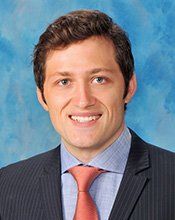 Smith Zachary L合作论文数6
 Aaron S Mansfield合作论文数Helsinki University Central Hospital6Christine M. Leduc合作论文数5J. Smadbeck合作论文数5Michael B. Matter合作论文数5Zubin D Gagrat合作论文数5Joseph Rodriguez合作论文数5Abhik Bhattacharya合作论文数5Shreyas Joshi合作论文数Department of Urology, Emory University School of Medicine5G. Karagouga合作论文数5
 Yair Lotan合作论文数Department of Urology, The University of Texas Southwestern Medical Center5Kathryn Bylow合作论文数5
 Tobias Peikert合作论文数Mayo Clinic Comprehensive Cancer Center, Mayo Clinic5
 William A See合作论文数Medical College of Wisconsin5Martin Krockenberger合作论文数4Viraj Maniar合作论文数4F. Kosari合作论文数4Keith D Fourrier合作论文数4Tiruvidaimarudur S. Ramasubramanian合作论文数4Johnathan Doolittle合作论文数4Marilyn C Olson合作论文数4N. Hoppman合作论文数4
 Ross Everett合作论文数Dept Urol, Med Coll Wisconsin4Andrew Radtke合作论文数4Robert Medairos合作论文数4Melanie Adamsky合作论文数4Baughn Linda合作论文数4
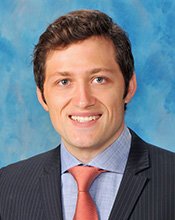 Zachary L. Smith合作论文数Urologic Oncologist, AdventHealth Cancer Institute4
 David J. Marshall合作论文数Department of Biology, Universiti Brunei Darussalam4A Mariotti合作论文数3A Dogan合作论文数3Kevin Zeeck合作论文数3Keegan Zuk合作论文数3E. K. Mulligan合作论文数3




