This review examines challenges in post-stroke dysphagia management, including access to swallowing imaging, enteral feeding decisions, and barriers to reassessment and rehabilitation. It evaluates how healthcare systems and practice patterns influence swallowing outcomes and stroke recovery. Recent literature emphasizes that post-stroke dysphagia is a dynamic condition requiring longitudinal management rather than a temporary acute complication. Evidence supports validated dysphagia screening followed by clinical swallowing evaluation and swallowing imaging for accurate diagnosis and treatment planning. Studies highlight variability in gastrostomy tube practices, post-acute access to swallowing imaging, continuity of care, and the psychosocial burden of oral restriction and feeding decisions after stroke. Dysphagia management systems remain fragmented, contributing to inconsistent diagnosis, reassessment, access to intervention, and prolonged unnecessary oral intake restrictions. Future efforts should prioritize rehabilitation pathways that support recovery-oriented dysphagia management.
BACKGROUND:Admission hyperglycemia (glucose > 140 mg/dL) after ischemic stroke is associated with poor clinical outcomes, including cognitive impairment. Although hyperglycemia is commonly observed following intracerebral hemorrhage (ICH), it remains unclear whether its presence is also associated with reduced cognitive performance. METHODS:In this post hoc analysis of the ICH Deferoxamine Trial, admission hyperglycemia and other baseline characteristics were compared between patients with and without cognitive impairment (90-day Montreal Cognitive Assessment score < 26) using univariable and multivariable models. RESULTS:Among 293 patients with spontaneous, supratentorial ICH (aged 60±12 years, 38% female), 132 had hyperglycemia and 134 met criteria for cognitive impairment. Patients with cognitive impairment were older (61±12 vs. 57±11 years, p = 0.02), more likely to be female (46% vs. 28%, p = 0.02), had less coronary artery disease (6% vs. 16%, p = 0.06), higher hemorrhage volumes (19.5 mL [IQR 9.3-32.7] vs. 12.2 mL [IQR 6.1-18.3], p < 0.01), and more lobar hemorrhages (25% vs. 13%, p = 0.05). When these variables were entered into a multivariable logistic regression model, age (aOR 1.04, 95% CI [1.01-1.07]), coronary artery disease (aOR 0.33, 95% CI [0.11-0.97]), hyperglycemia (aOR 2.03, 95% CI [1.03-3.97]), and ICH volume (aOR 1.03, 95% CI [1.01-1.06]) were independently associated with impaired cognition. CONCLUSION:The association between admission hyperglycemia and cognition indicates that acute hyperglycemia may identify patients at heightened risk of cognitive decline, underscoring the need for further studies to determine whether aggressive glycemic control mitigates post-ICH cognitive impairment.
INTRODUCTION:Post-stroke dysphagia (PSD) is a common complication following acute ischemic stroke (AIS). Predicting the recovery of swallow function remains challenging. The Predictive Swallow Score (PRESS) model, derived and validated in a Swiss cohort, sought to predict the recovery of PSD after AIS. We aimed to validate the PRESS model in a US-cohort, conducting a two-center retrospective review of 149 patients with AIS and functional oral intake scale (FOIS) ≤ 4. METHODS:We collected the predictors of recovery of PSD according to PRESS (age, NIH Stroke Scale (NIHSS), any2 score, stroke location, FOIS score), with a primary outcome of impaired swallow at day 7 (FOIS ≤ 4). Model validation was completed using the Hosmer-Lemeshow (HL) test, calibration plots, and AUC analysis. RESULTS:Median (IQR) age was 74 (61-86); 53% were female. Median (Q1-Q3) NIHSS at presentation was 14 (7-20). HL test demonstrated that the PRESS model did not fit the validation data (p < 0.00001, x2=48.343, df=5), and the calibration curve analysis (intercept = -0.80 (95% CI: -1.21 to -0.38), slope = 0.60 (95% CI: 0.37 to 0.82)) also demonstrated a poor calibration of the model. Area under the curve analyses demonstrated a C statistic of 0.75 (95% CI 0.67-0.82), indicating suboptimal model discrimination in predicting the recovery of swallow 7 days following AIS. In particular, the model overpredicted dysphagia severity at day-7 in patients with higher PRESS scores and more severe strokes. CONCLUSION:Further validation of the PRESS score in prospective cohorts is warranted. The suboptimal model performance could be attributed to temporal advances in stroke care, as the original PRESS cohort was derived between 2011 and 2014. Geographic variability in acute stroke care practice could also be a factor, as the PRESS score was derived solely from a European cohort. This study, however, is limited by its retrospective design and a lack of generalizability.
Narrow therapeutic time windows and delays in assessing acute ischemic stroke patients limit the access to and effectiveness of reperfusion therapies. A 2-year quality improvement project codesigned and tested a checklist for quicker evaluation of suspected stroke cases in 2 emergency departments (EDs). Utility, feasibility, and implementation barriers were assessed through semistructured interviews. The impact on stroke quality metrics was analyzed using bivariate and multivariate regression models with data from the American Heart Association's Get With the Guidelines registry. Implementing the checklist was significantly associated with higher odds of receiving intravenous thrombolytics within 60 minutes of ED arrival (odds ratio: 6.4, 95% confidence interval: 1.1-68.7, P = 0.03). Users felt the checklist improved the standardization of stroke care and promoted teamwork, especially in a time of higher staff turnover. An ED-based stroke checklist resulted in timelier stroke care for acute ischemic stroke patients, meriting further testing in larger, more diverse settings.
Background Differentiating between mild cognitive impairment (MCI), Alzheimer’s disease (AD), and frontotemporal dementia (FTD) subtypes remains a clinical challenge due to overlapping cognitive symptoms, structural atrophy, and metabolic patterns, especially in the early stages. Multimodal classification approaches integrating neuroimaging and cognitive scores may offer early and accurate characterization and subsequently improved diagnostic precision. Methods In this study, we included 100 participants (50 AD, 30 FTD, including 14 bvFTD and 16 PPA, and 20 MCI) who underwent simultaneous structural MRI and FDG-PET imaging. Cortical thickness (CTH) from anatomical MRI and standardized uptake values from FDG-PET were extracted using FreeSurfer and PETSurfer pipelines, respectively. CTH and FDG-PET features were combined into a single vector through a logistic weighting function derived from ACE-III scores, capturing the progressive nature of cognitive decline in dementia. A Naive Bayes classifier was then trained to differentiate diagnostic groups based on the merged features. Results The model achieved classification accuracies of 83% for MCI vs. dementia (AD + FTD), 85% for MCI vs. FTD, 87% for MCI vs. PPA, 71% for MCI vs. bvFTD, 64% for MCI vs. AD, and 69% for AD vs. FTD. The overall classification accuracy was 68%, with the highest discriminative performance observed in separating MCI from FTD subtypes. Conclusions This study presents a novel, cognition-weighted multimodal approach combining structural and metabolic imaging to enhance the classification of neurodegenerative syndromes. Findings from this study, underscore the potential of integrating ACE-III scores with neuroimaging biomarkers for accurate characterization and, early-stage differentiation of MCI, AD, and FTD variants. ### Competing Interest Statement The authors have declared no competing interest.
Background and objectives The most common cause of convexity subarachnoid hemorrhage (cSAH) in younger patients (younger than 60 years) is reversible cerebral vasoconstriction syndrome (RCVS). Evidence on the long-term outcomes of future vascular events and functional outcome after cSAH due to RCVS is limited. We aimed to assess the rates and baseline predictors of our primary outcomes (cSAH, intracerebral hemorrhage (ICH), and ischemic stroke), functional outcome, and mortality after cSAH attributed to RCVS. Methods Individual patient data pooled analysis in patients with cSAH attributed to RCVS. A systematic literature search was conducted in PubMed and EMBASE. Two independent reviewers screened studies and extracted data. Quality assessment was assessed using the Newcastle-Ottawa Scale. Early events during the accepted time frame of an RCVS episode (<3 months) were classified as progression rather than recurrence. Follow-up was truncated at 5 years. Primary outcomes were recurrent cSAH, ICH, and ischemic stroke. Secondary outcomes were mortality and functional status measured by modified Rankin Score (mRS). Results We identified 21 eligible cohorts finally including 138 patients from 9 collaborative centers, which provided individual patient data. The mean age was 49.3 +/- 12.1 years, and 110 (79.7%) were female. During a mean follow-up of 1.8 years, annual rates were cSAH recurrence 0.81% (95% CI 0.1-2.91), ICH 0.81% (95% CI 0.1-2.91), and ischemic stroke 0.81% (95% CI 0.1-2.91). Progression during the initial episode (shortly after admission) occurred in 10 patients for cSAH, 2 for ICH, and 8 for ischemic stroke, respectively. Of 106 patients (76.8%) with available outcome data, 100 (94.3%) achieve a mRS of <= 1 at follow-up, indicating no significant disability. Two patients died (annual rate 0.5%, 95% CI 0.09-2.9): one within 10 days and the other within 2 months of the cSAH. Discussion Our data suggest a favorable prognosis for most patients after RCVS-associated cSAH with low rates of recurrent events and a high proportion achieving functional independence. Major limitations include retrospective data collection and potential selection bias from centers providing individual patient data. Nevertheless, these findings provide prognostic information to inform clinical practice.
Stroke is a major cause of morbidity, mortality, and disability. The American Heart Association/American Stroke Association recently published updated guidelines on secondary stroke prevention. In these rounds, 2 vascular neurologists use the case of Mr. S, a 75-year-old man with a history of 2 strokes, to discuss and debate questions in the guideline concerning intensity of atrial fibrillation monitoring in embolic stroke of undetermined source, diagnosis and management of moderate symptomatic carotid stenosis, and therapeutic strategies for recurrent embolic stroke of undetermined source in the setting of guideline-concordant therapy.
Background and ObjectivesIntubation for acute stroke is common in the United States, with few established guidelines. MethodsThis is a retrospective observational study of acute stroke admissions from 2011 to 2018 among fee-for-service Medicare beneficiaries aged 65-100 years. Patient demographics and chronic conditions as well as hospital characteristics were identified. We identified patient intubation, stroke subtype (ischemic vs intracerebral hemorrhage), and thrombectomy. Factors associated with intubation were identified by a linear probability model with intubation as the outcome and patient characteristics, stroke subtype, and thrombectomy as predictors, adjusting for within-hospital correlation. We compared hospital characteristics between adjusted intubation rate quartiles. We specified a linear probability model with 30-day mortality as the patient-level outcome and hospital intubation rate quartile as the categorical predictor, again adjusting for patient characteristics. We specified an analogous model for quartiles of hospital referral regions. ResultsThere were 800,467 stroke hospitalizations at 3,581 hospitals. Among 2,588 hospitals with 25 or more stroke hospitalizations, the median intubation rate was 4.8%, while a quarter had intubation rates below 2.4% and 10% had rates above 12.5%. Ischemic strokes had a 21% lower adjusted intubation risk than intracerebral hemorrhages (risk difference [RD] -21.1%, 95% CI -21.3% to -20.9%; p < 0.001), whereas thrombectomy was associated with a 19.2% higher adjusted risk (95% CI RD 18.8%-19.6%; p < 0.001). Women and older patients had lower intubation rates. Large, urban hospitals and academic medical centers were overrepresented in the top quartile of hospital adjusted intubation rates. Even after adjusting for available characteristics, intubated patients had a 44% higher mortality risk than non-intubated patients (p < 0.001). Hospitals in the highest intubation quartile had higher adjusted 30-day mortality (19.3%) than hospitals in the lowest quartile (16.7%), a finding that was similar when restricting to major teaching hospitals (22.3% vs 18.1% in the 4th vs 1st quartiles, respectively). There was no association between market quartile of intubation and patient 30-day mortality. DiscussionIntubation for acute stroke varied by patient and hospital characteristics. Hospitals with higher adjusted rates of intubation had higher patient-level 30-day mortality, but much of the difference may be due to unmeasured patient severity given that no such association was observed for health care markets.
Objective: The laryngeal adductor reflex (LAR) is vital for airway protection and can be electrophysiologically obtained under intravenous general anesthesia (IGA). This makes the electrophysiologic LAR (eLAR) an important tool for monitoring of the vagus nerves and relevant brainstem circuitry during high-risk surgeries. We investigated the intra-class variability of normal and expected abnormal eLAR. Methods: Repeated measures of contralateral R1 (cR1) were performed under IGA in 58 patients. Data on presence/absence of cR2 and potential confounders were also collected. Review of neuroimaging, pathology and clinical exam, allowed classification into normal and expected abnormal eLAR groups. Using univariate and multivariate analysis we studied the variability of cR1 parameters and their differences between the two groups. Results: In both groups, cR1 latencies had coefficients of variation of <2%. In the abnormal group, cR1 had longer latencies, required higher activation currents and was more frequently desynchronized and unsustained; cR2 was more frequently absent. Conclusions: cR1 latencies show high analytical precision for measurements. Delayed onset, difficult to elicit, desynchronized and unsustained cR1, and absence of cR2 signal an abnormal eLAR. Significance: Understanding the variability and behavior of normal and abnormal eLAR under IGA can aid in the interpretation of its changes during monitoring. (c) 2024 International Federation of Clinical Neurophysiology. Published by Elsevier B.V. All rights reserved.
OBJECTIVE:Acute hyperglycemia following intracerebral hemorrhage (ICH) is associated with poor functional outcomes and may result from a neuroendocrine stress response. Given the proximity of neuroendocrine structures to the cerebral ventricles, we tested the hypothesis that intraventricular hemorrhage (IVH) is associated with hyperglycemia. MATERIALS AND METHODS:A post-hoc analysis of the ICH Deferoxamine (i-DEF) trial was conducted to determine predictors of IVH. Variables with significant differences (p < 0.1) in univariable tests between patients with and without IVH were entered into a logistic regression model along with age, sex, diabetes, hyperglycemia (admission glucose ≥140 mg/dL), and baseline intraparenchymal hemorrhage (IPH) volume. This model was then applied to an independent cohort of consecutive non-traumatic ICH patients admitted to a single referral center (2007 to 2018). RESULTS:Among 294 patients in the i-DEF cohort with mean age 60 ± 12 years (IVH in 41 %), hyperglycemia (aOR 1.90, 95 % CI [1.06-3.38]), smoking history (aOR 1.90, 95 % CI [1.11-3.27]), and non-lobar ICH location (aOR 3.38, 95 % CI [1.49-7.69]) were independently associated with IVH. In the independent cohort consisting of 856 patients with mean age 71 ± 12 years (IVH in 37 %), hyperglycemia (aOR 2.23, 95 % CI [1.55-3.20]), non-lobar ICH location (aOR 2.50, 95 % CI [1.75-3.59]), and IPH volume (aOR 1.02, 95 % CI [1.01-1.02]) were associated with IVH. CONCLUSIONS:Hyperglycemia is associated with IVH and may be a peripheral marker for the inflammatory response to hemorrhage within the ventricles. Further translational studies are needed to elucidate the pathophysiological basis for this phenomenon.
Systemic, nonneurological complications are common after ischemic and hemorrhagic strokes, affect different organ systems, and have a major impact on patient outcomes. Despite their obvious implications, this area in stroke management remains inadequately researched, and current literature offers fragmentary guidance for care. The purpose of this scientific statement is to elucidate the major systemic complications of strokes that occur during hospitalization, to synthesize evidence from current literature and existing guidelines, to address gaps in knowledge, and to provide a coherent set of suggestions for clinical care based on interpretation of existing evidence and expert opinion. This document advocates for improved interdisciplinary collaboration, team effort, and effective implementation strategies to reduce the burden of these events in clinical practice. It also calls for further research on strategies for preventing and managing systemic complications after stroke that improve outcomes in stroke survivors.
Background: Extracorporeal membrane oxygenation (ECMO) is a critical life-support intervention for severe cardiopulmonary failure. Venoarterial (VA)-ECMO presents unique challenges in neuroradiological assessment due to hemodynamic alterations and the presence of imaging artifacts. Case Report: This case report describes an adult post-heart transplant patient on peripheral VA-ECMO who developed left-sided hemiparesis, suggestive of cerebrovascular events. While our patient developed multifocal ischemic infarcts, the initial computed tomography perfusion (CTP) imaging indicated hypoperfusion of the entire right hemisphere. Given the discrepancy in the patient’s clinical assessment, which was suggestive of a more circumscribed right hemispheric involvement, and the CTP findings, subsequent digital subtraction angiography was performed, which demonstrated adequate vascular filling with no large vessel occlusion. Conclusion: These findings highlight the diagnostic complexities of ECMO-related artifacts, even in the presence of neurological complications that can mimic true perfusion deficits and potentially lead to misdiagnosis.
The aim of the present study was to evaluate the physiological and morphological parameters of pregnant does for early prediction of prenatal litter size. In total, 33 does were screened using ultrasonography and further categorized into three groups based on does bearing twins (n = 12), a single fetus (n = 12), or non-pregnant does (n = 9). The rectal temperature °F (RT) and respiration rate (RR) as physiological parameters, while abdominal girth in cm (AG) and udder circumference in cm (UC) as morphological parameters were recorded at different gestation times, i.e. 118, 125, 132 and 140 days. In addition to this, age (years) and weight at service (kg) were also used. The statistical analyses included analysis of variance (ANOVA) and linear discriminant analysis (LDA). The results indicated that groups had significant (P < 0.05) differences among morphological parameters at each gestation time, with higher AG and UC in does bearing twins followed by a single fetus and non-pregnant does. However, both physiological parameters were non-significantly (P > 0.05) associated with litter size groups. It was also revealed that the studied parameters showed increasing trends over gestation time in single and twin fetus categories, but they were on par among non-pregnant does. The results of the LDA revealed that estimated function based on age, weight at service, RR, RT, AG and UC had greater (ranging from 75.00 to 91.70%) accuracy, sensitivity and specificity at different gestation times. It was concluded that using an estimated function, future pregnant does may be identified in advance for single or twin litter size, with greater accuracy.
Objectives: Atrioesophagel fistula (AEF) is a rare, but potentially deadly complica-tion of atrial ablation procedures. We present a case of a patient with cardioembolic cerebral infarcts and sepsis secondary to an atrioesophageal fistula, which likely developed after an atrial ablation procedure for atrial fibrillation. Case presentation: A 66-year-old man initially presented to an emergency department with diarrhea and sepsis, but his subsequent course was complicated by develop-ment of multiple, major cerebral infarcts. Despite high suspicion of septic embolism, extensive workup was required before the diagnosis of an atrioesophageal fistula was made. Conclusions: Though rare, atrioesophageal fistula represents a high mor-tality complication of common atrial ablation procedures. A high index of suspicion is needed for timely diagnosis and to initiate appropriate treatment.
 Magdy H. Selim合作论文数Department of Neurology, Beth Israel Deaconess Medical Center, Harvard Medical School36
 Louis R Caplan合作论文数Beth Israel Deaconess Medical Center;Department of Neurology, Harvard Medical School, Harvard University26
 Gottfried Schlaug合作论文数Neuroimaging Laboratory, Beth Israel Deaconess Medical Center;Music and Neuroimaging Laboratory, Harvard Medical School;Department of Neurology, University of Massachusetts Medical School25
 Sarah Marchina合作论文数Department of Neuropsychology, University of Zurich17J Devellis合作论文数13
 Vasileios Lioutas合作论文数Beth Israel Deaconess Medical Center, Harvard Medical School11Manu Mehdiratta合作论文数Department of Medicine, Temerty Faculty of Medicine, University of Toronto8S. P. Dahiya合作论文数Dept Anim Genet & Breeding, Lala Lajpat Rai Univ Vet & Anim Sci7
 Corey R Fehnel合作论文数7
 Awadhesh Kumar Jha合作论文数Regional Research Laboratory (CSIR), Hoshangabad Road, Bhopal 462026, M.P., India7Ankit Magotra合作论文数6Cynthia Wagner合作论文数6Safdar Adnan合作论文数6J. De Vellis合作论文数6
 Susan E. Langmore合作论文数Division of Otolaryngology - Head & Neck Surgery, Chobanian & Avedisian School of Medicine, Boston University6
 Bharat Rawlley合作论文数5I Linfante合作论文数5
 Wuwei Feng合作论文数Neuromodulation and Stroke Recovery Lab, Department of Neurology, Duke University School of Medicine5
 Jessica Pisegna合作论文数1Boston University Sargent College5tefcros anthias合作论文数4Utkarsh Dayal合作论文数4Dhawani Julka合作论文数4Ishita Salooja合作论文数4AE DELOSMONTEROS合作论文数4vinod dashora合作论文数4
 K. Prasad合作论文数4Z S Malik合作论文数4
 Kannu Bansal合作论文数4R Chang合作论文数4
 Andres Cordova Sanchez合作论文数4D Eric Searls合作论文数Dept Neurol, Harvard Univ4Fink J N合作论文数4
 Debanik Chaudhuri合作论文数4Frayne Colleen合作论文数4Das Alvin S合作论文数4
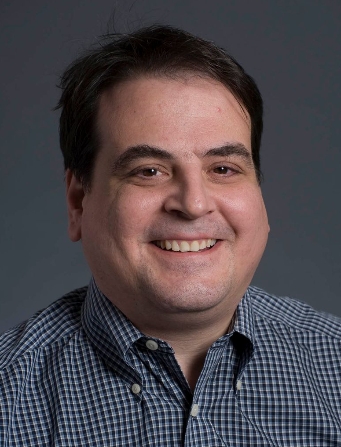 Joe Massaro合作论文数School of Public Health, Boston University;Harvard Clinical Research Institute4
 Marcia N. Gordon合作论文数University of South Florida4
 Baljit Singh合作论文数Faculty of Medical Sciences, SGT University4
 Jonathan A. Edlow合作论文数Department of Emergency Medicine, Beth Israel Deaconess Medical Center;Department of Medicine, Harvard Medical School4
 Anal K. Jha合作论文数Department of Chemistry, T.M. Bhagalpur University4Goutam Sutradhar合作论文数Department of Mechanical Engineering, Jadavpur University4
 Christopher S. Ogilvy合作论文数Beth Israel Deaconess Medical Center;Harvard Medical School4Sheila Scully合作论文数4Wendy Cohen合作论文数3
 Sebastian F Ameriso合作论文数3yi jin合作论文数3
 Yogesh C. Bangar合作论文数Department of Animal Genetics and Breeding, Lala Lajpat Rai University of Veterinary and Animal Sciences (LUVAS),3
 Poonam Ratwan合作论文数Dept Anim Genet & Breeding, Lala Lajpat Rai Univ Vet & Anim Sci3
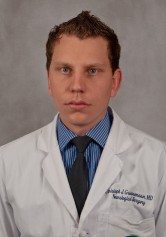 Christoph J. Griessenauer合作论文数Christian Doppler Klinik, Paracelsus Medical University3




