IntroductionPrimary biliary cholangitis (PBC) is a chronic inflammatory autoimmune cholestatic liver disease frequently associated with hyperlipidaemia. However, the impact of steatosis on the liver disease in PBC patients has not been studied so far.AimTo investigate liver steatosis [assessed by controlled attenuation parameter (CAP)] and its relationship with liver stiffness (LS) [evaluated by transient elastography (TE)] in patients with PBC.Materials and MethodsAll patients with PBC admitted to the Unit of Medicine and Hepatology of the University Hospital of Messina in 2023 underwent contemporaneous LS and CAP measurements. Demographic, anthropometric, biochemical, ultrasonographic data, and treatment information were collected from all patients. The Spearman's rank test was used for analyzing the correlation between CAP values and all the recorded variables. Uni- and stepwise multivariate analyses were performed for identifying factors independently associated with higher liver stiffness values.ResultsSeventy-four patients (68 females, 6 males; mean age 61.3 ± 11.3 years) under ursodeoxycholic acid treatment for at least twelve (range 12-233) months were included in the analysis, and 14 of them (18.9%) had cirrhosis. Mean liver stiffness was 9.1 ± 6.9 kPa, mean CAP values were 228.5 ± 55.7 dB/m. Ultrasonographic signs of steatosis were present in 70/74 (94.6%) patients, mean BMI was 25.7 ± 4.2 Kg/m2. The Spearman's rank test showed significant correlation between CAP values and BMI (p < 0.05), IgM levels (p < 0.05), and liver stiffness (p= 0.01). Multivariate analysis showed that higher gamma-globulin levels (p= 0.002, OR 4.73), larger spleen diameter (p= 0.004, OR 1.02), and higher CAP values (p= 0.02, OR 3.11) were independently associated with higher liver stiffness values.ConclusionsLiver steatosis is highly prevalent in patients with PBC and appears to impact on liver stiffness.
Background-Aims: Coexistence of liver cirrhosis (LC) and arterial hypertension (AH) has been insufficiently investigated. The aims of this study were to analyze prevalence and possible clinical impact of AH in LC patients.
Strong evidence indicates that reduction of salt intake lowers blood pressure and reduces the risk of cardiovascular disease and all-cause mortality [ [1] Geneva: World Health Organization Guideline: Sodium Intake for Adults and Children. 2012 Google Scholar ]. This issue has also been deeply investigated in patients with decompensated cirrhosis. In fact, the guidelines of the European Association for the Study of the Liver (EASL) recommend a salt intake of 4.6-6.9 g/daily, corresponding to 1.84-2.76 g of sodium/daily, for patients with cirrhosis and ascites.[ [2] Angeli P. Bernardi M. Villanueva C. Francoz C. Mookerjee R.P. Stadlbauer V. et al. EASL Clinical Practice Guidelines for the management of patients with decompensated cirrhosis. J Hepatol. 2018; 69: 406-460 Google Scholar ] In the advanced stage of cirrhosis, splanchnic vasodilation causes a marked arterial underfilling that induces the maximum activation of the renin-angiotensin-aldosterone system, the sympathetic nervous system, and the arginine vasopressin release. All these activated systems would entail a reduced renal perfusion with consequent further retention of sodium and water, ultimately leading to the onset of hypervolemic hyponatremia and refractory ascites. The degree of activation of these neurohumoral mechanisms and renal impairment directly correlate with the degree of portal hypertension.[ [3] Bosch J. Arroyo V. Betriu A. Mas A. Carrilho F. Rivera F. et al. Hepatic hemodynamics and the renin-angiotensin-aldosterone system in cirrhosis. Gastroenterology. 1980; 78: 92-99 Abstract Full Text PDF PubMed Scopus (235) Google Scholar ] Consequently, hyponatremia represents a parameter indirectly reflecting the severity of portal hypertension, and it is strongly associated with an increased risk of liver-related mortality.[ [4] Biggins S.W. Rodriguez H.J. Bacchetti P. Bass N.M. Roberts J.P. Terrault N.A. Serum sodium predicts mortality in patients listed for liver transplantation. Hepatology. 2005; 41: 32-39 Google Scholar ] Furthermore, it has to be noted that any sodium intake (i.e., with food, or administered with fluid therapy such as balanced crystalloids, normal saline, colloids) in patients with cirrhosis may negatively affect the sodium retention being responsible for hyponatremia and worsening of ascites.[ [1] Geneva: World Health Organization Guideline: Sodium Intake for Adults and Children. 2012 Google Scholar ]
Background: Frailty is a multiply determined vulnerability state causing a higher risk of adverse outcomes including death.
Introduction and aim: Patients with cirrhosis are at high risk of developing bacterial infections (BIs), in particular in occasion of invasive procedures. Aim of this prospective study was to investigate the incidence of BIs in cirrhotic patients undergoing elective endoscopic variceal ligation (EVL).
Erectile dysfunction (ED) is a clinical disorder frequently observed in chronic cardiovascular diseases, diabetes and obesity. Aims of this study were to evaluate the prevalence of ED in cirrhotic patients and to investigate clinical and biochemical factors possibly associated with its occurrence.
Aim of this study was to evaluate short-term mortality in a cohort of cirrhotic patients treated with empirical versus antibiogram-guided antibiotic therapy.
OBJECTIVE: Epidemiological studies report that in Sicily reside about 30,000 citizens with a diagnosis of chronic hepatitis due to HCV. The availability of direct antiviral action (DAA) is a real therapeutic breakthrough, but the high cost of the therapeutic regimes limits their use and forced the National Health System to establish clinical priority for the treatment.MATERIALS AND METHODS: The HCV Sicily Network is a web-based model of best medical practice, which was designed to improve the management and the treatment of HCV chronic hepatitis and cirrhosis.The network includes 41 centers and 84 gastroenterologists or infectivologists connected by a web platform that recorder the diagnosis and the clinic priority for the therapy.RESULTS: From March 2015 to September 2016, 9,965 patients (57% male, mean age 61 years, 34% with age over 70 years) have been recorded in the web platform, 3,319 patients completed the treatment, and 1,754 completed the 12 weeks of follow- up. The Sustained Virological Response (SVR) was achieved in 1,541 patients (87.8%), while 136 patients (7.7%) 77 patients (4.5%) experienced a virological relapse during the 12 weeks of follow-up.CONCLUSIONS: The HCV Sicily Network is an excellent system for the Regional Department of Health that can have a real estimation of patients that received an efficacy, but high-cost therapy.
AbstractContrast medium administration is one of the leading causes of acute kidney injury (AKI) in different clinical settings. The aim of the study was to investigate occurrence and predisposing factors of AKI in cirrhotic patients undergoing contrast-enhanced computed tomography (CECT).Datasets of 1279 consecutively hospitalized cirrhotic patients were retrospectively analyzed. Two hundred forty-nine of 1279 patients (mean age 64 ± 11 years, 165 male) who had undergone CECT were selected on the basis of the availability of serum creatinine (sCr) values evaluated before and after CECT (CECT group). In analogy, 203/1279 cases (mean age 66 ± 10 years, 132 male) who had not undergone CECT and had been tested twice for sCr in 7 days were also included as controls (Control group). AKI network criteria were employed to assess contrast-induced AKI (CI-AKI) development. Apart from lack of narrowed double sCr measurements, additional exclusion criteria were active bacterial infections, nephrotoxic drugs intake, and estimated glomerular filtration rate <30 mL/min.AKI developed in 22/249 (8.8%) and in 6/203 (3%) of the CECT and the Control groups, respectively (P = 0.01). The multivariate logistic regression analysis showed that AKI was significantly associated with contrast medium administration (odds ratio [OR]: 3.242, 95% confidence interval [CI]: 1.255–8.375; P = 0.015), female sex (OR: 0.339, 95% CI: 0.139–0.827; P = 0.017), and sCr values (OR: 0.124, 95% CI: 0.016–0.975; P = 0.047). In the CECT group, presence of ascites (OR: 2.796, 95% CI: 1.109–7.052; P = 0.029), female sex (OR: 0.192, 95% CI: 0.073–0.510; P = 0.001), and hyperazotemia (OR: 1.018, 95% CI: 1.001–1.037; P = 0.043) correlated with CI-AKI development at multivariate analysis.CI-AKI is a quite frequent occurrence in cirrhotic patients with female sex, presence of ascites, and hyperazotemia being the predisposing factors.
Introduction: Real-life studies, mainly report results in untreated patients.
POSTERSperformed in all patients.Phenotypic analysis was conducted using a chimeric genotype 1b replicon assay.Results: Emerging mutations at one or more of the NS3 amino acid positions 80, 155, 156, 168 were detected by population sequencing in all 6 patients during study C101.At baseline of the subsequent OPERA-1 study, population sequencing and phenotyping revealed similar NS3 sequences and EC50 values as those observed prior to TMC435 monotherapy in C101 for all 5 patients enrolled.However, in one patient a previouslyselected R155K mutation was detected at low frequency (<2%) using 454 sequencing.This patient showed an initial virologic response (<25 IU/mL detectable at week 4) followed by a viral breakthrough during PegIFN/RBV therapy which was associated with a R155K mutation.In another patient, who showed a slightly slower initial viral decline, mutations Q80R/D168E detected as minority variant during C101 using 454 sequencing, emerged as a major variant early upon re-treatment with TMC435.This patient discontinued treatment per protocol due to elevated plasma bilirubin levels.The remaining 3/5 patients showed fast initial virologic response, reached undetectable HCV RNA at week 4 and achieved an SVR24.Conclusions: Most viral variants that emerged during first exposure to TMC435 were no longer detected over time, while some persisted at low frequencies based on deep-sequencing analysis.Successful treatment after prior exposure to TMC435 with emergence of resistance variants was possible in 3/5 patients who had failed interferon-based therapy.
Introduction HVPG is an established marker of portal hypertension, while transient elastography (TE) has been proposed as a non-invasive marker of portal hypertension/disease progression. Collagen proportionate area (CPA),1 a histological quantitation of liver collagen, was recently shown to be a better correlate with HVPG than Ishak stage. The aim of this study is to evaluate relationships between liver collagen, TE, APRI score, HVPG and Ishak stage. Methods Consecutive HCV transplanted patients had transjugular liver biopsies combined with HVPG, TE and CPA. Linear regression analysis was used to assess correlation: CPA and TE, and CPA, TE and HVPG. ROC curves to assess sensitivities/specificities of each factor. Results 58 HCV transplanted patients: 47 males, mean age 53 years, mean time 50±39 (9–169) months from LT. Median liver stiffness (LSM) 11.3 kPa (3.1–50.3), mean HVPG 5 mm Hg (0–32), mean CPA 7.9% (1–45), mean APRI score 0.06 (0.01–0.7). Correlation between LSM and CPA r2=0.58, (p<0.000), between LSM and HVPG r2=0.16; (p=0.002) and CPA and HVPG r2=0.28(p<0.000). Univariately CPA, Ishak stage, TE (all p<0.0001), APRI score (p=0.04) were associated with HVPG≥6 mm Hg; multivariately CPA was the only independent factor (OR 1.336, 95% CI 1.136 to 1.571, p=0.000). Univariately CPA, Ishak stage, TE and APRI score were also associated with HVPG≥10 mm Hg but multivariately only CPA (OR 1.1, 95% CI 1.02 to 1.2, p=0.020). For HVPG≥6 mm Hg, AUROC for CPA was 0.91(95% CI 0.83 to 0.99). The best cut-off was 8.7% (78% sensitivity and 87% specificity); AUROC for stiffness was 0.83 (95% CI 0.70 to 0.96), cut-off of 10.9 kPa had 78% sensitivity and 87% specificity. For CPA >8%, the AUROC for stiffness was 0.98(95% CI 0.96 to 1.011). A cut-off of 9.6 kpa could predict CPA>8% (93% sensitivity and 99% specificity). For stiffness>11 kPa, AUROC for CPA was 0.96(95% CI 0.89 to 1.018) with a cut-off of 8.4% (87% sensitivity and 99% specificity). Conclusion CPA as a quantitative measure of liver collagen had a better correlation with TE than HVPG. Thus it may represent a better histological index for TE rather than stages which are descriptive categories and not quantitative assessments. CPA was better than Ishak stage or TE in predicting portal hypertension. CPA should be evaluated to subclassify cirrhosis.
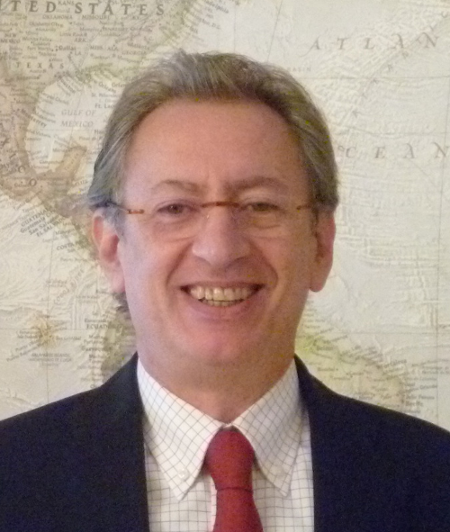 Giovanni Raimondo合作论文数Dipartimento di Medicina Clinica e Sperimentale, Università Degli Studi di Messina17
 Giovanni Squadrito合作论文数15
 Vincenza Calvaruso合作论文数DIBIMIS, Università di Palermo14Burroughs Andrew Kenneth合作论文数11
 Pinelopi Manousou合作论文数Digestive Diseases, Department of Metabolism, Digestion and Reproduction, Faculty of Medicine, Imperial College London10M Morales Pleguezuelo合作论文数Liver Transplantation and Hepatobiliary Unit, Royal Free Hospital9
 Irene Cacciola合作论文数9Carlo Saitta合作论文数9
 Gaia Caccamo合作论文数Dipartimento di Medicina Interna Messina Italy, Università di Messina U.O. di Epatologia Clinica e Biomolecolare9Roberto Filomia合作论文数8D. Patch合作论文数8
 Vito Di Marco合作论文数PROMISE Department, University of Palermo7Teresa Pollicino合作论文数Department of Internal Medicine, University of Messina7M.S. Franzè合作论文数6
 Antonio Craxi合作论文数University of Palermo6
 Fabrizio Bronte合作论文数6E. Xirouchakis合作论文数6A. Montineri合作论文数4
 Graziella Isgro合作论文数4Geoffrey Dusheiko合作论文数4Angela Alibrandi合作论文数4C. Scisciani合作论文数3G.P. Guerrini合作论文数3f vinelli合作论文数3C. Pitrone合作论文数3G.A. Niro合作论文数3Giancarlo Labbadia合作论文数3Marco Massari合作论文数3
 James O'Beirne合作论文数Dept Gastroenterol & Hepatol, Sunshine Coast Univ Hosp3Amaddeo Giuliana合作论文数3
 Giuseppe M. Raffa合作论文数Department of Cardiothoracic Surgery, School of Medicine, University of Pittsburgh3
 S*. Fagiuoli合作论文数3Ap Dhillon合作论文数3G. Svegliati Baroni合作论文数3Calogero Camma合作论文数3
 Alfredo Marzano合作论文数Department of Gastroenterology, Molinette Hospital3
 Alessandro Grasso合作论文数3
 Massimo Levrero合作论文数Faculty of Medicine, University Claude Bernard Lyon 1;Sapienza University of Rome3Teresa Santantonio合作论文数Department of Clinical and Experimental Medicine, University of Foggia3
 Gabriele Missale合作论文数Laboratory of Viral Immunopathology, Unit of Infectious Diseases and Hepatology, Italy3M. Fasano合作论文数3
 Giuseppina Brancaccio合作论文数3
 Barbara Testoni合作论文数3L. Nosotti合作论文数3L. Andreana合作论文数3L. Makalanda合作论文数2B Davidson合作论文数2N Rolando合作论文数2Giovanni Oliva合作论文数2




