Heme is an iron-containing tetrapyrrole with dual biological functions. While it serves as an essential prosthetic group in various hemoproteins, heme is cytotoxic in its 'free', non-protein-bound, form. Labile heme (LH) denotes the intracellular fraction of bioavailable heme that is readily exchangeable for incorporation into hemoproteins. To investigate the regulatory role of this heme fraction in inflammatory activated macrophages, we applied the selective fluorescent small molecule H-FluNox for LH detection in lipopolysaccharide (LPS)-stimulated murine bone marrow-derived macrophages (BMDMs). Studies with H-FluNox and its cell-permeable derivative acetylated (Ac)-H-FluNox revealed a time-dependent decrease of LH levels in living BMDMs upon treatment with LPS. Expression of δ-aminolevulinate synthase 1, the rate-limiting enzyme of heme synthesis, was up-regulated in parallel to decreased LH. Studies in subcellular organelles of BMDMs demonstrated that LH concentrations were markedly higher in mitochondria compared to cytosol and nuclei. Furthermore, expression of inducible nitric oxide synthase (iNOS), a heme-containing pro-inflammatory enzyme, was linked to intracellular LH concentrations. Specifically, LPS-dependent iNOS induction was attenuated in BMDMs displaying decreased LH, either after treatment with pharmacological heme synthesis inhibitors, or with genetic deficiency of the nuclear heme sensor BACH1. By contrast, inducibility of iNOS by LPS was markedly higher in BMDMs exhibiting increased levels of LH following treatment with the heme synthesis substrate δ-aminolevulinate. Finally, pharmacological inhibition of succinate dehydrogenase, which enhances intracellular levels of δ-aminolevulinate and LH, was also associated with higher inducibility of iNOS by LPS. In conclusion, the data indicate that intracellular LH is modulated by inflammatory stimulation in mouse macrophages and is critical for heme incorporation into the hemoprotein iNOS. Thus, heme availability may serve as a regulatory link between metabolic and inflammatory pathways.
BACKGROUND:As key constituents of cellular sphingolipid pools, sphingomyelin (SM) and ceramide (CER) are central to the regulation of cancer cell death and survival. The metabolic flux between these two lipids is a vital component of the cellular stress response, yet the underlying regulatory mechanisms in cancer remain elusive. Acid sphingomyelinase (SMPD1) facilitates the conversion of SM to CER, functioning as a key enzymatic driver of CER-mediated signalling. OBJECTIVES:Herein, we aim to evaluate the role of SMPD1-driven sphingolipid metabolism in pancreatic carcinogenesis. DESIGN:A targeted quantitative analysis of the plasma metabolome was conducted involving patients with pancreatic ductal adenocarcinoma (PDAC, n=202) and matched control subjects (n=204). Multiplex immunohistochemistry was performed on resected PDAC (n=122) to identify expression of SMPD1 with tumour and immune cell markers. CRISPR/Cas9 driven Smpd1-deleted murine cell lines were generated and subsequently assessed for their carcinogenic potential in vitro. The effects of Smpd1 deletion on tumour formation were evaluated using both syngeneic orthotopic and metastatic murine models. RESULTS:Here, we demonstrate that tumour cell-autonomous expression of SMPD1, in pancreatic ductal adenocarcinoma (PDAC), is associated with poorer patients' outcomes. Smpd1 ablation in murine PDAC cells resulted in reduced proliferation and migration in vitro and decreased metastases and tumour burden in vivo. Integrated transcriptomic, metabolomic and proteomic studies revealed that SMPD1 abrogation impairs KrasG12D oncogenic signalling and, thus, reduces tumour burden. Reduced plasma membrane interaction of KrasG12D was associated with SMPD1-dependent sphingolipid metabolism. Notably, the SMPD1 inhibitor (ARC39) potently synergised with the KrasG12D inhibitor (MRTX1133). CONCLUSION:In summary, SMPD1 regulated plasma membrane sequestration of KrasG12D represents a potential therapeutic target within the Kras signalling pathway for intractable PDAC.
Alcohol-related liver disease (ALD) and ALD-related mortality are associated with hemolysis, increased erythrophagocytosis, and disturbed iron homeostasis. While macrophage-mediated erythrophagocytosis is well established, we investigated the contribution of liver sinusoidal endothelial cells (LSECs) to handling oxidatively damaged or ethanol-primed red blood cells (RBCs) in ALD. Live-cell imaging demonstrated that damaged RBCs were rapidly taken up by SK-HEP1 cells, an endothelial cell line with LSEC-like characteristics, and RBC uptake was associated with induction of heme oxygenase-1 (HO-1) and activation of its upstream regulator Nrf2. siRNA-mediated knockdown of the scavenger receptor Stabilin-1 attenuated RBC-induced HO-1 expression, supporting a role for Stabilin-1 in efferocytic signaling. Exposure of RBCs to ethanol concentrations as low as 25 mM induced phosphatidylserine externalization and rendered erythrocytes efferocytosis-competent. Lysed RBCs and free hemin elicited comparable oxidative stress responses. In murine models of hemolysis and chronic ethanol feeding, hemoglobin-derived signals were detected within sinusoidal structures showing a diffuse CD206-positive distribution pattern consistent with the sinusoidal scavenger compartment. Similar signals were observed in sinusoidal endothelial regions in human heavy drinkers with clinical signs of hemolysis. Together, these data suggest that LSECs may represent an additional component of RBC clearance in ALD, alongside macrophages and hepatocytes, with implications for hepatic iron handling.
Oncogenes such as KRAS display marked tissue specificity in their oncogenic potential, genetic interactions and phenotypic effects, but the underlying determinants remain largely unresolved1-5. Here, to address these questions, we developed the Mouse Cancer Cell line Atlas, a broad-utility resource of 590 comprehensively characterized models across a wide range of entities ( www.mcca.tum.de ). Comparative and functional studies using this platform, human cohorts and mice identified core principles underlying tissue-specific evolution of KRAS-initiated cancers. First, we show that mutant KRAS dosage gain through allelic imbalance exerts cell-type-specific effects, defining its timing across entities, as exemplified by dosage-sensitive developmental reprogramming during pancreatic cancer initiation. Second, we highlight how tissue- and stage-specific evolutionary requirements, such as block of differentiation in the intestine, select for KRAS-collaborating alterations. Third, we identified context-dependent epistatic KRAS-tumour suppressor interactions and show that reciprocal dosage sensitivities dictate the entity-specific patterns of cancer gene alterations, explaining their frequency, zygosity and acquisition chronology. These findings highlight how intrinsic and acquired determinants instruct cancer evolution in different tissues, with predictable molecular patterns, temporal dynamics and phenotypic outcomes. Our study provides major advances towards a mechanistic understanding of cancer genomes.
BACKGROUND:Clinically significant portal hypertension (CSPH) drives decompensation and mortality in advanced chronic liver disease (ACLD). Although non-selective β-blockers (NSBB) reduce risk, accurate identification of patients with CSPH requires invasive hepatic venous pressure gradient (HVPG) measurement. The non-invasive Baveno-VII CSPH criteria based on liver stiffness measurement (LSM) and platelet count (PLT)-yield 40-50% indeterminate ("gray-zone") results and vary across etiologies and elastography techniques. Spleen stiffness measurement (SSM) has been proposed to improve the accuracy of the Baveno-VII CSPH criteria. We developed and validated a machine-learning (ML) model integrating pan-elastographic LSM and SSM results with clinical variables to improve CSPH rule-out and rule-in accuracy while minimizing indeterminate cases. METHODS:We analyzed 1,435 compensated ACLD patients with paired HVPG, LSM, SSM, and clinical parameters. LSM and SSM were obtained by vibration-controlled transient elastography (VCTE), two-dimensional shear-wave elastography (2D-SWE), or point-SWE (p-SWE). Models were trained (n=943) and internally validated (n=150) using harmonized LSM/SSM from different technologies and clinical variables (PLT, Child-Pugh, age, gender, etiology). Cut-offs were selected for 100% negative predictive value (NPV) to rule-out and 100% positive predictive value (PPV) to rule-in CSPH. External validation was conducted in 342 patients across seven centers, comparing ML performance against Baveno VII, Baveno-SSM single- and dual-cut-off criteria, and, in the VCTE subgroup, ANTICIPATE and NICER scores. RESULTS:A Random Forest-based model based achieved the highest performance (external validation: AUC=0.91, Brier Score=0.13), with cut-offs≤0.45 (rule-out) and ≥0.60 (rule-in) yielding NPV=0.90 (95%C.I.0.84-0.94) and PPV=0.96 (95%C.I.0.92-0.98). The ML gray-zone was 12.3%, versus 47.9% (Baveno VII;p<0.001), 38.6% (Baveno-SSM-dual;p<0.001), and 19.6% (Baveno-SSM-single;p<0.05). In the VCTE external-validation subgroup (n=275), ELM achieved comparable rule-in performance to ANTICIPATE and NICER, while reducing the gray zone to 12.0% versus 41.1% and 41.8%, respectively. CONCLUSIONS:The ELM Score outperformed current Baveno criteria and markedly reduced gray zones across elastography modalities, supporting broader, safer, and non-invasive identification of ACLD patients with HVPG-defined CSPH who may be candidates for NSBB therapy.
Heart failure and chronic liver disease account for substantial morbidity and mortality worldwide. Both conditions share common risk factors and a bidirectional pathophysiology, and the coexistence of both conditions is expected to increase over time. Management of coexisting heart failure and liver disease is challenged by the under-representation of participants with liver disease in landmark heart failure clinical trials, impaired hemodynamics at advanced stages of liver disease, altered drug metabolism, and higher risk of adverse events than portended by either condition alone. Moreover, diagnostic pitfalls might be encountered in relation to assessing the primary etiologies driving the disease process, estimating the degree of liver fibrosis, and differentiating primary liver disease from heart failure-related liver congestion particularly, given the complex interplay between sinusoidal pressure, congestion, and structural fibrosis. Cardiovascular-hepatic cross-thematic research, clinical education, and health care services could optimize management and patient outcomes. The purpose of the current review is to (i) highlight the growing epidemiology of concurrent heart failure-liver disease; (ii) provide diagnostic clues for liver disease and an approach for interpreting liver marker abnormalities amongst heart failure patients; (iii) describe the main therapeutic strategies in real-world clinical settings; and (iv) discuss current gaps in knowledge and future directions. This update on the framework of the heart failure-liver disease overlap phenomenon can inform clinical care policies and facilitate novel research in the field.
Pancreatic ductal adenocarcinoma (PDAC) remains a therapeutic challenge, and the aggressive basal-like/mesenchymal subtype is particularly refractory to chemotherapy, underscoring the need for novel therapies. Leveraging genetic screens, we identified protein phosphatase 2A (PP2A) catalytic subunit PPP2CA as a target. Pharmacological PP2A inhibition selectively impaired the growth of mesenchymal PDAC cells. To delineate the mechanisms underlying sensitivity to the PP2A inhibitor LB100, we employed a dual-pronged strategy. Functional characterization revealed metabolic reprogramming coupled with endoplasmic reticulum (ER) stress and cell death induction. Genome-wide genetic screens identified key modifiers of LB100 sensitivity, implicating transcriptional regulators, mRNA processing, translation, and metabolism. Based on expression data linking PP2A to splicing and transcriptional regulation, we prioritized these processes for validation. Mesenchymal PDAC cells exhibited enhanced splicing following PP2A inhibition. Notably, we identified enhanced transcriptional elongation upon LB100 treatment, particularly of short genes, driven by cyclin-dependent kinase 9 (CDK9). Our findings support a reciprocal regulatory relationship between PP2A and CDK9 that connects to the activation of ER stress response factors, including activating transcription factor 4 (ATF4). These results establish PP2A as a druggable target in mesenchymal PDAC cells and reveal a role of LB100-induced transcriptional elongation and splicing, providing a mechanistic basis to guide future therapy development.
KRAS-dependent acinar-to-ductal metaplasia (ADM) is a fundamental step in the development of pancreatic ductal adenocarcinoma (PDAC), but the involvement of cell death pathways remains unclear. Here, we show that key regulators of programmed cell death (PCD) become upregulated during KRAS-driven ADM, thereby priming transdifferentiated cells to death. Using transgenic mice and primary cell and organoid cultures, we show that transforming growth factor (TGF)-β-activated kinase 1 (TAK1), a kinase regulating cell survival and inflammatory pathways, prevents the elimination of transdifferentiated cells through receptor-interacting protein kinase 1 (RIPK1)-mediated apoptosis and necroptosis, enabling PDAC development. Accordingly, pharmacological inhibition of TAK1 induces PCD in patient-derived PDAC organoids. Importantly, cell death induction via TAK1 inhibition does not appear to elicit an overt injury-associated inflammatory response. Collectively, these findings suggest that TAK1 supports cellular plasticity by suppressing spontaneous PCD activation during ADM, representing a promising pharmacological target for the prevention and treatment of PDAC.
Alcohol-related liver disease (ALD) is the most common liver disease worldwide; however, its underlying molecular mechanisms remain poorly understood. Here, we identify ethanol-mediated hemolysis and erythrophagocytosis as major contributors to ALD pathogenesis using both in vitro and in vivo models, as well as surrogate markers such as heme oxygenase-1 (HO-1) and CD163, a scavenger receptor for hemoglobin-haptoglobin complexes. A key initial observation was the direct optical evidence of serum hemolysis in heavy drinkers, which diminished after one week of alcohol withdrawal. In parallel, soluble CD163 (sCD163) levels declined during alcohol detoxification correlating with liver damage and fibrosis stages. Moreover, red blood cells (RBCs) from heavy drinkers exhibited increased fragility under hemolytic stress. In ethanol-fed mice, we also observed serum hemolysis. Erythrophagocytosis in liver tissue was visualized by co-localization of CD163 and hemoglobin autofluorescence. In vitro studies confirmed that ethanol - at concentrations transiently present in the upper gastrointestinal tract during alcohol ingestion - directly induces hemolysis and primes RBCs for erythrophagocytosis through eryptosis, marked by externalization of phosphatidylserine. Both heme, released during hemolysis, and bilirubin, its degradation product, further amplified erythrophagocytosis at clinically relevant concentrations, suggesting a self-perpetuating cycle. The antioxidant N-acetylcysteine efficiently blocked ethanol-induced RBC priming for erythrophagocytosis. In conclusion, alcohol triggers a cascade of hemolysis, eryptosis, and erythrophagocytosis that may contribute to the pathogenesis of alcoholic hepatitis and end-stage ALD. sCD163 could serve as a noninvasive marker of hemolysis-associated macrophage activation. This mechanism opens new avenues for antioxidant-based therapies and may help to explain typical iron abnormalities, including ferroptosis, and hyperbilirubinemia in ALD.
BACKGROUND:Critical flicker frequency (CFF) is a quantitative tool for assessing hepatic encephalopathy (HE), particularly minimal HE, which is associated with poor prognosis in liver cirrhosis. Alcohol-related liver disease (ALD) is a leading global cause of cirrhosis; however, the effects of alcohol on CFF and its relationship with liver stiffness (LS) remain underexplored. AIM:To study the impact of alcohol withdrawal on CFF and its correlation with LS in ALD patients. METHODS:A total of 108 patients were included: 93 heavy drinkers hospitalized for detoxification, 15 with non-ALD etiologies, and 20 healthy controls. CFF was measured using the Hepatonorm analyzer, and LS via transient elastography (FibroScan). Baseline and post-detoxification assessments were conducted in 57 ALD patients. RESULTS:The cohort had a mean age of 53.7 ± 13.8 years, with 74% male participants. CFF measurements were reliable, with 97.2% of patients showing an interquartile range < 20%. ALD patients exhibited significantly lower CFF compared to controls. Receiver operating characteristic analysis for overt HE (n = 12) yielded an area under the curve of 0.66 (95% confidence interval: 0.49-0.84, P = 0.0142), with an optimal cutoff of 36.5 Hz. CFF significantly improved post-detoxification. Patients with LS > 17 kPa had lower CFF, while those with intermediate LS showed no significant difference. CONCLUSION:CFF is influenced by HE severity and acute alcohol exposure, showing improvement after detoxification. Its weak correlation with fibrosis stage suggests that CFF serves as a sensitive neurocognitive marker in ALD.
BACKGROUND & AIMS:Liver-related mortality represents a growing public health concern, disproportionately affecting younger subjects. Because there are no established tools for early detection of individuals at risk for liver-related death (LRD), we analyzed LRD predictors in the UK Biobank (UKB) data and validated the usefulness of serum insulin-like growth factor-1 (IGF-1). METHODS:The UKB dataset encompassing 325,981 participants, a median follow-up of 13.5 years, and 846 LRDs was used as a training cohort. IGF-1 was validated in several independent cohorts of different liver disease etiologies and fibrosis stages. A Cox proportional hazard model was used to develop the gamma-glutamyl transferase (GGT)-IGF-1 score that was validated in an independent UKB cohort with 83,528 subjects and 237 LRDs. RESULTS:Among 59 variables in the UKB training cohort, GGT and IGF-1 were identified as the LRD predictors with time-dependent area under the curve (AUROC) >80%. Phenome-wide association study demonstrated the higher liver specificity of IGF-1 compared with GGT. In validation cohorts, IGF-1 levels: (1) increased in subjects with alcohol misuse after alcohol detoxification; (2) were reduced in individuals with alcohol-related/steatotic liver disease or severe alpha-1 antitrypsin deficiency and higher fibrosis stages; and (3) were diminished in participants with more advanced liver cirrhosis and lower levels associated with higher mortality. In the UKB training and validation cohorts, the novel GGT-IGF-1 score achieved an AUROC of 0.87 for LRD and was significantly better than established risk scores (AUROC = 0.77-0.81). CONCLUSIONS:The study highlights the usefulness of IGF-1 as a reliable predictor of LRD and identifies a novel, population-based screening tool outperforming the currently used scores.
Purpose:Liver stiffness (LS) assesses liver fibrosis, while spleen stiffness (SS) is a promising marker for portal hypertension (PH), reflecting blood flow and vascular resistance. However, the response of LS and SS to vasoactive drugs is unclear. This study evaluates the effects of various PH-lowering drugs on LS and SS in a rat cirrhosis model. Patients and Methods:In this study, cirrhosis was induced in 43 male Wistar rats (8 weeks old) via intraperitoneal thioacetamide (TAA) injections (200 mg/kg, twice weekly for six weeks). Rats were divided into six groups: control (sodium chloride), metoprolol, udenafil, enalapril, terlipressin, and carvedilol. LS and SS were measured using μFibroscan. Mean arterial pressure (MAP), heart rate (HR), and portal vein pressure (PVP) were continuously monitored. Drugs were administered systemically, with data collected at 0, 15, and 30 minutes. Results:TAA-treated rats exhibited significantly higher LS and SS compared to controls (22.1 vs 4.2 kPa and 53.7 vs 27.7 kPa; P < 0.001). Changes in LS and SS correlated with PVP (r = 0.670 for LS and r = 0.867 for SS; P < 0.01). Metoprolol, udenafil, enalapril, and carvedilol significantly reduced PVP (22-34%, P < 0.05), accompanied by decreases in LS and SS (13-37%, P < 0.05). Terlipressin did not reduce LS or SS, likely due to opposing effects of increased MAP and reduced PVP. Conclusion:In conclusion, combined LS and SS measurements may provide valuable non-invasive insights into patient responses and adherence to PH-lowering therapies.
BACKGROUND:Polygenic Risk Scores (PRS) based on results from genome-wide association studies offer the prospect of risk stratification for many common and complex diseases. We developed a PRS for alcohol-associated cirrhosis by comparing single-nucleotide polymorphisms among patients with alcohol-associated cirrhosis (ALC) versus drinkers who did not have evidence of liver fibrosis/cirrhosis. METHODS:Using a data-driven approach, a PRS for ALC was generated using a meta-genome-wide association study of ALC (N=4305) and an independent cohort of heavy drinkers with ALC and without significant liver disease (N=3037). It was validated in 2 additional independent cohorts from the UK Biobank with diagnosed ALC (N=467) and high-risk drinking controls (N=8981) and participants in the Indiana Biobank Liver cohort with alcohol-associated liver disease (N=121) and controls without liver disease (N=3239). RESULTS:A 20-single-nucleotide polymorphisms PRS for ALC (PRSALC) was generated that stratified risk for ALC comparing the top and bottom deciles of PRS in the 2 validation cohorts (ORs: 2.83 [95% CI: 1.82 -4.39] in UK Biobank; 4.40 [1.56 -12.44] in Indiana Biobank Liver cohort). Furthermore, PRSALC improved the prediction of ALC risk when added to the models of clinically known predictors of ALC risk. It also stratified the risk for metabolic dysfunction -associated steatotic liver disease -cirrhosis (3.94 [2.23 -6.95]) in the Indiana Biobank Liver cohort -based exploratory analysis. CONCLUSIONS:PRSALC incorporates 20 single-nucleotide polymorphisms, predicts increased risk for ALC, and improves risk stratification for ALC compared with the models that only include clinical risk factors. This new score has the potential for early detection of heavy drinking patients who are at high risk for ALC.
 Seitz Helmut Karl合作论文数161Millonig Gunda合作论文数84
 Vanessa Rausch合作论文数72Teresa Peccerella合作论文数56
 Felix Stickel合作论文数Universitätsspital Zürich, Klinik für Gastroenterologie und Hepatologie49Johannes Mueller合作论文数41
 Omar Elshaarawy合作论文数Salem Medical Center and Center for Alcohol Research and Liver Disease, University of Heidelberg33
 Wolfgang Stremmel合作论文数28Thomas Longerich合作论文数27Felix Piecha合作论文数23
 Beate K. Straub合作论文数Institut für Pathologie, Universitätsmedizin Mainz21
 Kostas Pantopoulos合作论文数Lady Davis Institute for Medical Research, McGill University;Department of Medicine, Division of Experimental Medicine, Faculty of Medicine and Health Sciences, McGill University18Carolin Lackner合作论文数17J. Mueller合作论文数16
 Philippe Mathurin合作论文数Faculté de Médecine, Institute for Translational Research in Inflammation;Department of Hepatology and Gastroenterology, University Hospital of Lille16
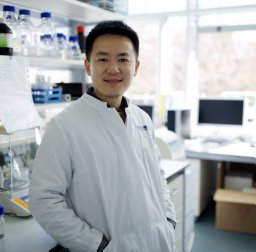 Chen Cheng (程辰)合作论文数School of Life Science and Biotechnology, Shanghai Jiao Tong University15
 Helmut Bartsch合作论文数Division of Toxicology and Cancer Risk Factors, German Cancer Research Center, Heidelberg University15I Silva合作论文数14
 Peter Schirmacher合作论文数Translational Spatial Profiling Center, Universität Heidelberg;Pathologisches Institut, Universität Heidelberg;Institute of Pathology, Universität Heidelberg14
 Steven Dooley合作论文数Section of Molecular Hepatology & Alcohol Associated Diseases, Department of Medicine II, Medical Faculty Mannheim, Heidelberg University14
 Michael Soyka合作论文数Private Hospital Meiringen13
 Roland Rad合作论文数School of Medicine and Health, Technical University of Munich;Institut für Molekulare Onkologie und Funktionelle Genomik, Klinikum Rechts der Isar, Technische Universität München13
 Daniel Rost合作论文数Department of Medicine;University of Heidelberg;Medizinische Universitätsklinik;Medizinische Universitätsklinik, University of Heidelberg13
 Florian Eyer合作论文数Toxicological Department, Technical University13
 Eleonora Patsenker合作论文数Institute of Clinical Pharmacology and Visceral Research, University of Bern12Eray Yagmur合作论文数12
 Thomas Reiberger合作论文数Department of Internal Medicine III, Medical University of Vienna12Thomas Bruckner合作论文数University of Heidelberg12
 Ramon Bataller合作论文数Drug Discovery Institute, University of Pittsburgh;Division of Gastroenterology, Department of Medicine, University of Pittsburgh;Institut d’Investigacions Biomèdiques August Pi i Sunyer12
 Aleksander Krag合作论文数11Ines Silva合作论文数11
 Dieter Saur合作论文数School of Medicine and Health, Technical University of Munich;Division of Translational Cancer Research, German Cancer Research Center;Institute of Experimental Cancer Therapy, Technical University of Munich11Pierre Nahon合作论文数10
 Maja Thiele合作论文数10
 Masson Steven合作论文数Institute of Cellular Medicine, Newcastle University10
 Pavel Strnad合作论文数2nd Medical Faculty, Charles University Prague10Sylvie Naveau合作论文数10
 Hugo A. Katus合作论文数Universitätsklinikum Heidelberg10
 Devanshi Seth合作论文数School of Medicine, Faculty of Medicine and Health, The University of Sydney9
 Ann Daly合作论文数Translational and Clinical Research Institute, Medical School, Newcastle University;Faculty of Medical Sciences, Newcastle University9
 Lupsor-Platon Monica合作论文数9Stephan Hegedusch合作论文数9M. Krikov合作论文数8C. Thoene-Reineke合作论文数8H Raisi合作论文数8Marsha Y Morgan合作论文数Institute for Liver and Digestive Hlth, Division of Medicine, Faculty of Medical Sciences, University College London8Doesch Andreas O合作论文数8
 Arno Villringer合作论文数Max Planck Institute for Human Cognitive and Brain Sciences;Universitätsklinikum Leipzig;Charité University Medicine Berlin;University of Leipzig8
 Katja Steiger合作论文数Institute of Pathology, TUM School of Medicine, Technical University of Munich8




