Introduction: The treatment of childhood leukodystrophies with umbilical cord blood (UCB) transplantation has resulted in cognitive and functional stabilization, but with minimal improvement in neurologic and motor deficits preexisting at the time of transplant. The lack of improvement in motor function may be due to the irreversible damage to motor neurons before transplantation. Conversely, trafficking of transplanted cells may not occur for months after transplant, missing a potential therapeutic window. The delivery of cells directly to the brain may hasten engraftment in and repair of neurologic tissue, facilitating clinical improvement in these patients. We hypothesized that UCB contains cells capable of differentiating into precursors of some neural lineages, specifically oligodendrocytes, which could eventually be used for transplantation in patients with these demyelinating or dismyelinating diseases. To this end, we attempted to culture neural progenitor cells from UCB ex vivo. Methods: Mononuclear cells were isolated from fresh umbilical cord blood units with hespan and ficoll density gradient separation, and cultured in flasks and LabTek® chamber slides at a concentration of 3–4 × 10⁶ cells/mL in media containing platelet-derived growth factor (PDGF) (5ng/mL), neurotrophin-3 (1ng/mL), tri-iodothyronine (30ng/mL), vascular endothelial growth factor (VEGF) (10ng/mL), and 10% fetal calf serum. An adherent cell population was observed after one week of culture. Adherent cells grown on LabTek® slides were fixed with 4% paraformaldehyde, stained and scored using immunocytochemical techniques for the hematopoietic markers CD45 and CD34, human leukocyte antigen (HLA) class I and II, microglial markers CD68 and CD11b, the astrocyte marker GFAP, oligodendrocyte markers O1, O4, and myelin basic protein (MBP), and neuronal markers NeuN and β-tubulin III. Results: Approximately 60% of the isolated adherent cells appeared long and spindle-like, many with branches extending from the cell body. These cells displayed positive fluorescent staining for CD45, O1, O4, MBP, HLA I, and HLA II. The cells did not express CD34, CD68, CD11b, GFAP, NeuN, or β-tubulin III. Conclusions: The pattern of staining observed in this UCB-derived cell population is suggestive of oligodendrocyte differentiation. These cells may have the potential for therapeutic trials in patients with leukodystrophies.
Introduction: Optimizing remyelination through direct delivery of myelin producing cells may offer alternative approaches to restoring neurologic function in patients who sustain brain and spinal cord injuries. We hypothesized that umbilical cord blood (UCB) contains cells capable of differentiating into precursors of neural lineages, specifically oligodendrocytes, which could be used for cellular repair of neural tissues in patients who have suffered injury.
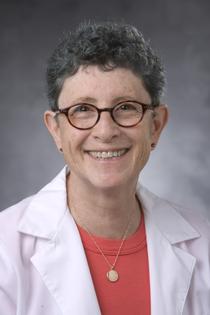 Joanne Kurtzberg合作论文数Duke University Medical Center, Durham, NC3
 Kirsten Crapnell合作论文数2Kb Crapnell合作论文数2Jennifer G. Hall合作论文数2A. Leen合作论文数1K Komanduri合作论文数1M de Lima合作论文数1R. Jones合作论文数1B Andersson合作论文数1G Rondon合作论文数1McNiece Ian K合作论文数1
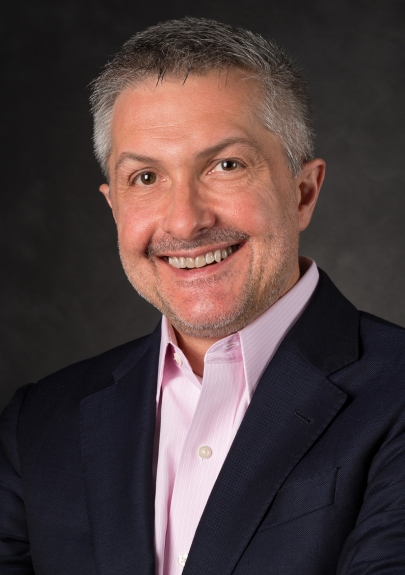 Jeffrey Joel Molldrem合作论文数Department of Hematopoietic Biology and Malignancy, Division of Cancer Medicine, The University of Texas MD Anderson Cancer Center;Graduate School of Biomedical Sciences, The University of Texas MD Anderson Cancer Center1Henry E. Rice合作论文数1J. Hall合作论文数1Paul J. Simmons合作论文数1Katherine J Turner合作论文数1
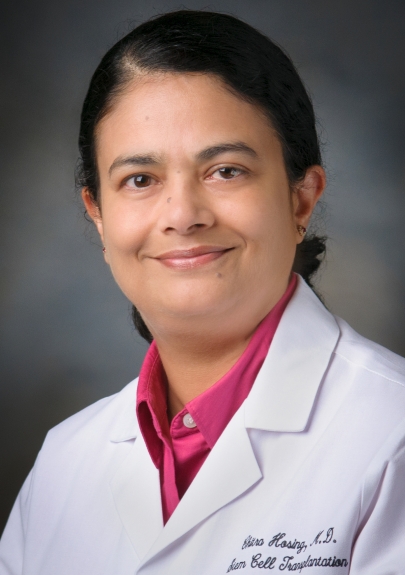 Chitra Hosing合作论文数Department of Stem Cell Transplantation and Cellular Therapy, Division of Cancer Medicine, The University of Texas MD Anderson Cancer Center1
 Laurence Cooper合作论文数University of Texas MD Anderson Cancer Center1Catherine M. Bollard合作论文数1
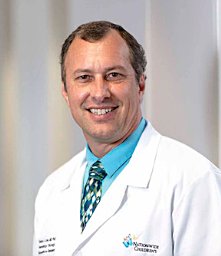 Dean A. Lee合作论文数Division of Hematology and Oncology, Nationwide Children's Hospital;Center for Childhood Cancer, Nationwide Children's Hospital;College of Medicine, The Ohio State University1D. Petropolous合作论文数1Issa F Khouri合作论文数1Muzaffar H Qazilbash合作论文数1Martin Korbling合作论文数1P. Kebraei合作论文数1John D Mcmannis合作论文数1Laura L Worth合作论文数1
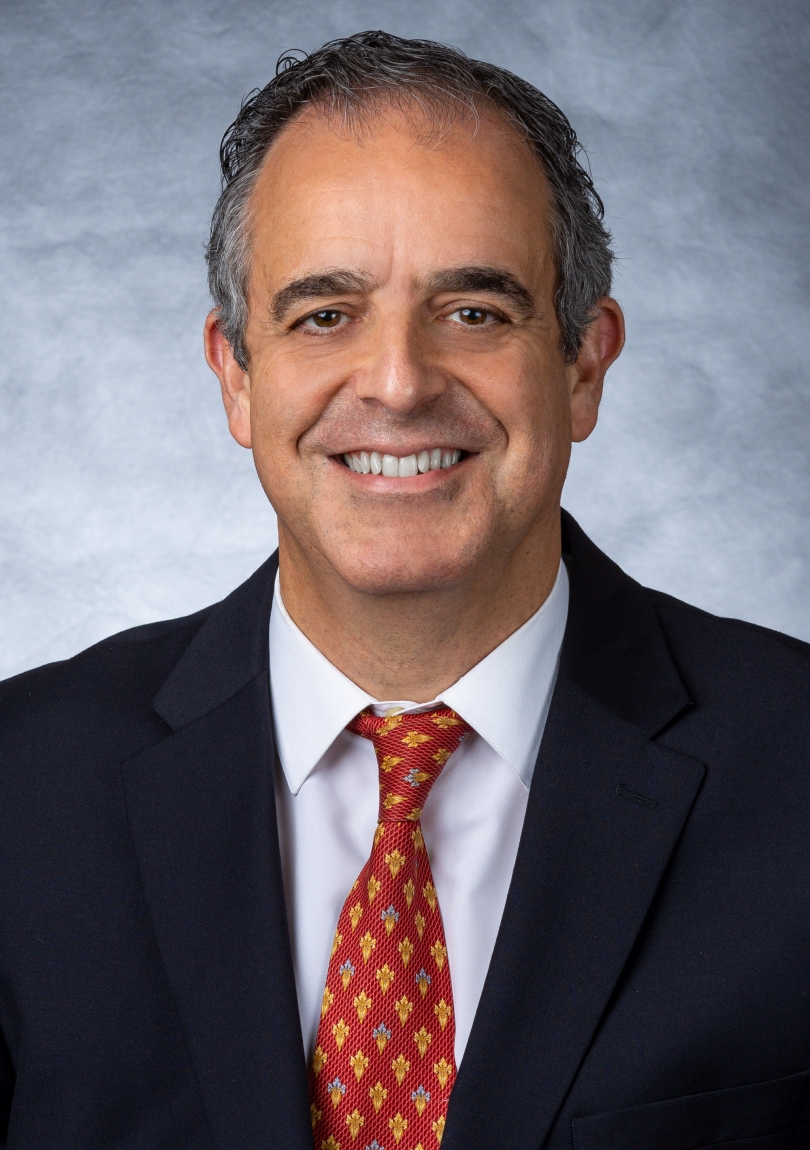 Yago L. Nieto合作论文数Department of Stem Cell Transplantation and Cellular Therapy, Division of Cancer Medicine, The University of Texas MD Anderson Cancer Center1
 Marion Reese合作论文数1
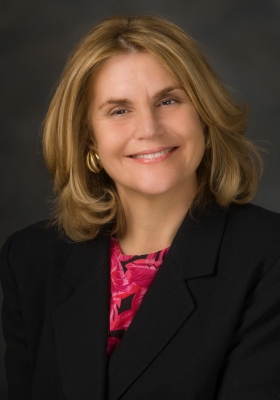 Elizabeth J. Shpall合作论文数Department of Stem Cell Transplantation and Cellular Therapy, Division of Cancer Medicine, The University of Texas MD Anderson Cancer Center1A. Alousi合作论文数1Richard E Champlin合作论文数1Uday Popat合作论文数1




