High-dose chemotherapy with melphalan 200 mg/m2 (Mel 200) followed by autologous hematopoietic stem cell transplantation (auto-HCT) is the standard treatment for transplant-eligible patients (pts) with multiple myeloma (MM). Most patients eventually relapse after auto-HCT and in efforts to improve the efficacy of the preparative regimen, several groups have evaluated the combination of busulfan (Bu) and melphalan (Mel). We studied the safety and efficacy of a combination of Bu and Mel (Bu-Mel) in patients with advanced lymphoid malignancies, including MM. (Kebriaei P, et al., Biol Blood Marrow Transplant 2011; 17: 412-420). In this study we compared outcomes of patients with MM who received Bu-Mel with a control group of patients who received Mel 200 for auto-HCT for MM. We identified 30 patients with MM in first remission who received Bu-Mel followed by auto-HCT between 1/2005 and 10/2010. They were compared to a control group (4:1) of 120 patients with MM who received Mel 200 as conditioning regimen for auto-HCT. The groups were matched for year of auto-HCT, age at auto-HCT (+/- 4 yrs), cytogenetic abnormalities, and disease status at auto-HCT. The primary objective was to study impact of conditioning regimens on complete (CR) and overall response rate (ORR), progression-free (PFS) and overall survival (OS). Patient characteristics and major outcomes are summarized in the attached Table. Bu-Mel and Mel 200 groups were similar in median age, renal function and chemosensitivity at auto-HCT, and time from diagnosis to auto-HCT (Table). Median time to neutrophil engraftment in both groups was 10 days (p = 0.8). There was no significant difference in 100-day transplant-related mortality (0% vs. 0.8%, p = 0.2) or grade 2-4 non-hematologic toxicity between Bu-Mel and Mel 200 (80% vs. 66%, p = 0.18) or veno-occlusive disease (none in either group). CR rates in Bu-Mel and Mel 200 were 30% vs. 34% (p = 0.82, Table). Median follow up was 27.3 months. Median PFS for Bu-Mel and Mel 200 were 24.1 and 26.2 months, respectively (p = 0.43, Figure 1). Median OS for Bu-Mel and Mel 200 has not yet been reached (p = 0.24, Figure 2). In this large single center study with long follow up, we demonstrated that a preparative regimen of Bu-Mel is comparable to Mel 200 in safety and efficacy. The two regimens will be compared in a prospective, randomized trial.TablePatient Characteristics/OutcomesBu-Mel (n = 30)Mel200 (n = 120)pMales17681.00Median Age52.5520.19Abn Cytogenetics12481.00High Risk CG281.00Serum Creat > 1.5 at TP180.68Median Interval Dx to TP6.8 mo6.7 mo0.44Median CD344.634.760.31Chemosensitive (>/ = atTP)13%9%0.50Median days to engraftment ANC ./ = 50010100.81CR9, 30%41, 34%0.82CR + VGPR20, 66%72, 60%0.53ORR27, 90%110, 83%0.57100-day TRM01, 0.8%0.20Grade 2-4 AE24, 80%79, 66%0.18Median PFS24.1 mo26.2 mo0.43Median OSnot reachednot reached0.24 Open table in a new tab
The addition of tyrosine kinase inhibitors (TKI) to conventional ALL therapy has significantly improved outcome for Ph+ patients, resulting in more patients being able to receive HCT in remission. Maintenance therapy with TKI following HCT may additionally improve outcomes. We performed a retrospective chart review on transplants since 2001 when TKI first became available for use following HCT. From March 2001 through June 2009, 66 patients with median age 37 years (range 3-61) received an allogeneic HCT for Ph+ ALL in CR1 (n=56) or CR2 (n=10); 28 patients were in complete molecular remission at time of HCT. Patients received matched related (n=30) or matched unrelated (n=27) peripheral blood (n=35), bone marrow (n=22), or mismatched cord blood cells (n=9) following a myeloablative TBI-based (n=48) or nonTBI-based (n=18) transplant conditioning regimen. GVHD prophylaxis was tacrolimus-based. All patients received TKI prior to HCT. Patients were eligible to receive TKI maintenance following HCT if they had hematologic recovery defined by an unsupported platelet count >50,000/uL and absolute neutrophil count >1500/uL. Forty-seven percent (n=31) of patients received TKI in the form of imatinib at median dose 300 mg (range 100-800) initiated at median of 2 months (range 1-12) following HCT. Median duration of imatinib use post HCT was 13 months (range 1-91). The most common reason for treatment discontinuation was physician preference followed by disease progression. Cytopenias and gastrointestinal discomfort were the most common imatinib-related toxicities. With a median follow-up of 4 years among survivors (range 0.3-7.7), 2-year overall survival (OS) and progression-free survival (PFS) were 55% and 50%, respectively. Day 100, 1-year, and 2-year non-relapse mortality (NRM) rates were 11%, 26%, and 28%, respectively. The cumulative incidence of grade 2-4 and 3-4 acute GVHD were 48% and 16%, respectively; the incidence of chronic extensive GVHD was 19%. In univariate analysis, imatinib maintenance led to significantly better OS (HR 0.3, 95% CI 0.1-.8, p=0.02) and NRM (HR 0.3, 95%CI 0.1-1.1, p=0.07). Additionally, age>40 years and CR2 vs CR1 led to significantly worse OS; molecular remission did not reach statistical significance. Large, multicenter trials in Ph+ ALL are in progress to confirm the benefit of TKI maintenance following HCT.
7002 Background: RISCT was developed to harness graft versus leukemia effect to treat older patients (pts) and pts with comorbidities. Limited data are available on long term outcome of pts with high risk AML treated in complete remission (CR), a group most likely to benefit from this approach. Methods: Thirty six consecutive pts with AML in CR, treated between 1999 and 2006 with Fludarabine 120–125 mg/m2 and Melphalan 100–140 mg/m2 are included. Pts were not eligible for myeloablative transplantation because of age or comorbidity. Tacrolimus and Methotrexate were used as GVHD prophylaxis. Additionally pts receiving stem cells from an unrelated donor received rabbit antithymocyte globulin. Results: There were 24 males and 12 females with a median age of 57 (range 21–71). Eighteen(50%) pts had secondary AML. Thirty(83%) pts were in first CR and 6(17%) in second CR. Cytogenetic risk groups were as follows: 2 good risk (in CR2), 22 intermediate risk(61%), and 10(28%) poor risk. Source of stem cells was peripheral blood in 18 pts (50%) and bone marrow in 18 pts (50%). Donors were siblings in 21(58%) pts and unrelated in 15 (42%)pts. Hematopoietic cell transplant specific comorbidity score of 3 or higher was present in 26 pts (72%). All pts engrafted achieving full donor chimerism by day 30 with median time to neutrophil engraftment of 12.5 days (8–19 days). Cumulative incidence of grade 2–4 acute graft versus host disease (GVHD), grade 3–4 GVHD and chronic GVHD was 25% (95% CI; 14%–44%), 11% (95% CI; 4%–28%), and 63% (95% CI; 47%–84%) respectively. Cumulative incidence of nonrelapse mortality was 19% (95% CI; 8%–41%). With a median follow up of 852 days, 3 year overall and disease free survival is 75% (SE 9%) and 63% (SE 10%) respectively. Comorbidity scores didnot impact outcome. Conclusions: Reduced intensity allogeneic transplantation with Fludarabine and Melphalan conditioning produces durable long term remission in pts with high risk AML in complete remission. These results in older pts and/or pts with comorbidities are comparable to published results in younger pts receiving myeloablative transplantation. Comorbidity scores by themselves should not be used to exclude patients from receiving transplant. No significant financial relationships to disclose.
Objective: To assess the clinical and prognostic implications of the timing of acute GVHD (aGVHD). Introduction: The syndrome of a-GVHD has been defined as GVHD occurring before day 100 post transplant, although it is clear that it can occur later. This raises the question of potential historical misclassification of a-GVHD as chronic GVHD (c-GVHD). In this study, we assess the extent of this misclassification, and evaluate risk factors as well as clinical and prognostic differences between GVHD before (classic aGVHD) and after day 100 (late aGVHD). Methods: Retrospective evaluation of database and records on all matched sibling transplants (n = 128) was performed at UT MDACC between 1/00 and 2/02. Clinical manifestations of all GVHD diagnosed after day 100 post transplant were reviewed to distinguish between late a-GVHD and c-GVHD. Results: A total of 67/128 patients were diagnosed with c-GVHD. Upon review of medical records, 30/67 (45%) were found to be late aGVHD, and the remainder true cGVHD. Of the 30 patients with late aGVHD 9 had progressing GVHD through day 100, these were reclassified as classic aGVHD. We evaluated risk factors for developing late aGVHD in patients who were alive by day 100, and had no prior diagnosis of GVHD. Only a later engraftment (ANC >500 beyond day 12) was associated with a higher incidence of late aGVHD, while age, gender, malignancy, disease status at transplant, type of preparative regimen, cell type or CD3, −4 or −8 infused did not impact the incidence. Compared to classic aGVHD, the late group had a significantly higher proportion of grade 2-4 GVHD (85 vs 61%, P = .03) with similar proportion of grade 3-4 aGVHD (29 vs 27%, P = .50). There was a trend to better response (CR/PR) to first line immunosuppression in patients with late aGVHD (81% vs 63%, P = .13). The overall survival (OS) and non-relapse mortality (NRM) since the diagnosis of GVHD were substantially better in patients with late aGVHD (OS 70 vs 29%), P = .01; NRM 16 vs 39%, P = .06). Conclusions: (1) The current chronological definition of acute GVHD may lead to misclassification of late aGVHD as chronic GVHD. This could have implications in interpreting the current knowledge and literature on GVHD. (2) There is a trend to better response to therapy and better survival in patients developing aGVHD beyond day 100. Thus, timing of aGVHD may affect its outcome.
Objective: To compare the incidence of GVHD and non-relapse mortality (NRM) among different myeloablative preparative regimens for hematopoietic stem cell transplantation (HSCT). Methods: Analysis of all patients who received an allogeneic, matched-sibling (6/6) HSCT for myeloid malignancies enrolled in 4 different transplant studies between 4/97 and 12/04. These studies included 3 preparative regimens: (1) IV Busulfan, 130 mg/m2 × 4 days and Fludarabine, 40 mg/m2 × 4 days (IVBuFlu); (2) IV Busulfan, 0.8 mg/kg q6h × 4 days and Cyclophosphamide, 60 mg/kg × 2 days (IVBuCy), and (3) Fludarabine, 30 mg/m2 × 4 days and Melphalan, 180 mg/m2 (FM). All patients received the same GVHD prophylaxis with tacrolimus and minidose methotrexate. Results: A total of 176 patients (IVBuFlu = 89, IVBuCy = 60, and FM = 27) were analyzed, and patients' characteristics are summarized in Table 1. The median age was significantly higher in the FM group compared to the IVBuFlu and IVBuCy groups. IVBuFlu had a significantly higher proportion of peripheral blood stem cell transplants (PBSCT) compared with IVBuCy, and more patients with mixed chimerism on day 30 post transplant compared with both IVBuCy and FM. The rate of Grade 2-4 acute GVHD was lowest in the IVBuFlu group (18%), compared with IVBuCy (34%, P = .01) and FM (26%, P = .2). IVBuFlu continued to have a significantly lower rate of Grade 2-4 acute GVHD among patients with donor chimerism. Grade 3-4 acute GVHD also favored the IVBuFlu group (3%) in comparison with IVBuCy (12%, P = .03) and FM (11%, P = .05). The incidence of chronic GVHD was similar in all regimens. NRM at 1 year was 9% with IVBuFlu, 17% with IVBuCy (P = .2) and 33% with FM (P = .002). Conclusions: The incidence of acute GVHD and NRM differs among myeloablative regimens. These differences are only partially explained by regimen intensity (Table 1).Table IPatient CharacteristicsFM (n = 27)IVBuCy (n = 60)IVBuFlu (n = 89)IV BuFlu vs FMIVBuFlu vs IVBuCyMedian F/U (mo)63 (38-81)62 (19-75)22 (6-50)Median Age544047P < .001P = .06MDS/AML16 (59%)36 (60%)89 (100%)CML11 (41%)24 (40%)0PBSC24 (89%)41 (68%)76 (85%)P = .5P = .01Donor/Mixed chim81%/4%90%/3%62%/30%P = .05P < .001 Open table in a new tab Objective: To compare the incidence of GVHD and non-relapse mortality (NRM) among different myeloablative preparative regimens for hematopoietic stem cell transplantation (HSCT). Methods: Analysis of all patients who received an allogeneic, matched-sibling (6/6) HSCT for myeloid malignancies enrolled in 4 different transplant studies between 4/97 and 12/04. These studies included 3 preparative regimens: (1) IV Busulfan, 130 mg/m2 × 4 days and Fludarabine, 40 mg/m2 × 4 days (IVBuFlu); (2) IV Busulfan, 0.8 mg/kg q6h × 4 days and Cyclophosphamide, 60 mg/kg × 2 days (IVBuCy), and (3) Fludarabine, 30 mg/m2 × 4 days and Melphalan, 180 mg/m2 (FM). All patients received the same GVHD prophylaxis with tacrolimus and minidose methotrexate. Results: A total of 176 patients (IVBuFlu = 89, IVBuCy = 60, and FM = 27) were analyzed, and patients' characteristics are summarized in Table 1. The median age was significantly higher in the FM group compared to the IVBuFlu and IVBuCy groups. IVBuFlu had a significantly higher proportion of peripheral blood stem cell transplants (PBSCT) compared with IVBuCy, and more patients with mixed chimerism on day 30 post transplant compared with both IVBuCy and FM. The rate of Grade 2-4 acute GVHD was lowest in the IVBuFlu group (18%), compared with IVBuCy (34%, P = .01) and FM (26%, P = .2). IVBuFlu continued to have a significantly lower rate of Grade 2-4 acute GVHD among patients with donor chimerism. Grade 3-4 acute GVHD also favored the IVBuFlu group (3%) in comparison with IVBuCy (12%, P = .03) and FM (11%, P = .05). The incidence of chronic GVHD was similar in all regimens. NRM at 1 year was 9% with IVBuFlu, 17% with IVBuCy (P = .2) and 33% with FM (P = .002). Conclusions: The incidence of acute GVHD and NRM differs among myeloablative regimens. These differences are only partially explained by regimen intensity (Table 1).
Introduction: Comorbidities may have impact on both survival and treatment toxicities in several types of malignancies. We have previously demonstrated that patients with comorbidities have lower overall and event free survival (OS/EFS) as well as higher non-relapse mortality (NRM) in patients with AML/MDS patients in first complete remission undergoing ASCT. However, other studies suggested that concurrent comorbidities have less impact in groups with the lowest survival rate. We study the impact of comorbidities on outcomes in patients receiving ASCT for refractory AML/MDS. Methods: We retrospectively reviewed 135 patients with refractory AML (n=93), MDS (n=24) and MDS/AML (n=18) who received ASCT between 1/1998 and 2/2001 at the University of Texas M.D. Anderson Cancer Center. Charlson Comorbidity Index (CCI) was used to score comorbid conditions and CCI score was calculated for each patient as a weighted score of the patient's total comorbid conditions. Results: Median age was 49 years (range 19–75). There were 77 males and 58 females. Disease status included primary induction failure (n=53), first relapse refractory diseases (n=49) and patients with more than two relapses (n=33). 55 patients received myeloablative conditioning regimens including Thiotepa/BU/CY (n=29), BU/CY (n=19) and TBI (N=7). 80 patients received reduced intensity conditioning regimens with F-Ara-Ida (n=16), FM ± ATG (n=43) and F/BU ± ATG or CAMPATH-1H (n=21). Analysis was performed comparing patients with a CCI score of 0, 1–2 and >2. Univariate analysis showed that patients with CCI scores of 1–2 and >2 had no statistically significant difference in the overall and event free survival (OS/EFS) as well as non-relapse mortality (NRM) compared with patients who had a score of 0 (Table 1). Conclusions: Our results demonstrate that comorbidities have little impact on the outcomes of patients with refractory AML/MDS. In these patients, the primary disease, rather than other concurrent diseases, primarily determines survival. Our findings suggest these patients can be included in ASCT protocols even if they have comorbidities. Improvement in disease-specific survival will translate into improvements in overall survival regardless of coexisting disease. Tabled 1Effect of Comorbidity Scores on Allogeneic Transplant Outcomes in AML/MDS PatientsOutcomesCCIScore = 0(N = 59)CCIScore 1–2(N = 58)CCIScore > 2(N = 18)% OS at 2 years241639% EFS at 2 years201339% NRM at 1 year395233No statistically significant difference found in patients with CCI scores of 1–2 and > 2 compared with patients with a score of 0. Open table in a new tab No statistically significant difference found in patients with CCI scores of 1–2 and > 2 compared with patients with a score of 0.
A total of 40 patients with relapsed/refractory Hodgkin's disease (HD) underwent reduced-intensity conditioning (RIC) allogeneic stem cell transplantation (allo-SCT) from an HLA-identical sibling (n=20) or a matched unrelated donor (n=20). The median age was 31 years (range 18-58). Disease status at allo-SCT was refractory relapse (n=14) or sensitive relapse (n=26). The conditioning regimens were fludarabine-cyclophosphamide+/-antithymocyte globulin (n=14), a less intensive regimen, and fludarabine-melphalan (FM) (n=26), a more intensive one. The two groups had similar prognostic factors. The median time to neutrophil recovery (ie absolute neutrophil count >/=500/microl) was 12 days (range 10-24). The median time to platelet recovery (ie platelet count >/=20 000/microl) was 17 days (range 7-132). Day 100 and cumulative (18-month) transplant-related mortalities (TRMs) were 5 and 22%. Twenty-four patients (60%) are alive (14 in complete remission or complete remission, unconfirmed/uncertain) with a median follow-up of 13 months (4-78). In all, 16 patients expired (TRM n=8, disease progression n=8). FM patients had better overall survival (73 vs 39% at 18 months; P=0.03), and a trend towards better progression-free survival (37 vs 21% at 18 months; P=0.2). RIC allo-SCT is feasible in relapsed/refractory HD patients with a low TRM. The intensity of the preparative regimen affects survival.
Tabled 1Parameter (units)Q Day IV Bu(CV%)Q 6 H IV Bu(CV%)Cmax (ug/ml)3.6 (14)1.2 (19.7)Vd (L/m2)22.56 (20.2)22.65 (21.3)Clearance (ml/min/m2)109.3 (26)116.4 (24)T1/2 (hours)2.73 (27.5)2.91 (25)AUC (μM × min)4,925 (25.5)1,292 (25) Open table in a new tab
The major cause of failure after allogeneic hematopoietic stem cell transplantation (HSCT) for acute myelogenous leukemia (AML) is disease relapse or progression. We analyzed the outcome of second HSCT for treatment of patients with relapsed, refractory AML/myelodysplastic syndrome (MDS) at our institution. A total of 72 patients were eligible for this analysis. In all, 25 (35%) patients received salvage chemotherapy prior to the second transplant procedure and only two (3%) patients were in complete remission at the time of the second transplant. A total of 20 patients (28%) had low leukemia burden as measured by the absence of peripheral blood blasts and ⩽5% blasts in the bone marrow at the time of the second transplant. Although, the overall median survival after the second transplant was 6 months, a subset of patients who had low leukemia burden at the time of the second transplant had a 5-year survival of 25 vs 12% in those with a high leukemia burden. Thus, a second transplant may offer the possibility of long-term disease control in a subset of patients who have a ‘low bulk’ disease at the time of transplantation.
We evaluated the clinical characteristics and risk factors for hyperacute graft-versus-host disease (GVHD) in 815 consecutive patients transplanted at M.D. Anderson Cancer Center between January 1998 and September 2002. Our definition of hyperacute GVHD included all patients with a diagnosis of GVHD within 14 days after allogeneic bone marrow or peripheral blood stem cell transplantation (PSCT). Of 381 patients presenting with clinical evidence of acute GVHD, 22% (n= 83) occurred within 14 days posttransplantation (early GVHD), and were all biopsy-proven. Grade I GVHD occurred in 12% of these patients, grade II in 53%, grade III in 13%, and grade IV in 22%. The proportion of grade II-IV GVHD in this group was significantly higher (88%) than in the 298 patients presenting with GVHD between days 15 and 100 posttransplantation (64%) (P< .001). The majority of patients with early GVHD had skin involvement (89%), followed by gastrointestinal (43%), and liver GVHD (19%). Skin involvement was significantly more common (89% vs 76%; P= .01), and more severe (stage III or IV 63% vs 32%; P< .001) in the early GVHD group. Significantly factors on univariate analysis included a graft from a mismatched (MM) related donor (HR= 4.4; P< .001) or a matched unrelated donor (MUD) (HR= 2.4; P <.001) vs a graft from a matched related donor, and myeloablative preparative regimen with or without total body irradiation (HR= 2.5; P< .001). These effects remained significant when evaluated in a multivariate model. Donor's age> 40 years was associated with a marginally significant lower rate of early GVHD (HR= 0.6; P= .05), and there was a trend toward increased rates for patients receiving sex-mismatched grafts, patients transplanted for solid tumors, and those having received more than 5 chemotherapy regimens before transplantation. There was no difference in the distribution of CD34+ or CD3+ cells infused. All-cause mortality rate was significantly higher within 6 months posttransplantation for patients with early GVHD (HR= 2.2; P< .001) compared with all other patients or to patients developing acute GVHD after day 14 (HR= 1.6; P= .009). Acute GVHD death rate was also significantly higher (HR= 2.3; P= .007). Hyperacute GVHD occurs in a substantial proportion of patients undergoing HSC transplant, even before neutrophil engraftment. Skin involvement, grades 3–4 GVHD, and higher mortality are common features of this syndrome.
Introduction: Comorbidities can have significant impact on both survival and treatment selection in several types of malignancies. However, little attention has been paid in the literature to assess the effect of comorbidity on transplant outcomes in hematologic malignancies. We studied the impact of comorbidities on outcomes of allogeneic hematopoietic stem cell transplant (HSCT) in acute myeloid leukemia (AML) and myelodysplastic syndrome (MDS) patients in 1st complete remission (CR). Methods: Seventy-eight patients with AML or MDS who received a matched or partially mismatched bone marrow, peripheral blood or cord blood transplant from a related or unrelated donor between January 1990 and December 2001 at the University of Texas MD Anderson Cancer Center were retrospectively reviewed. Data on demographics, comorbid conditions, and transplant outcomes were collected from the Blood and Marrow Transplantation database, patient charts and institutional electronic clinical information retrieval system. Charlson Comorbidity Index (CCI) was used to score comorbid conditions and CCI score was calculated for each patient as a weighted score of the patient's total comorbid conditions. Results: Median age was 37 years (17–67). There were 43 males μ 35 females. Conditioning was with Thiotepa/Busulfan (Bu)/Cytoxan (Cy), Decitabine/Bu/Cy or Bu/Cy in 18 patients, Fludarabine (Flu)/Melphalan in 9 patients, Flu/Ara-C/Idarubicin in 9 patients, Flu/Bu in 7 and TBI based regimen in 35 patients. Sixty-four patients received stem cells from a sibling donor and 14 from other related or unrelated donors. Analysis was performed comparing patients with a CCI score of 0–2 with patients who had a score >2. These groups were also compared for patients who had age as comorbidity and for patients who did not (age < 40 yrs). Univariate analysis showed that patients with CCI score of 0–2 had a better overall and event free survival (OS/EFS) than patients who had CCI score >2 (Table 1). CCI score >2 was also predictive of non-relapse mortality (NRM). Moreover, CCI score was a stronger predictor of OS, EFS and NRM in patients aged <40 years. Conclusions: These results demonstrate the relevance of a standardized comorbidity score in predicting transplant outcomes in a relatively homogenous population. Our analysis indicates that CCI score can segregate patients into low or high risk for NRM and is predictive of OS and EFS in AML/MDS patients who received an allogeneic HSCT in 1st CR. TableEffect of Comorbidity Scores on Allogeneic Transplant Outcomes in AML/MDS PatientsOutcomes for all patientsCCI Score 0–2 (N = 28)CCI Score >2 (N = 50)P value% OS @ 2 yrs.83530.001% EFS @ 2 yrs.76380.0004% NRM Day1003140.02% NRM Day3604260.02Outcomes for pts <40 yrs oldCCI Score 0–2 (N = 24)CCI Score >2 (N = 21)P value% OS @ 2 yrs.91450.0009% EFS @ 2 yrs.83320.0008% NRM Day1000250.005% NRM Day3600250.005 Open table in a new tab
 Sergio A. Giralt合作论文数Division of Hematologic Malignancies, Memorial Sloan Kettering Cancer Center;Weill Cornell Medical College, Memorial Sloan Kettering Cancer Center98
 Richard E Champlin合作论文数89Issa F Khouri合作论文数81J Gajewski合作论文数66D Przepiorka合作论文数57R Mehra合作论文数53Martin Korbling合作论文数48P Anderlini合作论文数45K Vanbesien合作论文数35C Ippoliti合作论文数30M de Lima合作论文数27D Claxton合作论文数27M Donato合作论文数27
 Naoto T. Ueno合作论文数Department of Medicine, John A. Burns School of Medicine, University of Hawaiʻi Cancer Center26
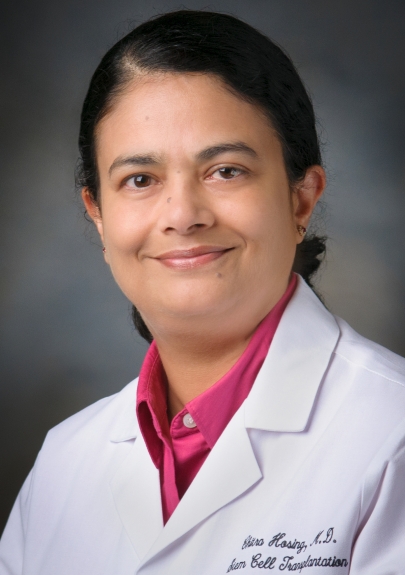 Chitra Hosing合作论文数Department of Stem Cell Transplantation and Cellular Therapy, Division of Cancer Medicine, The University of Texas MD Anderson Cancer Center19D Couriel合作论文数17
 Richard E. Champlin合作论文数Department of Stem Cell Transplantation and Cellular Therapy, Division of Cancer Medicine, The University of Texas MD Anderson Cancer Center;Division of Internal Medicine, The University of Texas Health Science Center16Ab Deisseroth合作论文数13R Saliba合作论文数13
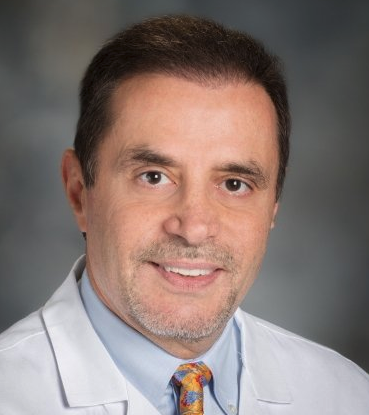 Hagop M. Kantarjian合作论文数Department of Leukemia, Division of Cancer Medicine, The University of Texas MD Anderson Cancer Center13M Shahjahan合作论文数12G Rondon合作论文数12
 Koen Van Besien合作论文数Joan and Sanford I. Weill Department of Medicine, Weill Cornell Medicine, Cornell University12A Cohen合作论文数10I Braunschweig合作论文数10Karen Cleary合作论文数10
 Elihu Estey合作论文数Fred Hutchinson cancver Research Center9
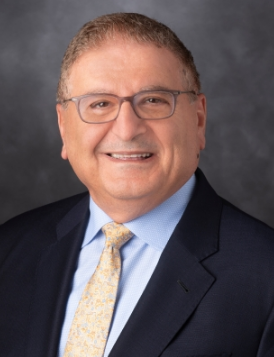 Issa F. Khouri合作论文数Department of Stem Cell Transplantation and Cellular Therapy, Division of Cancer Medicine, The University of Texas MD Anderson Cancer Center9Uday Popat合作论文数9Rm Saliba合作论文数8N Mirza合作论文数8D Seong合作论文数8
 Jeffrey Joel Molldrem合作论文数Department of Hematopoietic Biology and Malignancy, Division of Cancer Medicine, The University of Texas MD Anderson Cancer Center;Graduate School of Biomedical Sciences, The University of Texas MD Anderson Cancer Center8
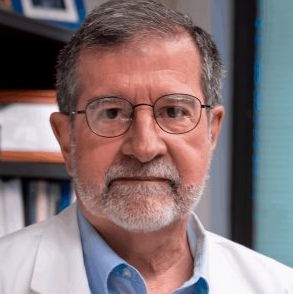 Fernando Cabanillas Escalona合作论文数Internal Medicine Department, School of Medicine, University of Puerto Rico;Centro de Cancer Auxilio Mutuo, Hospital Español Auxilio Mutuo de Puerto Rico8
 Elizabeth J. Shpall合作论文数Department of Stem Cell Transplantation and Cellular Therapy, Division of Cancer Medicine, The University of Texas MD Anderson Cancer Center8P Mclaughlin合作论文数7F Hagemeister合作论文数7Kebriaei Partow合作论文数7Jorge Romaguera合作论文数7
 Moshe Talpaz合作论文数Division of Hematology Oncology, Department of Internal Medicine, University of Michigan7S Acholonu合作论文数7R. Jones合作论文数6M Beran合作论文数6Dr Couriel合作论文数6A Deisseroth合作论文数6
 Anas Younes合作论文数AstraZeneca6
 Peter F. Thall合作论文数Department of Biostatistics, The University of Texas MD Anderson Cancer Center6April G Durett合作论文数6A. Alousi合作论文数6




