A comprehensive investigation is presented for cyclohexene, C6H10, via the vacuum ultraviolet (VUV) absorption spectrum in the photon energy range 4.0–10.8 eV (310–115 nm). Quantum chemical calculations (Density Functional Theory (DFT), Time Dependent Density Functional Theory (TD-DFT) and Equation of Motion Coupled-Cluster Single and Doubles (EOM-CCSD)) are combined with experiments in order to provide the most accurate and up-to-date information about the electronic state spectroscopy of cyclohexene. The spectrum reveals several new features not previously reported in the literature, with special attention to the different Rydberg series converging to (11b)−1 X~B2, (10b)−1 A~B2, (12a)−1 B~A2, (11a)−1 C~A2, and (9b)−1 D~B2 ionic electronic states of cyclohexene. We also provide absolute cross-section values from high-resolution VUV photoabsorption measurements, with photolysis lifetimes in the Earth’s atmosphere from 0 to 50 km altitude being obtained, showing that solar photolysis is not an important sink mechanism at altitudes lower than 22 km, relative to ●OH radical reactions.
Pea albumins are the soluble fraction of pea proteins, recovered as a side stream of the isoelectric precipitation. The time-resolved heat-induced structural transitions of the whole fraction of pea albumin (PA) were studied by evaluating the structure of the two main fractions, PA1 and PA2. Synchrotron radiation circular dichroism (SRCD) spectroscopy showed that the secondary structure signature for PA1 remained unchanged at temperatures up to 85 degrees C. In contrast, PA2 underwent a change in secondary structure between 45 and 70 degrees C. These thermal transitions were also confirmed by Nano Differential Scanning Calorimetry (Nano-DSC). Small-angle X-ray scattering (SAXS) in situ experiments were also carried out, and high-resolution structural models of PA1 and PA2, derived from the AlphaFold Protein Structure Database, were used for data analysis. PA1 maintained a consistent local structure with a radius of gyration similar to 17 angstrom across all temperatures, but formed small soluble aggregates above 60 degrees C, as evidenced by an upturn at low q. PA2 scattering resulted from its dimeric structures and transitioned to unfolded structures after 60 degrees C. The unfractionated PA scattering showed good agreement with a linear combination of PA1 and PA2 scattering. This was also confirmed by the structural behavior of the purified PA1+PA2 mixture, which closely resembled that of PA2, though the PA2 component remained partially folded even after heating above 70 degrees C. This study brings new knowledge on the contribution of the two main components of pea albumins in the thermal behavior of this novel extract, with great potential to be used as a functional food ingredient.
The environmentally friendly refrigerant trans-1,3,3,3-tetrafluoropropene HFO1234ze(E) is a promising alternative to replace 1,1,1,2-tetrafluoroethane R134a in particle detectors and SF6 in high-voltage-engineering applications. A set of electron-molecule scattering cross sections for HFO1234ze(E) up to 300 keV is presented. Initial experimental information was obtained by means of electron-energy-loss spectroscopy, providing insight into the vibrational and electronic excitations in HFO1234ze(E). Additional information on the excited electronic states was obtained from vacuum-ultraviolet photoabsorption spectroscopy and from ab initio quantum chemistry calculations. The cross sections were refined based on electron-transport-coefficient measurements performed on a pulsed Townsend apparatus. The occurrence of an unspecific vibrational excitation is observed and its effect on the electron-transport coefficients is elaborated. The previously investigated positive synergy in the reduced critical electric field strength of SF6 and HFO1234ze(E) mixtures is discussed. The resulting cross-section set is implemented in both magboltz and degrad, allowing accurate simulations for gaseous detectors and electrical insulation technologies. The cross sections are published in the open-access database LXCat.
Proper folding of therapeutic monoclonal antibody (mAb) drugs is key to their efficacy and safety. Circular Dichroism (CD) spectroscopy is well suited for investigating the secondary structure of proteins, but the adequacy of the technique for antibody molecules has been severely impacted by the lack of suitable CD reference sets that include spectra of proteins of similar structure. Here we report on the performance of an expanded reference set that includes CD spectra of 14 mAbs, and uses structures derived from homology models. This enhanced reference set is part of a freely available Python-based software package, SSCalcPy-mAb, that includes the new SP-mAb178 reference set for secondary structure analysis using the SELCON3 method. We propose to employ both the secondary structure analysis results and a generated list of the proteins in the reference set that SELCON3 applies to derive the results that ascertain whether an antibody of interest is well-folded or not.
Understanding the photochemical stability of organic compounds under Martian surface conditions is essential for assessing their detectability, as such compounds would be exposed to intense ultraviolet (UV) radiation and diverse oxidizing environments. This study investigates the photodegradation of quercetin, a polyphenolic compound discussed as a potential indicator of past organic processes and a target molecule for the European Space Agency (ESA) missions OREOcube and ExocubeChem. Oxidative influences were systematically isolated under experimentally simulated Martian conditions by controlled variation of atmospheric composition and the inclusion of the clay mineral montmorillonite (Mont) as a matrix. Quercetin thin films were exposed to simulated Mars-surface UV radiation and temperatures under two distinct conditions: (i) CO2-dominated Mars atmosphere (CO2, 95%; Ar, 3%; and N-2, 2%) and (ii) the same atmosphere with adding 5% relative humidity (RH). Additional experiments were conducted with quercetin intercalated into Mont mineral. Degradation kinetics were monitored by ultraviolet-visible (UV-vis) and infrared (IR) transmission spectroscopy, while vacuum ultraviolet-UV (VUV-UV) spectroscopy enabled detection of gaseous photoproducts. Complementary irradiation under oxygen-rich conditions at room temperature (RT) provided additional kinetic constraints. In a CO2-dominated atmosphere, quercetin undergoes conformational rearrangement without fragmentation. Humidity accelerates degradation, consistent with hydroxyl radical attack on the conjugated system. Oxygen-rich conditions induce the fastest decay, accompanied by C-O formation and CO release, indicative of superoxide-mediated oxidation. In contrast, intercalation into Mont prolongs quercetin lifetimes, attributed to UV shielding and geometric confinement. These results demonstrate that reactive oxygen species (ROS) govern quercetin photochemistry under Martian-relevant conditions, whereas Mont association can enhance molecular persistence.
Angle-resolved photoemission spectroscopy (ARPES) with spatial resolution is emerging as a powerful investigative tool for the study of operational mesoscale devices and quantum materials. Here, we introduce AU-SGM4, an extreme ultraviolet beamline based at the ASTRID2 synchrotron, which is designed around an achromatic elliptical capillary optic that focuses the synchrotron light down to a lateral beam spot size of 4 μm. The beamline offers a low photon energy range of 12-150 eV, ideal for probing detailed energy- and momentum-resolved electronic structures of materials. We utilize a custom-made piezoelectric motor system with 11 degrees of freedom for precisely moving the sample and capillary optic. We demonstrate exceptional stability in beam positioning on samples across the entire available photon energy range. To showcase the capabilities of the AU-SGM4 beamline, we present simultaneous ARPES measurements and in situ gating of a graphene device and probe the nominally inaccessible microscopic-sized domains of MnBi6Te10 to obtain the energy- and momentum-dependent dispersion for each domain.
Synchrotron radiation has been used to record for the first time absolute vacuum ultraviolet photoabsorption cross-sections of trifluoroacetic acid (TFA) and chlorodifluoroacetic acid (CDFA) in the 4.5-10.8 eV energy range. In order to further our knowledge of the major electronic transitions and thus help interpret the photoabsorption data, theoretical calculations using time-dependent density functional theory (TD-DFT) level have been performed. These calculations have provided important information on the nature of the excited electronic states which have been assigned to valence, mixed valence-Rydberg and Rydberg transitions. Due to the lack of any information about CDFA ionic states, we also provide Equation-of-Motion Coupled-Cluster Single and Doubles (EOM-CCSD) vertical ionisation energies. Photolysis lifetimes in the Earth's atmosphere for both chemical compounds have also been estimated from the absolute photoabsorption cross-section data.
Two synchrotron-based studies on 4H-pyran-4-thione, photoelectron spectroscopy and vacuum ultraviolet (VUV) absorption spectra were performed. A highly resolved structure was observed in the photoelectron spectrum (PES), in contrast to an earlier PES study, where little structure was observed. The sequence of ionic states was determined using configuration interaction and coupled cluster methods. The vibrational structure of the lowest three PES bands was analyzed by configuration interaction and density functional calculations, providing a detailed explanation of the observed profiles. Several vibrational bands in the VUV absorption spectrum showed a similar structure to the bands in the PES and were identified as Rydberg states.
Circular dichroism (CD) spectroscopy is an established biophysical technique to study chiral molecules. CD allows investigating conformational changes under varying experimental conditions and has been used to understand secondary structure, folding, and binding of proteins and nucleic acids. Here, we present ChiraKit, a user-friendly, online, and open-source tool to process raw CD data and perform advanced analysis. ChiraKit features include the calculation of protein secondary structure with the SELCON3 and SESCA algorithms, estimation of peptide helicity using the helix-ensemble model, the fitting of thermal/chemical unfolding or user-defined models, and the decomposition of spectra through singular value decomposition or principal component analysis. ChiraKit can be accessed at https://spc.embl-hamburg.de/.
This study investigates the production of plant protein hydrolysates from defatted grape seed flour and barley spent grains, by-products of wine, beer and whiskey industries, using limited hydrolysis with subtilisin or trypsin. The hydrolysates were characterized by protein content, molecular weight, antioxidant capacity, interfacial adsorption, dilatational rheology, and interfacial conformational changes using synchrotron radiation circular dichroism. Physical and oxidative stability of 5 % echium oil-in-water emulsions (pH 7), stabilized by the hydrolysates, were studied during seven days of storage. The trypsin-derived hydrolysate from brewers' spent grains resulted in the most physically stable emulsion due to enhanced interfacial adsorption and higher dilatational modulus. Alternatively, the trypsin-treated grape seed flour hydrolysate provided the emulsion with the highest oxidative stability, aligning with its superior in vitro antioxidant capacity. These results show the potential of wine and brewery industry side streams as a sustainable source of plant-based emulsifiers with application in omega-3 delivery systems.
Absolute cross-section values of 2-chlorotoluene are reported from vacuum ultraviolet photoabsorption measurements in the photon energy range 4.0-10.8 eV (310-115 nm), together with quantum chemical calculations. The nature of the electronic states is associated with transitions from the neutral ground state to valence, mixed valence-Rydberg and Rydberg orbitals. The fine structure in the photoabsorption bands has been mainly assigned to C-H stretching (CH3), v(y)6(a(y)), C-H in-plane bending, v(y)16(a(y))/v(y)17(a(y)), C-Cl stretching, v(y)21(a(y)) and C-C in-plane bending v(y)23(a(y)) modes. The measured absolute photoabsorption cross sections have also been used to estimate the photolysis lifetime of 2-chlorotoluene in the upper stratosphere, showing that solar photolysis can only be a relevant sink at altitudes above 23 km. We have also performed calculations at the TD-DFT level to obtain optimised geometries, excitation energies, oscillator strengths and potential energy curves for the lowest-lying electronic excited states. Special attention is given to state-selective vibrational excitation to obtain information on the internal conversion mechanisms governing the nuclear dynamics in the photoabsorption regions where C=C stretching, C-H in-plane bending and C-Cl/C-CH3 stretching modes have been assigned. The results show a relevant internal conversion from Rydberg to valence character and vice-versa, dictating the nuclear dynamics of 2-chlorotoluene upon photon absorption.
The Hfq protein is not only a mediator of RNA metabolism but also a key structural element involved in nucleic acid shaping. Its ability to compact and organize DNA, as well as its influence on the dynamics of various DNA-related processes, makes Hfq a central player in the regulation of bacterial chromosomal architecture and function. We previously demonstrated that different DNA methylation states affect Hfq binding and mobility. In this study, we show that Hfq, through its C-terminal region, can influence a DNA entangled/disentangled transition and examine the impact of DNA methylation on this previously uncharacterized function of Hfq. This discovery provides new insights into the role of Hfq in DNA transactions, with potential implications for essential cellular processes such as recombination and replication. Furthermore, this study demonstrates that Synchrotron Radiation Linear Dichroism (SRLD) is a powerful tool that can follow cooperative vs non-cooperative protein induced DNA structural transitions.
The ultraviolet and vacuum ultraviolet (VUV) photo absorption spectra of fulvene were reconsidered by a combination of configuration interaction and density functional methods and extended to the newly acquired VUV photo absorption spectrum of the 6,6-dimethylfulvene derivative, where several Rydberg states have been identified. Singlet states of fulvene were studied using multi-root multi-reference configuration interaction with the H2C unit either coplanar with, or perpendicular to the ring. In contrast to ethylene, the lowest states are coplanar. The vibrational structure of the lowest (1B2) excited states of fulvene is well reproduced by calculated values. The second singlet state of fulvene, previously assigned as 1A1 on the basis of intensity, is incompatible with the calculated planar 1A1 state, which itself is a saddle point. This state shows significant quartic character on bending, and the best interpretation of the observed UV band of fulvene is of a bent form. The UV spectral state with low onset intensity is probably a 1B1 state of CS symmetry. Theoretical Rydberg states were determined for fulvene; the closest fit to the two known Rydberg states is to the 3p and 4p states (1B1). Comparison of the separation of the 2A2 and 2B1 states in the photoelectron spectra of the two compounds, with the threshold photoelectron spectrum of fulvene, shows that the 2B1 state vibrational structure is largely lost for both molecules. A reconsideration of the interaction between the X2A2 and A2B1 ionic states has led to the identification of the 4A2 quartic state of fulvene.
In this work, the spectroscopy of epigallocatechin-3-gallate (EGCG) and EGCG bonded to 1,2-dipalmitoyl-sn-glycero-3-phospho-(1′-rac-glycerol) (sodium salt) (DPPG) lipid is studied both experimentally by combining high-resolution vacuum ultraviolet (VUV) photo-absorption measurements in the 4.0–9.0 eV energy range and by theoretical calculations using density functional theory (DFT) methodology. There is a good agreement between the experimental and theoretical data, and the inclusion of the solvent both implicitly and explicitly further improves this agreement. For all experimentally measured absorption bands observed in the VUV spectra of EGCG in water, assignments to the calculated electronic transitions are provided. The calculations reveal that the spectrum of DPPG-EGCG has an intense peak around 150 nm, which is in accordance with experimental data, and it is assigned to an electron transfer transition from resorcinol–pyrogallol groups to different smaller groups of the EGCG molecule. Finally, the increase in absorbance observed experimentally in the DPPG-EGCG spectrum can be associated with the interaction between the molecules.
Circular dichroism (CD) spectroscopy is a widely utilized technique for studying the structures of chiral molecules, including nucleic acids. It is particularly valued for its ability to quickly probe structural changes in these biomolecules. Despite its potential, the prediction of nucleic acid structures by CD has been challenging due to insufficient families’ reference spectral data. This study introduces a robust method for defining CD spectra families of nucleic acid structures. We developed an iterative workflow that accurately classifies spectra for nucleic acid structures in solution. Our approach demonstrates high robustness and accuracy in assigning CD spectra to specific nucleic acid folds, facilitating advancements in nucleic acid structure analysis. The algorithm we developed identifies structural classes based on reference spectra, aiding in the assignment of unknown spectra. This method paves the way for creating a comprehensive list of reference spectra for various nucleic acid structures, like those already available for proteins.
Hypothesis Although antimicrobial peptides (AMPs) are a promising class of new antibiotics, their inherent susceptibility to degradation requires nanocarrier-mediated delivery. While cubosome nanocarriers have been extensively studied for delivery of AMPs, we do not currently understand why cubosome encapsulation improves antimicrobial efficacy for some compounds but not others. This study therefore aims to investigate the link between the mechanism of action and permeation efficiency of the peptides, their encapsulation efficacy, and the antimicrobial activity of these systems. Experiments Encapsulation and delivery of Indolicidin, and its ultra-short derivative, Priscilicidin, were investigated using SAXS, cryo-TEM and circular dichroism. Molecular dynamics simulations were used to understand the loading of these peptides within cubosomes. The antimicrobial efficacy was assessed against gram-negative (E. coli) and gram-positive (MRSA) bacteria. Findings A high ionic strength solution was required to facilitate high loading of the cationic AMPs, with bilayer encapsulation driven by tryptophan and Fmoc moieties. Cubosome encapsulation did not improve the antimicrobial efficacy of the AMPs consistent with their high permeation, as explained by a recent ’diffusion to capture model’. This suggests that cubosome encapsulation may not be an effective strategy for all antimicrobial compounds, paving the way for improved selection of nanocarriers for AMPs, and other antimicrobial compounds.
As an increasingly important ingredient in sustainable foods, an understanding of the structure and functionality of pea protein is critical for the improvement of its use. This study investigated the structural and functional differences between pea legumin and vicilin by examining the effects of pH and salt on the thermal properties, solubility, and secondary structure change before and after heating (95 degrees C for 1 h). Pea proteins were extracted using 0.4 M NaCl at pH 7, and legumin and vicilin were further fractionated using size exclusion chromatography. Both fractions were most soluble at pH 8.5. At pH 3.5, they formed soluble aggregates, which dissociated upon heating. At neutral or alkaline pH, the presence of 0.4 M sodium salt did not affect their solubility before heating, but caused extensive precipitation of vicilin after heating. Synchrotron radiation CD spectroscopy was employed to measure structural changes for legumin and vicilin fractions. The presence of 0.4 M sodium salt had little effect on their secondary structure before heating. However, it influenced their heat denaturation behaviors. Salt slightly stabilized the heat-induced structural change of legumin, whereas it promoted the unfolding of vicilin with heating. NanoDSC results indicated that 0.4 M NaCl resulted in a shift to higher denaturation temperatures and increased enthalpy for both fractions, with this effect more pronounced for vicilin. These findings highlight key structural and functional differences between legumin and vicilin, which were purified under mild conditions, providing fundamental insights on how to modulate their techno-functional properties.
Plant based dairy alternative milks are seen as to have low foam appeal due to the dry, stiff texture and sometime rapid collapse. The current study sought to understand the factors affecting the formation and stability of foams made with plant and dairy proteins. Two different aeration processes were studied, steam injection and whisking, to be representative of coffee shop and in-home foam applications. These two aeration processes were found to have a significant impact on total air volume fraction and final foam bubble size. Whisking produced foams with higher air volume fraction and coarser bubbles compared to steam injection. Further, the effect of bulk viscosity on foam drainage and coalescence was investigated by adding high acetyl gellan as viscosifier. Bulk solution viscosity played a dominant role in foam stability, with higher viscosity leading to slower liquid drainage and reduced bubble coarsening. Conformational changes to high acetyl gellan viscosifier upon heating explained why steam injected foams underwent faster drainage compared to whisked foams at equivalent gellan content. Importantly only minor change in protein secondary structure and aggregation state was observed after foaming. This work shows that the main driver of the difference in dryness between plant and dairy cappuccino foams arises from the aeration process and the speed of liquid drainage. The inability to resist foam drainage, a key weakness of plant-based cappuccinos, can readily be overcome using a shear thinning hydrocolloid such as gellan to boost bulk viscosity. These findings help to understand the factors affecting the stability of cappuccino foams and contributes to the development of plant-based alternatives with improved foam quality.
The Photochemistry on the Space Station (PSS) experiment was part of the European Space Agency's EXPOSE-R2 mission and was conducted on the International Space Station from 2014 to 2016. The PSS experiment investigated the properties of montmorillonite clay as a protective shield against degradation of organic compounds that were exposed to elevated levels of ultraviolet (UV) radiation in space. Additionally, we examined the potential for montmorillonite to catalyze UV-induced breakdown of the amino acid alanine and its potential to trap the resulting photochemical byproducts within its interlayers. We tested pure alanine thin films, alanine thin films protected from direct UV exposure by a thin cover layer of montmorillonite, and an intimate combination of the two substances forming an organoclay. The samples were exposed to space conditions for 15.5 months and then returned to Earth for detailed analysis. Concurrent ground-control experiments subjected identical samples to simulated solar light irradiation. Fourier-transform infrared (FTIR) spectroscopy quantified molecular changes by comparing spectra obtained before and after exposure for both the space and ground-control samples. To more deeply understand the photochemical processes influencing the stability of irradiated alanine molecules, we performed an additional experiment using time-resolved FTIR spectroscopy for a second set of ground samples exposed to simulated solar light. Our collective experiments reveal that montmorillonite clay exhibits a dual, configuration-dependent effect on the stability of alanine: while a thin cover layer of the clay provides UV shielding that slows degradation, an intimate mixture of clay and amino acid hastens the photochemical decomposition of alanine by promoting certain chemical reactions. This observation is important to understand the preservation of amino acids in specific extraterrestrial environments, such as Mars: cover mineral layer depths of several millimeters are required to effectively shield organics from the harmful effects of UV radiation. We also explored the role of carbon dioxide (CO2), a byproduct of alanine photolysis, as a tracer of the amino acid. CO2 can be trapped within clay interlayers, particularly in clays with small interlayer ions such as sodium. Our studies emphasize the multifaceted interactions between montmorillonite clay and alanine under nonterrestrial conditions; thus, they contribute valuable insights to broader astrobiological research questions.
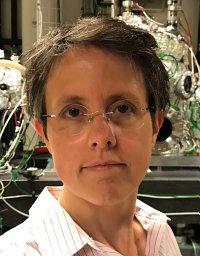 Nykola C. Jones合作论文数Christopher Ingold Laboratories, University College London196
 Nigel Mason合作论文数University of Kent67
 P. Limão-Vieira合作论文数45
 Cornelia Meinert合作论文数UFZ, Helmholtz Centre for Environmental Research Department of Effect-Directed Analysis Permoserstraße 15 04318 Leipzig Germany30
 Michael H Palmer合作论文数School of Chemistry, University of Edinburgh28
 Uwe J. Meierhenrich合作论文数Institut de Chimie de Nice, Université de Nice-Sophia Antipolis28
 Paulo Limão-Vieira合作论文数Physics Department, NOVA School of Science and Technology, Universidade NOVA de Lisboa26
 Monica de Simone合作论文数24
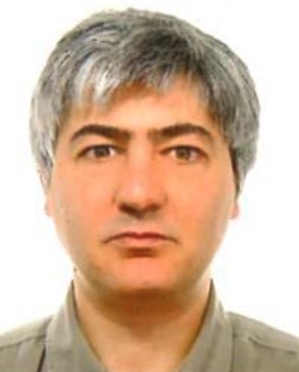 Marcello Coreno合作论文数Elettra Laboratory, Consiglio Nazionale delle Ricerche-ISM24Cesare Grazioli合作论文数24
 Philip Hofmann合作论文数Department of Physics and Astronomy, Aarhus University/Interdisciplinary Nanoscience Center, Aarhus University/ASTRID2 Synchrotron Radiation Facility, Aarhus University/VILLUM Centre of Excellence for Dirac Materials21
 Steen Brøndsted Nielsen合作论文数Institut for Fysik og Astronomi, Aarhus Universitet19
 Denis Duflot合作论文数Centre d’Études et de Recherches Lasers et Applications (CERLA, Université des Sciences et Technologies de Lille19S. Eden合作论文数18
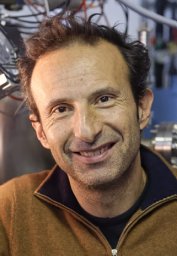 Laurent Nahon合作论文数Science Division, Synchrotron SOLEIL18J. Delwiche合作论文数16
 Anita Dawes合作论文数Dept Physics & Astronomy, University College London16
 Filipe Ferreira da Silva合作论文数16
 Jens Spanget-Larsen合作论文数Department of Life Sciences and Chemistry, Roskilde University14Zheshen Li合作论文数14
 M. H. F. Bettega合作论文数Departamento de Física, Universidade Federal do Paraná14M.‐J. Hubin‐Franskin合作论文数13
 Jan Hendrik Bredehöft合作论文数Institute for Applied and Physical Chemistry, University of Bremen13
 Alessandra Souza Barbosa合作论文数Departamento de Física, Universidade Federal do Paraná13
 R. Alan Aitken合作论文数13
 Jens Onsgaard合作论文数12
 Małgorzata A. Śmiałek合作论文数11
 Przemyslaw Jan Godowski合作论文数11
 Alison Rodger合作论文数School of Natural Sciences, Macquarie University/MQ Photonics Research Centre, Macquarie University9Nielsen Lisbeth Munksgaard合作论文数9
 Michael Brunger合作论文数Flinders University9
 Sergio Ioppolo合作论文数Open University9Andreas Meisel合作论文数9
 Alexandre Giuliani合作论文数DISCO Beamline, Synchrotron Soleil9Frank Wien合作论文数Institute of Technical Chemistry;University of Karlsruhe9
 Nguyen duy duc合作论文数9
 Anne I S Holm合作论文数9
 Gustavo Garcia合作论文数Inst Fis Fundamental, CSIC8
 Malgorzata Biczysko合作论文数Scuola Normale Super Pisa8
 Baiardi Alberto合作论文数Scuola Normale Superiore8Sivaraman Bhalamurugan合作论文数Space and Atmospheric Sciences Division, Physical Research Laboratory, Ahmedabad, India.8García-Moreno Pedro J合作论文数8
 Kirk A. Peterson合作论文数Department of Chemistry, Washington State University8
 Mingdong Dong合作论文数Interdisciplinary Nanoscience Center, Aarhus University8philip d holtom合作论文数7
 Kjeld Pedersen合作论文数7
 A I Lozano合作论文数Inst Fis Fundamental, CSIC7
 Jana Bocková合作论文数Institut de Chimie de Nice, Université Côte d'Azur7
 Maria Raposo合作论文数Lab Instrumentat Biomed Engn & Radiat Phys LIBPhys, NOVA Univ Lisbon7




