Background Hemophilia B (HB), an X-linked recessive inherited bleeding disorder, exhibits a high prevalence among males. Objectives To present the first national cohort of persons with HB to define the demographics, clinical characteristics, and treatment patterns in Turkey. Methods This multicenter, retrospective study included 433 alive persons with HB registered in 35 centers between 1961 and 2018. Analyses were performed by age subgroups (0-17 years, 18-64 years, and ≥65 years), disease severity by factor levels (severe, <1 IU/dL; moderate, 1-5 IU/dL; mild, >5 IU/dL). Additionally, patients were stratified based on the initiation year of follow-up at the relevant study center, creating 2 periods: 1993-2006 (referred to as period A) and 2007-2018 (referred to as period B). Results Predominantly male (98.6%), the median age at data entry was 22.1 years (n = 429). The majority (49.0%) had moderate HB, followed by severe (30.0%) and mild (15.7%) disease. Of the 377 patients with complete treatment details, 209 (55.4%) were under prophylaxis from their diagnosis onwards, while 79 patients (21.0%) only received on-demand treatment. Additionally, 89 patients (23.6%) initially underwent on-demand treatment and later were switched to prophylaxis. Knees were the primary site of bleeding and the most frequently intervened joints. Most of the major (47.5%) and minor (53.3%) orthopedic procedures were carried out in persons with severe HB, while half of radioactive synovectomy procedures were performed on persons with moderate HB. Conclusion This paper describes the demographics, clinical characteristics, and treatments patterns of a large cohort of alive persons with HB on a national scale.
Background Several studies have suggested that sarcopenia is associated with an increased treatment toxicity in patients with cancer. The aim of this study is to evaluate the relationship between sarcopenia and anthracycline-related cardiotoxicity. Methods Patients who received anthracycline-based chemotherapy between 2014 and 2018 and had baseline abdominal CT and baseline and follow-up echocardiography after anthracycline treatment were included. European Society of Cardiology ejection fraction criteria and American Society of Echocardiography diastolic dysfunction criteria were used for definition of cardiotoxicity. Sarcopenia was defined on the basis of skeletal muscle index (SMI) and psoas muscle index (PMI) calculated on CT images at L3 and L4 vertebra levels. Results A total of 166 patients (75 men and 91 women) were included. Sarcopenia was determined in 33 patients (19.9%) according to L3-SMI, in 17 patients (10.2%) according to L4-SMI and in 45 patients (27.1%) according to PMI. 27 patients (16.3%) developed cardiotoxicity. PMI and L3-SMI were significantly associated with an increased risk of cardiotoxicity (L3-SMI: HR=3.27, 95% CI 1.32 to 8.11, p=0.01; PMI: HR=3.71, 95% CI 1.58 to 8.73, p=0.003). Conclusions This is the first study demonstrating a significant association between CT-diagnosed sarcopenia and anthracycline-related cardiotoxicity. Routine CT scans performed for cancer staging may help clinicians identify high-risk patients in whom closer follow-up or cardioprotective measures should be considered.
Objective: Chronic age related medical problems and blood-borne viral infections may be overlooked by the clinicians in Hemophilia A, and likewise Hemophilia A patients may not be concerned sufficiently about their medical conditions other than hemophilia A. We aimed to investigate the comorbidities and the blood borne viral infections observed in the adult hemophilia A patients in our tertiary center. Methods: Adult hemophilia A patients diagnosed between the years of 1961 and 2007 were reviewed retrospectively for analysis. Demographic data, comorbidities, body mass indexes and markers for viral infections were recorded. Results: A total of 26 patients were in strict follow up in our Hemophilia A cohort. Hypertension (19%) and nephrolithiasis (19%) were the most common comorbidities. Being obese (Body Mass Index >= 30 kg/m(2)) was not found as a risk factor for diabetes (p=1.000), hypertension (p=0.280), and hepatosteatosis (p=0.546). Two cases had positive Hepatitis B virus and 2 had positive Hepatitis C virus load. Conclusion: The results of our present study revealed that hypertension unawareness was high and incident diabetes is also a problem for Hemophilia A patients. Clinicians should be aware of blood-borne pathogens and other comorbidities; they should perform screening tests.
Our second case is a 49-year-old female patient, two days after receiving BNT162b2 mRNA COVID-19 vaccine, petechiae was started in arms and then in lower extremities. The complaints of weakness and fatigue continued to increase within days. The patient, who was admitted to the hospital ten days later with these complaints, was found to have bi-cytopenia. Bone marrow aspiration and biopsy reported that 20-30% stained with cd19 diffuse positive Terminal deoxynucleotidyl transferase (TdT) in blastic cells. HyperCVAD chemotherapy was started with the diagnosis of b-acute lymphoOur third case is a 57-year-old male patient, difficulty in swallowing, and oral ulceration after vaccination of BNT162b2 mRNA COVID-19 vac
Graft versus host disease (GVHD) is still the most important cause of mortality and morbidity after allogeneic stem cell transplantation. Though perfect response rates are not achieved, steroids are still the first-line treatment. In the face of the presence of the drugs approved by FDA in recent years for acute and chronic GVHD as second-line therapy in the steroid-refractory group, there exists no standard approach. Extracorporeal photopheresis (ECP) with an immunomodulatory effect, is favored in the treatment of both acute and chronic steroid refractory GVHD as it does not increase the risk of relapses or infections. Having a low profile of side effects, ECP is also generally well-tolerated by patients. Being a time requiring procedure, the fact is that it is not able to be practiced in all health centers and requires central venous catheters in patients unfit for venous access may be enumerated among its shortcomings. No complete standard is available with respect to ECP application frequency-time; it varies from one center to another. The Turkish Society of Apheresis established the Turkish ECP (TECP) group and sought some answers to the questions regarding the use of ECP in the treatment of GVHD, and issued a position statement.
Objective: Chronic myeloid leukemia (CML) prognostication at the time of diagnosis is critical to determine the intensity of initial treatment. Event-free survival (EFS) has become a prominent concept of prognosis in the patients with chronic phase CML (CML-CP). The aim of this study is to assess the prognostic impact of bone marrow (BM) and peripheral blood (PB) cellular components, in correlation with the clinical parameters. Materials and Methods: One hundred forty-three patients with CML-CP on the front-line imatinib mesylate therapy were recruited into this study. Clinical and laboratory characteristics, therapeutic responses were recorded. Sokal, Euro/Hasford, The EUropean Treatment Outcome Study (EUTOS) and The EUTOS long-term survival (ELTS) scores were calculated for the studied patients. Results: Median follow-up time was 84 (IQR: 54-125) and median front-line therapeutic duration was 56 (IQR:23-89) months. Five-year EFS rate was 62.3% (95% CI: 53.9-70.7). The blast percentage in the BM, EUTOS scores, and basophil percentage in PB were related with the poor therapeutic outcomes in frontline therapy (p=0.002, p=0.002 and p=0.042, respectively). Although Sokal risk classification showed that the intermediate class had a higher event risk compared to the low-risk class (p=0.001), the predictive association disappeared in high-risk classes. Conclusion: EUTOS score system has better predictive capability for front-line imatinib therapy comparing with other indices. Higher blast percentage in BM and increased basophil percentage in PB are independent risk factors, adversely related with EFS in patients with CML.
Background/aim Thrombocytopenia is a common complication following hematopoietic stem cell transplantation (HSCT). Eltrombopag has been used in thrombocytopenia treatment after HSCT in recent years. Herein, we present our experience of 25 patients treated with eltrombopag for post-HSCT thrombocytopenia. Materials and methods Fifteen autologous hematopoietic stem cell transplantation (AHSCT) and 10 allogenic hematopoietic stem cell transplantation (allo-HSCT) recipients treated with eltrombopag for treatment of prolonged isolated thrombocytopenia (PIT) or secondary failure of platelet recovery (SFPR) in the stem cell transplantation unit of Hacettepe University Hematology Department between 2017 and 2021 were included in the study. The primary endpoint of this study is eltrombopag response in patients diagnosed with PIT or SFPR. Platelet count above 50,000/mm3 for five consecutive days without platelet transfusion was considered as eltrombopag response. Overall survival (OS) analyses were calculated based on the time between HSCT and death from any cause. The patients who were alive at the last follow-up were censored at this time for calculation of OS analyses. Results AHSCT (66.7% (10/15)) and allo-HSCT (50% (5/10)) recipients responded to eltrombopag for the treatment of post-HSCT thrombocytopenia. There was no excess toxicity related to the eltrombopag use. The median response duration of allo-HSCT recipients and AHSCT recipients were 41 (13–104) days and 50 (7–342) days, respectively. There was a statistically significant OS duration difference between the responders and nonresponders in allo-HSCT and AHSCT recipients with p values of 0.005 and 0.02, respectively. Conclusion Eltrombopag is promising for the treatment of thrombocytopenia after AHSCT and allo-HSCT in terms of efficacy and safety.
Background: Hemophilic arthropathy can result in severe degenerative arthritis and func-tional limitations in the knees of relatively young patients. Total knee arthroplasty (TKA) provides pain relief and gain of function in advanced-stage hemophilic arthropathy cases. However, little is known about the long-term effects of early major postoperative bleeding (MPOB) in people with hemophilia (PWH). The aim of this study was to evaluate the effects of early MPOB on the final functional outcome, complications, and implant survival of TKA in a single-center hemophilia cohort. Method: PWH who underwent TKA between 1998 and 2019 in a single center were reviewed. Demographic data, clinical data, and radiographic images were evaluated. Hospital for Special Surgery (HSS), Knee Society Score (KSS), and Knee Society Function Score (KSS-F) scores were used to determine function. Patients with early bleeding compli-cations (wound dehiscence, ecchymosis, hemarthrosis, hematoma formation, prolonged or recurrent bleeding attacks) were defined as the bleeding group. Patients who did not expe-rience these complications were assigned to the control group. The bleeding group was compared with controls. Survival of the primary arthroplasty was analyzed by Kaplan- Meier curves.Results: Forty-five TKAs in 29 patients were included in the study. TKA led to an increase in the mean range of motion from 46.08 degrees to 84.59 degrees (P < 0.01). HSS scores increased from 48.33 preoperatively to 82.67 postoperatively (P < 0.01). There were improvements in both KSS and KSS-F scores from 34.22 and 53.3 preoperatively to 82.00 and 84.63 (P < 0.01), respec-tively. Ten patients (10 TKAs) (34%) experienced major bleeding during the postoperative period. Six of these patients had moderate hemophilia, and four had severe hemophilia. Three of these patients had hemarthroses (10.2%), one patient had a hematoma (3.4%), one patient had hemorrhagic bullae formation (3.4%), and five had excessive/prolonged bleeding from the wound (17%). The bleeding group (34%) had significantly worse HSS (63.78 vs 92.75, P < 0.001), KSS (61.78 vs 93.25, P < 0.001), and KSS-F (60.71 vs 96.25, P = 0.005) scores compared with controls. Preoperative and postoperative flexion contrac-tures were positively correlated (+0.33, P = 0.003). One of the patients with postoperative hemarthrosis also had an accompanying transient common peroneal nerve palsy, and one patient (3.4%) had a periprosthetic fracture. Three knees (6.6%), two of whom were in the bleeding group, developed periprosthetic infections. Four knees (8.8%) in three patients underwent revision surgery, and two knees (4.4%) ended up in arthrodeses. Kaplan- Meier analysis revealed a mean survival duration of 17.04 years for the bleeding group and 22.15 years for the control group (P = 0.83). Survival rates were 80.0% for the bleeding group and 96.4% for the control group (P = 0.83).Conclusions: In this study, MPOB after TKA in PWH was common and led to significantly worse function. MPOB after TKA in PWH was associated with a higher rate of complications and lower survival rates, although the differences were not statistically significant. Efforts must be made to avoid MPOB after TKA in PWH.(c) 2022 Elsevier B.V. All rights reserved.
Objective: Studies comparing the efficacy and safety of prophylactic regimens for central nervous system (CNS) involvement in acute lymphoblastic leukemia (ALL) are scarce in adults. This multicenter retrospective study aimed to compare the efficacy of prophylactic regimens with and without CNS irradiation on the development of CNS relapse during follow-up. Materials and Methods: This was a multicenter comparative cohort study. A total of 203 patients were included from four tertiary care centers in Turkey. Patients were divided into two groups according to whether they received CNS irradiation or not. The groups were analyzed retrospectively regarding patient and disease characteristics, with the main focus being CNS relapse. Results: While 105 patients received chemotherapy-based prophylaxis, 98 patients received additional CNS irradiation. These groups were statistically comparable in terms of demographic characteristics and risk factors for CNS involvement. In the irradiation group, patients were younger and had more stem cell transplants. In a median of 23.8 (11.1-62.4) months, there was no difference between the two groups regarding CNS relapse-free survival (log-rank p=0.787). Conclusion: Craniospinal irradiation may not be indispensable for every adult patient with ALL, similarly to pediatric patients. It is crucial to avoid the long-term toxicities of radiation, especially in patients with long life expectancy. Craniospinal irradiation may be reserved for therapeutic use in cases of CNS relapse and prophylaxis for some high-risk patients.
The aim of this study is to collect paroxysmal nocturnal hemoglobinuria (PNH) patient data from hematology centers all over Turkey in order to identify clinical features and management of PNH patients. Patients with PNH were evaluated by a retrospective review of medical records from 19 different institutions around Turkey. Patient demographics, medical history, laboratory findings, and PNH-specific information, including symptoms at the diagnosis, complications, erythrocyte, and granulocyte clone size, treatment, and causes of death were recorded. Sixty patients (28 males, 32 females) were identified. The median age was 33 (range; 17–77) years. Forty-six patients were diagnosed as classic PNH and 14 as secondary PNH. Fatigue and abdominal pain were the most frequent presenting symptoms. After eculizumab became available in Turkey, most of the patients (n = 31/46, 67.4%) were switched to eculizumab. Three patients with classic PNH underwent stem cell transplantation. The median survival time was 42 (range; 7–183 months) months. This study is the first and most comprehensive review of PNH cases in Turkey. It provided us useful information to find out the differences between our patients and literature, which may help us understand the disease.
Background/aim: The disease caused by SARS-CoV-2 was named as COVID-19. There is as yet insufficient information about the effects of HSCT on the clinical course of COVID-19. In the present study, we aimed to investigate the clinical course of COVID-19 in patients who had undergone HSCT. Materials and methods: We analyzed baseline characteristics, clinical course and findings of COVID-19, hospitalization and death rates, overall survival, and case fatality rates of HSCT recipients diagnosed with COVID-19 retrospectively. Results: 57.6% of the patients underwent AHSCT, and 42.4% underwent allo-HSCT. 60.6%, 27.3%, and 12.1% of the patients had mild, moderate, and severe COVID-19 or critical illness, respectively. Overall, 45.5% were hospitalized, 12.1% required intensive care, and 9.1% necessitated invasive mechanical ventilation. The total CFR was 9.1% in HSCT recipients, 22.2% in patients with active hematologic malignancy, and 4.2% in patients without active hematologic malignancy. Conclusion: It can be concluded that mortality of HSCT recipients is lower in patients whose primary disease is in remission compared to ones that are not in remission. Further studies with larger group patients are needed in order to delineate the effects of COVID-19 on HSCT patients.
OBJECTIVE:Aplastic anemia (AA) is a life-threatening disorder and may be associated with significant morbidity and mortality Currently, the first treatment option is allogeneic hematopoietic stem cell transplant (allo-HSCT) for patients younger than 40 years. Bone marrow is recommended as the stem cell source due to less graft versus host disease (GVHD) risk and better outcomes than peripheral blood (PB)-derived stem cell. The aim of this study is to share the data of AA patients who have underwent PB-derived allo-HSCT in our bone marrow transplantation center.METHODS:Twenty-seven patients who underwent PB-derived allo-HSCT from human leukocyte antigen matched sibling donors were analyzed retrospectively.RESULTS:The median follow-up time was 95.2 months (range, 4.8-235 months). The 10-year survival was 89 %. The median neutrophil and platelet engraftment time was 11 days (range, 9-16 days) and 13 days (range, 11-29 days), respectively. Primary platelet engraftment failure was observed in 1 patient (3.7 %). Acute and chronic GVHD observed in 2 (7.4 %) and 3 (11.1 %) patients, respectively. Neutropenic fever was observed in 13 (44.8 %) of patients until the engraftment after allo-HSCT. One patient died due to CMV infections, two died due to septic shock secondary to fungal infection.CONCLUSION:Although there is no prospective data directly comparing BM with PB as stem cell source in AA, observational studies indicates better OS with BM. PB can be used in certain situations such as higher risk for graft failure and donor preference. This study demonstrated that PB-derived stem cell seems to be a reasonable alternative to BM.
Paroxysmal nocturnal hemoglobinuria (PNH) is a rare X-linked genetic disorder. On the contrary to its name, it is a multisystemic disease and various symptoms other than hemoglobinuria could be occurred. It could be life threatening especially because of thromboembolic events. In the last decade, a terminal complement inhibition with eculizumab approved with promising results for PNH patients. We conducted this study to evaluate the long term experience of eculizumab therapy from Turkey for the first time. Our cohort included 138 patients with PNH treated with eculizumab between January 2008 and December 2018 at 28 centers in Turkey. Laboratory and clinical findings at the time of diagnosis and after eculizumab therapy were recorded retrospectively. The median age was 39 (range 18-84) years and median granulocyte PNH clone size was 74% (range 3.06-99.84%) at the time of diagnosis. PNH with bone marrow failure syndrome was detected in 49 patients and the rest of 89 patients had classical PNH. Overall 45 patients (32.6%) had a history of any prior thrombotic event before eculizumab therapy and only 2 thrombotic events were reported during the study period. Most common symptoms are fatigue (75.3%), hemoglobinuria (18.1%), abdominal pain (15.2%) and dysphagia (7.9%). Although PNH is commonly related with coombs negativity, we detected coombs positivity in 2.17% of patients. Seven months after the therapy, increased hemoglobin level was seen and remarkably improvement of lactate dehydrogenase level during the treatment was occurred. In addition to previous studies, our real life data support that eculizumab is well tolerated with no serious adverse events and improves the PNH related findings.
INTRODUCTION:Acute lymphoblastic leukemia (ALL) is a malign disease with poor prognosis in adults. After remission is achieved by induction therapy, administration of allogeneic hematopoietic stem-cell transplantation (AHSCT) is one of the standard treatment in adult ALL patients. Pediatric-inspired chemotherapy has been demonstrated to improve outcomes of adult ALL. The aim of this study was to compare the Berlin-Frankfurt-Münster-95 chemotherapy (BFM-95) regimen and AHSCT results in ALL patients with first complete remission. PATIENTS AND METHODS:Forty-seven patients who received the BFM-95 regimen and 83 patients who underwent AHSCT were compared. Primary endpoints were comparison of overall survival (OS) and disease-free survival (DFS) between groups. RESULTS:There was no significant difference between the groups in terms of age, gender, or performance status. In BFM-95 and AHSCT, relapsed disease occurred in 11 (23.4%) and 24 (28.9%), respectively; the respective values for treatment-related mortality were 6 (12.7%) and 10 (12%) (P = .32 and .91). Five-year DFS was 38% with BFM-95 and 57% with AHSCT (P = .014). There was no 5-year OS difference in both groups (64% vs 60%, P = .13). While leukocyte count < 30 × 109/L at the time of diagnosis (hazard ratio, 2.7; P = .021) and prophylaxis of central nervous system (hazard ratio, 2; P = .036) were prognostic for OS, the only factor that had a prognostic effect on DFS was AHSCT (hazard ratio, 1.6; P = .041). CONCLUSION:AHSCT currently offers no special OS advantage but increases DFS compared to the BFM-95 regimen. AHSCT may be considered at first complete remission in patients at low risk of transplant-related mortality.
Acute respiratory syndrome coronavirus 2 (SARS-CoV-2) first identified in Wuhan, China; and spread all over the world. Reverse-transcription polymerase chain reaction (RT-PCR) test for SARS-CoV-2 usually returns to negative in 20 days post-infection, but prolonged positivity has been reported up to 63 days. A case whose viral shedding lasted 60 days is reported from China. Herein we report a patient with a history of autologous stem cell transplantation (ASCT) for lymphoma whose RT-PCR test remained positive for SARS-CoV-2 for 74 days. The prolonged RT-PCR positivity, despite convalescent plasma infusion, may suggest that the given antibodies may be ineffective in terms of viral clearance. In patients with hematological malignancies or immunosuppression, such as ASCT, may lead to prolonged viral shedding, and strict isolation is warranted for long-term SARS-CoV-2 infection control.
The treatment landscape and clinical outcome of multiple myeloma (MM) patients have changed in the last decades, with an improved median survival of 8-10 years. This study aimed to evaluate the bortezomib, cyclophosphamide and dexamethasone (VCD) regimen versus bortezomib and dexamethasone (VD) regimen in patients with newly diagnosed MM. This study has been performed in a retrospective manner. One hundred and three patients with newly diagnosed MM who received chemotherapy at our tertiary care center between the years of 2009 and 2018 were evaluated. A total of 103 patients were included. The 5-year overall survival (OS) for patients who received VD regimen and patients who received VCD regimen were 75% and 83%, respectively. The OS for VD patients was 113.1±12.5 versus 122.2±9.5 months for VCD patients with no statistically significant difference (P=0.47). The 5- year PFS (progression free survival) for patients who received VD regimen and patients who received VCD regimen were 66% and 75%, respectively. The PFS for VCD patients was higher than the PFS for VD patients (67.1±7.4 versus 97.7±13.4 months), but no statistically significant difference was observed (P=0.59). Relapse rate (P=0.002) and mortality rate (P=0.01) were higher in VD group than VCD group and they were statistically significant. The OS and PFS were clinically longer in patients receiving VCD regimen than in patients receiving VD regimen, although not statistically significant. Cyclophosphamide should be given to patients at physician discretion and depending on patient's frailty function.
Introduction: The Antopol-Goldman lesion (AGL), which expresses subepithelial hemorrhage in the renal pelvis, was first defined by Antopol and Goldman in 1948. The objective of this study is to report the first case of AGL in patients with congenital hemophilia and review the relevant literature. Patient concerns: A 32-year-old male patient diagnosed with congenital hemophilia A (FVIII = %4) with high responding inhibitors (7.4 BU) was admitted to our emergency department with gross hematuria and sudden onset flank pain. Diagnosis: Abdominal computed tomography (CT-scan) presented a hyperdense lesion in the left ureteropelvic junction with Hounsfield Units of 56 compatibles with hemorrhage. Interventions: The patient was given 4500 IU of factor eight inhibitor bypass activity (FEIBA) intravenously twice daily for 5 days. Subsequently, 4500 IU of FEIBA was administrated once a day for 2 days. Outcomes: The patient's complaints disappeared on the fourth day of treatment. Macroscopic and microscopic hematuria was not seen in the following days. Follow-up CT was done 3 months after discharge and showed normal left renal pelvis without hyperdenosis. Follow-up CT was performed 3 months after discharge and presented normal left renal pelvis with no hyperdense lesion. Conclusion: Although very rare, AGL should be kept in mind in the differential diagnosis of renal pelvic hemorrhage. In the patient who has an underlying history of coagulopathy nephrectomy can be avoided when there is awareness of AGL.
Tyrosine kinase inhibitors (TKIs) are established treatment for haematological malignancies. However, cardiac adverse effects, including the reduction in left ventricular ejection fraction and symptomatic heart failure remain clinical problems. The purpose of this study was to evaluate the left ventricular systolic functions in patients with chronic myeloid leukaemia receiving TKIs. A cross-sectional and observational study was conducted of 37 patients with chronic myeloid leukaemia receiving dasatinib or nilotinib after imatinib failure. Left ventricular systolic functions were evaluated using four-dimensional speckle tracking echocardiography derived global longitudinal (GLS), circumferential (GCS), radial (GRS), and area (GAS) strain indices. Mean ejection fraction, stroke volume, cardiac output and left ventricular mass index were similar between control and patient groups and within normal limits. GLS (− 16.7% vs − 20.8%, p < 0.001), GCS (− 13.0% vs − 15.6%, p = 0.002), and GAS (− 26.2% vs − 31.0, p < 0.001) values were significantly higher in the patient population than those of the controls. Dasatinib and nilotinib groups did not show differences regarding strain indices. In multivariate regression analysis, only the usage of dasatinib or nilotinib was found to be an independent risk factor for diminished GAS (β = 4.406, p = 0.016), GLS (β = 3.797, p = 0.001), and GCS (β = 2.404, p = 0.040). Although imatinib, nilotinib, and dasatinib seem to be clinically safe in terms of cardiac function, monitoring of systolic functions using strain imaging, and long-term observation of patients may provide early detection of the possible cardiac toxicity.
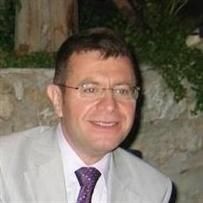 Ibrahim C. Haznedaroglu合作论文数Hacettepe University Hospital;Hacettepe University Medical School in Ankara117
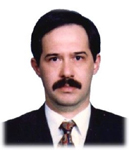 Hakan Goker合作论文数Department of Internal Medicine, Hacettepe University of Medical School102
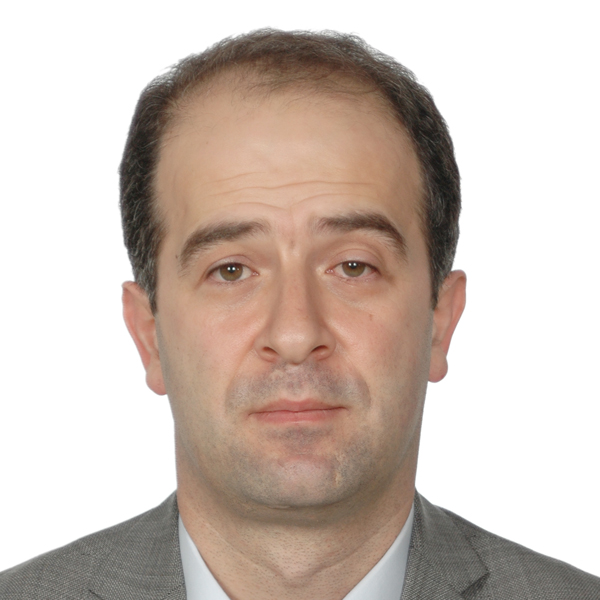 Y Buyukasik合作论文数Department of Internal Medicine, Hacettepe University93
 Ni̇lgün Sayinalp合作论文数Department of Internal Medicine, Hacettepe University90
 Osman İlhami Özcebe合作论文数Department of Internal Medicine, Hacettepe University;Department of Hematology, Hacettepe University Hospitals81
 Haluk Demiroglu合作论文数56
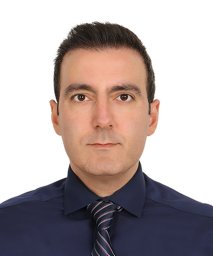 Ümit Yavuz Malkan合作论文数Department of Internal Medicine, Division of Hematology, Faculty of Medicine, Hacettepe University41
 Eliacik Eylem合作论文数Faculty of Medicine, Hacettepe University29Gunes Gursel合作论文数26
 Rafiye Ciftciler合作论文数Hematol Clin, Aksaray Univ Training & Res Hosp21
 A. Elif Isık Uslu合作论文数21Burak Uz合作论文数17Aladag Elifcan合作论文数16Bektas Ozlen合作论文数Faculty of Medicine, Hacettepe University15Sezgin Etgul合作论文数13Songul Serefhanoglu合作论文数13Aslan Tuncay合作论文数12
 Aysegul Uner合作论文数Department of Pathology, Hacettepe University;Department of Tumor Pathology, Hacettepe University;Cerrahi Tıp Bilimleri Bölümü, Tıp Fakültesi, Hacettepe University12M. Okay合作论文数Department of Hematology Ministry of Health, Eskişehir City Hospital11
 Yavuz Beyazit合作论文数Dept Internal Med, Canakkale, Turkey11
 Murat Kekilli合作论文数Dept Gastroenterol, Turkiye Yuksek Ihtisas Teaching & Res Hosp11
 Seda Aydin合作论文数Fac Med, Hacettepe Univ8Ebru Koca合作论文数8Tekin Fatma合作论文数8
 Yasemin Karacan合作论文数Faculty of Health Sciences, Bursa Uludag University7Olgu Erkin Çınar合作论文数Dept Internal Med, Hacettepe Univ7
 Engin Kelkitli合作论文数Ondokuz Mayis University School of Medicine7
 Mehmet Turgut合作论文数Department of Neurosurgery, Adnan Menderes University Hospital7
 Deniz Cetiner合作论文数Department of Internal Medicine, Hacettepe University Hospital7
 Inkaya Ahmet Cagkan合作论文数Department of Infectious Diseases, Hacettepe University Hospital6
 Evren Ozdemir合作论文数6Kadir Acar合作论文数Department of Hematology;Gazi Medical School6Hilmi Atay合作论文数5Seyhan Turk合作论文数5Bozkurt Süreyya合作论文数5Serafettin Kirazli合作论文数5
 Orhan Ayyildiz合作论文数Faculty of Medicine, Dicle University5
 Serdar Tuncer合作论文数Faculty of Medicine, Istanbul University5
 Mevlut Kurt合作论文数Faculty of Medicine, Hacettepe University5
 Fahri Sahin合作论文数Faculty of Medicine, Ege University5
 Ayse Karatas合作论文数Department of Neurosurgery, Helsinki University Central Hospital5
 Ali Unal合作论文数Erciyes University;Faculty of Medicine;Dedeman Hospital;Department of Hematology-Oncology;Faculty of Medicine, Erciyes University5Mustafa Velet合作论文数4Osman Ilhami Ozcebe合作论文数4
 Deniz Koksal合作论文数Faculty of Medicine, Hacettepe University4Guven Gulay Sain合作论文数4
 Mehdi Ghasemi合作论文数School of Medicine, Tehran University of Medical Sciences4
 Osman Ilhan合作论文数Department of Hematology, Lokman Hekim Akay Hospital;Hematoloji Kliniği ve Kök Hücre Nakli Merkezi, Lokman Hekim Akay Hastanesi;Homer Hematolojik Onkoloji Merkezi4Muge Misirlioglu合作论文数4




