BACKGROUND:Patients with muscle-invasive bladder cancer (MIBC) have heterogeneous outcomes following transurethral resection of bladder tumor (TURBT). We used a computational histopathology artificial intelligence (CHAI)-based platform to develop and validate a digital image-only MIBC prognostic biomarker. METHODS:The CHAI platform extracts histologic features from pre-treatment TURBT specimen H&E-stained whole slide images. The Cancer Genome Atlas was used for development to construct a signature of features associated with the primary endpoint of recurrence-free survival (RFS). A continuous risk score was dichotomized into favorable and unfavorable groups. For validation, the performance of the locked model was then assessed in an independent, held-out, retrospective, pooled real-world data cohort of patients from NCI-Designated Cancer Centers with cT2N0M0 urothelial carcinoma who underwent radical cystectomy with/without neoadjuvant chemotherapy (NAC). RESULTS:A total of 178 patients were included: 44 in development and 134 in validation, of whom 50% received NAC. In validation, those classified as unfavorable risk by the CHAI biomarker (N = 67) had worse RFS (HR 3.1 [1.7-5.7], P < 0.001), cancer-specific survival (CSS) (3.5 [1.5-7.8], P = 0.003), and overall survival (OS) (3.0, [1.5-5.7], P = 0.001) vs. favorable risk (N = 67). Three-year RFS was 40% vs. 74% for disease classified as unfavorable and favorable risk, respectively (P < 0.001). After adjusting for prognostic clinical variables, including receipt of NAC, the biomarker remained associated with RFS, CSS, and OS (P < 0.01). Exploratory analysis found a significant interaction between the biomarker and NAC for RFS (P = 0.02). CONCLUSIONS:We developed and validated an image-only AI-based biomarker from pre-treatment H&E TURBT specimens associated with clinical outcomes in cT2 MIBC. While future development and validation work is warranted, these hypothesis-generating retrospective findings support the potential of this approach to advancing precision medicine in MIBC.
PURPOSE:We report long-term follow-up on participants in the QUILT-3.032 study in BCG-unresponsive non-muscle-invasive bladder cancer (NMIBC) carcinoma in situ (CIS) ± papillary disease using nogapendekin alfa inbakicept (NAI) approved by the FDA (ANKTIVA) in combination with BCG. MATERIALS AND METHODS:Participants received 400 mcg NAI in combination with 50 mg BCG through intravesical instillation weekly for 6 weeks, with optional reinduction if complete response (CR) was not achieved at month 3. Primary endpoints were CR rate at any time; secondary endpoints were duration of CR (DOR), progression-free survival, overall survival, disease-specific survival (DSS), and time to cystectomy. RESULTS:The CR rate (n = 100) was 71% (95% CI, 61.1-79.6) with a median DOR of 26.6 months (range, 0.03-53.62). The cystectomy-free rate in the 71 responders at 24 and 36 months was 90.3% (95% CI 79.7-95.6) and 84.2% (95% CI 69.6-92.1), respectively. DSS was 100% (95% CI 100.0-100.0) at 12 months and 98.2% (95% CI 88.2-99.8) at 36 months. Treatment-related adverse events were largely grade 1 to 2 (61%), with 3% grade 3 and no grade 4 or 5 treatment-related adverse event observed with this biological combination. CONCLUSIONS:The CR rate and durability of responses that surpass 53 months reveal the efficacy of NAI in combination with BCG for treating BCG-unresponsive NMIBC with CIS ± Ta/T1 disease. The high cystectomy-free rate of 84% and DSS of 98% at 36 months suggest that NAI plus BCG is a safe and efficacious option for NMIBC with CIS ± Ta/T1 disease.
PURPOSE:Three recent trials evaluated immune checkpoint inhibitors (ICIs) + bacillus Calmette-Guérin (BCG) for treatment of high-risk nonmuscle-invasive bladder cancer (NMIBC). Two of these trials (CREST, POTOMAC) demonstrated that ICI + BCG improved event-free survival compared with BCG alone but resulted in higher rates of treatment-related adverse events. In this article, we evaluated the cost-effectiveness of ICI + BCG compared with BCG alone. We then created a publicly available cost-effectiveness calculator to facilitate future NMIBC drug value comparisons. MATERIALS AND METHODS:We used a Markov model to compare sansalimab + BCG with induction and maintenance BCG alone for BCG-naïve high-risk NMIBC. Efficacy and toxicity probabilities were extracted from the CREST trial. One-way and probabilistic sensitivity analyses were performed. Incremental cost-effectiveness ratios were compared using a willingness-to-pay threshold of $100,000/quality-adjusted life year (QALY). Analyses were repeated using POTOMAC and ALBAN data. RESULTS:From a US Medicare payer's perspective, the combination of sasanlimab + BCG resulted in 0.03 additional QALYs (6.12 vs 6.09) at an additional cost of $145,940 relative to BCG alone. Combination therapy was found not to be cost-effective over a lifetime horizon (incremental cost-effectiveness ratio = $6,316,217/QALY). On one-way sensitivity analysis, the combination of sasanlimab + BCG became cost-effective only if the cost of sasanlimab was reduced by > 94% (to $1399/treatment). Similar findings were found from a UK perspective and with data from POTOMAC/ALBAN. CONCLUSIONS:ICI + BCG is not cost-effective as a combination therapy relative to BCG alone. Further efforts are needed to improve the efficacy/toxicity profile of novel therapies, while continued scrutiny of the health system cost implications of new agents remains warranted.
OBJECTIVE:To evaluate longitudinal trends in the Urology In-Service Examination (ISE) from 2016 to 2023 and identify changes in performance patterns over time. METHODS:Retrospective cohort analysis of aggregate ISE scores provided by the American Urological Association. Mean percent-correct scores across postgraduate years (PGY1-5) and subtopics were analyzed from 2016 to 2023. 2020 was used as a temporal marker for the onset of the COVID-19 pandemic in sub-analyses. Two-sample t tests determined statistical significance (α ≤ 0.05). RESULTS:A total of 680 scores were analyzed. Mean scores increased with PGY level (43%-46% in PGY1 to 68%-71% in PGY5) but declined over time. Linear trend analysis showed a statistically significant decline for PGY2-5, with the steepest and strongest correlation seen in PGY3-5. Subtopic declines were most notable in calculous disease (64.2% to 56.1%, P = .01) and physiology/immunology/adrenal (70.2% to 56.5%, P <.001), both affecting all PGY levels. Additional decreases were noted in pediatrics (PGY2-4), congenital anomalies/embryology/anatomy (PGY1-2, 4), and imaging (PGY3-4). In contrast, PGY1 scores in fluid & electrolytes/transplant/hypertension/vascular/nephrology improved modestly (50.5% vs 56.0%, P = .05). Performance on 217 repeated questions was stable (69.3% vs 69.7%). CONCLUSION:Mean ISE performance declined from 2016 to 2023 across all PGY levels, with the greatest decreases observed in general urology subtopics. Scores after 2020 were lower across most PGY levels and content domains, while performance on repeated questions remained stable. These trends may reflect increased examination difficulty, expanded content, changes in question composition, evolving study strategies, and variability in clinical exposure rather than diminished knowledge.
PURPOSE:The survival rate for the majority of patients with non-muscle invasive bladder cancer (NMIBC) is favorable; however, the rates of recurrence and progression to muscle-invasive bladder cancer are important surrogate endpoints for overall prognosis, as these are major determinants of long-term outcome. The recurrence and progression probability rates depend on several clinical and pathologic factors. Therefore, the ability to predict risk of recurrence and progression and treating the disease appropriately is important. This Guideline provides a risk-stratified clinical framework for the management of NMIBC. MATERIALS AND METHODS:During the 2025 update, a modified version of the Guideline search strategy was used to conduct a systematic search of Ovid MEDLINE and Embase for new evidence published between May 2023 and December 2025. The modified search added keywords for newly added therapeutic agents in accordance with the updated populations, interventions, comparators, and outcomes. The systematic search identified 2933 studies, of which 71 studies met inclusion criteria following title and abstract screening. Full-text review resulted in 38 studies being included in the final evidence base. RESULTS:Updates were made to NMIBC risk stratification and statements on biomarkers, subtype histologies, transurethral resection, intravesical therapy, Bacillus Calmette-Guérin maintenance, enhanced cystoscopy, and future directions. Revisions were made to the methodology and reference sections as appropriate. CONCLUSIONS:The Guideline updates herein seek to improve clinicians' ability to evaluate and treat patients with NMIBC based on currently available evidence. Future studies will be essential to further support or refine these statements to improve patient care.
PURPOSE:We developed and externally validated a nondigital rectal examination urine test to inform whether biopsy is necessary in patients undergoing active surveillance (AS). Performance and clinical consequences of testing were directly compared with multiparametric MRI (mpMRI). MATERIALS AND METHODS:Biomarker models (MyProstateScore 2.0-Active Surveillance [MPS2-AS]) were derived to predict upgrading to Grade Group (GG) ≥ 3 and GG ≥ 2 and externally validated across 11 practices. Urine was prospectively collected, and patients underwent ≥ 12-core systematic biopsy plus targeted biopsy of Prostate Imaging Reporting and Data System (PI-RADS) ≥ 3 lesions. Diagnostic performance and clinical consequences of urinary testing to determine the need for biopsy were compared with mpMRI. RESULTS:The validation cohort included 330 patients with GG1 cancer scheduled for AS biopsy. Overall, 280 (85%) patients had prebiopsy mpMRI, of which 130 (46%) were PI-RADS 1 to 2, 42 (15%) were PI-RADS 3, and 108 (39%) were PI-RADS 4 to 5. On biopsy, 31 (9.4%) patients upgraded to GG ≥ 3 and 123 (37%) to GG ≥ 2. MPS2-AS provided higher area under the receiver operating characteristic curve than mpMRI for upgrading to both GG ≥ 3 (0.82 vs 0.73) and GG ≥ 2 (0.74 vs 0.64). Clinically, prebiopsy MPS2-AS would have avoided 64% of unnecessary biopsies while failing to detect only 3.2% of GG ≥ 3 upgrades and 4.9% of GG ≥ 2 upgrades. By contrast, the use of PI-RADS ≥ 3 would have failed to detect 18% of GG ≥ 3 upgrades, 35% of GG ≥ 2 upgrades, and avoided fewer unnecessary biopsies (50%). Performance of MPS2-AS was consistent across clinically pertinent subgroups (confirmatory and surveillance biopsy, Black and non-Black patients). CONCLUSIONS:In a multisite AS population, urinary MPS2-AS provided highly accurate and actionable testing for GG ≥ 3 and GG ≥ 2 upgrading, meaningfully outperforming mpMRI on direct comparison. These findings suggest that noninvasive monitoring with MPS2-AS could reduce the need for scheduled biopsies and serial mpMRI.
TPS4631 Background: High-risk NMIBC is generally treated with adjuvant intravesical Bacille Calmette-Guérin (BCG). However, ~50% of patients experience recurrence and/or progression afterwards and are considered unresponsive. Detalimogene voraplasmid (EG-70) is an investigational, non-viral, non-integrating, intravesically administered gene therapy designed to elicit local stimulation of anti-tumor immune responses in the bladder and drive durable efficacy in NMIBC, while mitigating the risk of systemic toxicities from immune stimulation. The Phase 1 (dose-escalation) portion of the first-in-human Phase 1/2, open-label, multicenter study (LEGEND; NCT04752722) of detalimogene voraplasmid is complete. The Phase 2 dose was identified, treatment was generally well tolerated, with an overall complete response (CR) rate of 73% [Kalota S, et al. AUA 2024]. Herein, we describe the ongoing Phase 2 portion of the study, which opened to enrollment in May 2023, which recently added a new cohort of BCG-unresponsive HG Ta/T1 papillary only (no carcinoma in situ [CIS]) disease. Methods: Eligibility criteria: age ≥18 years; ECOG PS 0−2; NMIBC, with/without resected coexisting papillary tumors, ineligible for, or elected not to undergo, cystectomy; satisfactory bladder function. Patients receive detalimogene voraplasmid 0.8 mg/mL in 50 mL (intravesical administration, Weeks 1, 2, 5 & 6, 12-week cycle) for 4 cycles, and patients with CR at the end of the 4 th cycle will enter maintenance treatment to receive 2 instillations per cycle (at Weeks 1 and 2) for up to another 8 cycles: BCG-unresponsive with CIS (Cohort 1); BCG-naïve with CIS (Cohort 2A) or BCG-exposed with CIS (Cohort 2B); BCG-unresponsive NMIBC with high-grade papillary disease without CIS (Cohort 3). Phase 2 primary endpoints: efficacy (CR rate at Week 48); safety. Secondary endpoints: progression-free survival; CR rate at Weeks 12, 24, 36, and 48; duration of response. The study is being conducted in accordance with the ethical principles of the Declaration of Helsinki and is consistent with ICH/GCP. All patients provide written informed consent. The Phase 2 portion of the study is enrolling and will recruit approximately 300 patients across all cohorts, from sites in the USA, Canada, Europe, and the Asia-Pacific region. Clinical trial information: NCT04752722 .
 Michael S. Cookson合作论文数The University of Oklahoma Health Sciences Center;Department of Urology, College of Medicine, The University of Oklahoma192
 Daniel A Barocas合作论文数115
 Joseph A. Smith合作论文数Department of Urologic Surgery, Vanderbilt University;Vanderbilt Institute for Global Health, Vanderbilt University Medical Center108
 Peter E. Clark合作论文数90
 S. Duke Herrell合作论文数Nashville54
 David Penson合作论文数Division of Urologic Oncology, Department of Urology, Vanderbilt University Medical Center51Resnick Matthew J合作论文数26
 Todd Matthew Morgan合作论文数Division of Urologic Oncology, Department of Urology, University of Michigan;Visible Health;UrologyMatch.com26
 Rodney Davis合作论文数24
 Nancy M. Wells合作论文数Bronfenbrenner Center for Translational Research, College of Human Ecology, Cornell University21
 Ashish M. Kamat合作论文数Department of Urology, Division of Surgery, The University of Texas MD Anderson Cancer Center20
 Kristen Scarpato合作论文数18
 Yair Lotan合作论文数Department of Urology, The University of Texas Southwestern Medical Center17
 Jeffrey Scott Montgomery合作论文数Department of Urology, Medical School, University of Michigan16
 Wade Sexton合作论文数Moffitt Cancer Center16Harras B. Zaid合作论文数16
 Kirk A Keegan合作论文数Department of Urologic Surgery, Vanderbilt University Medical Center15Kaffenberger Samuel D合作论文数15
 Robert S Svatek合作论文数Bladder Cancer Center of Excellence, Department of Urology, Long School of Medicine, The University of Texas Health Science Center at San Antonio;Division of Urologic Oncology, Department of Urology, Long School of Medicine, The University of Texas Health Science Center at San Antonio15
 Mark L. Gonzalgo合作论文数Desai Sethi Urology Institute, Miller School of Medicine, University of Miami;University of Miami Health System15
 Badrinath Konety合作论文数Allina Health Cancer Institute;Rush University Medical Center15SB Shappell合作论文数14
 Elizabeth Plimack合作论文数Department of Hematology/Oncology, Fox Chase Cancer Center14
 Neeraj Agarwal合作论文数Fred Hutchinson Cancer Research Center, University of Washington;Harborview Medical Center, University of Washington;Yoshio Inoue, Multicare Regional Cancer Center;Huntsman Cancer Institute, University of Utah;Sumanta K. Pal, City of Hope;Norris Comprehensive Cancer Center, University of Southern California;Ajjai Alva, University of Michigan;Karmanos Cancer Center, Wayne State University;Elaine T. Lam, University of Colorado;Morisani College of Medicine, University of South Florida;Hollings Cancer Center, Medical University of South Carolina;British Columbia Cancer Agency, University of British Columbia;Nicholas J. Vogelzang, Comprehensive Cancer Centers of Nevada;University of Texas Health Science Center at San Antonio;University of Washington, University of Texas Health Science Center at San Antonio14
 Matthew R. Cooperberg合作论文数Department of Urology, University of California San Francisco14Melissa R. Kaufman合作论文数14Roxelyn Baumgartner合作论文数14
 Gary D. Steinberg合作论文数Department of Urology, Medical College, Rush University;Rush University Medical Center13C.J. Stimson合作论文数13Amy N Luckenbaugh合作论文数Mount Sinai Hospital, University of Toronto12You Chaochen合作论文数12
 Stephen A. Boorjian合作论文数Department of Urology, Mayo Clinic12Karim Chamie合作论文数12Jay H. Fowke合作论文数12
 Christopher B Anderson合作论文数11Patrick Soon-Shiong合作论文数11
 Sanjay Patel合作论文数Pathology and Laboratory Medicine, Weill Cornell Medicine, Cornell University11
 Raj Pruthi合作论文数enGene11Kelvin a Moses合作论文数11
 Dipen J. Parekh合作论文数Department of Urology, Miller School of Medicine, University of Miami11
 Shady Salem合作论文数Nashville11
 Mark D Tyson合作论文数10Mark K. Buyyounouski合作论文数9
 Will Lowrance合作论文数Urology Service, Department of Surgery, Sidney Kimmel Center for Prostate and Urologic Cancers, Memorial Sloan-Kettering Cancer Center;Division of Urology, Huntsman Cancer Institute, University of Utah9
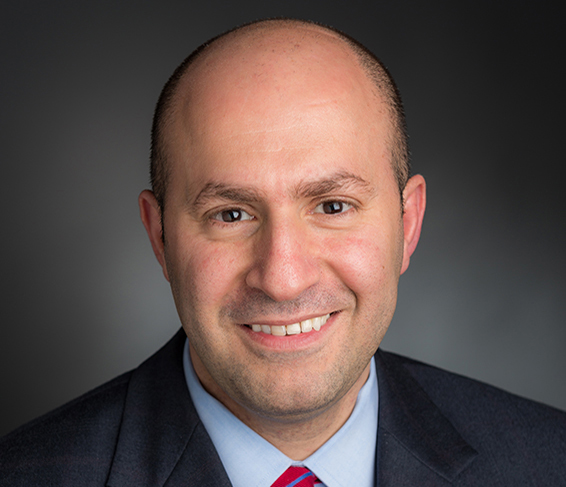 Toni Choueiri合作论文数Lank Center for Genitourinary (GU) Oncology, Dana-Farber Cancer Institute;Harvard Medical School;Brigham and Women's Hospital9
 Amy Graves合作论文数Dept Urol Surg, Vanderbilt Univ9
 Justin Gregg合作论文数9
 Harry W. Herr合作论文数Memorial Sloan Kettering Cancer Center;Weill Medical College, Cornell University9




