Background: Silene conoidea, a member of the Caryophyllaceae family, is a rare edible weed in Iran. It possesses various medicinal properties, including insecticidal, antimicrobial, antibacterial, and allelopathic effects. Methods: This study represents the investigation into the phytochemical contents, compounds, and biological activities of six different fractions [petroleum ether, chloroform, dichloromethane, ethyl acetate, methanol, and water] obtained from the leaves and stems of this species, with the aim of developing new natural drugs. Result: The methanol fractions of both the leaves and stems exhibited the highest levels of total phenolic and flavonoid contents and demonstrated strong antioxidant activity in the DPPH free radical scavenging method, with IC50 values of 5.1± 1.34 and 9.67 ± 0.02 μg/mL, respectively, surpassing the activity of BHT. Additionally, the chloroform and methanol fractions showed moderate antimicrobial activity against bacterial strains, with MIC values ranging from 0.0625 to 0.5 mg/ml when compared to gentamicin. The more active fractions [chloroform and methanol] were further analyzed to identify bioactive compounds. GC-MS analysis detected forty and forty-five compounds, representing 97.97% and 99.22% of the total composition, in the chloroform fractions of the leaves and stems, respectively. The main constituents of the leaves were fatty acid derivatives [54.66%] and terpene derivatives [21.94%], whereas the stems contained terpene derivatives [40.46%] and hydrocarbon derivatives [31.41%]. LC-ESI-MS analysis of the methanol fractions revealed the presence of common groups, including flavonoids, steroids, and triterpenoid saponins. Several bioactive compounds have been identified, including rutin, kaempferol-neohesperidoside derivative, diosmin, sileneoside, hesperidin, luteolin-di-O-glucoside, orientin-O-glucoside, vitexin- O-rhamnoside, and swertisin-O-glucoside. Heatmap analysis was conducted to visualize the differences in metabolite profiles among the samples. Conclusion: The analyzed fractions contained compounds with potential pharmacological activities.
Background and Aims: The increase in the incidence of antimicrobial resistance in pathogens has led researchers to identify new and effective antimicrobial agents. Green production of nanoparticles has received attention due to its compatibility with the environment and low cost. The present study sought to characterize and evaluate the antibacterial activities of silver nanoparticles synthesized with Plantago lanceolata seed extract. Materials and Methods: In this study, after the synthesis of silver nanoparticles by chemical and green methods, the characteristics of silver nanoparticles synthesized with the P. lanceolata seed extract were evaluated by UV-Vis, DLS, XRD, FT-IR, and TEM methods. Thereafter, the optimal conditions for the synthesis of nanoparticles and the antibacterial activity of the P. lanceolata extract, chemical silver nanoparticles, and green silver nanoparticles against standard bacterial strains were investigated by determining the minimum inhibitory concentration (MIC) using the broth microdilution method. Results: Based on the absorption spectrum of green silver nanoparticles with UV-Vis, the optimal concentration of silver nitrate was 20 mM, the suitable synthesis temperature was 57 °C, and the best reaction time was reported as 30 sec. The results of XRD, FT-IR, and TEM analyses confirmed the synthesis of green silver nanoparticles with oval and spherical morphology with a size of 20-40 nm. The P. lanceolata extract and chemical silver nanoparticles had no significant antibacterial effect. Nonetheless, green silver nanoparticles had significant antibacterial activity on the studied bacteria, with the highest antibacterial effect against Staphylococcus aureus and Enterococcus faecalis (MIC=125 μg/mL). Conclusion: As evidenced by the obtained results, P. lanceolata seed extract significantly increased the antibacterial activity of silver nanoparticles. This research demonstrated the potential of environmentally friendly silver nanoparticles synthesized in the presence of P. lanceolata extract with significant antibacterial effects for various biomedical applications.
Wound healing is a complex process that orchestrates the coordinated action of various cells, cytokines and growth factors. Nanotechnology offers exciting new possibilities for enhancing the healing process by providing novel materials and approaches to deliver bioactive molecules to the wound site. This article elucidates recent advancements in utilizing nanoparticles, nanofibres and nanosheets for wound healing. It comprehensively discusses the advantages and limitations of each of these materials, as well as their potential applications in various types of wounds. Each of these materials, despite sharing common properties, can exhibit distinct practical characteristics that render them particularly valuable for healing various types of wounds. In this review, our primary focus is to provide a comprehensive overview of the current state-of-the-art in applying nanoparticles, nanofibres, nanosheets and their combinations to wound healing, serving as a valuable resource to guide researchers in their appropriate utilization of these nanomaterials in wound-healing research. Further studies are necessary to gain insight into the application of this type of nanomaterials in clinical settings.
Cardaria draba has recently gained recognition as a versatile herbal remedy utilized in culinary applications and phytotherapy, particularly for addressing issues related to stomach acidification, rheumatism, and edema. This investigation involved the assessment of phytochemicals using LC-ESI-MS and GC-MS techniques, alongside evaluations of biological activities, including antioxidant capacity (DPPH assay) and antibacterial properties (broth dilution method), across various extracts derived from the leaves, flowers, stems, and roots of Cardaria draba. A total of 62 components were identified through high-performance liquid chromatography coupled with electrospray mass spectrometry, revealing phenolic acids, flavonoids, and tannins as key metabolites. The relationships among these metabolites were further elucidated through principal component analysis (PCA) and heat mapping. Notably, the extracts from the stems and flowers demonstrated the highest scavenging activity, with IC50 values recorded at 9.75 ± 0.74 and 8.14 ± 0.62 mg/ml, respectively. Furthermore, the methanol extracts from the leaves and flowers exhibited significantly stronger antibacterial effects compared to other extracts, with minimum inhibitory concentrations (MIC) of 6.25 and 12.5 µg/ml, respectively. The findings of this study provide scientific validation for the potential of C. draba as a source of antimicrobial agents and natural antioxidants, contributing to human health and food preservation.
Nanoscience is a prominent scientific field with great potential and many novel and cost-effective applications. Numerous green and environmentally friendly synthesis methods have been introduced that use different plant extracts to produce silver, gold, copper, and iron antibacterial nanoparticles. Plant extracts contain rejuvenating compounds which, when exposed to metal salts (in this research, silver nitrate), facilitate their reduction to metal ions. In the present investigation, Lepidium draba was used as a regenerating factor. Silver nanoparticles (AgNPs) containing Azmak leaf extract were synthesized under optimal conditions including silver nitrate concentration, time, temperature, and pH. These nanoparticles were then evaluated for their characteristics using transmission electron microscopy (TEM), Fourier transform infrared (FT-IR) spectroscopy, X-ray diffraction (XRD), dynamic light scattering (DLS), and zeta potential analyses. Subsequently, the antibacterial properties of nanoparticles were assessed using the broth microdilution method. The 2,2-diphenyl-1-picrylhydrazyl (DPPH) method was also employed to examine the antioxidant properties of synthesized nanoparticles. Structural analyses revealed the formation of spherical, stable, and pure AgNPs with a size of 20-35 nm. The synthesized AgNPs exhibited strong antibacterial activity against Gram-negative and Gram-positive bacteria. In addition, investigation of the antioxidant activity of the nanoparticles showed 89% inhibition at a concentration of 250 mu g/mL. AgNPs synthesized using the Azmak leaf extract can be employed as low-cost and efficient nanoparticles for environmental and biomedical applications and their dual antimicrobial and antioxidant characteristics could potentially position them as candidates for treating infectious wound.
Risks are uncertain events that can affect criteria such as project cost, quality, and completion time and ultimately lead to project failure. That is why the project risk management process, which is one of the most fundamental parts of project management, must be done properly. In this paper, a new multi-objective fuzzy model is proposed to respond appropriately to the primary and secondary project risks. The contributions, such as risk interdependency, considering the project with multi-mode activities, resource considerations, as well as attention to interval-valued fuzzy uncertainties are regarded simultaneously for the first time. The purpose of the proposed multi-objective mathematical model is to minimize cost, quality reduction, and project completion time. Then, a new two-stage uncertain solution approach is introduced in this paper. In this solution approach, using an equivalent method in the first step and then using an extended multi-choice goal programming method in the second step, for both lower and upper limits of the membership functions for interval-valued fuzzy numbers, the computational processes are performed. To show the application and effectiveness of the proposed model, a case study adapted from the literature is given. Finally, sensitivity analysis is conducted to analyze the behavior of the developed mixed-integer programming model. The analysis of obtained results indicates that the utilization of the proposed model leads to better and more appropriate solutions.
Introduction: The environmentally friendly method of green nanoparticle production has garnered significant interest because of its cost-effectiveness and ease of implementation. In this study, in addition to the green synthesis of silver nanoparticles using the leaf extract of the Sclerorhachis leptoclada Rech. f. (SLL@AgNPs) and the morphological study of the SLL@AgNPs, the antibacterial properties of the SLL@AgNPs were compared with the extract of the S. leptoclada plant and silver nanoparticles alone. Methods: In this experimental investigation, the features of SLL@AgNPs synthesized via a green method were analyzed using various techniques, including spectrophotometry, X-ray diffraction (XRD), Fourier-transform infrared spectroscopy (FT-IR), dynamic light scattering (DLS), and transmission electron microscopy (TEM). Ultimately, the antibacterial properties were assessed through the broth micro-dilution method. Results: DLS and zeta potential showed the formation of SLL@AgNPs with a hydrodynamic diameter of 130 nm and a surface charge of -38.82 mV, respectively. XRD and TEM analysis also confirmed the formation of pure silver nanoparticles with spherical and elliptical morphology with an average diameter of 20-30. The SLL@AgNPs exhibited antibacterial activity against Escherichia coli, Klebsiella pneumoniae, Pseudomonas aeruginosa, Staphylococcus aureus, and Enterococcus faecalis, with minimum inhibitory concentrations (MIC) of 0.039, 0.078, 0.039, 0.078, and 0.31 mg/ml, respectively. These findings indicate that SLL@AgNPs significantly enhanced the antibacterial properties of the S. leptoclada plant. Conclusion: As evidenced by the obtained results, S. leptoclada plant extract significantly increased the antibacterial activity of silver nanoparticles. This research demonstrated the potential of environmentally friendly silver nanoparticles synthesized in the presence of S. leptoclada extract with significant antibacterial effects for various biomedical applications.
Asafoetida is an oleo-gum-resin mainly obtained from Ferula foetida in eastern Iran, which is employed for the treatment of stomachaches, acid reflux, nervous system disorders and respiratory diseases. Asafoetida has attracted the attention of researchers due to its sulfide compounds and their proven effects on respiratory illnesses. In this study, the shelf stability of supplement of F. foetida's oleo-gum-resin by quantifying two key sulfide compounds including E/Z-sec-butyl propenyl disulfane and E/Z-(methylthio)propyl 1-propenyl disulfane was evaluated by 1H NMR (qH NMR) and gas chromatography-mass spectrometry (GC-MS). The similar results were obtained in both qH NMR and GC-MS methods. The qH NMR method showed good linearity in the ranges of 2-12 mg/mL for E/Z-sec-butyl propenyl disulfane and 2.2-17 mg/mL for E/Z-(methylthio) propyl 1-propenyl disulfane with a correlation coefficient of 0.99 and acceptable stability (RSD% <= 2.72%) for the quantification of the compounds. Therefore, despite the volatility of disulfide compounds and according to the results, the qH NMR method could be considered adequate method for quantifying these compounds in supplements containing the volatile components that requires extra extraction steps before analyses by other method.
Background The hawthorn has recently been used as a popular herbal medicine in food applications and phytotherapy, especially for the cardiovascular system. Methods In this study, phytochemicals were evaluated by LC-ESI-MS, GC-MS, and biological activity, including antioxidant (DPPH test) and antibacterial (broth dilution assay), in different extracts of Crataegus pentagyna fruit, leaf, and root. Results Globally, 49 phenolics were tentatively identified using HPLC-ESI-MS/MS in the hydro-methanolic extract of the fruit (major apigenin, caffeoylquinic acid derivative, and 4- O- (3′- O- glucopyranosyl)-caffeoyl quinic acid), 42 in the leaf (major salicylic acid, naringenin-6-C-glucoside, and naringin), and 33 in the root (major naringenin-7- O- neohesperidoside, isovitexin-2″- O- rhamnoside, and 4- O- (3′- O- glucopyranosyl)-caffeoyl quinic acid). The major group compounds analyzed by GC-MS in petroleum ether extracts were hydrocarbons (63.80%) and fatty acids and their derivatives (11.77%) in fruit, hydrocarbons (49.20%) and fatty acids and their derivatives (13.85%) in leaf, and hydrocarbons (53.96%) and terpenes (13.06%) in root. All samples exhibited promising phytochemical profile (total phenol, flavonoid, phenolic acid, and anthocyanin), antioxidant and antibacterial capacities, especially in hydro-methanolic extract of fruit (210.22 ± 0.44 mg GAE/g DE; 79.93 ± 0.54 mg QE/g DE; 194.64 ± 0.32 mg CAE/g DE; 85.37 ± 0.13 mg cyanidin 3-glucoside/100 g FW; DPPH: 15.43 ± 0.65 µg/mL; MIC: 0.15–0.62 µg/mL; and MBC: 0.62–1.25 mg/mL), followed by the leaf and root extracts, respectively. The PCA and heatmap analysis results distinguished metabolite profile differences for samples. Conclusion The results of the present work provide scientific support for C. pentagyna as antimicrobial agents and natural antioxidants in human health and food preservation.
The genus of Lonicera is the largest genus of Caprifoliaceae family. This study revealed the composition, antioxidant, and antibacterial actions of essential oils of Lonicera caprifolium L. in different areas of Iran; Qom, Mashhad, Shiraz. Gas chromatography-mass spectrometry examination was applied to recognise the oil conformation. The essential oils of Qom included a high number of monoterpenes, with linalool as the significant constituent. In the essential oil of Mashhad, the main elements were methyl linoleate. The essential oil of Shiraz displayed a similar profile, including a large quantity of fatty acid, with methyl palmitate as the main component. The antioxidant activity was assessed via the DPPH exam, and the antimicrobial action was verified using the broth microdilution procedure. The essential oils of Qom revealed the maximum antimicrobial and antioxidant actions between the three regions, ascribed to its high concentration of monoterpenes and phenolic composites. Moreover, principal component analysis (PCA) and heat map successfully revealed the variation and correlation between metabolites of the three oils. These conclusions highlight the potential of L. caprifolium as natural foundations of antimicrobial and antioxidant representatives, with investigation required to reveal their therapeutic requests.
Allium species have been recommended in traditional medicine for its efficacy in treating a variety of diseases such as arthritis, cardiovascular and kidney diseases, diabetes, colds, flu, headache, cough, hemorrhage, atherosclerosis, asthma, cancer, colic and skin problems Notably, it has shown promise in mitigating inflammation, regulating blood sugar levels and reducing oxidative damage. Metabolic syndrome, a cardiovascular risk factor characterized by a cluster of metabolic irregularities, including obesity, dyslipidemia, hypertension, and type 2 diabetes mellitus, often precipitates insulin resistance and development of cardiovascular disease or diabetes. This review endeavors to explore the role of various Allium species on different aspect of metabolic syndrome. Bibliographic databases, including PubMed and Scopus, Science Direct and Google Scholar databases were searched for the collection of relevant information. The abundant biological benefits of Allium species against the metabolic syndrome can be attributed to compounds such as flavonoids, steroidal saponins, stilbenoids and organosulfur compounds (OSCs). Both extracts and isolated compounds have exhibited efficacy in reducing internal mediator of hypertension, cholesterol, triglycerides and low-density lipoprotein, showcasing favorable attributes in weight management and type 2 diabetes control. Organosulfur compounds, steroidal saponins and phenolics are among the large number of active components of the genus Allium, displaying multiple pharmacological actions, which are supported by in vitro, in vivo and clinical studies. Nevertheless, while the existing body of evidence underscores the potential of Allium genus and its active components in managing complications associated with metabolic syndrome, further clinical trials are warranted to support their efficacy and safety for clinical application.
Slow wound healing and wound infections are significant challenges for burn patients. Biosynthesis of nanoparticles (NPs) using plant extracts offers a rapid, facile, and safe method for producing biocompatible NPs. In this study, Anethum graveolens seed (AGS) extract served as a masking and reducing agent for the synthesis of silver nanoparticles (AGS@AgNPs). Initially, the parameters influencing AGS@AgNPs synthesis, including silver nitrate concentration, reaction time, temperature, and pH, were optimized. Subsequently, AGS@AgNPs structural and biological characteristics were evaluated. Observation of the surface plasmon resonance (SPR) of the AGS@AgNPs at approximately 420 nm, accompanied by a color change of the suspension to dark brown, confirmed AGS@AgNPs synthesis. Analysis via X-ray diffraction (XRD), Fourier-transform infrared spectroscopy (FT-IR), dynamic light scattering (DLS), zeta potential, and transmission electron microscopy (TEM) confirmed the production of pure, homogeneous, spherical, and stable silver NPs with sizes ranging from 20 to 40 nm using Anethum graveolens extract. Antibacterial assays revealed significant activity against both Gram-positive and Gram-negative bacterial strains. Antioxidant assessments demonstrated that AGS@AgNPs at a concentration of 250 mu g/ml exhibited 92% inhibition of DPPH free radicals and in FRAP test, A. graveolens seed extract and AGS@AgNPs reduced Fe3+ 3+ ions to Fe2+ 2+ by 48.7% and 73.1%, respectively. Investigation of anticancer properties against the lung cancer cell line (A-549) revealed an IC50 50 value of 242 mu g/ml. The results of the flow cytometry test and lactate dehydrogenase (LDH) assay demonstrated the death of cancer cells. Moreover, wound healing assays demonstrated a significant acceleration in burn wound closure rates in rats on days 3, 7, and 14 following treatments with AGS@AgNPs. Overall, these findings highlight the favorable biological activities of AGS@AgNPs, suggesting their potential utility in nanomedicine applications.
The gradual emergence of new bacterial strains impervious to one or more antibiotics necessitates discovering and applying natural alternatives. Among natural products, various polyphenols exhibit antibacterial activity. However, polyphenols with biocompatible and potent antibacterial characteristics are limited due to low aqueous solubility and bioavailability; therefore, recent studies are considering new polyphenol formulations. Nanoformulations of polyphenols, especially metal nanoparticles, are currently being investigated for their potential antibacterial activity. Nanonization of such products increases their solubility and helps attain a high surface-to-volume ratio and, therefore, a higher reactivity of the nanonized products with better remedial potential than nonnanonized products. Polyphenolic compounds with catechol and pyrogallol moieties efficiently bond with many metal ions, especially Au and Ag. These synergistic effects exhibit antibacterial pro-oxidant ROS generation, membrane damage, and biofilm eradication. This review discusses various nano-delivery systems for considering polyphenols as antibacterial agents.
This paper reviews qualitative and quantitative analytical methodologies used for the appraisal of saffron quality, as the most expensive spice. Due to the chemical diversity of biologically active compounds of the Crocus genus, analytical methods with different features are required for their complete analysis. However, screening of the main components, such as carotenoids and flavonoids, appears to be sufficient for quality control, a more precise examination needs evaluation of minor compounds, including anthocyanins and fatty acids. High-performance liquid chromatography (HPLC), gas chromatography-mass spectrometry (GC-MS), ultraviolet-visible spectroscopy (UV), nuclear magnetic resonance spectroscopy (NMR), and thin-layer chromatography (TLC), are elementary and applicable methods in quality control analysis, whereas HPLC provides metabolite fingerprint and monitoring multi-compound instances at preparative and analytical levels. Combination approaches like metabolomics using different methods could classify saffron types, identify its adulterations, contaminants and provide a comprehensive metabolite map for quality control of selected compounds.
Salvia is an important genus in the Lamiaceae family known for its diverse secondary metabolites and pharmacological effects. This study investigated the composition, antioxidant, and antibacterial activities of essential oils from three Salvia species: Salvia spinosa, S. macrosiphon, and S. sharifii. Gas chromatography-mass spectrometry analysis was used to identify the oil composition. The essential oils of S. spinosa contained a high number of monoterpenes, with alpha-terpinolene as the key component. S. macrosiphon had a similar composition to S. spinosa, with linalool as the main constituent. S. sharifii oil was characterized by sesquiterpenes, with higher amounts of linalool. The antioxidant activity was evaluated using the DPPH test, and the antimicrobial activity was tested using the broth microdilution technique. S. macrosiphon exhibited the highest antimicrobial and antioxidant activities among the three species, attributed to its high concentration of monoterpenes and phenolic compounds. S. spinosa also showed significant antimicrobial and antioxidant activities due to its high content of alpha-terpinolene. These findings highlight the potential of Salvia species as natural sources of antimicrobial and antioxidant agents, with further research needed to explore their therapeutic applications.
Objective/Background: Sclerorhachis leptoclada Rech.f. belong to the Asteraceae family and is a very aromatic plant applied as a traditional herbal tea to treat digestive illnesses and also to flavor many food products. This study explored the chemical structure, antioxidant, and antibacterial actions of the essential oils (EOs) of S. leptoclada. Methods: The oil conformation was recognized using gas chromatography-mass spectrometry examination. 2,2-Diphenyl-1-picrylhydrazyl (DPPH) test was utilized to assess the antioxidant action of the EOs. In vitro antimicrobial action of the EOs of S. leptoclada was experienced against two Gram-positive ( Klebsiella pneumoniae, Staphylococcus aureus) and two Gram-negative ( Escherichia coli, Pseudomonas aeruginosa) bacteria by the broth microdilution technique. Results: The EOs of S. leptoclada involved a large number of monoterpenes. α-Terpineol (14.6%) and (E)-nerolidol (13.2%) were the key component of the oil. The IC 50 value for antioxidant activity of EOs from S. leptoclada was 25.83 µg/mL. The results indicated a good antimicrobial action of S. leptoclada oil against Gram-positive compared with Gram-negative bacteria. Conclusion: The findings revealed a great number of monoterpenes and phenolic composites in S. leptoclada EO as well as the plant's antimicrobial and antioxidant activities.
The recent increase in antibiotic-resistant bacteria has led to a notable difficulty in medicine, demanding endeavors to fabricate efficient antibacterial substances. Unlike traditional physical and chemical approaches, bio-genic approaches demonstrate various advantages, such as affordability, safety, and speed. The current study presents novel green silver nanoparticles employing Astragalus sarcocolla (Anzaroot) gum extract (ASG-AgNPs). For the first time, the alcoholic gum extract of this plant was used to synthesize silver nanoparticles in order to obtain antioxidant and antimicrobial nanoparticles. After optimizing the fabrication reaction conditions, ASG-AgNPs were characterized by DLS, UV-Vis spectroscopy, TEM, FT-IR, and XRD analyses. The antibacterial and antifungal potential of ASG-AgNPs and ASG extract was examined against Escherichia coli, Klebsiella pneumoniae, Staphylococcus aureus, Enterococcus faecalis, and Candida albicans by the broth microdilution method. Also, the DPPH technique was carried out to investigate the antioxidant property. TEM images displayed a highly even and spherical configuration of ASG-AgNPs, with an average size of 15.76 ± 1.40 nm. ASG-AgNPs exhibited high antimicrobial activity against all examined microbial models. The strongest effects were on Candida albicans and Klebsiella pneumoniae microorganisms, with MIC values of 62.5 and 156.25 μg/ml, respectively. DPPH radical inhibition percentages were raised from 14 to 98 by raising the concentration of ASG-AgNPs from 100 to 800 μg/ml, indicating suitable antioxidant activity. Both the antimicrobial and antioxidant properties of the extract were weaker than ASG-AgNPs, suggesting significant synergism between the extract and AgNPs. These findings demonstrate that utilizing the gum of the Astragalus sarcocolla plant is effective in producing AgNPs, which likely possess significant potential for pharmaceutical and biomedical applications. However, further research is required.
The oleo- gum- resin (OGR) of Ferula foetida is regarded as an important supply for pharmaceutical effects including stomachache and acidity, nervous problems, and respiratory diseases. The main characterization of this species is sulfide compounds. Due to the approved effects of these compounds especially in respiratory illness, the supplement from the OGR of F. foetida was prepared. In this study, we compared the quantitative 1H NMR (qH NMR) method with the gas chromatography with mass detection (GC-MS) to evaluate the shelf stability of Covexir® supplement by quantification of the two sulfide compounds namely E/Z-sec-butyl propenyl disulfide (1) and E/Z (methylthio)propyl 1-propenyl disulfide (2). The current results showed that the quantification of compounds (1) and (2) by qH NMR method was successfully achieved. The validation parameters including linearity and stability were validated for two compounds quantification. Therefore, according to the measured values, the qH NMR method was adequate to determine the shelf stability in supplements, with special advantages including rapid time analysis (10 min, while for GC-MS 55 min), repeatable, and having comparable results with the GC-MS method.
Objective/Background: Sclerorhachis leptoclada Rech.f. belong to the Asteraceae family and is a very aromatic plant applied as a traditional herbal tea to treat digestive illnesses and also to flavor many food products. This study explored the chemical structure, antioxidant, and antibacterial actions of the essential oils (EOs) of S. leptoclada . Methods: The oil conformation was recognized using gas chromatography-mass spectrometry examination. 2,2-Diphenyl-1-picrylhydrazyl (DPPH) test was utilized to assess the antioxidant action of the EOs. In vitro antimicrobial action of the EOs of S. leptoclada was experienced against two Gram-positive ( Klebsiella pneumoniae, Staphylococcus aureus ) and two Gram-negative ( Escherichia coli, Pseudomonas aeruginosa ) bacteria by the broth microdilution technique. Results: The EOs of S. leptoclada involved a large number of monoterpenes. α-Terpineol (14.6%) and (E)-nerolidol (13.2%) were the key component of the oil. The IC 50 value for antioxidant activity of EOs from S. leptoclada was 25.83 µg/mL. The results indicated a good antimicrobial action of S. leptoclada oil against Gram-positive compared with Gram-negative bacteria. Conclusion: The findings revealed a great number of monoterpenes and phenolic composites in S. leptoclada EO as well as the plant's antimicrobial and antioxidant activities. Keywords antioxidant , antimicrobial , , , essential oil
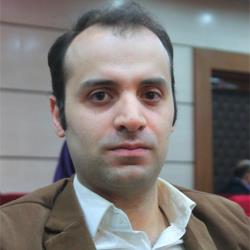 Amirhossein Sahebkar合作论文数Cardiovascular Research Center, Mashhad University of Medical Sciences;Biotechnology Research Center, Mashhad University of Medical Sciences;Department of Meical Biotechnology, School of Medicine, Mashhad University of Medical Sciences11
 Akram Taleghani合作论文数Fac Sci, Gonbad Kavous Univ8
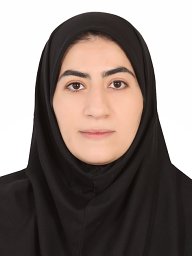 Faegheh Farhadi合作论文数Faculty of Dentistry, Tabriz University of Medical Science6
 Ebrahim Shafaie合作论文数5
 Razieh Avan合作论文数School of Pharmacy, Birjand University of Medical Sciences4Zahra Tayarani-Najaran合作论文数School of Medicine, Mashhad University of Medical Sciences4
 Roya Moghimi合作论文数Med Plant & Drug Res Inst, Shahid Beheshti Univ3Seyed Ahmad Emami合作论文数2S.Fatemeh Askari合作论文数2s meysam mousavi合作论文数2Samira Nasirizadeh合作论文数2
 Pouria Mohammadparast-Tabas合作论文数2
 Alireza Ghasempour合作论文数2majid mokaber合作论文数2
 Esmat Alemzadeh合作论文数Faculty of Engineering and Technology, Imam Khomeini International University2Mehrdad Iranshahi合作论文数2
 Antoni Sureda合作论文数1Hamid Kabiri-Rad合作论文数1
 Ebrahim Shafaei合作论文数1Mehri Shadi合作论文数1
 Sina Salimian合作论文数Dept Ind Engn, Shahed Univ1
 Hamed Aramjoo合作论文数Student Res Comm, Birjand Univ Med Sci1
 E Alemzadeh合作论文数1
 Majid Zare Bidaki合作论文数Birjand University of Medical Sciences1
 Mahsa Sedighi合作论文数School of Pharmacy, Birjand University of Medical Sciences;Cellular and Molecular Research Center, Birjand University of Medical Sciences;Birjand University of Medical Sciences, Birjand University of Medical Sciences1
 Adeleh Sahebnasagh合作论文数Dept Internal Med, North Khorasan Univ Med Sci1
 Tannaz Jamialahmadi合作论文数Mashhad University of Medical Sciences1
 Vahid Reza Askari合作论文数School of Persian and Complementary Medicine, Mashhad University of Medical Sciences1
 Saghafi Fatemeh合作论文数Faculty of Pharmacy and Pharmaceutical Sciences, Isfahan University of Medical Sciences1
 Zahra Kiani合作论文数RI MUHC),, Research Institute of the McGill University Health Centre;Division of Experimental Medicine, McGill University;Research Institute of the McGill University Health Centre (RI MUHC),, McGill University1
 Masoud Yousefi合作论文数Faculty of Public Health, Tehran University of Medical Sciences1Ayati Zahra合作论文数1Tayarani-Najaran Nilufar合作论文数1
 Eric Gumpricht合作论文数1
 Javad Asili合作论文数Department of Pharmacognosy;School of Pharmacy;Medical Toxicology Research Center;Mashhad University of Medical Sciences;School of Pharmacy, Mashhad University of Medical Sciences1
 Ramin Rezaee合作论文数Medical Toxicology Research Center and Pharmacy School, Mashhad, Iran1




