With the evolution in climate, heat waves are occurring more commonly which leads to imply indoor temperatures. Several temperature thresholds have been suggested in diverse environments for the indication of indoor overheating. In this study, threshold values for perceived heat stress are evaluated and differentiated between susceptible households and non-susceptible households for the residents of Faisalabad in Pakistan. Data from 52 low to middle-income households were analyzed with the help of regression analysis, t-tests, and analysis of variances to discover characteristics associated with perceived heat stress during the nighttime period in the selected houses. We considered socio-demographic characteristics, health-related queries, heat-related health problems, and house/building material variables from the selected households. The results suggest that the health status during heat stress, age factor, climate zone, and high indoor temperature were the key attributes for the perceived heat stress. The threshold limit advised by the WHO for indoor is 24°C and most of the dwellers in case study live in 36-38°C. People appeared to be at risk for perceived heat stress without knowing to be at risk, particularly when numerous people live in one room (threshold limit 34.8◦C), suffering from disease (35.6 ◦C) and below 60 (39.8 oC); therefore they do not take it seriously, to take adaption measures.
Heat stress provokes thermal discomfort to people living in semiarid and arid climates. This study evaluates thermal discomfort levels, building design concepts, and some heat mitigation strategies in low-income neighborhoods of Faisalabad, Pakistan. The outdoor and indoor weather data are collected from April to August 2016 using a weather station installed ad hoc in urban settings, and the 52 houses of the five low-income participating communities living in congested and less environment-friendly areas of Faisalabad. The discomfort index values, related to the building design concepts, including (i) house orientation to sunlight and (ii) house ventilation, are calculated from outdoor and indoor dry-bulb and wet-bulb temperatures. Our results show that although June was the hottest month of summer 2016, based on the monthly mean temperature of the Faisalabad region, the month of May produced the highest discomfort levels, which were higher in houses exposed to sunlight and without ventilation. The study also identifies some popular heat mitigation strategies adopted by the five participating low-income communities during various heat-related health complaints. The strategies are gender-biased and have medical, cultural/customary backgrounds. For example, about 52% of the males and 28% of the females drank more water during dehydration, diarrhea, and eye infection. Over 11% and 19% of the males and females, respectively, moved to cooler places during fever. About 43% of the males and 51% of the females took water showers and rested to combat flu (runny nose), headache, and nosebleed. The people did not know how to cure muscular fatigue, skin allergy (from a type of Milia), and mild temperature. Planting trees in an area and developing open parks with greenery and thick canopy trees can be beneficial for neighborhoods resembling those evaluated in this study.
Agroforestry is a sustainable land use system with a promising potential to sequester atmospheric carbon into soil. This system of land use distinguishes itself from the other systems, such as sole crop cultivation and afforestation on croplands only through its potential to sequester higher amounts of carbon (in the above- and belowground tree biomass) than the aforementioned two systems. According to Kyoto protocol, agroforestry is recognized as an afforestation activity that, in addition to sequestering carbon dioxide (CO2) to soil, conserves biodiversity, protects cropland, works as a windbreak, and provides food and feed to human and livestock, pollen for honey bees, wood for fuel, and timber for shelters construction. Agroforestry is more attractive as a land use practice for the farming community worldwide instead of cropland and forestland management systems. This practice is a win-win situation for the farming community and for the environmental sustainability. This review presents agroforestry potential to counter the increasing concentration of atmospheric CO2 by sequestering it in above- and belowground biomass. The role of agroforestry in climate change mitigation worldwide might be recognized to its full potential by overcoming various financial, technical, and institutional barriers. Carbon sequestration in soil by various agricultural systems can be simulated by various models but literature lacks reports on validated models to quantify the agroforestry potential for carbon sequestration.
Phytoextraction is an eco-friendly and cost-effective technique for removal of toxins, especially heavy metals and metalloids from contaminated soils by the roots of high biomass producing plant species with subsequent transport to aerial parts. Lower metal bioavailability often limits the phytoextraction. Organic chelators can help to improve this biological technique by increasing metal solubility. The aim of the present study was to investigate the possibility of improving the phytoextraction of Cd by the application of citric acid. For this purpose, plants were grown in hydroponics under controlled conditions. Results indicated that Cd supply significantly decreased the plant growth, biomass, pigments, photosynthetic characteristics and protein contents which were accompanied by a significant increase in Cd concentration, hydrogen peroxide (H₂O₂), electrolyte leakage, malondialdehyde (MDA) accumulation and decrease in antioxidant capacity. The effects were dose dependent with obvious effects at higher Cd concentration. Application of CA significantly enhanced Cd uptake and its accumulation in plant roots, stems and leaves. Citric acid alleviated Cd toxicity by increasing plant biomass and photosynthetic and growth parameters alone and in combination with Cd and by reducing oxidative stress as observed by reduction in MDA and H₂O₂ production and decreased electrolyte leakage induced by Cd stress. Application of CA also enhanced the antioxidant enzymes activity alone and under Cd stress. Thus, the data indicate that exogenous CA application can increase Cd uptake and minimize Cd stress in plants and may be beneficial in accelerating the phytoextraction of Cd through hyper-accumulating plants such as Brassica napus L.
This study was conducted to investigate heavy metals content of sewage water and its impact on soil and their uptake by vegetables irrigated by the sewage/industrial effluent. Twenty five samples each of water, soil, and vegetable leaves and edible vegetable portions were collected from different sites, in Lahore city of Pakistan. Parameters like pH, and electrical conductivity (EC) were also determined The results indicated that soil irrigated by sewage water having tolerable DTPA-extractable metals contents, The concentration of heavy metals in upper layer of soil (0 -15 cm) is higher than the lower layer (15-30 cm). The reason behind is that the upper layer was receiving sewage water permanently while the penetration of sewage water below 15 cm was less. The heavy metal content was above the toxicity level in leafy vegetables grown in the area of Lahore. This study showed that among the different tested plant species, the amount of heavy metals was higher in leaves than fruits. Plants whose fruits grow below the soil showed higher concentration of heavy metals while other showed less concentration whose edible portion was above the ground level. While leafy vegetables (Spinach, Cabbage, Coriander etc) showed higher concentration in leaves than in fruits, indicating that these vegetables should be consumed carefully if produced using the polluted water.
Soils are extensively contaminated with different types of heavy metals worldwide and causing a severe disturbance to living biota of world. It is the need of time to remediate the soils from these contaminants; the most reputed cheap and economically feasible method is phytoremediation and phytoextraction of these contaminants. Different types of plants are used to remediate these contaminates from soils that are mostly known as hyperaccumulator. In most soils different types of metals are less bioavailable for plant uptake such as Pb, while Cd and Zn are readily bioavailable for plants in some soils. There is a need to make this process more time efficient and beneficial, the addition of chelating agent is required that can speed up this process. Chemical Chelator like EDTA has the capability to boost up the uptake by dissolving components of metals and has proven to enhance the metal accumulation. Addition of EDTA results in increase in plant growth parameters, dry matter stress tolerance index and accumulation of different metals such as Cd, Zn and Pb. Chemically enhanced phytoremediation has been recognized as one of the most beneficial, effective and economically viable method of bioremediation.
Noise pollution has become widespread due to increasing number of vehicles, Industries and urbanization. A survey was conducted to assess the noise levels in various areas of Faisalabad, at day and night time. The selected spots were divided into 5 categories distinguished by EPA Pakistan like, Commercial area, Residential area, Industrial area, Silence Zones and noise level on busy roads. The selected areas were visited randomly and the noise levels were noted and their mean values were found to get a single value in day and as well as in night. Similarly, 5 readings from single site ware measured and recorded. For the estimation of these noise levels the Sound level meter was used. After obtaining all readings, the data were subjected to appropriate statistical analysis. During industrial noise levels comparison, maximum noise level for day and night was recorded in Farooq Spinning and least level was recorded in Kalash Textile and fell within the NEQs limit (Day time 75 dB(A), Night 65 dB(A)). Commercial area comparison showed maximum noise level for day was noted at Clock Tower and for night was observed and at Koh-e-nor that fell within the NEQs (Day time 65 dB(A), Night 55 dB(A), while the minimum noise level for day and night was noted at Digluspura and Clock Tower respectively. Noise levels comparison at congested roads suggested that the maximum noise pollution was noted at Sargodha road while the minimum noise pollution was found for day and night at Khurrlianwala Road (Day, Night 85dB(A). The assessment of different silence zones showed that the maximum noise level for day and night was recorded at Allied Hospital which was beyond the NEQs level, while on other hand the minimum noise level for day night was estimated in AUF that fell within NEQs (Day time, 50 dB(A), Night time 45 dB(A). Comparison of various residential areas where the maximum noise level for day and night was noted in Faizabad which was exceeding the NEQs level, minimum noise level for day was noted in Liaqat town and for night was noted in Peoples Colony #2 which fell within NEQs (Day time 55 dB(A), Night Time 45 dB(A). It was concluded that noise pollution was higher at day time while it was minimum at night time but even those minimum levels were not complied with NEQs.
Naturally plants exposed with many adverse environmental conditions like biotic and a biotic stress. Despite all others stresses heavy metal stress is one of great importance which has a notable adverse effects on crop productivity and growth, heavy metal stress triggers different responses in plants, ranging from biochemical responses to crop yield. Understanding the biochemical and molecular responses to Cd stress is essential for a holistic opinion of plant resistance mechanisms to heavy metal stress. This review illustrates some aspects of Cd stress that make changes in morphological, physiological and biochemical changes of plants. Cd stress gradually declines photosynthetic rate due to limited access of CO2 which decrease gas exchange results triggers in reduction of plant growth and productivity. It also reduce leaf size, stems extension and root proliferation and decrease water absorption and transportation by causing turgor loss through decreasing the cell wall elasticity. Exposure to Cd stress increase reactive oxygen species (ROS) production which is harmful for the cell components and toxicity of cadmium is responsible for alterations in the antioxidant systems and increase of lipid peroxidation can be strongly limited at both production and consumption level by increasing antioxidative systems. This review focuses on the ability and strategies of higher plants to respond adapt and overcome the Cd stress.
Water is necessary to all living organisms in the world and it constitute about 50-97% of all plants and animals by weight and about 70% of human body. The present Study was carried out at EPD, Faisalabad to estimate the fresh and ground water quality for drinking and domestic purposes of different areas of Faisalabad City. Total twenty four water samples were collected randomly and were subjected to analyze for various parameters like, EC, Compensated EC, DO, TDS, ORP (mV), Salinity, pH. EC, Compensated Electrical Conductivity and Salinity were estimated by conductivity / salinity / TDS / temp. Portable meter model JENCO 3010. pH was determined by using pH meter and ORP (mV) was recorded by pH/ mV/ Temperature portable meter. DO was analyzed by Heavy Duty Dissolved Oxygen Meter model EXTECH 407510.TDS was determined by evaporation method. Maximum pH recorded in Kanank Basti ground water samples and the minimum pH noted in kukianwala ground water samples similarly maximum pH was recorded in Kanank Basti fresh water samples and the minimum pH was noted in kukianwala fresh water samples. The maximum TDS (g/l) found in PC # 1 ground water samples and the minimum TDS (g/l) noted in Rehmat Town ground water samples similarly the maximum TDS (g/l) found in PC # 2 fresh water samples and the minimum TDS (g/l) was noted in Kanak Basti fresh water samples. Maximum EC obtained in PC # 2 ground water samples and the minimum EC was noted in Sarfaraz Colony similarly the maximum EC was found in PC # 2 fresh water samples and the minimum EC was noted in Sarfaraz Colony. The maximum salinity was found in PC # 2 ground water samples and minimum salinity was noted in Rehmat Town, similarly the maximum salinity was found in PC # 1 fresh water samples and the minimum salinity was noted in Kanak Basti. The maximum ORP was recorded in PC # 1 ground water samples and the minimum ORP was noted in Kanak Basti while on other hand the maximum ORP was found in PC # 1 fresh water samples and the minimum ORP was noted in Faizabad. The maximum CEC was recorded in PC # 1 ground water while the minimum CEC was recorded in Sarfaraz colony at given temperature, similarly the maximum CEC recorded in Merzi Pura fresh water while the minimum CEC was recorded in Sarfaraz Colony at given temperature. The maximum DO was noted in Mezi Pura ground water samples while minimum DO was recorded in Kanak Basti. Similarly in fresh water sample the maximum DO was noted in PC # 2 water samples while minimum was recorded in Kanak Basti. Mostly the water samples collected from these sites were not good for drinking purposes however these were good for domestic purposes.
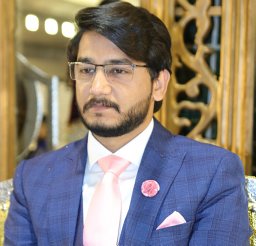 Mujahid Farid合作论文数Department of Environmental Sciences, University of Gujrat6
 Muhammad Bilal Shakoor合作论文数College of Earth and Environmental Sciences, University of the Punjab;Department of Environmental Sciences and Engineering, Government College University Faisalabad6
 Shafaqat Ali合作论文数College of Agri & Environmental Sciences, Government College University Faisalabad;Department of Environmental Sciences, Government College University Faisalabad4
 Hafiz Muhammad Tauqeer合作论文数Department of Environmental Sciences, University of Gujrat4
 Farhat Abbas合作论文数3
 Muhammad Ibrahim合作论文数2
 Muhammad Rizwan合作论文数2
 Shamaila Noureen合作论文数2Usman Iftikhar合作论文数2
 Saima Aslam Bharwana合作论文数2
 Muhammad Zubair合作论文数1
 Shah Fahad合作论文数1
 Muhammad Asif Hanif合作论文数1
 Fakhir Hannan合作论文数Institute of Crop Science, Zhejiang University1wajid farhad合作论文数1
 Ahmed Azam合作论文数Faisalabad Campus, Univ Educ1Hafiz Faiq Bakhat合作论文数1Mahmood Khalid合作论文数1Rizvi Hina合作论文数Department of Environmental Sciences, Government College University1
 Wajid Ishaque合作论文数Nuclear Institute for Agriculture and Biology, P.O. Box 128, Faisalabad, 38000 Pakistan1
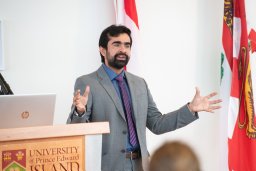 Aitazaz A. Farooque合作论文数Engineering Department, Nova Scotia Agricultural College1
 Hafiz Mohkum Hammad合作论文数Department of Environmental Sciences, COMSATS University Islamabad1
 Artemi Cerda合作论文数Soil Erosion and Desertification Research Group, Department of Geography, University of Valencia1




