BACKGROUND:Post-cardiotomy acute right ventricular failure (aRVF) constitutes a complex clinical challenge that might necessitate escalating interventions, including extracorporeal life support (ECLS). This study evaluated outcomes of adults requiring ECLS for post-cardiotomy aRVF compared with other post-cardiotomy indications. METHODS:In this multicenter, international, retrospective study, we analyzed patients undergoing post-cardiotomy ECLS from January 2000 to December 2020 and compared patients' characteristics and in-hospital mortality between aRVF and other indications. RESULTS:Of 2010 patients, 240 (12%) had aRVF and 1770 (88%) had other indications for ECLS. Demographics were similar between groups; median age was 65 (55-72) years (P = .217), and 60% were male (P = .675). The aRVF group showed higher preoperative right-sided cardiac dysfunction, including preexisting right ventricular failure (aRVF, 22%; other indications, 8%; P < .001) and biventricular failure (aRVF, 12%; other indications, 7%; P = .013). Patients with aRVF more frequently underwent tricuspid valve surgery (aRVF, 20%; other indications, 13%; P = .003) and aortic root procedures (aRVF, 24%; other indications, 13%). They also required longer ECLS support (aRVF, 135 [70-221] hours; other indications, 116 [58-192] hours; P = .025) and longer intensive care unit stay (aRVF, 15 [7-29] days; other indications, 13 [6-25] days; P = .042). Despite more complications, including nonsurgical bleeding (aRVF, 31%; other indications, 25%; P = .042) and persistent right-sided heart failure (aRVF, 50%; other indications, 17%; P < .001), both in-hospital survival (aRVF, 59%; other indications, 61%; P = .526) and long-term survival were comparable (log-rank P = .17). CONCLUSIONS:Patients requiring ECLS for post-cardiotomy aRVF, despite higher preoperative risks and complex clinical courses, achieve survival rates comparable to those of patients with other indications.
Background: Heart re-transplantation represents an effective option in selected patients with graft failure. Although the results of heart re-transplantation have improved in recent years, little is known about the outcomes in patients requiring late (>1 year) re-transplantation or about the effects of prolonged exposure to immunosuppression on multiorgan function. Methods: Among all the heart re-transplantations performed, from November 1988 to April 2025, a total of 30 patients underwent late re-transplantation. Since literature data on late re-HTx are generally limited to those performed within 20 years, patients were divided according to the interval from primary to re-transplantation: <20 (Group A) or ≥20 years (Group B). Results: Group A included 17 patients re-transplanted after a median time of 15 years, and Group B 13 patients after a median time of 23 years. Group B patients were more commonly affected by severe chronic kidney disease and received more combined heart and kidney transplantation. Overall survival at 1, 5 and 10 years was 80%, 68% and 60%, and did not differ between Groups A and B (p = 0.5). However, Group B recipients were more commonly affected by malignancies (p < 0.01). Compared to primary heart transplantation in the same population, re-transplantation was associated with higher, albeit not statistically significantly, rates of infections, grade ≥ 2 rejections and malignancies. Conclusions: Late heart re-transplantation is associated with satisfactory outcomes and could be effectively considered in patients with late graft dysfunction. However, the prolonged exposure to immunosuppression requires particular attention in early pharmacological management as well as a close follow-up, especially in patients requiring heart re-transplantation after >20 years.
Abstract Background Despite several registries explored sex differences in patients underwent acute myocardial infarction (AMI), data concerning mechanical complications following AMI are still to be described. Aims We aimed to investigate sex-related differences in the outcomes following surgical treatment for post-acute myocardial infarction mechanical complications. Methods and Results Using the CAUTION study database, we examined sex differences patients with post-infarction mechanical complications undergone surgical treatment. The primary outcome was in-hospital mortality. Secondary outcomes included long-term mortality, between sex differences in characteristics, and predictors of in-hospital and overall mortality for either sex group. From a total of 805 patients, women (34.9%) were older [odds ratio (OR) 1.04, 95% confidence interval (CI) 1.02–1.06, P < .001], were more likely to have diabetes mellitus (OR 1.59, 95% CI 1.05–2.43, P = .031), more often presented with anterior myocardial infarction (OR 0.50, 95% CI 0.33–0.74, P = .001) and had higher in-hospital mortality (OR 1.75, 95% CI 1.02–3.02, P = .044) than men. Overall, the median follow-up period was 3.6 years. Survival rates at 1, 5, and 10 years were 50.2%, 45.7%, and 39.4% for women, and 59.1%, 52.7%, and 44.7% for male patients, respectively (log-rank P = .035). Long-term survival of hospital survivors stratified by gender at 1-, 5-, and 10-year survival was 84.5%, 76.9%, and 66.4% for women, and 85.8%, 76.7%, and 65.0% for men, respectively (log-rank P = .901). Conclusions Women have higher in-hospital mortality rate and worse overall survival than men after surgical treatment for post-infarction mechanical complications.
Objectives: Data on outcomes of patients undergoing isolated coronary artery bypass grafting (isolated CABG) versus CABG and concomitant left heart valve (LHV-CABG) surgery are conflicting, especially in extracorporeal life support (ECLS) settings. We compared characteristics, in-hospital outcomes, and overall survival between patients undergoing isolated-CABG and concomitant LHV-CABG requiring postcardiotomy ECLS from a large multicenter study. Methods: This retrospective, multicenter (34 centers), observational study included adults requiring postcardiotomy ECLS between 2000 and 2020. Clinical characteristics and outcomes were compared between patients who underwent isolated CABG with those who underwent LHV-CABG. Association between type of surgery and in-hospital survival was investigated through mixed-Cox proportional hazards models. Results: This study included 639 patients comprising 58.8% (n = 376) isolated CABG and 41.1% (n = 263) LHV-CABG, including 46.7% (n = 123) aortic, 38.8% (n = 102) mitral, and 14.5% (n = 38) combined aortic-mitral valve procedures. The LHV-CABG patients were older (P = .001), more frequently experienced preoperative pulmonary artery hypertension (P < .001), and 6.5% (n = 17) had active endocarditis. They required longer cardiopulmonary bypass times (P < .001) and cardiac surgery reoperations (P = .002). In-hospital mortality was 54.8% (n = 206) and 63.1% (n = 166) in the isolated CABG and LHV-CABG groups (P = .036), respectively. Crude hazard ratio for in-hospital mortality in LHV-CABG was 1.28 (95% CI, 1.03-1.58, P = .023) and did not change after adjustments. The 5-year postdischarge survival probabilities were 71.1% (95% CI, 61.0-82.2) and 69.3% (95% CI, 57.7-83.2; P = .210) for isolated CABG and LHV-CABG groups, respectively. Conclusions: LHV-CABG surgery, compared with isolated CABG, was associated with higher in-hospital mortality in patients requiring ECLS, whereas no midterm postdischarge survival differences could be detected. Early identification of patients in need for ECLS following LHV-CABG may improve outcomes.
Sutureless bioprostheses are frequently used for aortic valve replacement (AVR), but their use for pulmonary valve replacement (PVR) has rarely been reported so far. We have recently observed a patient with aortic valve stenosis and dilatation of the ascending aorta in whom a high transpulmonary valve gradient was found due to severe dysplasia of the pulmonary valve PVR was performed with a Perceval sutureless bioprosthesis, along with aortic valve and ascending aorta replacement. This case stimulated a review of the literature to evidence similar cases previously published. Besides the present case, four other patients have been reported in the literature of PVR with a sutureless bioprosthesis. Clinical and technical details are reported, underlining the main differences in device implantation compared toe AVR. The present review confirms that PVR with a sutureless bioprosthesis is safe and feasible, with excellent results in various clinical scenarios, and it may be considered a valid alternative to transcatheter techniques.
BACKGROUND:Acute respiratory failure after cardiac surgery is an uncommon complication, affecting morbidity and mortality. In these patients, respiratory extracorporeal membrane oxygenation (ECMO) support may be beneficial, as it may help reduce pulmonary vasoconstriction and the impact of respiratory pressures on the heart. Nevertheless, literature reports of postcardiotomy veno-venous (V-V) ECMO use are sporadic. METHODS:This retrospective, multicenter cohort study analyzes data from the PELS-1 registry, focusing on adult patients who required V-V ECMO following cardiac surgery. PELS-1 was conducted across 34 cardiac surgery centers in 16 countries from 2000 to 2020. RESULTS:The study included 24 patients who received V-V ECMO over a total of 2163 patients requiring postocardiotomy extracorporeal support (1.1%). The median age was 64[50-69] years, and 16/24 (67%) were male. Median Euroscore II was 6.2[3.1-19.6]. Most patients required prolonged cardiopulmonary bypass (CPB) time (208[110-350] min). V-V ECMO was initiated in the ICU in 21 patients (87.5%) after a median of 5 [2-12] days postoperatively. ECMO support rapidly normalized gas exchange and lactate levels. However, complications were frequent: bleeding (10/22, 45.5%), acute kidney injury (10/24, 41.7%), pneumonia (10/24, 41.7%), and arrhythmias (7/24, 29.2%) were the most frequent ones. In-hospital mortality was high, with only 21.7% discharged alive. One-year survival was 12.5%. CONCLUSIONS:Reported outcomes of patients receiving V-V ECMO after cardiac surgery are poor, despite effective correction of gas exchange. Early recognition of isolated respiratory failure and careful patient selection should be promoted. Further research is needed to optimize management in this high-risk population.
Objectives: In addition to traditional ice-cold storage (ICS), other techniques are emerging in the field of donor heart preservation for heart transplantation (HTx). However, in many centers, it could be difficult to justify their use, due to the higher costs and the greater technical complexity compared to ICS. This study aims to analyze the results obtained for HTx at our center employing ICS, controlled hypothermia with Paragonix SherpaPak (PSP), and ex vivo normothermic perfusion with Organ Care System (OCS) as donor graft preservation strategies. Methods: All HTx performed at the University Hospital of Udine, between January 2020 and August 2024, was analyzed and patient outcomes and complications after HTx were assessed. Endomyocardial biopsies were performed in donor hearts immediately after retrieval (T0), before implantation (T1), and at reperfusion (T2) to evaluate signs of myocardial damage. Results: Overall, 100 patients were transplanted with a donor heart preserved with ICS (n = 30), PSP (n = 36), or OCS (n = 34). Compared to ICS, PSP and OCS recipients showed a higher median IMPACT score (5 vs. 8 vs. 7, respectively, p = 0.05) and tended to have a higher rate of bridging to HTx with a long-term ventricular assist device (7% vs. 17% vs. 29%, p = 0.06). OCS was more commonly used in cases of expected ischemic time >4 h compared to ICS and PSP (p < 0.01). Histologically, severe degrees of cellular damage were higher in those hearts preserved with ICS. The 30-day mortality was 3% vs. 6% vs. 9% in ICS, PSP, and OCS groups, respectively (p = 0.65). Moderate-to-severe primary graft dysfunction was 37% vs. 11% vs. 17% (p = 0.03) in the three groups. Conclusions: PSP and OCS seem to be valid alternatives to traditional ICS, and their use could be strongly considered, particularly in the most complex and critical settings, until further data are available on more patient experiences.
OBJECTIVES:Papillary muscle rupture (PMR) is a rare but potentially fatal mechanical complication after acute myocardial infarction (AMI). Although surgery is considered the gold-standard treatment for post-AMI PMR, the optimal surgical strategy remains unclear. METHODS:Data from post-AMI PMR patients submitted to mitral valve replacement (MVR) or mitral valve repair (MVr) surgery in the period between 2001 and 2019, from 20 international centres, were collected in the CAUTION study database. In-hospital and long-term post-discharge mortality were the endpoints. A multivariable logistic regression model was used to determine mortality independent factors. RESULTS:The patient cohort available included 218 patients. MVR was the most frequent type of surgery (81.6%). Complete PMR was more common in the MVR group (71.9%, P = .008), while partial PMR was more frequent in MVr patients (75%, P = .008). In-hospital mortality rate was 25.8% in the MVR subgroup and 20% in MVr subjects (P = .440). In MVR subgroup, concomitant coronary artery bypass grafting (CABG) was associated with lower in-hospital mortality (n = 20/96, 21%) than no concomitant CABG (31.7%, P = .035). Survival at 1, 3, 5, and 10 years was 59.3%, 55.9%, 53.1%, 46.9% in the MVR group and 59.9%, 56.8%, 54.1%, and 43.2% in MVr patients, respectively, with no statistical differences (P = .474). Patients underwent MVr surgery, and 1-, 3-, 5-, and 10-year survival was 79.8%, 75.4%, 68.5%, and 37.5%, respectively, when CABG revascularization was performed, while no CABG survival was 16.7%, 16.7%, 8.3%, and 8.3% (P < .001). CONCLUSIONS:MVR is the most commonly performed in complete post-AMI PMR and MVr in partial PMR. No differences were observed regarding in-hospital and long-term mortality in the 2 surgical groups, and no independent factors were associated with overall mortality. Concomitant CABG was associated with higher in-hospital survival. CLINICAL REGISTRATION NUMBER:Clinicaltrials.gov, NCT03848429.
Aortic surgery carries high risks and complication rates, particularly when extracorporeal life support (ECLS) is required. We compared outcomes of patients receiving post-cardiotomy ECLS after surgeries involving or not involving the thoracic aorta, with a focus on emergency operations. This retrospective multicenter study included adults requiring veno-arterial (V-A) ECLS for post-cardiotomy shock. In-hospital outcomes and long-term survival were analyzed. Among 2,058 patients, 382 (18.6%) underwent aortic and 1,676 (81.4%) non-aortic surgery. Patients undergoing aortic operations were younger (63.0, interquartile range [IQR]: 54.4–70 years; non-aortic: 65.0, IQR: 55–72 years; p = 0.020), with more emergencies (n = 126, 33.1%; non-aortic: n = 402, 24.3%; p < 0.001), longer cross-clamp times (148, IQR: 101–203 mins; non-aortic: 90, IQR: 59–133 mins; p < 0.001) and more postoperative bleeding events (n = 234, 62.4%; non-aortic: n = 922, 56.0%; p = 0.024). Stroke was more frequent after aortic surgery (n = 60, 15.8%; non-aortic: n = 157, 9.4%; p < 0.001), especially in emergency cases (n = 27, 21.6%; p = 0.034). In-hospital mortality was greater after aortic surgery (n = 258, 67.5%; non-aortic: n = 986, 58.8%; p = 0.002), with 49.9% (n = 189) on-ECLS mortality. Neurological injury caused death in 8.9% (n = 22) of patients undergoing aortic and 4.0% (n = 36) non-aortic operations. Post-discharge survival was similar ( p = 0.32), and emergency status did not affect mortality in the aortic group ( p = 0.643). Veno-arterial extracorporeal life support after aortic surgery is associated with higher bleeding, stroke, and in-hospital mortality compared with non-aortic surgery, independent of emergency status.
Background/Objectives: The influence of surgeon expertise on patients’ outcomes after repair of acute type A aortic dissection (ATAAD) is not well established. The aim of this paper is to report the results of ATAAD repair performed by expert (ES) and not expert aortic surgeons (NES) in our center. Methods: We have retrospectively divided 199 patients into two groups according to the first surgeon experience (ES = 138 patients and NES = 61 patients), all being members of the aortic team. We evaluated and compared early and long-term outcomes. Results: Although the two groups were comparable in terms of clinical presentation and intraoperative setting, ES performed more aortic arch repairs (40% vs. 26%, p = 0.06) and frozen elephant trunk procedures (15% vs. 3%, p = 0.02), albeit with similar intraoperative times (median cardiopulmonary bypass time of 203 min in ES vs. 201 min in NES, respectively, p = 0.88). The 30-day mortality was the same in the two groups (8%, p = 1), and the postoperative course was similar except for a shorter in-hospital stay in the NES group (10 vs. 17 days, p = 0.04). Conclusions: In our experience, repair of ATAAD could be achieved with similar results between ES and NES. However, NES performed less technically demanding repairs. With standardization of pre-, intra-, and post-operative management, NES can be expected to increase their technical skills and be progressively involved in more complex ATAAD repairs without adversely affecting surgical results.
Objectives Age is the main determinant for mortality in patients requiring postcardiotomy extracorporeal membrane oxygenation (PC-ECMO), but strategies to reverse this trend are unknown. This study investigates PC-ECMO outcomes in older patients (≥70 years) compared with younger patients (<70 years). Methods This retrospective study included patients who required PC-ECMO between 2000 and 2020. Variables independently associated with in-hospital mortality were identified using mixed Cox proportional hazards models. Results The study included 2057 patients (mean age: 62.3 [first and third quartile: 19-94]; male patients: n = 1213 [59%]): 1376 (67%) were <70 years and 680 (33%) were ≥70 years old. Older patients had more preoperative comorbidities, whereas younger patients had lower cardiac function and more preoperative intubation and vasopressor use. In-hospital mortality was 56.3% (n = 775) and 68.8% (n = 468) in the <70 year and ≥70 year groups, respectively (P < .001). The 7-year postdischarge survival rate was greater for the younger patient group (P < .001). Variables associated with in-hospital mortality in older patients were previous stroke (hazard ratio [HR], 1.39; 95% confidence interval [CI], 1.05-1.84), preoperative right ventricular failure (HR, 1.45; 95% CI, 1-2.1), aortic surgery (HR 1.65; 95% CI, 1.2-2.2), and postoperative complications including bleeding (HR 1.24; 95% CI, 1.0-1.5), cardiac arrest (HR, 1.65; 95% CI, 1.3-2.1), and right ventricular failure (HR, 1.29; 95% CI, 1.0-1.6). Conclusions PC-ECMO mortality is high in older patients. Preoperative factors including previous stroke and right ventricular failure and postoperative factors including bleeding, cardiac arrest, and right ventricular failure should be targeted to reduce in-hospital mortality after appropriate initial selection in older patients.
Background and Aim: Even in the percutaneous coronary intervention era, surgery still remains the treatment of choice of ischemic ventricular septal defect. Most of the previous data come from single centre studies. The aim of our study was to investigate risk factors for worse outcome. Methods: We conducted a retrospective, multi-center study. One-hundred eleven patients from four centers, who underwent surgery for a post-myocardial infarction ventricular septal defect in the period 2001-2021, were enrolled. The study was conducted on behalf of the Gruppo Italiano di Ricerca sugli Outcome in Cardiochirurgia. Results: Early timing of surgery (p-value 0.248), concomitant surgical intervention (p-value 0.121), pre- operative cardiac arrest (p-value 0.150), emergency surgery (p-value 0.888) were not statistically associated with a worse outcome. Serum creatinine (p-value 0.025), pre-operative implant of intra-aortic balloon pump (p-value 0.015) and, notably, bleeding during the first 48 hours (p- value0.026) were higher in the in-hospital death group. Overall, in-hospital mortality was 39% (44 patients). Conclusions: Despite high risk and high mortality rate, surgery still remains the treatment of choice for post- infarction ventricular septal defect. Bypassing the bias of a single centre evaluation, our results seem to suggest that regardless of the institution, early surgery, concomitant surgical procedure, emergency surgery, pre-operative cardiac arrest are not linked to a worse outcome, while renal impairment, pre-operative intra-aortic balloon pump and bleeding during the first 48 hours are related to in-hospital mortality.
OBJECTIVES:Although cardiogenic shock requiring extracorporeal life support after cardiac surgery is associated with high mortality, the impact of sex on outcomes of postcardiotomy extracorporeal life support remains unclear with conflicting results in the literature. We compare patient characteristics, in-hospital outcomes, and overall survival between females and males requiring postcardiotomy extracorporeal life support. METHODS:This retrospective, multicenter (34 centers), observational study included adults requiring postcardiotomy extracorporeal life support between 2000 and 2020. Preoperative, procedural, and extracorporeal life support characteristics, complications, and survival were compared between females and males. Association between sex and in-hospital survival was investigated through mixed Cox proportional hazard models. RESULTS:This analysis included 1823 patients (female: 40.8%; median age: 66.0 years [interquartile range, 56.2-73.0 years]). Females underwent more mitral valve surgery (females: 38.4%, males: 33.1%, P = .019) and tricuspid valve surgery (feamales: 18%, males: 12.4%, P < .001), whereas males underwent more coronary artery surgery (females: 45.9%, males: 52.4%, P = .007). Extracorporeal life support implantation was more common intraoperatively in feamales (females: 64.1%, females: 59.1%) and postoperatively in males (females: 35.9%, males: 40.9%, P = .036). Ventricular unloading (females: 25.1%, males: 36.2%, P < .001) and intra-aortic balloon pumps (females: 25.8%, males: 36.8%, P < .001) were most frequently used in males. Females had more postoperative right ventricular failure (females: 24.1%, males: 19.1%, P = .016) and limb ischemia (females: 12.3%, males: 8.8%, P = .23). In-hospital mortality was 64.9% in females and 61.9% in males (P = .199) with no differences in 5-year survival (females: 20%, 95% CI, 17-23; males: 24%, 95% CI, 21-28; P = .069). Crude hazard ratio for in-hospital mortality in females was 1.12 (95% CI, 0.99-1.27; P = .069) and did not change after adjustments. CONCLUSIONS:This study demonstrates that female and male patients requiring postcardiotomy extracorporeal life support have different preoperative and extracorporeal life support characteristics, as well as complications, without a statistical difference in in-hospital and 5-year survivals.
Purpose: Donor-derived cell free DNA (dd- cfDNA) has recently been introduced as a novel marker of graft injury in solid organ transplants. The innovation of this research is the application of a liquid biopsy approach supported by clinical and echogardiographic findings for the early prediction of Cardiac Allograft Vasculopathy (CAV) development, in the context of chronic heart transplant.
Cerebral perfusion may change depending on arterial cannulation site and may affect the incidence of neurologic adverse events in post-cardiotomy extracorporeal life support (ECLS). The current study compares patients' neurologic outcomes with three commonly used arterial cannulation strategies (aortic vs. subclavian/axillary vs. femoral artery) to evaluate if each ECLS configuration is associated with different rates of neurologic complications. This retrospective, multicenter (34 centers), observational study included adults requiring post-cardiotomy ECLS between January 2000 and December 2020 present in the Post-Cardiotomy Extracorporeal Life Support (PELS) Study database. Patients with Aortic, Subclavian/Axillary and Femoral cannulation were compared on the incidence of a composite neurological end-point (ischemic stroke, cerebral hemorrhage, brain edema). Secondary outcomes were overall in-hospital mortality, neurologic complications as cause of in-hospital death, and post-operative minor neurologic complications (seizures). Association between cannulation and neurological outcomes were investigated through linear mixed-effects models. This study included 1897 patients comprising 26.5
OBJECTIVES:Post-cardiotomy extracorporeal life support (ECLS) cannulation might occur in a general post-operative ward due to emergent conditions. Its characteristics have been poorly reported and investigated This study investigates the characteristics and outcomes of adult patients receiving ECLS cannulation in a general post-operative cardiac ward. METHODS:The Post-cardiotomy Extracorporeal Life Support (PELS) is a retrospective (2000-2020), multicenter (34 centers), observational study including adult patients who required ECLS for post-cardiotomy shock. This PELS sub-analysis analyzed patients´ characteristics, in-hospital outcomes, and long-term survival in patients cannulated for veno-arterial ECLS in the general ward, and further compared in-hospital survivors and non-survivors. RESULTS:The PELS study included 2058 patients of whom 39 (1.9%) were cannulated in the general ward. Most patients underwent isolated coronary bypass grafting (CABG, n = 15, 38.5%) or isolated non-CABG operations (n = 20, 51.3%). The main indications to initiate ECLS included cardiac arrest (n = 17, 44.7%) and cardiogenic shock (n = 14, 35.9%). ECLS cannulation occurred after a median time of 4 (2-7) days post-operatively. Most patients' courses were complicated by acute kidney injury (n = 23, 59%), arrhythmias (n = 19, 48.7%), and postoperative bleeding (n = 20, 51.3%). In-hospital mortality was 84.6% (n = 33) with persistent heart failure (n = 11, 28.2%) as the most common cause of death. No peculiar differences were observed between in-hospital survivors and nonsurvivors. CONCLUSIONS:This study demonstrates that ECLS cannulation due to post-cardiotomy emergent adverse events in the general ward is rare, mainly occurring in preoperative low-risk patients and after a postoperative cardiac arrest. High complication rates and low in-hospital survival require further investigations to identify patients at risk for such a complication, optimize resources, enhance intervention, and improve outcomes.
Expanded polytetrafluoroethylene (ePTFE) neochordae are predominantly used for mitral valve repair (MVr), while the frequency of their employment in tricuspid valve surgery is not well assessed. We have performed a review of the available literature to verify incidence, indications, techniques, and outcomes of the use of artificial neochordae in a variety of tricuspid valve pathologies. We found a total of 57 articles reporting the use of ePTFE sutures in patients in whom tricuspid valve repair (TVr) was performed. From such articles, adequate information on the basic disease, surgical techniques, and outcomes could be obtained in 45 patients in whom the indication to the use of neochordae was posttraumatic tricuspid regurgitation (n = 24), infective endocarditis (n = 8), congenital valvular disease (n = 6), valve injury during cardiac neoplasm excision (n = 3) or following repeated endomyocardial biopsies after heart transplantation (n = 3), and tricuspid valve prolapse (n = 1). Implant techniques generally replicated those currently employed for MVr using artificial neochordae. There were no reported hospital deaths with stability of repair in most cases at follow-up controls. TVr using ePTFE neochordae has been reported so far in a limited number of patients. Nevertheless, it appears a feasible and reproducible technique to be added routinely to the surgical armamentarium during TVr.
BACKGROUND:It remains unclear today whether risk scores created specifically to predict early mortality after cardiac operations for infective endocarditis (IE) outperform or not the European System for Cardiac Operative Risk Evaluation II (EuroSCORE II). METHODS:Perioperative data and outcomes from a European multicenter series of patients undergoing surgery for definite IE were retrospectively reviewed. Only the cases with known pathogen and without missing values for all considered variables were retained for analyses. A comparative validation of EuroSCORE II and 5 specific risk scores for early mortality after surgery for IE-(1) STS-IE (Society of Thoracic Surgeons for IE); (2) PALSUSE (Prosthetic valve, Age ≥70, Large intracardiac destruction, Staphylococcus spp, Urgent surgery, Sex (female), EuroSCORE ≥10); (3) ANCLA (Anemia, New York Heart Association class IV, Critical state, Large intracardiac destruction, surgery on thoracic Aorta); (4) AEPEI II (Association pour l'Étude et la Prévention de l'Endocardite Infectieuse II); (5) APORTEI (Análisis de los factores PROnósticos en el Tratamiento quirúrgico de la Endocarditis Infecciosa)-was carried out using calibration plot and receiver-operating characteristic curve analysis. Areas under the curve (AUCs) were compared 1:1 according to the Hanley-McNeil's method. The agreement between APORTEI score and EuroSCORE II of the 30-day mortality prediction after surgery was also appraised. RESULTS:A total of 1,012 patients from 5 European university-affiliated centers underwent 1,036 cardiac operations, with a 30-day mortality after surgery of 9.7%. All IE-specific risk scores considered achieved better results than EuroSCORE II in terms of calibration; AEPEI II and APORTEI score showed the best performances. Despite poor calibration, EuroSCORE II overcame in discrimination every specific risk score (AUC, 0.751 vs 0.693 or less, P = .01 or less). For a higher/lesser than 20% expected mortality, the agreement of prediction between APORTEI score and EuroSCORE II was 86%. CONCLUSION:EuroSCORE II discrimination for 30-day mortality after surgery for IE was higher than 5 established IE-specific risk scores. AEPEI II and APORTEI score showed the best results in terms of calibration.
 Ugolino Livi合作论文数149
 Igor Vendramin合作论文数Cardiothoracic Departement, University Hospital of Udine84
 Lechiancole Andrea合作论文数75Nalli Chiara合作论文数Cardiothoracic Department, University Hospital of Udine52
 Veronica Ferrara合作论文数Cardiothorac Dept, Azienda Sanit Univ Friuli Cent40
 Roberto Lorusso合作论文数Cardiovascular Research Institute Maastricht, Maastricht University Medical Centre;Department of Cardiothoracic Surgery, Heart & Vascular Centre, Maastricht University Medical Centre38
 Concetta Di Nora合作论文数38Piani Daniela合作论文数35Uberto Bortolotti合作论文数34Giovanni Benedetti合作论文数28
 Guglielmo Mario Actis Dato合作论文数Division of Cardiac Surgery, Mauriziano Umberto I Hospital27
 Michele Di Mauro合作论文数25
 Michele De Bonis合作论文数23
 Roberto Scrofani合作论文数22
 Giovanni Troise合作论文数Div Cardiac Surg, Fdn Poliambulanza Inst21Formica Francesco合作论文数San Gerardo Hospital, University of Milano-Bicocca21Claudio Russo合作论文数20Bart Meyns合作论文数20
 Antonio Paolo Beltrami合作论文数Dipartimento di Medicina, Università degli Studi di Udine;Azienda Sanitaria Universitaria Friuli Centrale19Matteo Pettinari合作论文数19Giorgio Guzzi合作论文数18
 Fiore Antonio合作论文数Henri Mondor University Hospital, Paris-Est University18
 Giacomo Bianchi合作论文数Adult Cardiac Surg Dept, Fdn Toscana G Monasterio17
 Matteo Pozzi合作论文数17Carlo De Vincentiis合作论文数17
 Carlo Antona合作论文数Cardiac Surgery Unit15Udo Boeken合作论文数15
 Mauro Rinaldi合作论文数15
 Leonardo Salazar合作论文数14Bas C T van Bussel合作论文数14
 Jae-Seung Jung合作论文数College of Medicine, Korea University14Whitman Glenn J合作论文数14
 Mariani Silvia合作论文数Glenfield Hospital, University of Leicester14
 Jeroen J H Bunge合作论文数14
 I-Wen Wang合作论文数14
 Pranya Sakiyalak合作论文数14
 Alessandro Barbone合作论文数College of Physicians and Surgeons, Columbia University14Rodrigo Diaz合作论文数13V Tursi合作论文数13Karl Bounader合作论文数13
 Francesco Onorati合作论文数Medical School, University of Verona13
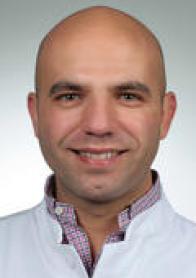 Daniele Camboni合作论文数University Hospital Regensburg13
 Davide Pacini合作论文数Department of Cardiac Surgery, S.Orsola-Malpighi Hospital, University of Bologna13
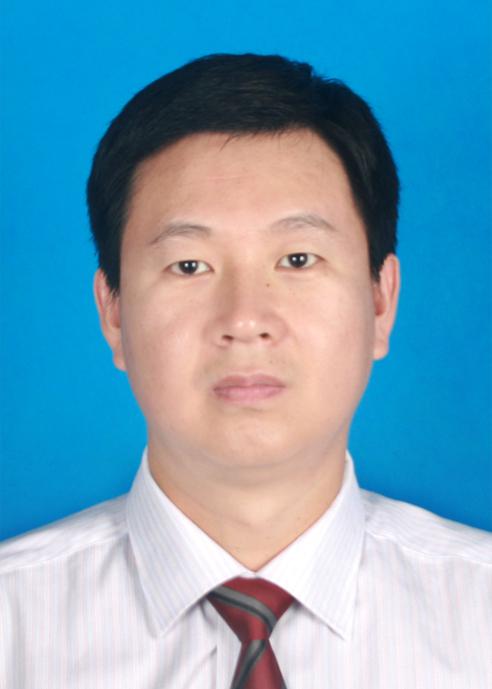 Xiaotong Hou (侯晓彤)合作论文数Beijing Anzhen Hospital, Capital Medical University13
 Antonio Miceli合作论文数University of Tor Vergata13
 Jan Belohlavek合作论文数Charles University of Prague13
 Kiran Shekar合作论文数13Diyar Saeed合作论文数12
 Hergen Buscher合作论文数From the *Intensive Care Unit, St Vincent's Hospital;†Garvan Institute of Medical Research;and ‡Extracorporeal Life Support Organization, University of Michigan;†Garvan Institute of Medical Research, University of Michigan12




