Background:The role of Accredited Social Health Activists (ASHAs) in improving short-term outcomes-symptoms, burden, and disability-for individuals with severe mental disorders (SMDs), common mental disorders (CMDs), and alcohol use disorders (AUDs) remains inadequately studied. Methods:This randomized controlled trial compared enhanced ASHA training (one-day in-person plus seven online modules over 18 months; Study Group (SG), n = 35) to training-as-usual (one-day in-person; Control Group (CG), n = 36). Both groups supported persons with SMDs (SG = 24; CG = 37), CMDs (SG = 15; CG = 20), and AUDs (SG = 31; CG = 20). Outcomes were measured using standardized disability (Indian Disability Evaluation and Assessment Scale; IDEAS), burden (Burden Assessment Scale; BAS), quality of life [EuroQol 5-Dimension 5-Level Questionnaire (EQ-5D-5L)], and disorder-specific scales (Clinical Global Impression-Schizophrenia; CGI-SCH, Kessler Psychological Distress Scale (K-10); Brief Addiction Rating Scale (BARS) and Timeline Follow back scores; TLFB) at baseline and 6-8 weeks post-baseline. Results:For CMDs, the SG showed significant improvements (P < 0.05) across IDEAS, WHO-DAS, BAS and K-10 than CG (only IDEAS and WHO-DAS had improved significantly), though no group-by-time interaction emerged. For SMDs, both groups improved (P < 0.05) on IDEAS, WHO-DAS and BAS; CG did better on CGI-SCH and EuroQol-5 as well. Additionally, only CG had a significant group-by-time effect for CGI-SCH (P < 0.05). In AUDs, both groups improved (P < 0.05) on BARS, WHO-DAS and EuroQol-5, with SG showing additional gains (P < 0.05) in TLFB, BAS, and IDEAS. Time*Group interaction was not significant for any of these scores. Conclusion:Trained ASHAs, with or without supplementary support, can facilitate notable short-term clinical improvements for psychiatric disorders in community settings.
Background:Task shifting is an accepted way to address the treatment gap for mental health disorders. Community Health Workers (CHWs) can play vital roles through screening, referral, and providing basic counseling. To address the dearth of a concise screening instrument for CHWs, the "Mental HEalth ScReenIng Tool for Community Health Workers in India [MERIT]" was designed and developed. In this paper, we have examined the psychometric properties of MERIT. Methods:MERIT consists of nine stems (consisting of 11 questions) covering the following five domains: (a) Substance Abuse (alcohol, tobacco), (b) Anxiety, (c) Depression and Somatoform symptoms, (d) Severe Mental Illnesses, and (e) Suicidal risk. MERIT can be applied to one key informant of the household to screen for all its adult members. Mental health professionals (MHPs) with community psychiatry expertise undertook the face and content validity exercise (for both English and Kannada versions; 17 and 11, respectively) and rated the 'adequacy' (ability to pick up a mental health issue) of each of the questions on a Likert scale ranging from 0 (strongly disagree) to 4 (strongly agree). For each of the domains, the item-content validity index (I-CVI) of more than 0.8 was considered adequate. Concurrent validity was examined through concordance between the screened status as per Accredited Social Health Activists (ASHAs; quintessential CHWs; n = 16; n = 116 households) and the independent clinical impression derived by seven MHPs. Inter-rater reliability (IRR) was examined by measuring the concordance between the two groups of ASHAs (first group; n = 7, second group; n = 9), who independently screened the same 116 households. Results:All experts (for both English and Kannada versions) gave a rating of 3 or more for each of the MERIT domains. I-CVI of each domain was > 0.8 (0.86 for English and 0.80 for Kannada). Concurrent validity [n = 116; k = 0.792 indicating substantial agreement between ASHAs and MHPs; P < 0.001] and IRR [n = 115, k = 0.744; P < 0.001] were excellent. The specificity (97.50%), positive predictive value (92.4%), and negative predictive value (86%) were high. The sensitivity was 62.5%. On average, 5 minutes were required to administer MERIT. Conclusion:MERIT is concise, valid, and reliable for CHWs to screen for priority psychiatric disorders among adults. While its sensitivity is comparatively lower, it can be easily integrated into public health programs as it offers the advantage of covering the entire household by interviewing one of its key informants.
Background:In the context of public mental healthcare delivery in India, in contrast to the often highlighted challenges related to the supply side, the demand-side challenges (DSC) are rarely examined systematically. Objective:To assess the DSC in patients with psychiatric disorders and their caregivers in a rural South Indian community. Methods:This study was conducted as part of a larger implementation research in which all adults in a predefined catchment area were screened for mental disorders, followed by confirmation of diagnosis by mental health professionals. The patients were counseled about (a) the need to start/resume/continue treatment and (b) the availability of services at the nearest health facility. DSC were evaluated by a targeted question to the patient/family members on reasons for not accessing/continuing treatment. Results:Among the 268 confirmed treatment-naïve patients at baseline, only 6 (0.02%) could be convinced to contact a treatment facility within the next 8 weeks. Regarding DSCs, for all disorders put together, factors related to the illnesses themselves (aggression, hostility, intoxication with substances, absence of insight, and, in instances specific to substance use, lack of motivation to stop its use were present in almost all (98.7%) patients. Lack of perceived dysfunction/disability (42.3%) and poor awareness (24.9%) formed the other two common factors. Disorder-wise breakup showed that poor awareness was predominant in Common Mental Disorders (CMDs; 60%). Illness-related factors predominated in Severe Mental Disorders (SMDs; 66.6%) and Substance Use Disorders (SUDs; 98.7%). Lack of perceived dysfunction mattered next for SUDs (42.3%), followed by poor awareness (24.9%). For SMDs, family support-related factors (47.9%) ranked second, followed by poor awareness (25%). Conclusion:DSCs significantly contribute to the treatment gap. Merely making the treatment available and accessible will not be sufficient for people to accept it. Aggressive and sustained public health measures/campaigns need to be incorporated to effectively tackle DSCs.
Introduction and Objective: Over two-thirds of US counties lack endocrinologists and experience higher metabolic-related death rates than those with endocrinologists. Similarly, rural people are more likely to die from diabetes than urban peers. In a pilot study, rural people with diabetes experienced better clinical outcomes than those in an academic endocrinology practice when their PCPs participated in a weekly evidence-based, virtual community of practice model of telementorship. We now present the design of a prospective, randomized, controlled study of this model versus usual care across 20 FQHCs in a medically underserved state. Methods: Compared to usual care, we aim to achieve the following among all eligible patients with diabetes and at least two additional chronic medical conditions: (1) a ≥0.5% reduction in HbA1c, and ≥15% reduction in patients with A1c >8.5% at 18-months; (2) improvements in secondary outcomes (BP, LDL cholesterol, depression); (3) increased adoption of clinical best practices; and (4) increased patient activation. Results: The primary patient population consists of an estimated 7,000 eligible patients receiving care from 20 FQHCs. Of these, 45% are Hispanic/Latino, and 14% are American Indian and Alaska Native; 48% are insured through Medicaid. Across the 20 clinics, 25-48% of these patients have an A1c >8.5%. Eleven clinics are in rural or mixed rural/urban counties, serving 55% of all the patients in this population. Conclusion: We present the design of the first randomized, controlled study to evaluate the impact of a telementorship model on provider and patient level diabetes outcomes in largely rural communities. The innovation of this work lies in its integration of behavioral science principles with evidence-based clinical practices to create practical, scalable interventions. By embedding support into care processes, this approach improves patient activation and systemic disparities in healthcare access and outcomes across a variety of clinical settings. M.F. Bouchonville: None. V. Shah: None. Y. Zhu: None. K. Page: None. M.L. Unruh: None. J. Jones: None. G. Ray: None. B. Hager: None. A. Zurawski: None. C. Reeves: None. A. Gensini: None. S. Arora: None. Patient-Centered Outcomes Research Institute (PCORI) (TE-2022C3-30560)
ABSTRACT Background: Alcohol use disorder (AUD) is a public health problem. In India, about 5.2% of the population aged 10–75 years, that is, approximately 5.7 crore individuals, need help for their alcohol use problems, and around 20 lakhs from Karnataka. As per the studies, among people dependent on alcohol who tried quitting, about 75% did not receive any treatment. One potential approach to reducing this gap is enhancing the knowledge and skills of the existing District Mental Health Programme (DMHP) Health Care Providers (HCPs) on a large scale by integrating a case-based tele-ECHO (Extension of Community Healthcare Outcome) mentoring model. Aim: This study evaluates the effectiveness of the ECHO telementoring in improving knowledge and perceived skills related to AUD among nonmedical HCPs in Karnataka’s DMHP. Methods: A digital-driven curriculum of the Foundation of Alcohol Management was designed and implemented with 84 DMHP healthcare providers (44 ECHO group, 40 waitlist) from 26 districts in Karnataka. The ECHO intervention comprised 27 weekly telementoring sessions over 9 months, combining case-based learning with didactic presentations. Knowledge and perceived skills were assessed at baseline and 3, 6, and 9 months using semistructured questionnaires apart from engagement and satisfaction. Results: At baseline, both groups showed comparable knowledge levels (ECHO: 5.84 ± 1.89, waitlist: 6.65 ± 2.67, P = .110). The ECHO group demonstrated significantly higher knowledge scores at 3 months (8.41 ± 2.84 vs 6.35 ± 2.07, P < .001) and 9 months (9.31 ± 2.48 vs 6.13 ± 1.82, P < .001). Self-perceived skills similarly improved in the ECHO group, showing significant enhancement from baseline (20.25 ± 5.62) to 9 months (25.10 ± 4.52, P = .004), with a large effect size (Cohen’s d = 1.040). Program engagement was high, with 42 participants attending more than 60% of sessions, and 104 cases were discussed during tele-ECHO sessions. The waitlist group showed no significant improvements in either domain. Conclusion: The ECHO telementoring program effectively improves the knowledge and perceived skills of the DMHP nonmedical HCPs in AUD. The ECHO model can be a valuable tool for exponential enhancement in capacity in addictive disorder, especially in low-resource settings, by leveraging technology.
Background: The current study aimed to develop and implement the National Assistance in Mental Health for Health Care Providers (NAMAH) module, which focused on wellness and building resilience for a cohort of physicians. Methods: The NAMAH module is a 12-week tele-mentoring program leveraging videoconference technology that uses the ECHO (Extension of Community Healthcare Outcome) HUB and SPOKE and consists of real-life case discussions and a brief didactic. The module's content was developed after iterative feedback from experts and incorporated suggestions from healthcare providers (HCPs) following a needs assessment. A pre and post-design was used to assess the impact of the module on psychological distress using the self-reported Kessler Psychological Distress Scale (K10) and burnout using the Maslach Burnout-Inventory-Human Services Survey (MBI-HSS) among the 32 physicians who participated. Results: There was a significant decrease in the mean scores before (19.5 +/- 6.27) and after (17.38 +/- 6.23) the NAMAH module (p < .05) in the psychological distress as measured by K 10 with a Cohen's d of 0.41 (95% CI: 0.05-0.77). There was also a significant decrease in the mean scores after the intervention in the emotional exhaustion and depersonalization domain of the MBI-HSS with a medium effect size (Cohen's d of 0.65) and large effect size (Cohen's d of 0.94), respectively. Conclusion: The findings from this pilot study lay a foundational framework, encouraging further exploration, research, and scaling-up of such interventions to enhance mental health among physicians and HCPs.
It is critical to address hepatitis C virus (HCV) in carceral settings to achieve worldwide elimination of the virus. We describe New Mexico's (NM) experience expanding HCV treatment in state prisons, supplemented with Project ECHO (ECHO; virtual mentorship through guided practice) and the NM Peer Education Program (NMPEP). We describe how using these programs may be a model for expanding treatment in prisons globally. ECHO, NM Corrections Department (NMCD) and Wexford Health Services (WHS) collaborate to treat HCV in state prisons and increase HCV knowledge among incarcerated persons using NMPEP. Each person arriving in prison is tested for HCV and those with active infection receive baseline labs, which are reviewed. Patients not meeting criteria for simplified treatment are presented to ECHO for expert guidance. Otherwise, patients are treated by WHS without consultation. NMPEP provides patient-to-patient education in prisons, addressing HCV myths and exploring treatment refusals. From December 2020 to June 2023, 3603 people had HCV viremia. In this study, 1685 people started treatment: 1280 were treated using the simplified algorithm and 405 were presented to ECHO. Of the 988 people who completed treatment and had sustained virologic response (SVR) labs drawn, 89.2% achieved SVR (i.e., cure). Most of the 107 people who did not achieve SVR had presumed reinfection. NMPEP trained 148 peer educators who educated 3832 peers about HCV prevention and treatment. HCV treatment in prisons can be expanded by implementing simplified treatment algorithms, use of the ECHO model for patients with advanced disease and peer education.
BACKGROUND: Despite clinical practice guidelines prioritizing cardiorenal risk reduction, national trends in diabetes outcomes, particularly in rural communities, do not mirror the benefits seen in clinical trials with emerging therapeutics and technologies. OBJECTIVE: Project ECHO supports implementation of guidelines in under-resourced areas through virtual communities of practice, sharing of best practices, and case-based learning. We hypothesized that diabetes outcomes of patients treated by ECHO-trained primary care providers (PCPs) would be similar to those of patients treated by specialists at an academic medical center. DESIGN: Specialists from the University of New Mexico (UNM) launched a weekly diabetes ECHO program to mentor dyads consisting of a PCP and community health worker at ten rural clinics. PARTICIPANTS: We compared cardiorenal risk factor changes in patients with diabetes treated by ECHO-trained dyads to patients treated by specialists at the UNM Diabetes Comprehensive Care Center (DCCC). Eligible participants included adults with type 1 diabetes, type 2 diabetes on insulin, or diabetes of either type with A1c > 9%. MAIN MEASURES: The primary outcome was change from baseline in A1c in the ECHO and DCCC cohorts. Secondary outcomes included changes in body mass index (BMI), blood pressure, cholesterol, and urine albumin to creatinine ratio (UACR). KEY RESULTS: Compared to the DCCC cohort (n = 151), patients in the ECHO cohort (n = 856) experienced greater A1c reduction (-1.2% vs -0.6%; p = 0.02 for difference in difference). BMI decreased in the Endo ECHO cohort and increased in the DCCC cohort (-0.2 vs. +1.3 kg/m(2); p = 0.003 for difference in difference). Diastolic blood pressure declined in the Endo ECHO cohort only. Improvements of similar magnitude were observed in low-density lipoprotein cholesterol in both groups. UACR remained stable in both groups. CONCLUSIONS: ECHO may be a suitable intervention for improving diabetes outcomes in rural, under-resourced communities with limited access to a specialist.
The Project ECHO model of telementoring has been used for the past 10 years to expand access to specialized cancer care. This scoping review identifies evidence for the model’s ability to improve provider outcomes, synthesizing findings from existing studies within Moore et al.’s (2009) framework for continuing medical education outcomes. We search two large research databases and a collection maintained by Project ECHO staff for articles that focus on cancer ECHO programs, involve primary data collection, and were published between December 1, 2016, and November 30, 2021. We identified 25 articles for inclusion in our scoping review. Most articles reported results for outcomes related to program participation: attendance, satisfaction, and learning. Yet, just under half reported changes in provider practices. Results demonstrate widespread participation and improved learning resulting from ECHO programs focused on cancer care. There is also evidence of improved practices related to HCV vaccination and palliative care. We highlight examples of best practices as well as opportunities to improve provider outcome evaluations for cancer ECHO programs.
Background: National trends in diabetes outcomes, particularly in rural communities, do not mirror the significant benefits seen in clinical trials with emerging therapeutics and technologies. This disconnect is partly attributable to therapeutic inertia around uptake of clinical practice guidelines that have prioritized cardiorenal risk reduction. Project ECHO is a workforce development program that supports implementation of guidelines in under-resourced areas through virtual communities of practice and case-based learning. We hypothesized that the care of patients with diabetes treated by rural ECHO-trained providers would be non-inferior to those treated by specialists at an academic medical center (AMC). Methods: A multidisciplinary team from a minority-majority state-funded AMC launched a weekly 2-hour diabetes ECHO program to mentor care dyads consisting of a primary care provider and community health worker at 10 rural primary care clinics. We compared cardiorenal risk factor changes in patients with diabetes treated by ECHO-trained dyads to patients treated by specialists at the AMC. Multiple regression models were adjusted for age, sex, baseline A1c and BMI, baseline risk factor outcome, and interactions with site. All model assumptions were satisfied. Results: The mean follow-up duration was 21 months in the ECHO cohort and 18 months in the AMC cohort. Compared to the AMC cohort (n=151), patients in the ECHO cohort (n=856) experienced a greater A1c reduction (-1.4% vs -0.3%; P=0.017) and were more likely to achieve an A1c<8% (20.1% vs. 0.3% increase in those achieving A1c<8%; P<0.001). Changes from baseline in BP, LDL, and urine microalbumin were similar between groups (P>0.05). Conclusions: ECHO may be a suitable intervention for improving diabetes and cardiorenal risk factor outcomes in rural, under-resourced communities where access to a specialist is limited. Disclosure M.F.Bouchonville: None. E.B.Erhardt: None. Y.L.Leyva: None. L.Myaskovsky: None. M.L.Unruh: None. S.Arora: None.
Purpose: The purpose of the study was to examine differences among adult patients with diabetes who receive care through a telementoring model versus care at an academic specialty clinic on guideline-recommended diabetes care and self-management behaviors. Methods: Endocrinology-focused Extension for Community Healthcare Outcomes (ECHO Endo) patients completed surveys assessing demographics, access to care, health care quality, and self-management behaviors at enrollment and 1 year after program enrollment. Diabetes Comprehensive Care Center (DCCC) patients completed surveys at comparable time points. Results: At baseline, ECHO patients were less likely than DCCC patients to identify English as their primary language, have postsecondary education, and private insurance. One year postenrollment, ECHO patients visited their usual source of diabetic care more frequently. There were no differences in A1C testing or feet checking by health care professionals, but ECHO patients were less likely to report eye exams and smoking status assessment. ECHO and DCCC patients did not differ in consumption of high-fat foods and soda, physical activity, or home feet checks. ECHO patients were less likely to space carbohydrates evenly and test glucose levels and more likely to have smoked cigarettes. Conclusions: Endo ECHO is a suitable alternative to specialty care for patients in underserved communities with restricted access to specialty care. Results support the value of the Project ECHO telementoring model in addressing barriers to high-quality care for underserved communities.
Objective: The objective of this study was to evaluate the effectiveness of mental health work carried out by accredited social health activists (ASHAs) on reduction of the “treatment gap” for severe mental disorders (SMD), common mental disorders (CMDs), and substance use disorders (SUDs) in rural communities. Methods: This study is an offshoot of a larger randomized controlled trial designed to comprehensively compare the effectiveness of two methods of training and empowering grassroots-level workers in mental health. Three primary health centers (PHCs) were selected (simple random sampling) as the study group (SG). Thirty-five ASHAs were trained and mentored (National Institute of Mental Health and Neurosciences-Extension of Community Health Outcomes model of skilled capacity building using digital technology) for a period of 18 months in identifying/counseling/referral of commonly prevalent mental health problems in the community. Control group (CG) PHCs' ASHAs (n = 36) received “training as usual” (i.e. 1 day in person classroom training session). Both the groups were regularly contacted by the research team to monitor for progress. Reduction in “treatment gap” was evaluated using pre–post design for SG and CG separately, and the same was compared between SG and CG. Results: A total of 35,023 adults were screened, and positives were identified, counseled, and referred for care and treatment. Treatment gap for SMDs and SUDs reduced significantly both in SG and CG (SMDs: 10% vs. 38%, respectively; P = 0.03 for both; SUDs: 51% vs. 70% respectively; P < 0.001 for both) while it increased for CMDs (13% vs. 14% P < 0.01 and 0.09, respectively). Comparatively speaking, SG fared better for SUDs (P < 0.05), and CG did better for SMDs (P < 0.05). It was unequivocal for CMDs (P = 0.48). Conclusion: ASHAs could be effectively empowered to carry out mental health work resulting in meaningful reduction of treatment gap for the priority mental illnesses including SMD and SUDs.
Abstract Background Endocrine ECHO (Extension for Community Healthcare Outcomes) is a scalable model of healthcare education that extends enhanced training through ongoing telementoring of community primary care providers (PCPs) by a team of specialists. The purpose of this study was to assess whether patients of providers engaged in the Endocrine ECHO program (Endo ECHO) exhibited improvements in lifestyle, and self-management behaviors. Methods A sample of 533 adult Endo ECHO patients diagnosed with type 1 or complex type 2 diabetes (insulin dependent and/or with an HbA1c of 9% or higher) took a comprehensive survey during Endo ECHO study enrollment (pre-test) and again after at least one year past their first exposure to the intervention (post-test). We assessed pre/post changes in patient-reported outcomes on well-being, lifestyle, and self-management behaviors using McNemar’s tests for paired data. Results A broad array of patients’ self-reported well-being, lifestyle, and self-management behaviors improved over the course of their engagement in the Endo ECHO program. Despite relatively low average health literacy and numeracy, patients’ confidence and self-efficacy to manage their disease also improved significantly from pre-test to post-test. Discussion Endo ECHO may be an effective means of enhancing primary care for individuals with type 1 and complex type 2 diabetes and improving patient capacity to perform the extensive array of lifestyle and self-care behaviors necessary to effectively manage their diabetes outside of the clinical setting. Conclusions The ECHO model of care has been shown to improve provider and satisfaction, quality of care, and in some cases clinical outcomes across various program areas. This study indicates that endocrinology-focused ECHO programs may also lead to behavior changes among patients in between visits to their provider. Further research should examine the impact of the ECHO model on patient behavior.
Since 2012, the Accreditation Council for Graduate Medical Education's (ACGME's) Clinical Learning Environment Review (CLER) Program has been conducting site visits to hospitals, medical centers, and ambulatory sites that serve as clinical learning environments (CLEs) for resident and fellow physicians in training.1 The CLER program provides each CLE it visits with formative feedback on cross-cutting areas of focus, including patient safety and health care quality. At the end of each cycle of visits, the CLER program provides a national report of findings, publishing its first National Report in 2016 and its second in 2018. The reports noted that clinical learning environments vary in their approach to and capacity for addressing patient safety and health care quality and the degree to which they engage residents and fellows in these areas.2,3 These reports also noted that clinical learning environments vary in the extent to which they invest in continually educating, training, and integrating faculty members and program directors in the areas of health care quality, patient safety, and other systems-based initiatives.2,3The CLER National Report 2018 showed CLEs varied widely in the percentage of resident and fellow physicians who experienced a patient safety event and also submitted an event report through the organization's reporting system, with a median of just 50%, revealing much room for improvement. This report also highlighted the importance of going beyond equipping residents and fellows with knowledge of patient safety and emphasized the need for efforts that inspire them to engage with their CLE to take action.In 2018, the ACGME's Department of Research, Milestone Development, and Evaluation released Systems-Based Practice Milestones for Patient Safety and Quality Improvement to highlight developmental markers for engaging residents and fellows in addressing patient safety and health care quality as part of their comprehensive training.4,5 At the same time, the ACGME also recognized a growing need for faculty development in these areas. The ACGME's Department of Education conducted a faculty needs assessment that revealed the need for widespread faculty development in the areas of patient safety and health care quality. Further analysis suggested that sponsoring institutions and residency and fellowship programs in particular lacked faculty who can mentor and guide residents and fellows in experiential learning in these areas.Between 2016 and 2021, the CLER Program's Pursuing Excellence Initiative6 facilitated several learning collaboratives that included efforts to identify new educational models and build capacity to engage residents and fellows in addressing patient safety and quality.7,8 These efforts, aimed at the level of the sponsoring institution and CLE, were designed to recognize the importance of building partnerships between graduate medical education (GME) and CLE leaders in patient safety and quality. In particular, the Pursuing Excellence Pathways Leaders Collaborative embraced a framework put forth by the National Collaborative for Improving the Clinical Learning Environment9 that emphasized engaging learners in addressing patient safety as early as possible in their training.From the confluence of these efforts emerged the realization that GME and CLEs viewed resident and fellow engagement in patient safety and health care quality from 2 different perspectives: (1) resident and fellow competency as reflected through milestone levels of progression, and (2) CLE patient care needs (Figure 1). From the educator's perspective, the milestones for safety and quality could comfortably span the duration of training, with higher levels of achievement happening toward the end of the training experience. However, from the CLE's perspective, patient care necessitates introducing these developmental markers much earlier in training so that students, residents, and fellows in all health care professions can contribute meaningfully to the CLE's efforts to ensure safe, high-quality patient care. Engaging learners early in training on patient safety and quality practices may also better ensure continued integration into practice after training is completed.To close the gap regarding educational needs and expectations, and also to address the need for faculty development, the Education Committee of the ACGME Board of Directors approved a new initiative in June 2018 with the following aim:"Design, pilot, and implement a national learning network for program directors and their faculty to rapidly advance their capacity to develop, model, and evaluate resident and fellow engagement in patient safety/quality improvement."In time, the initiative came to be called the Program Directors Patient Safety and Quality (PDPQ) Educators Network.In designing this new initiative, the ACGME sought to utilize models of learning and support with proven sustainability and spread. With over 12 000 ACGME-accredited residency and fellowship programs in the United States, the model needed to apply to a wide range of specialties, be feasible in a variety of contexts, and pose minimal financial burden. To further this work, the ACGME sought 2 key partners.The first of these partnering organizations was the Organization of Program Director Associations (OPDA), convened by the Council of Medical Specialty Societies (CMSS). The ACGME recognized that faculty development largely rests within specialty societies and program director associations. These organizations have longstanding experience in offering activities and programming to help GME leaders stay current on educational content within both their specialties and the broader changing environment of health care. Another important factor in partnering with CMSS/OPDA was the recognition that, while the overall concepts of patient safety and quality improvement cross all specialties, the necessary experiential learning most often happens at the specialty-specific level. In CMSS/OPDA, the ACGME had a partner with access to GME leaders in patient safety and quality that could make these concepts relatable to residents and fellows on a specialty-specific basis. This partner also could potentially assume a greater role in fostering sustainability and spread among program director associations.The second partnering organization in developing this new initiative was Project ECHO of the University of New Mexico Health Sciences Center, a tele-mentoring model that uses technology to share successful practices through case-based learning and monitoring of national and international outcomes.10,11Project ECHO has demonstrated that strong bonds form among participants of various ECHO ventures and are key to Project ECHO's success. Project ECHO noted that, by committing to meeting on a regular basis, the teleconference sessions became more than an exchange of ideas and expertise. They were virtual gatherings that fostered a sense of community and support—attributes that in turn contributed to sustainability and spread. By 2018, Project ECHO had grown significantly across the United States and internationally since its launch 15 years earlier. During that time, most Project ECHO efforts focused on sharing best practices to manage and treat clinical conditions. The PDPQ initiative would uniquely focus on education and use of the Project ECHO model to enhance the development, implementation, and assessment of educational programming to engage residents and fellows in patient safety and quality improvement.In December 2018, the partnering organizations developed and disseminated an invitation to program director associations and their associated specialty societies to apply to join the PDPQ Educators Network. The application included a social contract outlining the expectation for program director associations and specialty societies to support, sustain, and grow the initial efforts of this network at the specialty level.Each applicant organization was asked to nominate a leader in patient safety and quality improvement within their specialty. This individual would participate as a member of the design team to develop a distance learning course for program directors and designated faculty, participate in the initial pilot of the course as a presenter and facilitator, and lead efforts to sustain and build upon the initial work within that specialty. Organizations were also asked to nominate a second individual who was familiar with operational aspects of launching educational initiatives for the program director association or their relevant specialty society.Seven program director associations applied in response to OPDA's invitation. Recognizing that the initial infrastructure of the network could not support all 7 specialties at once, the partnering organizations engaged 4 reviewers external to ACGME and OPDA to assess and prioritize the applications. Neurological surgery, emergency medicine, and internal medicine were selected as the first specialty participants in the network.Early in the initiative, the partnering organizations established 3 levels of oversight: an Executive Team, a Core Team, and a Specialty Advisory Council. The Executive Team, comprising leaders from ACGME and Project ECHO, met weekly to develop an aim statement and to draft and continually update a working project plan. This team was responsible for creating and facilitating agendas for the Core Team and Specialty Advisory Council, coordinating communications, and maintaining a repository of all finalized documents and other materials. The Executive Team was also responsible for maintaining contact with leadership of the ACGME, OPDA, and Project ECHO, as well as other key stakeholders to ensure alignment with other work of these organizations and explore options for sustainability and spread.The Core Team comprised members of the Executive Team, co-leads from each of the specialties, and additional faculty contributing interprofessional perspective and expertise in patient safety and quality improvement education and assessment. One of the first tasks of this team was to conduct a literature review of articles addressing patient safety and quality improvement education of residents, fellows, and faculty members. Building on that background, the team met regularly to develop and prioritize goal statements and learning objectives for program directors and other GME leaders, as well as design a conceptual model for the network launch. This team also developed a course outline and content for a structured component to be delivered during the initial phase of the network and actively participated in its implementation and evaluation.The Specialty Advisory Council, comprising representatives from specialties not selected during the first round, closely followed progress of initial pilot efforts in anticipation of joining the network in a future round. In doing so, they provided the Executive Team with advice and guidance on effective strategies to create, grow, and sustain this national learning network.As noted in the aim approved by the ACGME Board of Directors, the PDPQ Educators Network sought to develop, test, and implement distance learning-based faculty development activities that would inform and support program directors, associate program directors, and faculty members as they mentor and guide residents and fellows in understanding and addressing patient safety and health care quality. A conceptual framework with 2 components emerged (Figure 2):Under the leadership of the specialty-based members of the Core Team, the PDPQ Educators Network recruited 13 specialty-based teams from ACGME-accredited sponsoring institutions across the country to participate in an initial pilot test of the conceptual framework. The teams in turn secured the support of their institutions' GME leaders and patient safety and quality leaders.During the initial pilot of the 6-month series that launched on January 7, 2020, and concluded on June 26, 2020, nearly all participants were retained from start to finish. Since this initial pilot, interest in the PDPQ Educators Network continues to grow within both the original and new specialties that joined in subsequent rounds. During the last several years, 7 specialties have been added, with approximately 100 residency programs participating in the initiative.In designing the PDPQ Educators Network, the Core Team recognized that many residency and fellowship programs have some form of educational programming to teach patient safety and quality improvement, yet programs vary widely in their approaches to and success with engaging learners in these important areas. Nationally, this continues to be identified in CLER reports as an educational and clinical care gap. This initiative is designed to assist program directors in building on whatever base educational programming they have in place at their clinical sites by equipping them with new ways to think about building program capacity, aligning educational and patient care priorities, deepening experiential learning, assessing learner progress, and holistically evaluating their patient safety and quality educational programs. The program is designed as a collaborative learning network, and nearly all its design and implementation reflects peer-based engagement across multiple ACGME specialties (internal medicine, emergency medicine, and family medicine).This pilot launched in the first half of 2020 and held together throughout the most uncertain and difficult times of the COVID-19 pandemic. This continuity demonstrates the value of forming a community of learning. The Core Team is currently analyzing the impact of PDPQ on participating faculty and their institutions and educational programs. These analyses will be detailed in future publications; however, the continued investment of the partnering organizations, program director associations, and specialty societies provides early evidence that learning communities such as these are promising new models that can enhance education and catalyze change.Of note, while the PDPQ pilot focused on patient safety and quality, it potentially provides the community of GME program director associations and their specialty societies with a model that could be replicated with other topics for which there are gaps in educational programming and a need for rapid peer-based learning to address these gaps.In summary, the preliminary experience of the PDPQ Educators Network demonstrated new ways with which to approach several challenges at once by addressing the needs of GME residencies and fellowships to enhance educational programing, expanding faculty capacity, accelerating and deepening resident and fellow learning, and meeting the CLEs' needs to improve safety and quality in patient care. This experience also has the potential to achieve a long-term goal of inspiring future physicians through experiences that engage them in systems-level thinking and practice to optimize patient safety and health care quality, such that they carry patient safety and quality improvement knowledge, skills, and behaviors into their clinical practice throughout their careers.
Mental health task shifting is a potential way to address the burgeoning treatment gap for mental illness. Easily available and accessible digital technology can be utilised to continuously engage grassroot level health workers (for example, Accredited Social Health Activists (ASHAs). However, the impact of such a strategy is not yet systematically evaluated. In this randomised controlled trial, longitudinal hybrid training of ASHAs [1 day in-person classroom training and seven online sessions (ECHO model), aimed to screen and refer to commonly prevalent mental health issues in communities] was compared with traditional one-day in-person classroom training. ASHAs (n = 75) from six Primary Health Centres in Ramanagara district, Karnataka, India were randomized into study (SG-ASHAs) and control (CG-ASHAs) groups. After excluding drop-outs, 26 ASHAs in each group were included in the final analysis of the scores on their Knowledge, attitude, and practices (KAP) in mental health. Two house-to-house surveys were conducted by both groups to identify and refer possible cases. The number of screen positives (potential persons with mental illnesses) and the KAP scores formed the outcome measures. Online sessions for SG-ASHAs were completed over 18 months, the COVID-19 pandemic being the main disruptor. SG-ASHAs identified significantly higher number of persons with potential alcohol use disorders [n = 873 (83%); p ≤ 0.001] and common mental disorders [n = 96(4%); p = 0.018], while CG-ASHAs identified significantly higher number of those with potential severe mental disorders [n = 61(61.61%); p ≤ 0.001]. As regards KAP, after controlling for baseline scores, the time effect in RMANOVA favoured SG-ASHAs. Mean total KAP score increased from 16.76 to18.57 (p < 0·01) in SG-ASHAs and from 18.65 to 18.84 (p = 0.76) in CG-ASHAs. However, the Time-group interaction effect did not favour either (F = 0.105; p = 0.748). Compared to traditional training, mentoring ASHAs for extended periods is more impactful. Easily accessible digital technology makes the latter feasible. Scaling up such initiatives carry the potential to considerably improve treatment access for those in need.
 Karla Thornton合作论文数48Kalishman Summers合作论文数31
 Miriam Komaromy合作论文数University of California20
 Matthew F Bouchonville合作论文数19
 Stefan Zeuzem合作论文数J W Goethe University Hospital19
 Katzman Joanna G合作论文数Health Sciences Center, University of New Mexico (UNM)18
 Prabhat Kumar Chand合作论文数17
 Clifford Qualls合作论文数Clinical & Translational Science Center, University of New Mexico16
 Nezam H. Afdha合作论文数Division of Gastroenterology, Beth Israel Deaconess Medical Center;Liver Center, Beth Israel Deaconess Medical Center;Harvard Medical School14
 Robert G. Gish合作论文数Robert G Gish Consultants LLC;Loma Linda University;Department of Medicine, University of Nevada in Las Vegas14Deming Paulina合作论文数13
 Tsertsvadze Tengiz合作论文数Infectious Diseases, AIDS and Clinical Immunology Research Center, Tbilisi, Georgia. tengizt@gol.ge13Akaki Abutidze合作论文数Ivane Javakhishvili Tbilisi State University13Sharvadze Lali合作论文数Infectious Diseases, AIDS and Clinical Immunology Research Center, Tbilisi, Georgia.13
 Nikoloz Chkhartishvili合作论文数Infectious Diseases, AIDS and Clinical Immunology Research Center13
 Pratima Murthy合作论文数De-Addiction Centre, National Institute of Mental Health and Neuro Sciences13Lia Gvinjilia合作论文数13Amiran Gamkrelidze合作论文数World Health Organization;Division of Sexually;Transmitted Infections and HIV;Division of Sexually|Transmitted Infections and HIV, World Health Organization12
 Maia Butsashvili合作论文数Maternal and Child Care Union, Neoclinic11
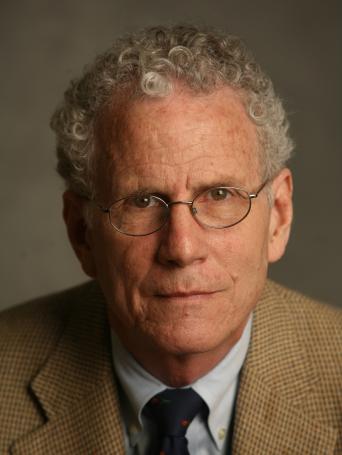 John Billings合作论文数Robert F. Wagner Graduate School of Public Service, New York University10Zurawski Andrea合作论文数10De Johnston合作论文数9Bruce Struminger合作论文数Project ECHO, Univ New Mexico9Shaun Shadaker合作论文数9Vakhtang Kerashvili合作论文数9Nasrullah Muazzam合作论文数Centers for Disease Control and Prevention (CDC), 1600 Clifton Road, Mailstop E46, Atlanta, GA 30333, USA. muazzam.nasrullah@gmail.com9
 David R. Nelson合作论文数Division of Gastroenterology, Hepatology & Nutrition, Department of Medicine, College of Medicine, University of Florida9
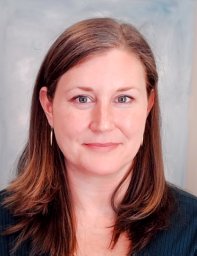 Paul Margaret M合作论文数Department of Population Health, New York University School of Medicine9Comerci George合作论文数9Denise Dion合作论文数PACIfIC9Francisco Averhoff合作论文数9Mm Jamal合作论文数8Ekaterine Adamia合作论文数8Duhigg Daniel合作论文数8
 Mark Sulkowski合作论文数Division of Infectious Diseases, Johns Hopkins Bayview Medical Center;Johns Hopkins University School of Medicine8
 Channaveerachari Naveen Kumar合作论文数Department of Psychiatry, National Institute of Mental Health and Neurosciences (NIMHANS),8Brant Hager合作论文数7
 Aurobind Ganesh合作论文数Natl Inst Mental Hlth & Neurosci, NIMHANS Digital Acad7David Metreveli合作论文数7
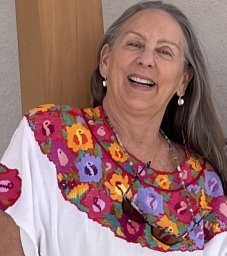 Kimberly Page合作论文数Department of Internal Medicine, University of New Mexico Health Sciences Center7
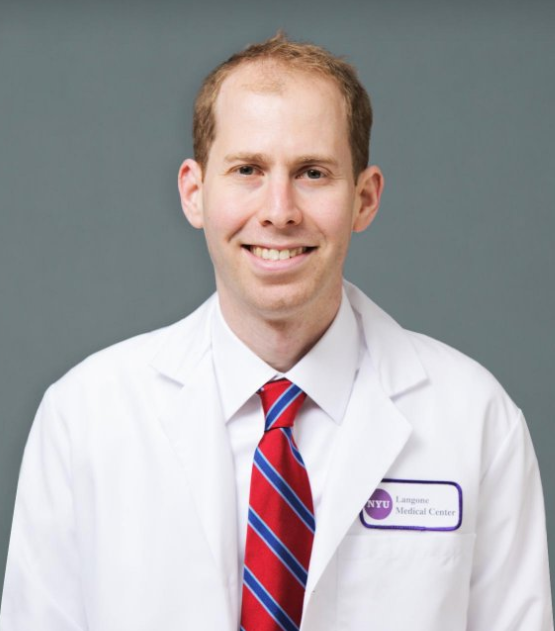 Saul B. Blecker合作论文数Division of Healthcare Delivery Science, Department of Population Health, Grossman School of Medicine, New York University7Jenkusky Steven合作论文数7
 Gregory T Everson合作论文数7Tarek Hassanein合作论文数7
 Narayana Manjunatha合作论文数Central Institute of Psychiatry7Norman Gitlin合作论文数7Jeffrey C. Dunkelberg合作论文数7
 Suresh Bada Math合作论文数Department of Psychiatry;National Institute of Mental Health and Neuro Sciences;Department of Psychiatry, National Institute of Mental Health and Neuro Sciences7Terry D. Box合作论文数7




