Regulated helicase activation by DDK kinase is central for genome stability. However, how DDK phosphorylation primes the MCM2-7 double hexamer (DH) for Sld3-Sld7 binding and Cdc45 loading remained unclear. We define this mechanism through cryo-EM structures of MCM2-7 DH-Sld3-Sld7 (MS) and MCM2-7 DH-Sld3-Sld7-Cdc45 (MSC). We reveal that the autoinhibitory Mcm4 tail engages not only Mcm4 but also Mcm6. Upon DDK-dependent phosphorylation, both of these sites become accessible. In the context of the MS structure, we identify that two short Sld3 motifs that contact Mcm4 and Mcm6 read out the DH phosphorylation state, while the Sld3 Treslin domain (STD) binds to Mcm2. In the MSC structure, Cdc45 dislodges the Sld3 STD from Mcm2, allowing Sld3 to position Cdc45 at the Mcm2/Mcm5 interface. Mutagenesis of the Sld3 STD-Cdc45 interface disrupts Cdc45 loading, validating this interaction. Together, our data reveal a phosphorylation-encoded mechanism coupling DDK-activated Mcm4/Mcm6 surfaces to distal Cdc45 placement, explaining how firing factors choreograph the DH-to-CMG transition. DNA replication depends on loading Cdc45 onto the MCM2-7 helicase to start DNA unwinding. Here, the authors use cryo-EM to show how phosphorylation enables Sld3-Sld7 to bind MCM2-7 and position Cdc45 for helicase activation.
In order for artificial agents to successfully perform tasks in changing environments, they must be able to both detect and adapt to novelty. However, visual novelty detection research often only evaluates on repurposed datasets such as CIFAR-10 originally intended for object classification, where images focus on one distinct, well-centered object. New benchmarks are needed to represent the challenges of navigating the complex scenes of an open world. Our new NovelCraft dataset contains multimodal episodic data of the images and symbolic world-states seen by an agent completing a pogo stick assembly task within a modified Minecraft environment. In some episodes, we insert novel objects of varying size within the complex 3D scene that may impact gameplay. Our visual novelty detection benchmark finds that methods that rank best on popular area-under-the-curve metrics may be outperformed by simpler alternatives when controlling false positives matters most. Further multimodal novelty detection experiments suggest that methods that fuse both visual and symbolic information can improve time until detection as well as overall discrimination. Finally, our evaluation of recent generalized category discovery methods suggests that adapting to new imbalanced categories in complex scenes remains an exciting open problem.
"Open world" environments are those in which novel objects, agents, events, and more can appear and contradict previous understandings of the environment. This runs counter to the "closed world" assumption used in most AI research, where the environment is assumed to be fully understood and unchanging. The types of environments AI agents can be deployed in are limited by the inability to handle the novelties that occur in open world environments. This paper presents a novel cognitive architecture framework to handle open -world novelties. This framework combines symbolic planning, counterfactual reasoning, reinforcement learning, and deep computer vision to detect and accommodate novelties. We introduce general algorithms for exploring open worlds using inference and machine learning methodologies to facilitate novelty accommodation. The ability to detect and accommodate novelties allows agents built on this framework to successfully complete tasks despite a variety of novel changes to the world. Both the framework components and the entire system are evaluated in Minecraft-like simulated environments. Our results indicate that agents are able to efficiently complete tasks while accommodating "concealed novelties" not shared with the architecture development team.
The transformation of industrial environments is progressing at a fast pace as more and more autonomous systems are installed and operated. Save and explainable AI algorithms are thus essential, especially for collaborative interactive systems that operate in human spaces. We propose the “Semantic Encoder”, a 2D-vision based CNN model trained on a purely synthetic dataset, to address the explainability aspect by extracting semantic descriptions of real objects based on their visual appearances. We can use the extracted semantic information to simply describe depicted samples or to differentiate between normal and anomalous samples, with the possibility to explain what caused the anomaly detection. The semantic description can be further used to sort samples by classifying them or to find a sample with specific semantic properties. We evaluate the Semantic Encoder with respect to its informative power by comparing the computed semantic features with features extracted by a VGG-16 model and classical image processing methods. The results are quantified based on the Generalized Discriminative Value (GDV). We also investigate how accurately anomalous samples are detected by computing ROC and PR curves. We use the semantic parameters to understand what causes good and inaccurate anomaly detection decisions. In addition, we evaluate the quality of the classification based sorting by examining confusion matrices and classification accuracy.
We applied convolutional versions of a "standard" autoencoder (CAE), a variational autoencoder (VAE) and an adversarial autoencoder (AAE) to two different publicly available datasets and compared their anomaly detection performances. We used the MNIST dataset [14] as a simple anomaly detection scenario. The CIFAR10 dataset [13] was used to examine the autoencoders in a more complex anomaly detection task. The anomaly detection performance of our different autoencoder types is compared in a qualitative and quantitative manner. The time needed for training the models is measured to capture their complexity. The simplest model demanding the simplest training, the CAE, computes results which are nearly as accurate and for some cases even better than results achieved by the VAE and AAE. We show that all three autoencoder types computed convincing anomaly detection results for the more simple-structured MNIST scenario. However, none of the autoencoder types proved to capture a good representation of the relevant features of the more complex CIFAR10 dataset, leading to moderately good anomaly detection performances.
We investigated the anomaly detection behaviour of three convolutional autoencoder types a “standard” convolutional autoencoder (CAE), a variational convolutional autoencoder (VAE) and an adversarial convolutional autoencoder (AAE) by applying them to different visual anomaly detection scenarios. First, we utilized our three autoencoder types to detect anomalous regions in two synthetically generated datasets. To investigate the convolutional autoencoders’ defect detection performances “in the industrial wild”, we applied the models on quality inspection images of non-defective and defective material regions. We compared the performances of all three autoencoder types based on their ability to detect anomalies and captured the training complexity by measuring the time needed for training them. Although the CAE is the simplest model, the trained model performed nearly as well as the more sophisticated autoencoder types, which depend on more complex training processes. For data that lacks regularity or shows purely stochastic patterns, all our autoencoders failed to compute meaningful results.
Micro-structured films with surface riblets are used to reduce aerodynamic drag. This is especially relevant on fast and large objects such as on aircraft wings, where they are installed to increase efficiency (e.g., reduce fuel consumption). Their fuel reduction efficiency depends directly on the structural integrity of the films. Therefore, we propose a photometric inspection tool, a hardware setup and tailored analysis algorithms, which detect typical defects of riblet micro-structures occurring during their operational lifetime. We propose two inspection approaches to analyze the micro-structures, (i) a statistical data processing method and (ii) a machine learning algorithm based on convolutional autoencoders. We tested both inspection approaches on rendered and real world data of riblet films on airplane elements, carbon-fiber parts of race cars, and wind turbine blades.
An insight into changes of soft biological tissue ultrastructures under loading conditions is essential to understand their response to mechanical stimuli. Therefore, this study offers an approach to investigate the arrangement of collagen fibrils and proteoglycans (PGs), which are located within the mechanically loaded aortic wall. The human aortic samples were either fixed directly with glutaraldehyde in the load free state or subjected to a planar biaxial extension test prior to fixation. The aortic ultrastructure was recorded using electron tomography. Collagen fibrils and PGs were segmented using convolutional neural networks, particularly the ESPNet model. The 3D ultrastructural reconstructions revealed a complex organization of collagen fibrils and PGs. In particular, we observed that not all PGs are attached to the collagen fibrils, but some fill the spaces between the fibrils with a clear distance to the collagen. The complex organization cannot be fully captured or can be severely misinterpreted in 2D. The approach developed opens up practical possibilities, including the quantification of the spatial relationship between collagen fibrils and PGs as a function of the mechanical load. Such quantification can also be used to compare tissues under different conditions, e.g., healthy and diseased, to improve or develop new material models. Statement of significance The developed approach enables the 3D reconstruction of collagen fibrils and proteoglycans as they are embedded in the loaded human aortic wall. This methodological pipeline comprises the knowledge of arterial mechanics, imaging with transmission electron microscopy and electron tomography, segmentation of 3D image data sets with convolutional neural networks and finally offers a unique insight into the ultrastructural changes in the aortic tissue caused by mechanical stimuli. (C) 2022 The Author(s). Published by Elsevier Ltd on behalf of Acta Materialia Inc. This is an open access article under the CC BY license ( http://creativecommons.org/licenses/by/4.0/)
DNA replication origins serve as sites of replicative helicase loading. In all eukaryotes, the six-subunit origin recognition com-plex (Orc1-6; ORC) recognizes the replication origin. During late M-phase of the cell-cycle, Cdc6 binds to ORC and the ORC-Cdc6 complex loads in a multistep reaction and, with the help of Cdt1, the core Mcm2-7 helicase onto DNA. A key intermediate is the ORC-Cdc6-Cdt1-Mcm2-7 (OCCM) complex in which DNA has been already inserted into the central channel of Mcm2-7. Until now, it has been unclear how the origin DNA is guided by ORC-Cdc6 and inserted into the Mcm2-7 hexamer. Here, we truncated the C-terminal winged-helix-domain (WHD) of Mcm6 to slow down the loading reaction, thereby capturing two loading intermediates prior to DNA insertion in budding yeast. In "semi-attached OCCM," the Mcm3 and Mcm7 WHDs latch onto ORC-Cdc6 while the main body of the Mcm2-7 hexamer is not connected. In "pre-insertion OCCM," the main body of Mcm2-7 docks onto ORC-Cdc6, and the origin DNA is bent and positioned adjacent to the open DNA entry gate, poised for insertion, at the Mcm2-Mcm5 interface. We used molecular simulations to reveal the dynamic transition from pre -loading conformers to the loaded conformers in which the loading of Mcm2-7 on DNA is complete and the DNA entry gate is fully closed. Our work provides multiple molecular insights into a key event of eukaryotic DNA replication.
During replication initiation, the core component of the helicase-the Mcm2-7 hexamer-is loaded on origin DNA as a double hexamer (DH). The two ring-shaped hexamers are staggered, leading to a kinked axial channel. How the origin DNA interacts with the axial channel is not understood, but the interaction could provide key insights into Mcm2-7 function and regulation. Here, we report the cryo-EM structure of the Mcm2-7 DH on dsDNA and show that the DNA is zigzagged inside the central channel. Several of the Mcm subunit DNA-binding loops, such as the oligosaccharide-oligonucleotide loops, helix 2 insertion loops, and presensor 1 (PS1) loops, are well defined, and many of them interact extensively with the DNA. The PS1 loops of Mcm 3, 4, 6, and 7, but not 2 and 5, engage the lagging strand with an approximate step size of one base per subunit. Staggered coupling of the two opposing hexamers positions the DNA right in front of the two Mcm2-Mcm5 gates, with each strand being pressed against one gate. The architecture suggests that lagging-strand extrusion initiates in the middle of the DH that is composed of the zinc finger domains of both hexamers. To convert the Mcm2-7 DH structure into the Mcm2-7 hexamer structure found in the active helicase, the N-tier ring of the Mcm2-7 hexamer in the DH-dsDNA needs to tilt and shift laterally. We suggest that these N-tier ring movements cause the DNA strand separation and lagging-strand extrusion.
DNAreplication results in the doubling of the genome prior to cell division. This process requires the assembly of 50 or more protein factors into a replication fork. Here, we review recent structural and biochemical insights that start to explain how specific proteins recognize DNA replication origins, load the replicative helicase on DNA, unwind DNA, synthesize newDNAstrands, and reassemble chromatin. We focus on the minichromosome maintenance (MCM2-7) proteins, which form the core of the eukaryotic replication fork, as this complex undergoes major structural rearrangements in order to engage with DNA, regulate its DNA-unwinding activity, and maintain genome stability.
Selective autophagy is the mechanism by which large cargos are specifically sequestered for degradation. The structural details of cargo and receptor assembly giving rise to autophagic vesicles remain to be elucidated. We utilize the yeast cytoplasm-to-vacuole targeting (Cvt) pathway, a prototype of selective autophagy, together with a multi-scale analysis approach to study the molecular structure of Cvt vesicles. We report the oligomeric nature of the major Cvt cargo Ape1 with a combined 2.8 Å X-ray and negative stain EM structure, as well as the secondary cargo Ams1 with a 6.3 Å cryo-EM structure. We show that the major dodecameric cargo prApe1 exhibits a tendency to form higher-order chain structures that are broken upon interaction with the receptor Atg19 in vitro The stoichiometry of these cargo-receptor complexes is key to maintaining the size of the Cvt aggregate in vivo Using correlative light and electron microscopy, we further visualize key stages of Cvt vesicle biogenesis. Our findings suggest that Atg19 interaction limits Ape1 aggregate size while serving as a vehicle for vacuolar delivery of tetrameric Ams1.
As you will see, the referees appreciate the quality of your work and realize that it adds to the previously published study and will as such be of interest to the field of selective autophagy. However, while referee #2 offers some support, referee #1 thinks that in light of the recent Su et al. paper, the overall advance at this stage remains too limited for further consideration here. Referee #2 furthermore notes that the models you derive from the structural analyses are not functionally tested. Given that neither referee strongly endorses publication in The EMBO Journal, I am very sorry to say that I have no other choice but to return your manuscript to you.
 Matthias Scheutz合作论文数Human-Robot Interaction Laboratory, Department of Computer Science, School of Engineering, Tufts University5
 Doris Antensteiner合作论文数Austrian Inst Technol, A-2444 Seibersdorf, Austria4
 Christian Speck合作论文数Institute of Clinical Sciences, Faculty of Medicine, University College London4
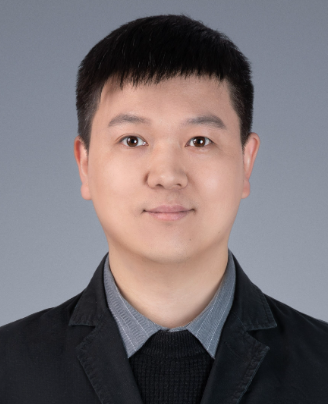 Lin Bai (柏林)合作论文数School of Basic Medical Sciences, Peking University Health Science Center3
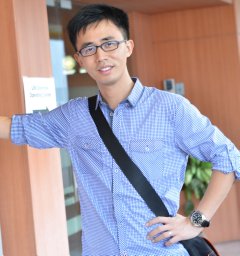 Zuanning Yuan合作论文数National University of Singapore, National University of Singapore3
 Riera Alberto合作论文数a DNA Replication Group;Institute of Clinical Science;Imperial College;London;Institute of Clinical Science, Imperial College3
 Bruce Stillman合作论文数Cold Spring Harbor Laboratory3
 Daniel Soukup合作论文数3
 Ivaylo Ivanov合作论文数2
 Patrick Feeney合作论文数2Indiana Magdalou合作论文数2Chiara Bertipaglia合作论文数Department of Pathology and Cell Biology, Columbia University2
 Arvind Ravichandran合作论文数Institute of Complex Systems and Institute for Advanced Simulation, Forschungszentrum Jülich2
 Thomas Dodd合作论文数Georgia State Univ, Dept Chem, Atlanta, GA 30302 USA2Panagiotis Lymperopoulos合作论文数Dept Comp Sci, Tufts Univ2Marta Barbon合作论文数MRC London Inst Med Sci LMS, London, England2
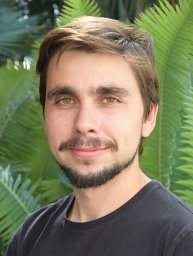 Yury S Bykov合作论文数Dept Mol Genet, Weizmann Inst Sci2
 Huilin Li合作论文数Department of Environmental Medicine, Grossman School of Medicine, New York University2
 Tarafder Abul K合作论文数Imperial College London, Universidade Nova de Lisboa2Chunli Yan合作论文数2
 Wim Hagen合作论文数Thermo Fisher Scientific2
 Kukulski Wanda合作论文数European Mol Biol Lab, Struct & Computat Biol Unit, D-69117 Heidelberg, Germany2
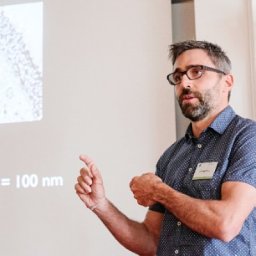 Picco Andrea合作论文数European Mol Lab, Res Unit Cell Biol & Biophys, D-69117 Heidelberg, Germany2Noguchi Yasunori合作论文数2
 Arjen Jakobi合作论文数Department of Bionanoscience, Faculty of Applied Sciences, Delft University of Technology2Matthias Wilmanns合作论文数2
 Liping Liu合作论文数Department of Computer Science, School of Engineering, Tufts University2
 Michael C. Hughes (Mike)合作论文数Department of Computer Science, Tufts University2
 Jan Kosinski合作论文数Laboratory of Bioinformatics and Protein Engineering, International Institute of Molecular and Cell Biology2
 Carsten Sachse合作论文数Leibniz Institut für Altersforschung, Fritz-Lipmann Institut2
 Marko Kaksonen合作论文数European Mol Biol Lab, Cell Biol & Biophys Unit, D-69012 Heidelberg, Germany2
 John A.G. Briggs合作论文数Department of Cell and Virus Structure, Max-Planck-Institute of Biochemistry2Pierrick Lorang合作论文数1Dominique Pernitsch合作论文数1Anna-Sophie Wittgenstein合作论文数1
 Anna Pukaluk合作论文数1Ravenna Thielstrom合作论文数1
 Shivam Goel合作论文数Department of Computer Science, Tufts University1Gongpu Zhao合作论文数1
 Laurin Ginner合作论文数AIT Austrian Inst Technol1
 Lukas Traxler合作论文数1
 Patrick Knöbelreiter合作论文数School of Computer Science, Graz University of Technology;Vision, Learning and Optimization Group, Institute for Computer Graphics and Vision, Graz University of Technology1
 Gerhard A. Holzapfel合作论文数Department of Structural Engineering, Norwegian University of Science and Technology;Faculty of Engineering Science and Technology, Norwegian University of Science and Technology;School of Mathematics and Statistics, University of Glasgow;Institute of Biomechanics, Graz University of Technology1
 Kolb Dagmar合作论文数Center for Medical Research, Medical University of Graz1
 Kildebeck Eric J合作论文数Department of Pediatrics, Stanford University1Reuter L Maximilian合作论文数1
 Jivko Sinapov合作论文数Department of Computer Science, School of Engineering, Tufts University;Center for Engineering, School of Engineering, Tufts University;Department of Mechanical Engineering, School of Engineering, Tufts University1
 Thomas Pock合作论文数Institute of Visual Computing, Graz University of Technology1
 Nicole Brosch合作论文数1




