This paper proposes the Emergent Self as a novel integrative framework of the self from a systems science perspective. The historical Western psychological distinctions between an introspective 'I' and the empirical 'Me' of self were used as a basis to reconceptualize and integrative view as a performative, a socially constructed, and multidimensional entity. It is a Complex Adaptive Systems (CAS) consisting of three nested sub-systems: An Inner Self (IS) - the core 'I' accessible through introspection constituting a deeply embodied internal narrative self, continuously responsive to interoceptive feelings and bodily states; A Personal Self (PS) or 'Me' as an outer layer to 'I' - mediating interactions with close associates and visible to a limited group, and helping to distinguish individuals; A Social Self (SS) formed through interaction with wider social networks and visible to society, encompasses shared group identities - some inherited (e.g. ethnicity), others acquired (e.g. profession). SS projected through social media is an Extended Self (ExS), while further separated from ExS and almost as an isolated entity in virtual space is a Digital Extended Self (e.g., a curated persona of social media influencers). The interactions among these CAS subsystems form a hierarchical, nested structure (i.e., panarchy) and interact via bidirectional, non-linear influences. The latter operates through Active Inference - a process of minimizing perceptual surprise by sensing the environment and updating internal actions accordingly. The Emergent Self arises from the dynamic interplay of the whole person-environment system and nested subsystems. It is elusive, constantly reshaped, and cannot be reduced to any single component. This framework is compatible with the absence of a substantive fixed self, expressed in Buddhism, and with contemporary neuroscientific theories describing it as a 'controlled hallucination' - a coherent model of the world generated and sustained by predictive processes in the brain.
Without sound knowledge of a cities' systemic health condition, cities cannot effectively mobilize their capacities for growth, resilience or systemic transformation. Which actions need to be taken depends on a city's initial health condition. To address that shortcoming, we suggest a measure and step-by-step method for assessing the systemic health condition of cities comprising of a rapid urban health check, a more comprehensive systemic health analysis, and the World Health Organisation's urban health capacity assessment. Knowledge of the urban systemic health condition of a city is a precondition for deciding on the type of investments and governance strategy for making cities fit for the future.
Diabetes is associated with progressive microvascular remodelling, commonly assessed using retinal imaging, yet alternative non-invasive vascular biomarkers remain underexplored. Conjunctival vessels are directly visible and may reflect systemic microvascular changes; however, reliable quantification is challenged by the need to preserve vascular topology during segmentation. In this work, we introduce a curated conjunctival imaging dataset with diameter-specific vessel annotations and demonstrate that topology-preserving vessel extraction is essential for robust tortuosity estimation. We develop a deep learning framework that prioritises vascular continuity and geometric fidelity while selectively segmenting clinically relevant vessel calibres, integrating multi-scale contextual modelling and attention-guided feature fusion to reduce fragmentation without post-processing. Compared with multiple state-of-the-art segmentation methods, the proposed approach achieves substantially lower tortuosity error and centreline deviation, even when pixel-wise accuracy is comparable. Applied to conjunctival images from individuals with diabetes and healthy controls, mean conjunctival vessel tortuosity was significantly elevated in the diabetic group, consistent with established retinal microvascular findings. Together, these results support conjunctival imaging as a non-invasive modality for microvascular phenotyping and suggest its potential utility for scalable, external-eye-based vascular assessment in diabetes research contexts.
The COVID-19 pandemic-and the inconsistent government responses it revealed-has made the institutionalisation of robust Science Advice to Policymakers (SAP) an urgent imperative. Barring exceptions such as initiatives by the International Network for Governmental Science Advice, very few training programmes aim to develop capacity of policy makers, especially in the Global South. In response to these needs, the National Academy of Sciences of Sri Lanka and the Association of Academies and Societies of Sciences in Asia (AASSA), conducted a project titled Institutionalising Science Advice to Governments. Its key objectives was to develop an appropriate framework to understand the process of institutionalisation of SAP. The Colombo Framework so developed integrated four clusters: the SAP process; guiding values and principles; supporting institutional and legislative structures; and evaluating SAP. It was validated by experts and used for designing a questionnaire to assess current SAP practices across AASSA member countries which enabled data gathering on the diversity of models of SAP, their challenges and best practices. The framework also helped structure an international workshop to share countrylevel situation analyses, formulate roadmaps for implementation and build consensus on the relevance of institutionalising SAP. The latter culminated in the Colombo Declaration, urging governments to strengthen science-policy engagements. Short-term and long-term feedback from participants indicated high utility of the framework for understanding and operationalising SAP in diverse contexts. The framework offers a systematic approach for countries, especially in the Asia-Pacific region, to institutionalise SAP and for scientists to gain in-depth understanding of the process.
Countries in the WHO's South-East Asia Region (SEAR) have made significant progress in training healthcare workers. However, concerns remain about the quality and competencies of these workers, particularly in areas such as people-centred care and empathy. There is evidence that integrating the humanities into medical education and training could address these concerns and further enhance the quality of primary care. We aimed to study the role of medical humanities in medical education across the SEARO through a scoping review, focusing specifically on the role of the arts (e.g., visual and performance arts) in medical education. A published scoping methodology was used, without quality-based exclusion, to ensure comprehensive coverage. We included empirical qualitative or mixed-method studies from PubMed (January 2010-June 2024) focusing on undergraduate medical students in the WHO South-East Asia Region countries. Additional articles and grey literature were identified via reference screening. Data were extracted using a standardised form, with dual-reviewer screening and senior investigator arbitration. We found that several medical schools have integrated diverse art forms (e.g., narrative writing, literature, visual art, drama, cinema, music, photography) into their curricula through modules, electives, or mandatory structured teaching programs, typically in the first academic year. Informal volunteer groups, formal medical humanities units, or dedicated departments organised these. While short-term positive impacts were reported, evidence of long-term impacts was limited. It is timely for health professional education institutions and organisations such as the WHO Regional Office for South-East Asia to support a more coordinated effort to integrate the humanities into health professional education- drawing on locally relevant arts and cultural traditions while reducing the lingering influence of less relevant colonial and foreign models. Regulatory authorities should guide the introduction of humanities into curricula to foster more people-centered healthcare professionals who are empathic and compassionate.
Background: Dysregulated brain aging leads to dementia in some older adults. South Asia is one of the most populous regions of the world with a rapidly growing older adult population. Yet, very few studies have focused on quantifying the status and risk factors driving aging-related conditions such as dementia in this part of the world. Objectives: We explored multiple sources of global health data to quantify and compare all-cause dementia indices in South Asian countries. Design: Afghanistan, Bangladesh, Bhutan, India, Maldives, Nepal, Pakistan and Sri Lanka were considered. Population statistics and dementia as a priority area were examined using US Census Bureau and World Health Organization Global Dementia Observatory data. Crude and age-standardized rates (ASR) of dementia incidence, deaths and disability-adjusted life years (DALYs) were extracted and analyzed from the Global Burden of Disease (GBD) 2019 Study. Results: Our analysis reiterated that there are limited resources dedicated to dementia in this region. Sri Lanka and Afghanistan had the highest dementia crude rates and age-standardized rates, respectively [Crude DALYs, Sri Lanka = 321.52 (132.12–736.58); ASR DALYs, Afghanistan = 432.72 (179.01–1001.95)]. The burden of dementia in some South Asian countries was comparable to estimated global averages, and was largely driven by population aging. Analyses of available data on known biological, behavioral, environmental and disease risk factors in the region highlighted the role of metabolic dysregulation in dementia. Conclusions: Our preliminary analysis of available global health data highlights an emerging need for resources for dementia prevention and care in South Asia. There is also a critical need for future longitudinal follow-up studies focusing on dementia that are well-designed and can be harmonized with other dementia-related studies. We describe a roadmap for designing them—taking into account cultural, economic, public health and population aging dynamics that may be uniquely applicable to South Asian countries.
As human microbiome research is globalizing, it raises ethical concerns regarding the European and North American dominance in the field, which may reproduce a colonial bias and perpetuate inequities in global health research and outcomes. We suggest disentangling this ethical quandary into three main concerns: 1) scientific bias toward European and North American populations; 2) limited meaningful community inclusion, participation, and ownership, and 3) scant significant inclusion of diverse global researchers. We then formulate three recommendations for their resolution, deploying co-laboration—joint labor of diverse partners in generating synergies between diverse disciplines, cultures, and knowledges around shared concerns—and co-laborative science—a form of citizen science based on such synergies between diverse partners—to guide meaningful inclusive, participatory, and ethical human microbiome research. To conclude, we promote a programmatic list for putting co-laborative ethical science into practice, benefiting global communities, individuals, and researchers alike and decolonizing and improving health worldwide.
Wars have multiple complex effects on population health. Countries suffer extensively from disruptions to their societies, economies, and environment. Understanding the pathways of disruption helps to adapt and mitigate the catastrophic effects of war. We used a previously published 12-dimensional framework on the health impacts of war to derive pathways of influence under three phases. The first phase, before overt aggression, includes economic sanctions, trade wars, and embargoes, often combined with covert military action and disrupted supply chains, infrastructure, and health services. The second phase of overt aggression has multiple direct and indirect effects on health: (a) morbidity and mortality; (b) population displacements with psychosocial implications; (c) opportunity costs from military expenditures often reversing economic growth and widening inequalities; (d) environmental degradation; (e) air and soil pollution from explosives; (f) destroyed infrastructure include housing, basic amenities, and health infrastructure; (g) destroyed arable land, deforestation, and loss of biodiversity; (h) and contamination of water sources. The third phase occurs during peace negotiations and when peace appears and consists of long-term effects. The latter includes transgenerational impacts on human well-being. Considering the wide health, social, and environmental implications of wars lasting for generations, we reiterate the call for an "end to all wars."
‘Gender’ as a social construct is increasingly recognized as a determinant of care inequity in chronic kidney disease (CKD). However, a systematic analysis of gender-based disparity in access to care across the continuum of CKD care is lacking. This systematic review aimed to synthesize the global evidence on gender-based disparities in access observed across sequential steps of CKD care. The review was registered in PROSPERO (CRD420251091356) and conducted following PRISMA guidelines. Four databases (PubMed, Cochrane, HINARI, Embase) were searched for publications from 2000–July 2026. Two reviewers independently screened 1,140 articles and risk of bias was assessed using ROBINS-E. Data were extracted across four aspects of CKD care: (1) diagnosis, monitoring and prescription of guideline-recommended treatment, (2) vascular access, (3) initiation and maintenance of dialysis, and (4) transplantation. Thirty-five studies were included, spanning diverse geographical regions. Women faced consistent disadvantages across the continuum of CKD care. They had lower odds of receiving a diagnosis of CKD or nephrology referral, less frequent monitoring of kidney function, and lower prescription rates of guideline-recommended medications. Among those with kidney failure, women comprised only 38–41
To deliver palliative care, it is important to understand what a “good death” means to the relevant people. Such studies have mostly occurred in high-income settings that usually live by Western ideals. What matters to people is likely to vary across different regions of the world, influenced by multiple factors. Although there is a great need for palliative care in South Asia, there is a lack of comprehensive understanding of what a good death means in this setting. This study aimed to increase understanding of what is considered a good death in South Asia. Systematic review and narrative synthesis. A systematic search was conducted across eight databases, an Advanced Google search, and a bibliography search of selected articles. A data-based convergent synthesis was performed, along with quality appraisal. Twenty-five empirical studies were selected for analysis from India, Pakistan, Bangladesh, Sri Lanka, and Bhutan. Four themes emerged. Mutual care and connection support a continued sense of self : contributing to others, while receiving connection through relationships and spiritual practices, was important for patients and supported by families and healthcare workers. Freedom to choose—privilege or burden ?: the choice to participate in care was necessary for some patients but a burden for others, who preferred the family to lead their care. Severe uncontrolled pain and financial distress precluded choice for some patients, who felt death was the only option. Decisions regarding artificial prolongation of life were complex for patients and healthcare workers. Opportunities in the last days : when actively dying, there was general agreement on the importance of being pain-free, feeling safe, and having family present. Home was not always the preferred place of death. For family, it was critical to perform last rites. After death matters : What happens after death—influenced by leaving a legacy and religious beliefs—affected all parties before, during, and post-death. To our knowledge, this is the first review of what a good death means in South Asia. There is a dearth of research from most South Asian countries. Although the South Asian perspective has similarities with the Western perspective, we note important nuances around decision-making, prolongation of life, prognostic awareness, and wanting to end one's life, moderated by culture, religion, and poverty. We support policies that account for these variations. Ongoing work is required to provide good symptom management, thus increasing opportunities for patient participation in care. Further research is needed in areas of ethics and religion at the end of life in South Asia.
Abstract The CanMEDS-2015 Framework outlines seven key roles expected of practicing physicians: communicator, collaborator, manager, health advocate, scholar, and professional. Critics have expressed concern about the omission of a proposed eighth role, ‘Physician as Person’ relevant to humane qualities and personal resilience of the physician. Upon further analyses, the Framework has included several virtuous attributes in the roles of a physician as professional and communicator. However, it addresses certain virtues like creativity, love, and spirituality inadequately. Drawing on literature from Positive Psychology, the author categorizes and additional set of virtues into six classes: wisdom, courage, humanity, justice, temperance, and transcendence. Based on these, the author lists virtues and concepts relevant to a ‘Virtuous Role’ for physicians. The CanMEDS Framework should integrate these virtues as a foundational or overarching role and draw from Virtue Ethics in religious and philosophical traditions. This approach is timely, giving ongoing efforts to update and develop CanMEDS2025. By adopting a Virtuous Role within CanMEDS, we aim to train physicians who are technically skilled and deeply humane, meeting society's expectations for compassionate and virtuous healthcare professionals
Patients’ rights are integral to ensuring ethical and humane healthcare delivery. Understanding these rights helps promote patient-centered care and strengthens trust in healthcare systems. Although international frameworks outline patients’ rights comprehensively, Sri Lanka lacks specific legislative recognition and public awareness on the topic. This study aims to explore perspectives on patients’ rights in Sri Lanka and identify barriers and facilitators to their implementation. A qualitative study was conducted at the National Hospital of Sri Lanka, involving individual interviews with twenty participants, including patients (n = 16) from diverse backgrounds and healthcare professionals (n = 4). The study used a generic qualitative inquiry using inductive thematic analysis. Open-ended interviews were transcribed, and key themes were identified based on participants’ descriptions of their experiences. The study identified several key themes regarding patient rights: access to information and informed consent, respect and dignity, and quality of care. Patients were generally satisfied with the amount of information received, although healthcare providers desired more patient involvement in decision-making. Both patients and healthcare professionals stressed the importance of treating patients with respect and dignity. However, patients showed a tendency to defer to the expertise of doctors, placing less emphasis on informed consent and their own autonomy. Patients also expressed a right to high-quality care but experienced some delays and inefficiencies. This study reveals both strengths and weaknesses in the implementation of patient rights within the Sri Lankan healthcare setting. A lack of formal recognition of patient rights and a cultural tendency for patients to trust doctors’ judgement over their own autonomy are key findings. This study highlights the need to improve patient empowerment and education to promote autonomy and shared decision making in their own care. Future studies should include larger, multi-center samples, to gain a more comprehensive understanding of patient rights in Sri Lanka. Importantly, this study advocates for national policy reform, including the development and adoption of an officially recognized Patient Rights Charter.
Early detection of systemic vascular disorders such as diabetes and arterial tortuosity syndrome relies on identifying changes in vessel morphology, including tortuosity and diameter. While retinal imaging is a clinical standard for microvascular assessment, its high cost and requirement for specialist expertise limit its accessibility for large-scale screening. The bulbar conjunctiva, by contrast, offers a non-invasive, cost-effective, and readily accessible alternative for vascular imaging. In this study, we propose a deep learning-based framework designed to extract diameter-specific conjunctival vessels using a hybrid architecture that combines dilated convolutions with transformer-based attention mechanisms. The model incorporates Multi-Head Self-Attention at the bottleneck to model long-range dependencies within the image, and Multi-Head Cross-Attention at each decoder level to enhance selective reconstruction of diameter-relevant features. Our architecture is evaluated on a custom dataset comprising healthy individuals and patients with diabetes with varying complications. Compared with state-of-the-art baselines, including IterNet and U$^2$-Net, the proposed method achieved superior segmentation performance, especially in isolating vessels within clinically relevant diameter ranges, enabling accurate quantification of vessel tortuosity. We demonstrate statistically significant differences in tortuosity across diabetic subgroups, demonstrating the translational potential of conjunctival imaging as a scalable tool for early screening and monitoring of diabetic and systemic vascular complications.
WHAT IS THE EDUCATIONAL CHALLENGE?:The Kingdom of Bhutan is a low-middle income, mountainous country that faces severe healthcare workforce shortage. With no medical school, it sent students to other countries for medical training. WHAT ARE THE PROPOSED SOLUTIONS?:A technical working group was tasked with planning a medical school affordable within the government's financial resources, leveraging existing postgraduate specialty training programs. Using a strategic roadmap, the group planned 13 steps including stakeholder meetings and developed a curriculum that reflected the unique culture of the country. Costs were calculated, and the number of faculty limited to control the costs. WHAT ARE THE POTENTIAL BENEFITS TO A WIDER GLOBAL AUDIENCE?:The new medical school in Bhutan is a historic milestone for the country that offers an opportunity to be a model for the region. The planning strategy used, and lessons learned, could be helpful to other countries, especially other low and low middle income countries contemplating initiating or expanding medical education programs. WHAT ARE THE NEXT STEPS?:The new school will diligently monitor its finances and revenue generation to align with the budgets approved by government and continuously assess the quality of the curriculum and teaching methods implementation.
People-Centred Care (PCC) is an emergent property in an “open” system. Policies aiming at promoting PCC can be categorized under four nested levels: Micro-level; Meso-level; Macro-level; and Mega-level and used to draw systems diagrams. We develop a single composite diagram which demonstrates interactions and feedback, within and across subsystems, resembling panarchy.
The migration of qualified medical doctors from low- and middle-income countries (LMICs) to high-income countries (HICs) presents substantial challenges for healthcare systems, particularly in resource-limited settings. This study examines the recent surge in doctor migration from Sri Lanka following its unprecedented economic crisis. We aimed to quantify the economic and systemic impacts of the migration of qualified doctors on healthcare service delivery, medical education, and health equity, and explore feasible policy interventions to mitigate these effects. We conducted a mixed-methods policy analysis using national and international data between 2022 and 2024, including Ministry of Health data, Post-Graduate Institute of Medicine figures and international Medical Council reports. We estimate that nearly 1489 doctors, including specialists, migrated during this period, resulting in a financial loss of approximately LKR 12.5 billion (USD 41.5 million) to the Sri Lankan government and taxpayers. This migration has strained healthcare infrastructure, particularly in rural and underserved areas, led to shortages in critical specialities, disrupted medical education, and exacerbated inequities in access to care. Existing retention mechanisms, such as post-training service bonds, have been largely ineffective. We discuss a range of policy options, including improved enforcement of bonds, strategic use of dual citizenship, bilateral tax-sharing agreements, and investments in working conditions and training infrastructure to retain medical talent. In conclusion, the migration of doctors presents a multidimensional threat to Sri Lanka's public healthcare system. Urgent, evidence-based interventions are essential to preserve the sustainability of free healthcare and medical education systems in LMICs under similar duress.
INTRODUCTION:To deliver palliative care, it is important to understand what a "good death" means to the relevant people. Such studies have mostly occurred in high-income settings that usually live by Western ideals. What matters to people is likely to vary across different regions of the world, influenced by multiple factors. Although there is a great need for palliative care in South Asia, there is a lack of comprehensive understanding of what a good death means in this setting. This study aimed to increase understanding of what is considered a good death in South Asia. DESIGN:Systematic review and narrative synthesis. METHOD:A systematic search was conducted across eight databases, an Advanced Google search, and a bibliography search of selected articles. A data-based convergent synthesis was performed, along with quality appraisal. RESULTS:Twenty-five empirical studies were selected for analysis from India, Pakistan, Bangladesh, Sri Lanka, and Bhutan. Four themes emerged. Mutual care and connection support a continued sense of self: contributing to others, while receiving connection through relationships and spiritual practices, was important for patients and supported by families and healthcare workers. Freedom to choose-privilege or burden?: the choice to participate in care was necessary for some patients but a burden for others, who preferred the family to lead their care. Severe uncontrolled pain and financial distress precluded choice for some patients, who felt death was the only option. Decisions regarding artificial prolongation of life were complex for patients and healthcare workers. Opportunities in the last days: when actively dying, there was general agreement on the importance of being pain-free, feeling safe, and having family present. Home was not always the preferred place of death. For family, it was critical to perform last rites. After death matters: What happens after death-influenced by leaving a legacy and religious beliefs-affected all parties before, during, and post-death. CONCLUSIONS:To our knowledge, this is the first review of what a good death means in South Asia. There is a dearth of research from most South Asian countries. Although the South Asian perspective has similarities with the Western perspective, we note important nuances around decision-making, prolongation of life, prognostic awareness, and wanting to end one's life, moderated by culture, religion, and poverty. We support policies that account for these variations. Ongoing work is required to provide good symptom management, thus increasing opportunities for patient participation in care. Further research is needed in areas of ethics and religion at the end of life in South Asia.
Bullying in medicine is common and has harmful effects on the victimized professionals, their patients and the healthcare system. This study aimed to assess the prevalence of workplace bullying among intern doctors in Sri Lanka and examine its associated factors. This was conducted as a descriptive cross-sectional study among intern doctors who had completed at least 6 months of internship. A self-administered questionnaire which incorporated the Negative Acts Questionnaire-Revised was used for data collection. Data was analyzed using SPSS version 26 and associations were analyzed using Chi Square. The response rate was 78.2
 Rashan Haniffa合作论文数21
 Arjen Dondorp合作论文数Nuffield Department of Medicine, University of Oxford15
 Ambepitiyawaduge Pubudu De Silva合作论文数13
 Chathurani Sigera合作论文数Quality Secretariat Building, Castle Street Hospital for Women12
 Gunathunga W合作论文数Faculty of Medicine, University of Colombo11Athapattu Priyantha合作论文数11
 Pasyodun Koralage Buddhika Mahesh合作论文数Minist Hlth Sri Lanka10
 Abi Beane合作论文数Mahidol Oxford Tropical Medicine Research Unit10D. de Silva合作论文数9
 Mahendra Arnold合作论文数Ministry of Health, Sri Lanka9
 Anjula C. De Silva合作论文数Dept Elect & Telecommun Engn, Univ Moratuwa9
 Katulanda Prasad合作论文数Dept Clin Med, Univ Colombo8
 Shyam S. N. Perera合作论文数Department of Mathematics, University of Colombo8
 Arjuna Priyadarshin De Silva合作论文数7
 Chamila Dalpatadu合作论文数Faculty of Medicine, University of Colombo7
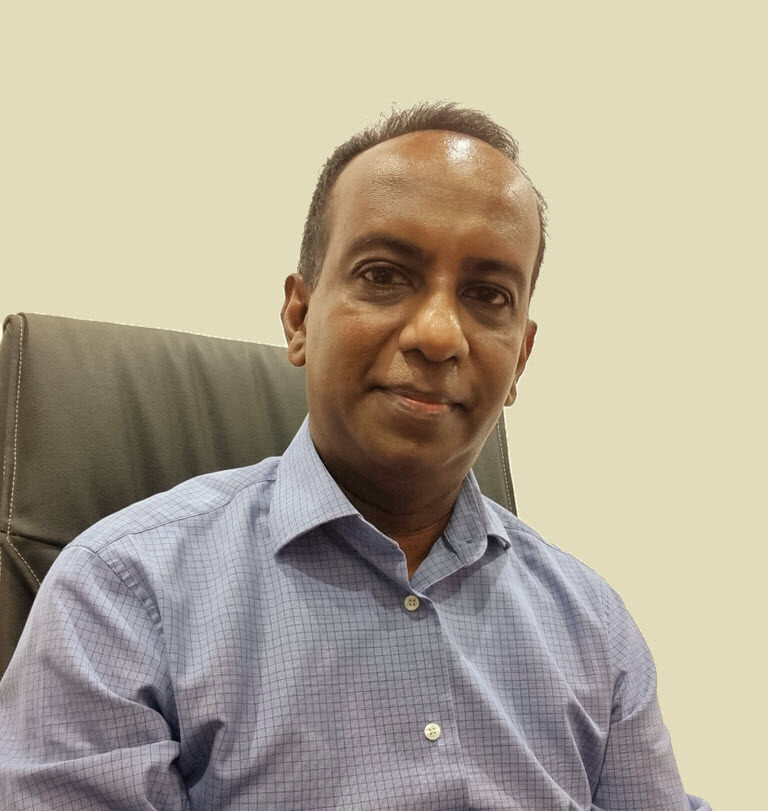 Senaka Rajapakse合作论文数Department of Clinical Medicine, Faculty of Medicine, University of Colombo;Postgraduate Institute of Medicine, University of Colombo7
 Wijayaratne Dilushi Rowena合作论文数7
 Panduka Karunanayake合作论文数7Mendis N合作论文数7
 Praveen Nilendra Weeratunga合作论文数University Medical Unit, National Hospital of Sri Lanka7
 Sithum Munasinghe合作论文数Translational Health Research Institute, Western Sydney University6
 Lallindra Gooneratne合作论文数Department of Haematological Medicine, King's College Hospital6m abeyratne合作论文数5r s de alwis seneviratne合作论文数5
 Karma Tenzin合作论文数Royal Govt Bhutan, Gyesar Gyalpo Univ Med Sci5d rajapakse合作论文数5
 Nicolette de Keizer合作论文数Department of Medical Informatics, Academic Medical Center, University of Amsterdam5
 Liyanage Isurujith Kongala合作论文数General, Sir John Kotelawala Defence University5
 Constantine Godwin R合作论文数Faculty of Medicine, University of Colombo5Mahipala Palitha G合作论文数5
 M.H.R Sheriff合作论文数5
 Champika Gamakaranage合作论文数University Medical Unit, National Hospital of Sri Lanka5Sumedha Wijeratne合作论文数5A. Pubudu De Silva合作论文数4Chandrika Neelakanthi Wijeratne合作论文数4
 Don Matheson合作论文数Dept Med, Griffith Univ4
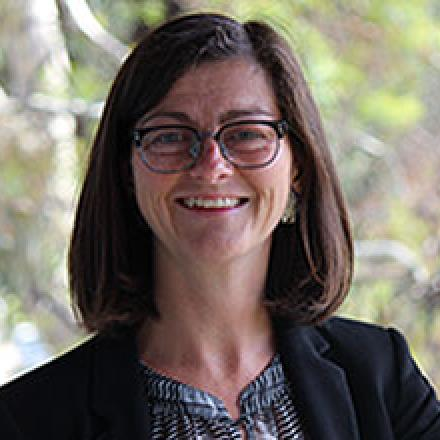 Sharon Friel合作论文数School of Regulation and Global Governance, College of Asia and the Pacific, The Australian National University4
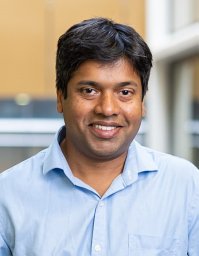 Chaturaka Rodrigo合作论文数Faculty of Medicine, University of Colombo4Padmal Hennadige Padmal De Silva合作论文数4
 Huong Nguyen合作论文数4
 Youngtae Cho合作论文数4
 Wanigasuriya Kamani合作论文数University of Sri Jayewardenepura4
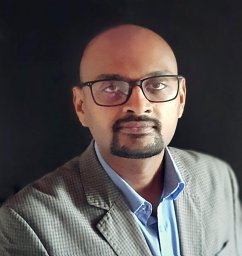 Dileepa Ediriweera合作论文数4Tung-Liang Chiang合作论文数4Damani De Silva合作论文数4
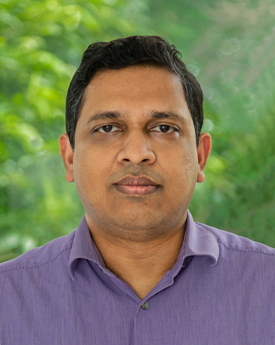 Madunil A Niriella合作论文数Department of Medicine, Faculty of Medicine, University of Kelaniya4
 Belinda Loring合作论文数4B C Wijesiriwardena合作论文数3Nirodha De Silva合作论文数3




