BACKGROUND:Peer support workers (PSWs) play a critical role in addressing the substance use crisis, and PSWs' training experiences may influence important occupational outcomes such as job stress and burnout. This cross-sectional study examined associations between PSWs' training experiences, job stress, and 2 dimensions that contribute to burnout - a lack of personal achievement and emotional exhaustion - in a sample of 25 PSWs (Mage = 49.3, SD = 12.9; 64% cisgender women; 80% white) from South Carolina. METHODS:Participants completed the Subjective Stress Scale and the Abbreviated Maslach Burnout Inventory. While burnout is typically characterized by 3 dimensions, this study was only able to measure personal achievement and emotional exhaustion due to low reliability of the depersonalization scale. Participants also reported the total number of training hours they received prior to becoming a PSW and what topics they received training in, which were categorized as knowledge-based, skill-based, or value-based. Sum counts for each topic category were calculated. RESULTS:Adjusted-regression analyses revealed that total number of training hours was not associated with personal achievement or emotional exhaustion (p's > .131) but was positively associated with job stress (B = 0.031, SE = 0.014, 95% CI [0.001, 0.060], p = .042, ηp2 = .200). Total number of training topics was not associated with job stress or emotional exhaustion (p's > .248) but was positively associated with personal achievement (B = 0.577, SE = 0.245, 95% CI [0.065, 1.090], p = .029, ηp2 = .226). Having received more knowledge-based training (B = 1.494, SE = 0.592, 95% CI [0.254, 2.734], p = .021, ηp2 = .270) and value-based training (B = 1.627, SE = 0.722, 95% CI [0.116, 3.138], p = .036, ηp2 = .211), but not skill-based training, was associated with greater personal achievement. CONCLUSIONS:High-quality training curricula that cover a range of topics, particularly knowledge- and value-based topics, may enhance PSWs' sense of personal accomplishment. Improving content and quality over quantity may also reduce PSWs' job stress. These efforts can support positive work experiences and engagement among PSWs in the substance use disorder recovery field.
Background: A high number of adolescents and young adults engage in opioid misuse and/or meet criteria for opioid use disorder (OUD). Youth also experience worse treatment outcomes when compared to adult counterparts.Objectives: This scoping review aimed to identify and summarize existing interventions designed to increase engagement of youth across the OUD care cascade, as well as describe clinical and research implications.Methods: Peer-reviewed literature was searched using PubMed, PsycInfo, and Web of Science. Studies were eligible if they presented outcomes of an intervention focused on engaging adolescents and young adults (ages 12-25 years) in the OUD care cascade and were published in English.Results: Nine articles met inclusion criteria that described interventions for adolescents and young adults across engagement, initiation, and retention in the OUD care cascade. Several strategies were used in interventions, including behavioral health and integrated health services, contingency management, meaningful family involvement, assertive outreach, and provider trainings/consultation. Only one intervention has been tested with a randomized control trial.Conclusions: Due to small sample sizes and lack of control groups, findings from existing intervention studies do not indicate which strategies are most effective. Further research is urgently needed to develop and evaluate effective interventions for youth with OUD. Providers working with youth should implement services to meet youth's individual needs. Providers should consider utilizing integrated services and referrals to behavioral health, involving family in treatment, and use of contingency management and assertive outreach. Continuing education for providers on OUD treatment and developmental concerns is also crucially needed.
This qualitative study aimed to understand the intrapersonal, interpersonal, organizational, community, and public policy resources that peer support workers (PSWs) in the substance use disorder (SUD) recovery field perceive as helpful in supporting their efforts. Twenty-five PSWs participated in semistructured interviews designed to elicit their experiences and perspectives on resources that currently support or could better support their work. PSWs had a mean age of 49.3 years (SD = 12.9) and were primarily cisgender women (n = 16, 64%) and White (n = 20, 80%). Interviews were audio-recorded, transcribed, and analyzed using rapid qualitative analysis. To ensure validity, a PSW consultant reviewed the study materials and themes. At the intrapersonal level, PSWs employed a variety of self-care practices, such as mindfulness, faith-based activities, attendance at recovery meetings, and boundary setting at work. At the interpersonal level, PSWs reported a strong network of social capital, including friends, family, and supervisors. At the organizational level, PSWs identified supportive resources, including employment benefits, a positive work climate, and workplace autonomy. At the community level, PSWs leveraged networks with local organizations. At the public policy level, PSWs appreciated support from government officials. Desired resources included more time for self-care, empathy and understanding from family and non-PSW coworkers, reduced logistical burdens and more supervision, community resources to address social determinants of health, and reduced stigma toward people with SUDs and greater funding. By reinforcing current resources and introducing desired resources, organizations, community members, and policymakers can build the resilience of PSWs and promote high-quality services for the prevention and treatment of SUDs. (PsycInfo Database Record (c) 2026 APA, all rights reserved).
Objective: Youth are at high risk for HIV, accounting for 19% of new diagnoses in the United States (US) in 2021. Highly effective HIV treatment is available in the form of antiretroviral therapy (ART), which enables individuals with HIV to achieve viral suppression. However, youth living with HIV (YLHIV) have poorer ART adherence and lower rates of viral suppression than adults. This study aimed to explore the perspectives of YLHIV and their HIV care providers on barriers and facilitators to ART adherence for YLHIV in the southern US. Methods: Semi-structured qualitative interviews were conducted with YLHIV ( n = 16) and HIV care providers ( n = 15) in South Carolina. A team-based rapid qualitative analysis approach was used to analyze data, extracting themes and quotes illustrating barriers to ART adherence on intrapersonal, interpersonal, community, and structural levels. Results: YLHIV reported forgetfulness, privacy concerns, and fears about HIV disclosure as reasons for ART nonadherence. Few utilized self-management strategies, though both YLHIV and providers reported that parental support improved adherence. Providers perceived that youth had high nonadherence because they experienced minimal HIV symptoms early in the course of HIV and because of developmental challenges. Additional provider-reported barriers included living in systemically marginalized communities and low health literacy. YLHIV and providers indicated an mHealth intervention could improve adherence and would likely be acceptable and feasible. Conclusions: YLHIV in the southern US face numerous challenges to ART adherence and may benefit from interventions that feature self-management support and consistent adherence strategies.
Introduction Transportation vulnerability is a major barrier to HIV care for many people living with HIV (PLHIV)—especially in the rural southern United States (US), given limited public transportation infrastructure and long travel times to HIV care. Rideshare services have proliferated in recent years, and rideshare interventions are now being used in some HIV clinics to overcome transportation barriers. However, little is known about how PLHIV in the southern US perceive rideshare services and whether they are willing to use them to access HIV care—information that is critical for optimizing the implementation of rideshare interventions. The goal of this mixed-methods study was to examine implementation-related factors relevant to uptake of a concierge rideshare intervention among PLHIV in South Carolina. Methods A total of 160 PLHIV with self-reported transportation vulnerability were enrolled in a randomized clinical trial to test effectiveness of a concierge rideshare intervention. Prior to intervention implementation, all PLHIV completed brief surveys assessing transportation-related barriers to HIV care and implementation-related factors pertaining to rideshare services. Additional semi-structured individual interviews were also completed by a smaller subset of participants ( n = 20) to capture personal experiences and insight into perceptions of rideshare services for accessing HIV care. Results Mean scores indicated favorable perceptions of rideshare interventions across the domains of comfort, ease of use, and safety. However, mean scores also indicated participant concerns with costs associated with rideshare, as well as privacy protections. T-tests showed nonsignificant differences in perceptions of rideshare by gender. Qualitative analysis yielded six key themes—"safety/comfort,” “privacy protections”, “appeal/enjoyment,” “convenience/ease”, “issues encountered”, and “cost”—which aligned with three implementation factors (ie, feasibility, acceptability, adoption) that are relevant for successful implementation of rideshare interventions. Conclusion While the majority of PLHIV had favorable views of using rideshare services to access HIV treatment and care, several obstacles need to be addressed to ensure the success of rideshare interventions, including HIV-related stigma and technological barriers.
BackgroundGiven the current substance misuse crisis in the United States (US), peer support workers (PSWs) have become an integral part of recovery-oriented treatment for substance use disorder (SUD). Despite this recognition, there is still confusion and sometimes resistance about PSWs' roles and responsibilities among health professionals and service contexts. This qualitative study aimed to center the voices and perspectives of PSWs working in the recovery field to define their perceived roles and responsibilities.MethodsPSWs (N = 25) participated in semi-structured interviews to elicit their perspectives on their current workplace roles and responsibilities. All interviews were audio recorded, transcribed verbatim, and analyzed via team-based, rapid qualitative analysis.ResultsEight themes emerged, highlighting the breadth of PSWs' work: providing one-on-one services; leading groups; engaging in Screening, Brief Intervention, and Referral to Treatment (SBIRT); linking clients to services; completing clerical and administrative tasks; providing supervision; engaging in harm reduction; and performing systems-level and program implementation responsibilities.ConclusionsFuture efforts should uncover the "right balance" of roles and responsibilities that may enable PSWs to feel effective, valued, and empowered in their work. The widespread recognition of and increased structural supports for PSW responsibilities may best help them in addressing the substance misuse crisis.
Georgia has one of the highest rates of new HIV diagnoses in the United States, while rates of PrEP uptake are among the lowest. This study examines the association between seeking digital HIV information and willingness to use smartphone applications (app) for PrEP resources and services among people who inject drugs (PWID) living in northeast Georgia. Data were collected from adult HIV-negative PWID who reported using the internet (N = 130). Most participants were cisgender men (67.7%), uninsured (53.3%), and were heavily drug dependent (74.6%). A majority were aware of PrEP (51.5%), used the internet daily (65.4%), and had a mobile device with internet access (89.2%). However, most reported they did not seek HIV information on the internet (72.3%). Almost half of participants (49.2%) were willing to use a PrEP-focused app. In the multivariable logistic regression model, willingness to use a PrEP app was more likely among PWID who sought HIV information (adjusted OR: 2.69, 95%CI: 1.06-6.86) than those who did not, who had never or rarely engaged in HIV testing (adjusted OR: 4.11, 95%CI: 1.52-11.14) than those who tested more frequently. The results show that a PrEP app may be a promising strategy for increasing PrEP awareness and uptake among PWID.
Objectives. To develop computable phenotype algorithms to identify a transgender and gender-diverse (TGD) cohort by using diverse data sources in All of Us, a national community-engaged program to facilitate health equity in the United States by partnering with 1 million participants. Methods. We identified TGD individuals in All of Us by applying inclusion criteria based on conditions, laboratory measurements, or medications related to being TGD in electronic health record data or confirmed survey responses, using participant data collected between May 31, 2017, and July 1, 2022. Results. Of 413 457 participants, we identified 4781 (1.2%) as TGD. Participants aged 18 to 29 years (26.1% vs 8.2%), who were bisexual (20.7% vs 3.5%), with annual income of less than $25 000 (35.9% vs 24.7%), and with housing security concerns (31.9% vs 16.0%) accounted for a larger proportion of TGD individuals than non-TGD individuals. Conclusions. Combining survey and electronic health record data enables the identification of TGD individuals who have been missed by previous studies that used survey data alone in All of Us to explore health disparities in TGD people. (Am J Public Health. 2025;115(8):1278-1287. https://doi.org/10.2105/AJPH.2025.308129).
BACKGROUND:Fentanyl test strips may help People who inject drugs in detecting fentanyl in street drugs and thereby reduce the risk of overdose deaths. This study aims to determine the predictors of FTS awareness among PWID living in Northeast Georgia. METHODS:Adults (≥18 years) with a recent history of injection drug use (IDU) were surveyed between February and December 2023 (n = 179). FTS awareness was elicited by the question, "Have you ever heard of fentanyl test strips?". Covariates include age, gender, race, education, syringe services program (SSP) attendance, needle-sharing behavior, IDU-related stigma, frequency of IDU, and primary drugs used. Descriptive, bivariate, and multivariable logistic regression analyses were performed. RESULTS:Less than half (45.3%) of the PWID were aware of FTS. In the multivariable model, the odds of FTS awareness were higher among PWID who attended SSP (adjusted Odds Ratio [aOR]: 2.30, 95% Confidence Interval [95%CI]: 1.10, 4.79) than those who did not. Awareness of FTS was also higher among individuals with high IDU-related stigma (aOR: 2.74, 95%CI: 1.34, 5.60) than those who had low stigma. African American PWID were less likely to be aware of FTS (aOR: 0.26, 95%CI: 0.11, 0.61) than White PWID. CONCLUSIONS:FTS awareness is a critical first step for PWID to engage in harm reduction strategies for fentanyl overdose prevention. Findings highlight the need for innovative approaches to educate PWID who are not engaged in SSP services about the benefits of FTS. Tailored approaches for certain communities of people who use drugs are also urgently needed.
Peer support workers (PSWs) are instrumental to engaging individuals with substance use disorder (SUD) in recovery and recovery-based services, yet their unique contributions to engagement are not well documented in the broader literature. This study examined how the engagement strategies of PSWs differ from those in the general mental health services literature across the dimensions of function (i.e., the purpose of the strategy) and form (i.e., the behaviors used to deliver the strategy). Twenty-five PSWs working in South Carolina were interviewed about engagement strategies they employ in their work. Interviews were audio-recorded and transcribed; engagement strategies were identified by the coding team using rapid qualitative analysis. Identified strategies were then compared with strategies from a published literature review on engagement interventions delivered in general mental health services across the dimensions of function and form. PSWs reported two engagement strategies that were different in function and form (Disclosing Lived Experiences, Humanizing the Individual), three strategies that were similar in function but different in form (Expectation Setting, Recovery Capital Building, Rapport Building/Relational Soft Skills), and one strategy that was similar in function and form (Motivational Interviewing/Enhancement) when compared to engagement strategies used in general mental health services. These findings suggest that even when PSWs employ engagement strategies with functions comparable to those used by other professionals, their distinct skillsets, flexibility and lived experience allow them to deliver these strategies in uniquely impactful ways. Implications for workforce development for PSWs and allied professionals serving individuals with SUD are discussed.
Peer support workers (PSWs) play a key role in the substance use disorder (SUD) recovery field. According to organizational support theory, organizational actions and policies are key factors that promote perceived support and positive job-related outcomes. However, limited qualitative research has examined the construct of perceived organizational support from the perspective of PSWs working in the SUD recovery field. This study sought to determine what organizational actions and policies are perceived as supportive for PSWs. Semi-structured qualitative interviews were conducted with 25 PSWs actively working in the recovery field in South Carolina. Participants were asked “How does your employer or organization support you in the work that you do?” and “How could your organization support you better?” Interviews were recorded and transcribed verbatim. A team-based, rapid qualitative analysis approach was used to analyze data. Themes were identified and mapped onto existing guidelines for incorporation of PSWs into addiction medicine settings. PSWs reported that organizations can foster organizational support for PSWs through valuing PSWs as people with lived experiences. PSWs noted important supports such as living wages, insurance, job-related resources, and high-quality training and supervision. In addition, PSWs described how autonomy and reduced workload enable PSWs to optimize their time. Implications for organizations employing PSWs and recommended best practices are discussed.
BACKGROUND:People living with HIV (PLHIV) in the southern United States (US) are at high risk for poor outcomes across the HIV care continuum leading to low rates of viral suppression. Understanding structural barriers to care-including transportation vulnerability-is critical to improve HIV outcomes. This study investigated relationships between travel time to HIV care, transportation vulnerability, and HIV care disruptions to inform future transportation interventions for PLHIV residing in South Carolina and other southern US states. METHODS:A total of 160 PLHIV (N = 160) were recruited from a large immunology center in South Carolina. Participants reported on transportation experiences, transportation vulnerabilities, and residence. Differences in sociodemographic characteristics, transportation vulnerabilities, and HIV care disruptions were compared across travel time groups (< 15, 15-30, and > 30 min from residential location to the HIV clinic) using Mantel-Haenszel Chi-Square tests. Multivariable logistic regression tested our a priori hypothesis that travel time would predict HIV care disruptions. RESULTS:A majority of participants were aged 45-64 years old (54.4%), single (77.0%), male (63.8%), and Black (77.5%). Nearly 20% of participants lived < 15 min from their HIV clinic, 59.1% lived 15-30 min, and 21.4% lived > 30 min away. PLHIV who had to travel > 30 min to HIV care were more likely than those living < 15 min away to report transportation vulnerability (73.5% vs. 51.6%, p = 0.048), missed HIV care appointments (64.7% vs. 41.9%, p = 0.049), and transportation challenges that prevented them from seeing HIV care providers (67.7% vs. 39.4%; p = 0.014). Adjusted odds ratios (AOR) show that PLHIV who had to travel > 30 min were more likely to experience transportation-related disruptions to HIV care, including being late to appointments (AOR 5.25, 95% CI:1.06-25.92), missing appointments (AOR 3.85, 95% CI:1.04-15.89), and being unable to see HIV providers (AOR 7.06, 95% CI:0.59-14.89). CONCLUSIONS:In South Carolina-a rural southern state with a disproportionate burden of HIV-long travel time (> 30 min) to HIV care is associated with care disruptions, including more missed visits. Transportation interventions, as well as other efforts to expand rural access to HIV care, are urgently needed to ensure that all PLHIV are able to engage in consistent HIV care in order to reach and maintain viral suppression.
BackgroundThe nonmedical use of prescription opioids (NMUPO) in young adults in the United States is concerning and is robustly influenced by many psychosocial factors. Given the advantages of flexibility, wide coverage, and real-time responses and assessment, using social media appears to be a promising and innovative approach to delivering psychosocial intervention to young adults. However, few theory-based social media interventions are available for NMUPO targeting this at-risk population. ObjectiveGuided by the information-motivation-behavioral skills model, the proposed research aims to address critical gaps by theoretically exploring psychosocial content associated with NMUPO among young adults via formative assessment. These findings will then be used to develop and evaluate the feasibility and preliminary efficacy of a peer-led social media intervention to reduce NMUPO among young adults. MethodsThe proposed study will comprise serial research activities. First, formative research will be conducted through semistructured interviews among 30 young adults engaged in NMUPO. Qualitative data will be synthesized using a pragmatic approach for identifying psychosocial content associated with NMUPO. Second, qualitative findings will be used for developing a peer-led social media intervention to reduce NMUPO among young adults by integrating promising psychotherapy principles and incorporating them with well-trained recovery coaches. Third, the social media intervention will be evaluated through a 12-week randomized controlled trial among 70 young adults (n=35, 50% in the intervention group and control group) engaged in NMUPO via mixed methods, including pre- and postintervention surveys, social media paradata (eg, time-series reactions to posts) collection, and ecological momentary assessment during the intervention. The control group will not receive an intervention but will complete the pre- and postintervention surveys. The primary outcomes will be feasibility, usability, and acceptability, while the secondary outcomes will be psychosocial and behavioral measures, such as past–3-month NMUPO, intention, psychological distress, self-efficacy, resilience, and coping strategies. ResultsThe proposed study was funded in May 2024. Social media campaigns have received responses from a total of 379 individuals, with 24 (6.3%) identified as eligible. As of February 10, 2025, we have completed formative interviews with 8 eligible participants. ConclusionsThe proposed study will be one of the first efforts to develop and deliver a theory-based peer-led intervention on social media, incorporating empirical findings on the psychosocial mechanism of NMUPO. The findings of the proposed study will provide valuable insights into opioid risk reduction for young adults through an innovative approach. If the tested trial is found to be feasible, the proposed study will contribute to future scaled-up and fully powered psychosocial interventions among young adults and other key populations at risk for NMUPO. Trial RegistrationClincialTrials.gov NCT06469749; https://clinicaltrials.gov/study/NCT06469749 International Registered Report Identifier (IRRID)DERR1-10.2196/65847
BACKGROUND:Rural adolescents in the United States lag behind their urban counterparts in the uptake of the human papillomavirus (HPV) vaccine. However, a systematic assessment of factors associated with rural-urban disparities in HPV vaccination coverage to inform potential vaccination promotion interventions is lacking in the literature. Prioritizing HPV vaccination for rural adolescents is necessary for increasing overall HPV vaccination coverage for adolescents and for reducing the incidence of HPV infections and future HPV-related cancers. METHODS:We conducted a cross-sectional survey of caregivers of adolescents aged 9-17 years from 13 states located in the southern United States. Participants were recruited from a nationally representative online survey panel and self-administered the survey from December 2019 to January 2020. The survey assessed HPV vaccination initiation and series completion for rural and urban adolescents, and sought to systematically identify modifiable factors (eg, caregiver knowledge and attitudes about HPV/HPV vaccine, health care access) and nonmodifiable factors (eg, sociodemographic characteristics) that may be associated with rural-urban disparities in adolescent HPV vaccination. Rural versus urban residence status of respondents was determined using the US Census definition and Federal Information Processing System (FIPS) codes. RESULTS:Among 2,262 sampled caregivers, data from 987 respondents (43.6%) were included in the analysis; 193 respondents (19.6%) were from rural areas and 794 (80.4%) were from urban areas. Overall, 333 (33.7%) adolescents had received at least 1 dose of HPV vaccination and 259 (26.3%) adolescents had completed HPV vaccination. In comparison to urban adolescents, fewer rural adolescents had initiated (-7.7 percentage points) or completed (-14.9 percentage points) HPV vaccination. Uptake of tetanus, diphtheria, and acellular pertussis (Tdap), meningococcal (MenACWY), and influenza vaccines was similar between urban and rural adolescents. Caregiver attitudes, but not their knowledge about HPV infection or the HPV vaccine, were associated with disparities in HPV vaccination initiation. Rural caregivers were more likely to report concerns with the HPV vaccine, lower access to a pediatric primary care provider, longer travel times to reach health care providers, and HPV vaccination at age 11 years or older compared with age 9 or 10 years. When compared with urban caregivers, fewer rural caregivers reported discussing HPV vaccination with their adolescent's provider although difference in the receipt of a provider recommendation was not statistically significant between rural and urban adolescents. CONCLUSIONS:Our findings confirm rural-urban disparities in HPV vaccination coverage for adolescents living in the 13 southern US states. Future research efforts to reduce rural-urban disparities in HPV vaccination should evaluate the impacts of interventions that increase positive caregiver attitudes about HPV vaccination, expand access to vaccination services and pediatricians for rural adolescents, enable strong provider recommendations, and increase the window of HPV vaccination by promoting vaccination initiation at younger ages (9-10 years). While this analysis focused on rural-urban disparities, lower rates of HPV vaccination overall suggest that interventions in rural areas be implemented alongside broader efforts to promote adolescent HPV vaccination coverage in the southern United States.
Abstract BACKGROUND Living with Ulcerative Colitis (UC) is accompanied by physical and psychosocial burdens that significantly detract from quality of life. To accommodate, individuals employ multiple treatment and management methods to mitigate gastrointestinal (GI) disease symptoms, reduce pharmaceutical dependence, and respond to the daily challenges of living with UC. This study examines why and how patients choose to utilize treatment and management methods, with emphasis on patient perspectives and experiences. METHODS Adults living with UC for at least 5 years, who had experienced at least one disease flare, were recruited to participate in individual, semi-structured qualitative interviews (N=21). Verbatim transcripts were thematically analyzed using emergent coding with Nvivo12®. RESULTS Decision making about the use of treatment and management methods was shaped by participants’ sources of information, attitudes toward self-management, and personal motivations. Participants rarely expressed feelings of personal responsibility for the unpredictable course of illness. However, some believed that they could, to varying degrees, take charge of their UC experience. A few individuals described an active approach to managing their illness through self-adjusting treatment methods, health behavior change, and self-advocacy towards satisfaction with treatment options and enhanced patient-provider communication. The poor quality of life associated with the daily burden of living with UC emerged as a primary motive for exploration and utilization of treatment and management methods. Participants drew conclusions about diet’s impact on disease activity by observation of immediate GI symptoms. While most patients aimed to mitigate UC symptoms by taking medications, reducing stress, and avoiding perceived ‘trigger’ foods, participants reported primarily utilizing treatment and management methods as reactive responses to flares instead of as preventive measures against disease activity and disease progression. DISCUSSION Results provide insight into patient decision making and may inform individualized patient care, improve patient-provider communication, and guide interdisciplinary efforts to support self-management among patients with UC. Findings highlight a need for greater focus on promoting preventive self-management lifestyle behaviors to protect against disease activity and progressive impairment. This research supports the promotion of disease prevention and self-management both inside and outside of the clinical setting.
Objective Youth living with HIV (YLHIV) in the southern United States experience poor outcomes across the HIV care continuum and are at high-risk for virologic failure. This study used a qualitative, community-engaged approach to inform the development of a tailored mobile Health (mHealth) tool for YLHIV in South Carolina (SC).Methods Semistructured qualitative interviews were conducted with YLHIV in SC (n = 16) and their HIV care providers (n = 15). Focus group discussions (FGDs) were also conducted with HIV-focused community-based organization staff (n = 23). Interviews and FGDs queried desired components for a future mHealth tool tailored for YLHIV. Data were analyzed using a team-based rapid qualitative approach.Results Across informants, key themes emerged related to medical management of HIV, including a desire for connections with medical providers, appointment and medication reminders, and accurate HIV information. In addition, informants voiced a desire for mental health resources to be integrated into the app. Connection with HIV-positive peers also emerged as a key desire from youth informants. In terms of app design, informants emphasized the need for strict privacy practices, a youth-friendly design, compensation for use, and integration with existing healthcare systems.Conclusions mHealth interventions developed for YLHIV should meet the mental health and social needs of YLHIV in addition to their medical needs. In addition, the highly stigmatized nature of HIV requires careful consideration when designing digital tools-youth want their privacy prioritized, but also express strong desire for social support to help cope with the isolation and stigma of this chronic health condition.
Non-medical use of prescription opioids (NMUPO) in young adults in the US is concerning and is robustly influenced by many psychosocial factors. Given the advantages of flexibility, wide coverage, and real-time responses and assessment, social media appears to be promising and innovative approach to deliver psychosocial intervention to young adults. However, scant theory-based social media interventions are available for NMUPO targeting this at-risk population. Guided by the information-motivation-behavioral-skill (IMB) model, the proposed research addresses the critical gaps by theoretically exploring psychosocial contents associated with NMUPO among young adults via the formative assessment. These findings will then be utilized to develop and evaluate feasibility and preliminary efficacy of a peer-led social media intervention to reduce NMUPO among young adults. The proposed study has three specific aims. Aim 1 is to conduct a formative study to inform a theory-based social media intervention for NMUPO among young adults in the US. Aim 2 is to develop a theory-based social intervention to reduce NMUPO among young adults. The intervention will be developed upon findings from the formative study. Aim 3 is to test feasibility and preliminary efficacy of the theory-based social media intervention with a randomized controlled design for NMUPO among young adults. The proposed study will comprise serial research activities. First, formative research will be conducted through semi-structured interviews among 30 young adults engaged in NMUPO. Qualitative data will be synthesized using a pragmatic approach for identifying psychosocial contents associated with NMUPO. Second, qualitative findings will be used for developing a peer-led social media intervention to reduce NMUPO among young adults by integrating promising psychotherapy principles and incorporating with well-trained recovery coaches. Third, the social media intervention will be evaluated through a 12-week randomized controlled trial among 70 young adults (35 in the intervention group or control group) engaged in NMUPO via mixed methods, including pre- and post-intervention surveys, social media Paradata (e.g., time-series reactions to posts) collection, and ecological momentary assessment during the intervention. The control group will not receive an intervention but complete the pre- and post-intervention surveys. The primary outcomes will be feasibility, useability, and acceptability, while the secondary outcomes will be psychosocial and behavioral measures, such as past-three-month NMUPO, intention, psychological distress, self-efficacy, resilience, and coping strategies. N/A. The proposed study will be the one of the first efforts to develop and deliver a theory-based peer-led intervention on social media, incorporating empirical findings on psychosocial mechanism of NMUPO. Findings of the proposed study will provide valuable insights into opioid risk reduction for young adults through an innovative approach. If the trial is tested feasible, the proposed study will contribute to future scaled-up and fully powered psychosocial interventions among young adults and other key population at risk for NMUPO. This trial is registered at ClincialTrials.gov, registration number: NCT06469749, registered on June 25, 2024
Objectives Addressing structural barriers to care for people living with human immunodeficiency virus (HIV) in the southern United States is critical to increase rates of viral suppression and to reduce existing HIV disparities. This qualitative study aimed to describe transportation-related barriers experienced by people living with HIV in South Carolina, understand perceived effects of transportation vulnerability on HIV care, and explore strategies used by individuals to overcome transportation-related challenges. Methods We conducted semistructured interviews with 20 people living with HIV from South Carolina who were either reengaging in HIV care after a prolonged absence (>9 months) or in care but with a detectable viral load (ie, >200 copies/mL). All people living with HIV reported transportation vulnerability. A deductive/inductive approach was used to identify transportation-related barriers perceived to negatively affect HIV care. We also identified strategies and resources described by people living with HIV as helpful in addressing transportation challenges. Results Participants described a range of transportation-related barriers to HIV care, including lack of access to reliable, safe, and affordable transportation, as well as stigma due to HIV and socioeconomic statuses. These barriers were reported to negatively affect engagement in care and worsen both physical and mental health. Participants indicated flexible clinic policies and instrumental support from family and friends were useful in overcoming barriers. Conclusions This study offers insight for the development of transportation interventions to improve equitable access to HIV care for people living with HIV in South Carolina. It also calls attention to the ways in which transportation vulnerability, HIV-related stigma, and disability status intersect to create unique challenges for some people living with HIV.
BackgroundThe opioid epidemic has created unprecedented challenges in the United States (US), including hundreds of thousands of lives lost to overdose in the past five years. Expansion of prevention and treatment for opioid use disorder (OUD) is urgently needed, as evidence-based strategies exist but many remain unable to access life-saving services.PurposeTo inform school health and mental health providers, educators and school administrators about the causes and consequences of the US opioid epidemic and to provide practical solutions for engineering multi-tiered systems of support for children and families affected by the epidemic, including through opioid misuse, OUD, and opioid overdose.MethodsWe review the literature on the history of and current challenges associated with the opioid epidemic in the US.ResultsThe collateral damage of OUD is pervasive, impacting children and families across the US. We found no health education programs focusing on this topic in US schools, underscoring a critical need and cogent practice/policy avenue.DiscussionSchools are uniquely positioned to respond to the opioid epidemic, but school health and mental health providers, educators, and other professionals who work in schools must have accurate knowledge of the opioid epidemic, understand the challenges it is causing for children and families, and be familiar with best practices in prevention and treatment.Translation to Health Education PracticeThis review provides a succinct overview of the history of the opioid epidemic, examines its impacts on children and families, and provides a call to action for schools to partner in our national response. The US opioid epidemic has caused broad devastation in homes, schools, and communities across the country. Increases in mental health disorders and isolation associated with the COVID-19 pandemic have only worsened the epidemic. School health and mental health providers, along with educators and school administrators, can play a critical role in delivering prevention messages, providing screening and linkage to evidence-based services, and offering psychosocial support for children and families impacted by opioid misuse and opioid use disorder (OUD). Decreasing the stigma surrounding the opioid epidemic is also critical, and school professionals/educators are well-positioned to play a key role in stigma reduction efforts in schools and communities. There is a critical absence of health education programs in the US focusing on this topic, underscoring the need for the development and expansion of such programs.
 Xiaoming Li (李晓铭)合作论文数Department of Health Promotion, Education, and Behavior, Arnold School of Public Health, University of South Carolina36
 Shan Qiao合作论文数School of Medicine, Wayne State University10
 Monique J Brown合作论文数College of Behavioral and Community Sciences, University of South Florida9
 Junfeng Zhao (赵俊峰)合作论文数Faculty of Education, Henan University9
 Caroline Rudisill合作论文数8
 Peiyin Hung合作论文数7
 Guoxiang Zhao (赵国祥)合作论文数Faculty of Education, Henan University7
 Valerie Yelverton合作论文数South Carolina Smart State Ctr Healthcare Qual, Univ South Carolina6
 Tam Cheuk Chi合作论文数Pediatric Prevention Research Center, Wayne State University School of Medicine6Charnetta L Williams合作论文数5Kelli DuBois合作论文数5
 Jennifer Mandelbaum合作论文数South Carolina Department of Health and Environmental Control5
 Mohammad Rifat Haider合作论文数Cancer Care and Research Center, Marshfield Clinic Health System5
 Yanping Jiang (江艳平)合作论文数Institute for Health, Health Care Policy and Aging Research, The State University of New Jersey5Jan Ostermann合作论文数Arnold School of Public Health, University of South Carolina5
 Emmanuel Benjamin Walter合作论文数Department of Pediatrics, Duke University School of Medicine5
 Lavanya Vasudevan合作论文数Hubert Department of Global Health, Rollins School of Public Health, Emory University5
 Laura Jane Fish合作论文数Department of Family Medicine and Community Health, Duke University School of Medicine;Duke Cancer Institute, Duke University School of Medicine5
 Sarah Miller合作论文数IBM Research5
 Christine E Blake合作论文数Division of Nutritional Sciences, Cornell University5
 James R Hebert合作论文数Department of Epidemiology and Biostatistics, Arnold School of Public Health, University of South Carolina;Department of Nutrition, Connecting Health Innovations LLC5
 Mariajose Paton合作论文数Barnwell College, University of South Carolina4
 Yang Xueying (杨雪盈)合作论文数Dept Hlth Promot Educ & Beha, Univ South Carolina4Weissman Sharon合作论文数4
 Sandra Monachino Chafouleas合作论文数Department of Educational Psychology, University of Connecticut4
 T. Chris Riley-Tillman合作论文数4
 Alain Litwin合作论文数4Divya Ahuja合作论文数3
 Zhi Ye合作论文数3Yunfei Wang合作论文数3
 Jan M. Eberth合作论文数Department of Health Management and Policy, Dornsife School of Public Health, Drexel University;Sidney Kimmel Cancer Center – Jefferson Health3
 Bhochhibhoya Amir合作论文数The University of Oklahoma3Jaffery Rose合作论文数3Zhiyong Shen (沈智勇)合作论文数3Yuejiao Zhou合作论文数3
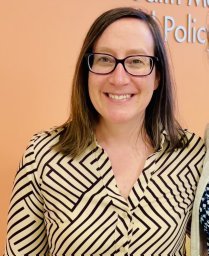 Whitney Zahnd合作论文数Division of Rheumatology, Southern Illinois University School of Medicine3
 Danhua Lin (林丹华)合作论文数Faculty of Psychology, Beijing Normal University3
 Heather M. Brandt合作论文数Arnold School of Public Health, University of South Carolina3Tammeka Evans合作论文数2Berry Campbell合作论文数2Amy R. Messersmith合作论文数2
 Salima Kasymova合作论文数2
 Kamla Sanasi-Bhola合作论文数2Nastacia M Pereira合作论文数2Jodi-Ann McDonald合作论文数2
 Chen Liang合作论文数2
 Sean Gregory Young合作论文数2Alyssa Vecchio合作论文数2
 Bankole Olatosi合作论文数Univ South Carolina, Arnold Sch Publ Hlth, Dept Hlth Serv Policy & Management, Columbia, SC 29208 USA2




