Animal geolocation is the core of movement ecology. In aquatic ecosystems, electronic tagging and tracking technologies, such as passive acoustic telemetry systems and biologging sensors, are widely deployed. However, statistical estimation of individual locations from these datasets can be challenging and computationally expensive. Here, we introduce Wahoo.jl, a Julia package that fits state-space models to animal-tracking data via convolution algorithms. Wahoo.jl supports passive acoustic telemetry (detection/non-detection) and biologging (i.e. depth) datasets; implements grid-based filtering, smoothing and sampling of trajectories; and exploits GPU acceleration. Using simulations, we illustrate how to use Wahoo.jl from Julia and R to reconstruct movements for an example individual tagged with an acoustic transmitter and an archival depth tag. We also provide validation and sensitivity analyses. Wahoo.jl fills a key gap in the animal-tracking toolbox. The package provides an accessible, flexible and performant interface for an inference methodology that reliably handles multimodal inference problems that challenge other approaches. We discuss the approach's pros and cons and provide guidance to readers on when to reach for Wahoo.jl.
Universal access to safe drinking water is called for under Sustainable Development Target 6.1 (SDG 6.1). Yet quantitative evidence on disease reductions associated with achieving SDG 6.1 and the service dimensions that most effectively reduce diarrhoeal diseases remains limited and inconsistent. Here, using multiple indicator cluster survey data from 24 low- and middle-income countries, we show that household use of safely managed drinking water services (SMDWS) reduces diarrhoea risks in children under 5 years old compared with use of services not fulfilling all of the SMDWS criteria. Drinking water availability when needed and absence of faecal contamination at the point of use showed consistent protective associations with child diarrhoea. We observed less evidence of the protective effect of an improved drinking water source, access on premises and absence of faecal contamination at the point of collection. Our findings reaffirm the importance of SMDWS in protecting against child diarrhoea, while highlighting uncertainties in estimates of the magnitude of the disease burden, which could be prevented by achieving SDG 6.1.
Abstract Underwater receiver networks (passive acoustic telemetry systems) are deployed to track animals in aquatic habitats all over the world, but remarkably limited attention has been given over to how we can strengthen the value of these networks through statistical and computational advances. Here, we upscale state-of-the-art methods of Bayesian inference to big animal-tracking datasets from acoustic telemetry, with the largest geolocation analysis in a sparse passive acoustic telemetry system (with non-overlapping receivers) to date. Using four years of data from 93 lake trout ( Salvelinus namaycush ) in North America’s Lake Champlain (657,360 timesteps per individual), we formulate and fit state-space models to reconstruct animal movements through time. Uniquely, we directly embed biological expertise and detailed complementary datasets from fine-scale positioning systems, accelerometry, swim-tunnel experiments and field range tests in our analysis. Using simulated and real-world datasets, we map movement patterns and estimate residency in distinct management zones. We quantify array precision and deliver maps and residency estimates with a median error and precision (standard error) below 1 %. These results strengthen the evidence base for management. This work takes us a step towards robust inference of movement patterns at scale in acoustic telemetry systems across the world. We can, and should, build on prior scientific progress and extend the value of hard-earned data beyond individual studies to refine inferences for ecology and management. Significance statement Acoustic receivers are deployed across the globe to track aquatic animals, but reconstructing detailed movement patterns from detections at receivers remains a considerable challenge. Here, we upscale state-of-the-art methods of Bayesian inference by two orders of magnitude to analyse big, real-world datasets, using an extensive case study of lake trout ( Salvelinus namaycush ) in Lake Champlain. By directly integrating diverse complementary datasets from animal-borne tags, swim-tunnel experiments, field studies and close-kin mark-recapture in our analysis, we resolve detailed movement patterns over a four-year period, with broad implications for ecology and management. This work provides a powerful framework for acoustic telemetry studies that strives to meet the challenges of big, real-world datasets from telemetry networks across the world.
Nitrous oxide (N2O) emissions from water resource recovery facilities (WRRFs) fluctuate over time and can arise from multiple microbial pathways, making source attribution and full-scale prediction difficult. The difficulty is compounded by the high dimensionality of activated sludge microbiomes, whose complex and dynamic community structure can obscure relationships with N2O emission patterns. This study evaluated whether interpretable, low-dimensional representations of activated sludge microbiomes can be correlated with N2O emission states. Temporal 16S rRNA gene amplicon profiles and N2O emission metrics were collected from two full-scale WRRFs in Switzerland. Genus-level relative-abundance profiles were summarized using archetypal analysis (AA), which represents each sample as a convex combination of a small number of interpretable community profiles. In both WRRFs, three archetypes captured most explainable variation in community composition (63
Abstract Passive acoustic telemetry systems are widely deployed to track animals in aquatic environments. However, investments in integrative methods of data analysis have remained comparatively limited, with current workflows typically considering individual movements separately from space use, home ranges and residency. This review presents a unifying perspective that bridges this divide. We argue that the core of animal‐tracking analyses lies in the estimation of individual locations based on probabilistic principles. We formalise a generic state‐space model for individual movements and a set of targets for statistical inference, unifying existing literature in a common framework. We critically assess inference algorithms and connect model‐based inference to downstream ecological analyses of individual centres of activity, occurrence, residency, home ranges, habitat selection and behaviour. We provide guidance to practitioners on model formulation, algorithm choice and software suitability in different contexts and identify key avenues for future research. This review provides a roadmap for integrative data analysis in passive acoustic telemetry systems that should support research into the ecology and conservation of many aquatic species.
Nearly half (46%) the world’s population is now served by non-sewered sanitation. In urban areas of low- and middle-income countries, this translates to onsite storage of wastewater in tanks and pits until it can be collected and transported by road to treatment, which is commonly referred to as fecal sludge management. The microbial communities that develop during storage of this wastewater remain understudied, leaving practitioners and scientists to speculate on best management practices such as downstream treatment and climate mitigation measures. In this study, we collected samples from 135 randomly selected containments across the city of Lusaka, Zambia, and evaluated statistical relations of 16S rRNA gene sequence data to types and volume of wastewater going into containments, disturbances (i.e., emptying events), characteristics of accumulated wastewater during storage, and metrics of downstream treatment processes. At the phyla level, 80% of the identified microorganisms belonged to Firmicutes , Proteobacteria and Bacteroidota . Focusing in at the genera level, microbial diversity and composition were statistically related to volumes of water usage, properties of wastewater in containments (total organic carbon, total kjeldahl nitrogen, ammonium nitrogen, pH), and metrics of stabilization and dewatering performance. In Lusaka, a core community was identified with 104 of the 1,247 identified genera being present in >90% of the containments. In contrast, 936 genera were present in <60% of the containments, indicating that niche or transient organisms may also be important in unravelling metabolic processes such as sulfur reduction, methanogenesis, and ammonia tolerance. Community similarity was independent of time since last emptied, indicating stability of microbial communities over time. Identified metabolic differences between pit latrines (i.e., less water usage) and septic tanks (i.e., more water usage) indicate that methanogens more actively convert organic matter to methane in the more dilute wastewater in septic tanks, which could be globally relevant for greenhouse gas mitigation from non-sewered sanitation.
The movements of aquatic animals affect their exposure to threats and the efficacy of conservation measures, such as Marine Protected Areas (MPAs). However, many species' movements remain poorly understood and difficult to reconstruct from available datasets, hampering conservation efforts. This is especially the case for species that rarely surface, for which data are often limited to observations from acoustic telemetry (detections) and ancillary sensors, such as archival tags. Here, we pioneer the use of state-of-the-art particle algorithms to model animal movement, integrate datasets and assess MPA design, using a case study of the Critically Endangered flapper skate ( Dipturus intermedius ) in Scotland. Our algorithms led to 5-fold improvements in maps of space use and 30-fold improvements in residency estimates (lower mean error) compared to prevailing heuristic methods. By formally integrating tracking datasets, we were uniquely able to examine movements beyond receivers into fished zones, MPA-scale residency and specific habitats beyond protected areas that may warrant protection. This work showcases a probabilistically sound modelling framework that is sufficiently fast, flexible and accessible to meet the demands of modern animal-tracking datasets in acoustic telemetry systems. This represents a marked advance for analyses of animal movements and MPA efficacy worldwide. ### Competing Interest Statement The authors have declared no competing interest.
Bayesian inference with stochastic models is often difficult because their likelihood functions involve high-dimensional integrals. Approximate Bayesian Computation (ABC) avoids evaluating the likelihood function and instead infers model parameters by comparing model simulations with observations using a few carefully chosen summary statistics and a tolerance that can be decreased over time. Here, we present a new variant of simulated-annealing ABC algorithms, drawing intuition from non-equilibrium thermodynamics. We associate each summary statistic with a state variable (energy) quantifying its distance from the observed value, as well as a temperature that controls the extent to which the statistic contributes to the posterior. We derive an optimal annealing schedule on a Riemannian manifold of state variables based on a minimal-entropy-production principle. We validate our approach on standard benchmark tasks from the simulation-based inference literature as well as on challenging real-world inference problems, and show that it is highly competitive with the state of the art.
Pro-environmental decisions, such as rejecting pesticide use in agriculture, may stem from both environmental and health concerns. Identifying which concerns are more decisive for pro-environmental decisions, and whether this varies between people, depending on their value orientations, could offer valuable insights into how to best promote pro-environmental decisions across different audiences. While biospheric values likely underlie environmental concerns, it is unclear which value orientation underlies health concerns. In a preregistered online experiment (N = 823), we explored whether egoistic or personal safety values—a subtype of personal security values developed for this study—underlie health concerns regarding pesticide use in agriculture. Participants reported on their opposition to the use of a fictitious fungicide in potato cultivation, based on information about its risks to human health (relevant for egoistic and personal safety values) and/or the environment (relevant for biospheric values). Stronger biospheric values were consistently associated with stronger opposition to the fungicide’s use, regardless of the risk information. Egoistic values interacted with risk information, but these interactions contradicted our assumption that egoistic values reflect health concerns. Personal safety values showed no interaction with risk information and were not independently associated to opposition to the fungicide’s use. Our findings suggest that neither egoistic nor personal safety values serve as the basis for health concerns driving pro-environmental decisions. This underscores the need to identify an additional value orientation that reflects health concerns and develop measures to assess it.
Environmental hazard endpoints describing persistence, mobility, toxicity, or bioaccumulation of chemicals are often associated with high variability in experimental outcomes. The assessment of persistence in the environment is particularly affected due to a multitude of influencing environmental factors, including the taxonomic composition and physiological state of the microbial community present. Biotransformation experiments may therefore result in half-lives spanning several orders of magnitude for the same substance tested with different environmental samples. Due to experimental limitations, values may further be beyond the limits of reliable half-life quantification (i.e., censored data points), and the number of data points per substance may vary considerably. However, reliable data describing average half-lives and their natural variability are an important foundation for building predictive models for environmental hazard endpoints, which are urgently needed by regulatory authorities to manage existing chemicals and by industry for the design of benign, non-persistent chemicals. Here, we propose the application of Bayesian inference to characterize the uncertainty of reported half-lives and to include censored data points to maximize the information extracted from experimental data. Our model estimates the true mean and standard deviation from a set of reported half-lives experimentally obtained for a single substance. Including censored data increases the available data volume, and reporting uncertainties helps estimating the reliability of the half-life data. We apply the inference model to 893 substances with experimental soil half-lives of varying data quantity and quality, and we estimate the true half-life distribution for each compound. Our approach can be easily adapted and applied to other environmental hazard endpoints to estimate uncertainty and to improve data quality for model development.
Particle filters and smoothers are sequential Monte Carlo algorithms used to fit non‐linear, non‐Gaussian state‐space models. These algorithms are well placed to fit process‐oriented models to animal‐tracking data, especially in receiver arrays, but to date they have received limited attention in the ecological literature. We introduce a Bayesian filtering–smoothing algorithm that reconstructs individual movements and patterns of space use from animal‐tracking data, with a focus on passive acoustic telemetry systems. Within a sound probabilistic framework, the methodology integrates the movement process and the observation processes of disparate datasets, while correctly representing uncertainty. In a simulation‐based analysis, we compare the performance of our algorithm to the prevailing heuristic methods used to study movements and space use in passive acoustic telemetry systems and analyse algorithm sensitivity. We find the particle smoothing methodology outperforms heuristic methods across the board. Particle‐based maps represent simulated movements more accurately, even in dense receiver arrays, and are better suited to analyses of home ranges, residency and habitat preferences. This study sets a new state‐of‐the‐art for movement modelling in receiver arrays. Particle algorithms provide a robust, flexible and intuitive modelling framework with potential applications in many ecological settings.
Neural Ordinary Differential Equations (ODEs) fuse neural networks with a mechanistic equation framework. This hybrid structure offers both traceability of model states and processes, as it is typical for physics-based models, and the ability of machine learning to encode new functional relations. Neural ODE models have demonstrated high potential in hydrologic predictions and scientific investigation of the related process in the hydrologic cycle, i.e. tasks of water quantity estimation (Höge et al., 2022).This explicit representation of state variables is key to water quality modelling. There, we typically have several interrelated state variables like nitrate, nitrite, phosphorous, organic matter,… Traditionally, these states are modelled based on mechanistic kinetic rate expressions that are often only rough approximations of the underlying dynamics. At the same time, this domain of water research suffers from data scarcity and therefore solely data-driven methods struggle to provide accurate predictions reliably. We show how to improve predictions of state dynamics and to foster knowledge gain about the processes in such interrelated systems with multiple states using Neural ODEs. Höge, M., Scheidegger, A., Baity-Jesi, M., Albert, C., & Fenicia, F.: Improving hydrologic models for predictions and process understanding using Neural ODEs. Hydrol. Earth Syst. Sci., 26, 5085-5102, https://hess.copernicus.org/articles/26/5085/2022/
Animal movements affect their exposure to threats and the efficacy of conservation measures, such as marine protected areas (MPAs). However, many species' movements are difficult to reconstruct from available datasets, hampering conservation efforts. This is especially the case for aquatic species that rarely surface, for which data are often limited to observations from acoustic telemetry (detections) and ancillary sensors. Here, we pioneer the use of state-of-the-art particle algorithms to model movements, integrate datasets, and assess MPA design, leveraging a case study of a Critically Endangered elasmobranch. Our algorithms led to 5-fold improvements in space-use maps and 30-fold improvements in residency estimates compared to prevailing methods. By integrating tracking datasets, we were uniquely able to examine movements beyond acoustic receivers, MPA-scale residency, and specific habitats beyond protected areas that warrant protection. This work reveals a modeling framework that enhances the conservation value of acoustic telemetry, supporting analyses of MPA efficacy worldwide.
State‐space models are a powerful modelling framework in movement ecology that represents individual movements and the processes connecting movements to observations. However, fitting state‐space models to animal‐tracking data can be difficult and computationally expensive. Here, we introduce patter , a package that provides particle filtering and smoothing algorithms that fit Bayesian state‐space models to tracking data, with a focus on data from aquatic animals in receiver arrays. patter is written in R , with a performant Julia backend. Package functionality supports data simulation, preparation, filtering, smoothing and mapping. In two examples, we demonstrate how to implement patter to reconstruct the movements of a tagged animal in an acoustic telemetry system from acoustic detections and ancillary observations. With perfect information, the particle filter reconstructs the true (unobserved) movement path (Example One). More generally, particle algorithms represent an individual's possible location probabilistically as a weighted series of samples (‘particles’). In our illustration, we resolve an individual's (unobserved) location every 2 min during 1 month and use particles to visualise movements, map space use and quantify residency (Example Two). patter facilitates robust, flexible and efficient analyses of animal‐tracking data. The methods are widely applicable and enable refined analyses of space use, home ranges and residency.
Black soldier fly (Hermetia illucens L.) larvae (BSFL) are promising recycling agents of food waste nutrients. However, BSFL ingest micro- and nanoplastics (MNPs) present in food waste, consequently introducing them into the food chain when BSFL-derived products are used as feeds or fertilizers. Our short-term exposure study (180 min ingestion, 1080 min egestion) deepens the understanding of particle transport during bioconversion by BSFL by determining how the size of nanoplastics (NPs, 220 nm) and microplastics (MPs, 10-20 and 53-63 µm) and food waste moisture content (65 % vs. 75 %) affect particle uptake, progression, and egestion across the different morphofunctional digestive tract regions of BSFL. Results demonstrate distinct differences in gut retention time among MNPs. NPs were taken up and transported more rapidly than larger MPs. Indigestible MPs (10-20 µm) exhibited different residence times than soluble blue dye, suggesting distinct particle residence times or discrimination between food and plastics within the BSFL digestive tract. In the short-term experiment, particle egestion was slower than ingestion. Higher moisture content increased the retention time of food waste, suggesting the need for further investigation into whether this can be used to manipulate the clearance of MNPs. The study findings contribute to safer bioconversion processes during circular food waste management.
Hydrological modelling of ungauged catchments, which lack observed streamflow data, is an important practical goal in hydrology. A major challenge is to identify a model structure that reflects the hydrological processes relevant to the catchment of interest. Paraphrasing a well-known adage, “all models are wrong, but some model-mechanisms (process representations) might be useful.”We extend a method previously introduced for mechanism identification in gauged basins, by formulating the Bayesian inference equations in the space of (regionalized) flow indices principal components and by accounting for posterior parameter uncertainty. We use a flexible hydrological model to generate candidate mechanisms and model structures. Then, we use statistical hypothesis testing to identify the "dominant" (more a posteriori probable) hydrological mechanism. We assume that the error in the regionalization of flow indices principal components dominates the error of the hydrological model structure.The method is illustrated in 92 catchments from northern Spain. We treat 16 out of the 92 catchments as ungauged. We use 624 model-structures from FUSE (flexible hydrological model framework). The case study includes real data and synthetic experiments.The findings show that routing is among the most identifiable processes, whereas percolation and unsaturated zone processes are the least identifiable. The probability of making an identification (correct or wrong), remains stable at ~25%, both in the real and in the synthetic experiments. In the synthetic experiments, where the “true” mechanism is known, we can evaluate the reliability, i.e., the probability of identifying the true mechanism when the method makes an identification. Reliability varies between 60%-95% depending on the magnitude of the combined regionalization and hydrological error. The study contributes perspectives on hydrological mechanism identification under data-scarce conditions.Prieto et al. (2022) An Exploration of Bayesian Identification of Dominant Hydrological Mechanisms in Ungauged Catchments, WRR, 58(3), doi:10.1029/2021WR030705.
1. Particle filters and smoothers are powerful sequential Monte Carlo algorithms used to fit non-linear, non-Gaussian state-space models. These algorithms are well placed to fit process-orientated models to animal-tracking data, especially in autonomous receiver networks, but to date they have received limited attention in the ecological literature. 2. Here, we introduce a Bayesian filtering–smoothing algorithm that reconstructs individual movements and patterns of space use from animal-tracking data, with a focus on passive acoustic telemetry systems. Within a sound probabilistic framework, the methodology uniquely integrates the movement process and the observation processes of disparate datasets, while correctly representing uncertainty. In a comprehensive simulation-based analysis, we compare the performance of our algorithm to the prevailing, heuristic methods used in passive acoustic telemetry systems and analyse algorithm sensitivity. 3. We find the particle smoothing methodology outperforms heuristic methods across the board. Particle-based maps consistently represent simulated movements more accurately, even in dense receiver networks, and are better suited to analyses of home ranges, residency and habitat preferences. 4. This study sets a new state-of-the-art for movement modelling in autonomous receiver networks. Particle algorithms provide a flexible and intuitive modelling framework with potential applications in many ecological settings. ### Competing Interest Statement The authors have declared no competing interest.
Diarrhoeal disease remains a leading cause of mortality in children under five in low- and middle-income countries (LMICs) (1). Universal access to safe drinking water, as called for under Sustainable Development Goal 6, is often motivated by perceived health benefits with a historical focus on achieving diarrhoeal disease reductions (2). Here, we show through structural causal modelling that household use of safely managed drinking water services (SMDWS) significantly reduces risks of diarrhoea in children under five compared to the use of drinking water services not fulfilling all of the SMDWS criteria (Relative risk (RR)= 0.90, 95% CI= 0.83-0.98) and services classified as less than basic (RR=0.87, 95% CI=0.78-0.97) across 24 LMICs. Secondary analyses point towards contributions of drinking water availability and fecal contamination at the point of use to risks of child diarrhoea. Specifically, risk reductions of between 4-6% were observed with every 1-log10 decrease in E. coli contamination in stored drinking water. Our findings reaffirm the importance of SMDWS in protecting against diarrhoeal disease, while suggesting that achieving universal access will provide only modest additional reductions in child diarrhoea in LMICs. Further reductions will require
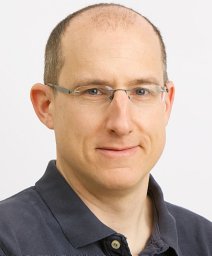 Jorg Rieckermann合作论文数Swiss Federal Institute of Aquatic Science and Technology;Swiss Federal Institute of Technology;Swiss Federal Institute of Aquatic Science and Technology, Swiss Federal Institute of Technology19
 Carlo Albert合作论文数17
 Max Maurer合作论文数Department of Civil, Environmental and Geomatic Engineering, Eidgenössische Technische Hochschule Zürich14
 Christoph Ort合作论文数Advanced Water Management Centre, University of Queensland12
 Peter Reichert合作论文数Department of Systems Analysis, Integrated Assessement and Modelling, Swiss Federal Institute for Environmental Science and Technology9
 Eberhard Morgenroth合作论文数Department of Civil, Environmental and Geomatic Engineering, Eidgenössische Technische Hochschule Zürich7
 Andrea L. Popp合作论文数Dept Geosci, Univ Oslo6
 Joao P. Leitao合作论文数Department of Civil Engineering and Architecture, Technical University of Lisbon6
 Frank Blumensaat合作论文数6
 James Thorburn合作论文数Scottish Oceans Inst, Univ St Andrews5
 Lisa Scholten合作论文数Faculty of Technology, Policy and Management, Delft University of Technology5
 Sophie Smout合作论文数Sea Mammal Research Unit, University of St. Andrews5F. Fenicia合作论文数Public Research Center5Mark Honti合作论文数Department of Sanitary and Environmental Engineering, Budapest University of Technology and Economics5Rolf Kipfer合作论文数5
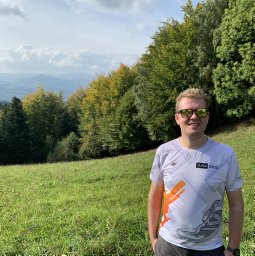 Stanisław W. Biber合作论文数Math Inst, Univ Oxford4
 Moritz Gold合作论文数Sustainable Food Proc Lab, Inst Food Nutr & Hlth4
 Alexander Mathys合作论文数Department of Health Sciences and Technology, Eidgenössische Technische Hochschule Zürich4
 Timothy Ryan Julian合作论文数Department of Civil and Environmental Engineering, Stanford University4
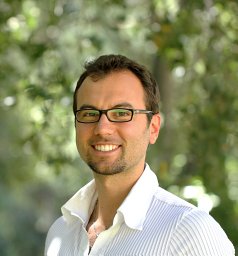 Dario Del Giudice合作论文数ETH Zurich, Swiss Federal Institute of Technology4
 Kathrin Fenner合作论文数Department of Chemistry, University of Zurich;Department of Environmental Chemistry, Eawag4Morgan Peel合作论文数3
 Álvaro Pardo Álvarez合作论文数Ctr Hydrogeol Geothermie, Univ Neuchatel3
 Stephanie Musy合作论文数University of Bern3
 Edward Lavender合作论文数Ctr Res Ecol & Environm Modelling, Univ St Andrews3
 Cristina Prieto合作论文数IHCantabriaInst Hidraul Ambiental, Univ Cantabria3
 Omar Wani合作论文数Environmental Systems Dynamics Laboratory, University of California Berkeley3Nataliya Le Vine合作论文数Swiss Re America3
 Linda Strande合作论文数3
 Oliver S. Schilling合作论文数3
 Claudia Vitolo合作论文数3
 De Smet Jeroen合作论文数Division of Gene Technology, KU Leuven3
 Peter A. Vanrolleghem合作论文数Faculty of Science and Engineering, Universite Laval3
 Janine B. Illian合作论文数Department of Mathematical Sciences;University of Abertay;Department of Mathematical Sciences, University of Abertay3
 Dmitri Kavetski合作论文数Environmental Engineering, University of Newcastle3
 Dorothee Spuhler合作论文数Institute of Chemical Sciences and Engineering (ISIC),, EPF Lausanne3
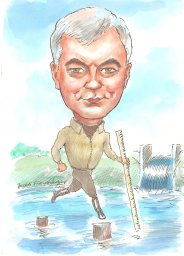 Kazimierz Banasik合作论文数Dept. of Hydraulic Structures, Warsaw Agricultural University3
 Philip Brunner合作论文数Institute for Hydromechanics and Water Resources Management3A. E. Sikorska合作论文数2David R. Johnson合作论文数2Simon Mangold合作论文数2Marvin Hoge合作论文数2
 Pravin Ganesanandamoorthy合作论文数2
 Simon Dicht合作论文数2
 Tobias K.D. Weber合作论文数2
 Christelle Planche合作论文数2
 Michelle Viswanathan合作论文数2
 Nienke Andriessen合作论文数2
 Bruno Hadengue合作论文数Inst Environm Engn, Swiss Fed Inst Technol2




