BACKGROUND:While the immediate goal of cardiopulmonary resuscitation is to achieve return of spontaneous circulation, the patient-centered goal is to minimize neurological injury. Several medications used during cardiac arrest have been associated with poor neurological outcomes. For patients cannulated for veno-arterial extracorporeal membrane oxygenation during cardiac arrest, termed extracorporeal cardiopulmonary resuscitation, the patient-centered impact of these medications has not yet been described. METHODS:We conducted a retrospective Extracorporeal Life Support Organization registry-based analysis. The primary outcome was cerebral performance category (CPC) score at hospital discharge. Cumulative odds models assessed the association between either (1) binary receipt of a medication or (2) the number of epinephrine milligrams given, and CPC score. The model reports the probability of having a score lower than each CPC level. To minimize bias in the receipt of advanced cardiovascular life support drugs, we used inverse probability treatment weights. RESULTS:Antiarrhythmics were associated with better neurological outcomes (amiodarone: CPC ≤ 1 [odds ratio [OR], 1.28 [95% CI, 1.00-1.65]; P=0.048] and CPC ≤ 2 [OR, 1.38 [95% CI, 1.06-1.78]; P=0.015]; lidocaine: CPC ≤ 1 [OR, 1.69 [95% CI, 1.32-2.17]; P<0.001], CPC ≤ 2 [OR, 1.82 [95% CI, 1.39-2.38]; P<0.001], CPC ≤ 3 [OR, 1.76 [95% CI, 1.30-2.40]; P<0.001]). Intraarrest sodium bicarbonate administration resulted in a lower likelihood of a CPC < 2 to 3 (CPC ≤ 2 [OR, 0.63 [95% CI, 0.49-0.81]; P<0.001], CPC ≤ 3 [OR, 0.65 [95% CI, 0.49-0.86]; P=0.003]). There was no significant difference in CPC score among adults who received intraarrest calcium. The unweighted cumulative effects model demonstrated a dose-dependent increasing relationship between epinephrine doses and harm for all CPC levels (OR, 0.89-0.94; P<0.001 for all). CONCLUSIONS:Our data support that increasing doses of epinephrine and nonantiarrhythmic advanced cardiovascular life support medications both worsen the probability of neurologically intact survival for patients who undergo extracorporeal cardiopulmonary resuscitation.
OBJECTIVES:Evaluate prediction models designed or used to identify patients with sepsis in the prehospital setting. DESIGN:Nested case-control study. SETTING:Four emergency departments (EDs) in Utah. PATIENTS:Adult nontrauma patient with available prehospital care records who received ED treatment during 2018 after arrival via ambulance. INTERVENTIONS:None. MEASUREMENTS AND MAIN RESULTS:Of 16,620 patients arriving to a study ED via ambulance, 1,037 (6.2%) met Sepsis-3 criteria in the ED. Complete prehospital care data was available for 434 case patients with sepsis and 434 control patients without sepsis. Model discrimination for the outcome of meeting Sepsis-3 criteria in the ED was quantified using the area under the precision-recall curve (AUPRC), which yields a value equal to outcome prevalence for a noninformative model. Of 21 evaluated prediction models, only the Prehospital Early Sepsis Detection (PRESEP) model (AUPRC, 0.33 [95% CI, 0.27-0.41) outperformed unaided infection assessment by emergency medical services (EMS) personnel (AUPRC, 0.17 [95% CI, 0.13-0.23]) for prehospital prediction of patients who would meet Sepsis-3 criteria in the ED ( p < 0.001). PRESEP also outperformed the quick Sequential Organ Failure Assessment score (AUPRC, 0.13 [95% CI, 0.11-0.16]; p < 0.001). Among 28 evaluated dichotomous predictors of ED sepsis, sensitivity ranged from 6% to 91% and positive predictive value 8-100%. PRESEP exhibited modest sensitivity (60%) and positive predictive value (20%). CONCLUSIONS:PRESEP was the only evaluated prediction model that demonstrated better discrimination than unaided EMS infection assessment for the identification of ambulance-transported adult patients who met Sepsis-3 criteria in the ED.
The increased accessibility of extracorporeal membrane oxygenation following the COVID‐19 pandemic and the publication of the first randomized trial of extracorporeal cardiopulmonary resuscitation (ECPR) prompted the National Heart, Lung, and Blood Institute to sponsor a workshop on ECPR. Two more randomized trials have since been published in 2022 and 2023. Based on the combined findings and review of the evidence, an international panel of authors identified gaps in science, inequities in care and diversity in outcomes, and suggested research opportunities and next steps. The science pertaining to ECPR would benefit from the United States contributing uniform data to existing registries and sharing common data with the ELSO (Extracorporeal Life Support Organization) international registry to increase the sample size for observational research. In addition, well‐designed efficacy trials, recruiting across different regions of care evaluating long‐term follow‐up, including patient reported outcomes, cost effectiveness, and equity measures, would contribute significantly to the body of science. Workshop participants defined the population of patients with out‐of‐hospital cardiac arrest most likely to benefit from ECPR. ECPR‐eligible patients include those aged 18 to 75 years functioning independently without comorbidity; before suffering a witnessed out‐of‐hospital cardiac arrest and without any obvious cause of the cardiac arrest; presenting in a shockable rhythm and transported with mechanical cardiopulmonary resuscitation to an ECPR‐capable institute within 30 minutes, which is recommended after 3 rounds of advanced life support treatment without return of spontaneous circulation. There are significant inequities in out‐of‐hospital cardiac arrest care that need to be addressed such that outcomes are optimized for each target region before implementing ECPR in a clinical or implementation trial.
Background:Bystander cardiopulmonary resuscitation improves outcomes for out-of-hospital cardiac arrest. While registries typically rely on patient care reports for bystander CPR documentation, the accuracy of reporting is unknown. This study aimed to determine the agreement in bystander CPR reporting between patient care reports and audio review of public safety answering point emergency calls. Methods:In this retrospective study, we analyzed paired patient care reports and dispatch audio files for bystander CPR documentation. Cases dispatched by a secondary public safety answering point, emergency medical services-witnessed arrests, or those with missing data were excluded. We compared documented rates of bystander CPR from each source, calculated inter-rater agreement, and identified factors associated with reporting. Results:The concurrence in reporting was 72.2 %, with a moderate inter-rater agreement between the two methods (κ = 0.402, 95 % CI 0.341-0.463). Audio review documented higher bystander CPR than patient care reports (74.8 % vs. 57.0 %). An initial shockable rhythm (adjusted odds ratio (aOR) 1.68, 95 % CI 1.18-2.40 in patient care reports; aOR 1.57, 95 % CI 1.04-2.36 in audio files) and advanced life support unit first on scene (aOR 1.55, 95 % CI 1.15-2.07 in patient care reports; aOR 1.51, 95 % CI 1.08-2.11 in audio files) were associated with higher documentation. Conclusion:We found moderate agreement in bystander CPR documentation between audio files and patient care reports, with a higher incidence of bystander CPR recorded in dispatch audio. These findings suggest inconsistencies in bystander CPR documentation across the emergency response system, highlighting the need for standardized reporting to ensure accurate data collection.
OBJECTIVES:Pulmonary vasodilators have shown promise in reducing pulmonary vascular resistance during CPR. Most are not currently available outside of an intensive care unit (ICU) setting. Nitroglycerin is widely used by emergency medical services to treat chest pain. If beneficial, the inhalation route of nitroglycerin administration could be implemented by basic life support personnel at the scene of a cardiac arrest. The aim of this investigation was to assess the hemodynamic effects of nebulized nitroglycerin (NIN) in a swine model of ventricular fibrillation (VF)-induced cardiac arrest. METHODS:Seventeen Mixed breed Yorkshire swine (54 + 5 kg) were anesthetized. Ventricular fibrillation was then induced by connecting a 9-volt battery to a pacing catheter in the right ventricle. After 7 min of untreated VF, mechanical chest compressions were initiated. Three minutes later, mechanical ventilation was resumed at pre-arrest settings with 100% FiO2. Two minutes later, 5 mL of normal saline (NIS controls, n = 9) or with 10 mg of nitroglycerin (NIN treatment, n = 8) were randomly nebulized through a nebulizer in line with the respiratory circuit. After 4 min of nebulization, an intravenous dose of epinephrine (0.015 mg/kg) was administered, followed 2 min later by defibrillation. Standard advanced cardiac life support resuscitation was continued along with NIN or NIS until full delivery, and continued until return of spontaneous circulation or 40 min had elapsed since arrest. Data were analyzed using mixed effects models. RESULTS:Prearrest arterial and right atrial pressures, chemistries and arterial blood gas values were similar between groups. There were no differences in systolic, diastolic, or coronary perfusion pressures. There was a statistically significant increase in carotid blood flow (CBF) following NIN. Before administering epinephrine, CBF in NIN-treated animals were approximately double those of NIS controls: 92.2 (95%CI 70.69-113.74) versus 41.96 (95% CI 22.28-61.63) mL/min, respectively, a mean difference of 50.26 mL/min (95% CI 24.91-75.61, p < 0.0001). CONCLUSIONS:Early nebulized nitroglycerin treatment resulted in superior CBF without decreasing systemic arterial pressures or coronary perfusion pressures in this model of cardiac arrest.
Introduction:Neuroprotective interventions after cardiac arrest are essential but largely lack evidence of efficacy. Early therapeutic hypothermia (TH) is the only intervention that has shown promise in humans. However, despite a consistent signal for efficacy in animal models, conflicting clinical data hamper clinical acceptance. Two potential causes for the lack of translation from animal studies to humans are the time to achieve target temperature in humans and the inability to cool to deep hypothermic states due to the inherent detrimental cardiac effects accompanying deep hypothermia. Given the observed inconsistent impact of TH on human patients with cardiac arrest despite animal data, we developed a perfusion-controlled, translational swine model to quantify the effects of rapid deep TH on HIBI, quantifying severity using magnetic resonance imaging (MRI) with diffusion-weighted imaging (DWI) at a controlled time threshold. Methods:Ten swine underwent cardiac arrest with 20 min of "no-flow" state, followed by resuscitation and controlled reperfusion using extracorporeal membrane oxygenation (ECMO). Animals were randomized to either control (normal temperature reperfusion) or rapid hypothermic reperfusion (RHR) (29 °C through ECMO-facilitated cooling). All swine underwent brain MRI with Diffusion Weighted Imaging (DWI) before cardiac arrest and then 2 h after ECMO reperfusion. Whole-brain gray and white matter apparent diffusion coefficient (ADC) values were compared pre- and post-ECMO cannulation and arrest in all animals. Results:At 45 min post-reperfusion, the mean temperature for RHR animals was 30.4 °C (95 % CI 29.6-31.1 °C), while for control animals it was 35.7 °C (95 % CI 34.9-36.5 °C, p < 0.0001). Whole brain ADC in RHR swine increased by a mean of 1.36 ± 4.09 %, while in control swine it decreased by a mean of 4.36 ± 4.50 % (Median difference of -5.91, 95 %CI -12.13 to -0.15; P value = 0.047). Discussion:Swine with induced cardiac arrest who underwent rapid ECMO-mediated cooling post-arrest had less cerebral hypoxic cellular injury, as quantified by changes on MRI DWI, than controls. These findings support the protective effect on neurologic injury of a rapid and brief period of induced deep hypothermia after cardiac arrest. Compared to prior translational models, our use of ECMO has the advantage of an ability to control important factors such as no-flow ischemic time and variability in post-arrest cardiac output as well as to mitigate complications of cardiac dysrhythmias that tend to arise from deep hypothermia. This portends a greater promise for translational success of ECMO-facilitated rapid cooling and potentially other ECMO-mediated models of cardiac arrest than experienced by previous attempts.
ObjectivesTransport destination decisions by prehospital personnel depend on a combination of protocols, judgment, patient acuity, and patient preference. Non-protocolized transport outside the service area may result in unnecessary time out of service and inappropriate resource utilization. Scant research exists regarding clinician rationale for destination decisions.MethodsWe retrospectively reviewed one year of scene transports by a single rural, hospital-based emergency medical services (EMS) system. We collected dispatch, patient demographic, primary impression, and transport data from prehospital records and matched them to emergency department (ED) data. We characterized rationale for transport decisions and compared rates of hospital admission and specialist consultation in the ED as surrogates for decision appropriateness.ResultsWe reviewed 2,223 patient transports, 281 of which were transported out of the service area. The most common reasons for out-of-area transport were patient preference NOT related to prior medical care (40%) and clinician judgment (24%). Admit rates were highest for per protocol (85%) and patient preference related to prior medical care (67%) groups and lowest for no explanation (41%) and clinician judgment (47%) groups. Rates of in person specialist consultation in the ED were highest in per protocol (69%) and clinician judgment (47%) groups and lowest in no explanation (23%) and patient preference NOT related to prior medical care (30%) groups. Clinician judgment was less predictive of admission and specialist consultation for non-trauma and pediatric patients than for all patients. Median time out of service was more than twice as long for out-of-area transports (140 min) compared to patients transported to the nearest facility (62 min). For out-of-area transports discharged from the ED without specialty consultation (n = 104), ambulances traveled an additional 52 miles/patient compared to theoretical transport to nearest facility.ConclusionsUnit out of service time more than doubled for non-protocolized transports outside of the service area and rationale for destination decisions variably predicted admission and specialist consultation rates. Patient preference NOT related to prior medical care and, in pediatric and non-trauma populations, clinician judgment, were less predictive of admission and specialist consultation. Transport guidelines should balance rationale for transport destination and patient characteristics with resource preservation, especially in low-resource systems.
Background:Cardiac arrest is a common and devastating emergency of both the heart and brain. More than 380,000 patients suffer out-of-hospital cardiac arrest annually in the United States. Induced cooling of comatose patients markedly improved neurological and functional outcomes in pivotal randomized clinical trials, but the optimal duration of therapeutic hypothermia has not yet been established. Methods:This study is a multi-center randomized, response-adaptive, duration (dose) finding, comparative effectiveness clinical trial with blinded outcome assessment. We investigate two populations of adult comatose survivors of cardiac arrest to ascertain the shortest duration of cooling that provides the maximum treatment effect. The design is based on a statistical model of response as defined by the primary endpoint, a weighted 90-day mRS (modified Rankin Scale, a measure of neurologic disability), across the treatment arms. Subjects will initially be equally randomized between 12, 24, and 48 hours of therapeutic cooling. After the first 200 subjects have been randomized, additional treatment arms between 12 and 48 hours will be opened and patients will be allocated, within each initial cardiac rhythm type (shockable or non-shockable), by response adaptive randomization. As the trial continues, shorter and longer duration arms may be opened. A maximum sample size of 1800 subjects is proposed. Secondary objectives are to characterize: the overall safety and adverse events associated with duration of cooling, the effect on neuropsychological outcomes, and the effect on patient reported quality of life measures. Discussion:In-vitro and in-vivo studies have shown the neuroprotective effects of therapeutic hypothermia for cardiac arrest. We hypothesize that longer durations of cooling may improve either the proportion of patients that attain a good neurological recovery or may result in better recovery among the proportion already categorized as having a good outcome. If the treatment effect of cooling is increasing across duration, for at least some set of durations, then this provides evidence of the efficacy of cooling itself versus normothermia, even in the absence of a normothermia control arm, confirming previous RCTs for OHCA survivors of shockable rhythms and provides the first prospective controlled evidence of efficacy in those without initial shockable rhythms. Trial registration:ClinicalTrials.gov (NCT04217551, 2019-12-30).
OBJECTIVE:This study sought to externally validate and compare proposed methods for stratifying sepsis risk at emergency department (ED) triage. METHODS:This nested case/control study enrolled ED patients from four hospitals in Utah and evaluated the performance of previously-published sepsis risk scores amenable to use at ED triage based on their area under the precision-recall curve (AUPRC, which balances positive predictive value and sensitivity) and area under the receiver operator characteristic curve (AUROC, which balances sensitivity and specificity). Score performance for predicting whether patients met Sepsis-3 criteria in the ED was compared to patients' assigned ED triage score (Canadian Triage Acuity Score [CTAS]) with adjustment for multiple comparisons. RESULTS:Among 2000 case/control patients, 981 met Sepsis-3 criteria on final adjudication. The best performing sepsis risk scores were the Predict Sepsis version #3 (AUPRC 0.183, 95 % CI 0.148-0.256; AUROC 0.859, 95 % CI 0.843-0.875) and Borelli scores (AUPRC 0.127, 95 % CI 0.107-0.160, AUROC 0.845, 95 % CI 0.829-0.862), which significantly outperformed CTAS (AUPRC 0.038, 95 % CI 0.035-0.042, AUROC 0.650, 95 % CI 0.628-0.671, p < 0.001 for all AUPRC and AUROC comparisons). The Predict Sepsis and Borelli scores exhibited sensitivity of 0.670 and 0.678 and specificity of 0.902 and 0.834, respectively, at their recommended cutoff values and outperformed Systemic Inflammatory Response Syndrome (SIRS) criteria (AUPRC 0.083, 95 % CI 0.070-0.102, p = 0.052 and p = 0.078, respectively; AUROC 0.775, 95 % CI 0.756-0.795, p < 0.001 for both scores). CONCLUSIONS:The Predict Sepsis and Borelli scores exhibited improved performance including increased specificity and positive predictive values for sepsis identification at ED triage compared to CTAS and SIRS criteria.
Johnson, Russell; Silverton, Natalie; Lofgren, Lars; Hunt-Smith, Taryn; Palatinus, Helen; Johnson, Austin; Youngquist, Scott; Kuck, Kai; Hoareau, Guillaume Author Information
Aims: Previous research has reported racial disparities in out-of-hospital cardiac arrest (OHCA) interventions, including bystander CPR and AED use. However, studies on other prehospital interventions are limited. The primary objective of this study was to investigate race/ethnic disparities in out-of-hospital cardiac arrest (OHCA) interventions: EMS response times, medication administration, and decisions for intra-arrest transport. The secondary objective was to evaluate differences in the provision of Bystander CPR (CPR) and application of AED. Methods: We retrospectively analyzed data from the Salt Lake City Fire Department (2010-2023). We included adults 18 years or older with EMStreated OHCA. Race/ethnicity was categorized as White people, Asian people, Black people, Hispanic people, and others. We employed multivariable regression analysis to evaluate the association between race/ethnicity and the outcomes of interest. Results: Unadjusted analyses revealed no significant differences across ethnic groups in EMS response, medication administration, bystander CPR, or intra-arrest transport decisions. However, significant ethnic disparities were observed in Automated External Defibrillator (AED) utilization, Black people having the lowest rate (6.5%) and Asian people the highest (21.8%). The adjusted analysis found no significant association between race/ethnicity and all OHCA intervention measures, nor between race/ethnicity and survival outcomes. Conclusions: Our multivariable analysis found no statistically significant association between race/ethnicity and EMS response time, epinephrine administration, antiarrhythmic medication use, bystander CPR, AED intervention, or intra-arrest transport. These results imply regional variations in ethnic disparities in OHCA may not be consistent across all areas, warranting further research into disparities in other regions and additional influential factors like neighborhood conditions and socioeconomic status.
ObjectivesThis study assesses the feasibility, inter-rater reliability, and accuracy of using OpenAI's ChatGPT-4 and Google's Gemini Ultra large language models (LLMs), for Emergency Medical Services (EMS) quality assurance. The implementation of these LLMs for EMS quality assurance has the potential to significantly reduce the workload on medical directors and quality assurance staff by automating aspects of the processing and review of patient care reports. This offers the potential for more efficient and accurate identification of areas requiring improvement, thereby potentially enhancing patient care outcomes.MethodsTwo expert human reviewers, ChatGPT GPT-4, and Gemini Ultra assessed and rated 150 consecutively sampled and anonymized prehospital records from 2 large urban EMS agencies for adherence to 2020 National Association of State EMS metrics for cardiac care. We evaluated the accuracy of scoring, inter-rater reliability, and review efficiency. The inter-rater reliability for the dichotomous outcome of each EMS metric was measured using the kappa statistic.ResultsHuman reviewers showed high interrater reliability, with 91.2% agreement and a kappa coefficient 0.782 (0.654-0.910). ChatGPT-4 achieved substantial agreement with human reviewers in EKG documentation and aspirin administration (76.2% agreement, kappa coefficient 0.401 (0.334-0.468), but performance varied across other metrics. Gemini Ultra's evaluation was discontinued due to poor performance. No significant differences were observed in median review times: 01:28 min (IQR 1:12 - 1:51 min) per human chart review, 01:24 min (IQR 01:09 - 01:53 min) per ChatGPT-4 chart review (p = 0.46), and 01:50 min (IQR 01:10-03:34 min) per Gemini Ultra review (p = 0.06).ConclusionsLarge language models demonstrate potential in supporting quality assurance by effectively and objectively extracting data elements. However, their accuracy in interpreting non-standardized and time-sensitive details remains inferior to human evaluators. Our findings suggest that current LLMs may best offer supplemental support to the human review processes, but their current value remains limited. Enhancements in LLM training and integration are recommended for improved and more reliable performance in the quality assurance processes.
AbstractObjectivesPrior research indicates sex disparities in the incidence and outcomes of out‐of‐hospital cardiac arrest (OHCA). This study investigates the presence of such differences in Salt Lake City, Utah.MethodsWe analyzed data from the Salt Lake City Fire Department (2008‒2023). We included adults with non‐traumatic OHCA. We calculated the annual incidence of OHCA and examined sex‐specific survival outcomes using multivariable logistic regression, adjusting for OHCA characteristics known to be associated with survival.ResultsThe annual incidence of OHCA was 76 per 100,000 person‐years. Among the 894 OHCA cases included in the analysis, 67.5% were males, 37.3% achieved return of spontaneous circulation (ROSC), and 13.6% survived hospital discharge. Unadjusted analysis revealed that males had significantly higher OHCA in public locations (43.9% vs. 28.6%), witnessed arrests (54.5% vs. 47.8%), and shockable rhythms (33.3% vs. 22.9%). Males also showed higher rates of ROSC (37.5% vs. 36.9%), hospital discharge survival (14.5% vs. 11.7%), and neurologically intact survival. After adjusting for the OHCA characteristics, there was no significant differences between males and females in ROSC, survival to hospital discharge, and favorable neurological function with adjusted odds ratios (male vs. female) of 0.92 (95% confidence interval [CI] 0.73‒1.16), 0.85 (95% CI 0.59‒1.22), and 0.92 (95% CI 0.62‒1.40), respectively.ConclusionApproximately, 128 adults suffer OHCA in Salt Lake City annually. Males initially showed higher crude survival rates, but after adjusting for OHCA characteristics, no significant sex differences in survival outcomes were found. Enhancing OHCA characteristics could benefit both sexes. Investigations into the relationship between sex‐ and region‐specific factors influencing OHCA outcomes are needed.
Aim: Cardiac arrest afflicts over 600,000 people annually in the United States. Rates of survival from cardiac arrest have remained stagnant for decades. Resuscitative Endovascular Balloon Occlusion of the Aorta (REBOA) is most commonly used in the management of severe hemorrhagic shock, primarily for non-compressible thoracoabdominal trauma. A growing body of evidence suggests it may serve a role in augmenting cardiac and cerebral perfusion in non-traumatic, refractory cardiac arrest. Typically, REBOA is deployed by interventional radiologists under real-time fluoroscopy. Limited data exist to demonstrate the feasibility or logistics of successful REBOA deployment in emergency departments by emergency medicine physicians. Methods: We describe an emergency medicine-driven training program and treatment protocol developed to deploy REBOA in the emergency department for patients experiencing refractory out-of-hospital cardiac arrest and deemed ineligible for ECPR. We detail the training, certification processes, and clinical outcomes from our first eight cases. Results: Five emergency medicine physicians underwent training for REBOA placement through a didactic curriculum and hands-on training with mannequin and live tissue porcine models. Since protocol implementation, eight patients have undergone REBOA catheterization by emergency medicine physicians: 5 males and 3 females, age range 25-79. The first pass success was 8/8 (100 %), and all 3 commercially available catheters in the United States were successfully used. ROSC was achieved in 3/8 (37.5 %) patients, although no patients survived to hospital discharge. No REBOA catheter-associated complications were identified. Conclusions: This series demonstrates feasibility of emergency physician placed REBOA for non-traumatic, refractory cardiac arrest a novel resuscitative technique. Through a combination of focused education, innovative technology use, robust large animal model-based training, and strategic procedural integration, we showcase the potential for emergency departments to spearhead the adoption of this potentially life-saving intervention.
Introduction/Background: Pulmonary vasodilators reduce pulmonary vascular resistance and may improve blood flow during CPR. However, most are not available outside of an ICU setting. Nitroglycerin is an inexpensive pulmonary vasodilator that EMS widely uses to treat chest pain. Research Questions/Hypothesis: We hypothesized that nebulized, inhaled nitroglycerin (NIN) would improve carotid blood flow (CBF) without reducing coronary perfusion (CPP) or arterial pressures. Goals/Aims: The principal aim of this investigation was to assess the hemodynamic effects of NIN administered during CPR in a swine model of cardiac arrest. Methods/Approach: N=17 Mixed breed Yorkshire swine (54 + 5 kg) were sedated, intubated, and placed under isoflurane general anesthesia. Following instrumentation with arterial and right atrial pressure catheters as well as a carotid flow probe, the fraction of inspired oxygen (FiO 2 ) was titrated to achieve a PaO 2 of 80-100 mmHg. Ventricular fibrillation (VF) was then induced with a pacing catheter, and the ventilator turned off. After 7 minutes of untreated VF, mechanical chest compressions with a LUCAS device were initiated. Three minutes later, mechanical ventilation was resumed at prearrest settings with 100% FiO 2 . Two minutes later, 5 mL of either nebulized normal saline (NNS controls, n=9) or 10 mg of nitroglycerin (NIN treatment, n=8) was delivered through a nebulizer placed in line with the endotracheal tube, by random allocation. After 4 minutes of nebulized treatment, IV epinephrine (0.15 mg/kg) was administered, followed 2 minutes later by defibrillation. NIN or nebulized NS was continued until the volume was fully delivered, while standard ALS resuscitation proceeded until ROSC or 40 min of arrest had elapsed. Data were analyzed using mixed effects models. Results/Data: Prearrest hemodynamic and blood gas variables were similar between groups. There were no statistically significant differences in systolic or diastolic arterial pressures or CPP. However, there was a statistically significant increase in CBF following NIN (Figure). After 4 minutes of treatment, CBF in NIN-treated animals was approximately double that of NNS controls: 85 mL/min (95% CI 63-108 mL/min) vs 41 mL/min (95% CI 21-61 mL/min), respectively. ROSC was achieved in 3/9 (33%) NNS controls and in 5/8 (63%) of NIN-treated animals (p=0.23). Conclusions: In this small study, early NIN treatment resulted in superior CBF without decreasing arterial pressures or CPP.
Objective : Optimal timing for subsequent defibrillation attempts for Out-of-hospital cardiac arrest (OHCA) patients with recurrent VF/pVT is uncertain. We investigated the relationship between VF/pVT duration and return of spontaneous circulation (ROSC) in OHCA patients with recurrent shockable rhythms. Methods : We analyzed data from the Salt Lake City Fire Department (SLCFD) spanning from 2012 to 2023. The implementation of rhythm-filtering technology since 2011 enabled real -time rhythm interpretation during CPR, with local protocols allowing early defibrillation for recurrent/refractory VF/pVT cases. We included patients experiencing four or five episodes of VF and pVT rhythms and employed generalized estimating equation (GEE) regression analysis to examine the association between VF/pVT durations preceding recurrent defibrillation and return of spontaneous circulation (ROSC). Results : Analysis of 622 appropriate shocks showed that patients achieving ROSC had significantly shorter median VF/pVT duration than those who did not achieve ROSC (0.83 minutes vs. 1.2 minutes, p = 0.004). Adjusted analysis of those with 4 VF/pVT episodes (N = 142) revealed that longer VF/pVT durations were associated with lower odds of achieving ROSC (odds ratio: 0.81, 95% CI: 0.72-0.93, p = 0.005). Every one-minute delay in intra-arrest defibrillation is predicted to decrease the likelihood of achieving ROSC by 19%. Conclusion : Every one-minute increase in intra-arrest VF/pVT duration was associated with a statistically significant 19% decrease in the chance of achieving ROSC. This highlights the importance of reducing time to shock in managing recurrent VF/pVT. The findings suggest reevaluating the current recommendations of two minutes intervals for rhythm check and shock delivery.
Background: Early administration of adrenaline is associated with improved survival after out-of-hospital cardiac arrest (OHCA). Delays in vascular access may impact the timely delivery of adrenaline. Novel methods for administering adrenaline before vascular access may enhance survival. The objective of this study was to determine whether an initial intramuscular (IM) adrenaline dose followed by standard IV/IO adrenaline is associated with improved survival after OHCA. Methods Study Design: We conducted a before-and-after study of the implementation of an early, first-dose IM adrenaline EMS protocol for adult OHCAs. The pre-intervention period took place between January 2010 and October 2019. The post-intervention period was between November 2019 and May 2024. Setting: Single-center urban, two-tiered EMS agency. Participants: Adult, nontraumatic OHCA meeting criteria for adrenaline use. Intervention: Single dose (5 mg) IM adrenaline. All other care, including subsequent IV or IO adrenaline, followed international guidelines. Main Outcomes and Measures: The primary outcome was survival to hospital discharge. Secondary outcomes were time from EMS arrival to the first dose of adrenaline, survival to hospital admission, and favorable neurologic function at discharge. Results: Among 1405 OHCAs, 420 (29.9%) received IM adrenaline and 985 (70.1%) received usual care. Fifty-two patients received the first dose of adrenaline through the IV or IO route within the post-intervention period and were included in the standard care group analysis. Age was younger and bystander CPR was higher in the IM adrenaline group. All other characteristics were similar between IM and standard care cohorts. Time to adrenaline administration was faster for the IM cohort [(median 4.3 min (IQR 3.0-6.0) vs. 7.8 min (IQR 5.8-10.4)]. Compared with standard care, IM adrenaline was associated with improved survival to hospital admission (37.1% vs. 31.6%; aOR 1.37, 95% CI 1.06-1.77), hospital survival (11.0% vs 7.0%; aOR 1.73, 95% CI 1.10-2.71) and favorable neurologic status at hospital discharge (9.8% vs 6.2%; aOR 1.72, 95% CI 1.07-2.76). Conclusion: In this single-center before-and-after implementation study, an initial IM dose of adrenaline as an adjunct to standard care was associated with improved survival to hospital admission, survival to hospital discharge, and functional survival. A randomized controlled trial is needed to fully assess the potential benefit of IM adrenaline delivery in OHCA.
 John P. Rosborough合作论文数35
 James T Niemann合作论文数30
 Joseph Tonna合作论文数Stanford/Kaiser Emergency Medicine, Stanford University25Atman P. Shah合作论文数The Department of Medicine, University of Chicago25
 Hoareau Guillaume L合作论文数Veterinary Medical Teaching Hospital;School of Veterinary Medicine, University of California-Davis;School of Veterinary Medicine, University of California-Davis17Austin Johnson合作论文数11H Hill Stoecklein合作论文数11
 Jason A Bartos合作论文数Dept Med, Div Cardiol, Univ Minnesota11
 Lance Becker合作论文数Zucker School of Medicine, Hofstra University;Feinstein Institutes for Medical Research;Zucker School of Medicine at Hofstra/Northwell;Department of Emergency, Long Island Jewish Medical Center;Department of Emergency, North Shore University Hospital10
 Troy Madsen合作论文数University of Utah9Michael P Mallin合作论文数9Thomas Joseph L合作论文数8
 Peter Taillac合作论文数8
 Keith Lurie合作论文数Department of Emergency Medicine, University of Minnesota Twin Cities8
 Stephen McKellar合作论文数School Of Medicine, University Of Utah8
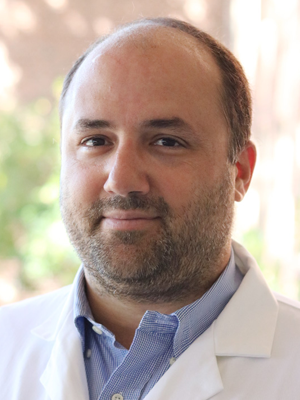 Demetris Yannopoulos合作论文数Departments of Neurology and Medicine—Cardiovascular Division, University of Minnesota Medical Cente8Ockerse Patrick合作论文数7
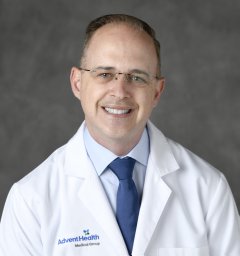 Nicolas SEGAL合作论文数Service Médical de la Brigade de Sapeurs Pompiers de Paris7Selzman Craig H合作论文数6Hopkins Christy L合作论文数6
 Lewis Roger合作论文数David Geffen School of Medicine6Steenblik Jacob合作论文数University of Utah6Andrew Pugh合作论文数5
 Emad Awad合作论文数BC Resuscitation Research Collaborative5
 Scott G Filler合作论文数The Lundquist Institute for Biomedical Innovation, Harbor-UCLA Medical Center;Division of Infectious Diseases, Harbor-UCLA Medical Center;David Geffen School of Medicine, University of California, Los Angeles5Tzvetkova Ekaterina合作论文数5Hartsell Sydney合作论文数5Fair James合作论文数5Henry E Wang合作论文数5Lionel Lamhaut合作论文数4Chris Stratford合作论文数4
 Miriam Peckham合作论文数4Ted Heyming合作论文数4Christian D. Mcclung合作论文数4chris burk合作论文数4David D Salcido合作论文数4Helen Palatinus合作论文数4Yeonjung Jo合作论文数4Christopher Kelly合作论文数4Trang Phan合作论文数Div Infect Dis, Harbor UCLA Med Ctr4
 Timothy Matsuura合作论文数Department of Integrated Biology &amp;Medical School, University of Minnesota;Medical School, University of Minnesota4Brant-Zawadzki Graham合作论文数Highland Hospital4Joseph M. Metzger合作论文数4
 Frank Bates合作论文数Department of Chemical Engineering and Materials Science, College of Science and Engineering, University of Minnesota4Amy H. Kaji合作论文数4
 Heather T. Keenan合作论文数Division of Pediatric Critical Care, University of Utah;Pediatric Research Enterprise, University of Utah4
 Ravi R. Thiagarajan合作论文数Department of Cardiology, Boston Children's Hospital, Harvard Medical School4




