The current research studies demonstrations held in Copenhagen, Denmark, between 2020 and 2023 in the wake of the 2018 'parallel society agreement' (a.k.a. 'ghetto-laws'). The stated aim of this legislation was to facilitate the integration of ethnic minorities into mainstream society by drawing middle-class Danish residents into public housing areas defined by high levels of ethnic minority populations. We draw on dialogical and socio-cultural psychology to view demonstrations as communicative settings in which speakers locate problems, imagine futures and suggest pathways for action. Speakers' problematizations and engagements with scenarios of collective action were formulated around three thematic domains: (1) intentions and motives of 'institutional others'; (2) dystopia-utopia and; (3) expanding a constrictive future. As the legislation was increasingly implemented throughout the 3-year period, this was reflected in dialogical dynamics between different temporalities; and as a lawsuit initiated by a group of residents seemed to gain ground, this sustained a horizon of hope and volition. On a more general level, we stress the significance of the legal domain for engaging with the possible - particularly for urban social movements fighting for the 'right to the city'. We similarly discuss the implications of our results for addressing urban marginalization.
BACKGROUND:The war in Ukraine has forced millions of Ukrainians to flee their country, many after exposure to actions of war. Previous research found that both war exposures (WE) and post-migration living difficulties (PMLD) are associated with risk of PTSD. In the current study, we test associations between WE, PMLD and PTSD/Complex PTSD (CPTSD). Further, we test if the associations are moderated by social support. METHODS:In a representative prospective cohort study of adult Ukrainians arriving in Denmark in the first year after Russia's full-scale invasion (N = 4,229), we test associations between WE, PMLD, and (C)PTSD using multinomial logistic regression analysis. Interaction terms were added to assess if associations were moderated by SS. RESULTS:Prevalence of PTSD and CPTSD was 12.1 % and 12.2 %, respectively. We found statistically significant associations between family-related PMLD, health-related PMLD, and general PMLD and CPTSD (AORs from 1.25 to 1.56), and between health-related PMLD and family-related PMLD and PTSD (AORs from 1.18 to 1.35). WE were associated with PTSD (AOR (CI): 1.15 (1.07-1.25)), but not CPTSD (AOR (CI): 1.05 (0.97-1.13)). Social support was associated with CPTSD (AOR (CI): 0.69 (0.60-0.78)) but not PTSD (AOR (CI):0.94(0.83-1.07)). Interaction terms were significant only for PTSD, where social support attenuated the negative association between PMLD and PTSD. CONCLUSION:PMLDs are important risk factors for post-trauma psychopathology in war refugees. Social support mitigates the negative association between PMLDs for PTSD, while low social support is an independent risk factor for CPTSD. Attention should be paid to refugees' daily life challenges and social support networks.
Social psychological research has witnessed a burgeoning interest in advantaged group allies acting in solidarity with disadvantaged groups to challenge systems of inequality. While solidarity from advantaged group members is often deemed critical for social change, the perceptions of disadvantaged group members regarding ally participation are seldom addressed. This research delved into how LGBTQIA+ individuals in Denmark conceptualize allyship. Through 26 semi-structured interviews with participants and organizers of queer pride events, a thematic analysis identified three themes addressing how allyship materializes, what risks it bears and who it involves. Specifically, we present a three-levelled framework of allyship, which captures practices of allyship on a personal, relational and structural level. Our analysis also reveals the risk of allyship when it is not perceived as genuine and complexities of group boundaries when discussing allyship, shedding light on intersectional challenges within minority communities. These findings illustrate the nuances involved in providing and receiving allyship within and across various social (sub)groups.
What percentage of American citizens believe that the real America is a White Christian America? How many would prefer to live in a more homogeneous or singular country, one occupied primarily by members of their own ethnic, racial, or religious group? In the face of contemporary changes in the composition of the population, to what extent have the White Christian citizens of the United States become fearful of demographic replacement? Alternatively posed: To what extent is ethnic, racial, and religious diversity valued by American citizens? Is it or is it not a basic feature of their ideal of what America means? Those are the questions addressed in this study. A representative sample of American citizens ( n = 986) was asked to estimate the actual and the desired distribution of ethnicities, races, and religions in the United States on the national level. We find that two‐thirds of our respondents want a more ethnically/racially diverse United States than the current demographics and over half of respondents want a population that is more religiously diverse than the status quo in 2020. Only a tiny percent idealizes a country that is ethnically or religiously homogeneous. The survey results suggest that the ideal of a multicultural country composed of diverse ethnic, racial, and religious groups is widely accepted. The results also suggest that the supposed fear of a national “Great Replacement” of White Christian Americans by non‐White or non‐Christian minority groups may have been greatly exaggerated.
We suggest that toxic creative leaders succeed by creating a fantastic future in a fantasy world that we call “Wonderland.” They make what was thought to be impossible, not only possible but actual. The game is similar to board games that bring one of the players playing them to some wonderful destination at the end of the game. The future they create, however, is an illusion, designed to appeal to people who feel under-appreciated, disempowered, victimized, deprived of material or other resources, or in need of a radical change that will empower them. The creatively toxic leaders are usually underestimated and their overwhelming skills at acquiring and maintaining power are viewed as malleable for other powerful people’s purposes. Ultimately, the toxic creative leaders take over and end up manipulating rather than being manipulated by those who had sought to use the leaders for their own ends. We discuss some of the ways that can be used to combat toxic creative leaders so that what should have been “never again” stays that way—in the realm of impossibility.
We examine how Danish politicians articulate views on the 'parallel society agreement' (aka, the 'ghetto-laws'), a controversial legislative intervention aiming to manage urban migration-related diversity. Through nationwide urban redevelopment aimed at facilitating residential 'mixing', the goal of the legislation is to eliminate so-called 'parallel societies'-socio-economically deprived neighbourhoods characterized by high concentrations of ethnic minorities. In-depth interviews with Danish politicians (n = 11) explored how this proposal was supported, contested or rejected in situated discourse. Following social representations theory, we focus on how 'parallel societies' were constructed in relation to differing ideas about 'mainstream society' and value-laden oppositional meaning-categories (i.e. themata). In particular, we highlight processes of socio-ethical reasoning that occurred through thematization of a shared oppositional meaning-category: 'freedom-constraint'. Views on the intervention were articulated around this oppositional meaning-category. Moreover, a connection was observed between the views articulated by individual politicians and sets of congruent ideas and images mobilized to represent 'parallel societies'. We discuss the theoretical value of taking a social representations approach to urban policy debates, and the practical limitations of dominant representations for successfully promoting intercultural dialogue and engagement-the stated goal of this intervention.
This is the first study on the Danish Refugee Cohort (DARECO), which collects data on traumatic experiences, living conditions, and mental health for Ukrainians who have arrived in Denmark since the war. The aim of this initial study is to is to estimate the prevalence of PTSD and complex PTSD in displaced Ukrainians and to examine the associations between war- and other potentially traumatic exposures and (C)PTSD. In a cross-sectional design, questionnaires were distributed to all registered adult Ukrainians (18+) who arrived in Denmark between February 24th 2022 and February 15th 2023 (N=18,389). With a response rate of 38.0%, the final sample size was 6,993. Responders were more likely to be female and younger compared to non-responders. Prevalence of PTSD and CPTSD was 15.9% and 13.5%, respectively. In binomial and multinomial logistic regression analyses, female gender, high education, and loss of a relative or close friend due to the war were associated with (C)PTSD. Direct and indirect exposure to war and combat was related to PTSD but not CPTSD, while exposure to war prior to the 2022 invasion was related to CPTSD but not PTSD.
This article explores reactions to the practice of polygyny in Denmark over the last 30 years. While bigamy was listed in the criminal code, the public approach to marital choices up until the 1990s was generally one of non-interference. In the face of immigration from non-Western countries, the clause on bigamy becomes an instrument to criminalise polygyny and limit access to residence permits. Unpacking this rationale through the study of the political and public discourse surrounding four occurrences of polygyny in Denmark and their legal consequences, we flesh out the underlying values that structure private relations and personal choices in Danish liberal democracy. We demonstrate how the criminalisation of certain non-monogamous unions must be negotiated within a liberal approach to marriage, religious belief, and right to privacy. Here, women's rights and equality, in an increasingly multicultural Denmark, become a trope activated to problematise this practice. The rejection of divergent cultural practices such as polygyny, we argue, serves both to reaffirm the superiority of Danish values and to produce more restrictive migration laws. The criminalisation of pologyny thus, serves as a case study to examine the scopes and limits for pluralism in Western liberal democracies.
In this article, we articulate an innovative framework, manywheres, and argue that it can advance the work of fostering youth-led change and progressive world-making. We first root psychological and development science in an applied framework of developing more just, harmonious, and tolerant social worlds. Then, we introduce manywheres, a guiding framework of propositions of attending to the complexity and nuance of meaning-making across individuals without becoming lost in nihilism, relativism, or ethnocentric views of social justice. This leads to the construction of a more holistic developmental lens considering the age-related, contextual, and internal factors that shape meaning-making individual trajectories and societal outcomes. Manywheres can thus structure thinking and research with an end goal of understanding the diversity of young people’s engagement, activism, and disconnection. We end with mapping a research agenda applying these ideals, incorporating the methodological approaches that can be taken, concrete examples, and implications that can be applied to salient social issues.
A confluence of societal challenges and critiques of dominant modes of psychological science has created an opportunity to reassess how research in the discipline is taught to future generations of researchers. Given this context, psychology instructors must employ approaches and concrete strategies that provide students with research methods and methodologies focused on developing effective and ecologically valid insights about everyday life. In this article, we aim to offer a way to address this need through a review of field social psychology and an argument for incorporating this approach into the teaching of psychology across levels. Field social psychology is a conceptual approach to researching psychological phenomena at multiple levels of analysis with emphasis on people's everyday sociocultural environments. Based on this framework, it requires an integration of qualitative methods used with a focus on capturing the complexity of psychosocial phenomena in the real world. We discuss what this framework entails and how different qualitative methods are integral to its mission, make an argument for why it should be taught, and how it integrates with an action-teaching orientation focused on giving students' tools to be active, democratically engaged scientists, and present concrete applications in undergraduate and graduate instruction and mentoring. We argue this integration can promote the development and growth of students as psychologists prepared to engage with society and critical psychosocial questions of the contemporary world.
Three years after the outbreak of COVID-19, governments are still working toward a return to "normal life." Yet, the twin forces of ongoing disease threat and progressively relaxing restrictions raise important questions about whether, where, and when people feel safe. We analyzed data from post-event surveys of participants at live events held across Denmark between June and November 2021 (n(individuals) = 4,932; n(events) = 79). Consistent with the social identity model of risk-taking, identification with the audience, trust in others, and felt safety were interrelated. Multi-level modeling revealed that audiences responded to the heightened risk posed by crowds after COVID-related attendance restrictions were lifted, but also that individual differences in identification blunted the connection between crowd density at events and individual feelings of trust and safety. These findings point to a potential identity-based slippage between felt safety and actual safety in the context of collective participation and disease threat.
In this article we report evidence from a series of semi-structured interviews with a broad sample of people living in Denmark (n = 21), about their perspectives on the future during the first months of the global Covid-19 pandemic. The thematic and discursive analyses, based on an abductive ontology, illustrate imaginings of the future along two vectors: individual to collective and descriptive to moral. On a descriptive and individual level, people imagined getting through the pandemic on a myopic day-by-day basis; on a descriptive and collective level, people imagined changes to work and socializing. Their future was bound and curtailed by their immediate present. On a moral and individual level, respondents were less detailed in their reports, but some vowed to change their behaviors. On a moral and collective level, respondents reported what the world should be like and discussed changes to environmental behaviors such as traveling, commuting, and work. The model suggests the domain of individual moral imaginings is the most difficult domain for people to imagine beyond the practicalities of their everyday lives. The implications of this model for comprehending imaginations of the future are discussed.
Although the importance of temporal perspectives for understanding collective movements has been theoretically emphasised, they are rarely considered in research. Focusing on the mass protests against COVID-19 policies in Germany, we investigated how protesters make use of temporal references in their protest narratives. Results from 11 multi-site protest observations and 31 interviews showed that participants (a) drew historical perpetrator and victim analogies and imagined a dystopian future, bolstering perceptions of injustice, (b) drew on resistance narratives and imagined the ideal, utopian future society, increasing their perceived efficacy and (c) countered feelings of insignificance by identifying with past heroes. Protesters living in the East of Germany drew comparatively more resistance analogies than those living in the West, who often likened those complying with the COVID-19 policies to the perpetrators of the past national-socialist and communist dictatorships. The findings empirically underline the importance of integrating historical-cultural-future perspectives into models of collective action.
Academic Abstract Social psychology's disconnect from the vital and urgent questions of people's lived experiences reveals limitations in the current paradigm. We draw on a related perspective in social psychology(1)-the sociocultural approach-and argue how this perspective can be elaborated to consider not only social psychology as a historical science but also social psychology of and for world-making. This conceptualization can make sense of key theoretical and methodological challenges faced by contemporary social psychology. As such, we describe the ontology, epistemology, ethics, and methods of social psychology of and for world-making. We illustrate our framework with concrete examples from social psychology. We argue that reconceptualizing social psychology in terms of world-making can make it more humble yet also more relevant, reconnecting it with the pressing issues of our time. Public Abstract We propose that social psychology should focus on "world-making" in two senses. First, people are future-oriented and often are guided more by what could be than what is. Second, social psychology can contribute to this future orientation by supporting people's world-making and also critically reflecting on the role of social psychological research in world-making. We unpack the philosophical assumptions, methodological procedures, and ethical considerations that underpin a social psychology of and for world-making. Social psychological research, whether it is intended or not, contributes to the societies and cultures in which we live, and thus it cannot be a passive bystander of world-making. By embracing social psychology of and for world-making and facing up to the contemporary societal challenges upon which our collective future depends will make social psychology more humble but also more relevant.
Trust is highlighted as central to effective disease management. During the COVID-19 pandemic, Denmark seemed to embody this understanding. Characterizing the Danish response were high levels of public compliance with government regulations and restrictions coupled with high trust in the government and other members of society. In this article, we first revisit prior claims about the importance of trust in securing compliant citizen behaviour based on a weekly time-use survey that we conducted during the first weeks of the COVID-19 pandemic (2 April-18 May 2020). Analysis of activity episodes, rather than merely self-reported compliance, both reconfirms the importance of institutional trust and nuances prior suggestions of detrimental effects of trust in other citizens. These survey-based results are further augmented through thematic analysis of 21 in-depth interviews with respondents sampled from the survey participants. The qualitative analysis reveals two themes, the first focusing on trust in others in Danish society and the second on the history of trust in Denmark. Both themes are based on narratives layered in cultural, institutional and inter-personal levels and further underline that institutional and social trust are complementary and not countervailing. We conclude by discussing how our analysis suggests pathways towards an increased social contract between governments, institutions and individuals that might be of use during future global emergencies and to the overall functioning of democracies.
Abstract: How are ideas transformed into collective causes that can rally and sustain protest crowds? We present a theoretical framework of crowd mobilization through the perspective of distributed cognition. We look at protest crowds as distributed processes that happen across brains, bodies, social interactions, and material-technological resources. This perspective is illustrated by protest crowd dynamics as they are facilitated by social interaction, symbols, narrative forms, and physical and virtual spaces.
The enactment of the Water Services Bill into Irish law on December 28th, 2014, was met with strong opposition from the Irish public, manifesting in local and national demonstrations. This social movement provided an ideal case to examine interactions between protesters and police in different contexts. Ethnographic observations and randomly sampled interviews took place before, and during, seven national demonstrations in Dublin, Ireland. Simultaneously, urban ethnographic research yielded in-depth observational and interview data at local protests in another Irish city. Data from both national and local protests is examined in light of classical and contemporary socio-cultural psychological conceptualizations of the crowd. The elaborated social identity model offers most explanatory power to comprehend the observed and reported events between police and protesters in this cultural context during an unprecedented economic recovery following recession. No evidence is found to support classical conceptualizations of the crowd. I describe the consequences of this analysis for conceptualizing police – protester interactions to generate peaceful assembly in liberal democracies.
 Thomas Morton合作论文数Department of Psychology, Faculty of Social Sciences, University of Copenhagen10
 Gabriel Velez合作论文数Marquette University8
 Brady Wagoner合作论文数University of Cambridge Cambridge8Thomas Madsen合作论文数3
 Richard A. Shweder合作论文数Department of Comparative Human Development, The University of Chicago3Ludmila Bogdan合作论文数2Rebecca Udsen合作论文数2Flora Botelho合作论文数2
 Merlin Schaeffer合作论文数Department of Sociology, Faculty of Social Sciences, University of Copenhagen2
 Karen-Inge Karstoft合作论文数Department of Psychology, Faculty of Social Sciences, University of Copenhagen2
 Jonas R. Kunst合作论文数Department of Psychology, University of Oslo2
 Jan Paul Heisig合作论文数Lehrstuhl für empirische Sozialforschung, Otto-Friedrich-Universität Bamberg2Crystal Shackleford合作论文数1
 Ann-Cathrin Coenen合作论文数1
 Hana Hawlina合作论文数1
 Friedolin Merhout合作论文数Department of Sociology, Faculty of Social Sciences, University of Copenhagen1Christian A P Haugestad合作论文数1
 zachary warren合作论文数Dept Psychol, Georgetown Univ1Neomi Rao合作论文数Dept Polit Sci, Univ Chicago1
 Martina Cabra合作论文数Université de Neuchâtel1ahmad qadafi合作论文数1
 Sarah H. Awad合作论文数Department of Communication and Psychology, Aalborg University1
 Sandra Obradović合作论文数Sch Psychol & Counselling, Open Univ1
 Antti Rajala合作论文数University of Eastern Finland1
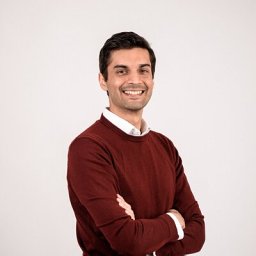 Brett Heasman合作论文数York St John Univ1
 Jennifer Sheehy-Skeffington合作论文数Department of Psychological and Behavioural Science, London School of Economics and Political Science1
 Tara M Mandalaywala合作论文数Institute for Mind and Biology, The University of Chicago;Department of Comparative Human Development, The University of Chicago;The University of Chicago, The University of Chicago1
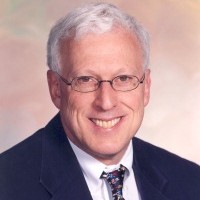 Robert J. Sternberg合作论文数Department of Psychology, College of Human Ecology, Cornell University1
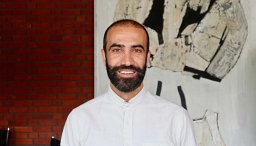 Obaidi Milan合作论文数sidaniuslab, Harvard University1
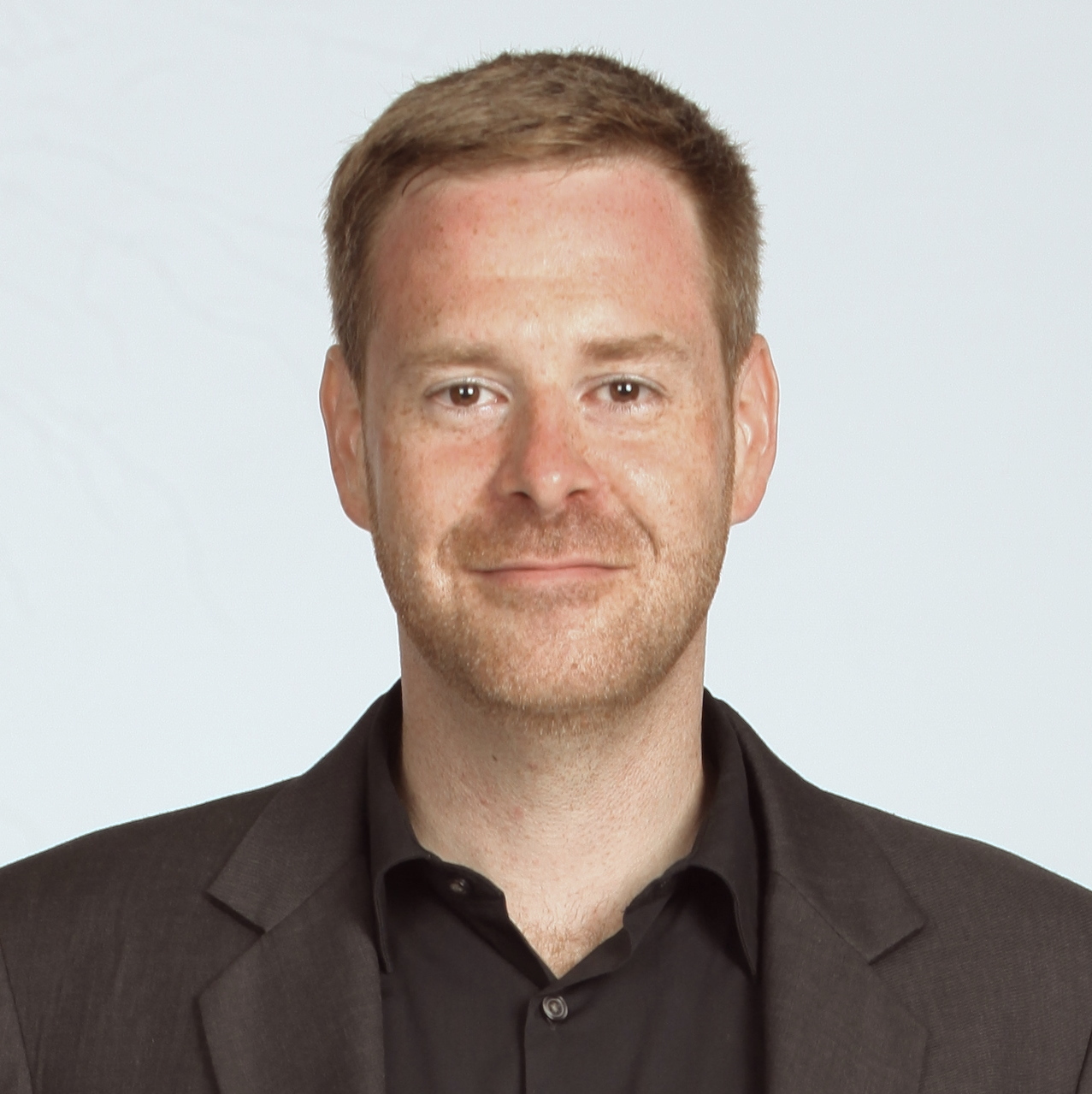 Brian J. Hall合作论文数Department of Psychology,Faculty of Social Sciences (FSS),University of Macau1
 Alex Gillespie合作论文数Department of Psychological and Behavioural Science, London School of Economics and Political Science1
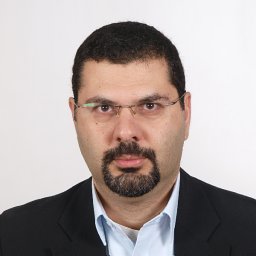 Charis Psaltis合作论文数Department of Psychology, University of Cyprus1
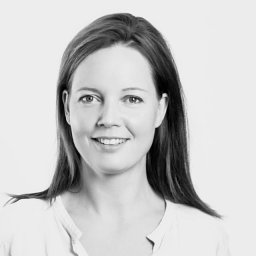 Sanne Akkerman合作论文数Utrecht University1
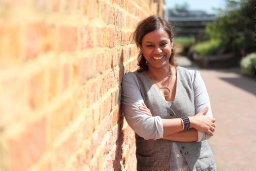 Kesi Mahendran合作论文数International Research1
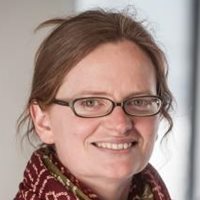 Flora Cornish合作论文数International Inequalities Institute, London School of Economics and Political Science;Department of Methodology, London School of Economics and Political Science1
 Tania Zittoun合作论文数University of Cambridge1
 Angela Veale合作论文数1
 Marie Høgh Thøgersen合作论文数1Aaron C. Kay合作论文数1




