Research indicates the additive effects and interrelation of physical exercise and cognitive training towards cognition maintenance and physical performance in older adults. Combined physical and cognitive interventions enabled by eHealth technologies, web applications and wearable sensors hold a great potential for the improvement of physical and cognitive status of older adults. Living laboratory strategies and mechanisms are considered effective spaces for the implementation of interventions for cognitive and/or physical training. In order to holistically capture the opportunities of the living lab environment, a feasibility study entitled "Use of nZEB Smart Home services as a controlled lab environment to guide real life case studies of older adults", has been conducted in the rapid prototyping and novel technologies' demonstration infrastructure of nZEB smart home of Information Technologies Institute (ITI). The cognitive performance and physical function of 18 users ranging from 55 years old to 70 healthy adults has been assessed in interrelation to measure the significant impact of a holistic approach in lab-based interventions. The study design methods included a) physiological monitoring during exercise, b) balance distribution assessment, c) EEG measurements duringMeditation task and d) activities of daily living execution using a Banking transaction and a Virtual Supermarket web application. The feasibility study was successful in incorporating and combining various hardware and software solutions in exercise and meditation tasks as well as in simulations of everyday activities of the participants. Processes and significant insights are presented in a preliminary analysis of the collected data.
Objective The use of smartwatches has attracted considerable interest in developing smart digital health interventions and improving health and well-being during the past few years. This work presents a systematic review of the literature on smartwatch interventions in healthcare. The main characteristics and individual health-related outcomes of smartwatch interventions within research studies are illustrated, in order to acquire evidence of their benefit and value in patient care. Methods A literature search in the bibliographic databases of PubMed and Scopus was conducted following the Preferred Reporting Items for Systematic Reviews and Meta-Analyses (PRISMA) guidelines, in order to identify research studies incorporating smartwatch interventions. The studies were grouped according to the intervention’s target disease, main smartwatch features, study design, target age and number of participants, follow-up duration, and outcome measures. Results The literature search identified 13 interventions incorporating smartwatches within research studies with people of middle and older age. The interventions targeted different conditions: cardiovascular diseases, diabetes, depression, stress and anxiety, metastatic gastrointestinal cancer and breast cancer, knee arthroplasty, chronic stroke, and allergic rhinitis. The majority of the studies (76%) were randomized controlled trials. The most used smartwatch was the Apple Watch utilized in 4 interventions (31%). Positive outcomes for smartwatch interventions concerned foot ulcer recurrence, severity of symptoms of depression, utilization of healthcare resources, lifestyle changes, functional assessment and shoulder range of motion, medication adherence, unplanned hospital readmissions, atrial fibrillation diagnosis, adherence to self-monitoring, and goal attainment for emotion regulation. Challenges in using smartwatches included frequency of charging, availability of Internet and synchronization with a mobile app, the burden of using a smartphone in addition to a patient’s regular phone, and data quality. Conclusion The results of this review indicate the potential of smartwatches to bring positive health-related outcomes for patients. Considering the low number of studies identified in this review along with their moderate quality, we implore the research community to carry out additional studies in intervention settings to show the utility of smartwatches in clinical contexts.
Digital screening programs and tools provide the potential for early detection of chronic diseases such as diabetes in the general population. The main purpose of the current paper is to present the findings of a multi-country study conducted with implementers (i.e., health professionals) and citizens (i.e., patients) to assess the usability and acceptance of a digital screening tool for type 2 diabetes screening. To this aim, 109 healthcare professionals and 71 citizens from four (4) European countries-Bulgaria, Albania, Spain, and Greece -participated in the study. The participants were requested to test the DigiCare4You tool, by completing instructed activities for user interaction, and were provided with questionnaires consisted of multiple sections that captured participants' characteristics, perceptions, attitudes, and testing experience. The perceived usability assessed through the System Usability Scale (SUS) was found to be satisfactory for both health professionals (SUS score=73.9) and citizens (SUS score=68.06), and the majority of the participants considered the tool as useful and easy to learn. The results show the digital tool's favorable usability among healthcare professionals and citizens in different regions, paving the way for its successful implementation and wider adoption in diabetes care.
Central nervous system diseases (CNSDs) lead to significant disability worldwide. Mobile app interventions have recently shown the potential to facilitate monitoring and medical management of patients with CNSDs. In this direction, the characteristics of the mobile apps used in research studies and their level of clinical effectiveness need to be explored in order to advance the multidisciplinary research required in the field of mobile app interventions for CNSDs. A systematic review of mobile app interventions for three major CNSDs, i.e., Parkinson's disease (PD), multiple sclerosis (MS), and stroke, which impose significant burden on people and health care systems around the globe, is presented. A literature search in the bibliographic databases of PubMed and Scopus was performed. Identified studies were assessed in terms of quality, and synthesized according to target disease, mobile app characteristics, study design and outcomes. Overall, 21 studies were included in the review. A total of 3 studies targeted PD (14%), 4 studies targeted MS (19%), and 14 studies targeted stroke (67%). Most studies presented a weak-to-moderate methodological quality. Study samples were small, with 15 studies (71%) including less than 50 participants, and only 4 studies (19%) reporting a study duration of 6 months or more. The majority of the mobile apps focused on exercise and physical rehabilitation. In total, 16 studies (76%) reported positive outcomes related to physical activity and motor function, cognition, quality of life, and education, whereas 5 studies (24%) clearly reported no difference compared to usual care. Mobile app interventions are promising to improve outcomes concerning patient's physical activity, motor ability, cognition, quality of life and education for patients with PD, MS, and Stroke. However, rigorous studies are required to demonstrate robust evidence of their clinical effectiveness.
This study conducted a preliminary usability assessment of the Virtual Supermarket Test (VST), a serious game-based self-administered cognitive screening test for mild cognitive impairment (MCI). Twenty-four healthy older adults with subjective cognitive decline and 33 patients with MCI self-administered the VST and then completed the System Usability Scale (SUS). The average SUS score was 83.11 (SD = 14.6). The SUS score was unaffected by age, education, touch device familiarity, and diagnosis of MCI. SUS score correlated with VST performance (r = -0.496, p= 0.000). Results of this study indicate good usability of the VST.
BACKGROUND:Virtual Health and Wellbeing Living Lab Infrastructure is a Horizon 2020 project that aims to harmonize Living Lab procedures and facilitate access to European health and well-being research infrastructures. In this context, this study presents a joint research activity that will be conducted within Virtual Health and Wellbeing Living Lab Infrastructure in the transitional care domain to test and validate the harmonized Living Lab procedures and infrastructures. The collection of data from various sources (information and communications technology and clinical and patient-reported outcome measures) demonstrated the capacity to assess risk and support decisions during care transitions, but there is no harmonized way of combining this information.OBJECTIVE:This study primarily aims to evaluate the feasibility and benefit of collecting multichannel data across Living Labs on the topic of transitional care and to harmonize data processes and collection. In addition, the authors aim to investigate the collection and use of digital biomarkers and explore initial patterns in the data that demonstrate the potential to predict transition outcomes, such as readmissions and adverse events.METHODS:The current research protocol presents a multicenter, prospective, observational cohort study that will consist of three phases, running consecutively in multiple sites: a cocreation phase, a testing and simulation phase, and a transnational pilot phase. The cocreation phase aims to build a common understanding among different sites, investigate the differences in hospitalization discharge management among countries, and the willingness of different stakeholders to use technological solutions in the transitional care process. The testing and simulation phase aims to explore ways of integrating observation of a patient's clinical condition, patient involvement, and discharge education in transitional care. The objective of the simulation phase is to evaluate the feasibility and the barriers faced by health care professionals in assessing transition readiness.RESULTS:The cocreation phase will be completed by April 2022. The testing and simulation phase will begin in September 2022 and will partially overlap with the deployment of the transnational pilot phase that will start in the same month. The data collection of the transnational pilots will be finalized by the end of June 2023. Data processing is expected to be completed by March 2024. The results will consist of guidelines and implementation pathways for large-scale studies and an analysis for identifying initial patterns in the acquired data.CONCLUSIONS:The knowledge acquired through this research will lead to harmonized procedures and data collection for Living Labs that support transitions in care.INTERNATIONAL REGISTERED REPORT IDENTIFIER (IRRID):PRR1-10.2196/34573.
IoT technologies generate intelligence and connectivity and develop knowledge to be used in the decision-making process. However, research that uses big data through global interconnected infrastructures, such as the ‘Internet of Things’ (IoT) for Active and Healthy Ageing (AHA), is fraught with several ethical concerns. A large-scale application of IoT operating in diverse piloting contexts and case studies needs to be orchestrated by a robust framework to guide ethical and sustainable decision making in respect to data management of AHA and IoT based solutions. The main objective of the current article is to present the successful completion of a collaborative multiscale research work, which addressed the complicated exercise of ethical decision making in IoT smart ecosystems for older adults. Our results reveal that among the strong enablers of the proposed ethical decision support model were the participatory and deliberative procedures complemented by a set of regulatory and non-regulatory tools to operationalize core ethical values such as transparency, trust, and fairness in real care settings for older adults and their caregivers.
Living Labs are user-centered, open innovation ecosystems based on a systematic user cocreation approach, which integrates research and innovation processes in real-life communities and settings. The Horizon 2020 Project VITALISE (Virtual Health and Wellbeing Living Lab Infrastructure) unites 19 partners across 11 countries. The project aims to harmonize Living Lab procedures and enable effective and convenient transnational and virtual access to key European health and well-being research infrastructures, which are governed by Living Labs. The VITALISE consortium will conduct joint research activities in the fields included in the care pathway of patients: rehabilitation, transitional care, and everyday living environments for older adults. This protocol focuses on health and well-being research in everyday living environments. The main aim of this study is to cocreate and test a harmonized research protocol for developing big data–driven hybrid persona, which are hypothetical user archetypes created to represent a user community. In addition, the use and applicability of innovative technologies will be investigated in the context of various everyday living and Living Lab environments. In phase 1, surveys and structured interviews will be used to identify the most suitable Living Lab methods, tools, and instruments for health-related research among VITALISE project Living Labs (N=10). A series of web-based cocreation workshops and iterative cowriting processes will be applied to define the initial protocols. In phase 2, five small-scale case studies will be conducted to test the cocreated research protocols in various real-life everyday living settings and Living Lab infrastructures. In phase 3, a cross-case analysis grounded on semistructured interviews will be conducted to identify the challenges and benefits of using the proposed research protocols. Furthermore, a series of cocreation workshops and the consensus seeking Delphi study process will be conducted in parallel to cocreate and validate the acceptance of the defined harmonized research protocols among wider Living Lab communities. As of September 30, 2021, project deliverables Ethics and safety manual and Living lab standard version 1 have been submitted to the European Commission review process. The study will be finished by March 2024. The outcome of this research will lead to harmonized procedures and protocols in the context of big data–driven hybrid persona development among health and well-being Living Labs in Europe and beyond. Harmonized protocols enable Living Labs to exploit similar research protocols, devices, hardware, and software for interventions and complex data collection purposes. Economies of scale and improved use of resources will speed up and improve research quality and offer novel possibilities for open data sharing, multidisciplinary research, and comparative studies beyond current practices. Case studies will also provide novel insights for implementing innovative technologies in the context of everyday Living Lab research. DERR1-10.2196/34567
Aiming to address the needs of the ageing workforce in the context of shift work, we introduce a Participatory Work Orchestration Support Tool, with the aim of supporting decision making in deriving the periodic shift schedule of an organization. The proposed tool comprises two main components, an extensive and intuitive web-based platform that enables managers to gain an overview of their workforce and schedule, and an optimizing shift scheduler that works in the background to propose suggestions to the managers to improve scheduling, based on considerations of worker welfare and specifically targeting the ageing workforce. Preliminary testing of the tool in simulation yields encouraging results.
Modern augmented and virtual reality (AR/VR) technology open multiple new capabilities in the way people interact, collaborate and deliver or receive information via digital interfaces. Industry workers and operators may especially benefit from such solutions that allow them to get trained, onsite or remotely, using digital copies of the workplace environment. This paper presents the development of AR/VR-based collaborative and telepresence tools, along with a web-based platform for knowledge exchange and interaction, as part of the Ageing@Work project, that enable easy transfer of know-how from experienced (possibly older) to novice workers. The remote collaboration tools facilitate variability in location and working hours, and thus promote age-neutralizing means of participation and cooperation, whereas the knowledge transfer tools support the ageing worker's leadership characteristics within the workplace community, allowing the company or work site to capitalize on her/his experience and expertise gained through the years. The tools were developed in accordance to a user-centred design process and were evaluated by 126 participants in total through online surveys in two pilot sites with regard to core Industry 4.0 processes of mining and machines production, as well as through off-pilot studies. This paper presents analytic outcomes of the assessment of knowledge transfer tools illustrating very positive results on the level of technology acceptance, and the overall potential of the developed solutions to support healthy and productive ageing of workers with enhanced workability.
Behavioral monitoring tools can be proven to be especially helpful for aging workers for whom it is of paramount importance to avoid sedentary lifestyle, decreasing the possibility to exhibit musculoskeletal, cardiovascular and other health/mental related problems, which could impede their workability and job performance. Towards this direction, we have developed an unobtrusive pervasive health monitoring framework, enabling activity and location tracking, as well as self-reporting. The collected data is used to provide meaningful health-related suggestions through a life-like Virtual Coach aiming to encourage the engagement of workers with healthy lifestyle and behaviors. In this paper, we present the design and functionality of the solution, which was implemented as a mobile app accompanied with a dashboard for data overview, and demonstrate the results of its acceptance through a conducted survey. Survey participants were asked to answer questions related to their work experience, frequency of use of technology and type of applications used, well-being and satisfaction at work as well as their data privacy concerns. Finally, the participants also answered questions about the level of acceptance of the system and the perceived usefulness. Within the survey, video demonstrations and images were included, so that the participants have the chance to receive a better understanding of solution functionality. The acceptability study was conducted with the participation of 52 people, from which 90.4% reported that they found the Virtual Coach recommendations useful, while 84.6% reported intention of using the proposed solution in their daily life. The results indicate the virtue of such tools in promoting worker well-being.
Pervasive health monitoring tools and applications based on mobile devices can be used for digital phenotyping, thereby facilitating diagnosis and treatment of diseases. We present the development of an unobtrusive health monitoring framework, enabling multimodal data collection of activity information from wearable devices, smartphones, and third-party apps, keystroke typing data, location information, data from medical and environmental IoT devices, and self-reports. The architectural elements of the framework are presented, and proof-of-concept case studies based on the developed framework are demonstrated, to show its feasibility and value in building different pervasive health applications.
Searchable abstracts of presentations at key conferences in endocrinology ISSN 1470-3947 (print) | ISSN 1479-6848 (online)
Pervasive technologies such as Artificial Intelligence, Virtual Reality and the Internet of Things, despite their great potential for improved workability and well-being of older workers, entail wide ethical concerns. Aligned with these considerations we emphasize the need to present from the viewpoint of ethics the risks of personalized ICT solutions that aim to remedy health and support the well-being of the ageing population at workplaces. The ethical boundaries of digital technologies are opaque. The main motivation is to cope with the uncertainties of workplaces’ digitization and develop an ethics framework, termed SmartFrameWorK, for personalized health support through ICT tools at workplace environments. SmartFrameWorK is built upon a five-dimensional approach of ethics norms: autonomy, privacy, transparency, trustworthiness and accountability to incite trust in digital workplace technologies. A typology underpins these principles and guides the ethical decision-making process with regard to older worker particular needs, context, data type-related risks and digital tools’ use throughout their lifecycle. Risk analysis of pervasive technology use and multimodal data collection, highlighted the imperative for ethically aware practices for older workers' activity and behaviour monitoring. The SmartFrameWorK methodology has been applied in a case study to provide evidence that personalized digital services could elicit trust in users through a well-defined framework. Ethics compliance is a dynamic process from participants’ engagement to data management. Defining ethical determinants is pivotal towards building trust and reinforcing better workability and well-being in older workers.
 Dimitrios Tzovaras合作论文数Information Technologies Institute, Centre of Research and Technology-Hellas28
 Konstantinos Votis合作论文数Informatics and Telematics Institute, Centre for Research and Technology Hellas23
 Ioannis Paliokas合作论文数Department of Information Technology, Alexander Technological Educational Institute of Thessaloniki16
 Dimitrios Giakoumis合作论文数Centre for Research and Technology;Informatics and Telematics Institute;Informatics and Telematics Institute, Centre for Research and Technology16
 Andreas Triantafyllidis合作论文数Medical School, Aristotle University of Thessaloniki16
 Charalampos Karagiannidis合作论文数Department of Special Education, University of Thessaly11
 Magdalini Kosta-Tsolaki合作论文数1st Department of Neurology, School of Medicine, Aristotle University of Thessaloniki9
 Stelios Zygouris合作论文数3rd Department of Neurology, Aristotle University of Thessaloniki5
 Ioannis Chatzikonstantinou合作论文数4Maria Loeck合作论文数3Rosa Carreton合作论文数3Papathomas Evangelos合作论文数3Kyriakos Koritsoglou合作论文数3Stefanos Doumpoulakis合作论文数3
 Evdoxia E. Lithoxoidou合作论文数Information Technologies Institute3
 Despoina Petsani合作论文数Lab Med Phys & Digital Innovat, Aristotle Univ Thessaloniki3
 Ioulietta Lazarou合作论文数Ctr Res & Technol Hellas CERTH, Informat Technol Inst ITI3
 Evangelia I. Zacharaki合作论文数Department of Computer Engineering and Informatics, University of Patras3
 Teemu Santonen合作论文数School of Economics, Helsinki3
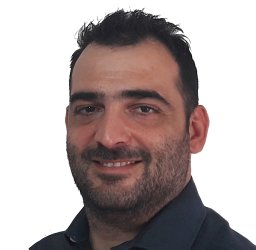 Evdokimos I. Konstantinidis合作论文数Medical School, Aristotle University of Thessaloniki3
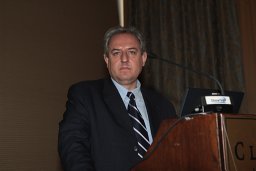 Panagiotis D Bamidis合作论文数Lab Med Phys, Aristotle Univ Thessaloniki3Mastoras Rafail Evangelos合作论文数2
 Thanos Tsakiris合作论文数2Georgios Papamakarios合作论文数2
 Georgios Chantziaras合作论文数2Konstantinos Ntovas合作论文数2Aris Papaprodromou合作论文数2Rafail-Evangelos Mastoras合作论文数2Enikő Nagy合作论文数2Rosa Almeida合作论文数2Vasileia Petronikolou合作论文数Lab Med Phys & Digital Innovat, Aristotle Univ Thessaloniki2
 Sergio González-Martínez合作论文数Life Supporting Technol, Univ Politecn Madrid2Michail Pavlou合作论文数Univ Patras, Dept Elect & Comp Engn, Patras, Greece2George Michalakis合作论文数University of Patras, Department of Electrical & Computer Engineering2
 Eva Kehayia合作论文数School of Physical & Occupational Therapy, Faculty of Medicine and Health Sciences, McGill University2
 Manolis Vasileiadis合作论文数Imperial College London2
 Ilias Kalamaras合作论文数2
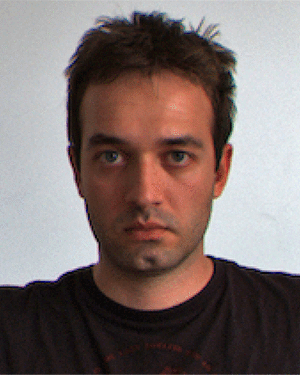 Anastasios Drosou合作论文数Ctr Res & Technol Hellas, Informat Technol Inst2
 Anastasios Alexiadis合作论文数University of Macedonia;Dept . of Applied Informatics Thessaloniki;Dept . of Applied Informatics Thessaloniki, University of Macedonia2
 George E. Dafoulas合作论文数2Mockałło Zofia合作论文数1Sotirios Papagianopoulos合作论文数1Athanasios T. Patenidis合作论文数1Ivie Maneschy合作论文数1
 Paraskevi Iliadou合作论文数1Eftychia Lazarou合作论文数1raquel losada合作论文数1Charalambos Papaxanthis合作论文数1Juan Mario Lecumberri Ciáurriz合作论文数1




