Disorder-induced phenomena in quantum many-body systems pose significant challenges for analytical methods and numerical simulations at relevant time and system scales. To reduce the cost of disorder-sampling, we investigate quantum circuits initialized in states tunable to superpositions over all disorder configurations. In a translationally-invariant lattice gauge theory (LGT), these states can be interpreted as a superposition over gauge sectors. We observe localization in this LGT in the absence of disorder in one and two dimensions: perturbations fail to diffuse despite fully disorder-free evolution and initial states. However, Rényi entropy measurements reveal that superposition-prepared states fundamentally differ from those obtained by direct disorder sampling. Leveraging superposition, we propose an algorithm with a polynomial speedup in sampling disorder configurations, a longstanding challenge in many-body localization studies.
Understanding how interacting particles approach thermal equilibrium is a major challenge of quantum simulators1,2. Unlocking the full potential of such systems towards this goal requires flexible initial state preparation, precise time evolution and extensive probes for final state characterization. Here we present a quantum simulator comprising 69 superconducting qubits that supports both universal quantum gates and high-fidelity analogue evolution, with performance beyond the reach of classical simulation in cross-entropy benchmarking experiments. This hybrid platform features more versatile measurement capabilities compared with analogue-only simulators, which we leverage here to reveal a coarsening-induced breakdown of Kibble-Zurek scaling predictions3 in the XY model, as well as signatures of the classical Kosterlitz-Thouless phase transition4. Moreover, the digital gates enable precise energy control, allowing us to study the effects of the eigenstate thermalization hypothesis5-7 in targeted parts of the eigenspectrum. We also demonstrate digital preparation of pairwise-entangled dimer states, and image the transport of energy and vorticity during subsequent thermalization in analogue evolution. These results establish the efficacy of superconducting analogue-digital quantum processors for preparing states across many-body spectra and unveiling their thermalization dynamics.
Out-of-equilibrium dynamics of non-integrable Hamiltonian many-body quantum systems are characterized by highly entangled wave functions. Near-maximal entanglement arises in systems exhibiting thermalization or pre-thermalization, where the system converges to a steady state with a fixed energy density. Classical simulation of the time dependence of such wave functions requires exponential resources. However, typical computations aim to estimate expectation values of local operators and correlation functions to some expected precision. For thermalizing systems at sufficiently high energy densities, such computations can be done without storing the full wave function by instead simulating the evolution of the local operator, which requires significantly fewer resources. Nonetheless, constructing such resource-efficient classical algorithms remains a challenge for intermediate energy densities, where simulating both the wave function and operator evolution is costly. In this paper, we propose a heuristic approach to accelerate the convergence of Matrix Product State (MPS) simulations of expectation values, applicable across a broad range of energy densities. We estimate the desired observables by rescaling the MPS results at low bond dimensions with a factor that depends on the fidelity of the MPS wave function. Using this technique, we simulated the dynamics of the two-dimensional Transverse-Field Ising Model (TFIM) on a 7×8 grid with periodic boundary conditions, using a maximum bond dimension of χ= 4096 on a single A100 GPU, as well as the dynamics of the two-dimensional XY model on grids of size up to 9×9. We compare our TFIM results to similar simulations on a digital quantum processor [R. Haghshenas et al., Nature 653, 56 (2026)], demonstrating excellent agreement and confirming the predictive power of our method.
Quantum observables in the form of few-point correlators are the key to characterizing the dynamics of quantum many-body systems. In dynamics with fast entanglement generation, quantum observables generally become insensitive to the details of the underlying dynamics at long times due to the effects of scrambling. In experimental systems, repeated time-reversal protocols have been successfully implemented to restore sensitivities of quantum observables. Using a 103-qubit superconducting quantum processor, we characterize ergodic dynamics using the second-order out-of-time-order correlators, OTOC^(2). In contrast to dynamics without time reversal, OTOC^(2) are observed to remain sensitive to the underlying dynamics at long time scales. Furthermore, by inserting Pauli operators during quantum evolution and randomizing the phases of Pauli strings in the Heisenberg picture, we observe substantial changes in OTOC^(2) values. This indicates that OTOC^(2) is dominated by constructive interference between Pauli strings that form large loops in configuration space. The observed interference mechanism endows OTOC^(2) with a high degree of classical simulation complexity, which culminates in a set of large-scale OTOC^(2) measurements exceeding the simulation capacity of known classical algorithms. Further supported by an example of Hamiltonian learning through OTOC^(2), our results indicate a viable path to practical quantum advantage.
The rotating wave approximation (RWA) is ubiquitous in the analysis of driven and coupled resonators. However, the limitations of the RWA seem to be poorly understood and in some cases the RWA disposes of essential physics. We investigate the RWA in the context of electrical resonant circuits. Using a classical Hamiltonian approach, we find that by balancing electrical and magnetic components of the resonator drive or resonator-resonator coupling, the RWA can be made exact. This type of balance, in which the RWA is exact, has applications in superconducting qubits where it suppresses nutation normally associated with strong Rabi driving. In the context of dispersive readout, balancing the qubit-resonator coupling changes the qubit leakage induced by the resonator drive (MIST), but does not remove it in the case of the transmon qubit.
Achieving superpolynomial speed-ups for optimization has long been a central goal for quantum algorithms1. Here we introduce decoded quantum interferometry (DQI), a quantum algorithm that uses the quantum Fourier transform to reduce optimization problems to decoding problems. When approximating optimal polynomial fits over finite fields, DQI achieves a superpolynomial speed-up over known classical algorithms. The speed-up arises because the algebraic structure of the problem is reflected in the decoding problem, which can be solved efficiently. We then investigate whether this approach can achieve a speed-up for optimization problems that lack an algebraic structure but have sparse clauses. These problems reduce to decoding low-density parity-check codes, for which powerful decoders are known2,3. To test this, we construct a max-XORSAT instance for which DQI finds an approximate optimum substantially faster than general-purpose classical heuristics, such as simulated annealing. Although a tailored classical solver can outperform DQI on this instance, our results establish that combining quantum Fourier transforms with powerful decoding primitives provides a promising new path towards quantum speed-ups for hard optimization problems.
Engineered dissipative reservoirs have the potential to steer many-body quantum systems toward correlated steady states useful for quantum simulation of high-temperature superconductivity or quantum magnetism. Using up to 49 superconducting qubits, we prepared low-energy states of the transverse-field Ising model through coupling to dissipative auxiliary qubits. In one dimension, we observed long-range quantum correlations and a ground-state fidelity of 0.86 for 18 qubits at the critical point. In two dimensions, we found mutual information that extends beyond nearest neighbors. Lastly, by coupling the system to auxiliaries emulating reservoirs with different chemical potentials, we explored transport in the quantum Heisenberg model. Our results establish engineered dissipation as a scalable alternative to unitary evolution for preparing entangled many-body states on noisy quantum processors.
Understanding universal aspects of quantum dynamics is an unresolved problem in statistical mechanics. In particular, the spin dynamics of the one-dimensional Heisenberg model were conjectured as to belong to the Kardar-Parisi-Zhang (KPZ) universality class based on the scaling of the infinite-temperature spin-spin correlation function. In a chain of 46 superconducting qubits, we studied the probability distribution of the magnetization transferred across the chain’s center, P M . The first two moments of P M show superdiffusive behavior, a hallmark of KPZ universality. However, the third and fourth moments ruled out the KPZ conjecture and allow for evaluating other theories. Our results highlight the importance of studying higher moments in determining dynamic universality classes and provide insights into universal behavior in quantum systems.
Today's experimental noisy quantum processors can compete with and surpass all known algorithms on state-of-the-art supercomputers for the computational benchmark task of Random Circuit Sampling (Boixo et al., 2018, Arute et al., 2019, Wu et al., 2021, Zhu et al., 2022, Morvan et al., 2023). Additionally, a circuit-based quantum simulation of quantum information scrambling (Mi et al., 2021), which measures a local observable, has already outperformed standard full wave function simulation algorithms, e.g., exact Schrodinger evolution and Matrix Product States (MPS). However, this experiment has not yet surpassed tensor network contraction for computing the value of the observable. Based on those studies, we provide a unified framework that utilizes the underlying effective circuit volume to explain the tradeoff between the experimentally achievable signal-to-noise ratio for a specific observable, and the corresponding computational cost. We apply this framework to recent quantum processor experiments of Random Circuit Sampling (Morvan et al., 2023), quantum information scrambling (Mi et al., 2021), and a Floquet circuit unitary (Kim et al., 2023). This allows us to reproduce the results of Ref. (Kim et al., 2023) in less than one second per data point using one GPU.
Undesired coupling to the surrounding environment destroys long-range correlations on quantum processors and hinders the coherent evolution in the nominally available computational space. This incoherent noise is an outstanding challenge to fully leverage the computation power of near-term quantum processors. It has been shown that benchmarking Random Circuit Sampling (RCS) with Cross-Entropy Benchmarking (XEB) can provide a reliable estimate of the effective size of the Hilbert space coherently available. The extent to which the presence of noise can trivialize the outputs of a given quantum algorithm, i.e. making it spoofable by a classical computation, is an unanswered question. Here, by implementing an RCS algorithm we demonstrate experimentally that there are two phase transitions observable with XEB, which we explain theoretically with a statistical model. The first is a dynamical transition as a function of the number of cycles and is the continuation of the anti-concentration point in the noiseless case. The second is a quantum phase transition controlled by the error per cycle; to identify it analytically and experimentally, we create a weak link model which allows varying the strength of noise versus coherent evolution. Furthermore, by presenting an RCS experiment with 67 qubits at 32 cycles, we demonstrate that the computational cost of our experiment is beyond the capabilities of existing classical supercomputers, even when accounting for the inevitable presence of noise. Our experimental and theoretical work establishes the existence of transitions to a stable computationally complex phase that is reachable with current quantum processors.
Abstract Measurement has a special role in quantum theory1: by collapsing the wavefunction it can enable phenomena such as teleportation2 and thereby alter the "arrow of time" that constrains unitary evolution. When integrated in many-body dynamics, measurements can lead to emergent patterns of quantum information in space-time3-10 that go beyond established paradigms for characterizing phases, either in or out of equilibrium11-13. On present-day NISQ processors14, the experimental realization of this physics is challenging due to noise, hardware limitations, and the stochastic nature of quantum measurement. Here we address each of these experimental challenges and investigate measurement-induced quantum information phases on up to 70 superconducting qubits. By leveraging the interchangeability of space and time, we use a duality mapping9,15-17 to avoid mid-circuit measurement and access different manifestations of the underlying phases—from entanglement scaling3,4 to measurement-induced teleportation18—in a unified way. We obtain finite-size signatures of a phase transition with a decoding protocol that correlates the experimental measurement record with classical simulation data. The phases display sharply different sensitivity to noise, which we exploit to turn an inherent hardware limitation into a useful diagnostic. Our work demonstrates an approach to realize measurement-induced physics at scales that are at the limits of current NISQ processors.
Sampling a diverse set of high-quality solutions for hard optimization problems is of great practical relevance in many scientific disciplines and applications, such as artificial intelligence and operations research. One of the main open problems is the lack of ergodicity, or mode collapse, for typical stochastic solvers based on Monte Carlo techniques leading to poor generalization or lack of robustness to uncertainties. Currently, there is no universal metric to quantify such performance deficiencies across various solvers. Here, we introduce a new diversity measure for quantifying the number of independent approximate solutions for NP-hard optimization problems. Among others, it allows benchmarking solver performance by a required time-to-diversity (TTD), a generalization of often used time-to-solution (TTS). We illustrate this metric by comparing the sampling power of various quantum annealing strategies. In particular, we show that the inhomogeneous quantum annealing schedules can redistribute and suppress the emergence of topological defects by controlling space-time separated critical fronts, leading to an advantage over standard quantum annealing schedules with respect to both TTS and TTD for finding rare solutions. Using path-integral Monte Carlo simulations for up to 1600 qubits, we demonstrate that nonequilibrium driving of quantum fluctuations, guided by efficient approximate tensor network contractions, can significantly reduce the fraction of hard instances for random frustrated 2D spin-glasses with local fields. Specifically, we observe that by creating a class of algorithmic quantum phase transitions, the diversity of solutions can be enhanced by up to 40% with the fraction of hard-to-sample instances reducing by more than 25%.
An important measure of the development of quantum computing platforms has been the simulation of increasingly complex physical systems. Before fault-tolerant quantum computing, robust error-mitigation strategies were necessary to continue this growth. Here, we validate recently introduced error-mitigation strategies that exploit the expectation that the ideal output of a quantum algorithm would be a pure state. We consider the task of simulating electron systems in the seniority-zero subspace where all electrons are paired with their opposite spin. This affords a computational stepping stone to a fully correlated model. We compare the performance of error mitigations on the basis of doubling quantum resources in time or in space on up to 20 qubits of a superconducting qubit quantum processor. We observe a reduction of error by one to two orders of magnitude below less sophisticated techniques such as postselection. We study how the gain from error mitigation scales with the system size and observe a polynomial suppression of error with increased resources. Extrapolation of our results indicates that substantial hardware improvements will be required for classically intractable variational chemistry simulations.
Systems of correlated particles appear in many fields of modern science and represent some of the most intractable computational problems in nature. The computational challenge in these systems arises when interactions become comparable to other energy scales, which makes the state of each particle depend on all other particles1. The lack of general solutions for the three-body problem and acceptable theory for strongly correlated electrons shows that our understanding of correlated systems fades when the particle number or the interaction strength increases. One of the hallmarks of interacting systems is the formation of multiparticle bound states2-9. Here we develop a high-fidelity parameterizable fSim gate and implement the periodic quantum circuit of the spin-½ XXZ model in a ring of 24 superconducting qubits. We study the propagation of these excitations and observe their bound nature for up to five photons. We devise a phase-sensitive method for constructing the few-body spectrum of the bound states and extract their pseudo-charge by introducing a synthetic flux. By introducing interactions between the ring and additional qubits, we observe an unexpected resilience of the bound states to integrability breaking. This finding goes against the idea that bound states in non-integrable systems are unstable when their energies overlap with the continuum spectrum. Our work provides experimental evidence for bound states of interacting photons and discovers their stability beyond the integrability limit.
The interplay of interactions and strong disorder can lead to an exotic quantum many-body localized (MBL) phase of matter. Beyond the absence of transport, the MBL phase has distinctive signatures, such as slow dephasing and logarithmic entanglement growth; they commonly result in slow and subtle modifications of the dynamics, rendering their measurement challenging. Here, we experimentally characterize these properties of the MBL phase in a system of coupled superconducting qubits. By implementing phase sensitive techniques, we map out the structure of local integrals of motion in the MBL phase. Tomographic reconstruction of single and two-qubit density matrices allows us to determine the spatial and temporal entanglement growth between the localized sites. In addition, we study the preservation of entanglement in the MBL phase. The interferometric protocols implemented here detect affirmative quantum correlations and exclude artifacts due to the imperfect isolation of the system. By measuring elusive MBL quantities, our work highlights the advantages of phase sensitive measurements in studying novel phases of matter.
Using 47 superconducting qubits, we implement the kicked Ising model which exhibits Majorana edge modes (MEMs) protected by Z 2 parity symmetry. Remarkably, we find that any multi-qubit Pauli operator overlapping with the MEMs exhibits a uniform decay rate comparable to single-qubit relaxation rates, irrespective of its size or composition. This finding allows us to accurately reconstruct the exponentially localized spatial profiles of the MEMs. Spectroscopic measurements further indicate exponentially suppressed hybridization between the MEMs at larger system sizes, which manifests as a strong resilience against low-frequency noise. Our work elucidates the noise sensitivity of symmetry-protected edge modes in a solid-state environment.
Inherent symmetry of a quantum system may protect its otherwise fragile states. Leveraging such protection requires testing its robustness against uncontrolled environmental interactions. Using 47 superconducting qubits, we implement the one-dimensional kicked Ising model, which exhibits nonlocal Majorana edge modes (MEMs) with [Formula: see text] parity symmetry. We find that any multiqubit Pauli operator overlapping with the MEMs exhibits a uniform late-time decay rate comparable to single-qubit relaxation rates, irrespective of its size or composition. This characteristic allows us to accurately reconstruct the exponentially localized spatial profiles of the MEMs. Furthermore, the MEMs are found to be resilient against certain symmetry-breaking noise owing to a prethermalization mechanism. Our work elucidates the complex interplay between noise and symmetry-protected edge modes in a solid-state environment.
The promise of quantum computing lies in harnessing programmable quantum devices for practical applications such as efficient simulation of quantum materials and condensed matter systems. One important task is the simulation of geometrically frustrated magnets in which topological phenomena can emerge from competition between quantum and thermal fluctuations. Here we report on experimental observations of equilibration in such simulations, measured on up to 1440 qubits with microsecond resolution. By initializing the system in a state with topological obstruction, we observe quantum annealing (QA) equilibration timescales in excess of one microsecond. Measurements indicate a dynamical advantage in the quantum simulation compared with spatially local update dynamics of path-integral Monte Carlo (PIMC). The advantage increases with both system size and inverse temperature, exceeding a million-fold speedup over an efficient CPU implementation. PIMC is a leading classical method for such simulations, and a scaling advantage of this type was recently shown to be impossible in certain restricted settings. This is therefore an important piece of experimental evidence that PIMC does not simulate QA dynamics even for sign-problem-free Hamiltonians, and that near-term quantum devices can be used to accelerate computational tasks of practical relevance.
We demonstrate the application of the Google Sycamore superconducting qubit quantum processor to combinatorial optimization problems with the quantum approximate optimization algorithm (QAOA). Like past QAOA experiments, we study performance for problems defined on the (planar) connectivity graph of our hardware; however, we also apply the QAOA to the Sherrington-Kirkpatrick model and MaxCut, both high dimensional graph problems for which the QAOA requires significant compilation. Experimental scans of the QAOA energy landscape show good agreement with theory across even the largest instances studied (23 qubits) and we are able to perform variational optimization successfully. For problems defined on our hardware graph we obtain an approximation ratio that is independent of problem size and observe, for the first time, that performance increases with circuit depth. For problems requiring compilation, performance decreases with problem size but still provides an advantage over random guessing for circuits involving several thousand gates. This behavior highlights the challenge of using near-term quantum computers to optimize problems on graphs differing from hardware connectivity. As these graphs are more representative of real world instances, our results advocate for more emphasis on such problems in the developing tradition of using the QAOA as a holistic, device-level benchmark of quantum processors.
Optimizing highly complex cost/energy functions over discrete variables is at the heart of many open problems across different scientific disciplines and industries. A major obstacle is the emergence of many-body effects among certain subsets of variables in hard instances leading to critical slowing down or collective freezing for known stochastic local search strategies. An exponential computational effort is generally required to unfreeze such variables and explore other unseen regions of the configuration space. Here, we introduce a quantum-inspired family of nonlocal Nonequilibrium Monte Carlo (NMC) algorithms by developing an adaptive gradient-free strategy that can efficiently learn key instance-wise geometrical features of the cost function. That information is employed on-the-fly to construct spatially inhomogeneous thermal fluctuations for collectively unfreezing variables at various length scales, circumventing costly exploration versus exploitation trade-offs. We apply our algorithm to two of the most challenging combinatorial optimization problems: random k-satisfiability (k-SAT) near the computational phase transitions and Quadratic Assignment Problems (QAP). We observe significant speedup and robustness over both specialized deterministic solvers and generic stochastic solvers. In particular, for 90% of random 4-SAT instances we find solutions that are inaccessible for the best specialized deterministic algorithm known as Survey Propagation (SP) with an order of magnitude improvement in the quality of solutions for the hardest 10% instances. We also demonstrate two orders of magnitude improvement in time-to-solution over the state-of-the-art generic stochastic solver known as Adaptive Parallel Tempering (APT).
 Sergio Boixo合作论文数Google50
 Hartmut Neven合作论文数Google43
 Vadim N. Smelyanskiy合作论文数Computation Science Division, NASA Ames Research Center37
 Ryan Babbush合作论文数Google28
 Kostyantyn Kechedzhi合作论文数Department of Physics;Lancaster University;Department of Physics, Lancaster University28
 Jarrod McClean合作论文数Google’s Quantum Artificial Intelligence Lab;Computational Research Division, Lawrence Berkeley National Laboratory25
 Masoud Mohseni合作论文数Hewlett Packard Enterprise25
 Dvir Kafri合作论文数24
 Kunal Arya合作论文数Google, Goleta, CA 94043 USA24
 B. Foxen合作论文数Department of Physics, University of California, Santa Barbara, California 93106-9530, USA24
 Brian Burkett合作论文数Google, Goleta, CA 94043 USA24Xiao Mi合作论文数24
 Chris Quintana合作论文数Department of Physics, University of California24
 Andrew Dunsworth合作论文数Google AI Quantum24
 Charles Neill合作论文数Google;University of California, Santa Barbara24
 Yu Chen合作论文数Google AI Quantum Lab24
 Paul V Klimov合作论文数Google24
 Frank Arute合作论文数Google Quantum, Mountain View, CA 94043 USA23
 Matt McEwen合作论文数Dept Phys, Univ Calif Santa Barbara23
 Matthew P. Harrigan合作论文数Stanford Univ, Dept Chem, Stanford, CA 94305 USA23
 Kevin Satzinger合作论文数Google Inc23White T C合作论文数Department of Physics, University of California23
 Kelly J合作论文数Department of Physics, University of California23
 Joseph Bardin合作论文数Department of Electrical and Computer Engineering, College of Engineering, University of Massachusetts Amherst23Evan Jeffrey合作论文数23
 Austin Fowler合作论文数Stairway Invest23
 Daniel Sank合作论文数Google23
 Marissa Giustina合作论文数Google, Goleta, CA 94043 USA22Orion Martin合作论文数Google Res, Mountain View, CA 94043 USA22
 Matthew Neeley合作论文数Department of Physics;University of California , Santa Barbara;Department of Physics, University of California , Santa Barbara22
 Z. Chen合作论文数Google21
 William Courtney合作论文数Google Res, Mountain View, CA 94043 USA21
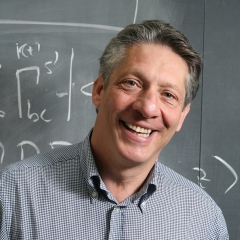 Edward Farhi合作论文数Department of Physics, Massachusetts Institute of Technology21
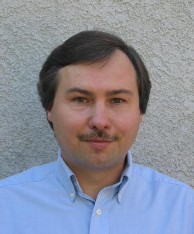 Alexander N. Korotkov合作论文数Department of Electrical and Computer Engineering, University of California, Riverside21Nicholas Bushnell合作论文数20Cody Jones合作论文数20
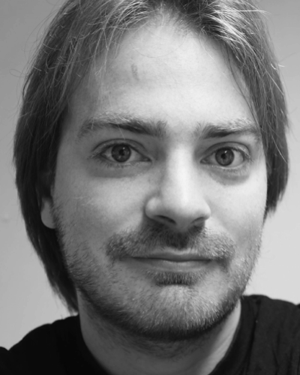 Marco Szalay合作论文数Google Res, Mountain View, CA 94043 USA19Benjamin Villalonga合作论文数Google Res, Mountain View, CA 94043 USA19
 Juan Atalaya合作论文数Chalmers University of Technology19Wojciech Mruczkiewicz合作论文数18
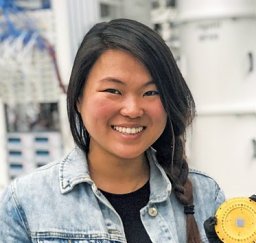 Sabrina Hong合作论文数Google Quantum AI, Santa Barbara, CA 93105 USA18
 Jeremy P. Hilton合作论文数Google Res, Mountain View, CA 94043 USA18
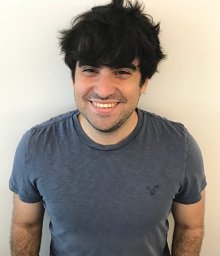 Michael Newman合作论文数Google Res, Mountain View, CA 94043 USA18
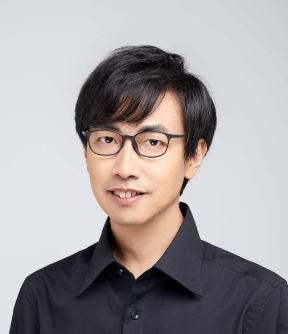 Jiang Zhang (张江)合作论文数School of Systems Science, Beijing Normal University18
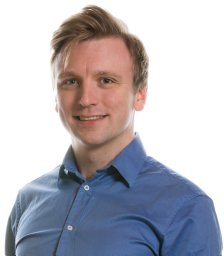 Andreas Bengtsson合作论文数18
 Ofer Naaman合作论文数National Institute of Standards and Technology18William J. Huggins合作论文数Google Res, Venice, CA 90291 USA17
 Kevin C. Miao合作论文数Univ Chicago, Inst Mol Engn, Chicago, IL 60637 USA17
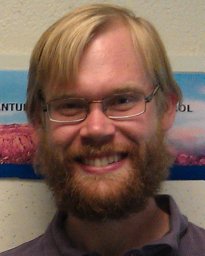 Jonathan Gross合作论文数Inst Quant, Univ Sherbrooke17




