Invasive measurement of coronary fractional flow reserve (FFR) routinely involves the use of a pressure guidewire that will induce hemodynamic changes, thereby causing the measured FFR to deviate from the intact in vivo one. However, computational models used for predicting FFR often ignore the encroachment of vascular lumen by guidewire, which may compromise the comparability of model predictions with in vivo measurements. In this study, a geometrical multiscale model was developed to quantify the influences of two types of pressure guidewire (i.e., pressure wire and pressure catheter) on coronary hemodynamics and FFR. Numerical experiments were conducted on 35 idealized and 10 realistic models of the left anterior descending artery (LAD). Obtained results revealed that inserting a pressure guidewire into the LAD augmented the viscous pressure loss across the stenosis segment, leading to a decrease in blood flow rate, increase in trans-stenosis pressure drop, and consequently decrease in FFR. The guidewire-induced decrease in FFR was affected mainly by vascular diameter, stenosis rate, the number of stenosis, and the diameter of guidewire. More importantly, the study demonstrated the existence of a linear relationship between guidewire-present FFRs and guidewire-absent (intact) FFRs despite the large variations in stenosis rate and vascular morpho-geometrical characteristics, which could be explained by a theoretical model. These findings may serve as theoretical references for explaining or correcting the discrepancies between FFRs predicted by guidewire-absent models and in vivo measurements or converting invasively measured FFRs into the intact ones to better assess the functional impact of coronary artery stenoses.
Multiple stenoses coexisting in a coronary artery (termed serial stenoses) are frequently observed in patients with coronary artery disease. Serial stenoses induce complex changes in coronary hemodynamics, particularly in blood flow rates and pressure drops across individual lesions, thus complicating the assessment of stenosis-specific functional impact. In this study, multiscale model-based numerical simulations were carried out, in combination with in vitro experiments and theoretical analysis, to systematically investigate pressure-based fractional flow reserve (PFFR), flow-based FFR (QFFR), and their relationship at serial stenoses located, respectively, in the proximal and middle portions of the left anterior descending artery. Numerical results revealed that PFFR and QFFR at the upstream stenosis exhibited different sensitivities to the downstream stenosis, leading to inconsistent diagnostic outcomes under certain conditions. In contrast, PFFR and QFFR at the downstream stenosis were equivalent in value and sensitive to both stenoses. The presence of a branch artery between the stenoses attenuated the influence of the downstream stenosis on PFFR and QFFR at the upstream stenosis. In vitro experiments validated the accuracy of the computational models and confirmed the numerical findings. Moreover, numerical data-based regression analyses revealed that QFFR at the upstream stenosis could be estimated using a function of PFFRs at the upstream and downstream stenoses, which was further verified by theoretical model-based analysis. These findings provide theoretical evidence for understanding stenosis-specific characteristics of functional indices in serial stenoses and offer a practical approach to optimize clinical diagnosis using PFFRs measured at multiple stenoses.
OBJECTIVE:It is generally accepted that blood flow in the superficial venous system of the lower extremity is anterograde whether the body is at rest (lying, sitting, or standing) or in motion (walking). However, it has been shown that during locomotion, anterograde blood flow in the superficial veins from the calf to the thigh was not observed. Instead, the blood flowed towards the intramuscular veins of the lower leg. The purpose of this study was to determine the pressure gradient directing the blood flow in the thigh venous network during ambulation. METHODS:Sixteen healthy volunteers (legs) were enrolled in the study. Venous pressure was measured in the great saphenous vein (GSV) at the upper and distal thigh and in the intermuscular vein of the posterior thigh during treadmill walking at 30, 45 and 60 stride cycles min-1. The blood flow rate in the common femoral artery was measured by duplex ultrasound at rest and immediately following each exercise test. RESULTS:Fourteen lower extremities were included in the analysis; two were excluded due to technical failure. A pressure gradient (PG) directed from the superficial to the intermuscular vein was observed for the majority the stride cycle time. The magnitude of the PG from the superficial to the intermuscular vein was found to be considerably higher than the PG observed between knee and groin GSV levels. The GSV pressure averaged over the cycle time was found to be similar at the knee and groin levels, irrespective of walking frequency. CONCLUSIONS:During natural ambulation, the resulting PG was directed from superficial to intermuscular veins for the majority of the stride cycle time. The thigh muscle pump functions as a flow diverter pump, redirecting blood flow from the superficial to the intramuscular venous networks via perforating veins. CLINICAL RELEVANCE:This report addresses the mechanical aspects of the thigh muscle pump during human locomotion, specifically treadmill walking. The study establishes a correlation between the stride cycle and venous pressure changes within the thigh intermuscular and superficial venous network. The study demonstrated that the direction of blood flow from superficial veins is not anterograde; rather, the primary route for blood outflow from the superficial venous network at the thigh level is towards intramuscular veins through perforating veins. The aforementioned data, when considered alongside recently published data regarding calf muscle pump function, strongly suggest that the physiologic direction of blood flow in perforating veins is only from superficial to deep veins. Conversely, the occurrence of reverse flow should be regarded as pathological, even if observed in a healthy subject with so-called bi-directional perforating veins. The role of bi-directional perforating veins has been a topic of long-standing debate in the literature, with opinions divided as to whether they are a physiological or pathological phenomenon. This new data is valuable for future research on the pathophysiology of chronic venous insufficiency.
OBJECTIVE:Ambulatory venous pressure (AVP) is the drop of pressure observed in the superficial veins of the lower leg during movement. This phenomenon has been linked to the function of the calf muscle pump (CMP) and the competence of venous valves. Nevertheless, the concept of the CMP function remains controversial. This study aimed to elucidate the association between lower leg muscles activity, changes in pressure in distinct venous segments, and lower extremity arterial blood supply in healthy subjects during various types and intensities of exercise. METHODS:Twelve legs of nine healthy volunteers were enrolled in the study. Continuous pressure (intramuscular vein [IV] and three great saphenous vein [GSV] points) and surface electromyography data (gastrocnemius and anterior tibial [ATM] muscles) were recorded during treadmill walking, running, and plantar flexion exercises. The pressure gradient (ΔP, mmHg) between adjacent points of measurement was calculated. Minute unit power of muscle pump ejection and suction (NE, and NS, MPa/min) were calculated and compared with the arterial blood supply of the lower extremity (LBF, L/min). RESULTS:ΔP demonstrated a consistent pattern of changes during walking and running. In GSV, the ΔP was observed to be directed from the thigh to the mid-calf (retrogradely) and from the ankle to the mid-calf (anterogradely) throughout the entire stride cycle. However, its value decreased with increasing stride cycle frequency. The dynamics of ΔP between the IV and GSV were as follows: It was directed from the IV to GSV during gastrocnemius contraction and was reversed during anterior tibial muscle contraction and gastrocnemius relaxation (swing phase). LBF, NE, and NS demonstrated similar exponential growth with increasing stride frequency during walking and running. CONCLUSIONS:During natural locomotion, the muscle pump acts as a flow diverter pump, redirecting the flow of blood from the superficial veins to the intramuscular veins via the perforating veins. During ambulation, the pressure in the superficial venous network depends upon the capacity of the muscle pump to provide output that matches the changes in arterial blood flow.
This research investigates application of physically regularized deep learning for the estimation of blood flow parameters in bifurcations of human arteries. The study presents a comprehensive methodology that combines synthetic data generation and advanced neural network architectures. The initial step involves construction of 3D meshes for bifurcations achieved through the developed mesh generator based on the GMSH library. A diverse dataset is then generated on the basis of 3D blood flow simulations in bifurcations in a physiological range of parameters such as vessel radii, bifurcation angles and inlet and outlet pressures. The generic database for neural network training and testing contains approximately 1.4· 10^5 data samples. The research focuses on training a feed-forward neural network, which provides the minimum possible error and physically relevant output. Two types of loss functions are explored for assessing the network’s performance, Huber loss function (HLF) and a physically regularized loss function (PRLF). We achieve the relative error of 12% for HLF. The study demonstrates that PRLF enhances the model’s capability to adhere to physical laws which provides faster convergence of training phase and decrease of the relative error to approximately 2.5% on the test dataset. We also study sensitivity of PRLF-based neural network convergence to different physical components. We found that adding symmetry property to the mass conservation condition accelerates the training process, decreases fluctuations of PRLF and reduces the relative error.
This paper presents a novel methodology utilizing physics-informed neural network (PINN) as a junction condition for a 1D network model of blood flow in total cavopulmonary connection generated by the Fontan procedure. The technique integrates a 3D mesh generation process based on the parameterization of the junction geometry, along with a sophisticated physically regularized neural network architecture. Synthetic datasets are produced using 3D steady Stokes simulations within fixed boundaries. We use a physically informed feedforward neural network that utilizes a physically regularized loss function, which incorporates the principle of mass conservation. Our PINN achieves a tolerance of 6% on the test set. We develop a 1D-PINN multiscale model based on a previously developed method for multiscale 1D-3D simulations. Comparison with 1D-3D Stokes based model and 3D Navier-Stokes based model verifies the 1D-PINN model. In the first and second comparison, the maximum deviations of the averaged pressures and flows do not exceed 1.48% and 12.26%, respectively.
This paper presents an analysis of the effectiveness of using one-dimensional network models for virtual assessment of the hemodynamic indices widely used in clinical practice to choose a treatment strategy for coronary heart disease with stenotic coronary arteries. It is shown that existing approaches make it is possible to assess hemodynamic indices based on clinical data collected without intervention into the body with an accuracy comparable to the accuracy of the input data and direct measurements. It is also important to take into account the state of the myocardial microvasculature and its influence on the interpretation of modeling results and direct clinical measurements.
This study introduces an innovative approach leveraging physics-informed neural networks (PINNs) for the efficient computation of blood flows at the boundaries of a four-vessel junction formed by a Fontan procedure. The methodology incorporates a 3D mesh generation technique based on the parameterization of the junction’s geometry, coupled with an advanced physically regularized neural network architecture. Synthetic datasets are generated through stationary 3D Navier–Stokes simulations within immobile boundaries, offering a precise alternative to resource-intensive computations. A comparative analysis of standard grid sampling and Latin hypercube sampling data generation methods is conducted, resulting in datasets comprising 1.1×10⁴ and 5×10³ samples, respectively. The following two families of feed-forward neural networks (FFNNs) are then compared: the conventional “black-box” approach using mean squared error (MSE) and a physically informed FFNN employing a physically regularized loss function (PRLF), incorporating mass conservation law. The study demonstrates that combining PRLF with Latin hypercube sampling enables the rapid minimization of relative error (RE) when using a smaller dataset, achieving a relative error value of 6% on the test set. This approach offers a viable alternative to resource-intensive simulations, showcasing potential applications in patient-specific 1D network models of hemodynamics.
When detecting equipment on a construction site the objects of detection could have very different scale relative to the image on which they are located. For better detection and bounding box visualization of small objects, a Feature-Fused modification of the SSD detector can be used. Together with the use of overlapping image slicing on the inference, this model copes well with the detection of small objects. However, excessive manual adjustment of the slicing parameters for better detection of small objects can both generally worsen detection on scenes different from those on which the model was adjusted, and lead to significant losses in the detection of large objects and problems with their bound-ing box visualization. Therefore, to achieve the best quality, the image slicing parameters should be automatically selected by the model depending on the characteristic scales of objects in the image. The article presents a dual-pass version of Feature-Fused SSD for automatic determination of image slicing parameters. To determine the characteristic sizes of detected objects on the first pass, a fast truncated version of the detector is used. On the second pass the final object detection is carried out with slicing parameters selected after the first one. Depending on the complexity of the task being solved, the detector demonstrates a quality of 0.82 - 0.92 according to the mAP (mean Average Precision) metric.
Coronary artery disease (CAD) is one of the main causes of death in the world. Functional indices such as fractional flow reserve (FFR), coronary flow reserve (CFR) and instantaneous wave-free ratio (iFR) are used to estimate the severity of CAD. Approximately 30–50% of patients have residual myocardial ischaemia even after formally successful percutaneous coronary intervention (PCI). Myocardial perfusion impairment is one of the main factors responsible for recurrence. We propose a novel 1D model of coronary hemodynamics that takes into account myocardial contraction, stenoses and impaired microcirculation. It uses non-invasively acquired data. The model is able to simulate FFR and iFR with a mean relative error of 3% and a standard mean deviation of 0.04. We find that healthy FFR and iFR values in the short and long term do not always correspond to healthy CFR values and recovery of coronary blood flow. We also show that PCI of stenosis also improves hemodynamic indices in adjacent stenosed vessels, with a more pronounced effect in the long term.
Venoarterial extracorporeal membrane oxygenation (VA-ECMO) has been extensively demonstrated as an effective means of bridge-to-destination in the treatment of patients with severe ventricular failure or cardiopulmonary failure. However, appropriate selection of candidates and management of patients during Extracorporeal membrane oxygenation (ECMO) support remain challenging in clinical practice, due partly to insufficient understanding of the complex influences of extracorporeal membrane oxygenation support on the native cardiovascular system. In addition, questions remain as to how central and peripheral venoarterial extracorporeal membrane oxygenation modalities differ with respect to their hemodynamic impact and effectiveness of compensatory oxygen supply to end-organs. In this work, we developed a computational model to quantitatively address the hemodynamic interaction between the extracorporeal membrane oxygenation and cardiovascular systems and associated gas transport. Model-based numerical simulations were performed for cardiovascular systems with severe cardiac or cardiopulmonary failure and supported by central or peripheral venoarterial extracorporeal membrane oxygenation. Obtained results revealed that: 1) central and peripheral venoarterial extracorporeal membrane oxygenation modalities had a comparable capacity for elevating arterial blood pressure and delivering oxygenated blood to important organs/tissues, but induced differential changes of blood flow waveforms in some arteries; 2) increasing the rotation speed of extracorporeal membrane oxygenation pump (ω) could effectively improve arterial blood oxygenation, with the efficiency being especially high when ω was low and cardiopulmonary failure was severe; 3) blood oxygen indices (i.e., oxygen saturation and partial pressure) monitored at the right radial artery could be taken as surrogates for diagnosing potential hypoxemia in other arteries irrespective of the modality of extracorporeal membrane oxygenation; and 4) Left ventricular (LV) overloading could occur when ω was high, but the threshold of ω for inducing clinically significant left ventricular overloading depended strongly on the residual cardiac function. In summary, the study demonstrated the differential hemodynamic influences while comparable oxygen delivery performance of the central and peripheral venoarterial extracorporeal membrane oxygenation modalities in the management of patients with severe cardiac or cardiopulmonary failure and elucidated how the status of arterial blood oxygenation and severity of left ventricular overloading change in response to variations in ω. These model-based findings may serve as theoretical references for guiding the application of venoarterial extracorporeal membrane oxygenation or interpreting in vivo measurements in clinical practice.
Adequate personalized numerical simulation of hemodynamic indices in coronary arteries requires accurate identification of the key parameters. Elastic properties of coronary vessels produce a significant effect on the accuracy of simulations. Direct measurements of the elasticity of coronary vessels are not available in the general clinic. Pulse wave velocity (AoPWV) in the aorta correlates with aortic and coronary elasticity. In this work, we present a neural network approach for estimating AoPWV. Because of the limited number of clinical cases, we used a synthetic AoPWV database of virtual subjects to train the network. We use an additional set of AoPWV data collected from real patients to test the developed algorithm. The developed neural network predicts brachial–ankle AoPWV with a root-mean-square error (RMSE) of 1.3 m/s and a percentage error of 16%. We demonstrate the relevance of a new technique by comparing invasively measured fractional flow reserve (FFR) with simulated values using the patient data with constant (7.5 m/s) and predicted AoPWV. We conclude that patient-specific identification of AoPWV via the developed neural network improves the estimation of FFR from 4.4% to 3.8% on average, with a maximum difference of 2.8% in a particular case. Furthermore, we also numerically investigate the sensitivity of the most useful hemodynamic indices, including FFR, coronary flow reserve (CFR) and instantaneous wave-free ratio (iFR) to AoPWV using the patient-specific data. We observe a substantial variability of all considered indices for AoPWV below 10 m/s and weak variation of AoPWV above 15 m/s. We conclude that the hemodynamic significance of coronary stenosis is higher for the patients with AoPWV in the range from 10 to 15 m/s. The advantages of our approach are the use of a limited set of easily measured input parameters (age, stroke volume, heart rate, systolic, diastolic and mean arterial pressures) and the usage of a model-generated (synthetic) dataset to train and test machine learning methods for predicting hemodynamic indices. The application of our approach in clinical practice saves time, workforce and funds.
При распознавании рабочих на изображениях строительной площадки, получаемых с камер наблюдения, типичной является ситуация, при которой объекты детекции имеют сильно различающийся пространственный масштаб относительно друг друга и других объектов. Повышение точности детекции мелких объектов может быть обеспечено путем использования Feature-Fused модификации детектора SSD (Single Shot Detector). Вместе с применением на инференсе нарезки изображения с перекрытием такая модель хорошо справляется с детекцией мелких объектов. Однако при практическом использовании данного подхода требуется ручная настройка параметров нарезки. При этом снижается точность детекции объектов на сценах, отличающихся от сцен, использованных при обучении, а также крупных объектов. В данной работе предложен алгоритм автоматического выбора оптимальных параметров нарезки изображения в зависимости от соотношений характерных геометрических размеров объектов на изображении. Нами разработан двухпроходной вариант детектора Feature-Fused SSD для автоматического определения параметров нарезки изображения. На первом проходе применяется усеченная версия детектора, позволяющая определять характерные размеры объектов интереса. На втором проходе осуществляется финальная детекция объектов с параметрами нарезки, выбранными после первого прохода. Был собран датасет с изображениями рабочих на строительной площадке. Датасет включает крупные, мелкие и разноплановые изображения рабочих. Для сравнения результатов детекции для однопроходного алгоритма без разбиения входного изображения, однопроходного алгоритма с равномерным разбиением и двухпроходного алгоритма с подбором оптимального разбиения рассматривались тесты по детекции отдельно крупных объектов, очень мелких объектов, с высокой плотностью объектов как на переднем, так и на заднем плане, только на заднем плане. В диапазоне рассмотренных нами случаев наш подход превосходит подходы, взятые в сравнение, позволяет хорошо бороться с проблемой двойных детекций и демонстрирует качество 0,82–0,91 по метрике mAP (mean Average Precision).
Fractional flow reserve (FFR) is a golden standard for evaluating hemodynamic importance of coronary stenosis. Computed (virtual) FFR has emerged as an effective computational tool for non-invasive FFR evaluation. In this work we present a new web-based computational technology for non-invasive estimation of FFR based on patient-specific data. This technology provides 3D visualization and a graphical user interface. Developed web application virtual FFR does not need to be installed on a local machine (user's computer) and requires only a browser to get full access to the application capabilities. Calculations are performed with the help of 1D hemodynamic model. Developed approach was tested on a variety of clinical cases. With proper parameters identification, this technology provided relative deviation of the computed FFR from the invasive FFR measurement around 6%.
In the present work, we construct a model of coronary flow, which utilizes both CT scans of large coronary arteries and coronary CT perfusion. The model describes pulsatile flow in the patient's network of coronary vessels and takes into account a number of physiological effects: myocardium contractions, stenoses, impairment of microvascular perfusion. The main novelty of this model is the new smooth boundary conditions that have not been used before in patient-specific simulations of coronary circulation. New boundary conditions use 0D lumped model approach and provide asymptotic convergence of the solution for the cases of one-to-one vascular connection and bifurcation with a very thin child vessel. The new boundary conditions make it possible to estimate the fractional flow margin more accurately. We also studied sensitivity of haemodynamic indices (fractional flow reserve, coronary flow reserve, instantaneous wave-free ratio) to the variations of microcirculation impairment. No substantial difference in sensitivity was observed between new model and original approach. The advantage of the presented approach is the availability of the required data in everyday clinical practice and, thus, improved personalization of the model.
OBJECTIVE:Calf muscle pump (CMP) failure contributes to the severity and progression of chronic venous disease. Attempts to improve CMP function through resistance exercise have failed to improve chronic venous disease severity or quality of life, partially because the selection of the type of exercise was based on the assumption that the CMP ejects blood from the intramuscular venous sinuses (VSs), which has never been tested in humans. In the present study, we investigated the real-time changes in the pressure and size of the VS during the entire gait cycle of ambulation. METHODS:We studied 12 lower extremities of nine healthy volunteers at rest and while walking on a treadmill at three different speeds (60, 90, and 120 steps/min). The changes in the VS cross-sectional area (CSA) and pressure were measured. Myography of the gastrocnemius muscle (GCM) and anterior tibial muscle (ATM) was used to register muscle activity. The relationship between the phases of the gait cycle and the measured parameters was analyzed using video records of all experiments. RESULTS:The observed timing of events was consistent among all limbs studied. At rest, with the participants standing still, the VS pressure and CSA was 70.3 ± 4.2 mm Hg and 23.3 ± 14.6 mm2, respectively. During ambulation, at the first half of the stance, the GCM and ATM eccentrically contract, and the pressure is low (17 ± 8 mm Hg, 20 ± 12 mm Hg, and 29 ± 13 mm Hg at 1, 1.5, and 2 Hz, respectively), and the VS is collapsed. When the heel starts rising (the second half of the stance), the GCM concentrically contracts, the pressure increases, reaching its maximum value (143 ± 37, 134 ± 46, and 128 ± 41 mm Hg), and the VS opens, reaching its maximal size (1.8 ± 1.4 and 2.3 ± 2.2 mm2 at 1 and 1.5 Hz, respectively), followed by collapse of the VS. During the swing phase, the GCM relaxes, and the ATM concentrically contracts, resulting in a rapid decrease in pressure (2.6 ± 4.7, 1.1 ± 6.2, and -4.7 ± 3.2 mm Hg). The VS CSA remained negligible. CONCLUSIONS:The GCM concentric contraction was associated with a simultaneous increase in VS pressure and CSA. GCM relaxation with ATM concentric contraction coincided with a decrease in VS pressure to negative values. The VSs do not fill but remain empty during the swing phase of ambulation, acting, not as a reservoir, but as a conduit, transferring blood from the network of intramuscular veins to the axial deep veins.
Aortic valve disease (AVD) often coexists with coronary artery disease (CAD), but whether and how the two diseases are correlated remains poorly understood. In this study, a zero-three dimensional (0-3D) multi-scale modeling method was developed to integrate coronary artery hemodynamics, aortic valve dynamics, coronary flow autoregulation mechanism, and systemic hemodynamics into a unique model system, thereby yielding a mathematical tool for quantifying the influences of aortic valve stenosis (AS) and aortic valve regurgitation (AR) on hemodynamics in large coronary arteries. The model was applied to simulate blood flows in six patient-specific left anterior descending coronary arteries (LADs) under various aortic valve conditions (i.e., control (free of AVD), AS, and AR). Obtained results showed that the space-averaged oscillatory shear index (SA-OSI) was significantly higher under the AS condition but lower under the AR condition in comparison with the control condition. Relatively, the overall magnitude of wall shear stress was less affected by AVD. Further data analysis revealed that AS induced the increase in OSI in LADs mainly through its role in augmenting the low-frequency components of coronary flow waveform. These findings imply that AS might increase the risk or progression of CAD by deteriorating the hemodynamic environment in coronary arteries.
In this work we present methods and algorithms for construction of a personalized model of coronary haemodynamics based on computed tomography images. This model provides estimations of fractional flow reserve, coronary flow reserve, and instantaneous wave-free ratio taking into account transmural perfusion ratio indices obtained from perfusion images. The presented pipeline consists of the following steps: aorta segmentation, left ventricle wall segmentation, coronary arteries segmentation, construction of 1D network of vessels, partitioning of left ventricle wall, and personalization of the model parameters. We focus on a new technique, which generates specific perfusion zones and computes transmural perfusion ratio according to the quality of available medical images with a limited number of visible terminal coronary vessels. Numerical experiments show that accurate evaluation of stenosis before precutaneous coronary intervention should take into account both fractional flow reserve indices and myocardial perfusion, as well as other indices, in order to avoid misdiagnosis. The presented model provides better understanding of the background of clinical recommendations for possible surgical treatment of a stenosed coronary artery.
 T.M. Gamilov合作论文数Sirius Univ Sci & Technol43
 Yuri V. Vassilevski合作论文数Inst Numer Math, Russian Acad Sci26
 Fuyou Liang (梁夫友)合作论文数School of Ocean and Civil Engineering, Shanghai Jiao Tong University25
 Alexander A Danilov合作论文数21
 Roman A. Tauraginskii合作论文数Vein Center “Antireflux”,, LLC13
 Fedor Lurie合作论文数Straub Clinic & Hospital13
 Denis Borsuk合作论文数VenoClin, Vasculab Ltd12
 Tatiana K. Dobroserdova合作论文数12
 Maxim A. Olshanskii合作论文数Department of Mathematics, University of Houston11
 Ospan A. Mynbaev合作论文数Moscow Inst Phys & Technol, State Univ10
 Andrey Kolobov合作论文数9
 Roman Pryamonosov合作论文数IM Sechenov First Moscow State Med Univ, Sechenov Univ9Rishal Agalarov合作论文数8
 A. S. Kholodov合作论文数Moscow8
 Victoria Salamatova合作论文数7Daria Gennadievna Gognieva合作论文数7Yu. Vassilevski合作论文数6F Yu Kopylov合作论文数6Yu. V. Vasilevsky合作论文数5Philipp Kopylov合作论文数5Xinyang Ge合作论文数5
 Eliseeva Marina Yu合作论文数The New European Surgical Academy, Peoples' Friendship University of Russia5
 Andrea Tinelli合作论文数Ospedale Veris Delli Ponti Scorrano;Xi'an Jiaotong University;Ministero dell'Istruzione dell'Università e della Ricerca;Presidio Ospedaliero Vito Fazzi5
 Antonio Malvasi合作论文数5yuri ivanov合作论文数4yu b ivanov合作论文数4Pavel Khramtsov合作论文数4Konstantin Mazayshvili合作论文数4Syrkin A L合作论文数4
 Aleksandra Bykova合作论文数4
 Youjun Liu (刘有军)合作论文数Beijing University of Technology4yu v vassilevski合作论文数3Ю. В. Василевский合作论文数3E. S. Pershina合作论文数3Michael Stark合作论文数3Shchekochikhin Dmitry合作论文数3Alexander V. Kolobov合作论文数National Institute of Advanced Industrial Science and Technology3
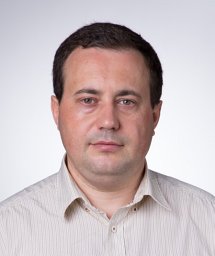 Yaroslav Kholodov合作论文数Moscow Institute of Physics and Technology3Tahar Benhidjeb合作论文数3
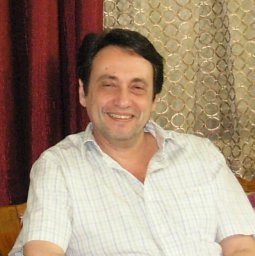 Vitaly Volpert合作论文数Institut Camille Jordan, Université Claude Bernard Lyon 13
 Adélia Sequeira合作论文数Instituto Superior Técnico, Dept. Matemática and CEMAT/IST, Lisboa, Portugal3P. Kopylov合作论文数2v k kramarenko合作论文数2Ph. Yu. Kopylov合作论文数2Peter Chomakhidze合作论文数2
 Nina Olegovna Gorodnova合作论文数2Mariam K. Gappoeva合作论文数2В. Ю. Саламатова合作论文数2




