PDF file - 232K, Immunohistochemical analysis of P-Erk, P-Akt, P-S6, and beta-catenin in tumors arising in K5-tTR::tet-Kras mice
Signaling pathways intersecting with the p21-activated kinases (PAKs) play important roles in tumorigenesis and cancer progression. By recognizing that the limitations of FRAX1036 (1) were chiefly associated with the highly basic amine it contained, we devised a mitigation strategy to address several issues such as hERG activity. The 5-amino-1,3-dioxanyl moiety was identified as an effective means of reducing pK a and logP simultaneously. When positioned properly within the scaffold, this group conferred several benefits including potency, pharmacokinetics, and selectivity. Mouse xenograft PK/PD studies were carried out using an advanced compound, G-5555 (12), derived from this approach. These studies concluded that dose-dependent pathway modulation was achievable and paves the way for further in vivo investigations of PAK1 function in cancer and other diseases.
Breast cancer, the most common cause of cancer-related deaths worldwide among women, is a molecularly and clinically heterogeneous disease. Extensive genetic and epigenetic profiling of breast tumors has recently revealed novel putative driver genes, including p21-activated kinase (PAK)1. PAK1 is a serine/threonine kinase downstream of small GTP-binding proteins, Rac1 and Cdc42, and is an integral component of growth factor signaling networks and cellular functions fundamental to tumorigenesis.
Drug discovery in psychiatry has been limited to chemical modifications of compounds originally discovered serendipitously. Therefore, more mechanism-oriented strategies of drug discovery for mental disorders are awaited. Schizophrenia is a devastating mental disorder with synaptic disconnectivity involved in its pathophysiology. Reduction in the dendritic spine density is a major alteration that has been reproducibly reported in the cerebral cortex of patients with schizophrenia. Disruptedin- Schizophrenia-1 (DISC1), a factor that influences endophenotypes underlying schizophrenia and several other neuropsychiatric disorders, has a regulatory role in the postsynaptic density in association with the NMDA-type glutamate receptor, Kalirin-7, and Rac1. Prolonged knockdown of DISC1 leads to synaptic deterioration, reminiscent of the synaptic pathology of schizophrenia. Thus, we tested the effects of novel inhibitors to p21-activated kinases (PAKs), major targets of Rac1, on synaptic deterioration elicited by knockdown expression of DISC1. These compounds not only significantly ameliorated the synaptic deterioration triggered by DISC1 knockdown but also partially reversed the size of deteriorated synapses in culture. One of these PAK inhibitors prevented progressive synaptic deterioration in adolescence as shown by in vivo two-photon imaging and ameliorated a behavioral deficit in prepulse inhibition in adulthood in a DISC1 knockdown mouse model. The efficacy of PAK inhibitors may have implications in drug discovery for schizophrenia and related neuropsychiatric disorders in general.
 Benedikt Vollrath合作论文数24
 David Campbell合作论文数23Lichter Jay合作论文数14
 Jonathan Chernoff合作论文数Fox Chase Cancer Center13
 Jubb Adrian M合作论文数Dept Pathol, Genentech Inc12
 Klaus Hoeflich合作论文数Versant NewCo;Nested Therapeutics12Jennifer N. Koch合作论文数11Jaffer Zahara M合作论文数11
 Dina S Stepanova合作论文数11Chow Hoi Yee合作论文数11
 J. Silvio Gutkind合作论文数Department of Pharmacology, School of Medicine, University of California San Diego;Moores Cancer Center, University of California San Diego11Anne Marie O'Farrell合作论文数SUGEN, Inc11Kathy Q. Cai合作论文数10
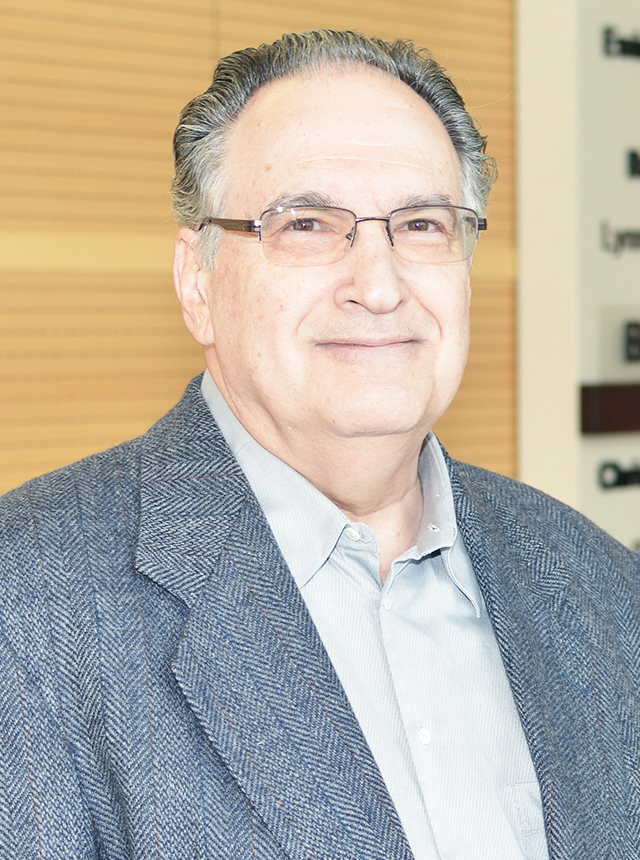 Andres J.P. Klein-Szanto合作论文数Fox Chase Cancer Center, Temple University Health System10warren wade合作论文数9michael christopher scaife合作论文数8dellamary a合作论文数8
 Qiang Ye合作论文数China Jiliang University, China Jiliang University8Lebel Carl合作论文数8Fabrice Piu合作论文数8Andrew M. Trammel合作论文数8Jeffrey Harris合作论文数7Stewart Noble合作论文数6andrew k lindstrom合作论文数5justin chapman合作论文数5david campbell合作论文数5Simon G. Sydserff合作论文数5James W. Malecha合作论文数5cunxiang zhao合作论文数4srinivas g rao合作论文数4Shiau Andrew K合作论文数4David Y. Gin合作论文数4Gregory Stein合作论文数4
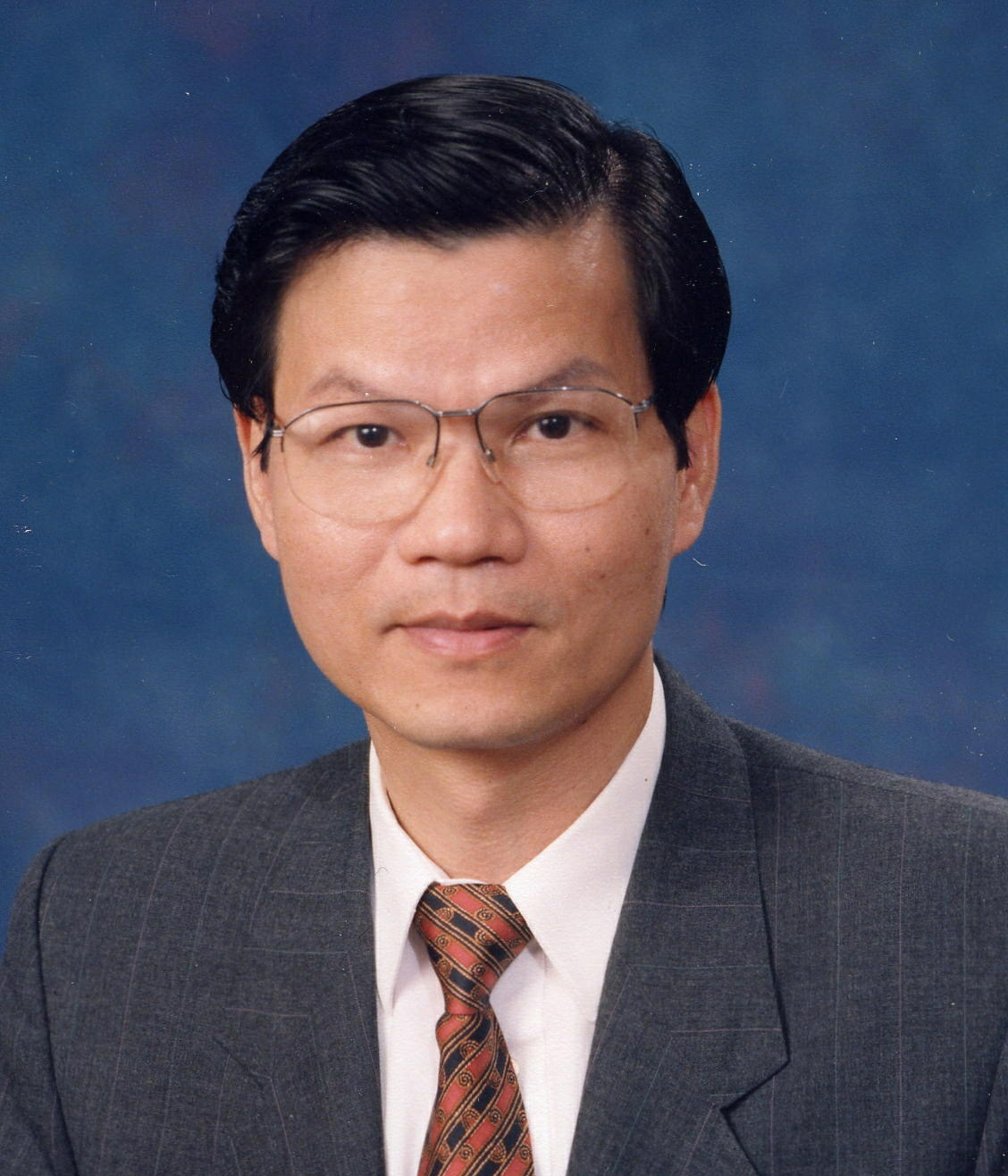 Chi-Huey Wong (翁启惠)合作论文数Genomics Research Center, Academia Sinica;Department of Chemistry, The Scripps Research Institute4
 Joachim Rudolph合作论文数3nathan d ide合作论文数2xiaohong chen合作论文数2
 Ronen Marmorstein合作论文数Department of Biochemistry and Biophysics, Perelman School of Medicine, University of Pennsylvania2McKew John C合作论文数2Sertic Michael合作论文数2Shen Min合作论文数2
 Nicholas Smith合作论文数RayzeBio2Wenwei Huang合作论文数2Guy Oshiro合作论文数2Hahdi H. Perfect合作论文数2
 Tadimeti S Rao合作论文数2
 Mark Leo Behnke合作论文数2
 Chudi Ndubaku合作论文数2




