The hypothalamus, composed of multiple nuclei, is essential for maintaining the body’s homeostasis. Within the mediobasal hypothalamus, the arcuate nucleus (ARC) contains key neuronal populations, including appetite-suppressing pro-opiomelanocortin (POMC) neurons that regulate energy and glucose balance. Here, we present a chemically defined, scalable method for differentiating human pluripotent stem cells (hPSCs) into hypothalamic neurons enriched for POMC cells, compatible with robotic cell culture platforms for high-throughput use. Neuronal identity was validated by MERFISH single-cell transcriptomics, RNA-Seq, ATAC-Seq, and comparison to human hypothalamus. The method is robust across multiple hPSC lines, showing consistent induction of ventral diencephalon and hypothalamic markers. Derived neurons display metabolic disease-relevant features, including body mass index (BMI)-associated gene enrichment, and ATAC-Seq identifies potential candidate regulatory regions linked to hypothalamic development and metabolic traits. Functional assays reveal neuronal responses to insulin and the GLP-1 receptor agonist Exendin-4, and transcriptional responses to altered glucose conditions. This platform delivers a physiologically relevant model of human hypothalamic neurons that enables deeper mechanistic and therapeutic studies of metabolic disease.
The human cerebellum is implicated in various neurological and psychiatric diseases, but its complex development and cellular diversity have posed challenges for in vitro modeling. Here, we report the generation of human induced pluripotent stem cell (iPSC)-derived cerebellar organoids (hCBOs) that are characterized by induction of rhombomere 1 (R1) cellular identity and followed by derivation of typical neuronal and glial cell types of the cerebellum. In contrast to forebrain organoids with multiple neural rosettes and inside-out neuronal migration, hCBOs develop a germinal zone on the outermost surface of the organoids with outside-in neuronal migration. These hCBOs produce various neuronal cell types resembling granule neurons, Purkinje cells, Golgi neurons, and deep cerebellar nuclei. By using a glial induction strategy, we generate Bergmann glial cells (BGCs) that serve as scaffolds for migratory granule cells and enhance electrophysiological activity of the hCBOs. Furthermore, by generating hCBOs from patients with Friedreich's ataxia (FRDA), we reveal disease-specific phenotypes that can be reversed by histone deacetylase (HDAC) inhibitors and gene editing by CRISPR-Cas9. Taken together, our advanced hCBO model provides new opportunities to investigate the mechanisms of cerebellar ontogenesis and utilize patient-derived iPSCs for translational research.
Lysosomal free sialic acid storage disorder (FSASD) is a rare neurodegenerative disease caused by biallelic mutations in SLC17A5, encoding the lysosomal sialic acid exporter, SLC17A5 (sialin). While the involvement of oligodendroglia in FSASD pathogenesis is established, the roles of other neural cell types remain elusive. In this study, we utilized radial glial cells (iRGCs), immature and mature astrocytes (iIAs and iMAs, respectively), and cortical neurons (iCNs) differentiated from induced pluripotent stem cells (iPSCs) derived from two individuals with FSASD, alongside two independent healthy donors for comparison. We employed a multifaceted profiling approach, including the assessment of cellular glycosphingolipids (GSLs), transcriptomics focused on GSL metabolism genes, and 4-methylumbelliferone-based lysosomal enzyme activity measurements. Our findings revealed significant elevations in free sialic acid levels across all FSASD cell types, indicating that iPSCs and derived iRGCs, iIAs, iMAs and iCNs may be used to model FSASD in vitro. We observed significant alterations in the abundance of specific GSL species, predominantly in mature astrocytes, with fewer changes in other cell types. Transcriptomic analyses uncovered differential expression of genes involved in GSL catabolism, including those encoding glycohydrolases. Enzyme assays corroborated the transcriptomic findings, showing heightened glycohydrolase activities, particularly in mature astrocytes. Collectively, these data may help refine our understanding of neural cell phenotypes and potential contributors to selective vulnerability in FSASD.
The human cerebellum is a specialized brain region that is involved in various neurological and psychiatric diseases but has been challenging to study in vitro due its complex neurodevelopment and cellular diversity. Despite the progress in generating neural tissues from human induced pluripotent stem cells (iPSCs), an organoid model that recapitulates the key features of cerebellar development has not been widely established. Here, we report the generation of a 60-day method for human cerebellar organoids (hCBOs) that is characterized by induction of rhombomere 1 (R1) cellular identity followed by derivation of neuronal and glial cell types of the cerebellum. In contrast to forebrain organoids with multiple neural rosettes and inside-out neuronal migration, hCBOs develop a SOX2+ cerebellar plate on the outermost surface of organoids with outside-in neuronal migration, which is a characteristic hallmark of cerebellar histogenesis. These hCBOs produced various other cell types including granule neurons, Purkinje cells, Golgi neurons, and deep cerebellar nuclei. By using a glial induction strategy, we generate Bergmann glial cells (BGCs) within the hCBOs that not only serve as scaffolds for granule cells migration but also enhance electrophysiological response of the hCBOs. Furthermore, by generating hCBOs from patients with Friedreich's ataxia (FRDA), we revealed abnormal disease-specific phenotypes that could be reversed by histone deacetylase (HDAC) inhibitors and gene editing by CRISPR-Cas9. Taken together, our advanced hCBO model provides new opportunities to investigate the molecular and cellular mechanisms of cerebellar ontogenesis and utilize patient-derived iPSCs for translational research.
Plant Parasitic Nematodes (PPNs), such as Meloidogyne incognita, cause significant agricultural losses worldwide. Conventional nematicides like methyl bromide are being phased out due to environmental and health concerns, prompting the search for safer alternatives. In previous studies, chalcones 17, 25, and 30, flavonoid compounds, were shown to effectively kill the model nematode Caenorhabditis elegans at concentrations of 10−4 M. However, the potential of these chalcones to act synergistically at lower concentrations has not been explored. In this study, the nematicidal efficacy of chalcones 17, 25, and 30 was evaluated individually and in combination at concentrations as low as 10−6 M. The results demonstrate a strong synergistic effect, with combinations achieving 90–100% mortality in C. elegans within 3 days. Additionally, the combination index method revealed significant toxic effects against M. incognita with chalcones 17 and 30 in binary and ternary combinations. To assess the effects of these chalcones on nontarget organisms, chalcones were also tested for antimicrobial activity against soil bacteria; analysis of soil microbiota using 16S rRNA sequencing indicated that chalcones did not significantly disrupt microbial populations. Furthermore, tests on human pluripotent stem cells (hPSCs) reveal no major effects on the viability of these cells at concentrations as high as the concentrations needed to kill nematodes. These findings highlight the potential of chalcones 17, 25, and 30 for effective nematode control without harming soil bacteria or human cells.
Embryoid bodies (EBs) and self-organizing organoids derived from human pluripotent stem cells (hPSCs) recapitulate tissue development in a dish and hold great promise for disease modeling and drug development. However, current protocols are hampered by cellular stress and apoptosis during cell aggregation, resulting in variability and impaired cell differentiation. Here, we demonstrate that EBs and various organoid models (e.g., brain, gut, kidney) can be optimized by using the small molecule cocktail named CEPT (chroman 1, emricasan, polyamines, trans-ISRIB), a polypharmacological approach that ensures cytoprotection and cell survival. Application of CEPT for just 24 h during cell aggregation has long-lasting consequences affecting morphogenesis, gene expression, cellular differentiation, and organoid function. Various qualification methods confirmed that CEPT treatment enhanced experimental reproducibility and consistently improved EB and organoid fitness as compared to the widely used ROCK inhibitor Y-27632. Collectively, we discovered that stress-free cell aggregation and superior cell survival in the presence of CEPT are critical quality control determinants that establish a robust foundation for bioengineering complex tissue and organ models.
The hypothalamus, composed of several nuclei, is essential for maintaining our body's homeostasis. The arcuate nucleus (ARC), located in the mediobasal hypothalamus, contains neuronal populations with eminent roles in energy and glucose homeostasis as well as reproduction. These neuronal populations are of great interest for translational research. To fulfill this promise, we used a robotic cell culture platform to provide a scalable and chemically defined approach for differentiating human pluripotent stem cells (hPSCs) into pro-opiomelanocortin (POMC), somatostatin (SST), tyrosine hydroxylase (TH) and gonadotropin-releasing hormone (GnRH) neuronal subpopulations with an ARC-like signature. This robust approach is reproducible across several distinct hPSC lines and exhibits a stepwise induction of key ventral diencephalon and ARC markers in transcriptomic profiling experiments. This is further corroborated by direct comparison to human fetal hypothalamus, and the enriched expression of genes implicated in obesity and type 2 diabetes (T2D). Genome-wide chromatin accessibility profiling by ATAC-seq identified accessible regulatory regions that can be utilized to predict candidate enhancers related to metabolic disorders and hypothalamic development. In depth molecular, cellular, and functional experiments unveiled the responsiveness of the hPSC-derived hypothalamic neurons to hormonal stimuli, such as insulin, neuropeptides including kisspeptin, and incretin mimetic drugs such as Exendin-4, highlighting their potential utility as physiologically relevant cellular models for disease studies. In addition, differential glucose and insulin treatments uncovered adaptability within the generated ARC neurons in the dynamic regulation of POMC and insulin receptors. In summary, the establishment of this model represents a novel, chemically defined, and scalable platform for manufacturing large numbers of hypothalamic arcuate neurons and serves as a valuable resource for modeling metabolic and reproductive disorders.
Human pluripotent stem cells (hPSCs) represent a powerful model system to study early developmental processes. However, lineage specification into trophectoderm (TE) and trophoblast (TB) differentiation remains poorly understood, and access to well-characterized placental cells for biomedical research is limited, largely depending on fetal tissues or cancer cell lines. Here, we developed novel strategies enabling highly efficient TE specification that generates cytotrophoblast (CTB) and multinucleated syncytiotrophoblast (STB), followed by the establishment of trophoblast stem cells (TSCs) capable of differentiating into extravillous trophoblast (EVT) and STB after long-term expansion. We confirmed stepwise and controlled induction of lineage- and cell-type-specific genes consistent with developmental biology principles and benchmarked typical features of placental cells using morphological, biochemical, genomics, epigenomics, and single-cell analyses. Charting a well-defined roadmap from hPSCs to distinct placental phenotypes provides invaluable opportunities for studying early human development, infertility, and pregnancy-associated diseases.
Development of new non-addictive analgesics requires advanced strategies to differentiate human pluripotent stem cells (hPSCs) into relevant cell types. Following principles of developmental biology and translational applicability, here we developed an efficient stepwise differentiation method for peptidergic and non-peptidergic nociceptors. By modulating specific cell signaling pathways, hPSCs were first converted into SOX10+ neural crest, followed by differentiation into sensory neurons. Detailed characterization, including ultrastructural analysis, confirmed that the hPSC-derived nociceptors displayed cellular and molecular features comparable to native dorsal root ganglion (DRG) neurons, and expressed high-threshold primary sensory neuron markers, transcription factors, neuropeptides, and over 150 ion channels and receptors relevant for pain research and axonal growth/regeneration studies (e.g., TRPV1, NAV1.7, NAV1.8, TAC1, CALCA, GAP43, DPYSL2, NMNAT2). Moreover, after confirming robust functional activities and differential response to noxious stimuli and specific drugs, a robotic cell culture system was employed to produce large quantities of human sensory neurons, which can be used to develop nociceptor-selective analgesics.
Human gliogenesis remains poorly understood, and derivation of astrocytes from human pluripotent stem cells (hPSCs) is inefficient and cumbersome. Here, we report controlled glial differentiation from hPSCs that bypasses neurogenesis, which otherwise precedes astrogliogenesis during brain development and in vitro differentiation. hPSCs were first differentiated into radial glial cells (RGCs) resembling resident RGCs of the fetal telencephalon, and modulation of specific cell signaling pathways resulted in direct and stepwise induction of key astroglial markers (NFIA, NFIB, SOX9, CD44, S100B, glial fibrillary acidic protein [GFAP]). Transcriptomic and genome-wide epigenetic mapping and single-cell analysis confirmed RGC-to-astrocyte differentiation, obviating neurogenesis and the gliogenic switch. Detailed molecular and cellular characterization experiments uncovered new mechanisms and markers for human RGCs and astrocytes. In summary, establishment of a glia-exclusive neural lineage progression model serves as a unique serum-free platform of manufacturing large numbers of RGCs and astrocytes for neuroscience, disease modeling (e.g., Alexander disease), and regenerative medicine.
ABSTRACT Embryoid bodies (EBs) and self-organizing organoids derived from human pluripotent stem cells (hPSCs) recapitulate tissue development in a dish and hold great promise for disease modeling and drug development. However, current protocols are hampered by cellular stress and apoptosis during cell aggregation, resulting in variability and impaired cell differentiation. Here, we demonstrate that EBs and various organoid models (e.g., brain, gut, and kidney) can be optimized by using the CEPT small molecule cocktail, a polypharmacology approach that ensures cytoprotection and cell survival. Application of CEPT (chroman 1, emricasan, polyamines, trans-ISRIB) for just 24 hours during cell aggregation has long-lasting consequences affecting morphogenesis, gene expression, and cellular differentiation. Various qualification methods confirmed that CEPT treatment consistently improved EB and organoid fitness as compared to the widely used ROCK inhibitor Y-27632. Collectively, we discovered that stress-free cell aggregation and superior cell survival in the presence of CEPT are critical quality control determinants that establish a robust foundation for bioengineering complex tissue and organ models.
Human pluripotent stem cells (hPSCs) are inherently sensitive cells. Single-cell dissociation and the establishment of clonal cell lines have been long-standing challenges. This inefficiency of cell cloning represents a major obstacle for the standardization and streamlining of gene editing in induced pluripotent stem cells for basic and translational research. Here we describe a chemically defined protocol for robust single-cell cloning using microfluidics-based cell sorting in combination with the CEPT small-molecule cocktail. This advanced strategy promotes the viability and cell fitness of self-renewing stem cells. The use of low-pressure microfluidic cell dispensing ensures gentle and rapid dispensing of single cells into 96- and 384-well plates, while the fast-acting CEPT cocktail minimizes cellular stress and maintains cell structure and function immediately after cell dissociation. The protocol also facilitates clone picking and produces genetically stable clonal cell lines from hPSCs in a safe and cost-efficient fashion. Depending on the proliferation rate of the clone derived from a single cell, this protocol can be completed in 7–14 d and requires experience with aseptic cell culture techniques. Altogether, the relative ease, scalability and robustness of this workflow should boost gene editing in hPSCs and leverage a wide range of applications, including cell line development (e.g., reporter and isogenic cell lines), disease modeling and applications in regenerative medicine.
Human pluripotent stem cells (hPSCs), such as induced pluripotent stem cells (iPSCs), hold great promise for drug discovery, toxicology studies, and regenerative medicine. Here, we describe standardized protocols and experimental procedures that combine automated cell culture for scalable production of hPSCs with quantitative high-throughput screening (qHTS) in miniaturized 384-well plates. As a proof of principle, we established dose-response assessments and determined optimal concentrations of 12 small molecule compounds that are commonly used in the stem cell field. Multi-parametric analysis of readouts from diverse assays including cell viability, mitochondrial membrane potential, plasma membrane integrity, and ATP production was used to distinguish normal biological responses from cellular stress induced by small molecule treatment. Collectively, the establishment of integrated workflows for cell manufacturing, qHTS, high-content imaging, and data analysis provides an end-to-end platform for industrial-scale projects and should leverage the drug discovery process using hPSC-derived cell types.
Human pluripotent stem cells (hPSCs) represent a powerful model system to study early developmental processes. However, lineage specification into trophectoderm (TE) remains poorly understood and access to well-characterized placental cells for biomedical research is limited, largely depending on fetal tissues or cancer cell lines. Here, we developed novel strategies enabling highly efficient TE specification that generates cytotrophoblast (CTB) and multinucleated primary syncytiotrophoblast (STB) followed by establishment of trophoblast stem cells (TSCs) capable of differentiating into extravillous trophoblast (EVT) and STB after long-term expansion. We confirmed stepwise induction of lineage- and cell-type-specific genes and substantiated typical features of placental cells using morphological, biochemical, integrated multi-omics, and single-cell analyses. Our data provide conclusive evidence that conventional hPSCs can be directly and exclusively converted into TE, thereby providing an unlimited source of diverse placental cell types suitable for a broad range of biomedical applications.
Brillouin light scattering offers a unique label-free approach to measure biomechanical properties non-invasively. While this technique is used in biomechanical analysis of cells and tissues, its potential for visualizing structural features of tissues based on the biomechanical contrast has not been much exploited. Here, we present high-resolution Brillouin microscopy images of four basic tissue types: muscular, connective, epithelial, and nervous tissues. The Brillouin contrast distinguishes between muscle fiber cells and endomysium in skeletal muscle and reveals chondrocytes along with spatially varying stiffness of the extracellular matrix in articular cartilage. The hydration-sensitive contrast can visualize the stratum corneum, epidermis, and dermis in the skin epithelium. In brain tissues, the Brillouin images show the mechanical heterogeneity across the cortex and deeper regions. This work demonstrates the versatility of using the Brillouin shift as histological contrast for examining intact tissue substructures via longitudinal modulus without the need for laborious tissue processing steps.
Human pluripotent stem cells (hPSCs) are capable of extensive self-renewal yet remain highly sensitive to environmental perturbations in vitro, posing challenges to their therapeutic use. There is an urgent need to advance strategies that ensure safe and robust long-term growth and functional differentiation of these cells. Here, we deployed high-throughput screening strategies to identify a small-molecule cocktail that improves viability of hPSCs and their differentiated progeny. The combination of chroman 1, emricasan, polyamines, and trans-ISRIB (CEPT) enhanced cell survival of genetically stable hPSCs by simultaneously blocking several stress mechanisms that otherwise compromise cell structure and function. CEPT provided strong improvements for several key applications in stem-cell research, including routine cell passaging, cryopreservation of pluripotent and differentiated cells, embryoid body (EB) and organoid formation, single-cell cloning, and genome editing. Thus, CEPT represents a unique poly-pharmacological strategy for comprehensive cytoprotection, providing a rationale for efficient and safe utilization of hPSCs.
Derivation of astrocytes from human pluripotent stem cells (hPSCs) is inefficient and cumbersome, impeding their use in biomedical research. Here, we developed a highly efficient chemically defined astrocyte differentiation strategy that overcomes current limitations. This approach largely bypasses neurogenesis, which otherwise precedes astrogliogenesis during brain development and in vitro experiments. hPSCs were first differentiated into radial glial cells (RGCs) exhibiting in vivo -like radial glia signatures. Activation of NOTCH and JAK/STAT pathways in bona fide RGCs resulted in direct astrogliogenesis confirmed by expression of various glial markers (NFIA, NFIB, SOX9, CD44, S100B, GFAP). Transcriptomic and genome-wide epigenetic analyses confirmed RGC-to-astrocyte differentiation and absence of neurogenesis. The morphological and functional identity of hPSC-derived astrocytes was confirmed by using an array of methods (e.g. electron microscopy, calcium imaging, co-culture with neurons, grafting into mouse brains). Lastly, the scalable protocol was adapted to a robotic platform and used to model Alexander disease. In conclusion, our findings uncover remarkable plasticity in neural lineage progression that can be exploited to manufacture large numbers of human hPSC-derived astrocytes for drug development and regenerative medicine.
Rationale: Cardiovascular diseases often cause substantial heart damage and even heart failure due to the limited regenerative capacity of adult cardiomyocytes. The direct cardiac reprogramming of fibroblasts could be a promising therapeutic option for these patients. Although exogenous transcriptional factors can induce direct cardiac reprogramming, the reprogramming efficiency is too low to be used clinically. Herein, we introduce a cardiac-mimetic cell-culture system that resembles the microenvironment in the heart and provides interactions with cardiomyocytes and electrical cues to the cultured fibroblasts for direct cardiac reprogramming. Methods: Nano-thin and nano-porous membranes and heart like electric stimulus were used in the cardiac-mimetic cell-culture system. The human neonatal dermal fibroblasts containing cardiac transcription factors were plated on the membrane and cultured with the murine cardiomyocyte in the presence of the electric stimulus. The reprogramming efficiency was evaluated by qRT-PCR and immunocytochemistry. Results: Nano-thin and nano-porous membranes in the culture system facilitated interactions between fibroblasts and cardiomyocytes in coculture. The cellular interactions and electric stimulation supplied by the culture system dramatically enhanced the cardiac reprogramming efficiency of cardiac-specific transcriptional factor-transfected fibroblasts. Conclusion: The cardiac-mimetic culture system may serve as an effective tool for producing a feasible number of reprogrammed cardiomyocytes from fibroblasts.
Prevention of biofouling and microbial contamination of implanted biomedical devices is essential to maintain their functionality and biocompatibility. For this purpose, polypept(o)ide block copolymers have been developed, in which a protein-resistant polysarcosine (pSar) block is combined with a dopamine-modified poly(glutamic acid) block for surface coating and silver nanoparticles (Ag NPs) formation. In the development of a novel, versatile, and biocompatible antibacterial surface coating, block lengths pSar were varied to derive structure-property relationships. Notably, the catechol moiety performs two important tasks in parallel; primarily it acts as an efficient anchoring group to metal oxide surfaces, while it furthermore induces the formation of Ag NPs. Attributing to the dual function of catechol moieties, antifouling pSar brush and antimicrobial Ag NPs can not only adhere stably on metal oxide surfaces, but also display passive antifouling and active antimicrobial activity, showing good biocompatibility simultaneously. The developed strategy seems to provide a promising platform for functional modification of biomaterials surface to preserve their performance while reducing the risk of bacterial infections.
 Byung-Soo Kim合作论文数Hanyang University15
 Anton Simeonov合作论文数National Center for Advancing Translational Sciences, National Institutes of Health, U.S. Department of Health & Human Services14
 Carlos Tristan合作论文数12
 Ilyas Singec合作论文数12Pei-Hsuan Chu合作论文数10Pinar Ormanoglu合作论文数9
 Vukasin M. Jovanovic合作论文数National Center for Advancing Translational Sciences (NCATS),, National Institutes of Health (NIH),9Jin Han合作论文数7
 Claire Weber合作论文数7
 Park Jooyeon合作论文数7
 Ty C Voss合作论文数7Jason Inman合作论文数J. Craig Venter Institute7Chaitali Sen合作论文数6
 Jaroslav Slamecka合作论文数6
 Byung Hee Hong合作论文数Graphene Research Laboratory, Department of Chemistry, Seoul National University5Kang Seokyung合作论文数5Sam Michael合作论文数5Jin Yoo合作论文数Biomedical Research Institute, Korea Institute of Science and Technology (KIST),4
 Ju-Ro Lee合作论文数Korea Inst Sci & Technol, Biomed Res Inst4
 Yogita Jethmalani合作论文数Stem Cell Translat Lab, Natl Ctr Adv Translat Sci4
 Subeom Park合作论文数4Hyenjong Hong合作论文数Dept Stem Cell Biol, Kyoto Univ4Kook Heon Char合作论文数4Marissa B. Hirst合作论文数3
 Mikyung Kang合作论文数Interdisciplinary Program for Bioengineering, Seoul National University3
 Seuk Young Song合作论文数Seoul Natl Univ, Sch Chem & Biol Engn, Seoul 08826, South Korea3Claire Malley合作论文数3
 Byung Soo Kim合作论文数Department of Chemical and Biological Engineering, College of Engineering, Seoul National University3
 Jeong Gun-Jae合作论文数School of Chemical and Biological Engineering, Seoul National University3
 Yoon Jeong-Kee合作论文数School of Chemical and Biological Engineering, Seoul National University3Christopher A. Leclair合作论文数3
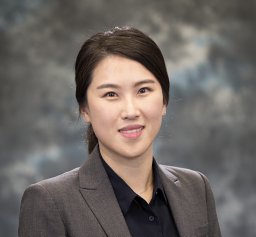 Yeongseon Jang合作论文数School of Chemical and Biological Engineering, Seoul National University3John C. Braisted合作论文数Pathogen Functional Genomics Resource Center, J. Craig Venter Institute3
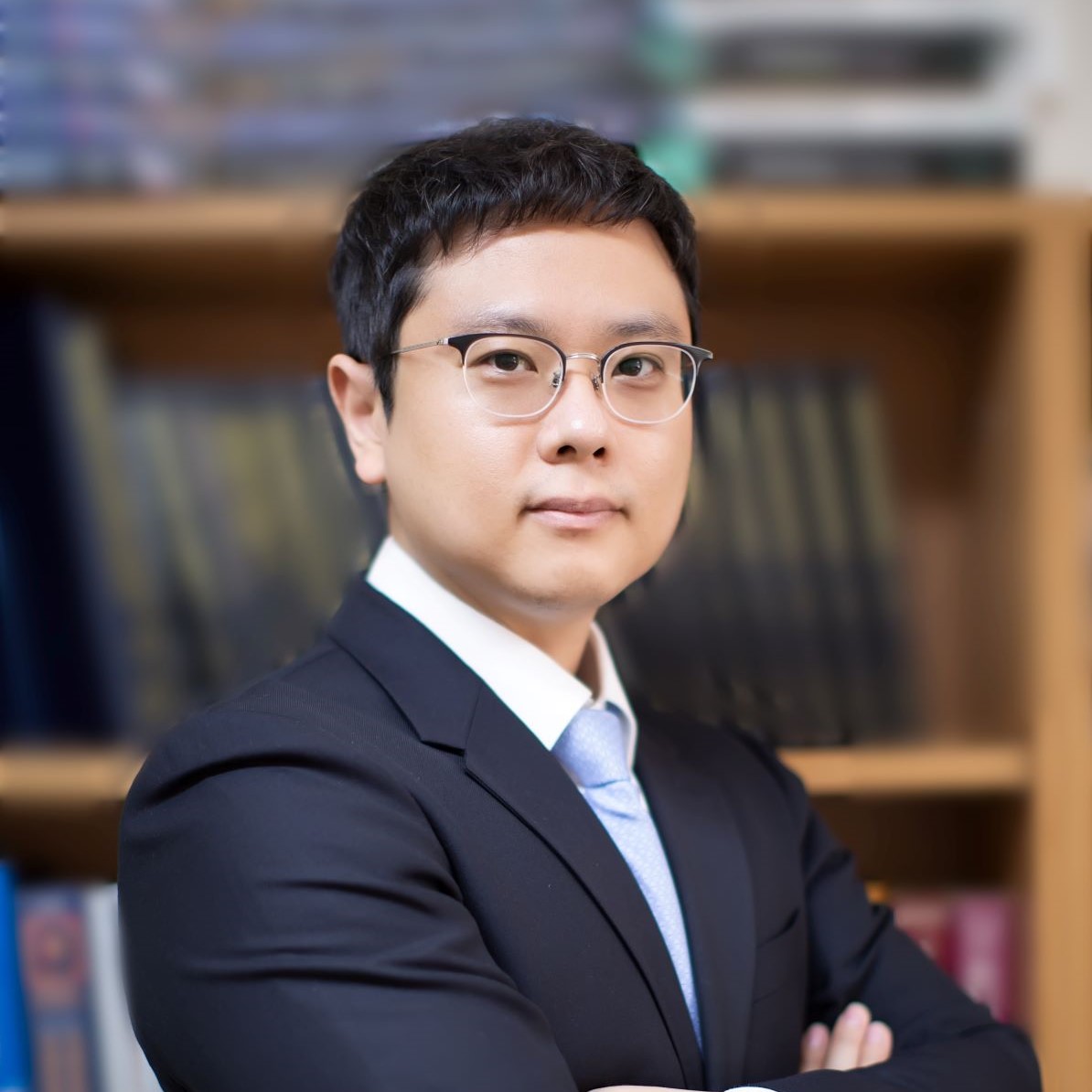 Suk Ho Bhang合作论文数School of Chemical and Biological Engineering, Seoul National University3
 Donghoon Choi合作论文数2Yeon Woong Choo合作论文数2Hannah J Glover合作论文数2Yeliz Gedik合作论文数2Bokyoung Kim合作论文数2Lori L. Bonnycastle合作论文数2Youngkeun Ahn合作论文数2
 Han Young Kim合作论文数2
 Seon Yeop Jung合作论文数Dept Chem Engn, Dankook Univ2
 Sung Gap Im合作论文数Department of Chemical and Biomolecular Engineering, Korea Advanced Institute of Science and Technology2
 Michael E. Ward合作论文数Neurogenetics Branch, National Institutes of Health2Jung-Youn Shin合作论文数2Noh Myung-Kyung合作论文数2
 Ben Ernest合作论文数Graduate School of Genome Science and Technology, The University of Tennessee2Cho Sung-Pyo合作论文数2




