e13573 Background: Less than 10% of eligible cancer patients enroll in clinical trials (CT) due to fragmented information, logistical barriers, and inequities in trial awareness and navigation. To address these challenges, the American Cancer Society (ACS) launched ACS ACTS (Access to Clinical Trials & Support), a national, patient-centered program combining clinical trial education, health-related social needs (HRSN) screening, navigation, and artificial intelligence (AI)–enabled trial matching to reduce friction between trial interest and trial action. Methods: We conducted a descriptive analysis of the first 10 months of ACS ACTS, from launch on 2/23/25 to 12/31/25. Eligible participants (EP) included individuals of any age with any cancer type across all U.S. states & territories, referred by patients, caregivers, or providers. Program components included trial education, HRSN screening, supportive services, AI-generated personalized trial matching (via Massive Bio–sourced interventional trials), and centralized prescreening hubs (CPH) for eligibility and site coordination. The AI platform employs a neurosymbolic, multi-agent, explainable architecture integrating rule-based eligibility reasoning with machine learning–based semantic extraction of clinical data to align patient characteristics with protocol-level inclusion & exclusion criteria. Outcomes included reach, HRSN burden, AI matching throughput, trial matches, and downstream trial referral metrics. Results: 1,479 EP across over 30 cancer types and 48 states participated in the program, with representation from medically underserved and rural communities. 2,713 HRSNs were reported with 54% of EP reporting at least one unmet HRSN, most commonly financial, lodging, and emotional concerns. 66.7% of EP received CT education and HRSN support, and among them 75.0% elected to pursue CT matching, receiving AI-generated personalized trial lists with rapid turnaround. 1,591 partial or exact matches to trials were identified, with 99.9% of patients receiving at least one match. CPH completed for most matched EP and efficient triage to investigative sites. Early downstream outcomes demonstrated meaningful progression from trial awareness to site referral, with subsets advancing to trial screening and enrollment where confirmable. Conclusions: In its early national implementation, ACS ACTS demonstrates the feasibility of a scalable, patient-centered AI framework that integrates education, social needs support, AI-enabled trial matching, and centralized prescreening to reduce barriers to oncology CT participation. Early outcomes highlight substantial unmet social needs alongside strong demand for trial navigation and matching, particularly directly from patients. Ongoing analyses will examine impact on trial participation, equity, and patient engagement.
PURPOSE Historically, patients with hematologic malignancies are referred to palliative care less often and later in the disease trajectory than those with solid tumors. Recent evidence demonstrates the benefit of early, integrated inpatient palliative care (PC) for patients with acute myeloid leukemia (AML) receiving chemotherapy at academic centers. The current study evaluated the feasibility of implementing standardized early palliative care services (PCS) during hospitalization for AML treatment in a community setting. METHODS Starting June 2018, automated consultations for PCS were incorporated into clinical pathways to encourage early, integrated services for patients receiving chemotherapy for AML with an expected hospital stay of 4-6 weeks. Expectations were established that consultations would be performed within 72 hours of request; patients would have two visits per week by a palliative care clinician and at least one visit by a member of the interdisciplinary team. To measure the feasibility of this intervention, data on number of patients who received palliative care consultation and time to palliative care consultation were compared with institutional historical controls. RESULTS On the basis of retrospective chart review, the postintervention group (n = 21) had greater PCS compared with historical controls (n = 28; 95% v 36%). The average number of PC team member visits per patient was significantly greater after the intervention: PC clinicians (1.04-8.05, P < .001), chaplains (1.3-3.3, P = .0085), and social workers (1.0-4.3, P < .001). Of those patients who received PCS, 74% had their initial palliative medicine consultation within 3 days of a clinician's order and 100% within 4 days. CONCLUSION We have demonstrated the feasibility of implementing standardized integration of PCS for patients with AML hospitalized for treatment in a community setting.
12075 Background: Among patients with cancer, early outpatient specialty palliative care (PC) concurrent with cancer-directed treatment improves quality of life and symptom burden, decreases aggressive end-of-life care, and is endorsed by national guidelines. However, nearly half of patients with advanced cancer do not receive specialty PC prior to dying. The objective of this study was to test the impact of oncologist-directed default PC referral orders on early PC utilization and quality of life. Methods: This 2-arm pragmatic randomized trial was conducted in a large, rural community oncology practice. Eligible patients met one of 5 NCCN guideline-based indications (uncontrolled symptoms, recent hospitalization or ED visit, ECOG PS≥3; active stage IV malignancy; CNS metastasis) for specialty PC referral. Four teams, consisting of unique physicians, advance practice providers, and social workers, were randomized in a 1:1 fashion to intervention vs. control. Clinicians and care team members in the intervention arm received an electronic health record (EHR) message with a default pended PC referral order for eligible patients. Clinicians could opt out. Clinicians in the control arm received no EHR message. An adjusted cox proportional hazards model with clustered standard errors was used to assess the primary outcome of completed PC visits within 24 weeks of enrollment. Adjusted logistic regression models with inverse probability censoring weighting to account for differential mortality risk were used to assess secondary outcomes of absolute and change in quality of life per FACT-G score at 9 weeks, among intervention patients who received PC, compared to a random subset of controls. Results: Among 266 eligible patients, 252 (94.7%) were White, 147 (55.3%) were female, and 204 (78%) had stage IV disease. The most common cancers were gastrointestinal (26.3%), breast (19%), and lung (17%). In the intervention arm, physicians opted-out of 62% of referrals. Rates of completed palliative care visits were 14.6% in the intervention arm vs. 8.1% in the control arm (adjusted hazard ratio 1.34 [95% CI 1.25-1.54], p<0.001). Patient-reported quality of life was greater in the intervention arm than the control arm (mean change in FACT-G score at 9 weeks: 6.56 [SD 8.9] intervention vs. -4.48 [SD 13.5] control; adjusted difference 11.4, p=0.05). Rates of intensive end-of-life care were similar in both control and intervention groups. Conclusions: Compared with controls, default referrals to specialty PC among patients who met guideline-based criteria led to increases in completed palliative care visits and improved quality of life. Default PC referrals may be an effective strategy to improve access to early specialty palliative care in community oncology, although effect sizes were tempered by high opt-out rates. Clinical trial information: NCT05365997 .
205 Background: The American Cancer Society (ACS) CARES (Community Access to Resources, Education, and Support) is a novel nationwide non-clinical navigation program for people with cancer and caregivers. ACS CARES includes a multi-channel approach providing direct, individualized, non-clinical assistance through a native app, telephonic, and in-person support. This study examines the feasibility of leveraging non-clinical virtual and in-person volunteers to expand navigation capacity. Methods: This pragmatic study evaluates the implementation of volunteer navigation of patients and caregivers accessing virtual navigation via the ACS CARES app and in-person/telephonic navigation for patients at 3 pilot cancer centers. Virtual and in-person volunteers aim to deliver timely information and support for health-related social needs (HRSNs) identified using a HRSN assessment, which was adapted from the NCCN distress thermometer and problem list. Initial process measures include number and demographics of patients served, HRSNs, and time spent by volunteers. Results: In the first year, 4,673 individuals utilized the ACS CARES app (54% people with cancer, 31% caregivers, 15% supporters). Since launching the virtual connection feature on 11/30/2023, we have trained 122 virtual volunteers (20% Black, 78% female, 8% Hispanic) who have made 182 connections with app users. App users prioritized matches based on shared cancer experience (47.7%), caregiving for an adult with cancer (28.8%), need for help finding information (12.4%), desire for a Spanish-speaking volunteer (3%), other (8.1%, geographic location, caring for a child with cancer volunteers averaged). Community volunteers averaged 11 messages per connection over 35 days. From 10/23/2023 to 4/30/2024, 31 volunteers at 3 cancer centers navigated 195 patients who were 55% female, 22% Black, with an average age of 53.02. The most common HRSNs were finances and transportation. Volunteers spent an average of 105 min per patient per in-person meeting, 35 min per patient per follow-up call, 38 min per patient coordinating care and sending encrypted messages, and 75 min per patient identifying and providing resources to address barriers to care. Conclusions: Preliminary data indicates feasibility of leveraging the multi-channel approach of CARES to address gaps in access to navigation. App utilization data analysis is ongoing. In-person support will be expanded to 9 additional cancer centers in September.
e13577 Background: Despite known benefits of oncology patient navigation in improving patient outcomes, implementation is variable and many programs are understaffed. The American Cancer Society (ACS) developed the ACS CARES (Community Access to Resources, Education, and Support) program to expand navigation capacity through the standardized training of students from local universities as volunteers providing non-clinical navigation support. Methods: This pragmatic, real-world hybrid type 2 study utilizes the Consolidated Framework for Implementation Research (CFIR) to evaluate the implementation of student volunteer navigation for patients receiving cancer care at 3 pilot sites. Volunteers meet with patients in clinic, administer a modified NCCN distress thermometer health-related social needs (HRSNs) screen, and administer non-clinical navigation support. Initial process measures from the first 3 months of the pilot data include number and demographics of patients served, distress scores and HRSNs, and time spent by volunteers. Results: Pilot sites spanned diverse geographic regions (rural mid-West, rural-suburban Southeast, urban West) and included clinics with multiple cancer types. From 10/23/23-12/23/23, 22 volunteers navigated 73 patients who were 53% female, 22% Black, and an average age of 57. Of all patients, 46% had a moderate (score 3-6) and 37% had a severe (score 7-10) distress score. ACS CARES volunteers identified 116 HRSNs (56% practical, 18% physical, 17% emotional, 7% social, 2% spiritual). The most common practical HRSNs were finances and transportation. Volunteers spent an average of 78.6 min per patient per in-person meeting, 14 min per patient per follow-up call, 25 min per patient coordinating care and sending encrypted messages, and 90 min per patient identifying and providing resources to address barriers to care. Total time providing non-clinical navigation was over 250 hours. Conclusions: Student volunteers embedded in oncology clinics provided non-clinical navigation support to 73 patients in the first 3 months of the ACS CARES program, further extending the reach and depth of support provided by pilot site care teams. Future analyses will include survey and EMR data to examine program impact on clinical and patient reported outcomes and healthcare utilization. Clinical trial information: 2013209-1.
Outcomes1. Equip palliative care providers with the essential tools needed to approach upstream palliative care for patients with hematologic or oncologic malignancies.2. Foster collaborative communication techniques to “speak the language” of the hematologist/oncologist and radiation oncologist, particularly in the outpatient setting.Care of adult patients with hematologic or oncologic malignancies is increasingly complex. Hospice and palliative care (HPC) clinicians are now asked to care for them early in the course of care, based on evidence that early palliative care improves survival, symptoms, mood, cost, and patient & caregiver satisfaction. To ensure success of upstream involvement, HPC clinicians must be equipped to competently care for these patients and “speak the language” of the hematologist/oncologist and radiation oncologist, particularly in the outpatient setting.This session will provide HPC clinicians the essentials needed to approach the care of these patients, including; terminology, systemic treatment options (chemotherapy, targeted therapy, immunotherapy, CAR-T cell therapy), prognostic uncertainty, radiotherapy, expected side effects of treatments, and the unique characteristics of hematologic malignancies.The session will target attendees’ specific needs and questions, with real-time adjustment of the curriculum to fulfill their goals and provide appropriate resources. This session is informed by six years of workshops with improvements based on participant feedback. Upon completion of this session, HPC clinicians will have the tools necessary to develop an approach to the care of patients with hematologic or oncologic malignancies along the continuum of cancer care.
9045 Background: Navigation by trained professionals is a key component to improving cancer outcomes in the US, helping to ensure every cancer patient has access to timely, quality, and culturally competent care. Due to limited standardized training and lack of sustainable funding for navigation, patients are not receiving the comprehensive care they deserve. The new Center for Medicare (CMS) 2024 physician fee schedule pathway for reimbursement of non-clinical patient navigation (PN) offers a pathway to create sustainable oncology navigation. Methods: The American Cancer Society developed the Leadership in Oncology Navigation (ACS LION) training and credentialing program with the goal of increasing access to high quality, standardized navigation training in compliance with Medicare requirements and in alignment with the Oncology Navigation Standards of Professional Practice. The program includes 10 learning modules and associated quizzes and a final summative assessment that is remotely live-proctored to demonstrate learning comprehension. This mixed methods analysis includes program descriptive data and paired t-tests of pre- and post-course comprehension and qualitative thematic analysis of open-ended survey responses. Results: The ACS LION program was piloted among 11 organizations nationally, including both academic health systems and community-based organizations. Of the 79 participants, 23% were Black and 14% were Hispanic. 18% of participants had less than one year of experience and 29% had more than 5 years of experience in navigation. 28% held clinical job titles. 51% had organization-specific in-service training and only 11% had taken an external standardized training program. Compared with pre-course scores, the program was significantly associated with higher post-course self-reported comprehension of 9 CMS required PN competencies (p<0.001; p=0.08 for professionalism and ethical conduct). Qualitative analysis revealed 4 themes: learner experience, practicality, comprehensiveness, and role delineation. Post-program ratings averaged 4.5 out of 5.0, including overall learning experience, meeting a need, would recommend to others, and enhanced their professional experience. Conclusions: Pilot participants from diverse racial, ethnic, and work experience backgrounds found ACS LION to be comprehensive, engaging, and provided either critical foundational knowledge for less experienced navigators or enhanced their existing knowledge for experienced navigators, providing practical tools and resources. Pilot results informed the course that was launched nationally on Jan 1, 2024. Webinars, learning collaboratives, refresher courses, and re-credentialing will continue to be developed and offered as part of ACS LION and ACS commitment to advancing high quality professional navigation.
Introduction Palliative care (PC) is a medical specialty focusing on providing relief from the symptoms and stress of serious illnesses such as cancer. Early outpatient specialty PC concurrent with cancer-directed treatment improves quality of life and symptom burden, decreases aggressive end-of-life care and is an evidence-based practice endorsed by national guidelines. However, nearly half of patients with advanced cancer do not receive specialty PC prior to dying. The objective of this study is to test the impact of an oncologist-directed default PC referral orders on rates of PC utilisation and patient quality of life.Methods and analysis This single-centre two-arm pragmatic randomised trial randomises four clinician-led pods, caring for approximately 250 patients who meet guideline-based criteria for PC referral, in a 1:1 fashion into a control or intervention arm. Intervention oncologists receive a nudge consisting of an electronic health record message indicating a patient has a default pended order for PC. Intervention oncologists are given an opportunity to opt out of referral to PC. Oncologists in pods randomised to the control arm will receive no intervention beyond usual practice. The primary outcome is completed PC visits within 12 weeks. Secondary outcomes are change in quality of life and absolute quality of life scores between the two arms.Ethics and dissemination This study has been approved by the Institutional Review Board at the University of Pennsylvania. Study results will be disseminated in peer-reviewed journals and scientific conferences using methods that describe the results in ways that key stakeholders can best understand and implement.Trial registration number NCT05365997.
548 Background: ACS CARES (The American Cancer Society Community Access to Resources, Education, and Support) is the first nationwide non-clinical navigation program for people with cancer and caregivers. ACS CARES is a multi-channel approach providing direct, individualized, non-clinical assistance through a native app, telephonic or in-person support. Here we examine preliminary feasibility and acceptability of digital navigation through the ACS CARES app. Methods: The ACS CARES app became available for download on June 1, 2023. It includes sociodemographic and cancer-related questions, and a health information and social needs assessment adapted from the NCCN distress thermometer and problem list. Based on patient or caregiver responses, the app curates information and resources tailored to each user’s cancer journey and endorsed concerns. The aim is to deliver timely information to reduce distress, resources to mitigate social determinants of health, and emotional support to improve the cancer experience. Results: In the first three weeks, 349 people downloaded the app and 231 individuals (45% people with cancer, 55% caregivers) created profiles. Users represented 39 different cancer types across all stages, with 54% currently receiving treatment. Users are 75% white, 11% Hispanic, 63% female, with an average age of 55 (SD: 15). 11% of users are military/veteran, 15% rural, and from 43 states and US territories. The average initial distress screening was 4.0 on a scale of 0-10. Practical concerns were most frequently endorsed (n = 380, 36%). Cancer or health-related information was the most frequently endorsed practical concern with information on ‘Treatments, medications, procedures, and other therapies’ being the most common health information need. Fatigue, and worry, anxiety or fear were the most frequently endorsed physical and emotional concerns, respectively. Virtual support from someone with a similar cancer experience was the most commonly endorsed social concern. Users have accessed 357 health information or social needs resources in the app. Conclusions: Preliminary data suggest feasibility and acceptability of using a native app to access information and resources for cancer support. ACS has targeted efforts planned to support diverse user engagement. Peer support within the app and in-person support at four pilot cancer centers will begin in September.
Context. The integration of palliative care into standard oncologic care has been shown to improve multiple outcomes in patients with advanced cancer. Ideal methods for integrating these disciplines is an ongoing area of discussion. One method of integration is a palliative oncology tumor board (POTB). Objectives. To describe the implementation of a POTB in a community cancer center as a method of integrating oncology and palliative care by providing a forum for multidisciplinary discussion of complex cases. Methods. During development of the POTB, multiple influencing factors and barriers were considered including the setting of implementation, culture prior to implementation, design elements, engagement of stakeholders, and evaluation of implementation. The focus of this POTB was to address the identified communication gap between inpatient and outpatient care teams. Two complex hospitalized oncology patients were selected to be discussed weekly. Results. Conferences were attended by an average of 23 individuals. The highest proportion of attendees were members of oncology support services (including nurse navigators, social workers, chaplains, dietitians, financial counselors; OSS; 31%), followed by medical oncology (25%). The most common theme of discussion was methods of communication with patient and/or family (68% of cases). Thirty days after presentation, a total of 50 new referrals were placed to inpatient palliative care, OSS, and outpatient palliative care and 11 new advance care plans were documented in the electronic medical record. Conclusion. This paper describes a sustainable method to implement a POTB in a community cancer center setting, which is one method of integrating palliative care into standard oncologic care. (C) 2021 American Academy of Hospice and Palliative Medicine. Published by Elsevier Inc. All rights reserved.
PURPOSE:This study aimed to determine if the corneal endothelium was affected by chemotherapy.METHODS:Chemotherapy patients were recruited to undergo specular microscopy before treatment and again at 1- and 2-year follow-up visits. One eye per patient, per follow-up, was selected for comparison to baseline.RESULTS:Forty-six volunteers completed baseline and at least one follow-up assessment. From 51 eyes, there was no significant change in endothelial cell density for 41 eyes assessed at one year (MD = 0.73%, 95% CI -1.33 to 2.78%) and 18 eyes at two years (MD = 0.31%, 95% CI -3.53 to 4.15%).CONCLUSION:Although other studies have shown that chemotherapy can adversely affect the corneal epithelium, this study showed no measurable change in endothelial cell density.
Participation in the Centers for Medicare & Medicaid Services (CMS) value-based payment reform, the Oncology Care Model (OCM), requires that every beneficiary has a documented 13-point Institute of Medicine treatment plan (TP) when commencing antineoplastic therapy. The intent is to enhance shared decision-making between the patient and care team by providing transparent treatment recommendations and engaging patients and caregivers in meaningful discussion. There is limited discussion in the literature about how to adapt the CMS recommendations to diverse practice settings while maintaining fidelity to the intent of the TP. Here, the authors compare how 3 clinically and geographically unique OCM participating institutions implemented the TP in their respective institutions within the domains of the Consolidated Framework for Implementation Research. Similar themes in implementation are identified, including engaging stakeholders, leveraging information technology, and considering scalability. Adaptations that are unique to the culture and setting of each site are also described.
• Recognize institutional culture that supports the development and implementation of a palliative oncology case conference• Develop a framework for discussion of cases at a palliative oncology tumor board• Discuss how a palliative oncology tumor board can facilitate transitions from an inpatient to outpatient setting. The multidisciplinary tumor board (MTB) is a recognized format for discussion of complex oncology cases with experts of varied disciplines. The optimal incorporation of palliative care into the MTB is yet to be determined. To assess the feasibility of implementing a weekly multidisciplinary palliative oncology tumor board (POTB) for hospitalized patients and its impact on patient care. We instituted a weekly POTB in June 2019. Two inpatient cases on the oncology service are identified by the inpatient oncology or PC attending. We then analyzed electronic medical records of these patients. We extracted data regarding sociodemographics, primary cancer site, services utilized, 30-day readmissions, new oncology support services (OSS) utilized, advanced care planning (ACP), and PC referrals. Twenty-four cases were presented from June 2019-September 2019. The mean age was 57; 71% were male. Primary cancer site included melanoma (1), breast (3), hematologic malignancy (5), genitourinary (2), head and neck(1), lung (3), gastrointestinal (4), unknown primary (2), and sickle cell (2). Discussions from tumor board included goals of care/prognostic (17), communication issues with patient/family (17), inpatient/outpatient transitions (10), incorporation of additional support services (10). Five patients had an unplanned admission within 30 days of presentation at POTB. Within 30 days of case conference, 19 referrals were placed to outpatient OSS, four ACP documents were completed, four patients established care in the outpatient PC clinic, and 12 patients were referred to hospice. The average number of multidisciplinary attendees at the conference was 23. Implementation of a POTB was well received. Discussion of these cases led to care that is more comprehensive and improved collaboration between the inpatient and outpatient teams as demonstrated by increased use of outpatient services after discharge.
Context: Palliative care in oncology provides multiple benefits, however access to specialty palliative clinicians is limited in community cancer centers. Individual support services are more often available, but little is known on the utilization and impact of these services. Objectives: To describe the utilization of outpatient support services in the advanced cancer population and the association with ED and hospital use in a community setting. Methods: A retrospective chart review of 314 patients with advanced cancer of lung, gastrointestinal, genitourinary, and gynecologic origin was conducted. Data collected included demographics, descriptive data, type and number of support services (symptom management, nurse navigator, social worker, nutrition, financial counselor, chaplain, and oncology clinical counselor) within 90 days of diagnosis and descriptions of ED visits/hospitalizations within 12 months of diagnosis. Support services were available to patients by referral. Results: 29.6% of patients were deceased within 6 months and were considered to have severe disease. Patients with severe disease had a significantly greater mean number of support services than patients with non-severe disease (8.9 vs 6.0, p=0.001) and had a greater mean number of visits per year to the ED (6.4 vs 1.8, p<0.001). A greater proportion of patients with severe disease had palliative consultations (48.9% vs 21.7%, p<0.001), but 65.5% of palliative consultations occurred after an ED or hospital visit. Conclusion: Our data demonstrated that advanced cancer patients with severe disease had increased healthcare utilization in all areas measured. Despite high utilization, outpatient support services used in a reactive manner were not effective in reducing ED or hospital visits.
Journal of Palliative MedicineVol. 23, No. 4 Letters to the EditorIncluding the Oncologist in Palliative Oncology: A Response to Nature of Discussions about Systemic Therapy Discontinuation or Hospice among Patients, Families, and Palliative Care Clinicians during Care for Incurable Cancer: A Qualitative StudyKristina Newport and Shanthi SivendranKristina NewportAddress correspondence to: Kristina Newport, MD, Division of Palliative Care, Department of Medicine, Penn State Health, 500 University Drive, Mail Code H106, Hershey, PA 17033 E-mail Address: knewport@pennstatehealth.psu.eduSection of Palliative Care, Department of Medicine, Penn State Health, Hershey, Pennsylvania.Search for more papers by this author and Shanthi SivendranDepartment of Hematology/Oncology, Ann B Barshinger Cancer Institute, Penn Medicine Lancaster General Health, Lancaster, Pennsylvania.Search for more papers by this authorPublished Online:25 Mar 2020https://doi.org/10.1089/jpm.2020.0068AboutSectionsView articleView Full TextPDF/EPUB Permissions & CitationsPermissionsDownload CitationsTrack CitationsAdd to favorites Back To Publication ShareShare onFacebookTwitterLinked InRedditEmail View article"Including the Oncologist in Palliative Oncology: A Response to Nature of Discussions about Systemic Therapy Discontinuation or Hospice among Patients, Families, and Palliative Care Clinicians during Care for Incurable Cancer: A Qualitative Study." Journal of Palliative Medicine, 23(4), pp. 451–452FiguresReferencesRelatedDetails Volume 23Issue 4Apr 2020 InformationCopyright 2020, Mary Ann Liebert, Inc., publishersTo cite this article:Kristina Newport and Shanthi Sivendran.Including the Oncologist in Palliative Oncology: A Response to Nature of Discussions about Systemic Therapy Discontinuation or Hospice among Patients, Families, and Palliative Care Clinicians during Care for Incurable Cancer: A Qualitative Study.Journal of Palliative Medicine.Apr 2020.451-452.http://doi.org/10.1089/jpm.2020.0068Published in Volume: 23 Issue 4: March 25, 2020PDF download
• State sources of evidence-based palliative care guidelines• Describe methods of determining appropriate quality measures for individual practice• State potential outcomes/benefits of utilizing dashboards for guideline implementation. Palliative medicine practice is increasingly informed by evidence from clinical trials performed in academic medical centers. This evidence informs national practice guidelines, such as the National Consensus Project (NCP) and American Society of Clinical Oncology, aimed at improving quality of patient care. Translating these evidence-based guidelines into clinical practice is difficult due to resource limitations and lack of established models of palliative care delivery. This leads to gaps between published guidelines and clinical practice, particularly in the community setting. 1. State sources of palliative care guidelines 2. Describe methods of determining appropriate quality measures for individual practice 3. State potential outcomes/benefits of utilizing dashboards for guideline implementation Two palliative care programs, one academic and one community-based, translated guidelines into practice using interdisciplinary goal setting and creation of palliative care dashboards.The programs compared their practice to national guidelines to identify opportunities for improvement. Goals identified included implementation of opioid risk assessment, chemotherapy at end of life, 30-day readmissions, and frequency of palliative consultation for patients with advanced lung cancer. The outpatient Penn Medicine Lancaster General Health program, providing primarily Palliative Care in Oncology, used program dashboards to measure and encourage progress on identified goals, resulting in >50% improvement in measures such as palliative consultation for advanced cancers. Penn State Health Palliative Care implemented dashboard goals informed by NCP guidelines including psychosocial support and advance care planning completion. This led to >60% improvement in measured outcomes during the first year of implementation. Goal setting and creation of program dashboards can facilitate application of palliative guidelines.
113 Background: Patients with hematologic malignancies are referred to palliative care less than patients with solid tumor malignancies. Clinical trials are underway at academic centers exploring early inpatient palliative care for patients newly diagnosed with AML receiving induction chemotherapy. Feasibility of such interventions have not been studied in a community setting. We structured a multi-faceted intervention for our community hematology and palliative team on the benefits of early palliative care in hematologic malignancies with the aim to increase utilization. Methods: In 2017, 24% of patients with AML admitted to Lancaster General Hospital for induction chemotherapy received an inpatient palliative consultation. Needs assessment performed on the hematology and palliative teams demonstrated a need for integration of palliative care into clinical pathways, automatic triggers for consultation, a need for increased education on AML, and creation of standard elements in inpatient consultations. Results: In the spring of 2018, we integrated palliative care into institutional AML clinical pathways such that all patients receive inpatient palliative consultation within 72 hours of admission. A consultation trigger was placed within the admission order set and is currently being incorporated into the chemotherapy treatment protocol. An educational program on AML was created and presented by the hematology team to the inpatient palliative team. This intervention included creation of minimum standards for inpatient palliative consultation including provider assessment within 72 hours of referral, two visits per week by a provider and a minimum of one visit by the interdisciplinary team during admission with a focus on symptom management, psychosocial assessments, and advanced care planning. Conclusions: We have demonstrated feasibility of creating standards for early palliative care intervention in AML patients with collaboration from the hematology and palliative teams. Next steps will include assessing whether these interventions increase uptake of palliative care utilization and specific patient outcomes.
 Kristina Braine Newport FAAHPM合作论文数15
 Yvonne Saenger合作论文数11
 Caitlyn McNaughton合作论文数10
 Matthew Galsky合作论文数The Tisch Cancer Institute, Icahn School of Medicine at Mount Sinai;Graduate School of Biomedical Sciences, Icahn School of Medicine at Mount Sinai8Kristina Braine Newport合作论文数7Sebastian Bernardo合作论文数7Rachel Holliday合作论文数7Michael Pan合作论文数Dept Internal Med, Univ Michigan6Marina Moskalenko合作论文数5Sara Harcharik合作论文数5Wendy Wilson合作论文数5
 Rui Chang合作论文数5Sivendran Meera合作论文数5
 William Oh合作论文数Ruttenberg Treatment Center, Icahn School of Medicine, Mount Sinai Clinical5
 Michael A Horst合作论文数5Sarah Svetec合作论文数4Randall A Oyer合作论文数4Bonny B Morris合作论文数4
 Thomas William LeBlanc合作论文数Duke Cancer Institute, Duke University;Department of Medicine, School of Medicine, Duke University4
 Arif H Kamal合作论文数Department of of Medicine, Duke University School of Medicine4
 Gabrielle Rocque合作论文数School of Public Health, The University of Alabama at Birmingham;Center for Clinical and Translational Science, School of Medicine, The University of Alabama at Birmingham;Divisions of Hematology & Oncology and Gerontology, Geriatrics, & Palliative Care, The University of Alabama at Birmingham4Elizabeth Horenkamp合作论文数3Joe Goldufsky合作论文数3Lawrence D Hall合作论文数3Bethann Scarborough合作论文数3Kara Berwanger合作论文数3Katherine Villarin合作论文数3
 Emily Gehron合作论文数3William Ferrell合作论文数3
 Jian Ying合作论文数3
 Ramy Sedhom合作论文数Division of Hematology and Oncology, University of Pennsylvania;Penn Center for Cancer Care Innovation, University of Pennsylvania;University of Pennsylvania, University of Pennsylvania3
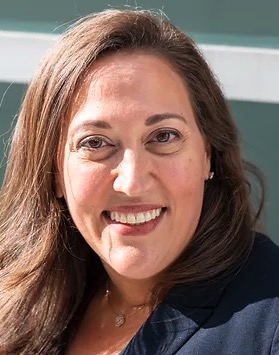 Analisa DiFeo合作论文数Department of Pathology, Medical School, University of Michigan3
 Pallavi Kumar合作论文数Division of Hematology and Oncology, Department of Medicine, Perelman School of Medicine, University of Pennsylvania3
 Niharika Ganta合作论文数Division of General Internal Medicine, Department of Medicine, Perelman School of Medicine, University of Pennsylvania3
 Justin E. Bekelman合作论文数Department of Medical Ethics and Health Policy, Perelman School of Medicine, University of Pennsylvania3
 Ravi B. Parikh合作论文数Department of Medical Ethics and Health Policy, Perelman School of Medicine, University of Pennsylvania3
 Jinbo Chen (陈金波)合作论文数Department of Biostatistics, Epidemiology and Informatics, University of Pennsylvania Perelman School of Medicine3
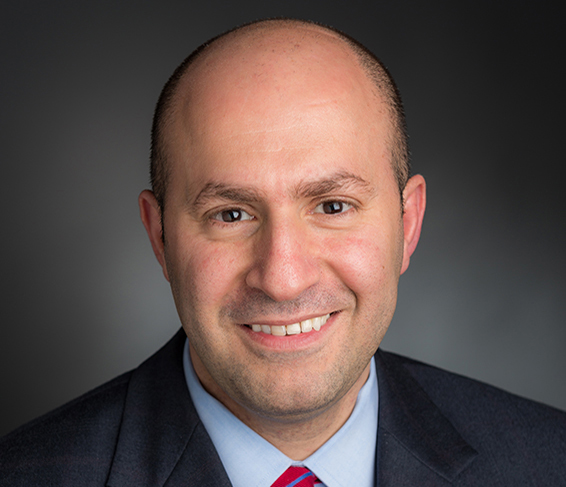 Toni Choueiri合作论文数Lank Center for Genitourinary (GU) Oncology, Dana-Farber Cancer Institute;Harvard Medical School;Brigham and Women's Hospital3Friedlander Philip合作论文数3
 Miriam Merad合作论文数Precision Immunology Institute, Icahn School of Medicine at Mount Sinai3
 Howard L. Kaufman合作论文数Ankyra Therapeutics3Robert G. Phelps合作论文数3
 Guru P. Sonpavde合作论文数Department of Medical Oncology, Dana-Farber/Harvard Cancer Center, Dana-Farber Cancer Institute3
 Kenneth M. Boucher合作论文数Division of Epidemiology, Department of Internal Medicine, School of Medicine, University of Utah;Huntsman Cancer Institute, University of Utah3
 Kevin G. Volpp合作论文数Leonard Davis Institute Center for Health Incentives and Behavioral Economics,University of Pennsylvania3Christine Cox合作论文数2Roxanne Bolinger合作论文数2Riley Wong合作论文数2Adam Albert合作论文数2




