BACKGROUND AND OBJECTIVE:Innovations have improved outcomes in advanced prostate cancer (PC). Nonetheless, we continue to lack high-level evidence on a variety of topics that greatly impact daily practice. The 2024 Advanced Prostate Cancer Consensus Conference (APCCC) surveyed experts on key questions in clinical management in order to supplement evidence-based guidelines. Here we present voting results for questions from APCCC 2024. METHODS:Before the conference, a panel of 120 international PC experts used a modified Delphi process to develop 183 multiple-choice consensus questions on eight different topics. Before the conference, these questions were administered via a web-based survey to the voting panel members ("panellists"). KEY FINDINGS AND LIMITATIONS:Consensus was a priori defined as ≥75% agreement, with strong consensus defined as ≥90% agreement. The voting results show varying degrees of consensus, as discussed in this article and detailed in the Supplementary material. These findings do not include a formal literature review or meta-analysis. CONCLUSIONS AND CLINICAL IMPLICATIONS:The voting results can help physicians and patients navigate controversial areas of clinical management for which high-level evidence is scant or conflicting. The findings can also help funders and policymakers in prioritising areas for future research. Diagnostic and treatment decisions should always be individualised on the basis of patient and cancer characteristics, and should incorporate current and emerging clinical evidence, guidelines, and logistic and economic factors. Enrolment in clinical trials is always strongly encouraged. Importantly, APCCC 2024 once again identified important gaps (areas of nonconsensus) that merit evaluation in specifically designed trials.
Objectives: Androgen receptor targeted therapies (ARTs) are widely preferred over taxane chemotherapy due to their good tolerability and similar efficacy. However, there is a paucity of data that support the use of ART therapy or describe end-of-life (EOL) outcomes in patients with metastatic castration-resistant prostate cancer (mCRPC) with reduced performance status (PS) (European Cooperative Oncology Group [ECOG] ≥2). Methods: We performed a retrospective, single-institution study of 142 patients with mCRPC who received ART therapy between 2010 and 2021. We assessed each record for baseline demographic and clinical information, ART treatment course, and survival and EOL outcomes. Our primary aim was to compare overall survival (OS) between the two groups (ECOG ≥2 vs 0 to 1), and our secondary aim was to describe EOL outcomes. Fisher exact tests and Wilcoxon signed-rank tests were used to compare baseline characteristics. Cox regression was used to compare OS for patients with ECOG ≥2 at the start of treatment with those who had an ECOG of 0 or 1. Descriptive analyses were performed to assess EOL outcomes between the groups. Results: Patients with mCRPC and decreased PS experienced shorter OS on ART compared with those with higher PS. Moreover, when examining EOL outcomes, a near majority of these patients died in the hospital, with a greater percentage among those with an ECOG ≥2. Conclusion: These findings highlight the need for continual assessment of PS, improved shared decision-making in ART treatment, and additional research exploring the association between PS and EOL outcomes.
264 Background: Black men in the United States are considered a high-risk population for being diagnosed with and dying from prostate cancer. Few guidelines have outlined specific recommendations for prostate-specific antigen (PSA)-based prostate cancer screening among Black men. We performed a comprehensive literature search and assembled a diverse, interdisciplinary panel of experts to establish practical consensus guidelines addressing PSA screening in Black men. Methods: A comprehensive literature search was conducted in April 2023 in PubMed and Embase. A total of 287 studies were reviewed utilizing Preferred Reporting Items for Systematic Reviews and Meta-analyses guidelines. Of these, 265 were relevant. The panel’s expertise included fields of primary care, urology, medical and radiation oncology, translational science, and patient advocates. Results: Six guideline statements were developed. Three randomized controlled trials provided Level 1 evidence that regular PSA screening of men aged 50-74 of average risk reduces metastasis and prostate cancer death at 16-22 years. The best available evidence for Black men, who are considered higher than average risk for prostate cancer metastasis and death, comes from observational (Level 3) and modeling (Level 4) studies that consider the age to obtain a baseline PSA, the frequency of testing, and the age when screening should end. Cohort studies suggest that discussions with health care providers about baseline PSA testing should begin by the time Black men are in their early 40s and modeling data suggests prostate cancer develops 3-9 years earlier in Black men compared to their peers. Lowering the age for baseline PSA testing from 50-55 years to 40-45, followed by regular screening intervals until the age of 70 (when to stop is determined by age, PSA values, and health factors) would reduce prostate cancer mortality in Black men (~30% relative reduction) without significantly increasing the rate of overdiagnosis. Conclusions: Black men should obtain information about PSA screening for prostate cancer. Among Black men who elect screening, baseline PSA testing should occur between ages 40-45. Depending on the PSA value and health status, annual screening should be strongly considered. Personalized prostate cancer surveillance and/or treatment can prevent potential harms from overdiagnosis.
BackgroundThere is currently limited literature assessing the real-world treatment patterns and clinical outcomes of patients with metastatic castration-resistant prostate cancer (mCRPC) and homologous recombination repair (HRR) mutations.MethodsMedical charts were abstracted for mCRPC patients with ≥ 1 of 12 HRR somatic gene alterations treated at US oncology centers participating in the American Association for Cancer Research Project Genomics Evidence Neoplasia Information Exchange. Treatment patterns and clinical outcomes were assessed from the initiation of first-line or later (1L+) mCRPC therapy received on or after July 1, 2014.ResultsAmong 138 patients included in the study, the most common somatic HRR mutations were CDK12 (47.8%), BRCA2 (22.5%), and ATM (21.0%). Novel hormonal therapy and taxane chemotherapy were most commonly used in 1L; taxane use increased in later lines. Median overall survival (95% confidence interval [CI]) was 36.3 (30.7–47.8) months from initiation of 1L therapy and decreased for subsequent lines. Similarly, there was a trend of decreasing progression-free survival and prostate-specific antigen response from 1L to 4L+ therapy.ConclusionsTreatment patterns identified in this study were similar to those among patients with mCRPC regardless of tumor HRR mutation status in the literature.MicroAbstractThis study generated real-world evidence among patients with metastatic castration-resistant prostate cancer (mCRPC) harboring homologous recombination repair (HRR) mutations. Treatment patterns were similar to mCRPC patients regardless of HRR-mutation status. Median OS was 3 years from initiation of first-line therapy and decreased for subsequent lines. Results highlight a need to identify optimal treatments and sequencing for patients with HRR-mutated mCRPC.
147 Background: The long-standing approach to mCRPC management has been to treat sequentially with one agent until resistance is met. PRINT explores the efficacy of treating mCRPC with a rapidly-cycling, non–cross-reactive regimen as a way to more effectively treat an intrinsic heterogeneous disease, delay or prevent drug resistance, and minimize treatment toxicity. Methods: All patients receive treatment with 3 consecutive treatment modules, each lasting 12 weeks: 1. abiraterone acetate 1000 mg PO daily + prednisone 5 mg PO BID; 2. cabazitaxel 20 mg/m2 IV + carboplatin AUC 4 IV q3 weeks; 3. enzalutamide 160 mg PO daily + radium-223 55 kBq/kg IV q4 weeks. Upon completion of regimen, patients are followed on ADT alone. Primary endpoint for the study is time to progression (TTP), either by PSA or imaging. Secondary endpoints are PSA response rate with each module, changes to alkaline phosphatase levels, and safety. Results: From 3/2017 to 11/2020, 40 men with mCRPC were enrolled, with 33 completing the 9-month study regimen and evaluable for endpoint analysis. With median follow up of 139 weeks, median TTP after regimen completion was 15.9 weeks (95% CI 10.6-25.0 weeks), which did not meet prespecified TTP of 20 weeks to be considered a significant improvement over standard management. PSA response rates showed successive improvement with each sequential treatment module (Table). 77.8% of patients with elevated baseline alkaline phosphatase levels had normalization post-treatment. Previously reported, the treatment regimen was well-tolerated, with few grade 3/4 AE’s attributable by the investigator to the study regimen. Five patients (15.2%) were able to remain on post-study surveillance with ADT alone without the addition of a mCRPC agent for over a year, with one patient subsequently discontinuing ADT with PSA remaining undetectable in setting of recovering testosterone levels. Conclusions: Treatment of mCRPC with a rapidly cycling non–cross-reactive regimen did not significantly improve time to disease progression as compared to standard management. However, it is associated with significant antitumor response, with potential for long-term suppression of disease. Additional analysis into clinicopathologic and genomic factors that may predict for prolonged disease control is ongoing. Clinical trial information: NCT02903160 . [Table: see text]
Objectives:Androgen receptor-targeted therapies (ARTs) improve survival outcomes in patients with metastatic castration-resistant prostate cancer (mCRPC); however, a significant portion of patients discontinue treatment for various reasons including treatment-related toxicity. We aim to describe reasons for ART treatment discontinuation and identify predictors associated with increased risk of treatment discontinuation due to toxicity.Methods:We performed a single-institution retrospective review of patients with mCRPC receiving ART between 2010 and 2021. Our primary aim was to identify risk factors for treatment discontinuation due to toxicity. Our secondary aim was to describe ART discontinuation patterns among patients with mCRPC.Results:One hundred thirty-three patients with mCRPC started and discontinued ARTs. Fourteen patients (10.5%) discontinued treatment due to toxicity. Common reasons for treatment discontinuation include Prostate Specific Antigen test progression, radiographic progression, toxicity, and death. Significant predictors of treatment discontinuation due to toxicity on bivariate analysis and multivariate analysis included patient-reported falls (odds ratio [OR]: 7.67, CI: [1.31-40.42]; P=0.016), rash (OR: 13.4, CI: [1.35-134.81]; P=0.026), and weakness (OR: 4.16, CI: [1.15-15.0]; P=0.019).Conclusions:Our work presents the first description of ART treatment discontinuation and its causes in the real-world setting, as well as patient-reported side effects. Most patients with mCRPC discontinued treatment due to the progression of disease and a minority of patients discontinued secondary to treatment toxicity. Initial multivariable analysis suggests that patient-reported weakness, falls, and rash were associated with a higher likelihood of treatment discontinuation due to toxicity. Early monitoring of this population can prolong the duration of treatment and prevent unnecessary treatment burden.
This Viewpoint explores how guideline groups can come together to agree on a framework that produces clear and unified recommendations.
Interactions within the tumor microenvironment (TME) significantly influence tumor progression and treatment responses. While single-cell RNA sequencing (scRNA-seq) and spatial genomics facilitate TME exploration, many clinical cohorts are assessed at the bulk tissue level. Integrating scRNA-seq and bulk tissue RNA-seq data through computational deconvolution is essential for obtaining clinically relevant insights. Our method, ProM, enables the examination of major and minor cell types. Through evaluation against existing methods using paired single-cell and bulk RNA sequencing of human Urothelial cancer (UC) samples, ProM demonstrates superiority. Application to UC cohorts treated with immune checkpoint inhibitors reveals pre-treatment cellular features associated with poor outcomes, such as elevated SPP1 expression in Macrophage/Monocytes (MM). Our deconvolution method and paired single-cell and bulk tissue RNAseq dataset contribute novel insights into TME heterogeneity and resistance to immune checkpoint blockade.
194 Background: Statins may reinforce and provide a compounded effect on ART by decreasing cholesterol levels thus decreasing de novo androgen synthesis. We aim to investigate the clinical effect of concurrent statin and ART use on outcomes of mCRPC patients. Methods: We conducted a retrospective analysis on mCRPC patients receiving ART from a single institution. Relevant demographic and clinical data was collected in addition to ART treatment course, statin treatment, and survival outcomes. Our primary outcome was PSA progression free survival (PFS) and our secondary outcomes were overall survival (OS) and associated prognostic factors for both PSA PFS and OS. Chi-squared test and Wilcoxon signed ranked test were used to compare baseline characteristics, and a Cox proportional hazards regression model was used to estimate hazard ratios (HR) with 95% confidence interval (CI) for overall survival (OS) and PSA PFS. Results: 153 patients were included in the analysis between 2010 and 2021. 67 patients (mean age 73.8 years) received concurrent statins and 86 patients (mean age 67.6 years) did not. Median PSA PFS was 37.4 months for patients that received concurrent statins and 17.4 months for patients that did not receive statins. On univariate and multivariate analyses, there was no statistically significance difference between groups for PSA PFS (HR 0.7; CI 0.44-1.1; p=0.122). Median OS was 35.6 months for patients that received concurrent statins and 24.0 months for patients who did not. There was no statistical significance between groups for OS on univariate or multivariate analyses (HR 0.67; CI 0.42-1.06; p=0.087). Conclusions: Although results were not statistically significant, our study illustrates that concurrent statin use exhibits improved time to PSA progression and OS in mCRPC patients. Larger multi-center and further prospective studies are warranted to elucidate the relationship between statin use and overall outcomes in this population.
Much of the disease nomenclature used for patients with advanced prostate cancer has negative connotations and can be confusing or intimidating. Experts in the field convened to recommend a clearer and more accurate approach to defining the nomenclature.
Background:Although optimal sequencing of systemic therapy in cancer care is critical to achieving maximal clinical benefit, there is a lack of analysis of treatment sequencing in advanced non-small cell lung cancer (aNSCLC) in real-world settings.Methods:A retrospective cohort study of 13,340 lung cancer patients within the Mount Sinai Health System (MSHS) was performed. Systemic therapy data of aNSCLC in 2,106 patients was the starting point in our analysis to investigate how treatment sequencing has evolved, the impact of sequencing patterns on clinical outcomes, and the effectiveness of 2nd line chemotherapy after patients progressed on immune checkpoint inhibitor (ICI)-based therapy as the 1st line of therapy (LOT).Results:There is a significant shift to more ICI-based therapy and multiple lines of targeted therapy after 2015. We compared clinical outcomes of two patient populations with different treatment sequencing patterns, with the 1st group receiving chemotherapy as the 1st LOT followed by ICI-based treatment, and the 2nd group treated in the opposite order receiving a 1st line ICI-containing regimen followed by a 2nd line chemotherapy. No statistically significant difference in overall survival (OS) was observed between the two groups [group 2 vs. group 1, adjusted hazard ratio (aHR) =1.36, P=0.39]. We assessed the efficacy of the 2nd line chemotherapy in three patient populations given either 1st line ICI single agent, 1st line ICI-chemotherapy combination, or 1st line chemotherapy alone, there was no statistically significant difference in time-to-next treatment (TTNT) and in OS among the three patient groups.Conclusions:Analysis of real-world data has shown two treatment sequencing patterns in aNSCLC, ICI followed by chemotherapy or chemotherapy followed by ICI, achieved similar clinical benefit. The chemotherapies routinely used following platinum doublet 1st LOT, is effective as the 2nd line option after ICI-chemotherapy combination in the 1st line setting.
Supplementary Figure 1 from Evaluation of the 8q24 Prostate Cancer Risk Locus and MYC Expression
e17038 Background: While immune checkpoint inhibitors (ICIs) have shifted the treatment paradigm in many cancers, their efficacy in mCRPC is limited. Ongoing research suggests distinct subpopulations of mCRPC may derive benefit or that combinatorial regimens including ICIs may overcome treatment resistance. This single-center retrospective study aims to describe real-world utilization patterns of ICIs for patients with mCRPC and assess the treatment effects. Methods: The EHR database was queried for patients with PC who were treated with an ICI outside of a clinical trial. Additional data were obtained from chart review and the cancer registry. Patients were excluded if ICI was given for another cancer type, non-metastatic disease, or as a component of small-cell lung cancer regimens. Kaplan-Meier curves were used to estimate time to events. Results: 31 patients are included in the study. From years 2016 to 2022, 13 patients received ICI alone. Starting in 2019, 18 patients received ICI combined with cabozantinib (C). ICI+C had PSA response rate (RR) of 50%, median duration of treatment (DOT) of 5.5 months, and median overall survival (OS) of 8 months (Table 1). 3 of these patients received therapy for ≥ 12 months. ICI alone had a RR of 0%. 94% of patients who received ICI+C were not a candidate for CONTACT-2 (NCT04446117). Conclusions: Oncologists continue to use ICI for mCRPC. While noncomparative, ICI+C demonstrated favorable activity over a historical cohort of ICI alone. Ongoing clinical trial participation is vital for patients with mCRPC; however, off-label prescribing may provide additional access to treatment options. [Table: see text]
Supplemental Figure 1. Comparison of the anti-proliferative activity of SMAP across a panel of cell lines. Supplemental Figure 2. The chemical structure of SMAPs utilized in the studies detailed in the manuscript. Supplemental Figure 3. The effects of SMAPs on cell proliferation and cell survival. Supplemental Figure 4. Control studies for co-immunoprecipitation experiments. Supplemental Figure 5. Activity of SMAPs in vivo with the correlation of anti-tumor activity with SMAP-2 exposure in serum of treated mice.
Table S1. KSEA Analysis and the Mean FC Method in LNCaP treated with SMAP. Table S2. ANOVA with multiple comparisons and Dunnett''s post-hoc test for SMAP treated LNCaP colony formation assay. Table S3. ANOVA with multiple comparisons and Dunnett''s post-hoc test for SMAP treated 22Rv1 colony formation assay. Table S4. ANOVA with multiple comparisons and Dunnett''s post-hoc test for Annexin V staining of LNCap and 22Rv1 cells. Table S5. PPI of the phosphoproteomics dataset. Table S6. Kinase Substrate Database for LNCaP treated with SMAP. Table S7. ANOVA with multiple comparisons and Tukey''s post-hoc test for SMAP treatment in LNCaP cells phosphorylated to total AR ratio protein. Table S8. ANOVA for qRT-PCR RNA for AR targets in LNCaP and 22Rv1 cells in presence of SMAPs. Table S9. ANOVA with multiple comparisons and Dunnett''s post-hoc test for LNCaP and 22Rv1 cells treated with SMAP, bortezomib, and combination. Table S10. ANOVA with multiple comparisons and Tukey''s post-hoc test for relative AR protein expression in LNCaP- Small T stably expressing lines treated with SMAP. Table S11. ANOVA with multiple comparisons and Tukey''s post-hoc test for relative AR protein expression in LNCaP cells in FBS or CSS in presence or absence of R1881. Table S12. ANOVA for qRT-PCR RNA AR targets statistical analysis for LNCaP cells in FBS or CSS in presence or absence of R1881. Table S13. ANOVA with multiple comparisons and Dunnett''s post-hoc test for LnCaP/AR xenograft treatment study: vehicle control, SMAP 400mg/kg, SMAP 100mg/kg and MDV3100 100mg/kg. Table S14. ANOVA with multiple comparisons and Dunnett''s post-hoc test for castrated LNCaP/AR tumor volumes for individual treatments groups: Vehicle control, SMAP-2 100mg/kg and SMAP-2 30mg/kg. Table S15. ANOVA with multiple comparisons and Dunnett''s post-hoc test for TUNEL positive staining quantification from castrated LNCaP/AR tumors from individual treatments groups: Vehicle control, SMAP-2 30mg/kg and SMAP-2 100mg/kg. Table S16. ANOVA with multiple comparisons and Dunnett''s post-hoc test for PCNA positive staining quantification from castrated LNCaP/AR for individual treatments groups: Vehicle control, SMAP-2 100mg/kg and SMAP-2 30mg/kg.
Background: Innovations in imaging and molecular characterisation and the evolution of new therapies have improved outcomes in advanced prostate cancer. Nonetheless, we continue to lack high-level evidence on a variety of clinical topics that greatly impact daily practice. To supplement evidence-based guidelines, the 2022 Advanced Prostate Cancer Consensus Conference (APCCC 2022) surveyed experts about key dilemmas in clinical management.Objective: To present consensus voting results for select questions from APCCC 2022.Design, setting, and participants: Before the conference, a panel of 117 international prostate cancer experts used a modified Delphi process to develop 198 multiple-choice consensus questions on (1) intermediate-and high-risk and locally advanced prostate cancer, (2) biochemical recurrence after local treatment, (3) side effects from hormonal therapies, (4) metastatic hormone-sensitive prostate cancer, (5) non-metastatic castration-resistant prostate cancer, (6) metastatic castration-resistant pros-tate cancer, and (7) oligometastatic and oligoprogressive prostate cancer. Before the conference, these questions were administered via a web-based survey to the 105 physi-cian panel members ("panellists") who directly engage in prostate cancer treatment decision-making. Herein, we present results for the 82 questions on topics 1-3.Outcome measurements and statistical analysis: Consensus was defined as >= 75% agree-ment, with strong consensus defined as >= 90% agreement.Results and limitations: The voting results reveal varying degrees of consensus, as is dis-cussed in this article and shown in the detailed results in the Supplementary material. The findings reflect the opinions of an international panel of experts and did not incor-porate a formal literature review and meta-analysis.Conclusions: These voting results by a panel of international experts in advanced pros-tate cancer can help physicians and patients navigate controversial areas of clinical man-agement for which high-level evidence is scant or conflicting. The findings can also help funders and policymakers prioritise areas for future research. Diagnostic and treatment decisions should always be individualised based on patient and cancer characteristics (disease extent and location, treatment history, comorbidities, and patient preferences) and should incorporate current and emerging clinical evidence, therapeutic guidelines, and logistic and economic factors. Enrolment in clinical trials is always strongly encour-aged. Importantly, APCCC 2022 once again identified important gaps (areas of noncon-sensus) that merit evaluation in specifically designed trials.Patient summary: The Advanced Prostate Cancer Consensus Conference (APCCC) pro-vides a forum to discuss and debate current diagnostic and treatment options for patients with advanced prostate cancer. The conference aims to share the knowledge of international experts in prostate cancer with health care providers and patients worldwide. At each APCCC, a panel of physician experts vote in response to multiple-choice questions about their clinical opinions and approaches to managing advanced prostate cancer. This report presents voting results for the subset of questions pertaining to intermediate-and high-risk and locally advanced prostate cancer, biochemical relapse after definitive treatment, advanced (next-generation) imaging, and management of side effects caused by hormonal therapies. The results provide a practical guide to help clin-icians and patients discuss treatment options as part of shared multidisciplinary decision-making. The findings may be especially useful when there is little or no high-level evidence to guide treatment decisions.(c) 2022 The Author(s). Published by Elsevier B.V. on behalf of European Association of Urology. This is an open access article under the CC BY-NC-ND license (http://creative-commons.org/licenses/by-nc-nd/4.0/).
135 Background: mCRPC is associated with (a/w) increased mortality among prostate cancer pts and new and safe txs are needed. In recent clinical trials, ARTs improved survival outcomes within this population, however, a significant portion will go on to discontinue tx. We aim to describe reasons for ART tx discontinuation and to identify predictors a/w increased risk of tx discontinuation due to tx toxicity or death. Methods: We performed a single-institution retrospective review of mCRPC pts on ART between 2010 and 2021. We screened for demographics, medical history, ART course, and tx side-effects. Our primary aim was to identify risk factors for tx discontinuation due to toxicity or death. Our secondary aim was to describe ART discontinuation among mCRPC. Fisher’s Exact was used to identify significant predictors of tx discontinuation due to toxicity or death. Significant outcomes were included in a multivariate logistic regression to determine odds ratios. Results: 133 pts with mCRPC started and discontinued ARTs. Among this cohort, 27 pts (20.3%) discontinued tx due to death or toxicity. Reasons for tx discontinuation are described in the table below. Significant predictors of tx discontinuation due to toxicity or death on bivariate analysis included pt-reported sepsis, hypertension (htn), weakness, falls, ECOG ≥2, and hospitalization during tx. Adjusting for confounders, pt-reported falls (OR 2.35; [0.91-2.59]; p=0.009), htn (OR 2.06; [0.94-2.21]; p=0.027), and weakness (OR 1.63; [0.59-2.72]; p=0.007) were a/w an increased risk of pt tx discontinuation from toxicity or death. Conclusions: Our results illustrate that the majority of mCRPC pts discontinued tx due to progression of disease. The data also indicates that mCRPC pts reporting new onset htn, falls, or weakness were more likely to discontinue tx due to toxicity or death. Early monitoring of this population is warranted to prolong duration of tx and prevent unnecessary txs. [Table: see text]
 Matthew Galsky合作论文数The Tisch Cancer Institute, Icahn School of Medicine at Mount Sinai;Graduate School of Biomedical Sciences, Icahn School of Medicine at Mount Sinai148
 Che-Kai Tsao合作论文数81
 Philip Kantoff合作论文数Department of Medicine, Memorial Sloan Kettering Cancer Center68
 Vaibhav G Patel合作论文数36Bobby Liaw合作论文数35
 Guru P. Sonpavde合作论文数Department of Medical Oncology, Dana-Farber/Harvard Cancer Center, Dana-Farber Cancer Institute35
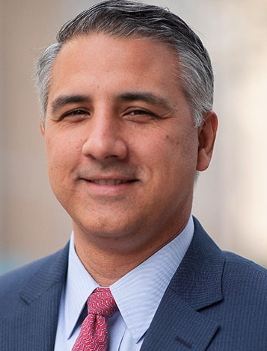 John P Sfakianos合作论文数Department of Urology, Icahn School of Medicine at Mount Sinai;The Mount Sinai Hospital31
 Eric Schadt合作论文数Icahn School of Medicine at Mount Sinai;Pathos;Sage Bionetworks30
 Alton O. Sartor合作论文数Division of Medical Oncology, Department of Oncology, Mayo Clinic;Mayo Clinic Comprehensive Cancer Center;Division of Hematology-Oncology, Tulane University Health Sciences Center28
 Tomi Jun合作论文数Sema4, Stamford, Connecticut, USA.27
 Mary-Ellen Taplin合作论文数Dana-Farber Cancer Institute, Inc.27
 Meredith M. Regan合作论文数Dana-Farber Cancer Institute;Harvard Medical School24
 Rong Chen合作论文数School of Medicine, Shandong University23
 Noah Hahn合作论文数Greenberg Bladder Cancer Institute, Johns Hopkins School of Medicine23Gong Yixuan合作论文数22
 Erin L Moshier合作论文数Icahn School of Medicine at Mount Sinai21
 Mei Sheng Duh合作论文数Analysis Group, Inc.;Department of Biostatistics, Harvard T.H. Chan School of Public Health20
 Small Alexander合作论文数Department of Urology, Columbia University Medical Center18Mari Nakabayashi合作论文数18George Mellgard合作论文数Icahn Sch Med Mt Sinai, Dept Geriatr & Palliat Med, New York, NY 10029 USA17Qian Qin合作论文数16
 James H Godbold合作论文数16
 Tomasz M. (Tom) Beer合作论文数Exact Sciences16Xiang Zhou合作论文数Sema4, A Mount Sinai Venture, Stamford, CT;15
 Juan Wisnivesky合作论文数Division of General Internal Medicine, Icahn School of Medicine at Mount Sinai;Graduate School of Biomedical Sciences, Icahn School of Medicine at Mount Sinai15
 Freedman Matthew L合作论文数Dana-Farber Cancer Institute, Harvard Medical School;Dana-Farber Cancer Institute, Harvard Medical School15
 Nina Bhardwaj合作论文数Division of Hematology and Medical Oncology, Department of Medicine, Icahn School of Medicine, Mount Sinai;Vaccine and Cell Therapy Laboratory, Icahn School of Medicine, Mount Sinai15
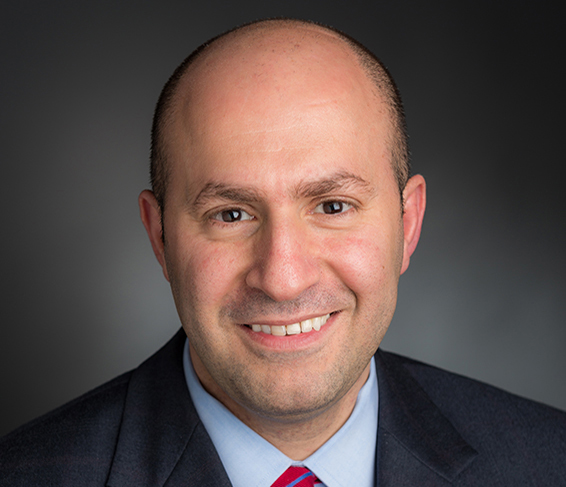 Toni Choueiri合作论文数Lank Center for Genitourinary (GU) Oncology, Dana-Farber Cancer Institute;Harvard Medical School;Brigham and Women's Hospital14
 Cora N. Sternberg合作论文数Englander Institute for Precision Medicine, Weill Cornell Medicine;Weill Cornell Medical College, Cornell University;NewYork-Presbyterian Hospital14
 Neal Shore合作论文数Carolina Urologic Research Center, Atlantic Urology Clinics14Leiter Amanda合作论文数14
 Kristian Stensland合作论文数Department of Medicine, Tisch Cancer Institute;Department of Surgery, Lahey Clinic;Department of Urology, Lahey Clinic14Jun Zhu合作论文数13
 Matthew Smith合作论文数T. H. Chan School of Public Health, Harvard University13
 Eric Small合作论文数Department of Urology, University of California, San Francisco;Division of Hematology and Oncology, Department of Medicine, University of California, San Francisco13Mark P. Purdue合作论文数13Robert W. Ross合作论文数13
 Simon John Hall合作论文数Northwell Health13
 Wanling Xie合作论文数Department of Biostatistics and Computational Biology, Dana-Farber Cancer Institute13Li Wang合作论文数12Michael J Morris合作论文数12Gartrell Benjamin A合作论文数12
 Richard G. Stock合作论文数Eastside Radiation Oncology12
 Kristin Ayers合作论文数11
 Charles (Chuck) Ryan合作论文数ZERO Prostate Cancer11Gallagher Emily J合作论文数11
 Paolo Boffetta合作论文数Tisch Cancer Institute, Icahn School of Medicine at Mount Sinai11
 Xiaobo Zhong合作论文数Department of Pharmaceutical Sciences, University of Connecticut11
 Russell B McBride合作论文数11




