International wildlife trade is a major source of biodiversity loss, yet many species lie hidden within aggregated data that conceals trade impacts. We overcome this problem for the largest vertebrate wildlife trade globally – shark and ray meat – comprising 438 538 mt yr-1 across more than 150 species, 76% of which are Threatened. Revealed trade contains greater quantities of skates (+10%), hammerheads (+8%), and smoothhounds, dogfishes & tope (+5%), and fewer pelagic sharks (-38%) than previously known. Shorttail yellownose skate, smoothound, silky, mako, and blue sharks are the most underreported meat species, due to aggregated landings from China, Argentina, Japan, and Indonesia, demonstrating international trade in shark and ray meat as a diverse, pervasive, and previously hidden source of fishing mortality for many threatened species. ### Competing Interest Statement The authors have declared no competing interest. Shark Conservation Fund
Over the past 4 decades there has been a growing concern for the conservation status of elasmobranchs (sharks and rays). In 2002, the first elasmobranch species were added to Appendix II of the Convention on International Trade in Endangered Species of Wild Fauna and Flora (CITES). Less than 20 yr later, there were 39 species on Appendix II and 5 on Appendix I. Despite growing concern, effective conservation and management remain challenged by a lack of data on population status for many species, human-wildlife interactions, threats to population viability, and the efficacy of conservation approaches. We surveyed 100 of the most frequently published and cited experts on elasmobranchs and, based on ranked responses, prioritized 20 research questions on elasmobranch conservation. To address these questions, we then convened a group of 47 experts from 35 institutions and 12 countries. The 20 questions were organized into the following broad categories: (1) status and threats, (2) population and ecology, and (3) conservation and management. For each section, we sought to synthesize existing knowledge, describe consensus or diverging views, identify gaps, and suggest promising future directions and research priorities. The resulting synthesis aggregates an array of perspectives on emergent research and priority directions for elasmobranch conservation.
Over the past 4 decades there has been a growing concern for the conservation status of elasmobranchs (sharks and rays). In 2002, the first elasmobranch species were added to Appendix II of the Convention on International Trade in Endangered Species of Wild Fauna and Flora (CITES). Less than 20 yr later, there were 39 species on Appendix II and 5 on Appendix I. Despite growing concern, effective conservation and management remain challenged by a lack of data on population status for many species, human−wildlife interactions, threats to population viability, and the efficacy of conservation approaches. We surveyed 100 of the most frequently published and cited experts on elasmobranchs and, based on ranked responses, prioritized 20 research questions on elasmobranch conservation. To address these questions, we then convened a group of 47 experts from 35 institutions and 12 countries. The 20 questions were organized into the following broad categories: (1) status and threats, (2) population and ecology, and (3) conservation and management. For each section, we sought to synthesize existing knowledge, describe consensus or diverging views, identify gaps, and suggest promising future directions and research priorities. The resulting synthesis aggregates an array of perspectives on emergent research and priority directions for elasmobranch conservation.
Youth in foster care are twice as likely to run away from living situations as compared to those of the same age in the general population. When youth are on the run from a living situation, they are at a high risk for being exposed to abuse and neglect or engaging in criminal behavior. One approach to support youth who run is to identify the function of their behavior and then implement interventions that match the function. The Functional Assessment Interview for Runways (FAIR) is an idiosyncratic assessment tool that seeks to identify the function of runaway behavior specific to youth involved with the foster care system. This article provides a summary of the literature related to runaway behavior, the implications for function based interventions, and instructions for administering the FAIR.
Functional assessment and functional analysis are processes that have been applied successfully in work with people who have developmental disabilities, but they have been used rarely with students who experience emotional or behavioral disorders. In the present study, five students in elementary school programs for severe emotional disturbance participated in a comprehensive functional assessment process designed to yield a useful understanding of their desirable and undesirable behaviors. Interviews, record reviews, and direct classroom observations led to the development of individualized hypotheses regarding relationships between classroom events and the occurrence of target behaviors. Subsequently, direct manipulations (i.e., functional analyses) were conducted to test each of the hypotheses in the context of regularly-occurring classroom activities. These analyses demonstrate important influences that certain classroom variables can exert over individual student's behavior. The process and results are discussed with regard to the need for improved methods for understanding student responding, and the benefits that functional assessment can offer programs of educational and behavioral support.
The field of positive behavior support (PBS) has expanded and evolved significantly since the first issue of Journal of Positive Behavior Interventions (JPBI) was published. To ascertain how evolution of the field was reflected in the research, we examined trends in empirical studies published in JPBI since its inception. We coded 217 articles published between 1999 and 2016 that included data-based assessment or data-based intervention practices for key variables pertinent to potential trends in PBS. Analyses revealed increases across the publication period in studies that (a) included participants at risk for behavioral difficulties, (b) implemented interventions in general education settings, (c) utilized clinicians/experimenters as intervention agents, and (d) focused on adult skills as the intervention target. Findings are discussed in the context of the expansion of school-wide positive behavior interventions and support.
During adolescence, peer behavior is a strong stimulus that influences how students initiate and respond to their physical and social environment. Yet, the majority of school-based behavioral studies (Dunlap, Clarke, & Steiner, 1999) do not include peers as intervention agents. This study demonstrated how to include peers as contributing members of a Positive Behavior Support (PBS) team. Findings indicated that peers were able to implement a behavior support plan with fidelity, resulting in decreased challenging behavior and increased activity engagement in a middle school peer with Autism Spectrum Disorder (ASD).
Global exploitation of sharks and sea cucumbers to meet consumer demand in China is motivating a rising conservation concern. In order to analyze trends in resource exploitation and market dynamics, this paper reviews global production and trade data for these taxa. Sea cucumber capture production has plateaued, but overall production is still increasing because of rising aquaculture, limited public conservation concern and insufficient regulation of fishing and trade. Shark capture production has peaked and is declining, suggesting that one or more of these factors are constraining the shark fin trade. The trade networks for both commodities have been resilient to changing conditions (e.g. stock declines, closed fisheries, regulations, public opinion on conservation) and have become more widespread over the last 10 years. System resilience is evident in dynamic market attributes, such as developing new product forms and absorbing alternative target species, and presents substantial challenges for identifying conservation approaches. For shark fin, a government-led backlash against conspicuous consumption in China, combined with global conservation momentum, appears to have had some impact on traded volumes. Sea cucumbers do not enjoy the same level of attention in the global conservation discourse, despite seven species being endangered. For both taxa, the current regulatory environment is insufficient to safeguard resources and strengthened conservation strategies are required. Better resolution of trade data will improve the ability to evaluate trends and guide management and conservation. (C) 2015 Elsevier Ltd. All rights reserved.
Telling the tale of public fascination with sharks usually begins with the blockbuster release of the movie “Jaws” in the summer of 1975. This event more than any other is credited with sparking a demonization of sharks that has continued for decades (Eilperin 2011). In recent years, less deadly but equally adrenalin-charged shark interactions, including cage diving, hand-feeding and even shark riding, have captured the public’s attention through ecotourism, television and social media. These more positive encounters (at least for most humans), in combination with many high-profile shark conservation campaigns, have turned large numbers from shark haters to shark lovers, and mobilized political support for shark protection around the world.
The Fifth Regular Meeting of the Scientific Committee (SC5) of the Western and Central Pacific Fisheries Commission (WCPFC) in August 2009 considered the feasibility of quantitative stock assessments for sharks and recommended that preliminary assessments should proceed in parallel with development of a shark research plan to fill data gaps. This paper presents a proposed shark research plan in response to the Commission's approval in December 2009 of SC5's recommendation. An introduction to the Commission's eight current key shark species is presented, including a brief review of the history of their designation and species profiles containing information on habitat, life history and ecological risk, conservation status, current catches in the WCPO, and existing assessments or management. A review of existing fishery and biological information is then presented and data gaps are summarised. Major difficulties in the use of logsheet data for shark assessment are anticipated due to lack of data provision, as well as issues of species mis-identification, under-reporting and changes in targeting strategies. Observer data coverage, especially for longline fleets, is low and may not be representative of all areas where sharks are caught. Other commercial, research and recreational fishery data sources have some potential to inform the analyses but will require further work. Fisheryspecific biological data are available mainly in the form of observer data on shark lengths, sex, fate and condition, and through a limited number of studies on bycatch mitigation methods (i.e. post-release mortality rates). It is concluded that there is a reasonable amount of information available on the biology of most key shark species although studies are concentrated in a few geographic regions. The extent of shark tagging data is difficult to characterize but appears primarily available for blue and mako sharks. A number of proposed shark assessments by other organizations were noted, including silky and oceanic whitetip assessments for the eastern Pacific Ocean by IATTC; assessments of blue, mako and potentially bigeye and pelagic threshers by ISC; and data compilation for makos by CSIRO. A research plan is proposed as three phases: assessment, research coordination and fishery statistics improvement. Progress in all three phases will be necessary to assist the Commission in meeting its responsibilities for ensuring the sustainability of shark stocks. Phase 1 consists of three assessment steps to be undertaken on the basis of existing data. The first step will involve constructing indicators of the degree of fishing pressure on the key shark species. The second step will involve plotting these indicators against various measures of shark species' productivity. The third step will involve stock assessments using simple surplus production and age structured models, if possible. However, without additional inputs from Phases 2 and 3, stock assessments for some species will be severely compromised and may not be able to provide a meaningful basis for Commission decision-making. For this reason CCMs are invited to consider potential activities identified under Phases 2 and 3 (i.e. research coordination and fishery statistics improvement) as collaborative work and in-kind contributions. CCSBT-ERS/1203/Info09
The current trend analysis was conducted to empirically document the characteristics of individuals with autism who participated in intervention research published between 1995 and 2009 in three journals ( Journal of Applied Behavior Analysis, Journal of Autism and Developmental Disorders, and Focus on Autism and Other Developmental Disabilities). Information was collected on age of participants, cognitive and communicative functioning, setting, and ecological variables. Overall, the data are interpreted to document few changes over time; however, increasing trends were noted in the proportion of studies that included children below the age of 6 years and in the proportion of studies that included higher functioning participants. The data are discussed in relation to the status of intervention research and demographic changes pertaining to autism.
In the November 2011 issue of Topics in Early Childhood Special Education, on pp. 129 and 178, Mary Hemmeter should have been listed as Mary Louise Hemmeter. In addition, on p. 178, the authors and affiliations should have been shown as follows: Lise Fox1, Mary Louise Hemmeter2, Patricia Snyder3, Denise Perez Binder1, and Shelley Clarke1 1University of South Florida, Tampa, FL, USA 2Vanderbilt University, Nashville, TN, USA 3University of Florida, Gainesville, FL, USA.
The present study was a multisite randomized clinical trial assessing the effects of adding a cognitive-behavioral intervention to positive behavior support (PBS). Fifty-four families who met the criteria of (a) having a child with a developmental disability, (b) whose child displayed serious challenging behavior (e.g., aggression, self-injury, tantrums), and (c) who scored high on a measure of parental pessimism were randomly assigned to either PBS intervention or a combination of PBS and optimism training for parents (positive family intervention [PFI]). A manualized approach to both interventions was used for eight weekly individual sessions. Both groups improved in scores of parental pessimism as well as on standardized measures and direct observations of child challenging behavior. The PFI intervention resulted in significantly improved scores on the General Maladaptive Index of the Scales of Independent Behavior–Revised when compared with the PBS alone group. No differences in attrition were observed across the two different approaches. Importantly, significant improvements in child behavior at home were achieved through a clinic-based approach. Implications for working with families who may be less likely to benefit from parent training are discussed.
This paper analyses North Pacific longline operational data from research and training vessel surveys (1992-2008) and commercial longline logbook records (1993-2008) provided by Japan for onsite analysis in Shimizu during January-March 2011. Both data sets required filtering to remove records believed to under-report actual shark catches. The analysis was based on 7,974 sets representing 10 vessels in the research and training vessel surveys and 88,129 sets representing 112 vessels in the commercial longline fleet. Application of different filtering methods could result in larger sample sizes, but this benefit would need to be weighed against the probability of increasing the presence of under-reported catches in the filtered database. When considering the selection and application of data filters it is important to recall that if vessels began releasing/discarding (and not reporting) sharks in recent years, filtering may not fully correct for this effect, and declining catch rate trends would thus potentially be exaggerated. On the other hand, if reporting practices do not change but shark stock abundance actually does diminish over time, declining catch rates would be expected. The challenge is to apply a filter which removes those catch records which are under-reported, but retains those which are low but accurate. Filtered data were examined in terms of five potential indicators of fishing pressure: distribution, catch composition, catch rate, targeting and size. Blue sharks, which dominate the shark catch in the North Pacific, showed declining catch rates in research and training vessel surveys but a strong trend of increase in commercial records until 2005 and declines thereafter. Evidence of blue shark targeting was found in the increasing concentration of effort in areas of high catch rates. Mako sharks comprise a small proportion of the catch (<10%) but "effective" targeting may be increasing as a result of targeting of co-occurring blue sharks. Mako catch rates showed an increasing trend in both data sets until 2006 for the main commercial fishing grounds in the western North Pacific. Decreasing catch rate trends were shown for makos in both the central North Pacific and western North Pacific since 2006. Oceanic whitetip and silky shark catch rates showed declines in the research and training vessel data and were rarely recorded after 2005. There was also some evidence for a trend of decreasing size of both males and females of these species in recent years. Thresher sharks were analysed as a group and results are expected to mainly reflect the status of bigeye thresher. An increasing trend was found in the research and training vessel data and an inconclusive pattern in the commercial data. 1 Secretariat of the Pacific Community, BP D5 Noumea CEDEX 98848, New Caledonia 2 National Research Institute of Far Seas Fisheries, 5-7-1 Orido, Shimizu-ku, Shizuoka-ken, 424-8633, Japan
Longline and purse seine logsheet and observer datasets held by SPC-OFP were examined to assess the stock status of eight WCPFC key shark species. Both longline and purse seine logsheet datasets suffer from missing shark catch records and a lack of species-specific recording, therefore the indicator analysis was based on observer data only. Shark data from the observer data sets are, however, also constrained by a lack of representativeness, particularly for the North Pacific, and for the purse seine fishery by the physical practicalities of onboard sampling. Shark status indicators in four main classes were assessed: range based on fishery interactions, catch composition, catch rates and biological indicators of fishing pressure (e.g. median size, sex ratio). For blue sharks, which dominate longline catches in most regions, declines in catch rates were observed in nominal and standardized analyses for the northern hemisphere. In the southern hemisphere catch rates declined in the nominal analysis but increased in the standardized analysis in recent years. Both significant increases and decreases in blue shark size were identified. Data for makos in the northern hemisphere were comparatively sparse, although this species is known to be commonly found there. Catch rate analysis showed different trends in different regions and no significant size trends. Oceanic whitetip sharks were once commonly caught in both longline and purse seine fisheries in tropical waters but their presence in observer samples has become increasingly rare over time. Catch rate analyses of data from both longline and purse seine fisheries showed clear, steep declines in abundance. Declining median size trends for oceanic whitetip sharks were observed in all regions and sexes in both fisheries until samples became too scarce for analysis; these trends were significant in the core habitat areas in tropical waters. Silky sharks comprise the largest proportion of the shark catch in both longline and purse seine fisheries in the western tropical WCPO. Silky shark catch rates follow an upward then downward trajectory for both longline and purse seine fisheries. Most catches in both fisheries were juveniles and within the core habitat of the western tropical WCPO significant declines in median sizes were identified for both sexes in both fisheries. The three thresher species have divergent, but not necessarily distinct distributions which, in combination with low sample sizes, produced no clear catch trends for the group. A significant decrease in median size was identified for threshers in tropical areas, most of which are expected to be bigeye threshers.
Growing evidence suggests the importance of practitioners implementing promotion, prevention, and intervention practices to foster children's social-emotional competence and address challenging behavior within schools. Limited research exists, however, on how to support teachers of school-age children to implement with fidelity comprehensive frameworks that organize promotion, prevention, and intervention practices, and even fewer studies have examined implementation within early childhood classrooms. In this study, three teachers were trained and coached to implement promotion, prevention, and intervention practices related to the Teaching Pyramid Model. Findings from the present single-subject multiple probe across teachers' experimental study offer evidence of a functional relationship between training and coaching and implementation of practices associated with the model. Results are discussed with respect to challenges related to supporting teachers to implement with fidelity a complex and comprehensive array of evidence-based practices and the critical importance of coaching.
A major goal of positive behavior support (PBS) is to produce broad-based, long-term improvements in adaptive behavior; however, the empirical base, at present, is mainly composed of relatively short-term studies carried out in circumscribed contexts. Therefore, a need exists for reliable data that can inform the field regarding the comprehensive lifestyle effects of PBS implementation in natural community contexts over extended periods of time. The current investigation was conducted to provide a descriptive analysis of PBS with diverse participants and broad measurement strategies over multiple years. Using extensive data portfolios for 21 participants, we employed rating scales to quantify changes in key variables from baseline through 2 years of intervention. The data revealed variable levels of intervention integrity, generalized reductions in problem behavior with occasional relapses, and encouraging enhancements across six domains of quality of life. This study represents an initial attempt to understand the processes and outcomes of behavioral support by documenting behavioral patterns across full days, entire years, and all environments. We discuss the need to consider new conceptual and methodological frameworks for further study of efficacious and sustainable behavior support.
 Glen Dunlap合作论文数Nevada Center for Excellence in Disabilities, University of Nevada12
 Eric Gilman合作论文数Heriot-Watt University5
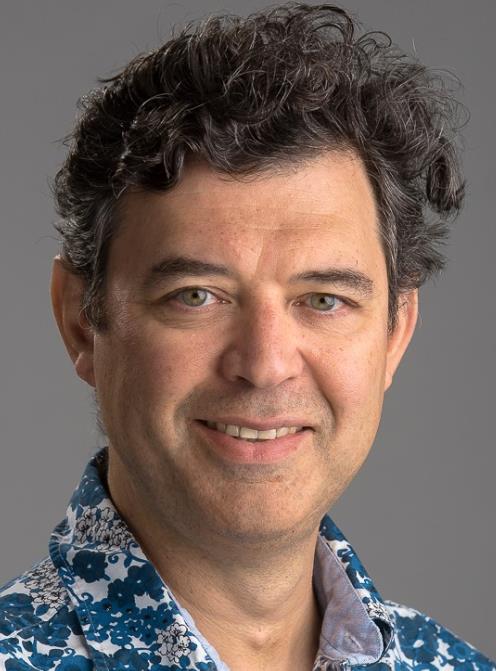 Nick Dulvy合作论文数Department of Biological Sciences, Simon Fraser University4
 Sarah Fowler合作论文数4
 Lise Fox合作论文数Univ S Florida4
 Jeffrey C. Mangel合作论文数Pro Delphinus, avio Bernal4
 Joanna Olga Gissella Alfaro Shigueto合作论文数Facultad de Biologia Marina, Universidad Cientifica del Sur;ProDelphinus;Universidad De Exeter4
 Hideki Nakano合作论文数4
 Enric Cortés合作论文数Panama City Laboratory, NOAA's Southeast Fisheries Science Center3Julia K. Baum合作论文数3Meme Hieneman合作论文数3Lee Kern合作论文数3
 V. Mark Durand合作论文数Department of Psychology, College of Arts and Sciences, University of South Florida3Lisa J. Natanson合作论文数USDOC, NOAA3
 Colin Simpfendorfer合作论文数College of Science and Engineering, James Cook University;Institute of Marine and Antarctic Studies, University of Tasmania3Denise Perez Binder合作论文数2Marcey Murray合作论文数2
 Francesco Ferretti合作论文数2
 cheryl butner合作论文数Stanford Univ2
 Brendan Shea合作论文数Virginia Tech, Dept Fish & Wildlife Conservat, Blacksburg, VA 24061 USA2
 Tracy MacKeracher合作论文数Integrated Fisheries Lab, Dalhousie Univ2Samantha Andrzejaczek合作论文数2
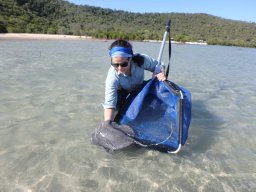 Ana Paula Barbosa Martins合作论文数Dept Biol, Dalhousie Univ2
 Michael Stanhope合作论文数Population Medicine and Diagnostic Sciences, College of Veterinary Medicine, Cornell University2
 Michael Heithaus合作论文数Department of Biological Sciences, College of Arts, Sciences & Education, Florida International University2
 Austin J Gallagher合作论文数Leonard & Jayne Abess Ctr Ecosyst Sci & Policy, Univ Miami2
 Boris Worm合作论文数Department of Biology, Faculty of Science, Dalhousie University2
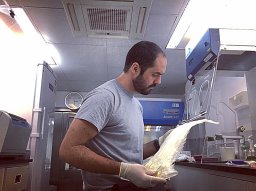 Diego Cardenosa合作论文数Laboratorio de Ecología Molecular de Vertebrados Acuáticos-LEMVA, Universidad de Los Andes2
 David Sims合作论文数School of Ocean and Earth Science, University of Southampton;Marine Biological Association Lab, University of Southampton2
 Mo Wang合作论文数Management Department, Warrington College of Business, University of Florida2
 Hutchinson Melanie R合作论文数Hawaii Institute of Marine Biology, University of Hawaii at Manoa2
 Barbara Block合作论文数Department of Biology, School of Humanities and Sciences, Stanford University;Stanford Woods Institute for the Environment, Stanford University;Department of Oceans, School of Sustainability, Stanford University2
 Brendan Godley合作论文数Faculty of Health and Life Sciences, University of Exeter;Graduate School of Environment and Sustainability, University of Exeter2
 Fiorenza Micheli合作论文数Biology Department, Stanford University2
 Salvador J. Jorgensen合作论文数Department of Wildlife, Fish & Conservation Biology, University of California, Davis2
 Neil Hammerschlag合作论文数Rosenstiel School of Marine and Atmospheric Science;University of Miami;Rosenstiel School of Marine and Atmospheric Science, University of Miami2Susanna Piovano合作论文数2John W. Mandelman合作论文数2
 Mahmood S. Shivji合作论文数Guy Harvey Research Institute and Oceanographic Center;Nova Southeastern University;Guy Harvey Research Institute and Oceanographic Center, Nova Southeastern University2
 Paul Dalzell合作论文数2Kimberly Crosland合作论文数2
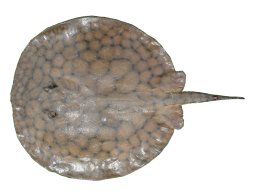 Luis Lucifora合作论文数Dalhousie University;Department of Biology;Department of Biology, Dalhousie University2
 Taylor Chapple合作论文数Wildlife, Fish and Conservation Biology, University of California Davis2Jonathan Worcester合作论文数2Bobbie J. Vaughn合作论文数2Mary Louise Hemmeter合作论文数2
 George Roff合作论文数university of queensland2
 Charlie Huveneers合作论文数Graduate School of the Environment;Macquarie University;Graduate School of the Environment, Macquarie University2S. L. Petersen合作论文数2




