BACKGROUND:Among patients with persistent atrial fibrillation, linear ablation lesions beyond pulmonary vein isolation (PVI) are often performed with variable efficacy and inconsistent added value. New catheter designs and energy sources have the potential to improve outcomes. OBJECTIVE:This study aimed to examine (1) the performance of a novel dual-energy (pulsed field/radiofrequency) lattice-tip mapping and ablation system for linear ablation and (2) the impact of the ablation strategy on outcomes in the randomized SPHERE Per-AF trial. METHODS:Linear lesion characteristics, safety, and effectiveness were assessed for a conventional radiofrequency ablation system in the control arm vs the dual-energy lattice-tip system in the investigational arm. RESULTS:In the investigational arm, 203 patients (95.8%) received left atrial roof and/or posterior wall isolation, 117 (55.2%) cavotricuspid isthmus line, and 76 (35.8%) mitral line. In the control arm, 102 patients (68.9%) received left atrial roof and/or posterior wall isolation, 76 (51.4%) cavotricuspid isthmus line, and 19 (12.8%) mitral line. Transpired ablation and energy application times were shorter for each lesion type using the investigational than the control catheter (all P < .0001). Overall, there was a trend toward numerically higher 12-month effectiveness of a "PVI + all linear lesions combined" approach (n = 25) than a PVI-only ablation strategy (n = 56) (P = .07), and the effect was more pronounced in the investigational arm, but subgroups were small. CONCLUSION:There was a trend toward numerically higher effectiveness with linear lesions than PVI alone. These findings are exploratory and hypothesis generating and should prompt future randomized controlled trials of additional lesion sets vs PVI with this new technology. CLINICAL TRIAL REGISTRATION:NCT05120193 - Treatment of Persistent Atrial Fibrillation with Sphere-9 and Affera Mapping and Ablation System (SPHERE Per-AF).
Background:Same-day discharge (SDD) after atrial fibrillation (AF) ablation is generally considered safe, since most complications are identified during (or immediately) after the procedure. Objective:This study aimed to evaluate SDD in the SPHERE Persistent-Atrial Fibrillation trial. Methods:Patients with persistent AF were randomized to the dual-energy lattice-tip mapping and ablation catheter (investigational) vs a conventional contact-force radiofrequency ablation system (control). SDD and timing of 30-day procedure- or device-related serious adverse events (SAEs) were assessed in the full cohort. In a subset of centers that performed SDD in the trial, predictors of SDD, 30-day readmissions, and mortality rates were assessed. Results:SDD was achieved in 229 of 418 (54.8%) patients (55.9% of investigational [n = 211] and 53.6% of control [n = 207; P = .64]). Of the remaining patients, 181 (43.3%) were discharged the next day, whereas 8 (1.9%) were discharged 2-7 days post-ablation. A total of 11 of 14 procedure- or device-related SAEs occurred within the first 3 days post-procedure, with no relevant difference between SDD and overnight stay. In a subset of 14 centers with at least one SDD in the trial, procedure duration, procedure end time, and race predicted overnight stay (all P < .01). All-cause 30-day readmission rates were similar between arms (P = .53) and discharge protocols (P = .19), with no deaths within 30 days. Conclusion:Among the traditional thermal ablation technologies, SDD protocols have been well-established and safely practiced. Here, SDD was safely achieved, with no significant differences in outcome when performed with the investigational system compared with a conventional contact-force radiofrequency ablation system.
Since its introduction in 2002, left atrial appendage closure (LAAC) has rapidly expanded as an alternative to anticoagulation in patients with atrial fibrillation at high risk of stroke. Harmonized processes for data collection, analysis, and reporting in LAAC trials are essential to enhance research quality and improve clinical practice. The Left Atrial Appendage Academic Research Consortium (LAARC) initiative is an independent collaboration of academic research organizations, cardiology and neurology experts, clinical trialists, and regulatory authorities from the USA, Europe, and Asia. The consortium engaged clinical experts, regulators-including the US Food and Drug Administration (FDA), European Notified Bodies, and Japan's Pharmaceuticals and Medical Devices Agency (PMDA)-and industry leaders to define standardized study elements and endpoints for LAAC trials. Key considerations included alignment with prior Academic Research Consortium initiatives, procedural and mechanistic insights, and clinical relevance. Consensus definitions were proposed for mortality, stroke, bleeding, and device performance, along with composite endpoints for safety and effectiveness. The proposed LAARC consensus definitions aim to standardize endpoint reporting, improve comparability across studies, and support regulatory and clinical trial applications for this evolving therapy through broad dissemination in the peer-reviewed literature.
BACKGROUND:Oral anticoagulation (OAC) and left atrial appendage closure (LAAC) are stroke prevention strategies for patients with atrial fibrillation. OBJECTIVES:To compare stroke and bleeding outcomes from a meta-analysis of randomized controlled trials comparing LAAC to OAC. METHODS:The primary outcome was stroke or systemic embolism (stroke/SE). Secondary outcomes included ischemic stroke, hemorrhagic stroke, major bleeding (MB), clinically significant bleeding (MB + clinically relevant nonmajor bleeding), non-procedure related clinically-significant bleeding, and cardiovascular or all-cause mortality. RESULTS:Seven randomized controlled trials met inclusion criteria (n = 7,353 patients; CHA2DS2-VASc score: 3.9; mean follow-up: 37.6 months), including 294 stroke/SE events. LAAC was similar to OAC for preventing stroke/SE (risk ratio [RR]: 1.10, 95% CI: 0.82-1.48). Clinically significant bleeding (RR: 0.60, 95% CI: 0.36-0.98) and non-procedure-related clinically significant bleeding (RR: 0.50, 95% CI: 0.39-0.64) were less frequent after LAAC. No statistically significant differences were observed for ischemic stroke, hemorrhagic stroke, MB, cardiovascular mortality, or all-cause mortality. The annualized incidence rate difference of stroke with LAAC did not increase with higher CHA2DS2-VASc scores and did not exceed 0.37%/year in any nonwarfarin-OAC comparative trial. In postablation patients, LAAC showed similar stroke/SE rates (RR: 0.92, 95% CI: 0.53-1.60; P-interaction = 0.76) and less nonprocedural clinically significant bleeding (RR: 0.51, 95% CI: 0.42-0.62; P-interaction = 0.56). CONCLUSIONS:LAAC prevents stroke/SE at rates not significantly different from OAC while reducing clinically significant bleeding, with possibly a more favorable benefit in postablation patients. In the full cohort, the numerically higher ischemic stroke rate was not statistically significant, and small in absolute terms. These findings support LAAC based on individualized, patient-centered decision-making, balancing stroke and bleeding risks.
BACKGROUND:For patients with atrial fibrillation, the use of oral anticoagulant therapy to prevent stroke is limited by the risk of bleeding. Left atrial appendage closure is considered for patients who are unsuitable candidates for long-term anticoagulation, but its role in patients who are eligible for anticoagulants has not been established. METHODS:In this ongoing, prospective, international, randomized trial involving patients with atrial fibrillation who were suitable candidates for anticoagulation, we randomly assigned patients in a 1:1 ratio to receive either device-based left atrial appendage closure (device group) or non-vitamin K antagonist oral anticoagulant (NOAC) therapy (anticoagulation group). The primary efficacy end point - a composite of death from cardiovascular causes, stroke, or systemic embolism - was tested for noninferiority (noninferiority margin, 4.8 percentage points) after 3 years of follow-up. The primary safety end point, non-procedure-related bleeding, was tested for superiority. RESULTS:Of the 3000 patients who underwent randomization, 1499 were assigned to the device group and 1501 to the anticoagulation group. The mean (±SD) age of the patients was 71.7±7.5 years, 31.9% of the patients were women, and the mean CHA2DS2-VASc score was 3.5±1.3. At 3 years, a primary efficacy end-point event had occurred in 81 patients (Kaplan-Meier estimate, 5.7%) in the device group and in 65 patients (Kaplan-Meier estimate, 4.8%) in the anticoagulation group (difference, 0.9 percentage points; 95% confidence interval [CI], -0.8 to 2.6; P<0.001 for noninferiority). Non-procedure-related bleeding occurred in 154 patients (Kaplan-Meier estimate, 10.9%) in the device group and in 260 patients (Kaplan-Meier estimate, 19.0%) in the anticoagulation group (hazard ratio, 0.55; 95% CI, 0.45 to 0.67; P<0.001 for superiority). CONCLUSIONS:Among patients with atrial fibrillation who were candidates for anticoagulation, device-based left atrial appendage closure was noninferior to NOAC therapy with respect to a composite of death from cardiovascular causes, stroke, or systemic embolism and was superior to NOAC therapy for non-procedure-related bleeding at 3 years. (Funded by Boston Scientific; CHAMPION-AF ClinicalTrials.gov number, NCT04394546.).
BACKGROUND:In a first-in-human acute "pass-pull" study, we previously demonstrated that a novel leadless pacemaker (LP) for conduction system pacing (CSP) could acutely pace the deep interventricular septum (IVS). OBJECTIVE:This study aimed to evaluate the safety and efficacy of chronically implanted LPCSP. METHODS:In this study, pacemaker-indicated patients received the Aveir-CSP leadless pacemaker (LPCSP) as either a standalone ventricular pacemaker or as a dual-chamber system paired with an atrial LP. Introduced via the right internal jugular vein, the LPCSP was implanted under fluoroscopic and intra-cardiac echocardiography guidance. The primary safety end point was complications at 1-month. Electrical performance (capture threshold at 0.4 ms, R-wave amplitude, impedance) and capture type (left bundle branch pacing [LBBP] vs left ventricular septal pacing [LVSP] vs deep septal pacing [DSP]) were assessed at implant and at 1 month. RESULTS:Among 20 enrolled patients, 1 was withdrawn for challenging anatomy. LPCSP implantation was successful in 18 of 19 patients: 4 ventricular-only and 14 dual-chamber. At implant, capture thresholds, R-wave amplitudes, and impedance were acceptable, and at 1 month, they were 1.3 ± 0.6 V, 13.1 ± 4.0 mV, and 490 ± 72 Ω, respectively. The capture type at implant was LBBP in 9, LVSP in 5, and DSP in 4 patients, but changed in 6 patients by 1-month follow-up. In addition, 3 patients had dislodgements. For dual-chamber implants, implant-to-implant communication was stable through 1-month. The 1-month LPCSP complication-free-rate was 73.7%; 5 patients experienced complications, including internal jugular-access hematoma, LPCSP dislodgements, and dislocation. CONCLUSION:This first-in-human evaluation demonstrated the feasibility of leadless CSP, but improvements in LPCSP stability fixation require further evaluation.
BACKGROUND:During atrial fibrillation (AF) ablation, adjunctive renal denervation (RDN), by virtue of its effect on the sympathetic/renin-angiotensin-aldosterone axis, has improved AF control. However, patients in these studies mostly had uncontrolled hypertension. OBJECTIVES:The aim of this study was to assess the effect of RDN using an ultrasound catheter to improve rhythm outcomes in patients with hypertension (including controlled hypertension) undergoing AF ablation. METHODS:This investigator-initiated, sham-controlled, single-blind randomized controlled U.S. Food and Drug Administration trial included first-ever paroxysmal or persistent AF ablation patients with histories of hypertension receiving ≥1 antihypertensive medication. Post-AF ablation randomization was 1:1 to RDN using a circumferential ultrasound system or sham control; patients with ineligible renal arterial anatomy were screen failures. The primary endpoint was 12-month freedom from AF or atrial flutter (AFL) (≥30 seconds) off antiarrhythmic medications after 90-day blanking. RESULTS:At 9 centers, 107 patients were randomized; excluding 7 screen failures, the 100-patient cohort (mean age 66 ± 9 years, 35% women, paroxysmal and persistent AF in 86% and 14%) underwent radiofrequency ablation (55%) or cryoablation (45%) for AF. The 1-year Kaplan-Meier estimates for freedom from AF or AFL were 49% for sham vs 67% for RDN (log-rank P = 0.17). In a Cox analysis adjusted for age, sex, and persistent AF, the HR for recurrent AF or AFL with RDN was 0.65 (95% CI: 0.32-1.31; P = 0.23). There were no RDN-related adverse events. CONCLUSIONS:In this AF ablation cohort, adjunctive RDN was safe and reduced AF and AFL recurrence by 35%, an effect not reaching statistical significance in this pilot trial. A fully powered randomized trial is warranted to define the impact of RDN among patients planned for AF ablation.
 Vivek Reddy合作论文数Icahn School of Medicine at Mount Sinai65
 Petr Neuzil合作论文数Department of Cardiology, Na Homolce Hospital36
 David R. Holmes III合作论文数Graduate School of Biomedical Sciences, Mayo Clinic;Department of Physiology & Biomedical Engineering, Mayo Clinic;National Institutes of Health28
 Saibal Kar合作论文数26
 Devi Nair合作论文数St Bernard Heart and Vascular Center22Dukkipati Srinivas R合作论文数21Horton Rodney合作论文数15Horst Sievert合作论文数14
 Moussa Mansour合作论文数Massachusetts General Hospital14
 Matthew Price合作论文数Cardiac Catheterization Laboratory, Division of Cardiovascular Diseases, Scripps Clinic;Scripps Translational Science Institute13Douglas Gibson合作论文数13
 Andrea Natale合作论文数HCA Healthcare;Texas Cardiac Arrhythmia Institute, St. David's Health Care;Scripps Green Hospital12Nicole T Gordon合作论文数11
 Adrian Ebner合作论文数11Alan Marcovecchio合作论文数10rick sanghera合作论文数10Husby Michael合作论文数10
 Andre d'Avila合作论文数9
 Christopher R Ellis合作论文数9
 Jeremy Ruskin合作论文数Telemachus & Irene Demoulas Family Foundation Center for Cardiac Arrhythmias, Massachusetts General Hospital;Harvard Medical School9
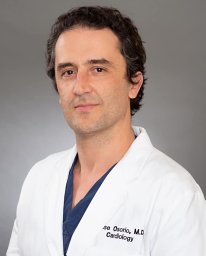 Jose Osorio合作论文数Department of Medicine, University of Alabama at Birmingham9Kenneth C. Huber合作论文数9Turagam Mohit K合作论文数Department of Medicine, University of Wisconsin School of Medicine and Public Health8Domenico Giovanni Della Rocca合作论文数Texas Cardiac Arrhythmia Institute, St. David's Medical Center8Jamie Kim合作论文数7Dinesh Sharma合作论文数7
 Ante Anic合作论文数7
 Reinoud Knops合作论文数Amsterdam University Medical Center7
 Luigi Di Biase合作论文数Department of Medicine, Albert Einstein College of Medicine7
 Martin C. Burke合作论文数Academic Medical Center, University of Amsterdam;AtaCor Medical, Inc7
 Miguel Valderrabano合作论文数Methodist DeBakey Heart and Vascular Center, Houston, Tex7Maurice Buchbinder合作论文数6
 Vijay Swarup合作论文数6Megan Coylewright合作论文数6Sarina A. van der Zee合作论文数5Rahul Doshi合作论文数5Iwanari Kawamura合作论文数Helmsely Electrophysiology Center, Icahn School of Medicine at Mount Sinai5Brian K. Whisenant合作论文数5
 William Whang合作论文数Division of Cardiology, Columbia University Medical Center5
 Mohamad Alkhouli合作论文数Division of Interventional Cardiology and Ischemic Heart Disease, Department of Cardiovascular Medicine, Mayo Clinic5Dominic J. Allocco合作论文数5
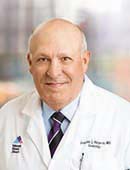 Jonathan L. Halperin合作论文数Icahn School of Medicine at Mount Sinai;Zena and Michael A. Wiener Cardiovascular Institute, The Mount Sinai Medical Center;The Mount Sinai Hospital5Stephen Tang合作论文数4
 Dhanunjaya D J Lakkireddy合作论文数Overland Park Regional Medical Center, Kansas City Heart Rhythm Institute, HCA Midwest Health;Belton Regional Medical Center, Kansas City Heart Rhythm Institute, HCA Midwest Health;University of Missouri4Joseph Choo合作论文数4Anish Amin合作论文数4Johan D. Aasbo合作论文数4
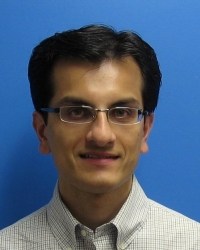 Sheldon Singh合作论文数Clinical Trials Unit, Sunnybrook Health Sciences Centre4




