INTRODUCTION:Off-pump coronary artery bypass grafting (OPCABG) is gaining widespread acceptance as the preferred choice for myocardial revascularisation. However, no definite data exist as to whether it is better than conventional CABG. We aimed to study the efficacy of the procedure in our patients, which constituted of a predominantly Asian population.METHODS:Between January 2000 and December 2002, 1062 patients underwent isolated coronary artery bypass in our institution. 184 patients (17.3 percent) underwent OPCABG. Patients were preoperatively prospectively risk stratified under the EuroSCORE risk assessment model under high, medium and low risk classes thereby making them comparable. Post-operative complications, intensive care unit stay, hospital stay, types of grafts done were then analysed in these different risk classes.RESULTS:The incidence of off-pump procedures showed a gradual increase over the last three years in this institution. A reduction in the number of post-operative complications, hospital stay, intensive care unit stay and mortality in the off-pump group was observed. Certain differences were found to be statistically significant.CONCLUSION:Off-pump CABG is a safe and viable alternative to conventional CABG as a treatment modality for surgical coronary revascularisation.
It is generally accepted that cardiac myocytes lack the ability to regenerate after injury, which leads to permanent deficit in the number of functioning cardiomyocytes that contribute to the development and progression of heart failure. Cell therapy has emerged as a promising new strategy to supplement the deficient intrinsic repair mechanism of heart. Various types of cells, including fetal and adult cardiomyocytes and human skeletal myoblasts, have been used for cardiac transplantation. In vitro and de milieu dependent differentiation approaches are being pursued to generate cardiomyocytes from stem cells derived from different sources and have demonstrated great potential in treating heart failure. Stem cells are immature tissue precursor cells, capable of self-renewal and provision of replacement cells for many tissues. The present study involves transplantation of bone marrow-derived allogenic adult stem cells (BMCs) for cardiac repair. The results revealed that BMCs were able to survive in the infarcted myocardium in a rabbit model of myocardial infarction. The BMCs stimulated neovascularisation. An interesting feature of our findings is that some donor cells had transformed into endothelial cells and were seen as part of the blood vessel lumen.
INTRODUCTION Congenital complete heart block is an uncommon condition in the newborn, but is known to occur with maternal systemic lupus erythematosus. CLINICAL PICTURE This paper presents one such baby with complete heart block who was born premature (after a gestation of 30 weeks) and weighing 759 g. TREATMENT Continuous isoprnaline infusion was initially used to support the baby while her other neonatal problems were treated. A Medtronics VV1 pacemaker was subsequently inserted to maintain a heart rate that would be more physiologically acceptable for the patient. OUTCOME This baby is currently thriving well, having been followed up for one year. CONCLUSIONS The management issues, encompassing maternal and neonatal problems, and a review of current literature on this condition are discussed.
Currently, 3 methods of myocardial revascularisation are available for the treatment of coronary artery disease: i) coronary artery bypass grafting (CABG); ii) percutaneous transluminal coronary angiography (PTCA), and iii) transmyocardial laser revascularisation (TMR). Until recently, these procedures were performed exclusive to one another. We report 2 cases of minimally invasive direct coronary artery bypass grafting with subsequent PTCA, and 1 case of staged PTCA followed by TMR performed at our institution. We discuss the role of hybrid procedures in the current era of treatment of ischaemic heart disease.
We report an unusual case of an adult who underwent a mitral valve replacement with concomitant excision of the left atrial myxoma and thrombus. Echocardiography showed the presence of a large "thrombus" within the left atrial appendage, body and atrial septum. There was difficulty in trying to distinguish between the atrial thrombus and myxoma due to their morphological similarities. At time of surgery, frozen section confirmed the atrial septal component of the thrombus to be an atrial myxoma and the atrial septum was excised to obtain a clear margin.
Enzymatic dissolution of haemothorax is highly effective in the evacuation of proteinaceous material from the pleural space. Its use in postcardiotomy haemothorax has not been described. We report the case of a 4-year-old girl with Fallot's Tetralogy diagnosed at birth. She underwent a total correction of Fallot's Tetralogy at 4 years of age. Chest X-ray taken post-operatively showed a large pleural collection in her right haemithorax. Repeated intraplueral infusion of purified streptokinase into the right upper pleural chest tube greatly reduced the extent of the right haemothorax. Enzymatic dissolution of haemothorax by purified streptokinase has proven to be a rapid and successful method of therapy. It has provided an alternative which is less invasive and has a low morbidity.
BACKGROUND:Surgical closure of the atrial septal defect (ASD) is a low-risk operation with little post-operative morbidity involved. The standard approach to ASD closure is via a median sternotomy. However the post-operative midline scar is cosmetically undesirable.PATIENTS:We report our experience with four female patients who have undergone closure of ASD through a right anterior thoracotomy and a left groin incision for femoral cannulation.RESULTS:Post-operative recovery was uneventful. The cosmetic results of their operations were good.CONCLUSION:Closure of ASD via a right anterior approach is a safe method and should preferably be used in young female patients, as better cosmetic results are expected.
The Fontan operation has been used to palliate patients with a functional single ventricle. In many such patients the operative risk for a Fontan procedure is high. The bidirectional cavopulmonary anastomosis (BCPA) is a useful intermediate palliative procedure before Fontan correction. It may reduce the deleterious sequelae of chronic hypoxaemia and long-term ventricular overload, thus yielding a more suitable Fontan candidate. We reviewed our experience of 9 patients with univentricular hearts who were at the time of the BCPA not considered suitable candidates for conventional Fontan operation. Two patients had double inlet right ventricle (DIRV) with pulmonary stenosis (PS) and ventricular septal defect (VSD), 2 had univentricular heart, 4 had tricuspid atresia (TA) and hypoplastic right ventricle (RV), 1 patient had atrioventricular septal defect (AVSD) with double outlet right ventricle (DORV) with hypoplastic RV. Two of the 9 patients had bilateral superior vena cavae. All except one had undergone prior palliative operations. The mean age at BCPA was 4.7 years (range 1.5 years to 6 years) and the mean weight at surgery was 15 kg (range 7 to 22 kg). There were no operative deaths. The mean hospitalization stay was 8.5 days (range 5 to 13 days) with a mean follow up of 14 months. Median oxygen saturation improved from 78.7 +/- 6.3% to 85.9 +/- 3.9%. The BCPA is a useful palliative procedure to stage Fontan type reconstruction in selected patients with univentricular hearts.
BACKGROUND:Minimally invasive cardiac surgery is a new and promising approach to the treatment of coronary artery disease allowing surgery to be performed through smaller incisions with lesser morbidity.METHODOLOGY:From November 1995 to February 1997, ten minimally invasive direct coronary artery bypass (MIDCAB) grafts were performed. The left internal mammary artery was used to bypass the left anterior descending coronary artery (LAD) through a limited left anterior thoracotomy.PATIENTS:There were seven males and three females and their ages ranged from 42 to 72 years (mean = 60 years). Two patients had prior interventional procedures. Cardiopulmonary bypass was used in the first two patients. Two patients were converted to conventional surgery early in the series.RESULTS:There was no mortality nor major morbidity. Mean post-operative hospital stay was seven days. To date, three patients have had post-operative angiography confirming the patency of the left internal mammary artery to LAD anastomosis.CONCLUSION:Early results of the MIDCAB procedure are encouraging. However, the definitive place of such procedures awaits longer term follow-up.
Traumatic bronchial rupture is a rare entity. The severity of the trauma often causes lethal injury to other thoracic organs. The incidence in patients with blunt chest trauma admitted to the hospital ranges from 1.5% to 3%. As a rule, early diagnosis and surgical treatment are important to facilitate successful repair of the disruption. We describe an unusual case of bronchial rupture which was diagnosed 15 days after blunt chest trauma and was treated by bronchial stenting. The success of this case involving the left main bronchial rupture provides a feasible alternative to the repair of partial airway disruption and greatly reduces the morbidity.
We describe a simple method for tailoring the length of aortocoronary saphenous vein grafts. The objective is to prevent any kinking of the these grafts, which may compromise blood flow in them and lead to their early occlusion.
Total thymectomy combined with medical therapy is currently the most effective therapeutic strategy for patients with myasthenia gravis. The standard approach for total thymectomy is that of a median sternotomy. Other approaches include the cervical approach and partial sternotomy. We report a patient who underwent video-assisted thoracoscopic thymectomy at our institution. There was no postoperative complications and the patient was discharged on the fifth postoperative day. Video-assisted thoracoscopic thymectomy has proved to be an effective surgical therapy for the treatment of myasthenia gravis. The long-term outcome awaits close follow-up of the patients operated using this technique.
 Chuen Neng Lee合作论文数Department of Biomedical Engineering, National University of Singapore8
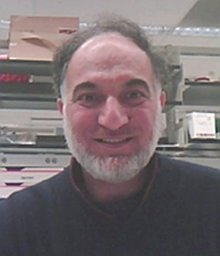 Haider Khawaja Husnain合作论文数Dept Pathol, Univ Cincinnati8
 Peter K Law合作论文数6Lei Ye合作论文数5Robert Grignani合作论文数4
 Ge Ruowen合作论文数Department of Biological Sciences, Faculty of Science, National University of Singapore4Sj Jiang合作论文数3O A Adebo合作论文数3W X Chan合作论文数2Kum Ck合作论文数2May Ling Wong合作论文数2S Jiang合作论文数2A Cheng合作论文数2
 Quek Swee Chye合作论文数Yong Loo Lin School of Medicine, National University of Singapore2Mestres C A合作论文数2Salim Aziz合作论文数2James Rajasingh Isaac合作论文数2Terrance Chua合作论文数2Sing Shang Ngoi合作论文数2
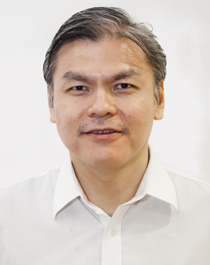 Tan Ru San合作论文数Department of Cardiology, National Heart Centre Singapore;Duke-NUS Graduate Medical School2Shujia Jiang合作论文数2P M Goh合作论文数1Wong Jc合作论文数1YT Lim合作论文数1K T Low合作论文数1Nm Idris合作论文数1M L Wong合作论文数1L Ye合作论文数1Ling Lieng Hsi合作论文数Yong Loo Lin School of Medicine, National University of Singapore1Ong B K合作论文数1Choo M H合作论文数1
 Haidong Luo合作论文数1Lei Y合作论文数1
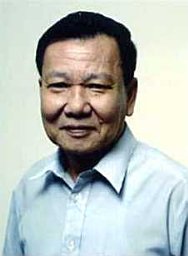 Lee Kam-Hing合作论文数University of Malaya, University of Malaya1
 Jalil Abdul, Rufaihah合作论文数Yong Loo Lin School of Medicine, National University of Singapore1T.C Tan合作论文数1
 V Ashok合作论文数Faculty of Medicine1
 Kian Keong Poh合作论文数Cardiac Department, National University Hospital1
 Niagara Muhammad Idris合作论文数Department of Pathology and Laboratory Medicine, University of Cincinnati1Peter Goh合作论文数1W C Yip合作论文数1PMY Goh合作论文数1




