Breakneck speed of progress offers interdisciplinary opportunities but also continuing ethical and social concerns. Breakneck speed of progress offers interdisciplinary opportunities but also continuing ethical and social concerns.
Breakneck speed of progress offers interdisciplinary opportunities but also continuing ethical and social concerns. Breakneck speed of progress offers interdisciplinary opportunities but also continuing ethical and social concerns.
Extra‐hepatic metabolism of xenobiotics by epithelial tissues has evolved as a self‐defence mechanism but has potential to contribute to the local activation of carcinogens. Bladder epithelium (urothelium) is bathed in excreted urinary toxicants and pro‐carcinogens. This study reveals how differentiation affects cytochrome P450 (CYP) activity and the role of NADPH:P450 oxidoreductase (POR). CYP1A1 and CYP1B1 transcripts were inducible in normal human urothelial (NHU) cells maintained in both undifferentiated and functional barrier‐forming differentiated states in vitro. However, ethoxyresorufin O‐deethylation (EROD) activity, the generation of reactive BaP metabolites and BaP‐DNA adducts, were predominantly detected in differentiated NHU cell cultures. This gain‐of‐function was attributable to the expression of POR, an essential electron donor for all CYPs, which was significantly upregulated as part of urothelial differentiation. Immunohistology of muscle‐invasive bladder cancer (MIBC) revealed significant overall suppression of POR expression. Stratification of MIBC biopsies into “luminal” and “basal” groups, based on GATA3 and cytokeratin 5/6 labeling, showed POR over‐expression by a subgroup of the differentiated luminal tumors. In bladder cancer cell lines, CYP1‐activity was undetectable/low in basal POR lo T24 and SCaBER cells and higher in the luminal POR over‐expressing RT4 and RT112 cells than in differentiated NHU cells, indicating that CYP‐function is related to differentiation status in bladder cancers. This study establishes POR as a predictive biomarker of metabolic potential. This has implications in bladder carcinogenesis for the hepatic versus local activation of carcinogens and as a functional predictor of the potential for MIBC to respond to prodrug therapies.
This article introduces our bicycle-based cinema device-the "kino-cine- bomber"-as a vehicle to re-imagine disused buildings and obsolete urban infrastructure for re-activated public leisure spaces. It is also a vehicle to conceptualize theoretical relations among leisure, architecture, cinematic geographies, and urban spaces. Through these lenses, we focus on a series of Situationist-inspired methods using the kino-cine-bomber to identify buildings that could be removed-as architecture by subtraction-in Coventry, United Kingdom. There, the River Sherbourne flows hidden beneath the city, culverted and capped, a relic of postwar urban planning no longer fit for purpose. We explore river "daylighting" plans by postgraduate architecture students using the kino-cine-bomber, first to trace the hidden river beneath the city streets then to project architectural designs where buildings may be repurposed and the river revealed. We discuss the possibilities of these designs and, befitting a paper celebrating Situationism, we close with a manifesto for urban leisure spaces.
• Please pack your system and write-up into a single file .zip, in accordance with the complete submission checklist at the end of this document. • All tasks marked with a Q require a submission. • Please stick to the provided function signatures, variable names, and file names. • Start early! This homework cannot be completed within two hours! • Verify your implementation as you proceed: otherwise you will risk having a huge mess of malfunctioning code that can go wrong anywhere. • If you have any questions, please contact the TAs Achal Dave (achald@cmu.edu), Sashank (bjujjava@andrew.cmu.edu), Siddarth (smalredd@andrew.cmu.edu), Brian (bpugh@andrew.cmu.edu).
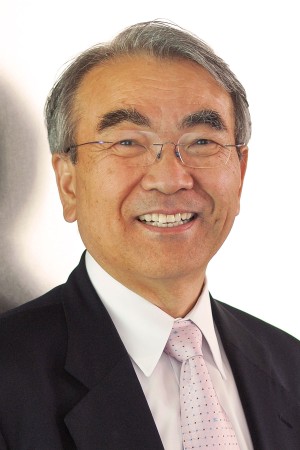 Takeo Kanade合作论文数Robotics Institute, Carnegie Mellon University32
 Iain Matthews合作论文数Epic Games;Robotics Institute, Carnegie Mellon University;University of East Anglia27
 Ralph Gross合作论文数Robotics Institute, Carnegie Mellon University17
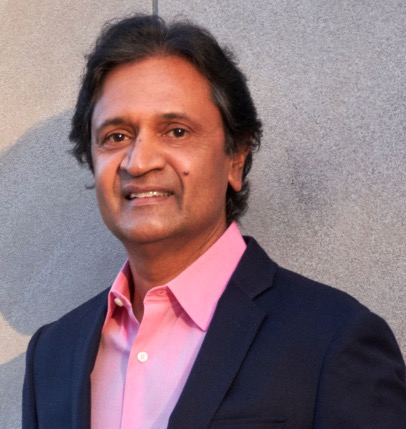 Shree K. Nayar合作论文数Department of Computer Science, Fu Foundation School of Engineering and Applied Science, Columbia University10
 Richard Szeliski合作论文数University of Washington;Google DeepMind10
 Krishnan Ramnath合作论文数Objectvideo Inc.8
 Jing Xiao (肖京)合作论文数Ping An Insurance Group8
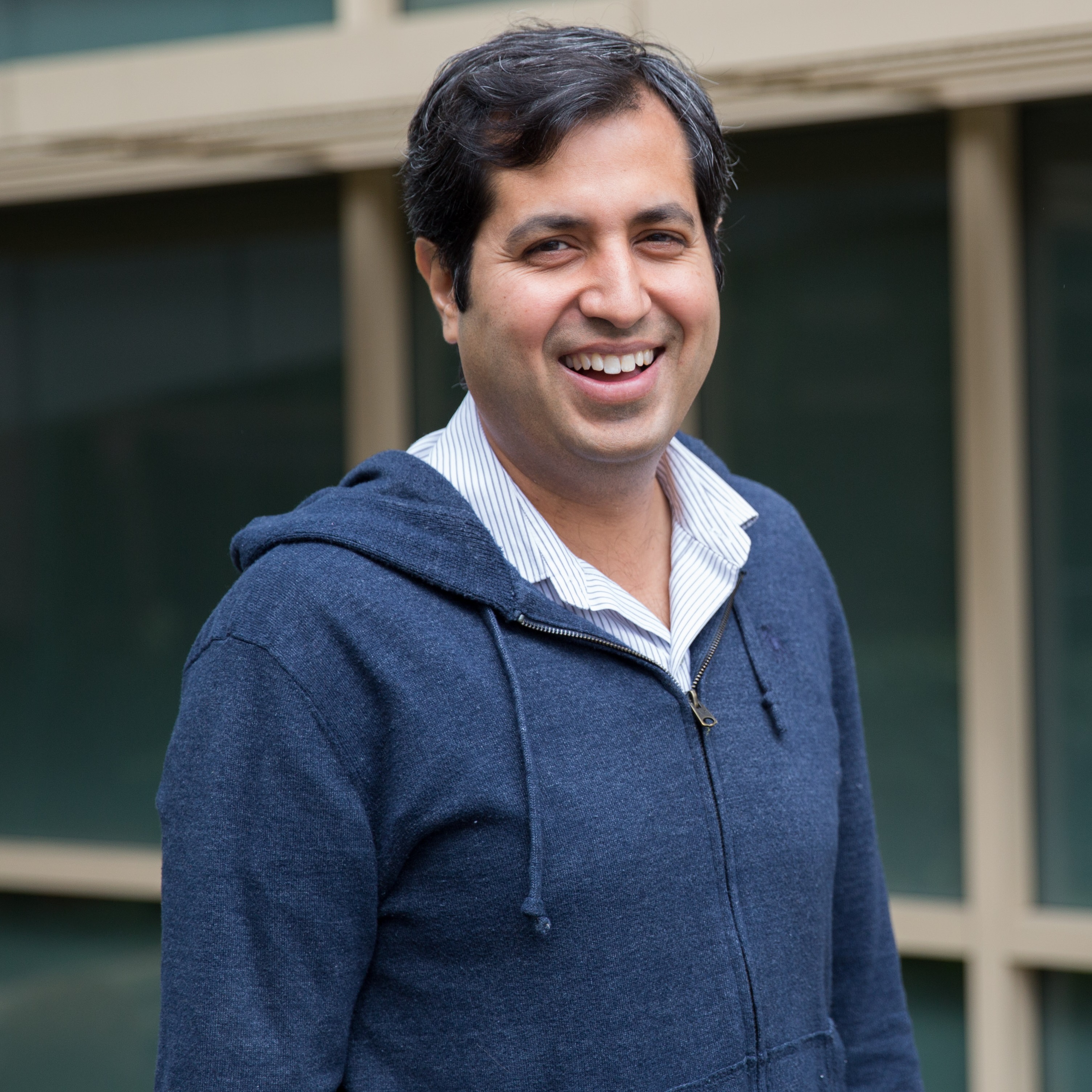 Ashish Kapoor合作论文数Scaled Foundations7
 Anitha Kannan合作论文数Curai Health7
 Jeffrey Cohn合作论文数Robotics Institute, School of Computer Science, Carnegie Mellon University;Department of Psychology, University of Pittsburgh;Department of Psychiatry, University of Pittsburgh;Deliberate.ai6
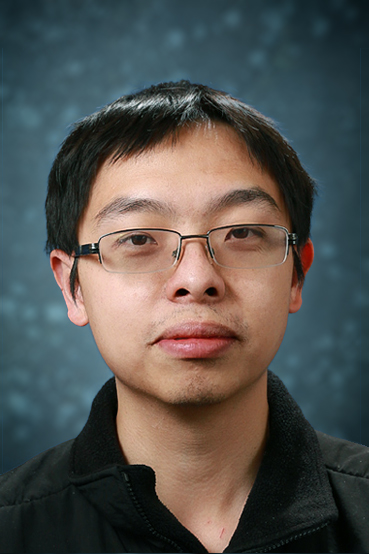 Dahua Lin (林達華)合作论文数Department of Information Engineering, The Chinese University of Hong Kong;Shanghai Artificial Intelligence Laboratory6
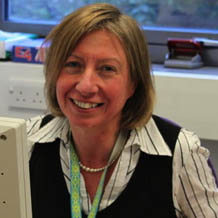 Jennifer Southgate合作论文数Jack Birch Unit for Molecular Carcinogenesis, Department of Biology, University of York;York Biomedical Research Institute, University of York5
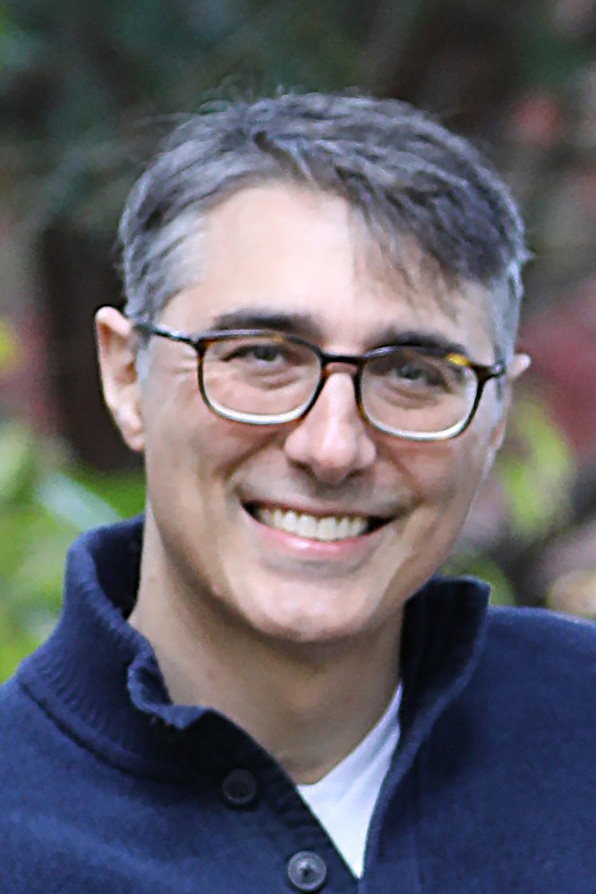 Fernando De La Torre合作论文数Robotics Institute, School of Computer Science, Carnegie Mellon University5
 Gang Hua (华刚)合作论文数Amazon5German K. M. Cheung合作论文数5
 Deva Ramanan合作论文数Center for Autonomous Vehicle Research, Robotics Institute, School of Computer Science, Carnegie Mellon University5
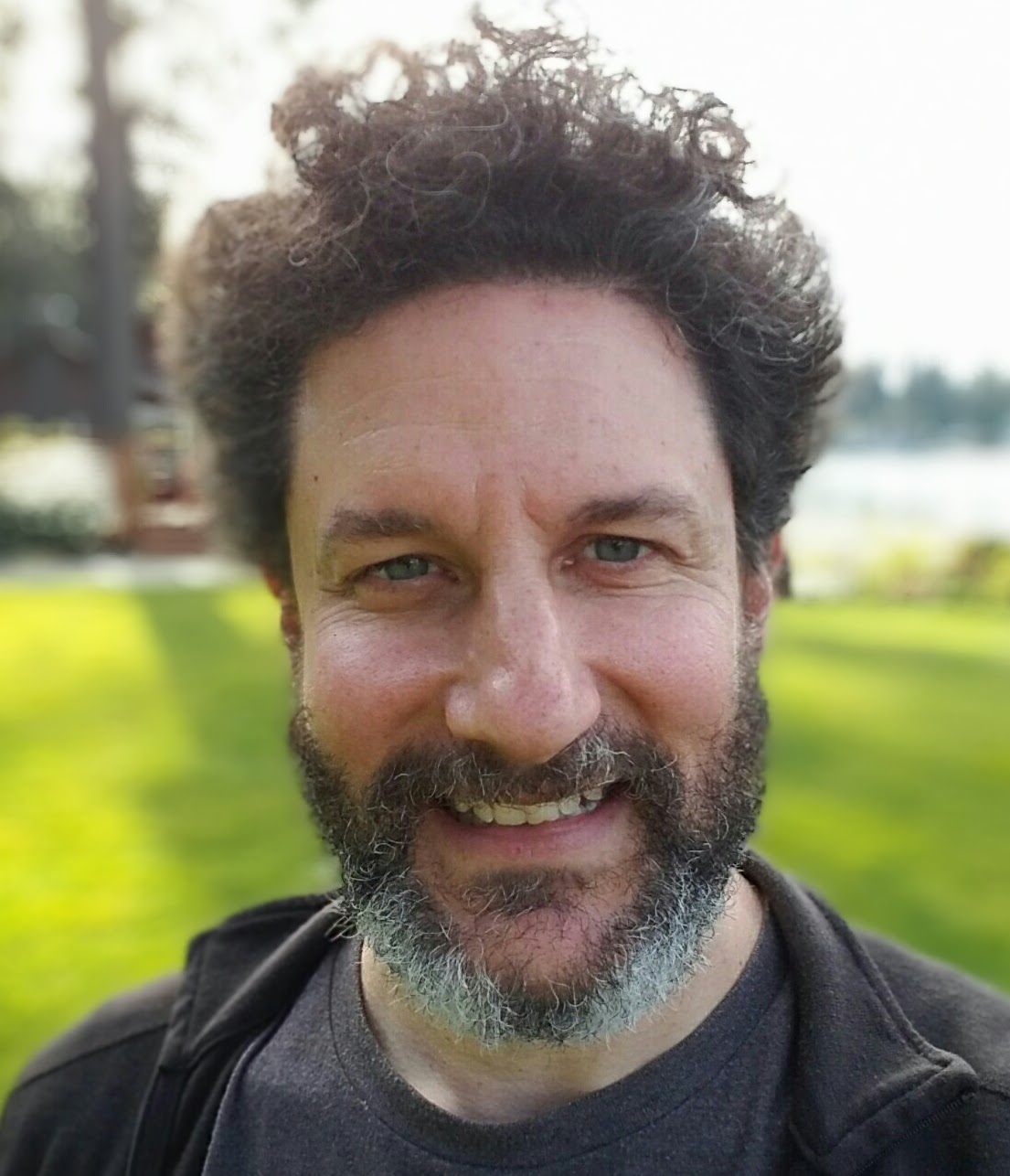 Steve Seitz合作论文数Paul G. Allen School of Computer Science & Engineering, University of Washington;Google4
 Qifa Ke合作论文数Uber4
 P. Anandan合作论文数benshi.ai4
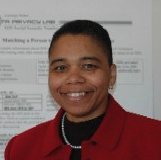 Latanya Sweeney合作论文数Kennedy School, Harvard University;Department of Government, Faculty of Arts and Sciences, Harvard University;Public Interest Tech Lab, Harvard University4
 Terence Sim合作论文数Department of Computer Science, School of Computing, National University of Singapore4Sundar Vedula合作论文数YesVideo, Inc., Santa Clara, CA4John Avramovic合作论文数4
 Sing Bing Kang合作论文数Zillow4Amir Akbarzadeh合作论文数3Takahiro Ishikawa合作论文数3
 Jianbo Shi合作论文数Department of Computer and Information Science, School of Engineering and Applied Science, University of Pennsylvania3
 Vijayakumar Bhagavatula合作论文数Carnegie Mellon University Africa;Carnegie Mellon University3
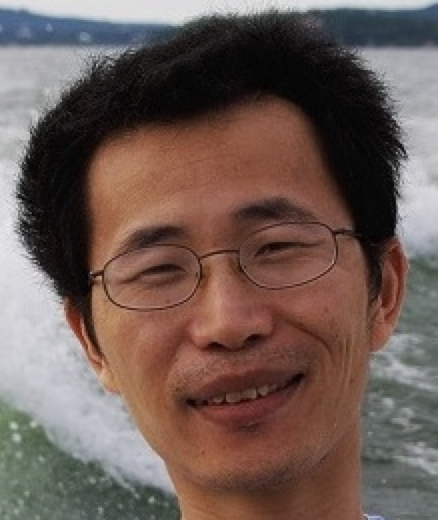 Changbo Hu合作论文数Computer & Vision Research Center, Dept. of Electrical & Computer Engr, The University of Texas3
 Pablo H. Hennings-Yeomans合作论文数Ontario Institute for Cancer Research3padmananbhan anandan合作论文数2GKM Cheung合作论文数2J. Lefkowitch合作论文数2M Sykes合作论文数2
 Murrell JC合作论文数School of Environmental Sciences, Faculty of Science, University of East Anglia2
 Nejat Tek, M.合作论文数Dept. of Electr. & Comput. Eng., Northeastern Univ.;c;Dept. of Electr. & Comput. Eng., Northeastern Univ.2
 Stuart Ferguson合作论文数Department of Biochemistry, University of Oxford2
 Martinez Mercedes合作论文数College of Physicians and Surgeons, Columbia University2Kato Yojiro合作论文数2
 Srinivasa Narasimhan合作论文数Illumination and Imaging Laboratory, The Robotics Institute, Carnegie Mellon University;School of Computer Science, Carnegie Mellon University2Kenji Takahashi合作论文数2
 Jiri Matas合作论文数The Center for Machine Perception, Department of Cybernetics, Faculty of Electrical Engineering, Czech Technical University2
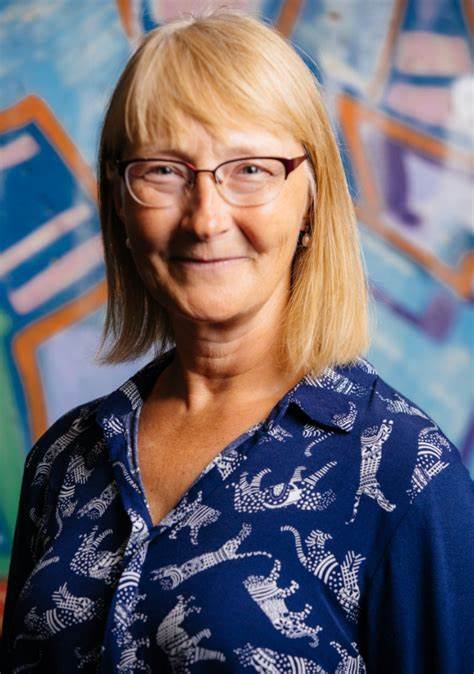 Lucy Vanderwende合作论文数Microsoft Research;Department of Biomedical Health Informatics, University of Washington2
 Shengyang Dai (戴声扬)合作论文数Google2
 Jeff Schneider合作论文数Robotics Institute, School of Computer Science, Carnegie Mellon University2
 Lado Kurdgelashvili合作论文数Center for Energy and Environmental Policy, University of Delaware2Adrian Broadhurst合作论文数Dept. of Engineering, University of Cambridge. abstract , pdf (5.5 Mb) , compressed postscript (40 Mb)2
 Ankur Datta合作论文数The Boston Dynamics AI Institute2
 Shuntaro Yamazaki合作论文数Google2