BACKGROUND:Allogeneic stem cell transplantation (AlloSCT) has established curative potential in mantle cell lymphoma (MCL). As therapies for MCL evolve, outcomes with AlloSCT require reassessment. AIM:This study aimed to report the outcomes of AlloSCT for MCL across Australia and New Zealand. METHODS:Data were collected through the Australasian Bone Marrow Transplant Recipient Registry (ABMTRR) for all patients undergoing AlloSCT for MCL between January 2009 and December 2019. RESULTS:Forty-six patients underwent AlloSCT for MCL between 2009 and 2014 and 40 between 2015 and 2019. The median patient age was 56 years (range 32-72), nine of 15 patients tested (60%) had TP53 mutation, and 14% of patients underwent myeloablative conditioning (MAC). A higher proportion of patients in the 2015-2019 period were BTKi-exposed (68% vs. 0%, P = 0.00). Non-relapse mortality (NRM) at 1 year and 5 years was 23% (95% confidence interval (95% CI) 14-32) and 31% (95% CI 21-42) respectively. The 100-day cumulative incidence of grade II to IV acute graft-versus-host disease (GVHD) was 21% (95% CI 13-30), and the 3-year cumulative incidence of chronic GVHD was 31% (95% CI 22-41). At 5 years, overall survival (OS) was 48% (95% CI 36-59) and progression free survival (PFS) was 38% (95% CI 27-50). The use of MAC was independently associated with inferior PFS (hazard ratio [HR] 2.33, 95% CI 1.05-5.17, P = 0.038) and OS (HR 3.11, 95% CI 1.39-7.00, P = 0.006). There was no difference in outcomes for patients transplanted between 2009 and 2014 versus 2015 and 2019. CONCLUSION:AlloSCT can achieve durable remissions for MCL in the modern era, and the use of MAC is associated with inferior outcomes.
BACKGROUND:Allogeneic haemopoietic stem cell transplantation (HSCT) is an effective therapy with curative potential for patients with high-risk or relapsed/refractory chronic lymphocytic leukaemia (CLL). There are limited data on the use and outcomes of HSCT in the modern era of CLL treatment. AIMS:The aim of this study was to examine the use of HSCT performed for CLL in Australia and New Zealand, including patients exposed to pathway inhibitors (PIs) prior to transplant. METHODS:Data were collected through the Australian and New Zealand Transplant and Cellular Therapy Registry for all patients who underwent HSCT for CLL between January 2009 and December 2018. Transplant outcomes were compared between two 5-year time periods: 2009-2013 and 2014-2018. RESULTS:Ninety-four patients underwent HSCT during 2009-2013 and 50 during 2014-2018. There was a significant reduction in non-relapse mortality (NRM) from 42% (95% confidence interval (CI): 31-52) to 23% (95% CI: 12-35, P = 0.02) between the periods; however, overall survival (OS), progression-free survival (PFS) and relapse were unchanged. Within the 2014-2018 cohort, 22 patients were PI exposed prior to transplant. At 3 years, these patients demonstrated a median OS of 54% (95% CI: 35-82), PFS of 44% (95% CI: 27-71), NRM of 25% (95% CI: 8-45) and cumulative incidence of relapse of 32% (95% CI: 14-52). In multivariate analysis, only disease in complete remission at the time of HSCT was associated with improved OS (hazard ratio: 2.54, 95% CI: 1.04-6.18). CONCLUSION:Allogeneic HSCT remains a viable treatment option for select patients with CLL.
Abstract There is limited data on the use and outcomes of allogeneic haematopoietic stem cell transplant (HSCT) in the modern era of chronic lymphocytic leukaemia (CLL) treatment. The aim of this study was to examine CLL transplant outcomes with a focus on patients exposed to pathway inhibitors (PI) prior to transplant. Data was collected through the Australian and New Zealand Transplant and Cellular Therapy Registry for all patients who underwent HSCT for CLL between 01/2009-12/2018. Transplant outcomes were compared between 2009-2013 (n=94) and 2014-2018 (n=50). There was a significant reduction in non-relapse mortality (NRM) from 42% (95%CI 31-52%) to 23% (95% CI 12-35%, p=0.02) between the periods however overall survival (OS), progression free survival and relapse were unchanged. Within the 2014-2018 cohort there was no difference in baseline characteristics between PI exposed (n=22) and naïve patients however 3-year OS was inferior in PI exposed patients: 54% (95%CI 35-82) compared to 91% (95%CI 80-100; p=0.03). In multivariate analysis, complete remission at the time of HSCT was associated with improved OS (hazard ratio [HR] 2.54, 95%CI 1.04-6.18). Allogeneic HSCT remains a viable treatment option for selected patients with CLL however the finding of inferior OS in PI exposed patients requires further study.
BACKGROUND:Few Australasian autologous stem cell transplantation (ASCT) programmes perform ASCT in the private sector. Relatively little is known about ASCT outcomes in the private sector, which varies in care delivery models to the public system.AIMS:To investigate transplantation activity and survival outcomes at Icon Cancer Centre's Brisbane-based private clinical and laboratory ASCT programme over a 23-year period.METHODS:Retrospective, observational study of all adults who underwent ASCT at Icon between 1996 and 2018. Main outcome measures were transplant activity, overall survival (OS) and 100-day and 1-year transplant-related mortality (TRM). Outcomes were benchmarked against the Australasian Bone Marrow Transplant Recipient Registry (ABMTRR).RESULTS:Between 1996 and 2018, 1676 ASCT were performed in 1454 patients. From 2010 to 2018, ASCT performed at Icon contributed 40% of all South East Queensland ASCT. In the past 5 years, 21% of Icon's patients were aged ≥70 years, compared with 5% across Australasia. For the entire cohort, 100-day and 1-year TRM was 1.1% and 1.7%, respectively, while for those aged ≥70 years, it was 2.0% and 3.1%. For ASCT performed between 2014 and 2018, 100-day and 1-year TRM was 0.8% and 1.4%, which was half the TRM rates reported by the ABMTRR. The 10-year post-transplant OS at Icon was higher than the ABMTRR data, across all disease subtypes.CONCLUSION:We report excellent OS and low TRM, demonstrating the critical role of the private sector in the administration of this highly complex therapy. The Icon ASCT programme is the largest ASCT contributor in Queensland. It is inclusive of patients aged ≥70 years, demonstrating low and acceptable TRM.
Introduction A majority of patients with diffuse large B cell lymphoma (DLBCL) will be cured with frontline chemoimmunotherapy, however a significant number of patients will relapse. Although autologous haematopoietic stem cell transplantation (autoHCT) may lead to sustained survival in some relapsing patients, long term survival with relapsed DLBCL is approximately 25% (Larouche et al., J Clin Oncol 2010;28(12):2094). Allogeneic HCT (alloHCT) is a potential treatment strategy in some DLBCL patients with relapsed disease. We performed a retrospective national registry study to examine alloHCT practice and outcomes for DLBCL in Australia and New Zealand in the modern era. Methods Data was collected through the Australasian Bone Marrow Transplant Recipient Registry (ABMTRR) for patients receiving an alloHCT for DLBCL between January 2009 and December 2019. Survival was analysed using the Kaplan-Meier method, with comparisons between the transplant periods 2009-2014 and 2015-2019 performed using the log-rank test. Both univariate and Cox proportional hazards regression were performed to determine significant risk factors for transplant outcome. The following risk factors were analysed for impact on outcomes: age, transplant before 2015, previous autoHCT, remission status at transplant, use of myeloablative conditioning (MAC), haploidentical donor (HD) and use of T cell depletion (TCD). Results A total of 154 patients were included in the analysis. The median age was 52 years (range 19-71) and 68% were male. Disease status at transplant was complete remission (CR) in 49%, partial response in 31% and stable or progressive disease in 17% (missing data in 3%). Fifty-five per cent had undergone a previous autoHCT. Approximately equal proportions of donors were HLA-matched siblings or matched unrelated (45% and 46% respectively) and 9% were HDs. MAC was utilised in 26%, and TCD in 24% (alemtuzumab in 3%, anti-thymocyte globulin in 21%) (data missing in 12%). The median times to neutrophil engraftment and platelet engraftment were 16 and 18 days respectively. Non-relapse mortality (NRM) at 1-year and 5-years was 20% (95%CI 7-30%) and 26% (95%CI: 13-38%). The 100-day cumulative incidence of grade II to IV acute graft versus host disease was 15% (95%CI 5-31%). The 3-year cumulative incidence of chronic graft versus host disease (cGVHD) was 56% (95%CI 46-65%) (figure 1). The median duration of follow up for the cohort was 3.98 years (range 0-9.64 years). Median overall survival (OS) post-transplant was 4.01 years, with 5-year OS of 47% (95%CI 38-56%) and 10-year OS of 40% (95%CI 26-54%) (figure 2). The 5-year relapse free survival (RFS) was 45% (95%CI 26-50%) (figure 3). The cumulative incidence of relapse (CIR) was 21% at 1 year and 32% at four years, however relapses were not seen after this point, suggesting a subpopulation with durable remissions (figure 4). On univariate analysis, TCD was associated with both reduced incidence of cGVHD (HR 0.35 95%CI 0.19-0.66, p=0.012) and increased NRM (HR 2.10 95%CI 0.88-4.99 p=0.043). These associations were maintained on multivariate analysis (MVA) (HR 0.29 95%CI 0.16-0.76, p=0.011; HR 2.19 95%CI 1.02-4.70, p=0.045) (figures 5, 6). TCD did not impact on RFS. The vast majority of TCD was given in unrelated donor alloHCTs. CR at time of transplant was associated with improved RFS on univariate analysis (HR 1.65 95%CI 1.04-2.64, p=0.034), however this association was not seen on MVA. No other analysed risk factors impacted OS, RFS, NRM, CIR or GVHD rates on either univariate or MVA. An average of 14 alloHCTs were performed each year, with a trend towards increasing annual numbers over time. There was a significant increase in the proportion of haploidentical transplants between 2009 and 2019 (p=0.003), though total numbers were low (n=14). There was no significant change over time for the use of MAC, TCD, nor in OS, RFS or NRM. Conclusion There has been an increase in the rates of alloHCT with HDs for DLBCL in Australia and New Zealand over the past decade. Survival and relapse rates are relatively favourable compared to the published literature, with sustained remissions observed (5 and 10-year OS of 47% and 40% respectively). TCD is associated with reduced cGVHD rates, as well as increased NRM. Ongoing reporting of alloHCT outcomes in DLBCL is important given the emerging role of novel therapies such as bispecific monoclonal antibodies and chimeric antigen receptor T cell therapy. Figure 1 Disclosures Di Ciaccio: Jansen: Honoraria, Other: travel and accomodation grant. Greenwood:Servier: Membership on an entity's Board of Directors or advisory committees, Speakers Bureau; MSD: Membership on an entity's Board of Directors or advisory committees; Amgen: Membership on an entity's Board of Directors or advisory committees, Speakers Bureau. Spencer:Celgene, Janssen and Takeda: Speakers Bureau; AbbVie, Amgen, Celgene, Haemalogix, Janssen, Sanofi, SecuraBio, Specialised Therapeutics Australia, Servier and Takeda: Honoraria; Amgen, Celgene, Haemalogix, Janssen, Servier and Takeda: Research Funding; AbbVie, Celgene, Haemalogix, Janssen, Sanofi, SecuraBio, Specialised Therapeutics Australia, Servier and Takeda: Consultancy. Arthur:Royal North Shore Hospital: Current Employment. Hamad:Novartis: Honoraria; Abbvie: Honoraria.
We determined the efficacy of tocilizumab (TCZ) in preventing grade 2-4 acute graft-versus-host disease (aGVHD) in patients with acute leukemia or myelodysplasia undergoing matched sibling donor (MSD) or volunteer unrelated donor (VUD) allogeneic stem cell transplantation after myeloablative or reduced-intensity conditioning across 5 Australian centers. A total of 145 patients (50 MSD, 95 VUD) were randomly assigned to placebo or TCZ on day -1. All patients received T-cell-replete peripheral blood stem cell grafts and graft-versus-host disease (GVHD) prophylaxis with cyclosporin/methotrexate. A planned substudy analyzed the VUD cohort. With a median follow-up of 746 days, the incidence of grade 2-4 aGVHD at day 100 for the entire cohort was 36% for placebo vs 27% for TCZ (hazard ratio [HR], 0.69; 95% confidence interval [CI], 0.38-1.26; P = .23) and 45% vs 32% (HR, 0.61; 95% CI, 0.31-1.22; P = .16) for the VUD subgroup. The incidence of grade 2-4 aGVHD at day 180 for the entire cohort was 40% for placebo vs 29% for TCZ (HR, 0.68; 95% CI, 0.38-1.22; P = .19) and 48% vs 32% (HR, 0.59; 95% CI, 0.30-1.16; P = .13) for the VUD subgroup. Reductions in aGVHD were predominantly in grade 2 disease. For the entire cohort, transplant-related mortality occurred in 8% vs 11% of placebo-treated vs TCZ-treated patients, respectively (P = .56), and overall survival was 79% vs 71% (P = .27). Median day to neutrophil and platelet engraftment was delayed by 2 to 3 days in TCZ-treated patients, whereas liver toxicity and infectious complications were similar between groups. In this phase 3 randomized double-blind trial, TCZ showed nonsignificant trends toward reduced incidence of grade 2-4 aGVHD in recipients from HLA-matched VUDs but no improvements in long term-survival.
BACKGROUND:Polycythaemia vera is a myeloproliferative neoplasm characterised by excessive proliferation of erythroid, myeloid, and megakaryocytic components in the bone marrow due to mutations in the Janus kinase 2 (JAK2) gene. Ruxolitinib, a JAK 1 and JAK 2 inhibitor, showed superiority over best available therapy in a phase 2 study in patients with polycythaemia vera who were resistant to or intolerant of hydroxyurea. We aimed to compare the long-term safety and efficacy of ruxolitinib with best available therapy in patients with polycythaemia vera who were resistant to or intolerant of hydroxyurea. METHODS:We report the 5-year results for a randomised, open-label, phase 3 study (RESPONSE) that enrolled patients at 109 sites across North America, South America, Europe, and the Asia-Pacific region. Patients (18 years or older) with polycythaemia vera who were resistant to or intolerant of hydroxyurea were randomly assigned 1:1 to receive either ruxolitinib or best available therapy. Patients randomly assigned to the ruxolitinib group received the drug orally at a starting dose of 10 mg twice a day. Single-agent best available therapy comprised hydroxyurea, interferon or pegylated interferon, pipobroman, anagrelide, approved immunomodulators, or observation without pharmacological treatment. The primary endpoint, composite response (patients who achieved both haematocrit control without phlebotomy and 35% or more reduction from baseline in spleen volume) at 32 weeeks was previously reported. Patients receiving best available therapy could cross over to ruxolitinib after week 32. We assessed the durability of primary composite response, complete haematological remission, overall clinicohaematological response, overall survival, patient-reported outcomes, and safety after 5-years of follow-up. This study is registered with ClinicalTrials.gov, NCT01243944. FINDINGS:We enrolled patients between Oct 27, 2010, and Feb 13, 2013, and the study concluded on Feb 9, 2018. Of 342 individuals screened for eligibility, 222 patients were randomly assigned to receive ruxolitinib (n=110, 50%) or best available therapy (n=112, 50%). The median time since polycythaemia vera diagnosis was 8·2 years (IQR 3·9-12·3) in the ruxolitinib group and 9·3 years (4·9-13·8) in the best available therapy group. 98 (88%) of 112 patients initially randomly assigned to best available therapy crossed over to receive ruxolitinib and no patient remained on best available therapy after 80 weeks of study. Among 25 primary responders in the ruxolitinib group, six had progressed at the time of final analysis. At 5 years, the probability of maintaining primary composite response was 74% (95% CI 51-88). The probability of maintaining complete haematological remission was 55% (95% CI 32-73) and the probability of maintaining overall clinicohaematological responses was 67% (54-77). In the intention-to-treat analysis not accounting for crossover, the probability of survival at 5 years was 91·9% (84·4-95·9) with ruxolitinib therapy and 91·0% (82·8-95·4) with best available therapy. Anaemia was the most common adverse event in patients receiving ruxolitinib (rates per 100 patient-years of exposure were 8·9 for ruxolitinib and 8·8 for the crossover population), though most anaemia events were mild to moderate in severity (grade 1 or 2 anaemia rates per 100 patient-years of exposure were 8·0 for ruxolitinib and 8·2 for the crossover population). Non-haematological adverse events were generally lower with long-term ruxolitinib treatment than with best available therapy. Thromboembolic events were lower in the ruxolitinib group than the best available therapy group. There were two on-treatment deaths in the ruxolitinib group. One of these deaths was due to gastric adenocarcinoma, which was assessed by the investigator as related to ruxolitinib treatment. INTERPRETATION:We showed that ruxolitinib is a safe and effective long-term treatment option for patients with polycythaemia vera who are resistant to or intolerant of hydroxyurea. Taken together, ruxolitinib treatment offers the first widely approved therapeutic alternative for this post-hydroxyurea patient population. FUNDING:Novartis Pharmaceuticals Corporation.
Background The treatment landscape for chronic lymphocytic leukaemia (CLL) has significantly changed over the past decade with the advent of targeted therapies. Subsequent improvement in remission rates has been seen in all patient groups, however patients with high-risk genetic features (del17p, TP53 mutation) continue to have poorer outcomes. In such patients, and in multiply relapsed/refractory standard risk patients, allogeneic stem cell transplantation remains a viable management option despite the associated morbidity and mortality. The aim of this study was to examine trends in allogeneic stem cell transplantation for CLL in Australia and New Zealand over the past decade, and to identify predictive factors for overall survival (OS) and progression free survival (PFS). Methods Data was collected through the Australasian Bone Marrow Transplant Recipient Registry (ABMTRR) for patients receiving a first allogeneic stem cell transplantation for CLL, in the absence of Richter's transformation, between January 2009 and December 2018. Transplant outcomes were compared between 2 time periods, 2009-2013 and 2014-2018 using log rank test for survival and Gray's test for cumulative incidence curves. Cox regression analysis was performed to identify factors predictive of survival. Medians are reported with ranges, hazard ratios (HR) and cumulative incidence with 95% confidence intervals (CI). Results A total of 153 patients (75% males) were included. Median age at transplantation was 55 years (range 23-69) with a median time from diagnosis to transplantation of 5.7 years (range 100days - 24.7years). Most patients received reduced intensity or non-myeloablative conditioning (84.3%, n=129) and did not receive T cell depleting therapy (73%, n=94). The median follow up was 5.9 years (range 0.8-11years). Median time to neutrophil engraftment was 16 days (range 6-49) and median time to platelet engraftment was 18 days (range 1-69). At 100 days following transplantation the cumulative incidence of graft failure was 3.9%, CMV reactivation 41% (95% CI 31-50%) and CMV disease 3.2% (95% CI 1-8%). Acute graft versus host disease (aGVHD) grade II-IV occurred in 39% (95% CI 29-49%) of patients and grade III-IV in 17% (95% CI 9-25%). The cumulative incidence of chronic GVHD (cGVHD) was 65% (95% CI 53-76%) at 5 years; extensive cGVHD occurred in 77% of patients with cGVHD. Median OS was 4.3 years (95% CI 3.6-not reached) and PFS was 2.6 years (95% CI 1.7-3.9). The most common contributors to mortality were infection (43%), GVHD (40%) and persistent disease or relapse (24%). In a multivariate analysis active disease at time of transplantation was associated with a worse OS (HR 2.16, 1.01-4.63), however, age, matched sibling donor, myeloablative conditioning and the use of T cell depleting therapies did not have a significant impact. The use of myeloablative conditioning was associated with improved PFS (HR 1.85, 1.1-3.1) in a univariate analysis but lost significance in multivariate analysis. Ninety-seven patients underwent transplantation between 2009-2013 and 56 patients between 2014-2018. There was no statistical difference in patient age, performance status, donor or disease status at transplantation between the groups. Myeloablative conditioning was used in 18.6% and 8.9% (p=0.197), and T cell depleting therapy in 25% and 31% (p=0.58), for the 2009-2013 and 2014-2018 periods respectively. There was a significant improvement in 5-year non-relapse mortality (NRM) from 41.5% (31-52%) to 23.4% (13-29%; p=0.04). Five year OS (46% vs 56%), PFS (36% vs 46%) and relapse rates (21% vs 31%) were not statistically different. Cumulative incidence of both acute and chronic GVHD was reduced in the later cohort; aGVHD 51% (95% CI 34-65%) vs 29% (95% CI 16-43%; p=0.03), cGVHD 76% (95% CI 57-88%) vs 53% (36-66%; p=0.02). Kaplan-meier and cumulative incidence curves for these outcomes are presented in figure 1. Conclusion The number of allogeneic stem cell transplantations performed for CLL has reduced over the past decade in Australasia. There has been an improvement in NRM and incidence of GVHD, however OS and PFS have not significantly changed. This may reflect improved GVHD prophylaxis and management, or advances in supportive care. Further analysis of impact of high-risk genetic factors at transplantation is pending at the time of abstract submission. Figure Disclosures Spencer: Celgene, Janssen and Takeda: Speakers Bureau; AbbVie, Celgene, Haemalogix, Janssen, Sanofi, SecuraBio, Specialised Therapeutics Australia, Servier and Takeda: Consultancy; Amgen, Celgene, Haemalogix, Janssen, Servier and Takeda: Research Funding; AbbVie, Amgen, Celgene, Haemalogix, Janssen, Sanofi, SecuraBio, Specialised Therapeutics Australia, Servier and Takeda: Honoraria. Greenwood:Amgen: Membership on an entity's Board of Directors or advisory committees, Speakers Bureau; MSD: Membership on an entity's Board of Directors or advisory committees; Servier: Membership on an entity's Board of Directors or advisory committees, Speakers Bureau. Tam:AbbVie: Honoraria, Research Funding; BeiGene: Honoraria; Janssen: Honoraria, Research Funding. Di Ciaccio:Jansen: Honoraria, Other: travel and accomodation grant. Hamad:Novartis: Honoraria; Abbvie: Honoraria.
Introduction Mantle cell lymphoma (MCL) is a mature B lymphoproliferative disorder with a frequently aggressive clinical course. Although the response rates in patients eligible for conventional chemoimmunotherapy are high, relapses are virtually inevitable, with a median overall survival (OS) of three to five years. For some patients allogeneic stem haematopoietic cell transplantation (alloHCT) is a potential therapeutic option. AlloHCT for MCL has been associated with long term overall survival (OS) of around 40%, with high rates of non-relapse mortality (NRM) of 20-40% and relapse rates of 20-30% (Urbano-Ispizua et al., Biol Blood Marrow Transplant 2015;21:1746, Robinson et al., Leukemia 2015;29:464). Whilst there is evidence of a graft-versus-lymphoma effect in MCL, it has not been shown to translate into improved OS. We performed a retrospective national registry study to examine alloHCT practice and outcomes for MCL in Australia and New Zealand in the modern era. Methods Data was collected through the Australasian Bone Marrow Transplant Recipient Registry (ABMTRR) for patients receiving an alloHCT for MCL between January 2009 and December 2019. This time range was chosen to capture the era of widespread rituximab use. Survival, relapse and toxicities of alloHCT were investigated, as well as transplant trends over time. Survival was analysed using the Kaplan-Meier method, with comparisons between the transplant periods 2009-2014 and 2015-2019 performed using the log-rank test. Cox proportional hazards regression was performed to determine significant risk factors for transplant outcome. The following risk factors were analysed for impact on outcomes: age, transplant before 2015, previous autologous HCT (autoHCT), remission status at transplant, use of myeloablative conditioning (MAC), haploidentical donor and use of T cell depletion (TCD). Results A total of 86 patients were included in the analysis. The median age was 56 (range 39-71). There was a male predominance with only 12% female patients. At the time of transplant, 51% were in complete remission, 26% had a partial response and 20% had stable or progressive disease (data missing in 3%). Sixty-seven percent had undergone previous autoHCT. The majority of donors were HLA-matched siblings (51%), followed by HLA-matched-unrelated (42%) and haploidentical (7%). Myeloablative conditioning was utilised in 14%, and T-cell depletion (TCD) in 24%. The median times to neutrophil engraftment (>0.5x10⁹/L) and platelet engraftment (>20x109/L) were 16 and 20 days respectively. NRM at 1 and 5 years was 23% (95% confidence interval [95%CI] 10-39%) and 30% (95%CI 15-48%) respectively. The 100-day cumulative incidence of grade II to IV acute GVHD was 29%. The 3-year cumulative incidence of chronic GVHD was 27%. The median duration of follow up was 4.17 years (range 0-9.6 years). Median OS was 4.2 years, with an estimated 5-year OS of 47% (95%CI 35-58%) and 10-year OS of 23% (95%CI 8-43%) (figure 1). Five-year relapse free survival (RFS) was 38% (95%CI 26-50%) (figure 2). The cumulative incidence of relapse (CIR) was 20% at 1 year and 33% at 4 years, with a flattening of the curve after this point (figure 3). On multivariate analysis (MVA), the use of myeloablative conditioning (MAC) was associated with inferior RFS (hazard ratio 2.33; 95%CI 1.05-5.17; p=0.038) and OS (hazard ratio 3.11; 95%CI 1.39-7.00; p=0.006) (figure 4). No risk factors on MVA impacted NRM or CIR. Chronic GVHD was not associated with RFS or CIR. An average of nine alloHCTs were performed each year. There was an increase in the proportion of haploidentical transplants between 2009-2014 and 2015-2019 (4% to 10%). There was no significant change over time in OS, RFS or NRM, or in the use of MAC or TCD. Conclusion There has been no significant change in the rates of alloHCT for MCL in Australia and New Zealand over the past decade. Trends show an increasing utilisation of haploidentical donors. Overall outcomes were comparable to those previously published with favourable OS and durable remissions seen in a subset of patients. MAC was associated with inferior OS and RFS, however the cause for this is unclear given the lack of association with NRM or CIR. Ongoing reporting of alloHCT outcomes in MCL is important given the emerging role of novel therapies, such as Bruton tyrosine kinase inhibitors, bispecific T cells and CAR-T cell therapy. Figure 1 Disclosures Di Ciaccio: Jansen: Honoraria, Other: travel and accomodation grant. Greenwood:MSD: Membership on an entity's Board of Directors or advisory committees; Amgen: Membership on an entity's Board of Directors or advisory committees, Speakers Bureau; Servier: Membership on an entity's Board of Directors or advisory committees, Speakers Bureau. Hamad:Novartis: Honoraria; Abbvie: Honoraria.
Background: Upfront autologous stem cell transplantation (ASCT) in multiple myeloma (MM) following induction therapy has been demonstrated to improve progression free survival (PFS) and overall survival (OS). Consideration of transplant eligibility involves assessment of age (typically <70 years), co-morbidities and frailty. In Australia and New Zealand, approximately 70% of all MM patients aged <70 years undergo upfront ASCT compared to approximately 6% aged 70-75 years (Bergin, MRDR Data). We aimed to review the patterns of transplantation in Australia and New Zealand in patients ≥70 years of age and examine survival outcomes and predictors of survival in this cohort. Methods: We analysed 8786 MM patients who received ASCT in Australia and New Zealand between 2001 and 2019. 630 (7.2%) were ≥70 years of age. As there was missing data in the registry, additional data was obtained for 466 ≥70 years of age from 20 sites (performance status (PS), melphalan dose and creatinine clearance (CrCl)). These sites were selected on the basis of number of eligible patients in the registry. Kaplan-Meier analysis was performed to determine PFS and OS. Univariate and multi-variate analysis was performed using Cox proportional hazard model to determine predictors of OS. Results: The baseline patient and disease characteristics are presented in Table 1. The total number of ASCT procedures performed for MM has increased over the study period, and the proportion of ASCT patients ≥70 years has also increased from 5% in 2000-2004 to 11% in 2015-2019 (Figure 1). 33% of patients ≥70 years of age received reduced dose melphalan (140mg/m2 versus 200mg/m2) compared with 10% of patients < 70. Poor PS (ECOG > 1/Karnofsky Performance Score < 80) and CrCl did not significantly predict dose reduction of melphalan. At a median follow-up of 3.8 years, median PFS was 3.3 years (95% CI 2.9-3.8) for those aged ≥70 and 3.4 years (95% CI 3.2-3.6) for those 60-69 (P =0.7). Median OS in those aged ≥70 was 5.6 years (95% CI 4.9-6.3) compared to 6.2 years in those 60-69 (5.8-6.6 years) (P = 0.01). There was no difference in median time to platelet and neutrophil engraftment in patients aged ≥ 70 compared to those < 70. There was no significant difference in transplant related mortality at day 100 in those ≥70 years (1.8%, 95% CI 1-3%) compared to those < 70 (1%, 95% CI 0.7-1.2%) (P = 0.07). OS in all patients aged ≥ 70 (n = 630) was significantly better in patients transplanted between 2010-2019 (n = 451) compared to 2000-2009 (n = 179) (HR 1.62, 1.20-2.19, P = 0.002) (Figure 2) likely correlating with access to bortezomib based induction in 2011/2012 in Australia and New Zealand, and is reflected by an increased proportion of patients achieving a partial response (PR) or better at time of ASCT (Table 1). Increased access to novel agents in the relapsed/refractory MM patients as well as improvements in supportive care also may have contributed. On univariate analysis, other predictors of OS in older patients were poor PS (HR 2.44, 95% CI 1.23-4.81, P = 0.01), higher risk disease (Stage III using Durie-Salmon, ISS or R-ISS) (HR 1.42, 95% CI 1.01-2.00, P < 0.042) and failure to achieve a PR prior to ASCT (HR 1.71, 95% CI 1.01-2.87, P = 0.05). On univariate analysis, melphalan dose did not predict OS (HR 1.35, 95% CI 0.89-2.05, P = 0.2). Multivariate analysis of determinants of OS was performed for the patients in whom we obtained the additional data. Because of missing data for both PS and stage, multivariate analysis incorporating all variables of interest (decade of transplant, melphalan dose, disease status at transplant, CrCl, PS and stage at diagnosis) could only be performed in a subset of patients (n = 163) (Table 2). In this cohort the only significant predictor of OS was poor PS (Table 2). Conclusion: There is increasing utilisation of upfront ASCT in patients aged ≥ 70 in Australia and New Zealand. OS in this group of patients has significantly improved over the study period in keeping with access to bortezomib based induction and novel agents in the relapsed and refractory setting. In a highly selected group of patients ≥70 years of age, ASCT is feasible and associated with excellent PFS and OS. On multivariate analysis, PS was the only predictor of OS. The prospective use of established co-morbidity and frailty scores in assessing transplant eligibility in older patients warrants further evaluation. Disclosures Harrison: Takeda: Consultancy, Honoraria, Membership on an entity's Board of Directors or advisory committees, Research Funding; Janssen-Cilag: Consultancy, Membership on an entity's Board of Directors or advisory committees, Research Funding; BMS: Consultancy, Honoraria; Haemalogix: Consultancy; AbbVie: Consultancy, Honoraria, Membership on an entity's Board of Directors or advisory committees, Research Funding; GSK: Consultancy, Honoraria, Membership on an entity's Board of Directors or advisory committees, Research Funding; CRISPR Therapeutics: Consultancy, Honoraria; F. Hoffmann-La Roche: Consultancy, Honoraria; Janssen: Honoraria; Novartis: Consultancy, Honoraria, Patents & Royalties: wrt panobinostat; Amgen: Consultancy, Honoraria, Membership on an entity's Board of Directors or advisory committees, Research Funding; Celgene: Consultancy, Honoraria, Membership on an entity's Board of Directors or advisory committees, Research Funding. Spencer:AbbVie, Amgen, Celgene, Haemalogix, Janssen, Sanofi, SecuraBio, Specialised Therapeutics Australia, Servier and Takeda: Honoraria; Celgene, Janssen and Takeda: Speakers Bureau; AbbVie, Celgene, Haemalogix, Janssen, Sanofi, SecuraBio, Specialised Therapeutics Australia, Servier and Takeda: Consultancy; Amgen, Celgene, Haemalogix, Janssen, Servier and Takeda: Research Funding. Mills:Celgene: Honoraria; Novartis: Honoraria, Other: Meeting sponsorship; AstraZeneca: Honoraria; Abbvie: Membership on an entity's Board of Directors or advisory committees. Hertzberg:Takeda: Honoraria, Membership on an entity's Board of Directors or advisory committees; Roche: Honoraria, Membership on an entity's Board of Directors or advisory committees, Other: Support of parent study and funding of editorial support; MSD: Membership on an entity's Board of Directors or advisory committees; Gilead: Membership on an entity's Board of Directors or advisory committees; BMS: Honoraria; Abbvie: Honoraria; Janssen: Honoraria, Membership on an entity's Board of Directors or advisory committees. Sidiqi:Amgen: Honoraria; Janssen: Honoraria; Celgene: Honoraria, Other: Travel grant. Kalff:Celgene: Honoraria; Janssen: Honoraria; Amgen: Honoraria; CSL: Honoraria; Roche: Honoraria. Hamad:Novartis: Honoraria; Abbvie: Honoraria.
Allogeneic stem cell transplantation (SCT) is a curative therapy for patients with hematological malignancies related largely to an immunological graft-versus-leukemia (GVL) effect mediated by donor T cells and natural killer cells. Relapse of disease after SCT represents failure of GVL and is now the major cause of treatment failure. We sought to augment GVL effects in patients (n = 29) relapsing after SCT in a prospective phase I/II clinical trial of dose-escalated pegylated interferon-2α (peg-IFNα). The administration of peg-IFNα after reinduction chemotherapy, with or without subsequent donor lymphocyte infusion (DLI), resulted in a 2-year overall survival (OS) of 31% (95% confidence interval, 17.3%-49.2%), which rejects the null hypothesis of 7% generated by observations in an institutional historical cohort. As expected, peg-IFNα was associated with graft-versus-host disease (GVHD) and hematological toxicity, which was manageable with scheduled dose modifications. Progression-free survival (PFS) was greatest in patients who experienced GVHD, although the majority of those patients still eventually progressed. Higher PFS and OS were associated with pretreatment proportions of immune cell populations with regulatory function, including mucosal invariant T cells, regulatory T cells, and plasmacytoid dendritic cells, independent of any association with GVHD. Peg-IFNα administration after relapse thus constitutes a logical strategy to invoke GVL effects and should be studied in a larger, multicenter cohort. This trial was registered at www.anzctr.org.au as #ACTRN12612000728831.
Outcomes for adults with relapsed/refractory acute lymphoblastic leukemia (ALL) are poor with chemotherapy, particularly in later salvage. The TOWER study examined survival, remission, bridge to allogeneic hematopoietic stem cell transplantation (HSCT), and safety with blinatumomab versus chemotherapy. This report examined outcomes separately for study treatment as first or later salvage. Adults with Philadelphia chromosome-negative B-cell precursor ALL relapsed/refractory to chemotherapy were randomly assigned 2:1 to receive blinatumomab by continuous infusion for 4 weeks in 6-week cycles, or standard salvage chemotherapy. Overall survival for blinatumomab versus chemotherapy was higher both in first salvage and in later salvage. Safety was similar between patients in first salvage and those in later salvage. Blinatumomab as later salvage was associated with higher complete remission rates and served as a bridge to allogeneic HSCT, supporting the use of blinatumomab in both settings. This study is registered at www.clinicaltrials.gov as #NCT02013167.
Background: IL-6 mediates graft-vs.-host disease (GVHD) in experimental models of allogeneic stem cell transplantation. The addition of a humanized anti-IL-6R mAb (Tocilizumab; TCZ) to standard GVHD prophylaxis has shown in promise in reducing the incidence of acute GVHD in two prospective phase I/II clinical studies. Aims: To determine the efficacy of TCZ in preventing grade II-IV acute GVHD in patients with acute leukaemia or myelodysplasia undertaking 8/8 matched related sibling (MSD) or matched unrelated donor (MUD) allogeneic HPCT after myeloablative (MAC) or reduced intensity conditioning (RIC) across five Australian transplant centers. Methods: 145 patients (50 MSD and 95 MUD) were randomly assigned to either placebo or TCZ (8mg/kg; max dose 800mg) on day-1 of conditioning. Patients and physicians were both blinded to treatment. RIC patients all received Flu/Mel (n=81, 56%) while MAC patients received Cy/TBI (n=46, 32%) or Bu/Cy (n=18, 12%). All patients received T-replete PBPC grafts, and standard GVHD prophylaxis cyclosporine and day 1 (15mg/m2), 3, 6 and 11 (10mg/m2) methotrexate. The primary endpoint was incidence of grade II-IV acute GVHD. A planned substudy analyzed the MUD cohort. Secondary endpoints included day 180 grade II-IV acute GVHD free-survival (GVHD-FS), transplant-related mortality (TRM), progression-free survival (PFS), overall survival (OS), time to engraftment and rates of infection. The study was powered to observe a 50% reduction in the incidence of grade II-IV acute GVHD at day +100 for the entire and MUD cohorts, assuming a 50-55% baseline in the control group. Competing risk (death) regression adjusted hazard ratio (HR) was estimated to evaluate the GVHD-related outcomes in TCZ vs. placebo groups. Results: With a median follow up of 746 days, the overall incidence of grade II-IV GVHD at day 100 for the entire cohort was 36% vs. 27% for placebo vs. TCZ respectively (HR: 0.69; 95% CI 0.38-1.26; p=0.23), and 45% vs. 32% (HR: 0.61; 95% CI 0.31-1.22; p=0.16) for the MUD subgroup. The incidence of grade II-IV GVHD at day 180 for the entire cohort was 40% vs. 29% for placebo vs. TCZ respectively (HR: 0.68; 95% CI 0.38-1.22; p=0.19), and 48% vs. 32% (HR: 0.59; 95% CI 0.30-1.16; p=0.13) for the MUD subgroup. The incidence of severe grade III/IV GVHD at day 100 for the entire cohort was similar, 13% vs. 14% for placebo vs. TCZ respectively (HR: 1.04; 95% CI 0.42-2.61; p=0.93), and 10% vs. 14% for the MUD subgroup (HR: 1.42; 95% CI 0.41-4.95; p=0.59). A trend to improved GVHD-FS was noted in the TCZ-treated MUD subgroup, 52% vs. 68% for placebo vs. TCZ treated (HR: 1.70; 95% CI 0.86-3.37; p=0.13). For the entire cohort, TRM occurred in 8% of placebo-treated vs. 11% of TCZ-treated patients respectively (HR: 1.37; 95% CI 0.48-3.96; p=0.56); Progressions were similar at 25% vs. 33% (HR:1.44; CI 0.78-2.63, p=0.24) and OS was 79% vs. 71% (HR: 0.69; CI 0.35-1.34, p=0.27). No significant differences were seen in these outcomes in the MUD cohort. Day to neutrophil engraftment was marginally delayed in TCZ-treated patients, with median time to neutrophil ≥0.5 of 15 days (range 11-24 days) vs. 18 days (range 9-35 days) for placebo vs. TCZ-treated patients respectively (95% CI 1.3-4.7; p=0.001). Time to platelet engraftment was also marginally delayed in TCZ-treated patients, with median time to plts≥20 of 16 days (range 9-36 days) vs. 19 days (range 11-389 days) (95% CI 0.4-5.6; p=0.022). The median time to neutrophil and platelet engraftment in TCZ-treated patients were each 2 days slower in the MUD cohort (p=0.016 and p=0.22 for neutrophils and plts respectively). Two TCZ-treated patients died beyond day 30 (at day 31 and 32) with incomplete neutrophil recovery. The incidence of 1 or more grade 3 or higher liver toxicity (LT) was similar between groups, occurring in 14% of placebo-treated patients vs. 15% of TCZ-treated patients respectively (OR: 1.14; 95% CI 0.45-2.88; p=0.79). Grade 2 or higher infection adverse events occurred in 64% of placebo-treated patients vs. 71% of TCZ-treated patients respectively (OR: 1.34; 95% CI 0.67-2.71; p=0.41). Conclusion: In a phase III randomized, double-blind trial, TCZ administered at D-1 showed non-significant trends to reduced incidence of grade II-IV GVHD and improved acute GVHD-free survival in recipients of HLA-matched MUD donors, but no improvements in long term-survival. Study power was compromised by lower rates of acute GVHD in the control group than anticipated. Disclosures Ritchie: Novartis: Honoraria; Amgen: Consultancy, Honoraria, Research Funding; Pfizer: Consultancy; BMS: Research Funding; Takeda: Research Funding; Beigene: Research Funding; Imago: Research Funding; Sanofi: Honoraria. Gottlieb:Novartis: Consultancy; AbbVie: Consultancy; University of Sydney: Employment; Merck: Consultancy; Gilead: Consultancy; Haemalogix P/L: Membership on an entity's Board of Directors or advisory committees, Research Funding. Paul:Novo Nordisk: Consultancy, Research Funding; Sanofi: Consultancy, Speakers Bureau; Roche: Consultancy, Research Funding; AstraZeneca: Consultancy, Research Funding, Speakers Bureau. Hill:Roche: Other: Investigator driven trial funding; Pharamcyclics: Consultancy, Research Funding; CSL: Consultancy, Research Funding; Implicit Bioscience: Consultancy, Research Funding. OffLabel Disclosure: Use of Tocilizumab for the prevention of acute GVHD
Andrea S. Henden, Antiopi Varelias, Justine Leach, Elise Sturgeon, Judy Avery, Jessica Kelly, Stuart Olver, Luke Samson, Gunter Hartel, Simon Durrant, Jason Butler, Anthony J. Morton, Ashish Misra, Siok-Keen Tey, Elango Subramoniapillai, Cameron Curley, Glen Kennedy,* and Geoffrey R. Hill* Department of Haematology and Bone Marrow Transplantation, Royal Brisbane and Women’s Hospital, Brisbane, QLD, Australia; Bone Marrow Transplantation Laboratory, Queensland Institute of Medical Research (QIMR) Berghofer Medical Research Institute, Brisbane, QLD, Australia; Faculty of Medicine, University of Queensland, Herston, QLD, Australia; Statistics Unit, QIMR Berghofer Medical Research Institute, Brisbane, QLD, Australia; Clinical Research Division, Fred Hutchinson Cancer Research Center, Seattle, WA; and Division of Medical Oncology, The University of Washington, Seattle, WA
Results from HARMONY: an open-label, multicentre, 2-arm, phase 1b, dose-finding study assessing the safety and efficacy of the oral combination of ruxolitinib and buparlisib in patients with myelofibrosis.
7062 Background: Bosutinib has a distinct adverse event (AE) profile vs other TKIs used to treat Ph+ leukemia. Methods: Pts with chronic phase (CP) chronic myeloid leukemia (CML; n=403) or accelerated/blast phase CML or Ph+ acute lymphoblastic leukemia (ADV; n=167) previously treated with imatinib ± dasatinib and/or nilotinib received bosutinib (starting dose 500 mg QD) in a phase 1/2 study (NCT00261846). Cross-intolerance (AEs leading to discontinuation of both prior TKI and bosutinib) and AEs causing prior TKI intolerance and recurring as grade 3/4 AEs with bosutinib were assessed after ≥4 y of follow-up. Results: In imatinib-intolerant and dasatinib-intolerant pts, respectively, 18% and 24% in the CP CML group and 18% and 5% in the ADV group had cross-intolerance with bosutinib, which was most commonly due to hematologic AEs (Table). Cross-intolerance in imatinib-intolerant pts with CP CML due to AEs common with imatinib was low (rash 6%; diarrhea 10%; edema/fluid retention 0; myalgia 0); cross-intolerance due to pleural effusion was low in dasatinib-intolerant pts with CP CML (13%) and dasatinib-intolerant ADV pts (0). No deaths occurred due to cross-intolerance. Conclusions: Cross-intolerance with bosutinib was low and largely due to hematologic AEs, supporting bosutinib use in pts with Ph+ leukemia intolerant to prior TKIs, including those with intolerance due to rash or diarrhea. Clinical trial information: NCT00261846.Cause of intolerance* n Bosutinib discontinuation due to same AE n (%) Same grade 3/4 AE with bosutinib n (%) CP CML Imatinib intolerance Any AE 120† 21 (18) 39 (33) Thrombocytopenia 27 7 (26) 17 (63) Neutropenia 21 2 (10) 7 (33) Rash 18 1 (6) 2 (11) Anemia 14 0 6 (43) Edema 12 0 0 Diarrhea 10 1 (10) 3 (30) Hematologic toxicity 7 4 (57) 5 (71) Vomiting 7 1 (14) 1 (14) Fatigue 7 1 (14) 0 Nausea 6 0 0 Fluid retention 5 0 0 Myalgia 5 0 0 Dasatinib intolerance Any AE 50 12 (24) 18 (36) Pleural effusion 16 2 (13) 3 (19) Thrombocytopenia 8 4 (50) 8 (100) Pancytopenia 6 0 0 ADV Imatinib intolerance Any AE 22† 4 (18) 8 (36) Thrombocytopenia 7 4 (57) 6 (86) Dasatinib intolerance Any AE 21† 1 (5) 10 (48) Pleural effusion 7 0 2 (29) Thrombocytopenia 5 1 (20) 5 (100) * Causes in ≥5 pts shown † Pts with known causes shown
Abstract Background RESPONSE is a randomized (1:1), open-label, phase 3 study of rux vs BAT in pts with PV who are resistant/intolerant of HU. In RESPONSE, significantly more pts achieved the primary composite end point (hematocrit control [Hct] and a ≥ 35% reduction in spleen volume [SVR]) with rux compared to BAT (23% vs 1%; P ˂ .0001). The 4-year (y) follow-up confirmed that primary and clinicohematologic (CLHM) responses were sustained with the rux treatment, and the safety profile was consistent with previous reports. Here, we report the long-term efficacy and safety after 5 ys (256 weeks [wks]) of treatment (after last pt first treatment visit) in RESPONSE. Methods PV pts resistant/intolerant of HU (per modified ELN criteria) with splenomegaly requiring phlebotomy (PBT) for Hct control were randomized to rux 10 mg BID or BAT (selected based on investigator's choice). The primary response was a composite end point of achieving both Hct control without PBT (defined as no PBT eligibility between wks 8 to 32 with no more than 1 PBT eligibility from randomization to wk 8) through wk 32 and a ≥ 35% SVR by imaging at wk 32. Key secondary endpoints were durability of the primary response, overall CLHM (Hct control without PBT, platelet count ≤ 400 × 109/L, WBC count ≤ 10 × 109/L, SVR ≥35% by imaging), and long-term safety. Overall survival (OS) was an exploratory end point. Pts randomized to BAT could cross over (CO) to rux after wk 32. Results Pts were randomized to rux (n = 110) and BAT (n = 112). Baseline characteristics were mostly balanced between arms. At baseline, pts randomized to rux were reported to have longer prior exposure to HU compared to BAT (162.9 vs 145.6 wks) and higher frequency of prior nonmelanoma skin cancer (NMSC) or pre-cancerous skin conditions (10.9 vs 6.3%). No pt remained on randomized BAT treatment after wk 80 and median CO time was 34.7 wks. At study completion, 72 pts (66%) in the rux arm and 64 of the 98 pts (65%) who crossed over from BAT completed 5 ys of on-study treatment. Main reason for discontinuation in the BAT arm was lack of efficacy (89%). Adverse events (AEs; 15% and 16%), disease progression (11% and 9% ) and pt decision (6% and 6%) primarily led to treatment discontinuations in the rux arm and CO population, respectively. At final analysis, the KM estimated probability of maintaining primary response for 224 wks (starting from wk 32) in the rux arm was 0.74 (95% CI: 0.51, 0.88) (Figure 1); 6/25 primary responders had progressed by the time of study completion. The probability of maintaining CLHM response for 224 wks (starting from wk 32) was 0.67 (95% CI: 0.54, 0.77) with 21/70 pts who achieved CLHM at wk 32 had progressed. Median duration of primary and CLHM responses had not been reached. In the intent-to-treat analysis not accounting for CO, KM estimates for OS at 5 ys in the rux and BAT arms were 91.9% (95% CI: 84.4, 95.9) and 91.0% (95% CI: 82.8, 95.4), respectively (HR = 0.95 [95% CI: 0.38, 2.41]). There were 2 on-treatment deaths in the rux arm (adenocarcinoma gastric [n = 1, investigator suspected event to be related to study drug] and neoplasm malignant [n = 1, not related to study drug]). In the CO population, 4 pts had fatal AEs leading to 4 on-treatment deaths (not related to rux). No pt died while on BAT. With longer exposure of rux, there was no notable increase in rate of AEs. The most common AEs (exposure-adjusted rate ≥ 5) in the rux arm and CO population were anemia (8.9 and 8.8), pruritus (7.0 and 6.1), diarrhea (7.0 and 3.6), weight increased (6.1 and 4.2), headache (5.8 and 5.2), arthralgia (5.6 and 3.3), fatigue (5.1 and 3.9) and muscle spasms (5.1 and 3.3). Rates (per 100 pt-y) of thromboembolic events were lower in rux-treated pts (1.2) and the CO population (2.7) compared to BAT pts (8.2). The exposure adjusted rates of second malignancies were 7.0 (rux) vs 4.5 (CO) vs 4.1 (BAT). The exposure-adjusted rate of NMSC was 5.1 (rux) vs 2.7 (CO) vs 2.7 (BAT). Rates of transformation to myelofibrosis and acute myeloid leukeimia in the rux arm were 2.1 and 0.2 per 100 pt-y, 1.8 and 0.6 per 100 pt-y in CO population, and 1.4 and 0.0 per 100 pt-y in BAT arm, respectively. Conclusion In HU resistant/intolerant PV pts, clinical benefits of rux treatment (Hct control and CLHM) were durable with long-term therapy. Considering that the OS findings from this analysis are confounded by extensive CO, the observed HR from this analysis represents a conservative estimate of rux benefit. The long-term safety was consistent with previous findings. Disclosures Kiladjian: AOP Orphan: Membership on an entity's Board of Directors or advisory committees, Research Funding; Novartis: Membership on an entity's Board of Directors or advisory committees, Research Funding; Celgene: Membership on an entity's Board of Directors or advisory committees. Hino:Otsuka Pharmaceutical Co., Ltd.: Research Funding; Novartis: Research Funding. Pane:Novartis: Research Funding, Speakers Bureau; BMS: Speakers Bureau; AMGEN: Speakers Bureau. Masszi:Pfizer: Consultancy; BMS: Consultancy; AbbVie: Consultancy; Janssen-Cilag: Consultancy; Novartis: Consultancy; Takeda: Consultancy. Harrison:Celgene: Consultancy, Honoraria, Speakers Bureau; Roche: Consultancy, Honoraria; CTI BioPharma: Consultancy, Honoraria; Gilead: Honoraria, Speakers Bureau; Novartis: Consultancy, Honoraria, Research Funding, Speakers Bureau. Mesa:CTI: Research Funding; Promedior: Research Funding; Celgene: Research Funding; Incyte: Research Funding; Gilead: Research Funding; Galena: Consultancy; Ariad: Consultancy; Novartis: Consultancy. Miller:Gilead: Honoraria, Research Funding; Incyte: Consultancy, Honoraria, Research Funding, Speakers Bureau; CTI: Research Funding; Novartis: Honoraria, Speakers Bureau. Passamonti:Janssen: Consultancy, Speakers Bureau; Celgene: Consultancy, Speakers Bureau; Novartis: Consultancy, Honoraria, Speakers Bureau; Roche: Consultancy. Durrant:Novartis: Honoraria, Speakers Bureau. Griesshammer:Novartis: Membership on an entity's Board of Directors or advisory committees, Speakers Bureau. Kirito:Novartis Pharma KK: Honoraria. Besses:Novartis: Honoraria, Research Funding; Shire: Honoraria. Francillard:Novartis: Employment. Dong:Novartis: Employment, Equity Ownership. Wroclawska:Novartis: Employment, Equity Ownership. Verstovsek:Incyte: Consultancy; Italfarmaco: Membership on an entity's Board of Directors or advisory committees; Novartis: Membership on an entity's Board of Directors or advisory committees, Research Funding, Speakers Bureau; Celgene: Membership on an entity's Board of Directors or advisory committees.
 Glen Kennedy合作论文数Metro North Hospital and Health Service47
 James Morton合作论文数28Jason Butler合作论文数28
 Geoffrey Hill合作论文数Translational Science and Therapeutics Division, Fred Hutch Cancer Center;Clinical Research Division, Fred Hutch Cancer Center;Division of Hematology and Oncology, School of Medicine, University of Washington22
 Jeffrey Szer合作论文数Royal Melbourne Hosp20Curley Cameron合作论文数18Kenneth F. Bradstock合作论文数Westmead Hospital17
 Andrew Grigg合作论文数Eastern Haematology Oncology Group16
 Passamonti Francesco合作论文数Dipartimento di Medicina e Chirurgia, Universita degli Studi dell'Insubria16Tamás Masszi合作论文数15Kerry Taylor合作论文数Institute of Medical and Veterinary Science;Australasian Leukaemia and Lymphoma Group;Novartis Pharmaceuticals;Institute of Medical and Veterinary Science, Australasian Leukaemia and Lymphoma Group15
 Martin Griesshammer合作论文数15
 A M Vannucchi合作论文数Hematology Department, University of Florence;Denothe Excellence Center, University of Florence;Specialty School of Hematology, University of Florence14
 Srdan Verstovsek合作论文数Department of Leukemia, Division of Cancer Medicine, University of Texas MD Anderson Cancer Center13Jean-Jacques Kiladjian合作论文数12C Arthur合作论文数12
 Claire Harrison合作论文数Guy's and St. Thomas' NHS Foundation Trust12Robyn Western合作论文数12
 David Ritchie合作论文数Division of Medicine, Dentistry and Health Sciences, The University of Melbourne;The Sir Peter Maccallum Department of Oncology, The University of Melbourne;Royal Melbourne Hospital11
 Siok Tey合作论文数Translational Cancer Immunotherapy Laboratory, QIMR Berghofer Medical Research Institute;Department of Haematology and Bone Marrow Transplantation, Royal Brisbane and Women’s Hospital11
 Timothy Hughes合作论文数Adelaide Medical School, Faculty of Health and Medical Sciences, The University of Adelaide;South Australian Health and Medical Research Institute10Hertzberg Mark合作论文数10
 Jorge Cortes合作论文数Georgia Cancer Center, Augusta University;Department of Medicine, Medical College of Georgia, Augusta University;The Graduate School, Augusta University;Latin America Leukemia Net Lalnet10David Gottlieb合作论文数School of Medicine, Faculty of Medicine and Health, The University of Sydney9Subramoniapillai Elango合作论文数9
 Fabrizio Pane合作论文数Department of Clinical Medicine and Surgery, Università degli Studi di Napoli Federico II9Aj Morton合作论文数8Jingjin Li合作论文数8Ashish Misra合作论文数8
 Andrew Spencer合作论文数The Alfred Hospital;Alfred Health;Australian Centre for Blood Diseases, School of Translational Medicine, Faculty of Medicine, Nursing and Health Sciences, Monash University8Ruben A. Mesa合作论文数8
 David Joske合作论文数Institute of Medical and Veterinary Science;Australasian Leukaemia and Lymphoma Group;Novartis Pharmaceuticals;Institute of Medical and Veterinary Science, Australasian Leukaemia and Lymphoma Group8
 John Seymour合作论文数Department of Haematology, Peter MacCallum Cancer Centre;Department of Haematology, Royal Melbourne Hospital;Division of Cancer Medicine, Peter MacCallum Cancer Centre8Cheryl Hutchins合作论文数8Ian D. Lewis合作论文数8Susan Branford合作论文数8Ian Nivison-Smith合作论文数Hematology and BMT, St. Vincent's Hospital8Ap Schwarer合作论文数7
 Pierre Zachee合作论文数7
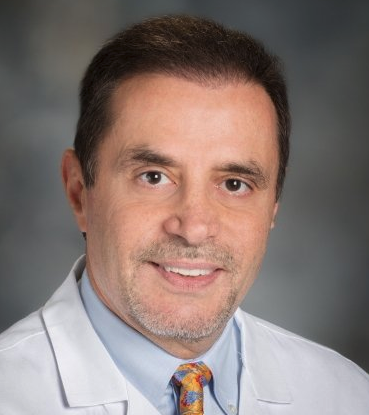 Hagop M. Kantarjian合作论文数Department of Leukemia, Division of Cancer Medicine, The University of Texas MD Anderson Cancer Center7
 Gambacorti Passerini Carlo合作论文数Dipartimento di Medicina e Chirurgia, School of Medicine and Surgery, Università degli Studi di Milano-Bicocca7Jones Mark M合作论文数7Mie Nieda合作论文数7Peter Mollee合作论文数7J. Catalano合作论文数6J Gibson合作论文数6Caroline Stewart合作论文数6
 Antiopi Varelias合作论文数Australian Infectious Diseases Research Centre, Faculty of Science, The University of Queensland6




